
2027 Most Valuable Psychology Degree Programs Ranking in South Dakota

Co-Founder and Chief Data Scientist
Choosing the right psychology degree program in South Dakota can feel overwhelming, but you're not alone. This article introduces the 2027 Most Valuable Psychology Degree Programs Ranking in South Dakota, carefully created by the Research.com team of data scientists. It's designed to help you make an informed choice about which programs offer the best value and opportunities.
Reading this guide gives you insight into programs that align with your goals and passions. Pursuing a psychology degree opens doors to rewarding careers and personal growth. Let's explore the best options together.
Key benefits of getting psychology degree in South Dakota
- Psychology degree graduates in South Dakota can earn competitive salaries, such as Human Resources Specialists making about $76,060 annually and Clinical Research Associates earning around $62,370 per year, providing strong financial incentives.
- Graduates from universities like South Dakota State University often find diverse career paths in research, counseling, human resources, and marketing, opening doors to many fulfilling roles.
- Obtaining a psychology degree online from institutions like the University of South Dakota offers flexibility, allowing students to balance work and study while still gaining valuable knowledge and skills.
- 2027 Most Valuable Psychology Degree Programs Ranking in South Dakota
- What can I expect from psychology degree in South Dakota?
- Where can I work with psychology degree in South Dakota?
What can I expect from psychology degree in South Dakota?
The average cost of pursuing a psychology degree in South Dakota is fairly affordable compared to many other states, making it an encouraging option for those passionate about the field. For instance, graduates from South Dakota State University recall managing tuition around $9,000 per year for in-state students during their bachelor's programs - a price point that feels reachable with careful budgeting and support like scholarships or work-study.
At the University of South Dakota, master's students share how their program fees hover near $10,000 to $12,000 annually, offering valuable hands-on training without overwhelming financial pressure. These reasonable costs allow many to focus on absorbing challenging material like clinical assessments or research projects instead of worrying constantly about debt.
Imagine spending your days engaged in fascinating studies about human behavior while connected to local clinics through internship partnerships - all within a financial framework that respects the realities of South Dakota's rural economy. This balance fuels confidence and excitement among psychology students eager to transform their knowledge into meaningful careers.
Where can I work with psychology degree in South Dakota?
Graduates with a psychology degree in South Dakota find rewarding opportunities across many sectors. Many from popular schools like South Dakota State University and the University of South Dakota secure clinical roles in hospitals or mental health clinics where they provide counseling and assessments, making real impacts in people's lives daily. Imagine working at a Veterans Affairs facility, helping those who've served overcome psychological challenges while building lasting relationships.
Others enjoy careers in education as school psychologists or counselors, supporting students through behavioral or learning difficulties. Graduates often share how fulfilling it feels to see young minds grow stronger with their guidance, especially when working closely with the South Dakota Department of Education.
Beyond these paths, you might explore social services or government roles where psychological expertise shapes community health programs or client support. Some alumni pursue organizational psychology careers in local businesses, developing training programs and improving workplace culture-jobs that blend science with human connection.
If licensing as a psychologist is your goal, South Dakota's requirements mean your investment pays off with careers that bring both professional respect and personal fulfillment.
Graduates from psychology programs at institutions like South Dakota State University often find meaningful entry-level roles with salaries ranging from about $32,070 annually for childcare workers to $62,370 for clinical research associates and survey researchers. Such positions provide valuable experience and a stepping stone toward advanced careers.
Those moving into human resources specialist roles can expect a healthier salary, with a mean annual wage near $76,060 in South Dakota. This reflects a solid middle ground for psychology grads leveraging their skills in organizational behavior and personnel management.
Marketing research analysts, also within reach for graduates with strong analytical skills from universities like the University of South Dakota, enjoy salaries averaging $83,190 per year. This path highlights how a psychology background can open doors beyond traditional clinical fields.
By choosing to gain practical experience and possibly pursuing graduate studies, psychology graduates in South Dakota can transform early earnings into rewarding careers. Graduates commonly report that their education equips them well for diverse opportunities, a reality that sparks optimism and confidence about their financial futures in the state.
- In-state tuition for public psychology programs in South Dakota averages about $9,000 per year, while private schools charge around $20,000 annually.
- Additional costs like textbooks, supplies, and living expenses can add several thousand dollars each year.
- Entry-level bachelor's degree graduates typically earn between $35,000 and $45,000 yearly, depending on the role and employer.
- Master's degree holders in psychology-related fields earn median salaries near $55,000 annually.
- Licensed clinical psychologists with doctoral degrees often make over $75,000 per year, especially in healthcare, education, and counseling sectors.
- South Dakota licensure for clinical psychologists requires an accredited doctoral program, supervised clinical experience, and passing exams.
Completing a psychology degree in South Dakota usually begins with four years spent earning a Bachelor of Arts or Bachelor of Science, as many graduates from the University of South Dakota and South Dakota State University will tell you. This timeframe allows you to build a solid foundation in psychology while engaging in campus life and building networks.
If you decide to go further, pursuing a Master's degree typically adds about two years. Some students find accelerated or part-time options that let them balance work and study, finishing in as little as 18 months or stretching up to three years. This flexibility suits busy students well, as several local programs understand the need for adaptable pacing.
Doctoral studies-the PhD or PsyD-are a bigger commitment, taking anywhere from four to seven more years. Graduates describe this phase as challenging yet deeply rewarding, involving coursework, hands-on clinical training, and original research. Many highlight how studying in South Dakota allowed them access to both excellent faculty guidance and practical experiences, especially valuable in preparing for licensure through supervised practice.
For many psychology graduates, earning a bachelor's or master’s degree is just the beginning of lifelong professional growth. As career demands evolve and the field of mental health expands, many professionals consider pursuing doctoral studies to gain advanced knowledge, refine their research skills, and unlock higher-level career opportunities. Doctoral programs not only deepen understanding of psychological theories but also focus on innovative applications, enabling graduates to lead research projects, develop specialized therapies, and contribute to academic advancements. In today’s competitive job market, professionals who hold a doctorate are often better positioned for leadership roles and specialized positions in clinical, forensic, or neuropsychology. In addition, enrolling in programs that offer a blend of online and on-campus coursework can provide the flexibility needed to balance continuing education with professional commitments. For those interested in exploring further, check out online accredited phd psychology programs that can propel your career to new heights, while staying current with the latest research and industry trends. This continuous educational advancement not only enhances personal expertise but also significantly contributes to improving mental health services within diverse communities.
Choosing between an online and an on-campus psychology degree in South Dakota means weighing your lifestyle and learning preferences. Graduates from the University of South Dakota often recall the vibrant energy of campus life-engaging directly with professors in real-time and benefiting from hands-on internships right in Sioux Falls or Vermillion. This face-to-face environment fosters meaningful connections and practical experiences vital for mastering psychology.
On the flip side, students who pursued their degrees online appreciate the flexibility, studying from anywhere in South Dakota at their own pace. This format suits those balancing work or family, using virtual lectures and discussion boards to stay connected. However, even online learners must complete in-person clinical hours to fulfill South Dakota's licensure requirements, sometimes visiting campus for these crucial experiences.
Both formats maintain strong academic standards and similar tuition costs, but consider how much you value direct interaction versus schedule freedom when deciding your ideal path.
Choosing an accredited psychology program is critical for ensuring your degree translates into professional licensure and career mobility. In South Dakota, regional accreditation by the Higher Learning Commission (HLC) is the baseline standard for all public and private universities. For clinical and counseling psychology tracks, look for programs with American Psychological Association (APA) accreditation or formal candidacy status-this approval signals that the curriculum meets national standards for clinical training and is recognized by licensure boards. After graduation, aspiring psychologists in South Dakota must complete the required supervised experience-typically 3,000 to 4,000 hours-under a licensed supervisor. Candidates then sit for the Examination for Professional Practice in Psychology (EPPP), administered by the Association of State and Provincial Psychology Boards (ASPPB). Additionally, those pursuing professional counseling licensure (LPC) must pass the National Counselor Examination (NCE) and satisfy the South Dakota Board of Counselor Examiners’ criteria, including background checks and jurisprudence exams. Online learners should verify that distance programs hold the same regional and professional accreditations as their campus-based counterparts. Prospective students balancing cost and accreditation can explore our Low Cost Online Psychology Degree Programs Ranking in the South to identify budget-friendly options without compromising licensure eligibility. Maintaining licensure also involves ongoing continuing education units (CEUs). South Dakota requires licensed psychologists and counselors to complete 40 CEUs every two years, with specific credits in ethics and multicultural competency. By confirming a program’s accreditation status and post‐graduate licensure support-such as exam prep workshops and internship placements-you set the foundation for a seamless transition from student to licensed professional in South Dakota’s mental health workforce.
When considering the average psychology degree cost South Dakota offers, you'll find opportunities that are both accessible and rewarding. At institutions like South Dakota State University or the University of South Dakota, many graduates share how their in-state tuition, which averages around $9,365 per year, made pursuing their passion for psychology much more feasible. This affordability allows students to focus on their studies and practical experiences without being overwhelmed by financial strain.
Out-of-state students face higher costs, but even then, the median total cost remains reasonable compared to many other states. Those aiming for graduate studies in psychology can expect tuition in the range of $10,000 to $14,000 annually at public institutions, with various assistantships helping to ease the financial burden. Students often emphasize how these supports enhance both their educational and personal growth.
Living in South Dakota while studying psychology also means managing additional expenses like mandatory fees, textbooks, and supplies, which add approximately $1,000 per year. Thoughtful budgeting around these elements complements the already affordable tuition, creating a balanced financial plan for those eager to build their futures in the field.
For anyone mapping out their path, exploring the most affordable psychology programs in south dakota is a smart step. This insight can inspire confidence that a quality education in psychology is within reach without sacrificing financial stability.
Becoming a licensed psychologist in South Dakota involves five key steps:
- Educational preparation: Complete an APA-accredited doctoral degree in psychology. Many candidates begin with an affordable online masters in psychology to build foundational knowledge before pursuing doctoral studies.
- Supervised experience: Accumulate at least 3,000 hours of supervised clinical or school psychology practice under a licensed psychologist.
- Examination: Pass the Association of State and Provincial Psychology Boards’ Examination for Professional Practice in Psychology (EPPP).
- State application: Submit official transcripts, EPPP scores and verification of supervised hours to the South Dakota Board of Examiners of Psychologists.
- Continuing education: Complete the Board’s required annual or biennial continuing education hours to maintain licensure.
When pursuing a psychology degree in South Dakota, you'll find a variety of financial aid options designed to make your education more affordable and less stressful. Many students at South Dakota State University or the University of South Dakota tap into federal programs like the Free Application for Federal Student Aid (FAFSA). This opens doors to Pell Grants, which can cover thousands of dollars and never need to be repaid-a true relief for those balancing studies and part-time work.
Federal Direct Loans also play a key role for many psychology students, offering flexible repayment plans that help graduates avoid overwhelming debt. Some even combine study with Federal Work-Study jobs, gaining practical experience while supporting themselves financially.
State scholarships like the South Dakota Opportunity Scholarship provide excellent support, awarding up to $6,500 annually to students in high-demand fields like psychology. Institutional scholarships from local universities add another layer of aid, and professional organizations such as the American Psychological Association offer specialized scholarships and research grants that can light your academic path and boost your confidence in this exciting field.
Accreditation is a cornerstone of any reputable psychology degree, signaling that a program meets rigorous standards of curriculum, faculty expertise, and student support. In South Dakota, prospective students should verify regional accreditation by the Higher Learning Commission (HLC) and, for clinical training, American Psychological Association (APA) accreditation. Graduates from APA-accredited programs are eligible for licensure as clinical psychologists in most states, while HLC accreditation ensures eligibility for federal financial aid and seamless credit transfer. Before enrolling, check each institution’s accreditation status and confirm that coursework aligns with South Dakota Board of Psychology licensure requirements, including supervised practicum hours and successful completion of the Examination for Professional Practice in Psychology (EPPP). For those considering advanced practice doctoral options, exploring accredited online pathways can expand flexibility without sacrificing quality. Many students balance full-time jobs or family commitments by enrolling in accredited online psyd programs that hold both regional and APA accreditation. These programs typically include: • Structured practicum placements in local mental health or educational settings • Virtual seminars, group supervision, and research collaborations with tenured faculty • Comprehensive licensure preparation modules covering ethics, assessment, and intervention techniques By choosing an accredited program, students safeguard their eligibility for licensure exams, federal aid, and professional memberships, ultimately strengthening their career prospects across clinical, school, and organizational psychology settings.
To start your journey in psychology in South Dakota, securing a high school diploma or GED is your first step, setting a solid foundation for college admission. Graduates from institutions like the University of South Dakota often recall that maintaining a GPA around 2.5 to 3.0 helped them meet eligibility requirements, which reflects the competitive yet achievable nature of these schools.
Alongside this, completing key general education courses such as English, math, and social sciences prepares you for the complex thinking skills required in psychology. Many students describe how early exposure to these subjects boosted their confidence and eased their transition into specialized psychology classes.
While test scores such as the SAT or ACT may no longer be mandatory due to evolving admissions policies, strong results can still open doors and enhance your application, especially in more selective programs.
For those aiming higher with master's or doctoral degrees, holding a bachelor's degree in psychology or a related field becomes essential. Graduates often emphasize the importance of relevant coursework, research involvement, and recommendation letters as vital elements that shaped their successful entry into advanced study at South Dakota State University or similar institutions.
For students looking to pursue a psychology degree in South Dakota without breaking the bank, understanding the options for most affordable psychology programs in south dakota is crucial. By exploring these budget-friendly alternatives, prospective students can make informed decisions about their educational investments, balancing the desire for quality education with the need for affordability. Many institutions in South Dakota offer competitive pricing for their psychology programs, making it possible for students to access a valuable education without incurring excessive debt. This guide aims to shed light on these affordable options, providing insights into the array of choices available to students and helping them navigate the path towards an affordable yet rewarding psychology degree.
If you're pursuing a psychology degree in South Dakota, expect a well-rounded curriculum that builds your understanding from the ground up. Core classes like Introduction to Psychology at universities such as South Dakota State University give you a solid grasp of essential theories and concepts that shape human behavior. Many graduates recall how Abnormal Psychology courses opened their eyes to real-world challenges faced by people with mental health disorders, bringing textbook knowledge into vivid, compassionate focus.
Developmental Psychology is another key course, often shared by students at the University of South Dakota, who find it rewarding to study human growth stages, tying lessons directly to their observations in internships or community settings. Research Methods and Statistics classes sharpen your analytical skills, equipping you to design experiments and interpret data confidently-an experience students have described as empowering when they later engage in hands-on research projects.
Electives like Social Psychology and Cognitive Psychology allow you to explore how our minds process the world and connect socially, with many programs offering applied tracks in Counseling or Clinical Psychology that prepare you for meaningful work in South Dakota's growing mental health field. These courses don't just teach concepts-they inspire a real sense of purpose and readiness for careers or graduate study.
When exploring psychology degree specializations in South Dakota, you'll find a rich variety tailored to meet both your interests and the evolving job market. Many graduates from institutions like the University of South Dakota and South Dakota State University have pursued concentrations such as clinical psychology, which prepares them to diagnose and treat mental health disorders-a fulfilling path for those passionate about making a direct impact on individuals' lives.
South Dakota psychology program concentration options also include counseling psychology, often chosen by students who envision careers as school or mental health counselors. Another standout is industrial-organizational psychology, which aligns well with the state's growing healthcare and business sectors. Graduates in this area are well-equipped to improve workplace environments by focusing on employee motivation and leadership.
Students also embrace specializations like developmental, neuropsychology, and forensic psychology, each opening doors to unique roles in education, research, and legal settings. For those considering further advancement, many find value in exploring online accredited phd psychology programs to deepen expertise and expand career opportunities.
Choosing the best psychology degree in South Dakota means focusing on a program that aligns with your career goals and fits your lifestyle. Many graduates from South Dakota State University share how the university's affordable tuition and strong faculty support made their academic journey rewarding and practical. If you're aiming for licensure as a psychologist, consider doctoral programs accredited by the American Psychological Association. This ensures your degree holds weight when applying for jobs or internships in the state and beyond.
Affordability is a vital factor, especially when exploring affordable psychology colleges in South Dakota. Graduates often highlight how keeping tuition and living costs low helped them stay motivated without financial strain. Universities like the University of South Dakota offer competitive tuition rates and flexible formats, including online or hybrid courses, ideal for busy students balancing work and study.
Don't overlook the value of research opportunities and experienced faculty, which deeply enrich your learning experience. Many students find that hands-on practice through internships or practicum placements enhances career readiness. Exploring options like accredited online psyd programs can also provide flexibility without compromising quality.
Graduates with a psychology degree in South Dakota find diverse career paths that deeply impact their communities. From clinical psychology roles in local hospitals to school psychology jobs in K-12 settings, there's a real chance to make a difference. Many students from universities like South Dakota State University share how their internships in community health centers or schools helped them connect theory with meaningful practice, fueling their passion for mental health care. This is especially encouraging given the state's increasing need for qualified mental health professionals.
For those interested in workplace dynamics, industrial-organizational psychology offers a rewarding path. Regional companies and government agencies in South Dakota often seek these specialists to boost employee wellbeing and motivation. Exploring psychology career opportunities in South Dakota reveals lots of options-from social services to rehabilitation counseling-that reflect the state's supportive, community-centered atmosphere.
Considering the costs and opportunities, many graduates highlight how obtaining their degree here is both affordable and practical. If you're wondering about affordable program options, check out the Low Cost Online Psychology Degree Programs Ranking in the South to find paths that fit your goals and budget.
The psychology job opportunities in South Dakota present a unique blend of steady demand and rewarding challenges, especially for graduates from institutions like the University of South Dakota or South Dakota State University. Many find roles in rural areas where mental health resources are limited, making their work truly impactful in community clinics or school settings. Graduates often share how working in these environments creates a strong sense of purpose, knowing they directly support underserved populations.
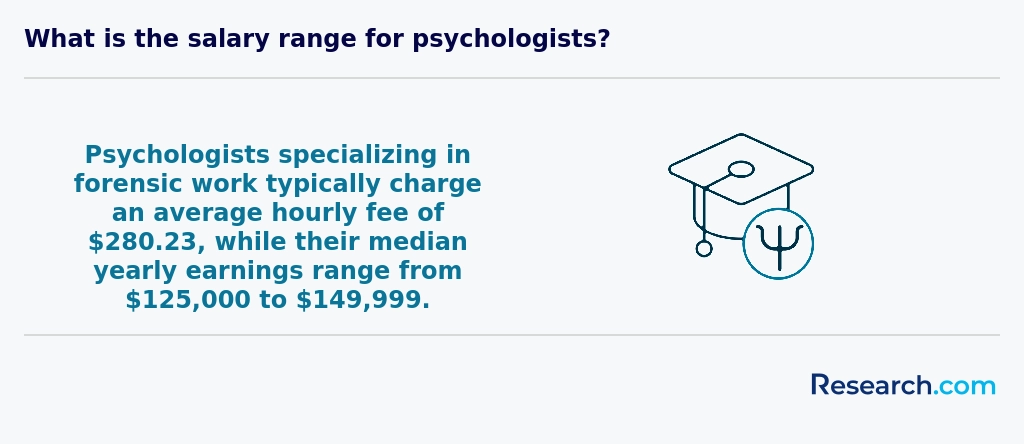
While entry-level salaries might be lower than the national average, around $70,000, the affordability of education and living costs in South Dakota balances this difference. Those pursuing advanced licensure can expect enhanced job stability and growth, encouraged by the state's focus on mental health within public policy. Many graduates have thrived by exploring roles beyond traditional psychology careers, benefiting from public schools and community outreach.
For students keen on maximizing their career potential, exploring the best certificate programs that pay well can be a valuable step. Embracing this path offers readiness for diverse job markets and aligns well with the South Dakota psychology degree employment outlook.
2027 Most Valuable Psychology Degree Programs Ranking in South Dakota
Investing in your education is a significant decision that can profoundly impact your future, and the Research.com team recognizes the importance of helping you make well-informed choices. To support prospective students in South Dakota, we have carefully developed the "2027 Most Valuable Psychology Degree Programs Ranking in South Dakota." Our dedication to quality, credibility, and accuracy is demonstrated through rigorous research and thorough analysis.
We utilized the following reputable data sources to ensure a comprehensive evaluation of psychology programs:
By reviewing this ranking, readers will gain valuable insights into the most worthwhile psychology degree programs in South Dakota, empowering them to make informed educational decisions. For more information about how this ranking was created, please visit our Research.com methodology page.



Frequently Asked Questions About psychology
Psychology degree students in South Dakota can maximize their learning experience by engaging actively in both coursework and practical opportunities. South Dakota State University and the University of South Dakota offer robust programs where students benefit from faculty-led research projects, enhancing understanding beyond textbooks. Participating in internships at local clinics or counseling centers provides real-world experience, crucial for applying psychological theories.
Networking through campus organizations such as Psi Chi, the International Honor Society in Psychology, helps students build professional connections. Additionally, accessing resources from the South Dakota Psychological Association can offer guidance and updates on local industry trends. According to the Bureau of Labor Statistics, hands-on experience boosts job prospects in the state's mental health sector.
The psychology field is expanding with several emerging niches gaining attention among students in South Dakota. One rapidly growing area is neuropsychology, which studies brain-behavior relationships and is supported by increased research funding in local universities like South Dakota State University. Another important niche is health psychology, focusing on how psychological factors affect physical health, a response to rising chronic illness rates in the state.
Industrial-organizational psychology also shows strong growth, as South Dakota businesses seek experts to improve workplace productivity and employee well-being. Additionally, forensic psychology is gaining traction due to collaborations with state legal systems.
These specialized fields reflect national trends and offer promising career paths for future psychologists in South Dakota.
Preparing for the job market after completing a psychology degree in South Dakota involves several strategic steps. Graduates should seek internships or supervised clinical experiences during their studies to build practical skills and professional networks. According to the U.S. Bureau of Labor Statistics, employment for psychologists is expected to grow 8% nationally through 2031, reflecting steady demand. In South Dakota, specifically, gaining licensure is essential to work as a professional psychologist, which requires completing approved supervised hours and passing the Examination for Professional Practice in Psychology (EPPP).
Networking through local psychology associations and attending state conferences can also enhance job prospects. Additionally, many employers value advanced degrees, so considering graduate education may increase competitiveness. Familiarity with behavioral health trends in rural areas of South Dakota can help tailor job searches effectively. Utilizing university career centers and job placement services is highly recommended to access regional employment opportunities.
Employers in South Dakota value psychology graduates who demonstrate strong critical thinking and communication skills. These abilities are essential for analyzing behavioral data and conveying findings effectively to both clients and colleagues.
Additionally, proficiency in statistical software and research methods is highly sought after. According to the U.S. Bureau of Labor Statistics, applied research skills improve job prospects in clinical and counseling roles within the state.
Interpersonal skills and cultural competence are also crucial, especially given the growing diversity in South Dakota's population. Employers look for graduates who can work empathetically with varied client backgrounds.
Finally, adaptability and ethical decision-making remain core expectations, reflecting the demanding and sensitive nature of psychological work in healthcare and community settings.
Finding psychology internships in South Dakota involves leveraging local university resources and community connections. Many universities like South Dakota State University and the University of South Dakota offer dedicated career services and internship placement programs tailored to psychology students. Students should start by consulting these offices early to access local internship listings and application support.
The South Dakota Psychological Association and regional healthcare centers provide additional opportunities for practical experience. Hospitals, mental health clinics, and nonprofit organizations in cities like Sioux Falls and Rapid City frequently host internship positions.
Networking through faculty, attending state psychology conferences, and joining professional groups can also expand one's chances of securing an internship. According to the Bureau of Labor Statistics, internships increase the likelihood of obtaining full-time roles after graduation, making them a critical step in psychology education in South Dakota.
Obtaining a psychology degree in South Dakota can significantly enhance career mobility and advancement opportunities within the state. According to data from the U.S. Bureau of Labor Statistics, employment of psychologists in South Dakota is projected to grow by about 6% through 2030, reflecting steady demand.
A degree in psychology opens doors to diverse roles such as counseling, human resources, and social services, which are sectors expanding due to increased mental health awareness. Holding at least a bachelor's degree is essential for entry-level positions, while a master's or doctoral degree often leads to clinical or specialized leadership roles.
In South Dakota, licensed psychologists typically earn higher salaries-with averages nearing $80,000 annually as reported by the South Dakota Department of Labor-compared to related professions requiring fewer qualifications. This credential also supports upward mobility into supervisory or administrative positions in healthcare and education fields.
Studying for a psychology degree in South Dakota equips students with skills valued across multiple disciplines. Programs often emphasize research methods, statistics, and behavioral science, which are essential in fields like healthcare, education, and social work. According to the South Dakota Board of Regents, the curriculum commonly integrates courses encouraging collaboration with areas such as sociology, biology, and communication.
Students also benefit from hands-on experiences through internships and community projects, fostering practical skills needed in interdisciplinary teams. This approach aligns with the growing demand in South Dakota's healthcare and human services sectors, where 14% employment growth is projected by 2030 (Bureau of Labor Statistics).
Overall, psychology programs in South Dakota aim to prepare graduates for versatile roles by combining foundational knowledge with applied skills across various fields.
Choosing between a thesis and a non-thesis psychology degree program in South Dakota depends on your career goals and learning preferences. Thesis programs emphasize research, requiring students to conduct original studies and write a detailed research paper. This path suits those aiming for academic careers or doctoral studies. Non-thesis programs focus more on coursework and practical experiences, ideal for students targeting professional practice or immediate entry into the workforce.
According to the National Center for Education Statistics, many South Dakota universities offering psychology degrees provide both options, with about 30-40% of psychology master's students choosing thesis tracks. Evaluating faculty expertise and research facilities at institutions like South Dakota State University can also guide your decision.
Students based in South Dakota who want to study psychology abroad have several pathways within the US higher education system. Many universities offer exchange programs or partnerships with international institutions, allowing South Dakota students to transfer credits toward their psychology degrees. For example, South Dakota State University and the University of South Dakota participate in study abroad programs that include psychology courses in countries such as the United Kingdom and Australia.
Additionally, students can pursue accredited psychology degrees online through international universities, which are often recognized by US accreditation bodies. These options broaden the experience without the need to fully relocate abroad.
According to the South Dakota Board of Regents, about 15% of psychology undergraduates engage in study abroad activities annually, reflecting growing interest in international learning opportunities.
In South Dakota, part-time jobs that complement psychology degree education often involve roles in social services, counseling support, and research assistance. Many students find opportunities as behavioral health technicians or mental health aides, positions that provide practical experience while earning flexible income.
Universities like the University of South Dakota and South Dakota State University offer research assistant positions, allowing students to engage in ongoing psychological studies. According to the U.S. Bureau of Labor Statistics, employment in mental health services in South Dakota is projected to grow by 10% through 2031, creating increasing demand for skilled support staff.
Other common roles include child care workers and rehabilitation aides, which help students develop interpersonal skills vital in psychology fields. Local nonprofit organizations and healthcare facilities frequently seek part-time assistants qualified in basic psychological principles.
Psychology students in South Dakota benefit from several networking opportunities through local universities and professional organizations. The South Dakota Psychological Association (SDPA) regularly hosts conferences and workshops, connecting students with licensed psychologists and researchers. These events provide valuable chances to build professional relationships and learn about current industry trends.
Many universities, including the University of South Dakota and South Dakota State University, facilitate internships and research assistantships that connect students directly with practitioners in clinical, counseling, and school psychology fields.
According to the Bureau of Labor Statistics, South Dakota's growing demand for mental health professionals makes early networking crucial for career placement.
Alumni networks play a crucial role for psychology degree students in South Dakota by offering professional connections and mentorship opportunities. Graduates from programs such as those at the University of South Dakota and South Dakota State University often participate in these networks, which help students navigate the competitive job market.
According to the South Dakota Board of Regents, psychology alumni networks can provide access to internships and job openings in local mental health agencies, schools, and research institutions. These connections increase employment prospects for graduates.
Moreover, alumni often offer guidance on licensure and continuing education requirements specific to South Dakota, aiding students in meeting state certification standards set by the South Dakota Board of Psychology Examiners.
Customizing a psychology degree program in South Dakota involves selecting courses and experiences that align with your career goals. Many state universities, including South Dakota State University and the University of South Dakota, offer elective courses in areas like clinical, counseling, or industrial-organizational psychology. Students can also pursue internships and research projects, which are critical for gaining practical skills. According to the South Dakota Board of Regents, incorporating supervised fieldwork or practicum experiences enhances job readiness. Additionally, some programs allow students to earn certifications that prepare them for licensure as psychology professionals within South Dakota's regulatory framework.
Psychology students in South Dakota often face several key challenges during their studies. One major issue is limited local internship opportunities. South Dakota, with its largely rural population, offers fewer clinical placements compared to more urban states, which can affect practical experience acquisition. Additionally, students may encounter high costs associated with graduate programs; according to the South Dakota Board of Regents, average tuition for in-state graduate students reached around $8,000 per year in 2023, placing financial strain on many.
Access to research funding is another hurdle. Psychology programs in South Dakota generally have less robust research support compared to large research universities nationally, impacting student involvement in cutting-edge studies. Furthermore, state licensure requirements for clinical psychology can be demanding, with South Dakota requiring 3,000 hours of supervised experience post-degree, often necessitating relocation.
With a psychology degree in South Dakota, graduates can pursue various professional certifications to advance their careers. One common credential is the Licensed Psychologist license, regulated by the South Dakota Board of Psychology. Earning this requires a doctoral degree, supervised experience, and passing the Examination for Professional Practice in Psychology (EPPP).
Other options include certifications in school psychology, requiring a specialist degree plus state licensure, and Licensed Professional Counselor (LPC) or Licensed Addiction Counselor (LAC) credentials, which often need a master's degree and supervised clinical hours. According to the Bureau of Labor Statistics, South Dakota expects 8% job growth in mental health professions by 2030, reflecting increasing demand for certified psychology professionals.
Additional certifications, such as Certified Rehabilitation Counselor (CRC) or Board Certified Behavior Analyst (BCBA), are also available depending on specialization and coursework completed.
To write a winning application for a psychology program in South Dakota, start by carefully researching programs like those at the University of South Dakota or South Dakota State University. Both emphasize strong academic records, so maintain a high GPA-typically above 3.0. Highlight relevant coursework in psychology, sociology, and biology to show preparedness.
Include a well-crafted personal statement that clearly explains your interest in psychology and your career goals. South Dakota programs value applicants who demonstrate community involvement or research experience, so mention internships or volunteer work if applicable.
Standardized test requirements vary; check each program's latest policies. Some programs may require GRE scores, while others are test-optional.
Letters of recommendation from professors or professionals familiar with your academic or work ethic are crucial. Strong endorsements can differentiate your application.
Pay attention to deadlines and complete all materials thoroughly. For specific state-related data and guidelines, consult the South Dakota Board of Regents and individual university admissions websites.
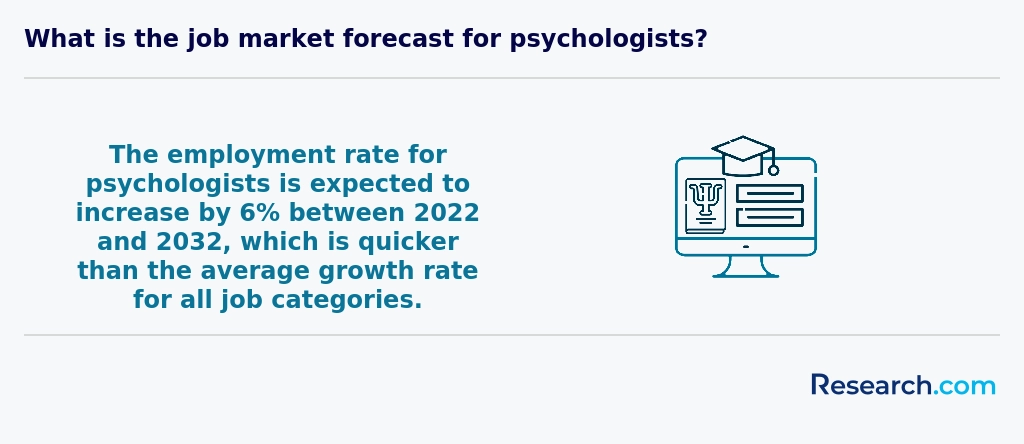
Psychology careers have a broad global relevance, as mental health awareness rises worldwide. In the United States, including South Dakota, the demand for qualified psychologists is projected to grow by 8% from 2022 to 2032, according to the U.S. Bureau of Labor Statistics. This trend reflects an increasing need for mental health services in diverse settings.
South Dakota's psychology programs often emphasize both local community needs and global psychological principles. Graduates can work in healthcare, education, or research, applying their skills to multicultural and international contexts. The American Psychological Association highlights the importance of cultural competence, which is vital for effective practice in diverse populations.
Worldwide, psychologists contribute to improving public health, advancing education, and supporting organizational development. A degree obtained in South Dakota can prepare students to engage in this global dialogue, combining theoretical knowledge with practical experience suited to various career paths.
Gaining practical experience while studying psychology in South Dakota is essential for developing skills and enhancing employability. Many universities in the state offer internship programs in collaboration with local mental health clinics, hospitals, and social service agencies.
Students can also participate in research assistant positions, enabling hands-on involvement in ongoing psychology studies. For example, South Dakota State University encourages undergraduates to join faculty-led research projects, which often include data collection and analysis.
Additionally, volunteer opportunities with organizations such as the South Dakota Mental Health Center provide relevant real-world exposure. According to the Bureau of Labor Statistics, practical experience significantly improves job prospects for psychology graduates in South Dakota's growing healthcare sector.
Choosing the right concentration within a psychology degree in South Dakota involves understanding your career goals and local opportunities. Common concentrations include clinical, counseling, and industrial-organizational psychology. South Dakota's workforce data from the U.S. Bureau of Labor Statistics shows a growing demand for clinical and counseling psychologists, especially in rural areas where mental health services are limited.
Students should consider programs that offer strong practicum or internship placements in local hospitals or community centers. This hands-on experience is essential for licensure and employment in the state. Additionally, researching faculty expertise and program accreditation, such as from the American Psychological Association (APA), can guide informed decisions.
Finally, aligning your concentration with South Dakota's healthcare and social services trends can improve job prospects and professional fulfillment.
- 2027 Most Valuable Psychology Degree Programs Ranking in North Dakota
- 2027 Most Valuable Psychology Degree Programs Ranking in Nebraska
- 2027 Most Valuable Psychology Degree Programs Ranking in Montana
- 2027 Most Valuable Psychology Degree Programs Ranking in Kansas
- 2027 Most Valuable Psychology Degree Programs Ranking in Missouri
- 2027 Most Valuable Psychology Degree Programs Ranking in Illinois
- 2027 Most Valuable Psychology Degree Programs Ranking in Oklahoma
- 2027 Most Valuable Psychology Degree Programs Ranking in Kentucky
- 2027 Most Valuable Psychology Degree Programs Ranking in Ohio
- 2027 Most Valuable Psychology Degree Programs Ranking in Mississippi
See What Experts Have To Say About Studying Psychology
Read our interview with Psychology experts

Joann Farrell Quinn, Ph.D., MBA
Psychology Expert
Director at the College of Medicine Department of Medical Education
Morsani College of Medicine

Catherine Caldwell-Harris, Ph.D.
Psychology Expert
Associate Professor of Psychology
Boston University

Elizabeth L. Jeglic Ph.D.
Psychology Expert
Professor of Psychology
City University of New York

- A Guide to Psychology Internships | Psychology Degree Guide https://psychologydegreeguide.org/resources/internships/
- How to help students cope with mental health challenges https://www.eaie.org/resource/help-students-cope-mental-health-challenges.html
- Psychology - SWPS University https://english.swps.pl/academics/warsaw/ba-programs/psychology
- Have You Found a Niche? https://www.apaservices.org/practice/business/marketing/building/niche
- Staying connected, made simple: how associations and alumni networks grow with Socie - Socie App https://socie.eu/staying-connected-made-simple-how-associations-and-alumni-networks-grow-with-socie/
- How To Become A Psychologist In South Dakota https://www.psychology.org/online-degrees/south-dakota/
- South Dakota Online Psychology Degree Programs https://www.onlinepsychologydegrees.com/states/south-dakota/
- Call for papers https://www.hogrefe.com/us/journal/international-perspectives-in-psychology-research-practice-consultation
- Mental Health Challenges Faced by Psychology Students | The Healthcare Guys https://healthcareguys.com/2023/11/23/mental-health-challenges-faced-by-psychology-students/
- Psychology Bachelor's Degree https://northern.edu/degrees/psychology-bachelors-degree


