2027 Most Valuable Psychology Degree Programs Ranking in Wisconsin

Co-Founder and Chief Data Scientist
Choosing the right psychology degree program in Wisconsin can shape your future career and personal growth. This article introduces the 2027 Most Valuable Psychology Degree Programs Ranking in Wisconsin, carefully crafted by the Research.com team of data scientists.
The ranking is designed to help you make an informed decision by highlighting programs that offer strong value and opportunities.
Exploring psychology opens doors to understanding human behavior and making a positive impact, making your educational journey both meaningful and rewarding.
Key benefits of getting psychology degree in Wisconsin
- Salary for psychology degree graduates: Careers like Human Resources Specialists earn a mean annual wage of $76,060, while Marketing Research Analysts typically make around $83,190 yearly, offering strong financial rewards in Wisconsin.
- Career paths: Graduates from the University of Wisconsin often find fulfilling roles in research, counseling, and healthcare, showing the diverse opportunities a psychology degree can unlock.
- Online degree benefits: Earning a psychology degree online from institutions like UW Flexible Option allows working adults in Wisconsin to balance study with life, making education more accessible and flexible without sacrificing quality.
- 2027 Most Valuable Psychology Degree Programs Ranking in Wisconsin
- What can I expect from psychology degree in Wisconsin?
- Where can I work with psychology degree in Wisconsin?
What can I expect from psychology degree in Wisconsin?
The average cost of earning a psychology degree in Wisconsin varies depending on the type of institution. Public universities like the University of Wisconsin-Madison offer in-state tuition rates that can range from $10,000 to $15,000 per year, making it a more affordable option for residents. Graduates from these programs often mention how the combination of manageable costs and strong research opportunities helped them build confidence in pursuing advanced degrees or entering the workforce.
Private colleges, such as Marquette University, typically charge higher tuition, sometimes between $30,000 and $40,000 annually. However, many students find that scholarships, assistantships, and internships integrated into these programs offset costs while providing valuable hands-on experiences in clinical or counseling settings within Milwaukee's community.
Additional expenses to consider include books, lab fees, and practicum placements, which practical students often budget for to avoid surprises. Many Wisconsin psychology students appreciate that affordable in-state options and financial aid opportunities allow them to focus on gaining knowledge and skills without overwhelming debt.
Where can I work with psychology degree in Wisconsin?
Graduates with a psychology degree from institutions like the University of Wisconsin-Madison or Marquette University find diverse job opportunities throughout Wisconsin's healthcare, education, and social service sectors. For example, a graduate working as a licensed professional counselor in a Milwaukee clinic directly supports clients' mental health, benefiting from state licensure and advanced training. Another common path involves joining school districts in Madison as educational psychologists or counselors, helping students navigate academic and emotional challenges.
Many alumni recall starting their careers in social service agencies around Green Bay, providing substance abuse treatment or family support, often partnering with state programs. Moving beyond clinical roles, some find rewarding positions in human resources or marketing research at businesses in cities like Milwaukee, where their understanding of human behavior drives team building and consumer insights.
Knowing that Wisconsin expects a 9% job growth in psychology roles over the next decade, graduates feel optimistic. Starting salary ranges around $50,000 with potential growth above $100,000 motivate students to pursue internships during their studies to boost employability.
Graduates with a psychology degree from institutions like the University of Wisconsin-Madison or Marquette University often begin their careers in roles such as human resources specialists, marketing research analysts, or clinical research associates. In Wisconsin, a human resources specialist typically earns around $76,060 annually, while marketing research analysts can expect about $83,190 per year. Clinical research associates and survey researchers earn approximately $62,370 annually.
These salary figures provide a practical guide for those planning their next steps after graduation. For example, a Marquette graduate working as a marketing research analyst in Milwaukee might find the $83,190 average wage motivating, supporting a comfortable urban lifestyle.
Graduates starting as clinical research associates or survey researchers in more rural areas of Wisconsin should anticipate salaries closer to the $62,370 mark but can also leverage experience and licensure to increase earnings over time. The key takeaway is that psychology degree holders have several lucrative paths, especially when they combine their degree with relevant experience or certifications.
- Annual tuition for a bachelor's degree in psychology at public universities in Wisconsin ranges from $9,000 to $11,000 for in-state students, while private schools often charge over $30,000.
- Entry-level psychology jobs in Wisconsin offer salaries between $40,000 and $50,000 per year, with higher pay for those holding master's or doctoral degrees.
- Experienced clinical psychologists and counselors in Wisconsin can earn more than $80,000 annually.
- Employment for psychologists in Wisconsin is expected to grow by nearly 15% in the next decade.
- To become a licensed psychologist, a doctoral degree, supervised professional experience, and passing the EPPP exam are required in Wisconsin.
- Many Wisconsin psychology programs provide research opportunities, internships, and community partnerships to support hands-on learning.
Completing a psychology degree in Wisconsin typically takes four years for a bachelor's degree when studying full-time at public universities like the University of Wisconsin-Madison or Marquette University. Graduates often describe feeling motivated as they progress through the roughly 120 to 130 credit hours, balancing core courses in psychological theories with research methods and electives.
Those aiming for a master's degree should plan on an additional two to three years, depending on whether they enroll full-time or part-time at popular programs such as those at UW-Milwaukee. Many find the practicum or thesis requirements rewarding, especially as they gain practical experience that deepens their understanding.
Doctoral degrees, including PhD or PsyD tracks offered at institutions like UW-Madison, usually take four to seven years. Graduates share how the combination of coursework, dissertation writing, and clinical training can feel demanding but ultimately fulfilling, opening doors to licensure and advanced careers.
Factors like summer courses or transfer credits can shorten this timeline, which students appreciate as a way to stay on track or accelerate their goals.
Embarking on a psychology career in Wisconsin often culminates in obtaining the proper licenses and certifications, ensuring that you can practice legally and ethically. Whether you aim to become a licensed psychologist, school psychologist, or licensed professional counselor (LPC), understanding each step is crucial. 1. Education and Degree Requirements - Bachelor’s Degree: Foundation coursework in psychology (for entry‐level roles or graduate school preparation). - Master’s Degree: Required for LPC and many school psychologist credentials; typically 2 years of graduate study. - Doctoral Degree (Ph.D. or Psy.D.): Mandatory for licensed clinical psychologists. You may explore our psyd in psychology online programs for flexible doctoral training. 2. Supervised Professional Experience - Pre‐Doctoral Internship: Minimum 1,500–2,000 hours in an APA-accredited or state-approved setting. - Post‐Master’s Supervision for LPC: At least 3,000 hours of supervised clinical practice under a board-approved supervisor. - Documentation: Maintain detailed logs of client contact hours, supervisor evaluations, and training activities. 3. Examination Requirements - Examination for Professional Practice in Psychology (EPPP): National exam administered by the Association of State and Provincial Psychology Boards (ASPPB). A passing score is required for licensure as a psychologist. - Wisconsin Jurisprudence Exam: State-specific test on Wisconsin statutes, rules, and professional ethics. - LPC National Counselor Exam (NCE): For those pursuing an LPC credential, administered by the National Board for Certified Counselors (NBCC). 4. State Application and Fees - Submit official transcripts, verified supervision logs, and exam scores to the Wisconsin Department of Safety and Professional Services (DSPS). - Application Fee: Approximately $120–$200, depending on license type. - Background Check: Complete a state‐mandated criminal background check and fingerprinting. 5. Continuing Education and Renewal - Psychologists: 40 hours of continuing education every two years, including at least 3 hours in ethics. - LPCs: 40 hours every two years, with 3 hours in ethics and 3 hours in clinical supervision (if supervising others). - Course Formats: Workshops, online seminars, and APA-approved conferences. By following these licensure and certification steps, you’ll ensure that your Wisconsin psychology credential is both recognized and respected, positioning you for a successful and impactful career.
If you're weighing online versus on-campus psychology degrees in Wisconsin, start by considering how you learn best. Online programs, like those offered by University of Wisconsin system schools, give flexibility to balance work or family, allowing you to study asynchronously when it fits your schedule. Graduates often appreciate saving time on commuting, but they miss the face-to-face interactions that on-campus students enjoy.
On-campus programs at places such as University of Wisconsin-Madison provide direct access to labs, internship opportunities, and networking events. Graduates recall the energizing experience of in-person discussions with professors and peers, which can deepen understanding and professional connections crucial for clinical careers.
Remember, state licensure in Wisconsin requires supervised in-person clinical hours, so hands-on opportunities found more readily on campus are vital for those planning to become licensed psychologists.
Cost and lifestyle matter too: online studies may have added technology fees but reduce housing and transport expenses. On-campus students often budget for living costs along with tuition.
As you explore the best undergraduate and master’s programs Wisconsin has to offer, it’s equally important to consider the value of advanced education in psychology. Many professionals are increasingly choosing to pursue doctoral studies to not only enhance their clinical and research skills but also to secure leadership roles in academia, clinical practice, and industry. Advanced degrees offer an opportunity to specialize further, engage in cutting-edge research, and develop a niche expertise that sets you apart in a competitive job market. Completing a doctorate can empower you to contribute innovative insights into mental health practices, foster community wellbeing, and drive policy changes. In particular, online programs provide a flexible pathway for busy professionals who wish to advance their education without putting their careers on hold. For instance, exploring doctor of psychology online programs can be a game-changer if you are seeking a balance between work, study, and personal commitments. By investing in advanced studies, you position yourself at the forefront of emerging trends and innovations in psychology. These programs also facilitate long-term professional growth and the development of critical leadership skills, ensuring that your contributions remain relevant in the evolving landscape of mental health and human behavior research.
The average cost of a psychology degree in Wisconsin can vary widely depending on the type of institution and residency status. Data shows the median total cost hovers around $44,542, while in-state students typically pay a much lower median total cost of about $11,603. Graduates from public universities like those in the University of Wisconsin System often appreciate the balance of quality education and more affordable tuition, which helps ease financial pressure during their studies.
Many students pursuing psychology degrees notice that public universities offer a more approachable price point compared to private institutions. For instance, attending a well-known public school in Wisconsin can make a significant difference in overall expenses, aligning closely with the average cost psychology degree Wisconsin students expect. Graduates often reflect on how this affordability allowed them to focus more on gaining practical experience than handling overwhelming debt.
Private schools, while sometimes more costly, offer resources and networks that many psychology students find worthwhile. Those seeking psychology degree tuition and fees Wisconsin trends will note that private colleges generally demand higher fees but may also provide scholarships or financial aid to help offset these costs. Exploring the most affordable psychology programs in Wisconsin is a pragmatic step for students aiming to optimize investment without compromising educational quality.
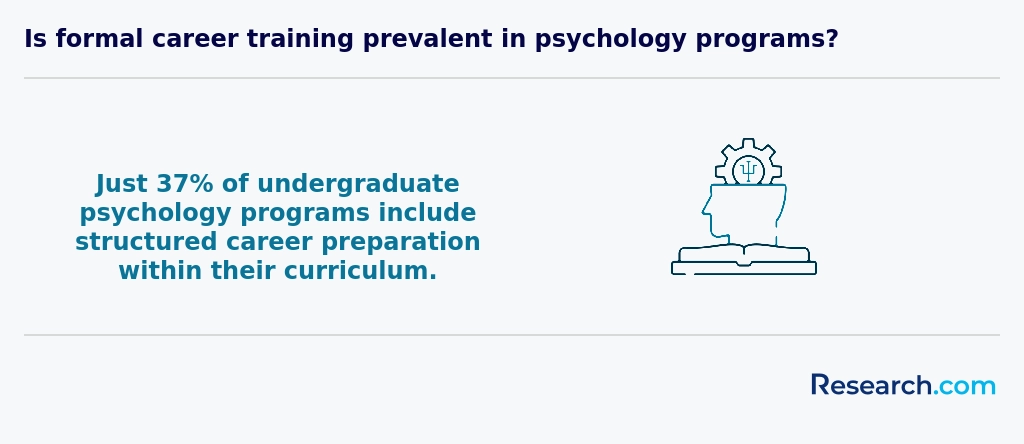
When considering psychology degree programs in Wisconsin, it's essential to weigh the financial costs against potential returns on investment (ROI). Prospective students should research the average tuition fees, additional costs, and available financial aid options to make informed decisions. For instance, exploring the most affordable psychology programs in Wisconsin can help identify programs that offer quality education at a lower cost. Additionally, understanding the job market and potential salary ranges for psychology graduates in Wisconsin can provide insight into the long-term financial benefits of pursuing a psychology degree. By carefully evaluating these factors, students can choose a program that aligns with their financial situation and career aspirations, ultimately leading to a rewarding and fulfilling profession in psychology.
When financing a psychology degree in Wisconsin, start by applying for federal aid like Pell Grants, which can offer up to $7,395 annually for students showing financial need. Many in-state students at schools like the University of Wisconsin-Madison have reported how these grants significantly eased their tuition burden.
The Wisconsin Higher Educational Aids Board (HEAB) also provides the Wisconsin Grant, averaging about $2,000, specifically for residents attending public colleges. Psychology students have found this grant a practical way to reduce their yearly costs alongside federal support.
Scholarships available through universities such as Marquette University often reward academic achievement or specific research interests, typically offering between $1,000 and $5,000. Graduates frequently mention how these scholarships helped them focus more on studies and research without constant financial stress.
Federal Work-Study programs offer another resource by providing part-time jobs connected to psychology fields, giving students work experience while covering expenses.
While private loans and employer tuition reimbursement exist, wise students prioritize exhausting federal and state aid first to minimize debt pressure after graduation.
- Earn a doctoral degree in psychology (PhD or PsyD) from an APA-accredited program. Many candidates complete a master’s degree (cheap psychology masters programs) en route.
- Complete at least 1,500 pre-doctoral practicum hours and 3,000 post-doctoral supervised hours under a licensed psychologist.
- Pass the Examination for Professional Practice in Psychology (EPPP) and the Wisconsin Jurisprudence Exam on state laws and ethics.
- Apply to the Wisconsin Psychology Examining Board with official transcripts, supervision verifications, exam scores, and background check, and pay required fees.
- Maintain licensure with 30 continuing education credits every two years.
To enroll in a psychology degree program in Wisconsin, start by ensuring you meet the academic prerequisites. For undergraduate studies at universities like the University of Wisconsin-Madison or Marquette University, you'll need a high school diploma or GED with solid completion of core courses such as English, math, science, and social studies. Many students find completing an introductory psychology course before applying helpful to build foundational knowledge and show genuine interest.
Graduate programs, such as a master's at UW-Milwaukee, expect applicants to have earned a bachelor's degree in psychology or a related field. Specific coursework in statistics, research methods, and developmental psychology is commonly required, alongside maintaining a minimum GPA of around 3.0.
Graduates often highlight how letters of recommendation and personal statements can set them apart by showcasing their enthusiasm and career goals. Also, gaining relevant experience through research or internships proves advantageous and makes enrollment into clinical placements smoother, especially when programs ask for background checks or immunization records.

Discover the leading psychology degree programs in Wisconsin for 2024, ranked by value, outcomes, and affordability. Whether you’re seeking intensive on-campus research opportunities or flexible online formats, these institutions offer top-tier curricula, strong career support, and competitive tuition rates. 1. University of Wisconsin–Madison • Median graduate salary: $75,200 • Highlights: World-class faculty, state-of-the-art research labs, extensive clinical placements 2. Marquette University • Median graduate salary: $68,500 • Highlights: Small class sizes, robust online modules, accredited counseling practicums 3. University of Wisconsin–La Crosse • Median graduate salary: $64,300 • Highlights: Strong emphasis on applied research, partnerships with local health agencies 4. University of Wisconsin–Milwaukee • Median graduate salary: $62,800 • Highlights: Urban internship opportunities, diverse specialization tracks 5. University of Wisconsin–Whitewater • Median graduate salary: $60,450 • Highlights: Affordable tuition, hands-on lab courses, active Psi Chi chapter 6. University of Wisconsin–Eau Claire • Median graduate salary: $58,900 • Highlights: Community-based practicum, summer research fellowships 7. University of Wisconsin–Oshkosh • Median graduate salary: $57,100 • Highlights: Collaborative faculty mentoring, growing I-O psychology program 8. Ripon College • Median graduate salary: $55,600 • Highlights: Personalized undergraduate research, high placement in graduate schools 9. Lakeland University • Median graduate salary: $53,800 • Highlights: Flexible evening/weekend courses, strong career services 10. Cardinal Stritch University • Median graduate salary: $52,400 • Highlights: Faith-based counseling focus, comprehensive practicum network For prospective students seeking cost-effective online alternatives beyond Wisconsin, explore our Affordable Online Psychology Degree Programs Ranking in New York to compare tuition, program formats, and outcomes.
When enrolling in a psychology degree program in Wisconsin, expect to take core courses that build a strong foundation in both theory and practice. Graduates from popular universities in Madison and Milwaukee often share how courses like Introduction to Psychology and Developmental Psychology clarified everyday human behaviors they observe around campus or at home.
Classes such as Biopsychology and Cognitive Psychology connect directly to understanding brain functions and mental processes, making abstract concepts tangible. Social Psychology courses equip students to analyze campus interactions or community events, helping them relate coursework to real-life social dynamics.
Many students appreciate hands-on courses like Research Methods and Statistics for Psychology; these teach them to gather and analyze data, essential skills when conducting local studies or internships. Applied courses-such as Clinical Psychology or Counseling-often include practicums at Wisconsin hospitals or community centers, transforming academic knowledge into rewarding, practical experience.
Wisconsin psychology programs with specialization options typically include clinical, counseling, cognitive, and industrial-organizational psychology. Graduates from the University of Wisconsin often share how clinical psychology training has equipped them to work effectively in diverse mental health settings, thanks to hands-on experience and strong faculty support. Counseling psychology is another popular path, ideal for students who want to support youth in schools or community agencies, reflecting the state's focus on adolescent well-being.
In programs at Wisconsin colleges, students interested in research frequently choose cognitive or experimental psychology, diving deeply into how memory and learning processes work. Industrial-organizational psychology is gaining traction too, especially with Wisconsin's manufacturing and healthcare sectors offering job opportunities in workplace efficiency and employee wellness.
Those looking to balance career demands and flexible learning options have benefited from exploring doctor of psychology online programs, which allow for specialization in areas tied to Wisconsin's market needs. Considering psychology degree specializations in Wisconsin helps students align studies with career goals practically and confidently.
Start by pinpointing the degree level that fits your goals-bachelor's, master's, or doctorate-since this shapes your career path in Wisconsin's psychology field. Accreditation is critical; choose programs approved by the American Psychological Association or regional bodies like the Higher Learning Commission to secure licensure eligibility. Graduates from well-known Wisconsin universities often highlight how accreditation ensured smooth paths to employment.
Cost matters too, especially if you're balancing finances. Many students find affordable psychology colleges Wisconsin options by comparing tuition with scholarships and aid. Public schools typically offer lower rates, helping reduce debt burdens while still providing quality education.
Look closely at curriculum and faculty expertise. Programs blending developmental and clinical psychology with strong research methods are favored by students who want hands-on experience. Faculty actively engaged in research or clinical work bring mentorship that helped recent graduates network effectively.
Internships and career services are vital for practical training. Many programs partner with local hospitals and clinics, giving students real-world experience before graduation. If you want to explore advanced degrees, consider a psyd in psychology online for added flexibility. These steps align with choosing from the best psychology degree programs in Wisconsin while keeping your future secure.

Graduates with a psychology degree in Wisconsin find diverse job opportunities that match various interests and skills. Clinical psychology, counseling, and school psychology are common career paths that require licensure through the Wisconsin Department of Safety and Professional Services. Graduates working in these roles often provide therapy and assessments in healthcare settings and schools, gaining rewarding experiences through direct client interaction.
University of Wisconsin-Madison psychology graduates emphasize the strong research and academic opportunities available in the state. Pursuing a PhD allows them to engage in behavioral and mental health studies, contributing to meaningful scientific advances. This is an appealing track for those who prefer understanding human behavior through data and theory.
For those interested in practical applications, organizational psychology roles in businesses help improve workplace dynamics and employee well-being. Psychology career options in Wisconsin also extend to social services and human resources, providing versatile options after graduation. To explore affordable education pathways, consider checking out Affordable Online Psychology Degree Programs Ranking in New York for ideas on flexible study plans.
The job market for psychology graduates in Wisconsin is growing steadily, especially in cities like Milwaukee, Madison, and Green Bay. Graduates from popular institutions such as the University of Wisconsin-Madison often find opportunities as licensed counselors, clinical psychologists, or school psychologists. These roles are in high demand due to expanded health coverage and increased mental health awareness. Many find rewarding work in outpatient care centers and government agencies, contributing to community well-being. Those starting with a bachelor's degree typically see median salaries around $40,000, while those advancing to doctoral degrees can earn over $85,000. Because Wisconsin's cost of living is relatively moderate, these salaries offer solid financial stability and room for growth.
Students focused on psychology career opportunities in Wisconsin often report that pursuing advanced degrees improves their chances significantly. Licensing is required for many clinical positions, so gaining a master's or doctoral degree is a practical step. Graduates appreciate that tuition at Wisconsin's public universities averages about $10,000 annually, making education affordable compared to other states. Many also boost their prospects by acquiring certifications that make money, which can be explored through certifications that make money. This pragmatic approach helps them secure fulfilling roles while addressing critical mental health needs locally.
2027 Most Valuable Psychology Degree Programs Ranking in Wisconsin
Investing in your education is a significant decision that can shape your future, and the Research.com team understands the importance of making informed choices. To assist prospective students in Wisconsin, we have meticulously developed the "2027 Most Valuable Psychology Degree Programs Ranking in Wisconsin." Our commitment to quality, credibility, and accuracy is reflected in the thorough research and analysis undertaken to create this ranking.
We utilized the following reputable data sources to ensure a comprehensive evaluation of psychology degree programs:
By exploring this ranking, readers will gain valuable insights into the most valuable psychology degree programs in Wisconsin, helping them make informed and confident decisions about their educational futures. For more information on the methodology behind this ranking, please visit our Research.com methodology page.


Frequently Asked Questions About psychology
Students pursuing psychology degrees in Wisconsin can maximize their learning experience by engaging deeply with both academic coursework and practical opportunities. Wisconsin is home to several universities with accredited psychology programs offering hands-on research and internship options, which are key to applying theory in real-world settings. For example, the University of Wisconsin system emphasizes experiential learning through lab work and community partnerships.
Joining psychology clubs and attending seminars can also enhance understanding and networking, helping students stay updated on new developments. Additionally, taking advantage of state resources like the Wisconsin Psychological Association offers mentorship and professional development opportunities. According to the Bureau of Labor Statistics, the demand for psychologists in Wisconsin is expected to grow by 10% through 2031, highlighting the importance of comprehensive preparation.
Emerging niches within the psychology field reflect growing societal needs and technological advances. In Wisconsin, areas like health psychology and neuropsychology are gaining traction due to increased demand for mental health services and brain injury treatments. The Bureau of Labor Statistics notes that clinical, counseling, and school psychologists in the Midwest, including Wisconsin, are expected to grow faster than the national average through 2031.
Another developing area is forensic psychology, where professionals support legal processes, increasingly vital given Wisconsin's focus on criminal justice reform. Additionally, industrial-organizational psychology is expanding as local businesses seek to improve employee well-being and productivity.
Specializing in these niches can enhance career prospects for Wisconsin-based students pursuing psychology degrees.
After completing a psychology degree in Wisconsin, preparing for the job market involves several key steps. Graduates should seek internships or volunteer opportunities in clinical, counseling, or research settings to gain practical experience. According to the Wisconsin Department of Workforce Development, demand for psychologists and related professionals is expected to grow by 8% between 2020 and 2030.
Networking with local professionals and joining organizations like the Wisconsin Psychological Association can provide valuable connections. Pursuing licensure or certification, such as the Licensed Professional Counselor credential, enhances job prospects. Additionally, developing skills in data analysis and evidence-based practices aligns with employer expectations in Wisconsin's healthcare and education sectors.
Employers in Wisconsin seeking psychology graduates highly value strong analytical skills. These skills enable graduates to interpret data effectively and apply psychological theories to real-world problems, which is essential in clinical, educational, and organizational settings.
Communication abilities, both written and verbal, are critical. Wisconsin employers emphasize clear report writing and empathetic client interaction as key components of professional success.
Research proficiency is also important, as many psychology roles require conducting studies or evaluating programs. According to the Wisconsin Department of Workforce Development, graduates with hands-on experience in research methods have an advantage in job placement.
Additionally, ethical judgment and cultural competence are prioritized due to Wisconsin's diverse populations and the sensitive nature of psychological work, ensuring respectful and effective client care.
Finding internships in Wisconsin relevant to a psychology degree involves several strategic steps. Start by exploring psychology departments of Wisconsin universities like the University of Wisconsin-Madison, which often have established internship partnerships with local mental health clinics and research centers. According to the American Psychological Association, internships typically require 200 to 1,000 supervised hours, making planning essential.
Additionally, state resources such as the Wisconsin Department of Health Services list approved practicum sites for psychology students. Networking through local professional organizations like the Wisconsin Psychological Association can also provide valuable leads.
Online platforms and university career centers often post internships specific to psychology, helping students target opportunities within the state's healthcare and research sectors.
Obtaining a psychology degree in Wisconsin can significantly boost career mobility and advancement opportunities within the state. Graduates with a bachelor's or advanced degree often access a broad range of fields including clinical, counseling, educational, and industrial-organizational psychology. According to the U.S. Bureau of Labor Statistics and Wisconsin Department of Workforce Development, psychology-related jobs in Wisconsin are projected to grow by 7% through 2030, aligning with national trends.
Higher degrees such as a master's or doctorate typically lead to higher earning potential and leadership roles. Licensure requirements in Wisconsin mandate advanced degrees and supervised experience for clinical psychologists, which directly impacts career advancement.
Employers in healthcare, social services, and education highly value psychology degrees for roles requiring critical thinking, research, and interpersonal skills, further supporting career progression.
Studying for a psychology degree in Wisconsin offers strong preparation for interdisciplinary roles through comprehensive curricula that integrate psychology with related fields such as sociology, education, and health sciences. Many Wisconsin universities emphasize collaboration and practical experience, allowing students to engage in research projects and internships that involve multiple disciplines.
According to the Wisconsin Educational Communications Board, psychology programs often include courses on behavioral science, neuroscience, and statistics, fostering skills applicable in healthcare, business, and social services. Graduates are equipped to work with diverse teams, addressing complex issues requiring knowledge beyond psychology alone.
Wisconsin's focus on applied learning and community partnerships enhances students' readiness for roles in mental health agencies, schools, and policy organizations, where interdisciplinary approaches are essential.
Choosing between a thesis and a non-thesis psychology degree program in Wisconsin depends on your career goals and interests. Thesis programs emphasize research, requiring students to design and complete an original study. This path suits those aiming for doctoral studies or research-intensive careers.
Non-thesis options focus more on coursework and practical experience, ideal for students seeking careers in counseling, social work, or human services. Data from the Wisconsin Educational Aids Board shows that about 40% of state psychology graduates pursue research degrees, while 60% enter applied professional roles.
Consider faculty expertise and resources at Wisconsin universities to support your decision.
Students based in Wisconsin who wish to study psychology abroad have several options through their home institutions. Many Wisconsin universities, including the University of Wisconsin system, offer study abroad programs in psychology or related fields. These programs allow students to complete psychology coursework at partner schools worldwide, often in Europe or Asia.
Wisconsin students can also access exchange agreements, enabling them to study full semesters abroad while earning credits transferable toward their psychology degree. These opportunities are typically coordinated by campus study abroad offices.
Additionally, organizations like IES Abroad provide psychology-focused international programs accessible to Wisconsin students. Participation broadens their understanding of global psychological practices and complements typical U.S.-based training.
While specific statewide data on psychology study abroad participation is limited, UW-Madison reports over 60% of its undergraduates engage in some form of study abroad, indicating strong institutional support and interest.
In Wisconsin, part-time jobs that complement psychology degree education often involve roles providing practical experience in mental health and human services. Common positions include psychiatric aides, behavioral health technicians, and mental health support staff, which help students apply theoretical knowledge while building professional skills.
The Wisconsin Department of Workforce Development reports growing demand for such roles, projecting a 10% growth in mental health technician jobs by 2028. Additionally, university campus counseling centers and local nonprofit organizations frequently seek part-time assistants, offering work relevant to clinical and counseling psychology studies.
These roles provide valuable exposure to client interaction, data collection, and therapeutic environments, enriching a psychology student's understanding and employability.
Psychology students in Wisconsin benefit from diverse networking opportunities that help connect them to professionals and peers. Universities such as the University of Wisconsin-Madison host career fairs and psychology-related events, creating valuable spaces for students to meet faculty, alumni, and potential employers. The Wisconsin Psychological Association offers membership for students, providing access to conferences, workshops, and mentorship programs focused on psychology within the state. Additionally, students can engage with local research centers and clinics, where practical experience often leads to networking possibilities. These resources support students' career development in psychology throughout their education in Wisconsin.
Alumni networks offer significant benefits to psychology degree students in Wisconsin by creating valuable professional connections. These networks often include graduates working in diverse fields such as clinical psychology, counseling, and research. This diversity helps current students explore different career paths and gain insights into industry trends.
According to the Wisconsin Department of Workforce Development, the mental health sector in the state is expected to grow by 16% through 2030, highlighting the importance of strong professional ties. Alumni networks frequently facilitate mentorships, internships, and job placement opportunities, which are crucial in psychology careers.
Additionally, alumni connections can provide access to exclusive workshops, conferences, and continuing education, keeping students updated on advances within psychology. Universities like the University of Wisconsin-Madison emphasize leveraging these networks to support student success and professional growth.
Customizing a psychology degree program in Wisconsin to align with your career goals involves selecting courses and experiences that match your interests. Many Wisconsin institutions, such as the University of Wisconsin-Madison, offer specialized tracks in areas like clinical, counseling, or industrial-organizational psychology. Students may also choose electives in neuroscience, developmental psychology, or social psychology to deepen expertise in specific fields.
Internships and research opportunities play a crucial role in tailoring your education. According to the Wisconsin Educational Aids Board, practical experience improves job readiness significantly. Additionally, some programs allow combining psychology with minors or certificates in related fields like education or health care, enhancing career flexibility.
Advising services at Wisconsin universities guide students to align their curriculum with licensure requirements, such as those for becoming a Licensed Professional Counselor in the state. This ensures your degree supports both your career aspirations and professional qualifications.
Psychology students in Wisconsin often encounter several common challenges during their studies. One major difficulty is managing the rigorous coursework combined with practical experience requirements. Institutions like the University of Wisconsin emphasize research and clinical internships, which can demand significant time and effort. According to the Wisconsin Educational Aids Board, balancing these obligations with part-time work or personal commitments can lead to high stress.
Additionally, limited availability of specialized faculty and internship placements in rural areas poses obstacles for some students. Licensing prerequisites in Wisconsin may also delay career progression, as students must complete supervised clinical hours post-graduation. Awareness of these challenges helps prospective students prepare effectively.
With a psychology degree in Wisconsin, graduates can pursue several professional certifications to enhance their career opportunities. One prominent option is becoming a Licensed Professional Counselor (LPC), which requires completing a master's degree, supervised clinical hours, and passing the national exam. LPCs often work in community mental health settings or private practice.
Another certification is the Licensed Psychologist credential, regulated by the Wisconsin Psychology Examining Board, which requires a doctoral degree, supervised experience, and passing the Examination for Professional Practice in Psychology (EPPP).
Additional certifications include Certified Alcohol and Other Drug Abuse Counselor (CADC), which suits those focusing on substance use counseling. The Wisconsin Department of Safety and Professional Services provides detailed licensing requirements. According to the Bureau of Labor Statistics, Wisconsin employed over 3,000 psychologists in 2022, reflecting steady demand for licensed professionals.
Applying to psychology programs in Wisconsin requires careful preparation to stand out. Start by maintaining a strong GPA, ideally 3.5 or higher, as many state universities value academic excellence. Highlight relevant experiences, such as volunteering or internships in mental health settings, to demonstrate commitment to the field.
Wisconsin applicants should also submit a well-crafted personal statement explaining their motivation and career goals in psychology. According to the Wisconsin Educational Aids Board, clear communication and a strong narrative can increase admission chances significantly. Additionally, obtaining recommendation letters from professors familiar with your work can add credibility.
Finally, research each program's specific requirements, as some may require the GRE or specific coursework. Programs at institutions like the University of Wisconsin-Madison emphasize both academic and practical readiness, so tailored applications help demonstrate fit and enthusiasm.
Psychology careers in the United States, including Wisconsin, are increasingly influenced by global trends in mental health awareness and research collaboration. According to the American Psychological Association (APA), growth in psychology professions reflects a worldwide demand for mental health services and evidence-based practice. This trend offers Wisconsin graduates opportunities to engage in cross-cultural research or work with diverse populations.
Global perspectives emphasize the importance of multicultural competence and adaptability, which align with Wisconsin institutions prioritizing practical experience and community involvement. The U.S. Bureau of Labor Statistics projects a 10% growth in psychologist jobs by 2031, illustrating strong domestic and international relevance. Wisconsin's programs often integrate such global insights into their curriculum to prepare students effectively.
Gaining practical experience while studying for a psychology degree in Wisconsin is essential for career readiness. Many universities offer internships through partnerships with local healthcare facilities, schools, and social service agencies. For example, the University of Wisconsin system emphasizes supervised internships as part of their curriculum.
Students can also participate in research assistant positions, often available at campus psychology departments. These opportunities allow involvement in ongoing studies, providing hands-on experience with data collection and analysis. According to the Wisconsin Educational Opportunity Programs (WEOP), such roles enhance both learning and job prospects.
Volunteer work in community mental health organizations is another common way to develop practical skills. Wisconsin hosts multiple nonprofit agencies where psychology students frequently contribute, aiding both personal and professional growth.
Choosing the right concentration within a psychology degree program in Wisconsin depends largely on your career goals and interests. Areas such as clinical, counseling, industrial-organizational, and developmental psychology are popular options in the state's universities. According to the Wisconsin Educational Aids Board, concentrations that align with growing job markets-like clinical psychology-may offer stronger employment prospects.
Consider the specific curriculum and research opportunities each program provides. For instance, the University of Wisconsin system offers diverse specializations with access to cutting-edge facilities. Additionally, look into licensure requirements in Wisconsin, as certain concentrations better prepare students for state certification.
Networking with faculty and current students can also clarify which focus fits your strengths and ambitions.
- 2027 Most Valuable Psychology Degree Programs Ranking in Illinois
- 2027 Most Valuable Psychology Degree Programs Ranking in Missouri
- 2027 Most Valuable Psychology Degree Programs Ranking in Ohio
- 2027 Most Valuable Psychology Degree Programs Ranking in Nebraska
- 2027 Most Valuable Psychology Degree Programs Ranking in Kentucky
- 2027 Most Valuable Psychology Degree Programs Ranking in North Dakota
- 2027 Most Valuable Psychology Degree Programs Ranking in Kansas
- 2027 Most Valuable Psychology Degree Programs Ranking in Pennsylvania
- 2027 Most Valuable Psychology Degree Programs Ranking in Oklahoma
- 2027 Most Valuable Psychology Degree Programs Ranking in Mississippi
See What Experts Have To Say About Studying Psychology
Read our interview with Psychology experts

Catherine Caldwell-Harris, Ph.D.
Psychology Expert
Associate Professor of Psychology
Boston University

Robin M. Kowalski. Ph.D.
Psychology Expert
Professor of Psychology
Clemson University

Elizabeth L. Jeglic Ph.D.
Psychology Expert
Professor of Psychology
City University of New York

- Best Types Of Online Psychology Degrees 2025 https://www.psychology.org/degrees/
- Know more about thesis vs non- thesis: what is the difference? https://studyfans.com/en/blogs/816
- How Psychology Students Can Get Clinical Experience Before Graduating | The Playful Psychologist https://www.theplayfulpsychologist.com/post/students-experience-how-to-get-the-experience-you-need-before-you-graduate
- Study Psychology Abroad https://astarfuture.co.uk/study_psychology_abroad.html
- Online Psychology Schools in Wisconsin https://www.onlinepsychologydegrees.com/states/wisconsin/
- Ontario Psychological Association - Networking and Community Resources https://www.psych.on.ca/become-a-member-(1)/member-services/networking-and-community-resources
- Wisconsin Psychology Schools | Psychology Degree Guide https://psychologydegreeguide.org/state/wisconsin/
- Mental Health Challenges Faced by Psychology Students | The Healthcare Guys https://healthcareguys.com/2023/11/23/mental-health-challenges-faced-by-psychology-students/
- How to help students cope with mental health challenges https://www.eaie.org/resource/help-students-cope-mental-health-challenges.html
- Call for papers https://www.hogrefe.com/us/journal/international-perspectives-in-psychology-research-practice-consultation