
2027 Most Valuable Psychology Degree Programs Ranking in Nebraska

Co-Founder and Chief Data Scientist
Choosing the right psychology degree program is an important step toward a fulfilling career. This article introduces the 2027 Most Valuable Psychology Degree Programs Ranking in Nebraska, developed by the Research.com team of data scientists.
The ranking offers clear insights to help you make an informed decision about which programs stand out in quality and value. Psychology can open doors to meaningful work that makes a difference in people's lives.
Reading this guide will empower you with knowledge and confidence as you explore your educational options in Nebraska's psychology field.
Key benefits of getting psychology degree in Nebraska
- Salary for psychology degree graduates: Graduates in Nebraska can expect competitive salaries, such as a Human Resources Specialist earning around $76,060 annually and a Marketing Research Analyst making approximately $83,190 per year, highlighting strong financial potential.
- Career paths: Psychology graduates from Nebraska universities often pursue varied roles like Clinical Research Associate or Survey Researcher, offering diverse and rewarding opportunities in healthcare, research, and business.
- Online degree benefits: Earning a psychology degree online from a Nebraska institution provides flexibility and convenience, allowing students to balance work and study while still preparing for successful careers.
- 2027 Most Valuable Psychology Degree Programs Ranking in Nebraska
- What can I expect from psychology degree in Nebraska?
- Where can I work with psychology degree in Nebraska?
What can I expect from psychology degree in Nebraska?
The average cost of pursuing a psychology degree in Nebraska varies depending on the institution and degree level, but students often find it more affordable compared to national averages. For instance, graduates from the University of Nebraska-Lincoln report tuition and fees that are reasonable for in-state students, allowing them to focus on demanding coursework and research opportunities without excessive financial stress.
Many psychology students appreciate Nebraska's balanced approach to education expenses, reinforced by the availability of scholarships and assistantships that help offset costs. A graduate from Creighton University shared how financial aid made intensive clinical and research training attainable, fostering a positive and motivating learning environment.
Overall, considering Nebraska's relatively low cost of living and the support systems at schools such as the University of Nebraska Medical Center, students find pursuing psychology degrees manageable and worthwhile. This affordability encourages more individuals to enter the mental health field, reflecting the growing demand for qualified professionals throughout the state.
Where can I work with psychology degree in Nebraska?
Graduates holding psychology degrees in Nebraska frequently secure positions in mental health services, such as counselors, therapists, or behavioral health technicians. Institutions like local hospitals and community health centers often provide fulfilling roles where graduates can make a tangible difference in patients' lives. For example, graduates from the University of Nebraska often find rewarding work supporting individuals through behavioral health challenges, experiencing professional growth alongside meaningful impact.
Many psychology alumni also find opportunities in educational settings, working as school psychologists who address student well-being and learning needs. With over 350 practicing school psychologists in the state, graduates from Creighton University and other colleges are well-placed to contribute within Nebraska's school systems, fostering positive student development.
Social services represent another pathway, where graduates collaborate with nonprofits or government agencies to assist vulnerable populations. Nebraska's Department of Health and Human Services frequently employs psychology graduates to deliver community intervention programs, creating rewarding careers centered on service and compassion.
Finally, numerous graduates pursue research or applied psychology roles in Nebraska's universities and businesses. Whether contributing to behavioral studies or improving workplace wellbeing through organizational psychology, psychology graduates in Nebraska enjoy diverse and meaningful career possibilities.
Graduates with a psychology degree from institutions like the University of Nebraska or Creighton University often find their earning potential tied to the specific roles they pursue in Nebraska's job market. For example, those entering human resources roles can expect a mean annual wage of approximately $76,060, reflecting strong demand and competitive salaries in this field.
Marketing research analysts with psychology backgrounds in Nebraska enjoy an average annual salary near $83,190, benefiting from a blend of psychological insight and data analysis skills that employers highly value. Graduates interested in clinical research positions, such as clinical research associates or survey researchers, typically earn mean salaries around $62,370 annually, a respectable income when starting out and gaining practical experience.
Entry-level graduates who choose roles like childcare workers generally face lower earnings, with mean annual wages near $32,070, but this path often serves as a valuable stepping stone toward more advanced psychology-related careers. Many Nebraska graduates express satisfaction in leveraging their psychology training within these roles, combining community impact with professional growth.
- In-state tuition for public universities in Nebraska averages around $9,000 per year, while private schools can cost over $25,000 annually.
- The total cost for a bachelor's degree in psychology typically ranges from $27,000 to $36,000 for four years of study.
- Graduate programs, especially doctoral degrees, are more expensive and may include extra fees for internships and licensing.
- Starting salaries for entry-level psychology jobs in Nebraska average about $40,000 per year.
- Median annual wages for psychologists range from $80,000 to $85,000 depending on specialization and work setting.
- Licensing in Nebraska requires a doctoral degree, supervised experience, and passing the EPPP exam; master's degree holders can also pursue certification as counselors or therapists.
Completing a psychology degree in Nebraska commonly takes about four years for most undergraduates pursuing a Bachelor of Arts or Bachelor of Science. Students at institutions like the University of Nebraska-Lincoln and Creighton University often find the structured curriculum designed to be finished within this timeframe, balancing core psychology courses, general education, and electives.
Many graduates describe the journey as rewarding yet manageable, especially when studying full-time. Those balancing work or family sometimes extend their study period. For graduate degrees, completion times differ significantly: Master's programs typically range from 1.5 to 3 years, while doctoral degrees (PhD or PsyD) may span 4 to 7 years due to rigorous coursework, research, and clinical internships, including the year-long internship required by Nebraska's licensing boards.
Students often appreciate combined bachelor's and master's pathways offered by some Nebraska universities, which help accelerate their studies. These programs make it easier to stay motivated by seeing steady progress toward advanced credentials without prolonged breaks between degrees.
Before beginning your practice, Nebraska psychology graduates must ensure their degree program meets both national accreditation standards and state licensure prerequisites. Most doctoral candidates pursue an APA-accredited program, which is recognized by the Nebraska Board of Psychologists as the gold standard. For counseling psychologists, CACREP accreditation and National Board for Certified Counselors (NBCC) certification are often required. After graduation, applicants must complete at least 2,000 hours of supervised professional experience under a licensed psychologist, pass the Examination for Professional Practice in Psychology (EPPP), and clear the Nebraska Laws and Rules Examination. Master’s-level practitioners aiming for Licensed Mental Health Practitioner (LMHP) status should verify that their program aligns with Nebraska’s educational requirements-typically a CACREP-accredited master’s degree-followed by 3,000 hours of supervised clinical experience and the National Counselor Examination (NCE). Those interested in doctoral training can explore leading psyd schools to find online and on-campus options that fulfill both accreditation and licensure criteria. Understanding these accreditation and licensure steps early will streamline the path from graduation to a fully licensed psychology career in Nebraska.
Online psychology degrees in Nebraska offer flexibility that suits students balancing work or family responsibilities. Graduates from popular institutions like the University of Nebraska at Omaha often highlight the convenience of accessing course materials anytime through online platforms, enabling them to study without disrupting daily routines. These programs maintain rigorous academic standards, and tuition rates typically align closely with on-campus options, often around $9,000 annually at public universities.
Conversely, on-campus degrees at schools such as the University of Nebraska-Lincoln provide immersive experiences that include face-to-face interactions with faculty and peers, as well as access to active psychology labs and internship opportunities. Graduates praise this environment for fostering real-time discussions and networking, which are invaluable for those pursuing clinical or research careers.
While online study requires strong self-discipline, on-campus programs facilitate in-person practicum experiences necessary for many licensure paths. Students at both formats find that Nebraska's accredited programs equip them to enter the workforce confidently and meet their individual learning and career goals.
Obtaining a psychology degree that meets Nebraska’s licensure criteria ensures you can practice officially across the state.
- Enroll in a regionally accredited bachelor’s program to qualify for graduate study and internships.
- Choose an APA-accredited doctoral (or relevant master’s) program to fulfill educational requirements for clinical licensure.
- After graduation, complete 1,600 supervised practice hours as required by the Nebraska Board of Psychology.
- Pass the Examination for Professional Practice in Psychology (EPPP) and the Nebraska jurisprudence exam.
- For an accelerated pathway in an accredited format, explore our fast track psychology degree online.
The average cost of a psychology degree in Nebraska typically ranges around $37,778 for total expenses, with in-state students benefiting from substantially lower tuition fees-approximately $10,434 on median. Students pursuing psychology at institutions such as the University of Nebraska-Lincoln often find the financial investment manageable relative to many other states, partly due to Nebraska's affordable public university tuition rates and lower living costs. Many graduates recall balancing the tuition and fees with additional costs like books and housing, which can add an estimated $10,000 to $15,000 annually. This overall affordability helps students focus on their studies and clinical training without overwhelming financial stress.
Nebraska psychology degree tuition and fees reflect the varied options available, including private universities where costs rise significantly, and public institutions that cater favorably to local residents. For example, some psychology students from Creighton University report a higher tuition burden but feel the investment is justified by the institution's reputation and resources. Graduate programs, particularly clinical psychology tracks, carry higher tuition-often between $12,000 and $15,000 annually for in-state students-but graduates describe these expenses as a worthy step toward career advancement.
Prospective students seeking both a supportive educational environment and cost-effective options should explore the cheapest psychology programs in nebraska. Many find that combining financial aid, scholarships, and in-state residency status makes obtaining a psychology degree in Nebraska an achievable and rewarding goal.

For psychology professionals aiming to broaden their expertise and improve their earning potential, pursuing an advanced degree can be a game changer. Advanced programs offer a deeper dive into clinical practice, research methodologies, and evidence-based treatments, all while providing opportunities to build a robust professional network. Students gain hands-on experience through internships and collaborative projects, which not only strengthen their practical skills but also enhance their attractiveness to employers. In today’s competitive market, an advanced degree often translates to higher salary prospects, increased job responsibilities, and greater leadership opportunities within the field. Many online pathways are designed for flexibility and accessibility, allowing working professionals to continue their education without compromising their commitments. For those considering further academic advancement, exploring masters in psychology online accredited programs can be an excellent next step. These programs combine a rigorous, research-driven curriculum with expert mentorship and comprehensive career support services, ensuring that graduates are well-prepared to navigate a dynamic job market and excel in their future careers.
Psychology students at institutions like the University of Nebraska-Lincoln often rely on federal financial aid such as the FAFSA, which opens access to grants, loans, and work-study opportunities. Many undergraduates receive Federal Pell Grants, which can contribute up to $7,395 annually, easing the burden of tuition fees that range widely between public and private colleges in Nebraska.
State-specific support also plays a vital role. The Nebraska Opportunity Grant helps low- and moderate-income students enrolled in psychology programs at colleges such as Creighton University by providing several thousand dollars per academic year based on financial need.
Private scholarships further supplement this aid; organizations like the Nebraska Psychological Association offer awards that many graduates recall as pivotal in their academic journey. Work-study positions tied to psychology research labs or counseling centers offer hands-on experience while helping cover living expenses.
Additionally, federal Direct Loans with fixed interest rates provide flexible repayment, and some students benefit from employer tuition assistance, especially those working in related healthcare sectors in Nebraska.
For prospective students, one of the critical factors in choosing a psychology program is affordability. Understanding the costs associated with each program is essential for making an informed decision. The cost of psychology programs in Nebraska varies significantly, with factors such as institution type, residency status, and degree level playing crucial roles. Students can explore cheapest psychology programs in nebraska to find options that fit their budgets. Additionally, students should consider financial aid options, scholarships, and potential return on investment in terms of future career prospects and earning potential. By carefully evaluating these financial considerations, students can select a psychology program that aligns with their academic goals, career aspirations, and financial situation.
To enroll in a psychology degree program in Nebraska, prospective students must meet key academic prerequisites that ensure readiness for this rigorous field. Typically, applicants must have completed a high school diploma or GED, with a strong academic record in core subjects like English, math, and science. For instance, graduates of psychology programs from the University of Nebraska often recall how foundational skills in writing and critical thinking developed early on proved essential throughout their studies.
Many Nebraska institutions require SAT or ACT scores, though some, including campuses within the University of Nebraska system, have adopted test-optional policies, making admissions more accessible. Students who have completed introductory college-level courses feel more confident and prepared, as highlighted by alumni from Creighton University who emphasize the value of early exposure to college coursework.
Graduate psychology programs in Nebraska add further expectations, such as holding a relevant bachelor's degree, maintaining a GPA of at least 3.0, and submitting GRE scores where applicable. Hands-on research experience and compelling personal statements frequently play a decisive role, motivating many students to actively seek internship opportunities within local Nebraska communities to enhance their applications.

Hands-on experience through internships and field placements is a cornerstone of quality Psychology degree programs in Nebraska. Many universities partner with local mental health clinics, schools, hospitals, and community centers to ensure students apply classroom theory in real-world settings. For example, the University of Nebraska-Lincoln’s Psychology Department works closely with the Nebraska Family Helpline, allowing undergraduates to assist with crisis intervention and client intake under supervision. Similarly, Creighton University’s counseling practicums place students in urban school districts, offering direct exposure to child and adolescent therapy. Field placement requirements typically range from 100 to 300 hours, depending on the program level and specialization. These placements not only develop clinical and assessment skills but also strengthen professional networks, often leading to job offers upon graduation. Industrial-Organizational Psychology majors may secure internships with Omaha-based Fortune 500 companies, where they conduct employee surveys and design training modules. Students focusing on research can join faculty-led labs at Nebraska Wesleyan University to co-author studies on cognitive development. Online learners can access similar experiential learning via virtual supervision and regional site placements. To explore budget-friendly online practicum options alongside traditional pathways, consider programs highlighted in Low Cost Online Bachelor's in Psychology Degree Programs. Ultimately, robust internship and field placement offerings are key indicators of a program’s commitment to producing practice-ready psychology professionals.
Psychology degree programs in Nebraska commonly encompass a series of core courses essential for grasping the fundamentals of human behavior. Students at institutions such as the University of Nebraska or Creighton University often engage deeply with courses like Introduction to Psychology, which provides a broad overview of psychological theories and history, giving them a strong foundation from the start.
Graduates frequently recall how Research Methods and Statistics courses sharpened their ability to design experiments and analyze data-skills vital for both academic research and practical applications. Biological Psychology introduces students to the intricate link between brain functions and behavior, often bringing theory to life through hands-on lab sessions, which many find particularly engaging.
Cognitive Psychology explores mental processes such as memory and problem-solving, resonating with students eager to understand how we think daily. Developmental and Social Psychology courses allow learners to investigate human growth and societal interactions, offering relatable insights into everyday human experiences. Electives tailored toward clinical or industrial-organizational psychology further enable students to align studies with personal career aspirations, making the learning journey both relevant and inspiring.
Psychology degree specializations in Nebraska typically include clinical, counseling, developmental, and industrial-organizational psychology, reflecting the state's diverse academic offerings. Graduates from well-known universities often share how clinical psychology programs combine rigorous coursework with supervised experience, essential for licensure in Nebraska, instilling confidence through real-world application. Counseling psychology students appreciate integrating developmental psychology, which enriches their understanding of client challenges in emotional and social contexts, a common focus in Nebraska psychology program focus areas.
Developmental psychology attracts students interested in research, with hands-on projects exploring cognitive growth and behavioral transitions that graduates find rewarding for their academic and professional journeys at Nebraska institutions. Those pursuing industrial-organizational psychology often describe engaging courses that apply psychological principles directly to improve workplace dynamics, a growing specialty in Nebraska's economy. Other tracks such as neuropsychology and forensic psychology may be available depending on the college, allowing tailored career paths.
For those considering advanced studies, many Nebraska students explore masters in psychology online accredited programs to balance education with professional commitments.
To choose the best psychology degree in Nebraska, start by evaluating the level of education aligned with your career goals. Graduates from universities like the University of Nebraska-Lincoln often highlight how selecting an accredited program greatly influenced their success in counseling or clinical roles. Practical experience through internships is a common positive aspect reported by students, especially at institutions with strong faculty expertise in psychology. Considering affordable psychology degrees in Nebraska means balancing cost with quality; public universities offer in-state tuition ranging from $9,000 to $11,000 annually, which many find more manageable than private college fees exceeding $20,000. Flexibility in course delivery-such as online or evening classes-is another important factor that working students appreciate. Moreover, specializing in tracks like industrial-organizational psychology or clinical psychology, as many graduates have done, can enhance employability. For those seeking doctoral paths, exploring psyd schools can be particularly beneficial. Finally, ensure your choice aligns with Nebraska's Board of Psychology licensure requirements to facilitate future certification.
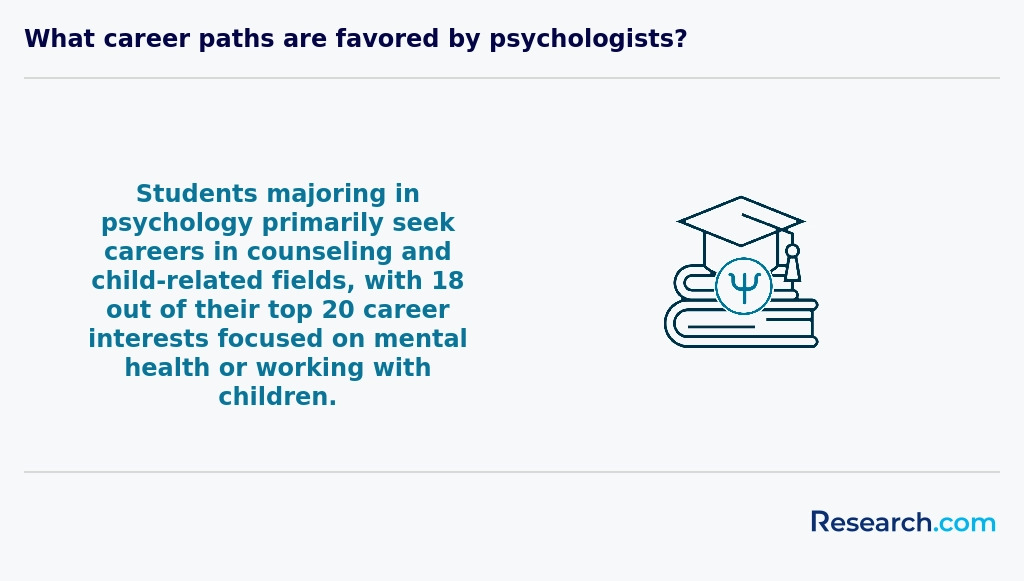
Graduates with a psychology degree in Nebraska find diverse opportunities across clinical, educational, organizational, and research settings. Many pursue clinical psychology careers, assessing and treating mental health disorders in counseling centers throughout Omaha and Lincoln, reflecting strong demand fueled by Nebraska's growing awareness of mental wellness. Others specialize in industrial-organizational psychology, applying psychological principles to improve workplace productivity, often employed by Nebraska businesses eager to enhance employee motivation and performance.
Educational psychology is a prominent path, with graduates supporting Nebraska's public schools by addressing learning challenges and advancing special education initiatives. Universities such as the University of Nebraska-Lincoln and Creighton University also employ graduates in research roles, engaging in impactful projects that contribute to community health and science. Furthermore, psychology degree holders often find meaningful careers in social services and correctional facilities, where Nebraska's Department of Correctional Services hires professionals to assist offender rehabilitation, a vital community need.
Those considering psychology also benefit from options in affordable study pathways, including Low Cost Online Bachelor's in Psychology Degree Programs, facilitating access to these rewarding jobs with a psychology degree in Nebraska.
Graduates holding a psychology degree in Nebraska enter a job market characterized by steady growth and diverse opportunities. Many find rewarding roles in Omaha and Lincoln, where healthcare facilities, schools, and government agencies actively seek professionals skilled in clinical and counseling psychology. With Nebraska's employment growth for psychologists projected at about 10%, slightly above the national average, career opportunities with psychology degree Nebraska reflect a robust demand for mental health services statewide.
University of Nebraska graduates often share positive experiences of gaining practical skills and licensure readiness through accredited programs, enabling them to succeed in roles such as school psychologists or substance abuse counselors. The state's lower cost of living paired with salaries typically ranging from $60,000 to $90,000 enhances overall job satisfaction for professionals. For those considering further certification or advanced degrees, Nebraska provides accessible options that support long-term career advancement.
Students exploring affordable education pathways may benefit from programs linked to the top associate degree in 6 months online accredited, a strategic step before pursuing higher degree levels. This robust educational and employment landscape makes Nebraska a compelling choice for those focused on psychology degree job outlook Nebraska.
2027 Most Valuable Psychology Degree Programs Ranking in Nebraska
Investing in your education is a significant decision that can shape your future, and the Research.com team understands the importance of making informed choices. To assist prospective students in Nebraska, we have meticulously crafted the "2027 Most Valuable Psychology Degree Programs Ranking in Nebraska." Our commitment to quality, credibility, and accuracy is reflected in the extensive research and analysis conducted to compile this ranking.
We utilized the following reputable data sources to ensure a comprehensive evaluation of psychology degree programs:
By exploring this ranking, readers will gain valuable insights into the most valuable psychology degree programs available in Nebraska, helping them make informed decisions about their educational paths. For more details on our methodology, please visit our Research.com methodology page.


# 6 position
Wayne State College
Bachelor of Science in Psychology


# 8 position
Peru State College
Bachelor of Science in Psychology


Frequently Asked Questions About psychology
Psychology degree students in Nebraska can maximize their learning experience by actively engaging in both academic and practical opportunities. Joining research projects or labs at universities such as the University of Nebraska-Lincoln provides hands-on experience and strengthens critical thinking.
Internships and volunteer work in local mental health facilities offer practical knowledge and networking connections, essential in developing professional skills. According to the Nebraska Department of Labor, Nebraska's psychology-related jobs are expected to grow by 12% over the next decade, highlighting the value of experiential learning.
Additionally, students should participate in psychology clubs and attend regional conferences to stay updated on current trends and expand their professional network.
Emerging niches in psychology reflect shifts in society and technology that are also impacting Nebraska. One growing area is neuropsychology, which studies brain-behavior relationships, increasingly relevant due to advances in medical imaging. Another is health psychology, focusing on how mental states affect physical health, a field expanding alongside Nebraska's aging population.
Industrial-organizational psychology is gaining traction as Nebraska's businesses seek experts to improve workplace productivity and employee wellbeing. Similarly, forensic psychology is growing as courts rely more on psychological expertise. According to the U.S. Bureau of Labor Statistics, employment for psychologists in Nebraska is projected to grow 8% from 2020 to 2030, faster than average.
New fields like telepsychology have surged during the pandemic, making mental health care more accessible across rural Nebraska. These niches offer promising paths for students exploring psychology degrees in the state.
After completing a psychology degree in Nebraska, preparing for the job market requires strategic planning. Graduates should seek internships or practicum experiences, which Nebraska universities often facilitate through partnerships with local mental health clinics and hospitals. Gaining supervised clinical hours is crucial for those pursuing licensure as a psychologist or counselor in Nebraska. According to the Nebraska Department of Labor, demand for mental health professionals in the state is expected to grow by 12% through 2030, highlighting strong job prospects. Networking with local psychology associations, such as the Nebraska Psychological Association, can provide valuable career connections and resources.
Continuing education is also essential. Many psychology roles require advanced degrees or certifications, so exploring graduate programs within Nebraska or nearby states is beneficial. Familiarity with Nebraska's licensing requirements, set by the Nebraska Department of Health and Human Services, ensures candidates meet all credentialing criteria. Lastly, developing skills in evidence-based approaches and culturally competent care can improve employability in Nebraska's diverse communities.
Employers in Nebraska highly value psychology graduates who demonstrate strong critical thinking and problem-solving abilities. These skills enable professionals to analyze behaviors and develop effective interventions.
Communication skills are also essential, as psychology roles often involve explaining complex concepts clearly to clients and colleagues. According to the Nebraska Department of Labor, interpersonal skills rank among the top attributes sought in counseling and mental health positions statewide.
Additionally, data management and research skills are important due to the increasing emphasis on evidence-based practices. Familiarity with statistical software and ethical guidelines is a significant advantage for those entering clinical or academic settings in Nebraska.
Adaptability and cultural competence stand out as employers prioritize graduates who can work effectively with Nebraska's diverse populations.
Finding internships in Nebraska for psychology students involves exploring opportunities through universities, healthcare facilities, and community organizations. Many Nebraska universities, such as the University of Nebraska-Lincoln, often provide internship listings or partnerships with local clinics and schools. The Nebraska Psychological Association also offers resources and networking events that can lead to internships.
Healthcare centers, including hospitals and mental health clinics in cities like Omaha and Lincoln, frequently seek interns for hands-on experience. Additionally, organizations addressing behavioral health, substance abuse, and developmental disabilities provide relevant placements.
Students should start early, use university career services, and engage with professional groups to improve their chances.
A psychology degree in Nebraska can significantly enhance career mobility and advancement opportunities within the state. Graduates with a bachelor's or higher in psychology are well-positioned for roles in social services, education, healthcare, and human resources. According to the U.S. Bureau of Labor Statistics (BLS, 2023), Nebraska's employment of psychologists is projected to grow by 7% through 2031, aligning with national trends. This growth signals expanding demand for professionals skilled in mental health assessment and intervention.
Additionally, obtaining advanced degrees, such as a master's or doctorate, can lead to higher earning potential and eligibility for specialized roles like clinical psychologist or school counselor. Local Nebraska universities also offer licensure preparation, facilitating quicker entry into regulated professions. Networking opportunities and internships through these programs further aid career progression within the state's healthcare and social support systems.
Studying for a psychology degree in Nebraska equips students with skills essential for interdisciplinary roles. Many Nebraska universities integrate coursework that links psychology with fields like education, healthcare, and social work. This approach fosters collaboration across professions, preparing graduates for diverse career paths.
Nebraska Department of Labor data shows employment growth in health and social service sectors where psychology knowledge complements other disciplines. Research-based learning and internships offered by Nebraska institutions further enhance practical experience in team environments.
Additionally, psychology programs often emphasize communication and critical thinking, which are vital for working effectively with professionals from different areas.
Choosing between a thesis and a non-thesis psychology degree program in Nebraska depends primarily on your career goals and interests. Thesis programs typically involve conducting original research and writing a substantial paper, which benefits those seeking careers in research, academia, or doctoral studies. Non-thesis programs usually focus on coursework and practical skills, better suited for immediate entry into clinical, counseling, or community roles.
In Nebraska, universities such as the University of Nebraska-Lincoln offer both options. According to the National Center for Education Statistics, about 40% of psychology master's graduates in Nebraska pursue thesis options, highlighting research interest locally.
Consider workload, your comfort with research, and long-term job targets when deciding which path fits you best.
Students in Nebraska interested in studying psychology abroad have several pathways through partnerships and exchange programs offered by Nebraska universities. For example, the University of Nebraska system often collaborates with institutions in Europe, Australia, and Asia, enabling psychology majors to study overseas while earning credits toward their degrees. According to the Institute of International Education, about 5% of U.S. psychology students participate in study abroad programs, with Nebraska students increasingly engaging in these opportunities.
These programs typically last one semester to a full academic year. They provide exposure to diverse psychological theories and practices in global contexts.
Additionally, some Nebraska colleges offer faculty-led short-term psychology courses abroad during summer or winter breaks, allowing hands-on research experience and cultural immersion.
Financial aid and scholarships specifically for study abroad in psychology fields are often available to help mitigate costs, making these valuable options accessible for Nebraska students.
Students pursuing psychology degrees in Nebraska have several part-time job opportunities that can enhance their academic learning and practical skills. Common roles include research assistants at universities such as the University of Nebraska-Lincoln, where psychology students help conduct studies and analyze data. These positions provide hands-on experience valuable for later careers in clinical or academic settings.
Other options include working as behavioral health technicians or mental health aides in local clinics or community centers. According to the Nebraska Department of Labor, demand for such roles is expected to grow by 10% over the next decade, reflecting increased awareness of mental health services.
Additionally, tutoring psychology or related social science subjects is a viable option, offering not only income but also deeper understanding of core concepts.
Psychology students in Nebraska have multiple networking opportunities through state and university-affiliated organizations. The Nebraska Psychological Association (NPA) offers memberships for students, providing access to conferences, workshops, and mentorship programs. These events allow students to connect with practicing professionals and academics across the state.
Many universities in Nebraska, such as the University of Nebraska-Lincoln, support psychology clubs and honor societies that host networking events. These groups also facilitate contacts with alumni working in diverse psychology fields.
Additionally, Nebraska hosts internships and research collaborations in healthcare systems and community agencies, helping students build local professional networks while gaining experience.
The combination of professional associations and university resources forms a strong network foundation for Nebraska psychology students aiming to enter the workforce or academia. (Sources: Nebraska Psychological Association, University of Nebraska Academic Programs)
Alumni networks play a significant role for psychology degree students in Nebraska by creating valuable professional connections. These networks connect current students with graduates who have experience in local clinical, research, and counseling settings. According to the Nebraska Psychological Association, strong alumni ties can increase access to internships and job opportunities within the state, which is especially important given Nebraska's growing mental health sector.
Furthermore, alumni often provide mentorship and career guidance, helping students navigate licensure requirements specific to Nebraska. Networking events and online platforms facilitate continuous learning and collaboration.
Overall, active alumni networks enhance career readiness and local industry insight for psychology students statewide.
Customizing a psychology degree program in Nebraska often involves selecting electives and specializations aligned with your career goals. Many Nebraska universities offer concentrations such as clinical psychology, counseling, or industrial-organizational psychology. For example, the University of Nebraska-Lincoln provides tailored coursework that lets students focus on areas like behavioral neuroscience or developmental psychology.
Students can also gain practical experience through internships or research projects, which Nebraska schools typically encourage to enhance job readiness. According to the Nebraska Department of Labor, professionals with specialized psychology skills have better employment prospects and can earn higher salaries in the state.
Choosing electives related to mental health, education, or human resources helps align your degree with specific career paths in Nebraska's growing healthcare and business sectors.
Psychology students in Nebraska often face several common challenges during their studies. One major hurdle is the competitive nature of gaining access to limited internship and practicum placements, which are essential for hands-on experience. According to the Nebraska Psychological Association, placement opportunities can be scarce, especially in rural areas, creating geographic barriers for many students.
Financial concerns also weigh heavily on students. Many psychology programs require unpaid internships or costly licensing exam preparation, which can strain budgets. The Nebraska Department of Education highlights that average undergraduate debt for psychology majors in the state remains above the national average.
Furthermore, students may find the rigorous curriculum demanding. Psychology programs in Nebraska emphasize research methods and statistics, which can be challenging if a student lacks a strong background in math. Balancing coursework with part-time work or family obligations adds to these pressures.
A psychology degree from Nebraska universities opens pathways to various professional certifications. Graduates often pursue licensure as Licensed Mental Health Practitioners (LMHP) or Licensed Psychologists, which require completing supervised hours and passing exams regulated by the Nebraska Department of Health and Human Services.
Other common certifications include Certified Alcohol and Drug Counselors (CADC) and Board Certified Behavior Analysts (BCBA), especially for those focusing on counseling or behavioral therapy. According to the Nebraska Department of Labor, demand for mental health counselors in the state is projected to grow 11% through 2030, reflecting increasing opportunities for certified professionals.
Additional credentials, such as the National Certified Counselor (NCC), are recognized nationally and valued by employers across Nebraska.
To write a winning application for a psychology program in Nebraska, start by researching the specific requirements of each institution. Nebraska universities, such as the University of Nebraska-Lincoln, typically emphasize strong academic records with a minimum GPA of 3.0 for graduate programs. Highlight relevant experience, such as internships or research projects in psychology, as hands-on involvement is highly valued.
Demonstrate clear career goals in your personal statement, connecting your interests to the faculty expertise or research centers in Nebraska. Also, secure strong letters of recommendation from professors or professionals familiar with your academic abilities.
Standardized test scores, like the GRE, may still be required or recommended. Check individual program deadlines carefully, as Nebraska schools often have rolling admissions.
Finally, showcasing knowledge of Nebraska's psychology job market or licensure requirements can strengthen your application by demonstrating commitment to the field in the state.
The career outlook for psychology graduates in Nebraska reflects broader trends seen throughout the United States, where demand for mental health professionals is steadily increasing. According to the U.S. Bureau of Labor Statistics, employment of psychologists nationwide is expected to grow by 8% from 2022 to 2032, a rate matching the average for all occupations. Nebraska follows this trend, with growing opportunities particularly in clinical, counseling, and school psychology roles.
Globally, psychology is recognized as a versatile field, offering careers in healthcare, education, business, and research. However, in the U.S., licensure and advanced degrees are often required for clinical practice, underscoring the importance of accredited psychology programs.
According to the Nebraska Department of Labor, mental health services are expanding, especially in rural areas, creating unique opportunities for graduates within the state. This local growth aligns with global recognition of mental health's critical role in overall well-being.
Gaining practical experience while studying for a psychology degree in Nebraska can enhance your skills and improve job prospects. Most Nebraska universities, such as the University of Nebraska-Lincoln, offer internship programs that connect students with local mental health clinics, schools, and research centers. These internships provide hands-on experience in clinical, counseling, or research settings.
Students can also participate in undergraduate research projects under faculty supervision, which helps develop critical thinking and data analysis skills. According to the Nebraska Psychological Association, practical experience is highly valued by employers in the state's growing behavioral health sector.
Volunteering in community organizations is another practical option for psychology students looking to gain real-world insights and networking opportunities.
Choosing the right concentration within a psychology degree program in Nebraska involves considering your career goals and areas of interest. Common concentrations include clinical psychology, counseling, industrial-organizational psychology, and developmental psychology. Each offers distinct career paths, such as therapy, human resources, or research. Nebraska's Department of Labor reports that clinical and counseling psychologists are among the fastest-growing occupations statewide, with a projected 15% growth by 2030.
Review the curriculum offered by Nebraska universities and evaluate available faculty expertise and internship opportunities. Accreditation and licensure requirements for your intended career should also guide your choice, as licensing in Nebraska often requires specified supervised experience tied to your concentration.
- 2027 Most Valuable Psychology Degree Programs Ranking in Kansas
- 2027 Most Valuable Psychology Degree Programs Ranking in Missouri
- 2027 Most Valuable Psychology Degree Programs Ranking in Oklahoma
- 2027 Most Valuable Psychology Degree Programs Ranking in North Dakota
- 2027 Most Valuable Psychology Degree Programs Ranking in Illinois
- 2027 Most Valuable Psychology Degree Programs Ranking in New Mexico
- 2027 Most Valuable Psychology Degree Programs Ranking in Mississippi
- 2027 Most Valuable Psychology Degree Programs Ranking in Kentucky
- 2027 Most Valuable Psychology Degree Programs Ranking in Michigan
- 2027 Most Valuable Psychology Degree Programs Ranking in Ohio
See What Experts Have To Say About Studying Psychology
Read our interview with Psychology experts

Joann Farrell Quinn, Ph.D., MBA
Psychology Expert
Director at the College of Medicine Department of Medical Education
Morsani College of Medicine

Robin M. Kowalski. Ph.D.
Psychology Expert
Professor of Psychology
Clemson University

Catherine Caldwell-Harris, Ph.D.
Psychology Expert
Associate Professor of Psychology
Boston University

- 5 Best Places to Study Abroad for Psychology https://www.ciee.org/go-abroad/college-study-abroad/blog/5-best-places-study-abroad-psychology
- Best Nebraska Psychology Degrees Updated for 2025, Online Included https://www.psychologydegrees.org/state/nebraska
- Psychology Careers | NWU https://www.nebrwesleyan.edu/academics/majors-and-minors/psychology/psychology-careers
- Sample letters in psychology https://www.mystudies.com/en-in/human-and-social-sciences/psychology/letter-model/
- Community Psychology in Global Perspective http://siba-ese.unisalento.it/index.php/cpgp
- How Psychology Students Can Get Clinical Experience Before Graduating | The Playful Psychologist https://www.theplayfulpsychologist.com/post/students-experience-how-to-get-the-experience-you-need-before-you-graduate
- Study Psychology Abroad | Go Overseas https://www.gooverseas.com/study-abroad/psychology
- Psychology Degree Program https://www.unk.edu/academics/psychology/undergraduate-programs/psychology-b.a.b.s..php
- Society for the Teaching of Psychology https://teachpsych.org/page-1784686/8675326
- How to help students cope with mental health challenges https://www.eaie.org/resource/help-students-cope-mental-health-challenges.html


