
2027 Most Valuable Psychology Degree Programs Ranking in New Mexico

Co-Founder and Chief Data Scientist
Choosing the right psychology degree program in New Mexico can feel overwhelming, but you're not alone. This article presents the 2027 Most Valuable Psychology Degree Programs Ranking in New Mexico, developed by the Research.com team of data scientists to guide you through your options.
By exploring this ranking, you'll discover programs that offer great value, helping you make smarter decisions for your future. Pursuing a psychology degree can open doors to meaningful careers and personal growth, making your educational journey truly rewarding.
Let's explore the best opportunities together.
Key benefits of getting psychology degree in New Mexico
- Psychology degree graduates in New Mexico can earn competitive salaries, such as a Marketing Research Analyst with a mean annual wage of $83,190 or a Human Resources Specialist earning around $76,060 per year.
- Career paths include roles like Clinical Research Associate or Survey Researcher, offering diverse opportunities that suit various interests and skills, helping graduates find fulfilling work.
- Online psychology degrees from New Mexico universities offer flexibility and accessibility, making it easier for students to balance life and studies while gaining valuable credentials.
- 2027 Most Valuable Psychology Degree Programs Ranking in New Mexico
- What can I expect from psychology degree in New Mexico?
- Where can I work with psychology degree in New Mexico?
What can I expect from psychology degree in New Mexico?
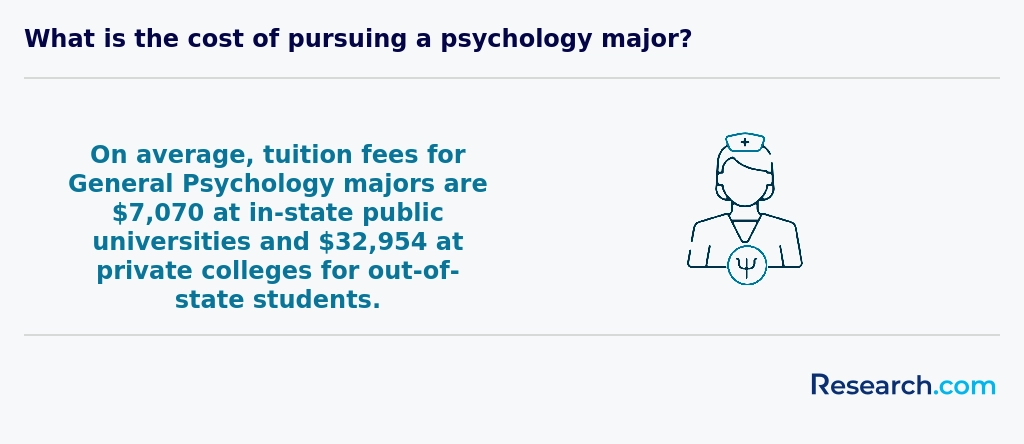
The average cost of earning a psychology degree in New Mexico varies but remains accessible, especially at institutions like the University of New Mexico (UNM). Many students find that completing a bachelor's degree costs between $7,000 and $10,000 per year for in-state tuition, a worthwhile investment for the rich, culturally-responsive education they receive. Graduates often share how the affordable tuition allowed them to focus deeply on both coursework and meaningful research projects tied to New Mexico's unique Hispanic and Native American communities, fueling their passion and motivation throughout their studies.
At UNM and similar colleges, students appreciate the balance of classroom learning and hands-on experiences such as internships or senior theses, which prepare them well for rewarding careers. These programs blend tradition with innovation, making the costs feel meaningful when graduates step into roles where they contribute to mental health support in local schools, hospitals, and rural communities. Investing in a psychology degree here means opening doors to impactful, lifelong opportunities in a supportive environment.
Where can I work with psychology degree in New Mexico?
With a psychology degree from institutions like the University of New Mexico or New Mexico State University, graduates step confidently into a variety of rewarding careers. Many find joy working as licensed psychologists in vibrant communities such as Albuquerque or Santa Fe, helping individuals heal and thrive in hospitals, clinics, and private practices. The growing demand for mental health professionals throughout New Mexico, especially as reported by the Department of Workforce Solutions, means graduates feel hopeful and valued in their chosen paths.
Others take fulfilling roles in local schools, where they support students' emotional and behavioral growth, making a real difference in rural and urban districts alike. Graduates often share how meaningful it is to contribute to educational settings, bringing support where it is needed most.
Research opportunities abound at universities and public health agencies, where psychology graduates collaborate on community health projects or study human behavior in depth. Additionally, many find inspiring roles in New Mexico's businesses and government, improving workplace wellness and organizational success through psychological expertise.
Graduates with a psychology degree in New Mexico can expect promising earning potential as they embark on their careers. For example, those entering research roles similar to a Clinical Research Associate or Survey Researcher can anticipate earning around $62,370 annually, a solid start that reflects important contributions to healthcare and academic advancements. Others who pursue fields related to human behavior in organizations, like Human Resources Specialists, have the opportunity to earn about $76,060 per year, providing a comfortable wage while helping improve workplaces.
Marketing Research Analyst roles, often attractive to psychology graduates interested in consumer behavior, offer competitive salaries near $83,190 yearly. Graduates from popular institutions like the University of New Mexico or New Mexico State University have shared how practical internships combined with their degrees paved the way to these rewarding positions.
These salary figures highlight the diverse paths available, from research to corporate settings, all viable and encouraging options for psychology graduates in New Mexico aiming for personal and professional growth.
- Public universities in New Mexico, like New Mexico State University and the University of New Mexico, offer accredited psychology degree programs.
- Annual tuition for in-state students at public universities ranges from $6,000 to $8,000, while private institutions often charge over $20,000 per year.
- Entry-level psychology salaries average about $45,000 per year, with experienced professionals earning between $65,000 and $85,000 annually.
- Job growth for psychologists in New Mexico is projected at 7% over the next decade, matching the national average.
- Licensure requires a doctoral degree, supervised experience, and passing the Examination for Professional Practice in Psychology (EPPP).
Completing a psychology degree in New Mexico is a rewarding journey filled with opportunities to grow and make a difference. Most students earn their bachelor's degree in about four years, like those attending the University of New Mexico or New Mexico State University, where vibrant campuses offer a supportive learning environment that sparks passion for psychology.
Many graduates share how the two-year master's programs helped them sharpen their skills in clinical or counseling psychology, opening doors to meaningful careers. These programs often include hands-on internships that bring classroom lessons to life, making the experience deeply satisfying and practical.
For those aspiring to reach the highest level, doctoral studies typically span 4 to 7 years after the bachelor's degree. Graduates often describe this time as transformative, immersed in research and clinical training at New Mexico's accredited programs, evolving into confident professionals ready to impact lives.
Choosing part-time study or accelerated pathways allows students to balance work and education, empowering them to follow their dreams on their own terms.
. When considering the cost of pursuing a psychology degree, it's essential to explore options that offer quality education at an affordable price. For students looking to minimize debt and maximize value, researching the cheapest psychology school in New Mexico can be a crucial step. By visiting cheapest psychology school in new mexico, prospective students can find detailed information on affordable psychology programs, enabling them to make informed decisions about their educational investment. This resource is invaluable for those seeking to balance academic aspirations with financial realities, ensuring that they can pursue their passion for psychology without shouldering undue financial burden.
Choosing between online and on-campus psychology degrees in New Mexico opens exciting paths tailored to your lifestyle. Graduates from the University of New Mexico often describe the vibrant campus life, where face-to-face classes and hands-on practicums create deep connections with professors and peers. Imagine walking through campus libraries and engaging directly in local internships-this traditional setting nurtures those who thrive on structure and personal interaction.
Meanwhile, online psychology students celebrate the freedom to balance work, family, and studies with unmatched flexibility. Many find this format ideal, especially residents in rural New Mexico who might otherwise face long commutes. These students embrace virtual classrooms while independently organizing local practicums, showing resilience and adaptability that pave the way for fulfilling careers.
Both paths share strong accreditation ensuring quality education, and each journey is shaped by your unique goals. Whether you're drawn to lively campus experiences or a flexible remote schedule, New Mexico's psychology programs empower you to grow, connect, and succeed in meaningful ways.
Students aiming for advanced clinical roles should consider PsyD (Doctor of Psychology) programs, which focus on applied practice and prepare graduates for licensure as clinical psychologists in New Mexico. Accredited PsyD programs typically combine rigorous coursework in psychopathology, ethics, and diagnostic assessment with extensive supervised practicum and internship hours. In New Mexico, on-campus PsyD curricula often span four to six years and require completion of a dissertation or capstone project demonstrating clinical competence. For working professionals seeking flexibility, online PsyD options deliver the same accredited training through blended learning models-combining synchronous virtual seminars, asynchronous lectures, and local practicum placements. These programs streamline the balance between career, family, and academic commitments without compromising on clinical immersion or APA accreditation standards. To explore top-tier remote offerings that align with New Mexico’s licensure requirements, review our curated list of psychd online programs. Key considerations when evaluating PsyD pathways include:
- APA Accreditation: Ensures eligibility for licensure and national recognition.
- Practical Training: Local practicum or internships in New Mexico clinics, hospitals, and community agencies.
- Licensure Preparation: Integration of state-specific exam prep (EPPP) and postdoctoral supervised hours.
- Research & Dissertation: Opportunities to contribute to evidence-based practice through applied clinical research. By selecting an accredited PsyD program-whether on-campus or online-aspiring psychologists in New Mexico can advance toward clinical licensure, leadership positions in healthcare settings, and meaningful impact on community mental health.
The average cost of a psychology degree in New Mexico can vary, but the median total cost for completing this rewarding path is around $31,270. This figure reflects a practical investment that many students from popular universities like the University of New Mexico and New Mexico State University have embraced enthusiastically. Graduates often share that despite upfront expenses, the enriching academic experience and career opportunities far outweigh the financial commitment. For residents of New Mexico, the median in-state total cost is much more manageable, approximately $8,183, making higher education in psychology an attainable and inspiring goal.
Psychology students at community colleges often find their journeys start at a lower cost, sometimes under $4,000 annually, before transferring to four-year institutions. This pathway offers a budget-friendly way to lay a strong foundation while building confidence in the field. Prospective students are encouraged to explore scholarships and financial aid to lighten the investment in their future.
When considering psychology degree tuition and fees in New Mexico, it's important to remember that costs fluctuate depending on residency status and institution. Many graduates recall feeling supported by financial aid programs that helped them manage expenses efficiently. If you want to discover the cheapest psychology school in new mexico, exploring tailored options can provide both affordability and quality education.
Accreditation is a critical factor when evaluating Psychology degree programs in New Mexico, as it ensures that your education meets rigorous academic and professional standards. Most universities in the state hold regional accreditation through the Higher Learning Commission (HLC), while advanced doctoral programs often carry specialized approval from the American Psychological Association (APA). Enrolling in an APA-accredited program not only guarantees comprehensive training in ethics, research methods, and clinical practice but also streamlines the path to licensure, since many state boards require graduation from an APA-accredited institution. Licensure requirements in New Mexico include passing the Examination for Professional Practice in Psychology (EPPP) and completing a minimum of 3,000 supervised practice hours, with at least 1,500 hours accrued post-doctoral. Candidates must also satisfy the New Mexico Board of Psychologist Examiners’ jurisprudence exam and ethical training mandates. Graduates typically report that programs with built-in exam prep workshops and dedicated licensure advisors significantly boost their first-attempt success rates, underscoring the importance of choosing a program with robust support services. For students comparing program costs and accreditation status across state lines, it can be helpful to review complementary rankings-such as the Most Affordable Psychology Degree Programs Ranking in Kansas-to identify additional accredited pathways that balance quality with affordability.
Psychology students in New Mexico can breathe a sigh of relief knowing that a variety of financial aid options are available to support their academic journey. At universities like the University of New Mexico, many graduates recall how federal aid, especially Pell Grants and flexible federal student loans obtained through FAFSA, lifted a significant financial burden. These grants and loans make it possible to focus on studies without overwhelming debt anxiety.
State scholarships add another layer of support. The New Mexico Legislative Lottery Scholarship, for example, offers incredible relief by covering full tuition for eligible students attending public colleges. Many psychology majors found this merit-based scholarship essential to maintaining their GPA while pursuing their passions. Additionally, the New Mexico Opportunity Scholarship offers up to $4,000 yearly for students from low- to middle-income families, creating a real chance to thrive financially and academically.
Beyond these, departmental scholarships and work-study roles at institutions such as New Mexico State University give hands-on experience alongside financial assistance. Graduate students especially value paid internships and assistantships that bring both income and valuable professional skills. These opportunities transform education into an inspiring reality filled with promise and growth.
Private scholarships from organizations like the New Mexico Psychological Association further brighten the path for psychology learners, encouraging them to dream big and make a meaningful impact in clinical, counseling, or school psychology fields.
In today’s rapidly evolving educational landscape, online psychology programs are gaining popularity, and knowing how to manage the unique challenges they present can boost both academic performance and personal growth. Many students encounter questions such as is getting online masters in psychology hard as they transition from traditional classroom settings to a digital learning environment. To succeed, it’s important to develop a strong self-discipline routine, utilize time management tools, and actively engage in virtual discussions and collaborative projects. Establishing a dedicated study space at home can improve focus, while leveraging digital resources such as recorded lectures, online libraries, and interactive forums can provide additional support when topics become challenging. Additionally, actively seeking virtual mentorship or academic advising can bridge the gap between online learning and the personalized guidance typically offered on campus. By integrating these strategies early on, students can effectively navigate the demands of an online psychology program and set themselves on a clear path toward academic and professional success.
To start your journey toward a psychology degree in New Mexico, you'll need a strong academic foundation that sets you up for success. Many aspiring psychologists in the state began by fulfilling essential prerequisites like completing four years of English and several years of math and science during high school. For example, students at the University of New Mexico often reflect on how mastering biology and chemistry early on helped them feel confident as they transitioned into deeper psychological studies.
Admissions also value standardized test scores, though New Mexico schools like New Mexico State University have become more flexible with test-optional policies, creating an encouraging environment for diverse applicants. For graduate programs, holding a bachelor's degree with relevant coursework in statistics and research methods signals your readiness to thrive in advanced study.
Graduates often share how their dedication to these prerequisites opened doors to meaningful experiences, from internships to impactful research, fueling their passion to make a difference in communities across New Mexico.

To practice clinically in New Mexico, you must obtain licensure through the New Mexico Board of Psychologist Examiners. The process generally involves:
- Education: Earn an APA-accredited doctoral degree (Ph.D. or Psy.D.). An accelerated online psychology degree can help meet this requirement faster.
- Supervised Experience: Complete at least 2,000 hours of postdoctoral supervised practice under a licensed psychologist.
- Examinations: Pass the Examination for Professional Practice in Psychology (EPPP) and the state jurisprudence exam.
- Application: Submit official transcripts, verified supervised hours, exam scores, and fees to the Board.
- Continuing Education: Renew your license every two years by completing required continuing education credits.
Psychology degree programs in New Mexico offer a vibrant learning journey filled with inspiring courses that open doors to understanding human behavior deeply. At popular institutions like the University of New Mexico and New Mexico State University, students immerse themselves in foundational courses such as cognitive psychology, developmental psychology, and social psychology, creating a well-rounded knowledge base that feels relevant to everyday life.
Graduates often reflect on how exploring the biological bases of behavior helped them appreciate the intricate connection between mind and body, making the study more engaging and meaningful. Research methods and statistics courses provide practical skills, empowering students to design experiments and interpret data with confidence-abilities essential for careers or graduate studies.
Many find the psychological assessment classes particularly rewarding, learning to use tools that uncover the stories behind mental health challenges, while electives like forensic psychology or health psychology add exciting layers tailored to personal passions. Students at New Mexico institutions also benefit from coursework that honors Native American and Hispanic perspectives, enriching their studies with cultural depth and real-world relevance.
Psychology degree specializations in New Mexico offer vibrant pathways that inspire students to transform lives. Many graduates from institutions like the University of New Mexico find themselves thriving in Clinical Psychology, where they focus on healing mental health challenges through compassionate care. Others choose Counseling Psychology, equipping themselves with skills to guide people through trauma and personal growth, often creating meaningful connections in their communities.
For those intrigued by the intersection of law and mind, Forensic Psychology programs provide exciting opportunities to contribute to justice systems. Educational Psychology opens doors for those passionate about enhancing learning experiences, while Industrial-Organizational Psychology appeals to graduates aiming to improve workplace dynamics.
Students passionate about their future in this inspiring field often wonder about the journey ahead. For those considering advanced options, learning that is getting online masters in psychology hard can be an empowering step toward success, especially with New Mexico's supportive academic environment.
Exploring types of psychology programs New Mexico offers means embracing diverse career possibilities rooted in local culture and professional opportunity.
Choosing the best psychology degree in New Mexico means aligning your education with your personal and professional dreams. Graduates from popular schools like the University of New Mexico often share how selecting programs with strong regional accreditation and tailored specializations empowered their career paths. Picture yourself diving into clinical or counseling psychology courses that excite you, or engaging in developmental psychology research that feels meaningful-all while studying in vibrant New Mexico campuses.
Many students are motivated by the affordability of psychology colleges in New Mexico, finding relief in balanced tuition costs combined with accessible financial aid. Flexibility also plays a critical role-as some graduates praised programs offering part-time and online classes that fit busy lifestyles. For those considering licensure, focusing on programs that emphasize preparation for New Mexico's specific requirements enhances confidence and clarity for future careers.
To explore further, you can review psychd online programs that provide convenience without compromise. Every choice you make here builds a more meaningful journey toward becoming the psychologist you aspire to be.
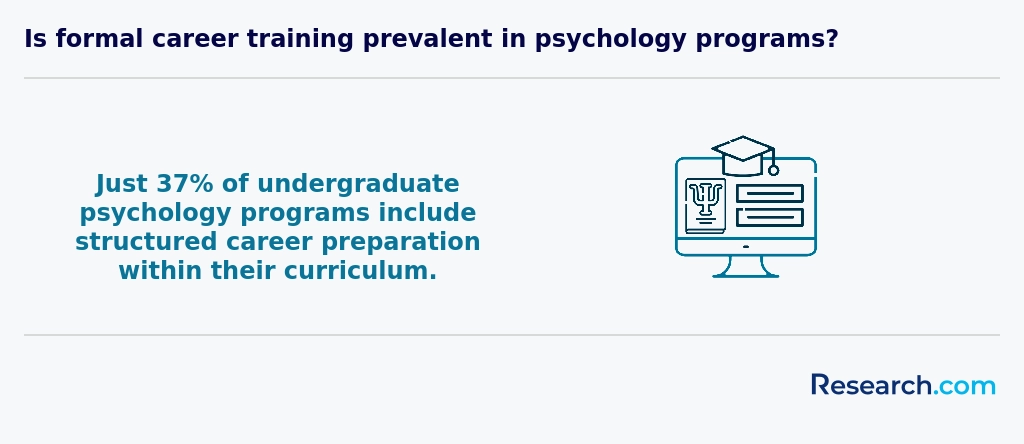
Psychology graduates in New Mexico discover a world of career paths filled with purpose and impact. Many find rewarding roles in clinical psychology and counseling, where they help families and individuals overcome mental health challenges. Graduates from popular programs at institutions like the University of New Mexico often describe their work in community health centers as deeply fulfilling, knowing they contribute to expanding access to vital behavioral support.
Others explore school psychology, supporting children's educational and emotional growth in New Mexico's public schools. As awareness of student mental health rises, demand for licensed specialists grows, creating exciting job outlook for psychology graduates New Mexico-wide. At New Mexico State University, students share inspiring stories about making a real difference in student lives through this path.
Graduates passionate about organizational dynamics thrive in industrial-organizational psychology, partnering with businesses to boost employee well-being in local technology and government sectors. For those eager to advance, affordable degrees lead smoothly to master's or doctoral licensure programs, enhancing career opportunities while keeping costs manageable compared to other states.
Beyond direct psychology roles, many graduates leverage their skills in social work, human resources, and marketing research, demonstrating the versatility of this degree. To explore affordable options, students often refer to the Most Affordable Psychology Degree Programs Ranking in Kansas, valuing education pathways that balance quality and cost.
The psychology job opportunities in New Mexico are promising and diverse, especially for graduates from well-known institutions such as the University of New Mexico or New Mexico State University. Many recent graduates report feeling energized by the possibility to serve varied populations across healthcare, education, and social services. The steady growth in demand for clinical and school psychologists adds real hope for new professionals eager to make a meaningful impact in communities including Native American groups, reflecting the state's rich cultural tapestry.
Psychology graduates benefit from a supportive environment where affordable tuition and growing licensure options enhance career prospects. For example, graduates often advance by becoming Licensed Psychologists or Licensed Professional Clinical Counselors, opening doors to rewarding and specialized roles. Those exploring quick bachelor degrees in psychology gain early access to these opportunities while enjoying New Mexico's lower cost of living.
The career outlook for psychology graduates New Mexico is bright and encouraging. With the balance of solid salary expectations and an emphasis on culturally competent mental health services, graduates embrace the chance to build fulfilling careers close to home while contributing to the state's well-being and growth.
2027 Most Valuable Psychology Degree Programs Ranking in New Mexico
Investing in your education is a significant decision that can shape your future, and the Research.com team understands the importance of making informed choices. To assist prospective students in New Mexico, we have meticulously crafted the "2027 Most Valuable Psychology Degree Programs Ranking in New Mexico." Our commitment to quality, credibility, and accuracy is reflected in the extensive research and analysis conducted to compile this ranking.
We utilized the following reputable data sources to ensure a comprehensive evaluation of psychology degree programs:
By exploring this ranking, readers will gain valuable insights into the most valuable psychology degree programs available in New Mexico, helping them make informed decisions about their educational paths. For more details on our methodology, please visit our Research.com methodology page.


# 7 position
New Mexico Highlands University
Bachelor of Science in Psychology

# 8 position
Southwestern College
Master of Arts in Psychology

# 10 position
University of the Southwest
Master of Psychology

Frequently Asked Questions About psychology
Psychology degree students in New Mexico can enhance their learning by actively engaging in both academic coursework and practical experiences. Many universities in the state, including the University of New Mexico, offer research opportunities where students can collaborate with faculty on current psychological studies. This hands-on involvement helps build critical thinking and application skills.
Internships are another key component, providing real-world exposure in diverse settings like hospitals, schools, or community agencies. According to the New Mexico Higher Education Department, students who participate in internships are more likely to secure employment post-graduation.
Joining psychology-related student organizations and attending local conferences also aids networking and professional growth within the state's psychology community.
The field of psychology in New Mexico is expanding into several emerging niches that reflect national trends. One growing area is neuropsychology, focusing on brain-behavior relationships, particularly important due to increasing awareness of traumatic brain injuries and neurological disorders. Industrial-organizational psychology is also gaining traction as businesses seek expertise in employee well-being and productivity. Additionally, health psychology, which integrates physical and mental health, responds to rising chronic illness rates in the state.
According to the U.S. Bureau of Labor Statistics, New Mexico's demand for specialized psychologists is expected to grow by over 12% through 2030, higher than the national average. This growth encourages students to pursue diverse psychology degrees tailored to these niches.
After completing a psychology degree in New Mexico, preparing for the job market involves a combination of gaining practical experience, certification, and networking. Internships and volunteer work in local clinics or community organizations provide valuable hands-on skills highly regarded by employers.
The New Mexico Department of Workforce Solutions reports a steady demand for psychology-related jobs, especially in mental health counseling and social services. Licensure is critical for many psychology careers in the state, requiring passing the Examination for Professional Practice in Psychology (EPPP) and meeting supervised experience hours.
Joining professional groups like the New Mexico Psychological Association offers useful resources and connections to enhance career prospects.
Employers in New Mexico highly value certain skills in psychology degree graduates. Critical thinking and strong research abilities are essential, as professionals must analyze data and apply evidence-based methods effectively. According to the New Mexico Department of Workforce Solutions, communication skills-both written and verbal-are also crucial, to interact with diverse populations and multidisciplinary teams.
Understanding cultural competence is particularly important in New Mexico's diverse communities. Employers seek graduates who can provide culturally sensitive care and adapt to different backgrounds. Additionally, proficiency in statistical software and knowledge of psychological assessment tools improve job prospects. These skills prepare graduates for roles in clinical, educational, and organizational psychology across the state.
Finding internships relevant to a psychology degree in New Mexico involves exploring opportunities across universities, healthcare facilities, and community organizations. Many programs at institutions such as the University of New Mexico encourage students to engage in supervised internships to gain practical experience.
The New Mexico Psychological Association offers resources and connections that can help students find placements in clinical, counseling, and research settings. Additionally, state health departments and mental health clinics frequently provide internship openings, reflecting New Mexico's growing focus on behavioral health initiatives.
Students should also consult their academic advisors and career services offices for updated local listings. Utilizing platforms like Handshake or the National Association of Psychology's internship databases can increase chances of placement. Securing internships may require background checks and adherence to state licensing standards, so early preparation is advised.
A psychology degree in New Mexico can significantly enhance career mobility and advancement in various fields. According to the U.S. Bureau of Labor Statistics (BLS), the demand for psychologists in New Mexico is growing, with a projected 5% employment growth through 2031. Graduates with psychology degrees often find opportunities in healthcare, education, social services, and business sectors. Holding an advanced degree, such as a master's or doctorate, further improves prospects for leadership roles and specialized positions. Additionally, licensing requirements in New Mexico mandate specific educational credentials, which directly influence career advancement within clinical or counseling psychology fields.
Studying for a psychology degree in New Mexico offers students a strong foundation for interdisciplinary roles through diverse curriculum and collaborative opportunities. Many programs integrate coursework in biology, sociology, education, and health sciences, supporting a broad understanding of human behavior and related fields. According to the U.S. Bureau of Labor Statistics, the demand for psychologists working alongside social workers and healthcare professionals in New Mexico is expected to grow by 8% through 2032.
Local universities often emphasize applied learning, enabling students to gain experience in community health settings or research labs. This interdisciplinary approach prepares graduates for careers in education, healthcare, and social services.
When choosing between a thesis and a non-thesis psychology degree program in New Mexico, consider your career goals carefully. Thesis programs require conducting original research and writing a detailed paper, which suits those aiming for doctoral studies or research roles. Non-thesis options focus more on coursework and practical application, often preferred by students pursuing professional practice or immediate employment.
Universities like the University of New Mexico and New Mexico State University offer both tracks, reflecting national trends where about 40% of graduate psychology students choose thesis options. According to the American Psychological Association, thesis completion can enhance graduate school admission chances and improve analytical skills.
Evaluate your interest in research, time commitment, and access to faculty mentors before deciding.
Students based in New Mexico who wish to study psychology abroad have several options, primarily through exchange programs offered by their home institutions. Many New Mexico universities with psychology programs, like the University of New Mexico, participate in partnerships with international universities, allowing students to gain global perspectives while earning credits transferable to their degree.
Additionally, New Mexico students can explore accredited online psychology programs from foreign universities. This option provides flexibility in scheduling and access to diverse curricula without relocating. According to the National Center for Education Statistics, about 14% of U.S. psychology students opt for study abroad or online international programs, reflecting growing interest in global education experiences.
Financial aid and scholarships specific to study-abroad programs may also be available through New Mexico institutions or external foundations, helping reduce costs. Students should consult their academic advisors early to align international experiences with degree requirements and licensure goals in psychology.
Students pursuing psychology degrees in New Mexico can benefit from several part-time job opportunities that enhance their education and practical experience. Common roles include behavioral health technician positions, which are available in many community mental health centers across the state. According to the New Mexico Department of Workforce Solutions, demand for mental health support workers is growing steadily.
Additionally, research assistant roles at universities like the University of New Mexico provide valuable exposure to experimental methods and data analysis. Jobs in school counseling support and social services also allow students to apply psychological concepts in real-world settings. These roles help students build skills while earning income.
Psychology students in New Mexico have a range of networking opportunities through local universities and professional organizations. The New Mexico Psychological Association (NMPA) offers student memberships, events, and conferences that connect aspiring psychologists with experienced professionals. Additionally, institutions like the University of New Mexico and New Mexico State University host psychology clubs and guest lectures that promote networking among students and faculty.
Internships and research projects in nearby healthcare and social service agencies provide practical experience and valuable contacts. According to the Bureau of Labor Statistics, New Mexico's growing demand for mental health services further enhances opportunities for student engagement in the field.
Alumni networks play a crucial role for psychology degree students in New Mexico by providing valuable professional connections and career guidance. Graduates often share job leads, internship opportunities, and insights into local mental health agencies or research institutions, helping current students navigate the regional job market.
The University of New Mexico's alumni network, for example, connects thousands of psychology graduates across the state. This network supports mentorship programs, which have been shown to increase graduate employment rates by up to 20%, according to data from the National Association of Colleges and Employers.
Such networks also foster collaborative research opportunities, important for students aiming to enter academia or clinical practice within New Mexico's diverse communities.
Customizing a psychology degree program in New Mexico involves selecting courses and specializations aligned with your career goals. Many universities, such as the University of New Mexico and New Mexico State University, offer flexible curricula where students can choose concentrations like clinical psychology, counseling, or industrial-organizational psychology. Students aiming for licensure as psychologists should focus on programs accredited by the American Psychological Association (APA), which ensures eligibility for supervised clinical experience.
Additionally, internships and research opportunities in New Mexico's diverse communities can tailor practical skills. According to the New Mexico Board of Psychologist Examiners, clinical practice is a common career path requiring specific coursework and supervised hours, which students can plan for early in their studies.
Psychology students in New Mexico often face several challenges unique to the state's educational and professional environment. One major hurdle is the limited availability of internships and practicum placements in rural areas, which affects hands-on training essential for licensure. According to the New Mexico Board of Psychologist Examiners, securing supervised clinical hours can be difficult outside urban centers like Albuquerque or Santa Fe.
Additionally, the cost of education poses a significant challenge. Tuition rates for psychology programs at public universities average over $7,000 annually for in-state students, which can strain budgets without sufficient financial aid.
Lastly, students must navigate licensing requirements that include extensive supervised experience and exam preparation, which can delay timely graduation and entry into the workforce.
With a psychology degree in New Mexico, graduates can pursue various professional certifications to enhance their careers. One common path is becoming a Licensed Professional Counselor (LPC), requiring a master's degree, supervised experience, and passing the National Counselor Examination. This credential opens doors to counseling roles in schools, healthcare, and private practice.
Another option is certification as a Certified Addiction Counselor (CAC), which is in demand due to New Mexico's focus on substance abuse treatment. Psychologists can also aim for the Licensed Psychologist designation, which involves earning a doctoral degree, completing supervised hours, and passing the Examination for Professional Practice in Psychology (EPPP).
Certificates in school psychology or behavior analysis are also available, reflecting growing needs in education and developmental services. According to the New Mexico Department of Workforce Solutions, employment for psychological specialists is projected to grow by 8% through 2030, emphasizing the value of these certifications.
When applying to a psychology program in New Mexico, start by ensuring your application highlights your academic achievements, especially coursework in psychology and related sciences. Most universities require a bachelor's degree or equivalent with a competitive GPA, often above 3.0. Include well-crafted personal statements that convey your passion for psychology and your career goals. New Mexico institutions, like the University of New Mexico, value applicants demonstrating research experience or volunteer work in mental health settings.
Letters of recommendation from professors or professionals familiar with your abilities strengthen your application. According to the New Mexico Higher Education Department, psychology programs here emphasize applicants' commitment to community health, so mentioning local projects or internships is beneficial. Also, prepare for any required standardized tests such as the GRE and submit scores promptly, following each university's guidelines.
A psychology career offers diverse opportunities worldwide, with increasing demand for mental health professionals in many countries, including the United States. In the US, the Bureau of Labor Statistics projects a 8% growth for psychologists from 2022 to 2032, faster than average. New Mexico reflects this trend, benefiting from national emphasis on mental health services.
Globally, psychology careers value cultural competence and adaptability. Professionals often work in clinical, educational, organizational, and research settings. While licensing requirements vary internationally, US degrees, including those from New Mexico universities, are well-regarded. Understanding both local community needs and broader psychological theories is essential for success in this evolving field.
Gaining practical experience while studying psychology in New Mexico is essential for building skills and improving job prospects. Many state universities offer internships through partnerships with local clinics, schools, and community programs. For example, the University of New Mexico's psychology department frequently connects students with mental health facilities for supervised fieldwork.
Students can also volunteer or work part-time at organizations such as New Mexico Behavioral Health Institute or local counseling centers. These experiences provide hands-on practice with diverse populations, enhancing understanding of psychological theories in real-world settings.
Additionally, some programs encourage involvement in research projects, allowing students to participate in studies under faculty guidance, which is valuable for those considering graduate education. According to the New Mexico Higher Education Department, over 60% of psychology undergraduates engage in internships or practicums before graduation, emphasizing their importance in the state's educational framework.
Choosing the right concentration within a psychology degree in New Mexico depends on your career goals and interests. Common concentrations include clinical psychology, counseling, educational psychology, and social psychology. Each track offers different opportunities: clinical psychology often leads to licensure as a therapist, while educational psychology focuses on learning processes in schools.
Consider the demand in New Mexico's labor market. According to the U.S. Bureau of Labor Statistics, the state expects growth in mental health counselor jobs by 20% through 2031, suggesting strong opportunities in clinical and counseling fields.
Research programs offered by New Mexico universities and their faculty expertise to align your interests with available resources. Accreditation by the American Psychological Association ensures quality training, which is crucial for licensing.
- 2027 Most Valuable Psychology Degree Programs Ranking in Oklahoma
- 2027 Most Valuable Psychology Degree Programs Ranking in Nevada
- 2027 Most Valuable Psychology Degree Programs Ranking in Kansas
- 2027 Most Valuable Psychology Degree Programs Ranking in Nebraska
- 2027 Most Valuable Psychology Degree Programs Ranking in Missouri
- 2027 Most Valuable Psychology Degree Programs Ranking in Montana
- 2027 Most Valuable Psychology Degree Programs Ranking in North Dakota
- 2027 Most Valuable Psychology Degree Programs Ranking in Illinois
- 2027 Most Valuable Psychology Degree Programs Ranking in Mississippi
- 2027 Most Valuable Psychology Degree Programs Ranking in Kentucky
See What Experts Have To Say About Studying Psychology
Read our interview with Psychology experts

Catherine Caldwell-Harris, Ph.D.
Psychology Expert
Associate Professor of Psychology
Boston University

Robin M. Kowalski. Ph.D.
Psychology Expert
Professor of Psychology
Clemson University

Joann Farrell Quinn, Ph.D., MBA
Psychology Expert
Director at the College of Medicine Department of Medical Education
Morsani College of Medicine

- Best Sports Psychology Programs in New Mexico (2026) https://www.sportspsychology.org/state/new-mexico/
- Know more about thesis vs non- thesis: what is the difference? https://studyfans.com/en/blogs/816
- Professional Networking For Psychologists | Psychology.org https://www.psychology.org/resources/professional-networking/
- Sample letters in psychology https://www.mystudies.com/en-in/human-and-social-sciences/psychology/letter-model/
- Alumni Network - https://efpsa.org/alumni-network/
- Call for papers https://www.hogrefe.com/us/journal/international-perspectives-in-psychology-research-practice-consultation
- New Mexico Psychology Schools and Programs https://www.psychologycareercenter.org/new-mexico-psychology-schools.html
- What can I do with a psychology degree? https://www.hull.ac.uk/study/undergraduate/courses/psychology-bsc-hons/what-can-i-do-with-a-psychology-degree
- How to Become a Psychologist in New Mexico | A Plan for NM | Psychologist-License.com https://www.psychologist-license.com/psychologist-requirements/new-mexico-psychologist/
- New Mexico Online Psychology Degree Programs https://www.onlinepsychologydegrees.com/states/new-mexico/


