
2027 Most Valuable Online Doctorate in Psychology Degree Programs Ranking in the South

Co-Founder and Chief Data Scientist
Are you considering advancing your career with an online doctorate in psychology? Choosing the right program can feel overwhelming, especially when so many options are available in the South. This article introduces the 2027 Most Valuable Online Doctorate in Psychology Degree Programs Ranking in the South, created by Research.com's team of data scientists.
Designed to help you make an informed decision, the ranking highlights programs that offer strong value and quality education. Pursuing your psychology degree opens doors to rewarding opportunities and personal growth. Dive in to discover programs worth your time and investment.
Key benefits of getting online psychology degree in the South
- Graduates with a psychology degree in the South can expect rewarding salaries, such as Clinical Psychologists earning around $106,600 annually and Forensic Psychologists making about $110,300 per year, reflecting strong financial potential.
- Career options are broad, ranging from clinical roles and neuropsychology to research positions, allowing graduates from Southern universities to find paths that match their passions and strengths.
- Online psychology degrees offer flexibility and convenience, letting students balance work and life while gaining respected credentials from well-known Southern institutions, making education more accessible and enjoyable.
- 2027 Most Valuable Online Doctorate in Psychology Degree Programs Ranking in the South
- What can I expect from online psychology degree in the South?
- Where can I work with online psychology degree in the South?
What can I expect from online psychology degree in the South?
Students pursuing an online psychology degree in the South can typically expect tuition costs ranging from $8,000 to $20,000 for a bachelor's or master's program, depending largely on whether they qualify for in-state rates. Many Southern universities, such as those in Texas or Florida, offer reduced tuition to local residents, making education more affordable without sacrificing quality. Graduates often share that this financial relief allows them to balance family and work commitments while progressing steadily through their studies.
Scholarships and targeted financial aid are common in these programs, providing additional support for graduate psychology students. For example, some programs at well-known Southern colleges incorporate these options into admissions counseling, helping students navigate funding easily and feel confident about managing expenses.
Students also benefit from flexible payment plans offered alongside the mix of synchronous and asynchronous classes, which fit busy schedules. This practical affordability combined with accredited, rigorous programs gives many graduates a strong sense of accomplishment and preparedness for licensure and career advancement.
Where can I work with online psychology degree in the South?
Graduates with an online psychology degree in the South find promising career paths across diverse settings. Many start as licensed professional counselors or therapists in outpatient clinics, private practices, or community health centers, helping people manage anxiety, depression, or trauma. For example, graduates from the University of Florida report rewarding experiences working in Florida's growing behavioral health sector, which saw a 15% job increase from 2018 to 2028.
School psychology is another rewarding avenue. Public school districts in states like Georgia and Texas employ graduates to support students' emotional and educational development. Those who studied at the University of North Carolina often share how they feel fulfilled contributing to student mental health awareness and well-being.
Online degree holders also find roles in human resources, organizational development, or university research. Many graduates engage in social or developmental psychology projects at Southern research institutions, gaining hands-on experience while advancing their careers.
Doctoral graduates in Tennessee or Alabama often pursue licensed clinical practice, completing supervised hours and exams to become independent practitioners. Hospitals and veterans' health facilities also offer specialized roles in neuropsychology or forensic psychology, providing meaningful impact on patient care.
Graduates with an online psychology degree from Southern institutions such as the University of Florida or Texas A&M often find rewarding salary opportunities aligned with the U.S. Bureau of Labor Statistics data. Entry-level roles with a bachelor's or master's degree typically offer annual wages between $40,000 and $55,000, which reflects the regional market.
Advancing to doctoral programs, especially in clinical or counseling psychology, can boost earnings significantly. Graduates securing positions as clinical psychologists in metropolitan hubs like Miami or Dallas report mean salaries around $106,600 annually. Similarly, neuropsychologists and forensic psychologists can earn upwards of $110,300, leveraging specialized expertise gained through advanced online studies.
Experience from alumni of notable Southern universities highlights how securing licensure and focusing on in-demand fields such as neuropsychology or forensic psychology maximizes income potential. These graduates often thrive in healthcare or private practice settings, where the combination of accreditation, specialization, and location leads to higher compensation and professional satisfaction.
- Tuition for online bachelor's psychology degrees in the South ranges from $15,000 to $30,000, while graduate programs cost between $20,000 and $50,000.
- The psychology job market in Southern states is expected to grow by about 8% in the next decade, matching the national average.
- Bachelor's degree holders can earn between $38,000 and $45,000 annually, while those with advanced degrees often start with salaries from $55,000 to $70,000.
- Experienced psychologists and licensed clinicians in the South may make $80,000 to $90,000 per year, with some in metro areas earning over $100,000.
- Most online programs in the South offer flexible, asynchronous coursework and are regionally accredited, which is important for licensure eligibility.
- Licensure generally requires an accredited doctoral degree, supervised clinical experience, and passing the EPPP exam; program approval should be verified for each state.
Completing an online psychology degree in the South typically fits within clear timelines that suit many busy students. For example, graduates from universities like the University of Texas or Georgia State University often report finishing their bachelor's online in about four years when studying full-time. This pacing allows students to balance coursework with jobs or family commitments while advancing steadily toward their goals.
Those pursuing a master's degree online, such as through programs at Florida State University, generally complete their studies in approximately two years full-time. Many graduates appreciate flexible schedules and asynchronous classes, which enable them to maintain careers while mastering clinical or counseling psychology skills.
Doctoral students, including those at institutions like the University of North Carolina, experience more varied timelines-anywhere from four to seven years-due to internships, dissertations, and licensure steps. Many find part-time enrollment helpful, allowing them to manage demanding clinical hours without burnout.
These timelines reflect both national data and Southern realities, giving prospective students realistic expectations and confidence in designing a study plan that fits their lifestyle.
Earning an online doctorate in psychology is only the first step toward practicing professionally; understanding state licensure requirements is essential for transforming academic credentials into a valid psychology license. In the Southern United States, aspiring psychologists must typically:
- Complete a regionally accredited doctorate program that meets state board standards. Accreditation ensures eligibility for exams and supervised experience. Prospective students may also explore an Inexpensive Online Bachelor's in Psychology Degree Programs Ranking in the South to begin their career path cost-effectively.
- Accumulate a minimum number of supervised postdoctoral hours, often ranging from 1,500 to 3,000, under a licensed psychologist’s mentorship. Each state board specifies exact requirements-candidates in Texas, for example, must complete 3,000 hours, whereas Florida requires 1,500.
- Pass the Examination for Professional Practice in Psychology (EPPP), a standardized test that assesses knowledge across nine content areas, including biological bases of behavior and ethical practices. Many programs integrate EPPP preparatory workshops or mock exams to boost pass rates.
- Fulfill any additional state-specific assessments or jurisprudence exams that evaluate candidates’ understanding of local regulations and ethical codes. For instance, Louisiana mandates a jurisprudence exam on state statutes governing clinical practice.
- Maintain licensure through continuing education credits-typically 20 to 40 hours biennially-focusing on topics such as cultural competency, telepsychology, and emerging therapeutic modalities. Several Southern universities offer online CE workshops to streamline compliance. By mapping out these steps in advance and choosing a program aligned with state board criteria, doctoral candidates can accelerate their transition into licensed practice, ensuring both legal compliance and professional credibility in their Southern communities.
Online psychology degrees in the South, such as those offered by universities like the University of Florida or Louisiana State University, provide remarkable flexibility for busy learners. Graduates often share how juggling work and family was manageable thanks to asynchronous classes, which meant studying late nights or weekends without missing lectures.
In contrast, on-campus students at schools like the University of Georgia benefit from structured schedules and face-to-face interactions, which many find motivating. These programs provide direct access to labs and campus resources, helping develop practical skills through internships coordinated on-site. Graduates often highlight the campus community's vibrant network that fosters valuable connections.
Cost-wise, online programs can reduce expenses significantly by cutting commuting and housing fees, though some may include tech fees. Both formats generally hold APA accreditation, ensuring quality education recognized across the South.
However, online students might need to plan carefully to complete hands-on practicums locally, a step on-campus learners experience more seamlessly. Understanding these differences helps you choose the best route for your psychology career.
Admission to online doctorate in psychology programs in the South typically requires a master's degree in psychology or a related field, with a strong academic record and relevant work experience. The application process usually involves submitting transcripts, letters of recommendation, a personal statement, and GRE scores. Some programs may also require prerequisite courses, such as statistics and research methods. It is essential for applicants to review the specific admission requirements for each program, as they may vary. For instance, some programs may prioritize applicants with a background in clinical psychology, while others may focus on research experience. Understanding the admission requirements and processes can help prospective students prepare and increase their chances of being accepted into a top online doctorate in psychology program in the South. Additionally, many programs offer online application portals, making it easier for students to submit their applications and track their progress. Some universities may also offer rolling admissions or multiple start dates, providing more flexibility for students to begin their programs. By carefully reviewing the admission requirements and processes, students can find the program that best fits their needs and goals, ultimately leading to a successful and fulfilling educational experience.
The average cost of an online psychology degree in the South typically varies based on residency status and the type of institution. Median total expenses for completing a degree generally fall around $43,200, with out-of-state students paying closer to $54,900 and in-state students benefiting from significantly lower tuition averaging about $18,180. Graduates from popular Southern universities often share how choosing in-state online programs helped them balance financial commitments while advancing their careers in psychology.
Many students find programs at respected Southern colleges offer solid value, combining quality education with affordable tuition. One graduate from a well-known public university recalled how the manageable cost and flexible online format allowed them to continue working while completing their degree. For those considering higher-level training, total expenses for psychology doctorate programs southern US tend to rise but remain competitive compared to other regions, reflecting the specialized nature of this advanced study.
Prospective students are advised to explore financial aid options early and contact admissions offices to clarify residency requirements that impact tuition rates. Additionally, psychology students can benefit from resources and guidance available here to support licensure paths and career advancement. Being strategic about program choice and costs ensures more manageable education expenses, fostering confidence and motivation throughout the journey.
As the landscape of online education continues to evolve, prospective psychology students can look forward to innovative learning methodologies and enhanced digital tools that promise to reshape their academic journey. Emerging trends include an increased integration of artificial intelligence for personalized learning, the adoption of virtual reality environments for realistic simulations, and the expansion of telepsychology practices that bridge the gap between theory and real-world applications. These advancements are not only making programs more accessible and engaging but are also ensuring that graduates remain at the forefront of a rapidly transforming field. Additionally, many institutions are intensifying their emphasis on offering competitive, affordable advanced degrees. For instance, interested students might explore a list of most affordable masters degrees in psychology online, which can provide an accessible pathway to further their education and career prospects. With these progressive developments on the horizon, online psychology programs are well-positioned to deliver a robust, future-ready curriculum that aligns with both industry demands and modern learning preferences.
Students pursuing online psychology degrees in the South often find financial aid through federal programs like the Free Application for Federal Student Aid (FAFSA), which opens doors to grants and loans. Graduate psychology students frequently rely on Direct Unsubsidized Loans or Grad PLUS Loans to manage tuition costs with flexible repayment plans.
State-funded grants are valuable for residents attending schools such as the University of Florida or Georgia State University. For example, the Texas Public Education Grant supports Texas residents enrolled in online psychology programs, significantly easing financial pressure.
Merit-based scholarships and graduate assistantships at institutions like the University of South Carolina provide both tuition relief and stipends, creating an encouraging environment for focused study and research.
Organizations such as the American Psychological Association (APA) offer scholarships to committed psychology students, often requiring membership and strong academic records, adding a sense of achievement and professional connection.
Working professionals benefit from employer tuition reimbursement programs, allowing them to advance degrees while maintaining income-many graduates describe this support as a key factor in completing their studies without overwhelming debt.
Accreditation is a critical factor to consider when selecting an online doctorate in psychology program, as it ensures that the institution meets certain standards of quality and rigor. The Southern Association of Colleges and Schools Commission on Colleges (SACSCOC) and the American Psychological Association (APA) are two of the primary accrediting agencies for psychology programs in the United States. Accreditation by one of these agencies signifies that the program has undergone a rigorous review process and has been found to meet specific standards related to faculty qualifications, curriculum, and student outcomes. When evaluating online doctorate in psychology programs, it is essential to look for accreditation from one of these recognized agencies, as it can impact the validity and recognition of the degree earned. Furthermore, many employers and state licensing boards require graduates to have completed an accredited program to be eligible for employment or licensure. Therefore, verifying the accreditation status of an online doctorate in psychology program is a crucial step in ensuring that the degree earned will be recognized and respected in the field.
To enroll in an online psychology degree in the South, you'll need to meet clear academic criteria tailored to your level of study. For undergraduate programs, a high school diploma or GED is essential, along with official transcripts showing strong performance in core subjects like biology, math, and English. Many Southern schools, such as those in the University of Florida system, also request SAT or ACT scores, though some now offer test-optional options, adding flexibility based on your personal circumstances.
Graduate programs commonly require a completed bachelor's degree with a GPA between 3.0 and 3.5. For example, students admitted to the University of North Carolina at Chapel Hill's online master's in psychology share that maintaining a solid GPA and submitting strong recommendation letters made a real difference. GRE scores are often optional, easing the application stress for busy professionals.
Additionally, be prepared to demonstrate relevant work experience and craft a clear statement of purpose. Reliable internet and occasional campus visits for clinical degrees are practical steps to plan for, ensuring your success in the vibrant Southern online learning environment.

Understanding Licensure Requirements Graduates of an online doctorate in psychology must navigate rigorous licensure processes to practice professionally. In the South, each state licensure board mandates completion of an APA-accredited doctoral program, a specified number of supervised postdoctoral hours (typically 1,500–2,000), and passage of the Examination for Professional Practice in Psychology (EPPP). Candidates should verify state-specific regulations via their Board of Psychology’s website, as requirements for supervised experience and jurisprudence exams can vary. Supervised Experience and Internship Options Most programs integrate practicum and internship placements to fulfill supervised-hour requirements. Students often partner with local clinics, hospitals, or telehealth platforms to accrue hours under a licensed psychologist’s guidance. Early planning is crucial: applicants should confirm that internship sites meet state board standards and that supervisors hold valid licenses. Examination for Professional Practice in Psychology (EPPP) The EPPP is the national licensing exam administered by the Association of State and Provincial Psychology Boards (ASPPB). Preparing for the EPPP involves mastering content areas such as ethics, assessment, intervention, and research methods. Many online doctorate students supplement their studies with targeted review courses or study groups to improve pass rates. Certifications and Specializations Beyond state licensure, many graduates pursue specialty certifications-such as board certification in clinical psychology or credentials like the Board Certified Behavior Analyst (BCBA). For those interested in behavior analysis, exploring the best online aba programs can also complement licensure preparation and expand career opportunities. Continuing Education and Renewal Maintaining licensure requires ongoing professional development. Most Southern states mandate 20–40 continuing education credits every 1–2 years, including ethics and diversity training. Graduates should track renewal deadlines and approved CE providers to ensure uninterrupted practice.
Online psychology degree programs in the South typically include courses that build a solid understanding of human behavior and mental health. Graduates from popular Southern universities often highlight taking foundational classes like Introduction to Psychology, which explains key theories that help in everyday conversations and professional settings alike. They also describe how Developmental Psychology helped them see changes in people through all life stages, useful for those planning careers in counseling or education.
Core courses in Abnormal Psychology prepare students to recognize and understand mental health disorders, a skill many find rewarding when applied in real-world internships or clinics. Many Southern programs emphasize Research Methods and Statistics, equipping students with the tools to analyze data confidently-an advantage for those considering graduate studies or roles in research-focused jobs.
Electives such as Cognitive or Social Psychology allow students to tailor their learning to personal interests, while ethics courses stress professional responsibility. Graduates often express satisfaction in how Southern schools integrate cultural competence, reflecting the region's diversity and enhancing their readiness to serve local communities effectively.
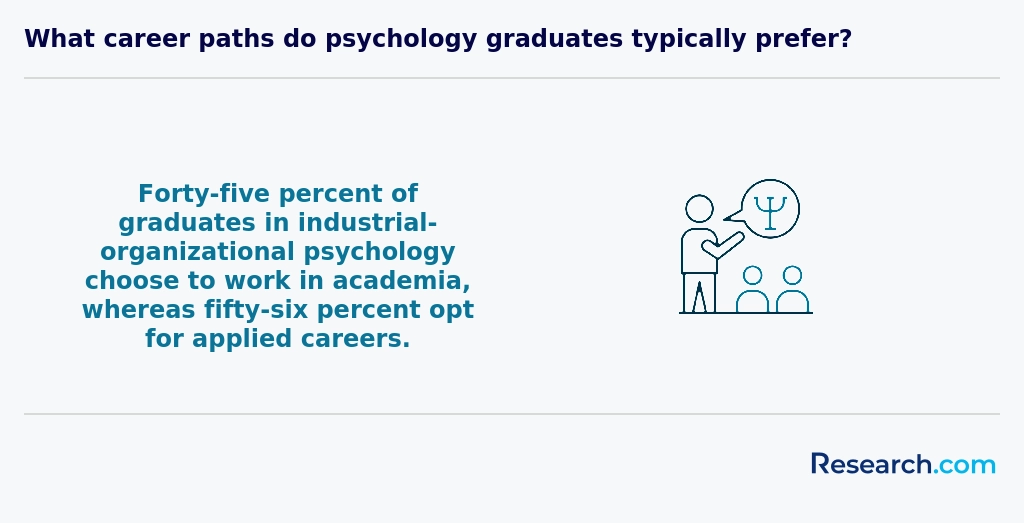
Online psychology specializations in the South typically include clinical psychology, counseling psychology, industrial-organizational psychology, child and adolescent psychology, and forensic psychology. Graduates from popular Southern universities often highlight how clinical psychology prepared them to confidently assess and treat mental health disorders in real-world settings. Counseling psychology students appreciate the emphasis on therapeutic skills, which proved essential when working in school environments or local clinics.
Industrial-organizational psychology is particularly valuable in the South due to the region's strong manufacturing and healthcare industries. Students who pursued this specialization found rewarding roles improving employee satisfaction and productivity, leveraging their training aligned with South region psychology degree focus areas. Child and adolescent psychology graduates often describe their excitement working with younger clients, addressing developmental challenges with tailored therapeutic approaches.
Forensic psychology programs in Southern colleges combine psychology with the criminal justice system, paving the way for careers in law enforcement or correctional facilities. Some students also explore emerging options like health psychology or neuropsychology. Those seeking broader roles in community and social services benefited from interdisciplinary paths that complement their psychology studies.
When choosing the best online psychology doctorate programs in the South, focus first on accreditation from bodies like SACSCOC to ensure your degree holds value in future licensure and jobs. Graduates from universities in Texas and Georgia often praise how transfer credits and employer recognition made their academic journey smoother. Cost also plays a key role; many find affordable online psychology degrees Southern US at public institutions, which helps balance quality and budget without sacrificing program benefits.
Flexibility is vital, especially for working adults or parents. Look for programs offering asynchronous courses or hybrid formats, as graduates from Florida universities often remark on how this setup allowed them to study while managing family or jobs. Specialization matters too-clinical or counseling psychology tracks can directly affect career paths and licensure eligibility. Confirm your program's alignment with your target state's licensing board. Some students enhance their prospects by exploring lpc job openings iowa resources, even if based in the South, to understand licensure pathways better.

Graduates holding an online psychology degree in the South find diverse career paths tailored to the region's rising mental health demands. Many pursue clinical psychology roles, providing hands-on therapy and assessments in busy cities like Dallas and Atlanta. Those from universities known for strong psychology programs often share how their clinical internships in Texas hospitals gave them practical experience and boosted confidence. Others opt for counseling psychology, working in schools or community centers across North Carolina and Tennessee, where increased funding creates steady opportunities. Some graduates find the field of industrial-organizational psychology appealing, leveraging skills to enhance workplace wellbeing in Southern business hubs.
Research-focused graduates often continue with doctoral study at Southern institutions offering online programs, opening doors to academic careers or scientific research. For some, pairing their psychology degree with related paths, such as social work, has broadened options-many explore social work degrees texas to complement counseling roles. These practical choices reflect real experiences from students who sought flexibility and impact through an online psychology degree careers in the South.

The job outlook for online psychology degrees in the South is promising due to strong population growth and expanding healthcare needs. Graduates from respected programs at universities like the University of Florida and Texas A&M often find ample career opportunities for psychology graduates in Southern states, especially in expanding metropolitan areas and rural regions facing mental health provider shortages. Many alumni share how flexible online courses allowed them to work while studying, preparing them well for roles such as counselors and psychological assistants, which typically offer starting salaries between $45,000 and $60,000.
Licensed clinical psychologists with doctoral degrees report positive experiences entering the workforce, earning between $80,000 and $100,000. The growth of telehealth has also opened remote job options, further supported by states increasingly recognizing online credentials. For those concerned about licensure, understanding detailed requirements can be vital; for example, graduates often consult resources like the psychologist licensure exam iowa page to navigate credentialing smoothly.
2027 Most Valuable Online Doctorate in Psychology Degree Programs Ranking in the South
Investing in your education is a significant decision that can greatly influence your professional future, and the Research.com team recognizes the importance of making well-informed choices. To support prospective students seeking advanced degrees, we have carefully developed the "2027 Most Valuable Online Doctorate in Psychology Degree Programs Ranking in the South." Our dedication to quality, credibility, and accuracy is demonstrated through thorough research and detailed analysis underpinning this ranking.
We utilized the following reputable data sources to ensure a comprehensive evaluation of online doctorate programs in psychology:
By exploring this ranking, readers will gain critical insights into the most valuable programs available, empowering them to make informed decisions about their educational investments and career trajectories. For a detailed overview of how this ranking was created, please visit our Research.com methodology page.
# 1 position
Amridge University
Doctor of Family Therapy


Frequently Asked Questions About psychology
Online psychology degree students in the South can maximize their learning experience by actively engaging with regional professional organizations such as the Southern Psychological Association. This offers networking opportunities and access to the latest research tailored to the Southern context. Additionally, choosing programs accredited by the American Psychological Association (APA) ensures high academic standards and better licensure outcomes.
Students should also take advantage of virtual lab simulations and online research projects to apply theory practically. According to the National Center for Education Statistics, Southern states show a 15% increase in online psychology enrollment, highlighting growing regional support and resources for remote learners.
Finally, maintaining regular communication with faculty and participating in online study groups can enhance understanding and motivation throughout the program.
Emerging niches in the psychology field reflect growing societal and technological changes, especially within the Southern United States. One key area is telepsychology, which has expanded rapidly due to increased demand for remote mental health services. The American Psychological Association reports a 40% growth in telehealth adoption since 2020, particularly in rural Southern communities. Another niche is neuropsychology, focusing on brain-behavior relationships, driven by advances in brain imaging technologies. Additionally, health psychology is rising, addressing mental health's role in chronic disease management, which is crucial given the South's higher rates of conditions like diabetes and heart disease.
After completing an online psychology degree in the South, preparing for the job market requires focused strategies to enhance employability. Networking is essential; engaging with regional psychology associations like the Southern Psychological Association can provide valuable contacts and job leads. Internships or supervised clinical experiences-often required for licensure-offer practical skills and local references.
Understanding licensure requirements in Southern states is crucial, as these vary and often include specific supervised hours and examinations. According to the Bureau of Labor Statistics, psychology jobs in Southern states are projected to grow about 10% through 2031, highlighting steady demand.
Graduates should also consider continuing education and certifications relevant to specialized fields, which can increase competitiveness in the local job market.
Employers in the South highly value psychology graduates who demonstrate strong analytical and critical thinking skills. These abilities enable professionals to assess patient data effectively and develop evidence-based treatment plans. Communication skills, both verbal and written, are crucial for conveying complex psychological concepts clearly to clients and colleagues.
Additionally, cultural competence remains essential given the South's diverse populations. Graduates should be prepared to understand and respect different backgrounds to provide inclusive care. The U.S. Bureau of Labor Statistics notes that social skills and emotional intelligence rank among the top competencies for psychologists nationally, including Southern states.
Technical proficiency with psychological assessment tools and familiarity with telehealth technologies are increasingly sought after, especially within the growing online service landscape in the region.
Finding internships in the South relevant to a psychology degree involves targeted research and proactive outreach. Many Southern universities, such as the University of Florida and University of North Carolina, partner with local clinics and mental health centers to offer internships. Students should utilize their school's career services to access regional internship listings tailored to psychology fields.
Professional organizations like the Southern Psychological Association provide internship directories and networking events, which are valuable resources. Additionally, state health departments often list internship openings in psychology-related roles, particularly in counseling and behavioral health.
Online students can explore virtual internship opportunities compatible with Southern institutions, expanding options beyond their immediate area. According to the Bureau of Labor Statistics, mental health counselor roles are expected to grow 23% by 2030, making internships essential for experience and employability in the South's expanding psychology sector.
An online psychology degree significantly enhances career mobility and advancement in the Southern United States by offering flexible access to accredited programs. According to the Southern Regional Education Board, the South has seen a 12% growth in psychology-related employment from 2018 to 2028, highlighting increasing demand.
Professionals holding advanced psychology degrees often qualify for higher-level positions, such as clinical supervisors or licensed counselors, which typically require a doctorate or specialized credentials. Online programs accredited by the American Psychological Association ensure graduates meet state licensure requirements, essential for practice in Southern states like Texas, Florida, and Georgia.
The accessibility of online degrees helps working adults balance education with career obligations, making it easier to pursue promotions or switch to in-demand fields such as neuropsychology or industrial-organizational psychology.
Studying for a psychology degree in the South often includes a strong emphasis on interdisciplinary collaboration. Programs commonly integrate coursework from related fields such as education, healthcare, social work, and business. This approach equips students with diverse skills to address complex human behavior issues in various professional settings.
Southern universities typically value practical experience, encouraging internships and research projects that cross disciplinary boundaries. According to the Southern Association of Colleges and Schools Commission on Colleges, many accredited institutions promote collaboration between psychology departments and other academic areas.
This prepares graduates to work effectively in roles spanning counseling, organizational development, health services, and more, meeting regional workforce demands.
Choosing between a thesis and a non-thesis psychology degree program in the South depends on your career goals and interests. Thesis programs emphasize research, requiring students to complete a substantial research project. This path suits those aiming for doctoral studies or careers in academic research.
Non-thesis programs focus on applied skills through coursework and practical experience, which may appeal to students pursuing professional psychology roles or licensure in clinical settings. According to the Southern Association of Colleges and Schools Commission on Colleges, many Southern universities offer both formats to accommodate diverse career paths.
Graduates of thesis-based programs often report higher acceptance rates into PhD programs, while non-thesis graduates frequently advance in clinical or counseling professions. Understanding your professional objectives helps ensure the right choice.
Students based in the South interested in studying psychology abroad have several options through American universities offering international online learning partnerships. Many southern universities participate in exchange programs or dual-degree agreements with institutions overseas, allowing students to complete components of their psychology degree abroad while remaining enrolled in their home institution. For example, some programs enable clinical or research practicum hours in international settings, which can enhance cultural competencies.
While full online psychology degrees are predominantly offered by U.S. universities, students may find opportunities for focused study or electives through consortium agreements. The Southern Regional Education Board (SREB) reports a growing trend of schools supporting global experiences within online programs to meet increasing demand for diverse psychological perspectives.
It is important for students to verify accreditation and licensure recognition, especially if planning clinical practice across borders. Resources like the American Psychological Association and state licensing boards provide guidance on international study and practice requirements for psychologists trained in the South.
Part-time job opportunities in the Southern US that complement psychology degree education are diverse and practical. Many students work as behavioral health technicians, supporting patients with mental health conditions in clinics or residential facilities. According to the U.S. Bureau of Labor Statistics, job growth for mental health technicians in the South is projected at 12% through 2030, indicating strong regional demand.
Other roles include research assistants in university psychology departments, which provide valuable hands-on experience with data collection and analysis. Schools like the University of Florida and Emory University offer part-time research positions to students.
Additionally, jobs in community outreach or social services agencies enhance interpersonal skills and understanding of client needs. This practical exposure complements coursework and aids future licensure requirements.
Online psychology students in the South have growing access to valuable networking opportunities despite the virtual nature of their studies. Many Southern universities offer regional and national psychology conferences, often with virtual attendance options. For example, the Southeastern Psychological Association hosts annual conferences that provide students with the chance to connect with faculty, researchers, and professionals in the field.
Additionally, Southern universities frequently partner with local psychological associations and clinics, facilitating internships and practicum placements that enhance networking. Students also benefit from active online forums and alumni groups focused on psychology careers in Southern states.
According to the American Psychological Association (APA), Southern states like Texas, Georgia, and Florida have some of the fastest-growing psychology job markets, increasing networking potential for students during and after graduation.
Alumni networks offer crucial benefits to students pursuing online psychology degrees in the South. These connections provide access to a broad community of graduates working in various psychology fields, facilitating mentorship and career guidance. According to the Southern Regional Education Board, schools in the South increasingly emphasize alumni engagement to support professional networking.
Such networks often host job boards and exclusive events, helping students find internships and employment opportunities locally, which is vital given the region's competitive psychology job market. The collaborative environment fosters knowledge exchange about licensure requirements and regional psychological trends, easing students' transition from study to practice.
Many Southern universities report that active alumni involvement correlates with higher post-graduation employment rates for psychology graduates, a significant advantage for online learners who may lack on-campus connections.
Customizing your online psychology degree program in the South allows you to focus on areas that align with your career aspirations. Many Southern universities offer specializations such as clinical, counseling, industrial-organizational, or forensic psychology. These options enable tailoring your coursework to match desired job roles.
Electives and practicum placements often provide practical experience in specific fields. Institutions like the University of Florida and UNC Chapel Hill offer flexible curriculums catering to diverse goals. Additionally, some programs allow you to select research topics or internships aligned with local industry demands.
The Southern region's growing demand for licensed psychologists, especially in rural areas, emphasizes gaining licensure-focused education. The U.S. Bureau of Labor Statistics notes a steady 10% job growth for psychologists in the Southeast through 2030, making targeted studies beneficial.
Online psychology students in the South face several challenges unique to their region and mode of study. Limited broadband access remains a significant barrier; according to the Federal Communications Commission, rural areas in Southern states have slower internet speeds, affecting participation in live discussions and accessing course materials. Time management is another common issue, as many students balance work and family responsibilities alongside their studies.
Additionally, securing local, in-person supervised practicums or internships can be difficult due to fewer nearby mental health organizations offering placements, according to the Southern Regional Education Board. Finally, some Southern institutions have intermittent state authorization, causing confusion around credit transferability and licensing requirements after graduation.
With an online psychology degree from a Southern university, you can pursue several professional certifications to advance your career. Common certifications include becoming a Licensed Professional Counselor (LPC) or a Certified School Psychologist. These certifications require passing state-specific exams and meeting supervised experience hours, which vary by state in the South.
Graduates may also pursue Certified Addiction Counselor (CAC) credentials, especially in states like Florida and Texas, where substance abuse treatment is a growing field. According to the Bureau of Labor Statistics, Southern states have a rising demand for mental health professionals, making these certifications valuable.
Additional certifications, such as Board Certified Behavior Analyst (BCBA), are accessible with further specialization and can enhance job prospects in the region's expanding healthcare sector.
To write a winning application for an online psychology program in the South, start by researching accredited universities offering psychology degrees in the region. Accreditation ensures quality and federal aid eligibility; look for accreditation from APA or regional bodies like SACSCOC. Highlight your academic achievements with a strong GPA, especially in psychology and related courses, as Southern schools often emphasize academic preparation.
Personal statements should clearly explain your motivation for studying psychology and your career goals, tailored specifically to the program's strengths. Include relevant work experience or research to demonstrate commitment.
Letters of recommendation from professors or employers familiar with your psychology interest add weight. According to the Southern Association of Colleges and Schools, nearly 70% of successful applicants score well on GRE sections relevant to psychology.
Finally, meet all deadlines and submit all documents carefully to increase your chances.
Psychology careers in the United States, including the South, reflect a broad global appreciation for the field's importance. The U.S. Bureau of Labor Statistics projects a 8% growth in psychologist jobs from 2022 to 2032, highlighting increasing demand nationwide. In Southern states like Texas and Florida, online psychology degree programs attract diverse students aiming for licensure and research roles that meet international standards.
Globally, psychology as a profession emphasizes cultural competence and ethical practice, aligning with U.S. accreditation bodies like the American Psychological Association (APA). Southern online programs often prepare students for careers that can impact global mental health through telepsychology and multinational research collaborations.
These trends illustrate how pursuing psychology degrees in the South supports a career with local relevance but also global connections, recognized by peers and employers worldwide.
Gaining practical experience while pursuing an online psychology degree in the South is essential for career readiness. Many Southern universities partner with local clinics, hospitals, and mental health centers to offer remote internships or practicum opportunities. These placements typically satisfy licensure requirements by providing supervised clinical hours.
Additionally, students can engage in research projects led by faculty, often conducted virtually, allowing hands-on experience with data collection and analysis. Organizations such as the Southern Psychological Association provide networking and volunteer options that help build professional skills.
According to the Bureau of Labor Statistics, the demand for clinical psychologists in Southern states is expected to grow by around 14% by 2030, increasing the need for experienced graduates.
Choosing the right concentration within an online psychology degree program in the South involves understanding your career goals and the region's job market. Common concentrations include clinical, counseling, industrial-organizational, and school psychology, each aligning with different professional paths.
Research from the Southern Association of Colleges and Schools highlights that clinical psychology remains in high demand across Southern states, especially in cities like Atlanta and Houston. You should also consider licensure requirements, which vary by state and concentration, influencing your ability to practice after graduation.
Evaluate program curriculum, faculty expertise, and internship opportunities to ensure alignment with your interests and regional needs.
See What Experts Have To Say About Studying Psychology
Read our interview with Psychology experts

Catherine Caldwell-Harris, Ph.D.
Psychology Expert
Associate Professor of Psychology
Boston University

Robin M. Kowalski. Ph.D.
Psychology Expert
Professor of Psychology
Clemson University

Joann Farrell Quinn, Ph.D., MBA
Psychology Expert
Director at the College of Medicine Department of Medical Education
Morsani College of Medicine

- Professional Networking For Psychologists | Psychology.org https://www.psychology.org/resources/professional-networking/
- A Guide to Psychology Internships | Psychology Degree Guide https://psychologydegreeguide.org/resources/internships/
- What can I do with my Psychology degree? https://cognitionandco.co.za/what-can-i-do-with-my-psychology-degree/
- Financial Aid for Psychology Students https://www.onlinepsychologydegrees.com/financial-aid/
- Study Psychology Abroad https://astarfuture.co.uk/study_psychology_abroad.html
- Psychology Careers in South Africa: Jobs, Degrees and Opportunities https://www.sacap.edu.za/blog/applied-psychology/psychology-careers/
- Have You Found a Niche? https://www.apaservices.org/practice/business/marketing/building/niche
- Know more about thesis vs non- thesis: what is the difference? https://studyfans.com/en/blogs/816
- Why Get a Psychology Degree Online? | University of Bridgeport https://www.bridgeport.edu/news/reasons-to-get-your-psychology-degree-online/
- Online Bachelor in Psychology (BA) Degree | South University https://www.southuniversity.edu/online/degrees-programs/psychology-ba





