
2027 Most Popular Psychology Degree Programs Ranking in San Diego

Co-Founder and Chief Data Scientist
If you're considering a psychology degree in San Diego, this article is here to guide you. The 2027 Most Popular Psychology Degree Programs Ranking in San Diego was developed by the Research.com team of data scientists to help you make an informed decision about your education path.
Choosing the right program can open doors to exciting careers and personal growth. By exploring this ranking, you'll find valuable insights into programs that align with your goals and interests.
Discover your potential and take confident steps toward a rewarding future in psychology.
Key benefits of getting psychology degree in San Diego
- Salary benefits: Graduates with a psychology degree can expect rewarding careers, such as Human Resources Specialists earning around $76,060 annually or Marketing Research Analysts earning about $83,190 annually, providing strong financial stability.
- Career paths: A psychology graduate from San Diego State University might explore roles in clinical research, marketing analysis, or child care, showing diverse opportunities in various industries.
- Online degree advantages: Earning a psychology degree online from a school like the University of San Diego offers flexibility and convenience, allowing students to balance work and study without sacrificing quality education.
- 2027 Most Popular Psychology Degree Programs Ranking in San Diego
- What can I expect from psychology degree in San Diego?
- Where can I work with psychology degree in San Diego?
What can I expect from psychology degree in San Diego?
The average cost of a psychology degree in San Diego varies widely depending on the institution and level of study. Graduates from San Diego State University or the University of San Diego often share how tuition for bachelor's programs can range from $7,000 to $20,000 per year for in-state students, with out-of-state and private university rates pushing costs higher. For those pursuing graduate studies, especially the APA-accredited clinical psychology Ph.D. at San Diego State University, expenses can exceed $30,000 annually when factoring in tuition, fees, and living costs. Yet, these figures only tell part of the story.
Many students report that the investment feels justified when immersed in real-world clinical placements or research internships at local hospitals or community centers. This hands-on experience transforms abstract theories into tangible skills, making every dollar spent resonate with personal growth.
Furthermore, graduates reflect on the hidden value beyond price tags-the access to a diverse network of professionals and the chance to contribute meaningfully to San Diego's vibrant mental health community, which often outweighs initial financial concerns.
Where can I work with psychology degree in San Diego?
Graduates with a psychology degree in San Diego often find themselves stepping into roles that challenge and inspire beyond traditional expectations. Picture a graduate from San Diego State University, transitioning from academic counseling on campus to supporting students' mental health within the San Diego Unified School District. This seamless move highlights how the city's educational institutions connect theory with impactful careers.
Healthcare is another vibrant sector where psychology graduates thrive. For example, those trained at the University of California, San Diego recall hands-on internships at Rady Children's Hospital, shaping their path toward clinical or counseling psychology positions. These roles demand both compassion and rigor, making the work deeply rewarding amid San Diego's expanding healthcare network.
Not all opportunities fit the clinical mold. Some graduates harness their psychology insights within San Diego's tech industry, contributing to workplace productivity and wellbeing at companies like Qualcomm. The intersection of human behavior and technology here sparks innovative career paths few first imagine when pursuing a psychology degree.
Ultimately, whether through social services, education, healthcare, or corporate roles, San Diego's diverse landscape invites psychology graduates to explore multiple meaningful career trajectories grounded in local community needs.
Graduates from psychology programs at institutions like San Diego State University often find their salaries influenced heavily by the specific roles they pursue in the vibrant local job market. For example, alumni working as human resources specialists earn a mean annual wage of about $76,060, reflecting the value of their interpersonal and organizational skills.
Others venture into marketing research analysis, applying psychological insights to consumer behavior, with salaries averaging $83,190 per year. These figures challenge the common assumption that psychology careers only lead to clinical roles.
Entry-level positions held by some graduates include roles such as clinical research associates or survey researchers, both offering median salaries near $62,370 annually-figures that demonstrate a solid foundation for career growth in San Diego's dynamic economy.
Psychology graduates here often express satisfaction at finding diverse career paths where their education contributes directly to impactful projects. Whether analyzing data at a research facility or supporting community programs, they enjoy the intellectual stimulation and growing financial rewards unique to the region's evolving market.
- Public universities like San Diego State University charge about $8,500 per year for in-state tuition, while private schools can cost over $30,000 annually.
- Community colleges in San Diego offer more affordable options, often costing less than $3,500 per year.
- Entry-level psychology jobs in San Diego start around $55,000 per year, with experienced professionals earning $90,000 or more.
- The psychology job market in San Diego is expected to grow by about 10% in the next decade, higher than the national average.
- Key employment sectors include healthcare, education, government, private practice, and tech-related fields like neuropsychology.
- Many programs provide internships or practicum experiences and offer part-time and online options for flexible study.
Completing a psychology degree in San Diego is more than a timeline-it's a journey shaped by individual choices and local educational ecosystems. At San Diego State University, for instance, graduates recall spending about four years immersed in both foundational psychology and vibrant campus life, building the knowledge and confidence key to their careers. This traditional four-year path, requiring around 120 to 130 semester units, feels both structured and rewarding, reinforcing why many find it manageable yet enriching.
For those taking the leap into advanced psychology studies locally, the timeline stretches. Master's students balance coursework and research for two to three years, often reflecting on how the city's diverse clinical settings enhance their learning. Doctoral candidates might dedicate five to seven years, echoing the experiences of graduates from specialized PsyD programs here who highlight the intense practicum placements and internships that deepen their clinical skills.
Such timelines are not rigid; part-time study or transfer credits can accelerate or extend these periods. But what shines through are the students' shared feelings of achievement and growth living and learning in San Diego's dynamic academic environments.
The return on investment for a psychology degree in San Diego depends on degree level, debt, living costs, work experience, and whether you continue into graduate study. Based on the figures provided, in-state undergraduate tuition averages $23,158 per year, while out-of-state tuition reaches $33,467. Over four years, that translates to total degree costs between $92,632 and $133,868 before considering housing, fees, books, transportation, financial aid, or lost wages.
Entry-level and psychology-adjacent roles can help graduates begin earning after the bachelor’s degree. Human Resources Specialist roles show a median annual salary of $73,080, while Clinical Research Associates earn about $57,760 per year. Using those salary figures against tuition alone, many graduates may recoup the educational investment within three to four years if they obtain full-time work in a relevant field and keep borrowing manageable.
ROI improves when students choose a program that leads directly to their next step. A bachelor’s degree with strong research training can support graduate applications. A master’s degree may produce a 20–30% salary premium in some pathways. Doctoral holders often see earnings exceed $90,000 annually, although doctoral education also adds years of study and potential debt.
Job growth is another factor. Psychology-related employment is projected at 6% nationally, with demand influenced by healthcare, education, social services, business analytics, and behavioral health needs. Students comparing lower-cost regions may review the Most Affordable Psychology Degree Programs Ranking in South Dakota to understand how tuition differences affect payback periods. For San Diego students, the strongest ROI usually comes from combining financial aid, relevant work experience, strong advising, and a clear plan for graduate education or employment.
Graduates from San Diego State University often reflect on the vibrant energy of on-campus psychology programs, where spontaneous discussions in bustling campus cafés spark deeper insights. The immediate access to research labs and clinical practicum experiences creates a tangible connection to the field, something many describe as irreplaceable. This face-to-face interaction sharpens critical thinking and builds lasting professional relationships within the local psychology community.
Conversely, those who pursued psychology degrees online from San Diego institutions highlight a different, yet equally valuable, journey. They speak of the freedom to study amid daily responsibilities, weaving coursework around family or jobs without sacrificing academic rigor. However, these students often emphasize the importance of proactive planning to secure in-person practicum hours, essential for licensure, which can be less straightforward without campus resources.
Both paths challenge students uniquely: on-campus learners thrive in structured, immersive settings, while online students cultivate self-discipline and digital communication skills. Understanding these differences in the San Diego context helps clarify that the choice impacts not only learning style but also emotional engagement and future networking opportunities.
A bachelor’s degree in psychology can lead to entry-level roles, but many advanced psychology careers require graduate education. In San Diego, students may consider programs such as Clinical Psychology (PsyD/PhD), Counseling Psychology (MA/MS), and Industrial-Organizational Psychology (MS), depending on whether they want clinical practice, applied research, workplace consulting, or doctoral study.
Typical master’s programs take 2–3 years full-time and usually combine advanced coursework with practicum or research training. Common areas include psychopathology, ethics, assessment techniques, counseling foundations, program evaluation, and statistics. Students who need flexibility often compare accredited online and hybrid options, including affordable online ma psychology programs, while confirming whether the format supports their licensure or career goals.
Doctoral pathways are longer and more specialized. PsyD and PhD programs can extend 4–7 years and may include advanced clinical training, original research, teaching, assessment, supervised practice, and internship requirements. If you are aiming for psychologist licensure, do not choose a graduate program based on convenience alone. Confirm accreditation, internship match support, supervised-experience structure, faculty expertise, and alignment with California Board of Psychology expectations.
- Master’s degree: often useful for counseling-related roles, research coordination, organizational psychology, and preparation for doctoral study.
- PsyD: generally focused on applied clinical training and professional practice.
- PhD: often emphasizes research, academic preparation, and clinical or applied specialization depending on the program.
- Industrial-Organizational Psychology: a strong option for students interested in employee assessment, leadership, organizational behavior, and workplace performance.
The average cost of a psychology degree in San Diego challenges many assumptions about higher education expenses. Data shows that the median total cost for completing a psychology degree here is around $39,946, with in-state students paying closer to $13,284. Graduates from popular universities like San Diego State University often describe balancing the cost with their passion for psychology, reflecting on the value they gained despite the financial commitment.
Psychology degree tuition fees San Diego 2027 are influenced by whether the institution is public or private. Public schools generally offer more affordable tuition for residents, while private colleges in the area tend to be significantly costlier. Still, many students from private universities share stories of receiving scholarships and financial aid that made their educational dreams achievable. This dual reality pushes prospective students to consider both the sticker price and the potential support available to them.
Students navigating the economics of a psychology degree in San Diego often emphasize the importance of investigating all costs beyond tuition-like textbooks and living expenses in a city known for its high cost of living. Those who thrived successfully balanced scholarships, part-time work, and careful budgeting.
Future applicants can deepen their understanding of practical college options by exploring the best popular psychology colleges in California, giving them perspective on where the costs align best with their goals.

A psychology degree is a common starting point for students interested in therapy, but it is not the only educational route into mental health work. Depending on the role, students may also consider counseling, social work, marriage and family therapy, psychiatric technician training, peer support, substance use counseling, or other supervised practice pathways.
The right route depends on the type of work you want to do. “Therapist” is often used broadly, but licensure rules are specific. Some roles require a master’s degree and supervised clinical hours; licensed psychologist roles generally require doctoral education. Before enrolling, review what requirements are needed to become a therapist without a psychology degree so you understand which credentials match your intended scope of practice.
Non-traditional or adjacent pathways can be useful for career changers, working adults, and students who want to enter the mental health field faster. Certificate programs, supervised internships, and specialized training can build practical skills, but they do not automatically replace degree or licensure requirements. Always verify whether a program leads to the credential you need in California.
- Best fit for a psychology degree: students who want broad preparation in behavior, research, development, cognition, and mental health.
- Best fit for counseling or social work pathways: students who already know they want client-facing therapeutic or community-based practice.
- Best fit for certificate training: students seeking entry-level support roles, continuing education, or skill development alongside a degree.
Many psychology students in San Diego quickly discover that federal financial aid is more than just paperwork-it's often the lifeline allowing them to pursue their passions without drowning in debt. Completing the FAFSA unlocks access to grants like the Pell Grant, which can cover up to $7,395 annually, an amount that some psychology undergraduates at San Diego State University have gratefully relied on to focus on research rather than part-time jobs.
State aid through programs like Cal Grant brings tangible relief, especially for California residents attending local institutions. Graduates often recall how Cal Grant A eased their tuition worries at four-year colleges, while Cal Grant B helped cover rent and daily living costs, making the college experience less intimidating.
Institutional scholarships are another overlooked gem. Many San Diego universities actively reward psychology students for academic excellence or community involvement, sometimes providing awards from $1,000 to $5,000 annually. Work-study roles in campus psychology labs not only pad wallets but also deepen practical skills, fueling both confidence and career readiness.
Finally, private scholarships from national bodies such as the American Psychological Association open doors for students from diverse backgrounds, offering hope that pursuing a degree in psychology in San Diego can be both affordable and affirming.
Accreditation matters because it affects credit transfer, graduate-school eligibility, financial aid access, employer recognition, and licensure pathways. For psychology students in San Diego, regional accreditation is important at the institutional level. For students pursuing doctoral clinical psychology training, APA approval can be especially important because many licensure and internship pathways depend on recognized program quality.
To become a licensed psychologist in California, candidates must generally meet education, supervised-experience, examination, and renewal requirements. These requirements are not the same as completing an undergraduate psychology major.
- Complete a minimum of a doctoral degree from an APA-accredited program or its equivalent.
- Accrue at least 3,000 hours of supervised professional experience, including a predoctoral internship and postdoctoral supervised practice.
- Pass the national EPPP and the California Psychology Law and Ethics Examination (CPLEE).
- Submit to background checks and fulfill continuing education requirements, including 36 hours every two years for license renewal.
Cost should be evaluated only after confirming that the program can support your intended credential. A lower-cost degree that does not meet your licensing or graduate-school requirements can become expensive later. Students comparing affordability across states can use resources such as the Most Affordable Psychology Degree Programs Ranking in South Dakota as a tuition benchmark, but they should still verify accreditation and California licensure compatibility before enrolling.
To enroll in a psychology degree in San Diego, expect more than just a high school diploma. Graduates from popular institutions like San Diego State University often recall how early coursework in biology, statistics, and even English was crucial in preparing them for the complex study ahead. This blend of subjects forms the academic backbone needed to thrive in psychology.
Practical experience is equally transformative. Many students remember how volunteering at local clinics or participating in research projects near UC San Diego gave them a meaningful edge, making theory relatable and fueling their passion. These real-world encounters illuminate the human mind beyond textbooks, igniting a deep emotional connection to the field.
Graduate programs in San Diego, particularly those at private institutions, demand an accredited bachelor's degree-usually with a psychology focus-and competitive GPAs above 3.0. While some graduates found GREs challenging, recent policy changes have softened this hurdle, reflecting evolving educational landscapes and relieving some pressure for applicants.
Tuition costs also shape the journey. Remembering the investment, public university students have felt nurtured by accessible tuition, around $9,500 yearly for in-state, while private university attendees embraced immersive environments despite steeper fees. These combined prerequisites ensure students enter psychology studies grounded, experienced, and ready for intellectual growth.

To get the most value from a psychology degree in San Diego, start by defining your intended outcome. A student planning for clinical licensure will need a very different path from someone interested in human resources, market research, behavioral health support, user experience research, or graduate school preparation.
As you compare programs, review the best popular psychology colleges alongside local factors that affect your day-to-day experience: class size, advising access, research labs, internship partnerships, transfer policies, and whether courses are available online, in person, or in hybrid formats.
Strong psychology programs in San Diego typically help students build three things: a foundation in human behavior, practical experience through research or fieldwork, and a plan for what comes next. Look for opportunities to work with faculty on research, complete internships with healthcare or nonprofit organizations, and take statistics or research methods seriously. Those skills are useful across psychology-related careers, even if you do not become a licensed psychologist.
- If you want graduate school: prioritize research experience, faculty mentorship, strong grades, and courses in statistics, abnormal psychology, and assessment-related topics.
- If you want employment after a bachelor’s degree: build experience in data analysis, communication, case support, human services, or business applications of psychology.
- If you want clinical practice: confirm early which graduate degree, supervised hours, exams, and accreditation standards apply in California.
Psychology degree programs in San Diego dive into a mix of foundational and specialized courses that shape how students understand human behavior. Graduates from places like San Diego State University often recall how Introduction to Psychology opened their eyes to the complexity behind everyday actions, while Biological Psychology connected those behaviors to brain functions they never considered before.
Courses such as Cognitive Psychology and Developmental Psychology challenge students to rethink how memory or growth influence identity over time, making learning feel deeply personal and relevant. Many students describe hands-on experiences in Research Methods and Statistics as transformative, equipping them to uncover patterns behind what might otherwise seem like random human choices.
At institutions like the University of San Diego, electives in social or abnormal psychology push graduates to grapple with real-world issues, from group dynamics to mental health diagnoses, fostering empathy and insight that shape their future careers in meaningful ways.
The spectrum of psychology degree specializations in San Diego reveals more than just academic tracks; it reflects the dynamic paths students envision for themselves. At popular institutions like San Diego State University and the University of San Diego, graduates often describe how choosing Clinical Psychology felt like stepping directly into real-world healing, preparing them to diagnose and treat mental health issues with confidence and compassion. Others find the Counseling Psychology specialization resonates deeply, framing their future as guides helping individuals navigate emotional landscapes. Exploring San Diego psychology program concentration options also means embracing areas like Industrial-Organizational Psychology, where graduates report energizing experiences applying psychological principles to boost workplace morale and productivity.
Meanwhile, specializations such as Developmental Psychology invite students to witness life's evolving stages firsthand, fostering a profound connection to human growth. Neuropsychology students enthusiastically highlight the blend of brain science and behavior, often remarking on the thrill of bridging these fields. Health Psychology's rise mirrors student passion for how mind and body intertwine. For those wondering about alternative routes in the field, learning what requirements are needed to become a therapist without a psychology degree can offer unexpected inspiration.
Choosing the best psychology degree programs San Diego offers means looking beyond surface appeal. Graduates from San Diego State University often share how selecting a program that balances practical internships and research opportunities changed their career trajectory, grounding their learning in real-world challenges. It's vital to consider whether a Bachelor of Arts or a Bachelor of Science better matches your personal strengths and future ambitions-don't just follow the crowd.
Affordability plays a huge role too. Many students navigate the tension between choosing affordable psychology schools San Diego is known for and programs that provide excellent faculty expertise and diverse courses. One graduate reflected on how careful budgeting allowed her to focus deeply on coursework and gain meaningful clinical experience without overwhelming debt. This balance of cost and quality can redefine your educational journey.
Finally, don't overlook innovative program formats. Flexible schedules, including evening classes or online options, can be crucial for working students. Exploring online ma psychology programs might open doors you hadn't imagined, blending convenience with valuable learning. Real success often involves blending ambition with practicality in your degree choice.
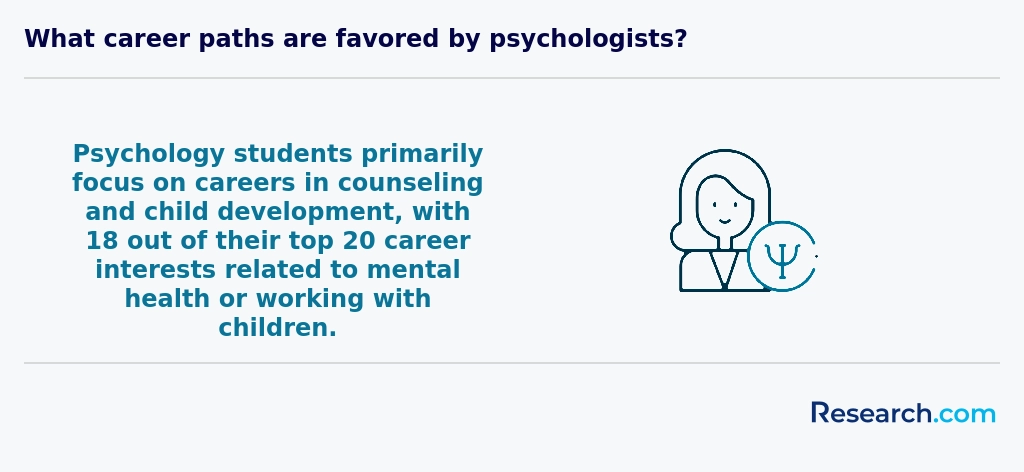
Graduates with a psychology degree in San Diego find themselves at an intriguing crossroads of diverse career paths often overlooked by many. Clinical and counseling roles remain popular, especially among those from local universities who thrive by contributing directly to the community's mental health. Yet, many discover opportunities in industrial-organizational psychology, where they harness their understanding of human behavior to elevate workplace dynamics in San Diego's booming tech and biotech sectors. These jobs don't just pay well-they ignite a sense of purpose as graduates see real-world impacts of their work on company culture and productivity. Exploring jobs with psychology degree in San Diego also reveals roles beyond therapy, such as research assistantships at prestigious institutions, which rigorously challenge analytical minds and open doors to academic innovation. Some graduates report the unexpected fulfillment found in human resources and nonprofit organizations, engaging with social advocacy tailored to San Diego's diverse population. For those weighing affordability against opportunity, consulting the Most Affordable Psychology Degree Programs Ranking in South Dakota can offer useful insights into investment and outcomes.
The psychology degree job market San Diego offers a nuanced landscape, reflecting both opportunity and challenge. Graduates from institutions like San Diego State University often find entry-level roles limited to assistant or research support positions, prompting many to pursue advanced degrees to unlock more specialized clinical or counseling roles. Yet, this city's growing healthcare and tech sectors cultivate an environment rich with possibilities, especially for those ready to embrace evolving fields such as telehealth and culturally competent care.
Employment outlook for psychology graduates San Diego is notably influenced by rising awareness around mental health, creating demand for licensed professionals in schools, private practice, and research settings. Graduates often share the excitement of joining a workforce where their skills meaningfully impact diverse communities. Still, balancing program costs with potential salaries-often slightly above California averages-remains a critical consideration. Prospective students might also explore easy online degrees that pay well to complement traditional pathways, maximizing both flexibility and employability.
2027 Most Popular Psychology Degree Programs Ranking in San Diego
Investing in your education is a significant decision that can shape your future, and the Research.com team understands the importance of making informed choices. To assist prospective students in San Diego, we have meticulously crafted the "2027 Most Popular Psychology Degree Programs Ranking in San Diego." Our commitment to quality, credibility, and accuracy is reflected in the extensive research and analysis conducted to compile this ranking.
We utilized the following reputable data sources to ensure a comprehensive evaluation of psychology programs:
By exploring this ranking, readers will gain valuable insights into the most popular psychology degree programs in San Diego, helping them make well-informed decisions about their educational paths. For more details on our methodology, please visit our Research.com methodology page.


Frequently Asked Questions About psychology
Psychology degree students in San Diego can maximize their learning by engaging in both academic and practical experiences. Many local universities, such as San Diego State University, offer research opportunities in diverse fields like cognitive neuroscience and clinical psychology. Participating in these projects helps students apply theories to real-world settings.
Internships and volunteer roles in San Diego's numerous mental health organizations provide valuable hands-on training. According to the U.S. Bureau of Labor Statistics, applied experience significantly improves job prospects post-graduation.
Additionally, joining psychology clubs or attending local workshops enhances networking with professionals, supporting academic growth and career readiness.
The psychology field in San Diego is experiencing growth in several emerging niches that reflect broader national trends. One expanding area is neuropsychology, which focuses on brain-behavior relationships. San Diego benefits from its proximity to renowned research institutions, such as the UC San Diego Neurosciences Graduate Program, fostering opportunities for specialized study and research.
Another notable niche is health psychology, addressing how psychological factors affect physical health and chronic illness management. With San Diego's aging population, demand for experts in this field is rising.
Additionally, clinical child psychology and multicultural counseling are gaining attention, especially to serve diverse communities in the region. According to the San Diego Psychological Association, these specialties show increased enrollment interest among students.
After earning a psychology degree in San Diego, preparing for the job market involves strategic steps tailored to the local landscape. Graduates should consider internships and practicum experiences, which many San Diego universities require and which provide essential hands-on training. Networking through local organizations like the San Diego Psychological Association can connect job seekers to professionals and potential employers.
San Diego's growing healthcare and social services sectors offer diverse roles for psychology graduates. According to the U.S. Bureau of Labor Statistics, the employment of psychologists in California is expected to grow 11% from 2022 to 2032, signaling opportunities in clinical, counseling, and industrial-organizational psychology.
Additionally, obtaining relevant certifications, such as Licensed Professional Clinical Counselor (LPCC) credentials, can enhance job prospects locally. Familiarity with electronic health record systems common in San Diego clinics is also beneficial. Staying updated on continuing education resources improves competitiveness in this evolving field.
Employers in San Diego highly value psychology graduates who demonstrate strong communication skills. Effective verbal and written communication is essential for working with clients, research teams, and healthcare professionals. According to the San Diego Workforce Partnership, problem-solving abilities rank as a top skill in local psychology job listings.
Critical thinking and data analysis are also vital. Many psychology roles require interpreting research findings or conducting assessments, so familiarity with statistics software is important.
Interpersonal skills allow graduates to build trust and empathy with diverse populations, which is crucial in clinical and counseling settings popular in San Diego.
Additionally, employers look for adaptability due to the evolving nature of psychology practices and technology in the region.
Finding internships in San Diego relevant to a psychology degree involves several strategic steps. Start by exploring internship programs offered through local universities such as San Diego State University and University of San Diego, which often partner with healthcare facilities and research centers. According to the American Psychological Association, practical experience is critical in psychology education and many San Diego internships focus on clinical, counseling, or research roles.
Additionally, check local hospitals, community mental health agencies, and organizations such as the San Diego County Psychological Association. Online platforms like Handshake and internships.com also list psychology-related opportunities available in the San Diego area.
Networking with professors and attending career fairs can improve chances of placement. San Diego's diverse population and strong healthcare sector provide a variety of internship settings, from schools to hospitals to nonprofit organizations.
A psychology degree in San Diego can significantly enhance career mobility and advancement opportunities within the region's diverse job market. Graduates with this qualification are positioned for roles in healthcare, education, social services, and human resources, fields experiencing steady growth. According to the U.S. Bureau of Labor Statistics, California is expected to see a 14% increase in psychologist employment from 2021 to 2031, exceeding the national average.
San Diego's robust healthcare sector, including renowned institutions like UC San Diego Health, offers strong prospects for psychology graduates seeking clinical or research careers. Furthermore, earning an advanced psychology degree can lead to licensure, necessary for professional practice and higher pay. Local salary data indicates licensed psychologists in San Diego earn median annual wages upwards of $100,000, reflecting career advancement potential within the region's competitive environment.
Studying for a psychology degree in San Diego equips students with skills essential for interdisciplinary roles. Local universities emphasize integrating psychology with fields like healthcare, education, social work, and business. This broad approach reflects San Diego's diverse job market, which increasingly values professionals who understand human behavior alongside other expertise.
Programs often include collaboration with nearby medical centers and community organizations, providing practical experience in multidisciplinary teams. According to the San Diego Workforce Partnership, many psychology graduates find roles combining mental health knowledge with public health and technology.
Courses in cognitive science, neuroscience, and data analysis further prepare students to work across disciplines, enhancing employability and adaptability in various professional environments.
When choosing between a thesis and a non-thesis psychology degree program in San Diego, students should consider their career goals and learning preferences. A thesis program typically involves conducting original research and writing a detailed paper, which is ideal for students planning to pursue a PhD or research-oriented careers. According to the American Psychological Association, thesis programs often provide stronger preparation for academic roles.
In contrast, non-thesis programs emphasize coursework and practical skills, frequently including internships or applied projects. This option suits students aiming for clinical practice, counseling, or immediate workforce entry. San Diego State University and University of San Diego offer both formats, reflecting diverse local demands.
Prospective students should also consider program length and faculty expertise when making their decision.
Students based in San Diego seeking to study psychology abroad have several viable pathways through U.S. higher education frameworks. Many local institutions, such as San Diego State University, offer study abroad programs that include psychology courses in countries with diverse cultural and research opportunities.
Faculty-led trips and partnerships with overseas universities enable students to earn credits relevant to their psychology degree while gaining international experience. Additionally, exchange programs affiliated with the University of California system provide access to psychology curricula abroad, frequently in Europe, Asia, or Australia.
National data from the Institute of International Education indicates that psychology is among the popular disciplines for studying abroad, reflecting growing interest among San Diego students. These options enrich understanding of global psychological perspectives, crucial for modern practice.
San Diego offers various part-time job opportunities that complement psychology degree education. Positions such as research assistants at institutions like the University of California San Diego provide valuable experience in data collection and analysis. Local mental health clinics often seek support staff, giving students practical exposure to counseling environments.
Additionally, opportunities in community service organizations and schools allow students to apply psychological principles while developing communication skills. According to the San Diego Workforce Partnership, healthcare support, including behavioral health aide roles, has grown by over 10% annually, reflecting rising demand.
These roles enhance practical knowledge and improve employability after graduation.
Psychology students in San Diego have access to diverse networking opportunities that enhance their academic and professional growth. Local universities, including San Diego State University, offer student chapters of national organizations such as the American Psychological Association, promoting events and conferences for peer and professional interaction.
Additionally, San Diego's strong healthcare and biotech sectors provide internships and volunteering chances where students can connect with practitioners and researchers. The region hosts annual psychology symposiums and workshops, facilitating direct contact with experts in fields like clinical and cognitive psychology.
Professional meetups and community mental health initiatives further support networking, fostering collaboration and mentorship for aspiring psychologists.
Alumni networks in San Diego provide valuable support to psychology degree students by connecting them with professionals already working in local mental health fields. These networks offer mentorship opportunities, helping students gain insights into clinical practices, research, and career paths. According to the National Association of Colleges and Employers, 85% of jobs are filled through networking, underscoring the importance of alumni connections.
In San Diego, many universities have active psychology alumni groups that share job leads and internship opportunities in nearby hospitals and counseling centers. This local focus helps psychology students bridge academic learning with practical experience.
Participation in alumni events can also enhance students' professional skills and increase their chances of employment post-graduation, especially in competitive San Diego markets where connections matter significantly.
Customizing a psychology degree program in San Diego allows students to align their studies with specific career goals. Many local universities, such as San Diego State University and the University of San Diego, offer electives and specialization tracks in areas like clinical psychology, counseling, and cognitive neuroscience. Students can choose internships or research projects that focus on community mental health or industrial-organizational psychology, fields that are growing in the San Diego job market, according to the Bureau of Labor Statistics.
Advisors at San Diego institutions often help tailor course selections, balancing core psychology classes with practical experience. Additionally, students may pursue certifications alongside their degree to enhance credentials for careers such as school psychology or substance abuse counseling. Customization helps ensure graduates meet California licensure requirements and stand out in a competitive job market.
Psychology students in San Diego commonly face several challenges that impact their academic and practical learning experiences. One major difficulty is balancing rigorous coursework with gaining relevant hands-on experience, as internships and research opportunities are competitive. According to the American Psychological Association, securing placements within local healthcare facilities or research centers can be a significant hurdle.
Another challenge arises from the cost of education. Public and private institutions in San Diego have average annual tuition fees ranging from $8,000 to over $30,000, which can contribute to financial stress for many students.
Additionally, managing mental health while studying psychology remains a notable issue. Students often encounter intense emotional demands when studying human behavior, necessitating strong personal coping strategies. These factors collectively shape the academic journey of psychology students in this region.
With a psychology degree in San Diego, graduates have several professional certification options to advance their careers. Many pursue licensure as a Licensed Professional Clinical Counselor (LPCC) or Licensed Marriage and Family Therapist (LMFT), both requiring supervised hours and state exams under California's Board of Behavioral Sciences.
For those interested in school settings, the Pupil Personnel Services (PPS) Credential allows work as a school psychologist or counselor. Additionally, certifications such as Certified Alcohol and Drug Counselor (CADC) are available for focus on addiction treatment, a growing field in San Diego.
The American Board of Professional Psychology also offers specialty certifications in areas like forensic or clinical neuropsychology for advanced practitioners. According to the California Employment Development Department, mental health-related jobs in the region are expected to grow by 15% through 2030, increasing demand for certified professionals.
To write a winning application for a psychology program in San Diego, start by thoroughly researching the specific program requirements of local institutions like San Diego State University and University of San Diego. Highlight your academic achievements, especially coursework in psychology and related fields.
Include a well-crafted personal statement that explains your motivation to study psychology and aligns your goals with the program's strengths. Emphasize any research experience, internships, or volunteer work related to mental health, as San Diego offers many community psychology opportunities.
Strong letters of recommendation from professors or professionals familiar with your work can boost your application. Lastly, meet all deadlines and ensure your test scores and transcripts are submitted promptly. According to the American Psychological Association, program competitiveness varies, so well-prepared applications matter greatly.
Psychology careers in San Diego reflect broader global trends emphasizing mental health and well-being. Internationally, psychology professionals are increasingly valued for addressing diverse populations and complex social issues. In the US, including San Diego, the Bureau of Labor Statistics projects a 10% growth in psychology-related jobs from 2022 to 2032, faster than average for all occupations. This growth is driven by demand in healthcare, education, and business sectors.
San Diego's diverse population makes psychology training particularly relevant for cross-cultural competencies. Graduates are often prepared to work in both clinical and research settings, aligning with global standards of applied psychology.
Universities in San Diego offer degrees that meet American Psychological Association accreditation, ensuring graduates are competitive in both domestic and international markets.
Gaining practical experience while studying for a psychology degree in San Diego is essential for career preparation. Students can participate in internships at local healthcare providers, schools, and community organizations as San Diego hosts numerous mental health clinics and research centers. For example, internships at institutions like the UC San Diego Psychological Services Center provide valuable exposure to clinical practice.
Many universities offer practicum courses where students engage directly with clients under supervision, building skills in assessment and therapy. Additionally, volunteer opportunities at organizations such as Rady Children's Hospital or the Mental Health Systems nonprofit can enhance real-world understanding.
According to the Bureau of Labor Statistics, practical experience increases employability, and in San Diego, the demand for psychology professionals is projected to grow by 14% through 2030. Students are encouraged to seek guidance from career services and faculty advisors to connect with suitable opportunities.
Choosing the right concentration within a psychology degree program in San Diego involves careful consideration of your career goals and interests. Popular concentrations include clinical, counseling, developmental, and industrial-organizational psychology. San Diego State University and the University of San Diego offer varied options, reflecting local demand for mental health professionals and organizational psychologists.
Review the curriculum and research opportunities each program provides. According to U.S. Bureau of Labor Statistics, clinical and counseling psychology roles are expected to grow by 14% nationally through 2032, highlighting strong career prospects.
Speak with advisors, attend local psychology events, and consider internships in San Diego's diverse healthcare and business sectors to align your concentration with real-world experience.
- 2027 Most Popular Psychology Degree Programs Ranking in La Jolla
- 2027 Most Popular Psychology Degree Programs Ranking in Irvine
- 2027 Most Popular Psychology Degree Programs Ranking in Riverside
- 2027 Most Popular Psychology Degree Programs Ranking in Claremont
- 2027 Most Popular Psychology Degree Programs Ranking in Los Angeles
- 2027 Most Popular Psychology Degree Programs Ranking in Pasadena
- 2027 Most Popular Psychology Degree Programs Ranking in Santa Barbara
- 2027 Most Popular Psychology Degree Programs Ranking in Phoenix
- 2027 Most Popular Psychology Degree Programs Ranking in San Francisco
- 2027 Most Popular Psychology Degree Programs Ranking in Denver
See What Experts Have To Say About Studying Psychology
Read our interview with Psychology experts

Joann Farrell Quinn, Ph.D., MBA
Psychology Expert
Director at the College of Medicine Department of Medical Education
Morsani College of Medicine

Robin M. Kowalski. Ph.D.
Psychology Expert
Professor of Psychology
Clemson University

Catherine Caldwell-Harris, Ph.D.
Psychology Expert
Associate Professor of Psychology
Boston University

- What Can You Do With A Psychology Degree? | Psychology.org https://www.psychology.org/resources/alternative-careers-for-psychology-majors/
- How to Pay for Your Psychology Education in California - Psychology California https://psychologyca.org/how-to-pay/
- Mental Health Challenges Faced by Psychology Students | The Healthcare Guys https://healthcareguys.com/2023/11/23/mental-health-challenges-faced-by-psychology-students/
- 10+ San Diego Psychology Degree Programs & Majors https://psychologymastersprograms.com/california-psychology-degree/san-diego/
- Alumni Perspectives - Meet Our FPN Alumni https://www.aanmelder.nl/alumni-perspectives-june-2023
- Psychology Placement Opportunities for Year 12 Students https://studymind.co.uk/ucas-guide/year-12-guide-to-gaining-psychology-work-experience/
- Ontario Psychological Association - Networking and Community Resources https://www.psych.on.ca/become-a-member-(1)/member-services/networking-and-community-resources
- Study Psychology Abroad | Go Overseas https://www.gooverseas.com/study-abroad/psychology
- Know more about thesis vs non- thesis: what is the difference? https://studyfans.com/en/blogs/816
- Psychology… at University of California-San Diego | Vaia https://www.vaia.com/s/degree/university-of-california-san-diego/psychology-other-ba/


