2027 Most Affordable Psychology Degree Programs Ranking in Ponce

Co-Founder and Chief Data Scientist
Choosing the right psychology degree program in Ponce can feel overwhelming, especially when budget matters. To help you navigate these options, the article presents the 2027 Most Affordable Psychology Degree Programs Ranking in Ponce, created by the Research.com team of data scientists.
By exploring this ranking, you'll discover affordable programs that align with your goals and financial needs. Pursuing a psychology degree opens doors to meaningful careers that make a real difference in people's lives. This guide aims to support and inspire your educational journey with trusted insights.
Key benefits of getting psychology degree in Ponce
- Psychology graduates in Ponce can enjoy rewarding salaries, with roles like Marketing Research Analyst earning around $83,190 annually and Human Resources Specialist about $76,060, showcasing strong earning potential.
- Career paths for psychology degree holders include clinical research, human resources, and market analysis, inspired by successful alumni from local universities who thrive in diverse professional environments.
- Obtaining an online psychology degree offers flexible scheduling and accessibility, helping busy students in Ponce balance work and study while achieving the same respected credentials as traditional programs.
- 2027 Most Affordable Psychology Degree Programs Ranking in Ponce
- What can I expect from psychology degree in Ponce?
- Where can I work with psychology degree in Ponce?
What can I expect from psychology degree in Ponce?
If you're thinking about studying psychology in Ponce, one of the biggest perks is the cost. Unlike many mainland schools where tuition can feel overwhelming, psychology programs here at spots like Pontificia Universidad Católica de Puerto Rico and Universidad de Puerto Rico en Ponce usually range from about $4,000 to $7,000 a year. Graduates often mention how this affordability made it easier to focus on learning rather than stressing about loans.
Imagine diving into classes on cognitive or developmental psychology without that heavy financial worry. Many students share that the balance of bilingual instruction and hands-on projects in these local programs really helped them feel prepared and confident. Plus, the lower tuition means you can invest more in experiences like community work or lab research-things that really bring the subject to life and build your resume for future licenses or jobs.
Where can I work with psychology degree in Ponce?
If you've earned a psychology degree in Ponce, you've got a bunch of cool options waiting for you. Graduates from places like Universidad de Puerto Rico en Ponce often jump into healthcare jobs-think hospitals or counseling centers-where they help people work through tough stuff with therapy and assessments. It's rewarding and feels great knowing you're making a real difference.
Lots of grads also find themselves in schools, helping kids and teens handle emotional challenges as counselors or support staff. With some extra licenses, they can become licensed psychologists right in Ponce, which is exciting since schools really need mental health pros these days.
Others dive into government roles, working in social services or juvenile programs. It's meaningful work that connects psychology with community impact. And if you're eyeing private practice, many grads start in group therapy or clinics-just remember you'll need a license from the Puerto Rico Psychology Examining Board to go solo.
Plus, companies here are hiring psychologists to boost workplace vibes and productivity. Nonprofits and research spots, especially nearby universities, also offer gigs that mix psychology with real-life challenges, perfect for getting hands-on experience.
If you're studying psychology in Ponce, you might wonder how much cash you could realistically bring in after graduation. Graduates fresh out of programs at popular local colleges often land jobs like childcare workers, earning around $32,070 a year, according to the latest US Bureau of Labor Statistics data. This is a great starting point if you enjoy hands-on work with kids or families.
Many grads also step into roles as clinical research associates or survey researchers, pulling in about $62,370 annually. These gigs involve more research and data analysis-perfect for those who loved their stats classes or psychology labs while studying in Ponce.
Then there's the marketing research analyst track, where your psychology background gives you an edge understanding consumer behavior. Folks in this role make around $83,190 a year, showing how versatile a psych degree can be.
One graduate shared how their education in Ponce helped them blend psychology with marketing skills, landing a higher-paying analyst position faster than expected. So, your psychology degree in Ponce can open doors to a variety of careers, each with unique salary prospects that grow as you gain experience.
- Psychology bachelor's degrees in Ponce typically cost between $6,000 and $9,000 per academic year.
- Graduate psychology programs have higher tuition fees, usually ranging from $8,000 to $12,000 annually.
- Starting salaries for bachelor's degree holders average $35,000 to $40,000 per year, while those with advanced degrees can earn $60,000 to $75,000.
- Job growth for psychology-related roles in Ponce is expected to be moderate but steady over the next decade.
- Licensure requires completing an accredited graduate program, supervised experience, and passing specific exams in Puerto Rico.
If you're studying psychology in Ponce, expect a bachelor's degree to take about four years of full-time study, just like many students at popular schools like Universidad Ana G. Mendez or Pontificia Universidad Católica. Graduates often share how the mix of core psychology courses and electives keeps things interesting while preparing them well for the job market or grad school.
For those going further, like chasing a master's or doctoral degree, it typically adds two to seven more years. Many grads mention how the master's programs helped them nail down a specialty, while the doctoral path, though long, truly deepens your skills with research and clinical work.
Part-time or online options around Ponce make it easier for working students to finish at their own pace, which is a big relief for those juggling jobs or family. Internships and thesis projects pop up too, sometimes stretching the timeline but making your experience richer and more hands-on.
If you're thinking about a psychology degree in Ponce, one big difference between online and on-campus programs is how you experience your classes. On-campus at popular spots like the University of Puerto Rico in Ponce, graduates often talk about the vibe of walking through campus, chatting face-to-face with professors after class, and hitting up the library or research labs whenever they want. It's that hands-on learning and personal connection that really helps some students get a deeper grip on tricky topics and clinical skills.
On the flip side, online programs give you way more flexibility-perfect if you've got a job, family, or just prefer studying in your pajamas. Most online psychology students in Ponce take courses from mainland schools, which means you get access to a huge variety of classes but might miss out on local practicum chances that are important for Puerto Rico licensing. Still, grads tell me they love fitting school around life without the stress of commuting or campus fees.
Cost-wise, local on-campus degrees might feel a bit pricier with extra campus fees, while online options often cut those out. But whether you thrive in a buzzing campus environment or prefer the chill of online learning, both can get you that solid degree you want.
The average cost of a psychology degree in Ponce varies quite a bit depending on where you study, but most students can expect the total to be around $19,852. If you're attending a public university in Ponce, like the Pontifical Catholic University of Puerto Rico, the in-state total cost usually sits closer to $6,650. Graduates from these schools often share how affordable the experience felt, especially compared to private institutions. They highlight that the tuition is manageable, which allows them to focus more on their studies and less on the financial stress.
Private colleges in Ponce typically have a higher price tag, often boosting the total expense into the range of $32,000 to $60,000. Many grads note that while this is more costly, the investment often comes with smaller class sizes and additional resources, creating a personalized and well-supported learning environment. That said, budgeting for additional costs like books, supplies, and living expenses is a must everywhere in Ponce, which can add $3,000 to $6,000 per year.
Many students looking for affordable psychology degree programs Ponce-wise find that exploring financial aid and scholarships helps soften the overall cost. It's also smart to review options carefully and sometimes consider shorter or more flexible paths. For example, some students compare their options, including looking into best 6-month online associate degree programs as stepping stones or alternatives.

If you're planning to study psychology in Ponce, there's good news-financial aid options are definitely there to help you out. Many students attending popular schools like the University of Puerto Rico at Ponce find federal Pell Grants super helpful because they can get up to $7,395 a year, which really takes the edge off tuition costs. One recent graduate shared how the Pell Grant covered most of their fees, making it easier to focus on classes instead of stressing over bills.
Beyond grants, federal student loans through FAFSA are common and student-friendly, with manageable interest rates. A lot of psychology students I know used these loans to pay for books and housing while juggling coursework and internships.
Local scholarships and work-study gigs are also big deals here. Universities often have programs where you can work on campus, earn some cash, and gain experience related to psychology, which feels like hitting two birds with one stone.
Plus, if you're a veteran or have military ties, benefits like the GI Bill can seriously lighten the load.
If you're thinking about starting a psychology degree in Ponce, the first thing you'll need is a high school diploma or something like a GED. This is pretty standard across the universities and colleges here, like the University of Puerto Rico at Ponce. Graduates often mention how submitting official transcripts that show decent grades in English, math, and sciences really helped them get accepted, since these subjects build the foundation for psychology courses.
Some schools might make you take placement tests or ask for SAT or ACT scores, but community colleges in Ponce tend to be more flexible if your test scores aren't perfect. You'll also fill out an application where you talk about why you want to study psychology-basically, your goals and passion. Having letters of recommendation from teachers or mentors who know you well can seriously boost your chances.
Many students share how these steps felt pretty doable once they realized the schools were mainly looking for motivation and some solid academic basics. It's like they want you ready to jump into courses on research methods or the biological side of psychology, but they're also rooting for you every step of the way.

If you're diving into a psychology degree in Ponce, you'll find yourself taking courses that cover everything from the basics to the more hands-on stuff. Graduates from popular schools like the University of Puerto Rico at Ponce often talk about how starting with Introduction to Psychology really helped them get the big picture, like understanding why people behave the way they do. Then there's Developmental Psychology, which breaks down how people grow and change through life-perfect for seeing real-world changes in friends or family.
Courses like Research Methods and Statistics might sound intimidating, but many students enjoy them because they get to actually design experiments or analyze data, which feels like unlocking the secrets behind human behavior. Classes in Biopsychology or Neuropsychology are super eye-opening too, connecting how our brains affect what we do and feel.
Plus, everyone loves Abnormal Psychology, where you learn about mental health issues and treatments-it's like stepping into a counselor's shoes. And with Social Psychology, you start to notice all those small ways people influence each other daily.
Many grads also rave about electives like Cognitive Psychology or Industrial-Organizational Psychology that let you explore your interests, helping you feel ready for real jobs in Ponce's diverse communities.
If you're diving into a psychology degree in Ponce, you'll find some cool specializations that really suit different career paths. Lots of students loved focusing on clinical psychology, where you get hands-on experience helping people manage mental health issues-perfect if you want to work in counseling or mental health clinics around town. Others at popular colleges enjoy educational psychology, which is all about understanding how kids learn and behave in school-ideal if you see yourself supporting young learners or working in schools.
Some grads got excited about industrial-organizational psychology, applying what they learn to improve workplace vibes and productivity in local businesses. Counseling psychology is also a favorite, helping folks handle emotional ups and downs and get through life's challenges. There are even options like forensic or health psychology if you want something a bit different. All these choices make psychology degree specializations in Ponce really flexible and practical.
Plus, while you study, you might explore related areas like job certifications that pay well, which can boost your opportunities after college.
When picking a psychology degree in Ponce, start by checking if the school is accredited-this is a must for your degree to actually count later on. Many graduates from popular colleges here rave about the University of Puerto Rico at Ponce because it balances quality teaching with affordable tuition, which is a rare find. Students often talk about how smaller class sizes helped them connect with professors who really know their stuff. If you're worried about cost, you should definitely explore affordable psychology degree programs in Ponce; it makes juggling tuition, books, and living expenses way less stressful.
Think about what excites you most-some programs lean toward clinical psychology, while others focus on research or counseling. If hands-on experience matters, look for internships or lab opportunities like those offered at local schools. Also, grads mention how having a strong network in Ponce's healthcare scene gave them a leg up when job hunting. If you want to take your education further without getting bogged down, consider checking out online doctorate no dissertation options.
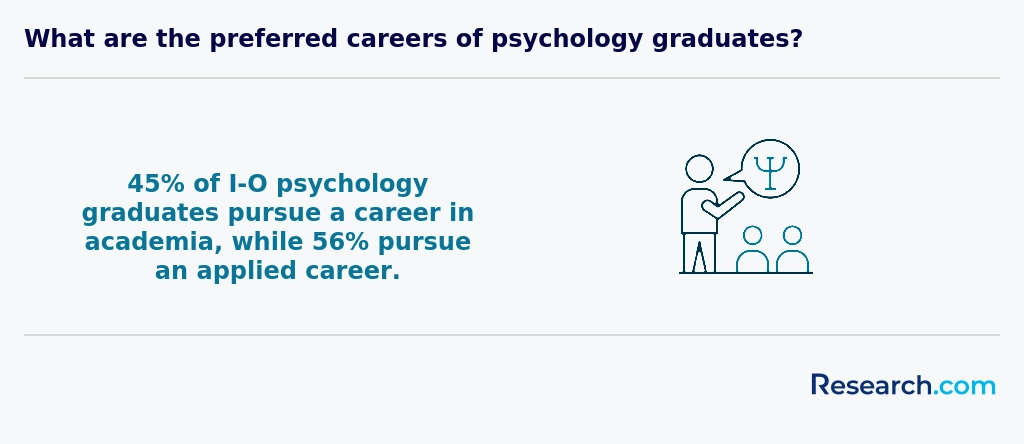
If you're studying psychology in Ponce, you'll find plenty of cool career paths to explore. Many graduates end up working in mental health, like counseling or clinical psychology, which is booming here thanks to new community health programs. For example, grads from local schools like the University of Puerto Rico at Ponce often land jobs in counseling roles at healthcare centers or private practices-this is one of the easiest ways into the field.
There are also jobs as school psychologists or educational counselors supporting students in Ponce's schools, which many find super rewarding. Others dive into HR roles using psychology in recruitment and employee wellness or join research projects at local universities. Behavioral analysis for developmental disorders is another important area that's growing in the region.
For those thinking bigger, graduate programs around Ponce are great for stepping into licensed psychologist roles with higher salaries. And if you want to mix things up, fields like forensic or sports psychology are also gaining traction in Puerto Rico. If you're curious about flexible study options, check out these leading online universities offering solid psychology degrees.
The job market for psychology degree holders in Ponce is pretty steady, reflecting the growing awareness around mental health and the need for professionals in clinics, schools, and rehab centers. Graduates from popular local universities often share how rewarding it feels to work closely with their communities, especially in counseling roles and school psychology. If you're exploring psychology degree job opportunities in Ponce, there's a real chance to build a meaningful career without having to leave your hometown.
Many find that while salaries might not match the mainland, the cost of studying locally is more affordable, making it easier to start working in places like hospitals or nonprofit organizations after graduation. Plus, students often benefit from connections made through their universities and local institutions. If you're interested in expanding your horizons, some even recommend checking out the list of dual degree programs to boost your prospects.
Looking ahead to Ponce psychology career outlook 2027, the demand seems likely to grow, fueled by social and economic factors unique to Puerto Rico. Graduates say it's an exciting time to be entering the field here.
2027 Most Affordable Psychology Degree Programs Ranking in Ponce
Investing in your education is a significant decision that can shape your future, and the Research.com team understands the importance of making informed choices. To support prospective students in Ponce, we have carefully developed the "2027 Most Affordable Psychology Degree Programs Ranking in Ponce." Our commitment to quality, credibility, and accuracy is demonstrated through rigorous research and analysis behind this ranking.
We utilized the following reputable data sources to ensure a comprehensive evaluation of affordable psychology programs:
By exploring this ranking, readers will gain valuable insights into affordable psychology degree options in Ponce, empowering them to make well-informed decisions about their education and career. For more details on our methodology, please visit our Research.com methodology page.
# 1 position
Pontifical Catholic University of Puerto Rico-Ponce
Bachelor of Arts in Psychology
# 2 position
Pontifical Catholic University of Puerto Rico-Ponce
Doctor of Philosophy in Clinical Psychology
# 3 position
Pontifical Catholic University of Puerto Rico-Ponce
Master of Arts in Psychology

# 5 position
Ponce Health Sciences University-East
Doctor of Psychology

Frequently Asked Questions About psychology
Psychology degree students in Ponce can enhance their learning by actively engaging in both academic and practical experiences. Enrolling in internships or volunteer opportunities at local mental health clinics, such as those affiliated with the University of Puerto Rico at Ponce, offers real-world exposure to psychological practices. Complementing coursework with participation in research projects helps deepen understanding of experimental methods and current psychological theories.
Networking with professionals and joining student organizations related to psychology provides access to mentorship and career guidance. According to the American Psychological Association, hands-on experience significantly improves graduate success rates. Utilizing campus resources like counseling labs and attending workshops are also effective strategies to maximize knowledge retention and skill development.
The field of psychology is evolving rapidly, with several emerging niches attracting interest from students in Ponce and across the US. One notable area is neuropsychology, which explores the relationship between the brain and behavior, and is gaining importance due to advances in brain imaging technologies.
Another growing niche is health psychology, focusing on how psychological factors affect physical health and illness management, which is crucial given rising chronic disease rates. Additionally, forensic psychology, applying psychological principles to criminal investigations, is expanding as law enforcement agencies increasingly seek expert insights.
Technology-driven specialties such as cyberpsychology also show promise, examining human interaction with digital environments. According to the American Psychological Association, demand for specialists in these fields is expected to grow by over 15% through 2030.
Preparing for the job market after completing a psychology degree in Ponce involves several strategic steps. First, gaining practical experience through internships or volunteer opportunities at local clinics, schools, or community centers can enhance skills and employability. According to the U.S. Bureau of Labor Statistics, practical experience is crucial for psychology graduates entering fields such as counseling or social services.
Networking is also important. Joining professional organizations like the Puerto Rico Psychological Association provides access to job listings and local events. Many employers in Ponce seek candidates with strong communication and research skills, so developing these during studies is essential.
Additionally, consider pursuing certifications relevant to psychology careers, such as behavioral analysis or mental health counseling licenses, which are regulated by Puerto Rico's Department of Health. Staying informed about local job market trends helps graduates target sectors with growth, like clinical and school psychology.
Employers in Ponce value several key skills in psychology degree graduates. Strong communication abilities rank high, as professionals must explain complex concepts clearly to clients and colleagues. Critical thinking and analytical skills are essential for assessing data, conducting research, and applying psychological theories effectively.
Interpersonal skills are also crucial, enabling graduates to build trust and work collaboratively in healthcare and social service settings. Additionally, ethical understanding and cultural competence are increasingly important due to Puerto Rico's diverse population.
According to the Bureau of Labor Statistics and local workforce studies, these competencies increase employability and career advancement in Ponce's mental health sector.
Finding psychology internships in Ponce involves leveraging local resources and educational institutions. Start by contacting universities like Pontifical Catholic University of Puerto Rico, which often have partnerships with community mental health centers and hospitals in Ponce.
The Puerto Rico Department of Health and local clinics provide supervised internship opportunities crucial for psychology students' professional development. Interns typically assist with patient assessments, counseling, and research under licensed psychologists.
Networking through professional organizations such as the Puerto Rico Psychological Association can also help students identify available placements.
According to the U.S. Bureau of Labor Statistics, psychology internships enhance employment prospects by 15% in clinical and counseling fields.
Obtaining a psychology degree in Ponce can significantly enhance career mobility and advancement opportunities within the region. Graduates often find that their credentials open doors to roles in education, healthcare, social services, and mental health counseling. According to data from the Bureau of Labor Statistics and local employment reports, the demand for licensed psychologists and mental health professionals in Puerto Rico is expected to grow by approximately 8% over the next decade.
Holding a degree also facilitates eligibility for licensure, which is essential for clinical practice and increases earning potential. Additionally, advanced degrees offer prospects for leadership roles in community programs and private practice.
Networking opportunities through Ponce's universities further support career growth by connecting students to local employers and internships, improving practical experience and job placement success rates.
Studying for a psychology degree in Ponce offers students a solid foundation for interdisciplinary roles by combining core psychological theories with practical applications across related fields. Local universities emphasize collaboration with departments such as education, health sciences, and social work, providing students with diverse perspectives.
The curriculum often includes courses in research methods, counseling, and human development, which prepare graduates to work effectively in healthcare, education, or community programs. According to the Puerto Rico Council on Higher Education, about 40% of psychology graduates in Ponce pursue careers that involve cross-disciplinary teamwork.
This interdisciplinary training equips students to address complex issues, such as mental health in educational settings or public health initiatives, making psychology graduates valuable in multifaceted professional environments.
Choosing between a thesis and a non-thesis psychology degree program in Ponce depends largely on your career goals and learning preferences. A thesis program involves conducting original research and writing a detailed thesis, which suits students interested in academic or research careers. Non-thesis programs typically focus on coursework and practical training, appealing to those aiming for applied psychology roles or professional advancement.
In Ponce, several institutions offer both options within their psychology programs, aligned with U.S. Department of Education standards. The thesis route may take longer to complete but provides strong preparation for doctoral studies. The non-thesis path is often shorter and more flexible for working professionals.
Understanding these differences can help you select a program that fits your future plans and personal circumstances.
Students based in Ponce interested in studying psychology abroad have several pathways through U.S. higher education institutions and exchange programs. While Ponce itself hosts reputable universities like the Pontificia Universidad Católica de Puerto Rico offering psychology degrees locally, many students seek broader exposure by enrolling in mainland U.S. universities. Popular destinations include Florida and New York, where programs often feature concentrations in clinical, counseling, or industrial-organizational psychology.
Financial aid and scholarship options may be available through state and federal programs, which help reduce costs. Additionally, several universities partner with Puerto Rican institutions to facilitate transfer and study-abroad opportunities. According to the Institute of International Education, approximately 1,000 Puerto Rican students study in the continental U.S. annually, many within psychology-related fields.
Students pursuing psychology degrees in Ponce can benefit from various part-time job opportunities that enhance their academic experience. Local hospitals and clinics often offer assistant roles, such as behavioral health aides, where students gain firsthand experience working with patients under supervision. According to the Puerto Rico Department of Labor, healthcare support roles grew by 5% in the region from 2021 to 2023, reflecting expanding opportunities.
Additionally, positions in community centers and nonprofit organizations provide valuable exposure to counseling and social services. Some universities in Ponce collaborate with research projects, allowing students to work as research assistants. These roles strengthen practical skills and bolster resumes for future psychology careers.
Psychology students in Ponce benefit from several local networking opportunities that support professional growth and community engagement. Institutions such as Pontificia Universidad Católica de Puerto Rico (PUCPR) offer student organizations and psychology clubs where members can attend workshops and meetings. These groups often connect students with local practitioners and alumni working in clinical, counseling, and educational psychology fields.
Additionally, Ponce hosts regional conferences and seminars related to behavioral health, providing valuable chances for students to meet professionals and present research. According to the Puerto Rico Psychological Association, involvement in local events boosts employment prospects in Ponce's health sectors.
Internships at community centers and hospitals in Ponce also help psychology students build practical networks essential for licensure and employment in the U.S. system.
Alumni networks play a significant role in supporting psychology degree students in Ponce by fostering professional connections. These networks often provide mentorship opportunities, allowing current students to gain insights from experienced graduates working in clinical, counseling, or research settings.
Furthermore, alumni networks can facilitate internships and job placements, which are crucial for psychology students needing supervised experience to meet licensure requirements. According to the American Psychological Association, practical experience is key for licensure success, and alumni connections often lead to these opportunities.
In Ponce, where local psychology programs collaborate with community health centers, alumni help bridge students with local practicum sites, enhancing career prospects and practical skills.
Customizing a psychology degree program in Ponce allows students to align their studies with specific career goals. Many institutions offer elective courses focusing on areas such as clinical, counseling, or industrial-organizational psychology. This flexibility helps students gain relevant skills for their desired field.
Additionally, students can pursue internships or research projects with local health centers or businesses, which enrich practical experience. In Ponce, over 30% of psychology undergraduates participate in applied work, according to recent reports by the Puerto Rico Institute of Psychology Education.
Academic advisors often assist in selecting coursework tailored to licensure requirements or graduate programs, ensuring a personalized education path.
Psychology students in Ponce often face significant challenges related to limited local resources. While the city hosts institutions offering psychology programs, access to advanced research facilities and diverse internship opportunities can be restricted compared to larger metropolitan areas. A 2023 survey by the Puerto Rico Council of Higher Education noted that about 40% of psychology students in Ponce report difficulties finding clinical placements required for licensure.
Additionally, financial constraints are common. Many students balance work and study due to the high cost of education combined with limited availability of scholarships specific to psychology. According to data from the U.S. Department of Education, average debt for psychology graduates from Puerto Rico stands near $25,000, impacting student retention and completion rates.
Academic workload is another hurdle. Psychology programs demand strong competencies in statistics, research methods, and theoretical knowledge, which can be overwhelming without sufficient support services or tutoring. These factors combined highlight key obstacles for students pursuing psychology degrees in Ponce.
With a psychology degree in Ponce, graduates can pursue various professional certifications to enhance their careers. Common certifications include becoming a Licensed Clinical Psychologist, which requires completing a doctorate, supervised hours, and passing the Examination for Professional Practice in Psychology (EPPP).
Other options include certification as a School Psychologist, requiring credentials from the National Association of School Psychologists. Additionally, professionals may seek credentials in specialized areas like counseling or behavior analysis, such as becoming a Licensed Professional Counselor (LPC) or a Board Certified Behavior Analyst (BCBA).
Obtaining these certifications improves employment opportunities and aligns with Puerto Rico's local licensing requirements. According to the Puerto Rico Psychological Association, demand for certified psychologists in Ponce continues to grow, supporting mental health services in schools and healthcare facilities.
Writing a winning application for a psychology program in Ponce begins with careful preparation of your academic records. Strong undergraduate GPA and relevant coursework in psychology significantly increase your chances, as most programs require at least a 3.0 GPA. Highlight any research experience or internships related to psychology, as empirical skills are highly valued by admissions committees.
Personal statements should clearly describe your motivation for studying psychology, emphasizing your career goals and how studying in Ponce aligns with them. Including knowledge of local mental health issues or community projects can strengthen your application.
Recommendations from professors familiar with your academic or research abilities are essential. Ensure these letters specifically address qualities relevant to psychology studies.
Many Ponce institutions also require GRE scores, so preparing thoroughly for this exam can improve your application's competitiveness. According to recent data, programs in Ponce admit around 30-40% of applicants, making a well-rounded application crucial.
Psychology careers in the United States, including Ponce, are increasingly influenced by global trends emphasizing multicultural competence and interdisciplinary collaboration. According to the American Psychological Association, the demand for psychologists is projected to grow 8% nationally from 2021 to 2031, reflecting broader health and social needs. In Ponce, students can benefit from programs that incorporate these global perspectives, preparing graduates to work with diverse populations.
Internationally, psychology professions often require licensure and adherence to ethical standards similar to those in the US, which facilitates mobility for practitioners. Globally, mental health awareness continues to rise, expanding career opportunities beyond traditional settings into technology, business, and education.
Understanding global perspectives enriches a psychology degree by fostering adaptability and a comprehensive worldview, crucial for success in today's interconnected world.
Gaining practical experience during a psychology degree in Ponce is essential for career readiness. Many universities in Ponce offer internship opportunities through partnerships with local hospitals, clinics, and community organizations. These placements allow students to apply classroom knowledge in real clinical or research settings.
Additionally, students can participate in research projects led by faculty members, which often involve hands-on data collection and analysis. The University of Puerto Rico at Ponce, for example, frequently supports such initiatives.
Volunteering in mental health centers or social service agencies also provides valuable exposure. Engaging in these practical experiences enhances critical skills and strengthens graduate school or job applications in psychology.
Choosing the right concentration within a psychology degree program in Ponce involves understanding your career goals and interests. Common concentrations include clinical, counseling, educational, and organizational psychology. Each offers different paths, such as therapy, school settings, or workplace consulting.
Research local institutions like Pontificia Universidad Católica de Puerto Rico, which offer specialized tracks aligned with regional needs. According to the Puerto Rico Psychology Association, clinical psychology remains the most in-demand concentration, reflecting growing mental health service needs.
Consider available internships and faculty expertise, as these affect practical experience and networking. Review program accreditations to ensure quality and employability nationwide.
See What Experts Have To Say About Studying Psychology
Read our interview with Psychology experts

Robin M. Kowalski. Ph.D.
Psychology Expert
Professor of Psychology
Clemson University

Joann Farrell Quinn, Ph.D., MBA
Psychology Expert
Director at the College of Medicine Department of Medical Education
Morsani College of Medicine

Elizabeth L. Jeglic Ph.D.
Psychology Expert
Professor of Psychology
City University of New York

- Study Psychology Abroad | Go Overseas https://www.gooverseas.com/study-abroad/psychology
- Have You Found a Niche? https://www.apaservices.org/practice/business/marketing/building/niche
- Doctor of Psychology in Clinical Psychology https://phsu.edu/academics/programs/doctor-of-psychology-in-clinical-psychology.php
- Psychology Placement Opportunities for Year 12 Students https://studymind.co.uk/ucas-guide/year-12-guide-to-gaining-psychology-work-experience/
- Inter American University of Puerto Rico-Ponce Psychology, General Major | 53% Acceptance Rate, ROI 62/100 https://www.gradgpt.com/inter-american-university-of-puerto-rico-ponce/bachelors/psychology-general
- Clinical Psychology - St Louis Ponce Health Sciences University https://goingto.university/institutions/ponce-health-sciences-university/courses/224988
- Career/work opportunities in Poland for a guy with a Bachelor of Science in Psychology? https://polishforums.com/archives/2010-2019/work/poland-career-opportunities-71105/
- Why Get a Psychology Degree Online? | University of Bridgeport https://www.bridgeport.edu/news/reasons-to-get-your-psychology-degree-online/
- Psychology - SWPS University https://english.swps.pl/academics/warsaw/ba-programs/psychology
- How to Find an Undergraduate Psychology Internship https://www.psychology.org/resources/how-to-find-an-internship/