2027 Most Popular Psychology Degree Programs Ranking in Denver

Co-Founder and Chief Data Scientist
Choosing the right psychology degree program in Denver can feel overwhelming. To make this journey easier, the article presents the 2027 Most Popular Psychology Degree Programs Ranking in Denver, crafted by the Research.com team of data scientists. This ranking provides clear insights into which programs stand out based on reliable data.
Reading this article will help you confidently navigate your options and find a path that suits your goals. Pursuing a psychology degree opens doors to meaningful careers and personal growth, making it a rewarding decision.
Key benefits of getting psychology degree in Denver
- Psychology degree graduates in Denver can earn competitive salaries in roles such as Marketing Research Analyst, with a mean annual wage of $83,190, or Human Resources Specialist, earning around $76,060 per year.
- Graduates from local universities often pursue diverse careers ranging from clinical research to childcare services, giving them the freedom to find a path that fits their passions and strengths.
- Completing a psychology degree online offers flexibility and convenience, allowing students to balance work and life commitments while gaining the same valuable knowledge as traditional programs.
- 2027 Most Popular Psychology Degree Programs Ranking in Denver
- What can I expect from psychology degree in Denver?
- Where can I work with psychology degree in Denver?
What can I expect from psychology degree in Denver?
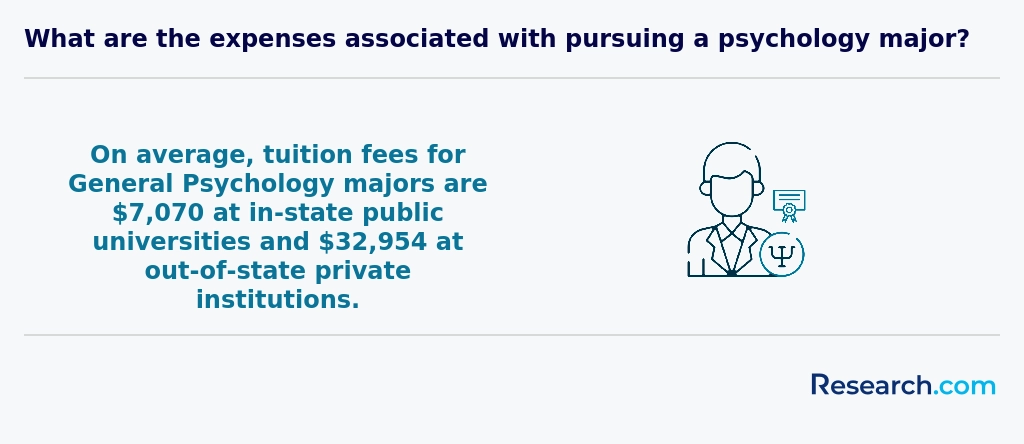
The average cost of earning a psychology degree in Denver typically ranges from $10,000 to $30,000 per year, depending on whether you attend a public or private institution. Graduates from popular universities in Denver often share that investing in their education felt worthwhile, especially given the strong practical training and community connections these programs offer.
One graduate described balancing costs by applying for scholarships and part-time internships available through their university's strong network, which helped offset tuition while gaining valuable experience. Public colleges in Denver tend to be more affordable, though many private schools provide specialized programs that include supervised practica essential for Colorado licensure.
Students also mention that hands-on internship opportunities within Denver's mental health agencies add real-world value beyond the tuition price. Budgeting for associated costs like textbooks and licensing exam fees is important, but local resources and support make pursuing a psychology degree in Denver both accessible and rewarding.
Where can I work with psychology degree in Denver?
Graduates with a psychology degree in Denver can find rewarding careers across multiple sectors. Many graduates from universities like the University of Denver and Metropolitan State University of Denver share how clinical roles at Denver Health or the Colorado Mental Health Institute gave them hands-on experience and a sense of purpose helping patients in hospitals and community centers.
Others thrive in education, working as school counselors or academic advisors within Denver Public Schools or local colleges. These positions often allow them to directly impact students' lives, turning academic theories into real support systems.
Nonprofits like Mental Health Colorado provide opportunities for graduates passionate about social services to develop programs and manage outreach efforts, making a visible difference in the community.
Business-minded psychology grads often find roles in corporate settings, using industrial-organizational psychology to enhance employee well-being and company culture, particularly in Denver's startup hubs.
Government jobs also attract grads looking to combine psychology with public service, supporting corrections, public health, or policy evaluation at city or state agencies, where their skills help shape impactful programs.
Graduates holding psychology degrees in Denver can anticipate solid earning potential, especially when leveraging local opportunities at institutions like the University of Denver or Metropolitan State University of Denver. For example, recent graduates working as Human Resources Specialists earn a mean annual wage of about $76,060, which offers a stable foundation early in their careers.
Others who focus on research roles often find positions as Marketing Research Analysts with a mean salary near $83,190 annually, reflecting strong demand for analytical skills developed during psychology programs. Clinical Research Associates and Survey Researchers both average close to $62,370, providing viable paths into health-related and data-driven roles.
Denver's growing mental health sector also enhances prospects. Graduates report excitement about the city's diverse healthcare settings where salaries can exceed these averages with experience. By actively engaging in internships or research projects locally, psychology students build valuable networks that translate to competitive pay and rewarding careers in the Denver job market.
- Annual tuition for a psychology bachelor's degree in Denver public universities ranges from $10,000 to $15,000 for in-state students, while private colleges charge $25,000 to $40,000 per year.
- Financial aid and scholarships are commonly available to help offset tuition costs for eligible students.
- Employment for psychologists in Colorado is expected to grow faster than the national average between 2022 and 2032.
- Entry-level psychology graduates with a bachelor's degree typically earn between $40,000 and $50,000 annually, while those with advanced degrees can make $70,000 to $90,000 or more mid-career.
- Internships and practicum opportunities are available through hospitals, schools, and counseling centers, aiding in licensure preparation.
- Licensure for clinical psychology practice requires education from accredited programs and supervised experience, regulated by the Colorado State Board of Psychologist Examiners.
Completing a psychology degree in Denver typically takes about four years for a full-time undergraduate student. Graduates from universities like the University of Colorado Denver and Metropolitan State University of Denver often share that sticking to a full-time schedule helps them stay on track without feeling overwhelmed. Part-time options are available, offering flexibility for those balancing work or family, but they can extend the time to degree completion.
For graduate-level psychology, such as a master's degree, expect around two years of study. Many Denver students pursuing Clinical or Counseling Psychology programs find value in structured coursework combined with practicum experiences, which enhance real-world skills while extending the timeline.
Those aiming for doctoral programs, including Ph.D. or Psy.D., should plan for five to seven years. Denver institutions like the University of Denver support students through this journey with research opportunities and supervised internships, easing the challenge and making the lengthy process rewarding.
Accredited programs and licensure requirements affect eligibility for counseling and clinical roles in Colorado.
- American Psychological Association (APA) accreditation: Required for doctoral clinical psychology programs; ensures eligibility for state licensure.
- Council for Accreditation of Counseling & Related Educational Programs (CACREP): Standard for counseling tracks, streamlining supervised practice hours and exam preparation.
- Colorado State Board of Psychology: Verifies educational prerequisites, supervised experience, and successful completion of the Examination for Professional Practice in Psychology (EPPP).
- Accelerated pathways: Explore accelerated psychology programs online to finish required coursework faster without sacrificing accreditation.
Online psychology degrees in Denver offer flexibility that suits busy individuals working or managing family. Graduates from these programs appreciate accessing lectures and assignments anytime, fitting study around their schedules. For example, a student balancing a part-time job found the asynchronous classes from the University of Denver's online program ideal for maintaining steady progress without sacrificing income.
In contrast, on-campus degrees at schools like Metropolitan State University of Denver provide hands-on experiences and direct mentorship. Students often highlight the value of in-person interactions with professors and peers, which enrich networking and career opportunities. The chance to engage in local internships or campus labs creates practical skills that many find rewarding and directly applicable to future clinical roles.
Cost differences also matter. Online programs generally cost between $9,000 and $15,000 annually, while on-campus tuition in Denver can range from $12,000 to $25,000, especially when factoring living expenses. Choosing between formats depends on your learning style, career goals, and flexibility needs.
To make an informed decision when selecting a psychology program in Denver, CO, it's essential to consider several factors, including the program's reputation, curriculum, and faculty expertise. Prospective students should research the most popular psychology schools in the area, looking into their accreditation, graduation rates, and job placement statistics. Additionally, students should think about their own career goals and how they align with the program's specializations and course offerings. By carefully evaluating these aspects, students can find a psychology program that meets their needs and sets them up for success in their future careers.
The average cost of a psychology degree in Denver varies but typically centers around $28,732 for in-state students, making public universities an accessible option for many locals. Out-of-state and private institutions often see total costs rise significantly, with medians reaching approximately $56,026. Graduates from schools like Metropolitan State University of Denver often share how affordability eased their path, allowing them to focus more on enriching clinical experiences and research projects rather than financial strain.
Students pursuing psychology degrees in Denver frequently encounter tuition differences based on their residency and institution type. For example, attending the University of Denver, a private school, can come with a much higher price tag, yet many graduates feel that the investment is worthwhile due to the institution's extensive resources and career networking opportunities. Considering these options is essential when calculating your total expenses, especially since other costs like textbooks, supplies, and living expenses in Denver add up.
Researching financial aid packages, scholarships, and assistantships is a practical step students recommend to reduce the overall burden. Moreover, prospective students should explore the most popular psychology schools in Denver to find programs that balance cost with quality education. Being proactive about funding options helps keep the psychology degree tuition and fees Denver learners face manageable while still accessing valuable academic and professional experiences.
Accelerated psychology programs allow motivated students to earn their bachelor’s or master’s degrees in less time than traditional paths, often by offering condensed terms and year-round coursework. In Denver, CO, several institutions provide accelerated tracks that combine evening, weekend, and online courses to reduce completion time from four years to as little as two. Key benefits include:
- Faster Entry into the Workforce: Graduates can transition into roles such as mental health technician or research assistant more quickly, boosting lifetime earnings and career momentum.
- Flexible Scheduling: Many accelerated offerings incorporate hybrid models, blending in-person labs with asynchronous lectures, ideal for working professionals.
- Intensive Learning Environment: Smaller cohorts and focused curricula foster deeper engagement and stronger peer networks. Prospective students should compare program length, credit overload policies, and internship requirements. For those seeking a fully online fast-track option, consider exploring our comprehensive guide to accelerated psychology degree online, which highlights accredited programs with robust faculty support and student success services. When evaluating accelerated tracks, verify transfer credit policies, financial aid eligibility, and licensure prerequisites to ensure the program aligns with your long-term career goals in psychology.
Psychology students at universities like the University of Denver often rely on multiple financial aid sources to manage costs, which can range widely from $10,000 at public schools to over $30,000 at private colleges. Applying for FAFSA is a crucial first step because it opens doors to Pell Grants, federal loans with low interest, and work-study programs that let students earn while gaining experience.
Colorado residents should take advantage of the Colorado Student Aid Program (CSAP) grants and the College Opportunity Fund (COF), which provide significant support to lower tuition bills and living costs. Many psychology graduates from Metropolitan State University of Denver share how these grants lessened their financial worry, allowing them to focus on research and internships.
Local scholarships, such as those from the Denver Psychological Association, are also valuable and often target students based on merit or community involvement. Campus-based departmental scholarships frequently reward academic excellence or research contributions, making it worth contacting your psychology department early in your studies.
Work-study positions on campus provide paid opportunities that help with expenses and build relevant skills. Together, these financial aids create a manageable path for Denver psychology students to pursue their degrees with less stress.
As psychology continues to evolve, several emerging trends are reshaping both education and career opportunities in Denver, CO. Institutions are increasingly incorporating technology-driven teaching methods, such as virtual simulations and remote lab work, to enhance the learning experience. Additionally, telepsychology and online counseling services have grown in prominence, offering flexible career pathways that align with new digital platforms. Students are encouraged to stay informed about innovations in research methodologies and interdisciplinary collaborations that integrate insights from neuroscience, data analytics, and behavioral economics-all of which are rapidly influencing curriculum design. For instance, expanding access to online education has led to the rise of specialized programs; interested students can explore options with lssp programs in texas online to understand how digital learning is transforming psychology studies. These forward-thinking educational trends promise to not only enhance academic rigor but also open doors to dynamic, tech-driven career opportunities in mental health and beyond.
To enroll in a psychology degree program in Denver, you'll need to meet certain key prerequisites that prepare you for academic success. For undergraduate degrees at popular schools like the University of Denver or Metropolitan State University of Denver, a high school diploma with a GPA around 2.5 to 3.0 is often required. Many students find submitting SAT or ACT scores helpful, even when optional, to strengthen their applications. Graduates recall that having solid foundations in English and math classes made early coursework more manageable and enjoyable.
Graduate programs demand more specific preparation. Denver's graduate students share that completing a relevant bachelor's degree with coursework in statistics, research methods, and abnormal psychology really eased the transition. Many schools expect GRE scores, letters of recommendation, and personal statements that highlight research or clinical experiences. Students who engaged in volunteer work or internships at local clinics felt more confident during the application process and later thrived in their studies.
Meeting these prerequisites opens doors to a rewarding psychology career and builds a strong academic foundation right here in Denver's supportive educational community.

For students prioritizing budget-friendly options without sacrificing academic quality, it’s worth looking beyond Colorado’s borders to find programs that balance cost and outcomes. In neighboring Nevada, for example, the Low Cost Psychology Degree Programs Ranking in Nevada highlights institutions offering annual tuition well below national averages while maintaining accreditation and robust curriculum. Many of these Nevada schools provide both in-state and out-of-state students streamlined online pathways, reducing relocation and living expenses-a strategy that Denver learners can emulate by selecting hybrid or fully online tracks. Additionally, partnerships between Nevada colleges and local clinics deliver practical internships at minimal extra cost, ensuring graduates enter the workforce with hands-on experience. By comparing Denver’s program fees and support services with these low-cost alternatives, prospective students can make data-driven decisions that optimize educational value, financial aid opportunities, and long-term debt management.
Students pursuing a psychology degree in Denver at universities like the University of Denver or Metropolitan State University find their coursework both broad and specialized, perfectly suited to the city's diverse mental health landscape. Core classes typically include Introduction to Psychology, which helps students grasp foundational theories, making it easier to understand everyday behaviors and emotions they observe in real life.
Graduates often highlight how Research Methods and Statistics courses demystified complex studies, allowing them to confidently design experiments and interpret data-skills essential for internships or lab work popular in Denver's vibrant academic community.
Other practical courses include Biopsychology and Cognitive Psychology, where students connect brain functions to decision-making processes they encounter around campus or internships in local clinics. Developmental Psychology vividly explains human growth stages, helping students relate better to clients or peers of varying ages in their neighborhoods.
Many also appreciate electives like Abnormal Psychology and Social Psychology, which illuminate mental health challenges and social dynamics common in Denver's multicultural setting, preparing them for rewarding careers in therapy, counseling, or community outreach.
Students pursuing a psychology degree in Denver can choose from several practical specializations tailored to local workforce needs. Popular options include clinical psychology, counseling psychology, industrial-organizational psychology, and developmental psychology. Graduates from universities in Denver often share that clinical psychology, which involves diagnosing and treating mental health disorders, offers rewarding hands-on experience through partnerships with local clinics, enhancing employability.
Other students highlight counseling psychology as a fulfilling specialization focused on everyday mental health support, while industrial-organizational psychology is praised for its relevance to Denver's growing business sectors, applying psychological principles to improve workplace dynamics. Developmental psychology provides insight into human growth, tying closely to social and educational services broadly available in Denver. These targeted tracks reflect the best psychology majors in Denver Colorado, offering flexible pathways toward certification, licensing, and research opportunities. Some local students seeking flexible options also explore lssp programs in texas online to complement their education.
Choosing the best psychology degree in Denver starts with identifying your career goals and preferred learning style. Graduates from the University of Denver often highlight how the accredited doctoral programs helped them enter licensed clinical practice, while those attending Metropolitan State enjoy affordable, flexible options ideal for working students. Consider whether you want a program focused on research or practical application, as this shapes your experience and future opportunities.
Financial factors also play a major role. Many students appreciate that affordable psychology colleges Denver CO, like Metropolitan State, offer quality education with tuition typically under $12,000 annually, easing financial stress. Exploring scholarships or assistantships can provide extra support. Additionally, check if programs offer hybrid or online classes, which can help balance school with work or family commitments.
Look for programs with strong internship ties and good licensure exam pass rates to ensure smooth career transitions. For more flexible and accelerated options, consider programs available through accelerated psychology degree online pathways that fit varied schedules.
Graduates from psychology programs in Denver find robust opportunities in clinical psychology, providing mental health services across hospitals and private practices. Many graduates from universities in Denver report success in becoming licensed clinical psychologists, supported by a local demand that employs over 2,400 professionals with median salaries close to $90,500. Counseling roles, including school and substance abuse counselors, also attract many graduates who pursue additional certifications to serve Denver's growing population, especially within Denver Public Schools.
Industrial-organizational psychology offers career paths in improving workplace environments, a field nurtured by Denver's expanding corporate sectors. Graduates highlight how their programs emphasize organizational development skills, enabling competitive advantages for jobs requiring advanced degrees. Other notable careers include research roles, where graduates contribute to mental health studies in collaboration with local universities and agencies, aligning with a desire for academic or applied research careers.
Those exploring psychology career opportunities in Denver often weigh education expenses carefully; with in-state tuition at the University of Colorado Denver around $12,000 per year, graduates consider cost-effective options beyond the city as well. For wider options, viewing the Low Cost Psychology Degree Programs Ranking in Nevada offers valuable guidance to manage debt while pursuing a rewarding career.
The psychology job outlook in Denver is promising, fueled by the city's rapid growth and expanding focus on mental health. Graduates from popular universities and colleges in Denver often find rewarding roles in healthcare centers, school systems, and corporate environments. Many start as counseling interns or assistant psychologists in local hospitals, gaining supervised experience crucial for licensure and career advancement.
Denver's public universities offer affordable tuition options enabling students to pursue psychology degrees without overwhelming debt, which many recent graduates appreciate as they enter competitive job markets. Graduates frequently highlight supportive faculty and hands-on training that prepare them for diverse roles, from clinical psychology to industrial-organizational counseling.
Career opportunities for psychology graduates Denver include positions in counseling centers addressing substance abuse, educational institutions, and private practices. Those eager to accelerate their educational path consider programs listed among the best accelerated online associate degrees to quickly qualify for entry-level jobs.
With local employers seeking qualified professionals, combining solid education with licensure preparation enhances job security and earning potential in Denver's psychology sector.
2027 Most Popular Psychology Degree Programs Ranking in Denver
Investing in your education is a significant decision that can shape your future, and the Research.com team understands the importance of making informed choices. To assist prospective students in Denver, we have meticulously crafted the "2027 Most Popular Psychology Degree Programs Ranking in Denver." Our commitment to quality, credibility, and accuracy is reflected in the extensive research and analysis conducted to compile this ranking.
We utilized the following reputable data sources to ensure a comprehensive evaluation of psychology programs:
By exploring this ranking, readers will gain valuable insights into the most popular psychology degree programs in Denver, helping them make well-informed decisions about their educational paths. For more details on our methodology, please visit our Research.com methodology page.


# 10 position
Colorado State University Global
Master of Science in Psychology

Frequently Asked Questions About psychology
Psychology degree students in Denver can maximize their learning experience by engaging in internships offered through local hospitals, mental health clinics, and community organizations. Practical experience is essential alongside academic coursework. According to the Colorado Department of Higher Education, Denver-area students benefit from partnerships between universities and local institutions, helping them apply theory in real-world settings.
Students should also participate in research projects, as universities in Denver often provide opportunities to collaborate with faculty on studies related to mental health trends specific to Colorado's diverse population. Data from the American Psychological Association highlights that hands-on research strengthens analytical and critical thinking skills.
Joining psychology clubs and attending conferences held in Denver can expand professional networks and expose students to current practices. Additionally, leveraging Denver's growing focus on telepsychology can provide valuable experience with innovative treatment methods.
Emerging niches within the psychology field reflect growing societal needs and advances in science. In Denver, specialties like telepsychology have gained momentum, supported by increased demand for remote mental health services, especially following the COVID-19 pandemic. Another expanding area is neuropsychology, focusing on brain-behavior relationships, driven by advancements in imaging and cognitive research.
Additionally, health psychology is rising as professionals address chronic illness management and wellness promotion. Industrial-organizational psychology remains popular too, as Denver's tech and business sectors seek experts to improve workplace productivity and employee well-being.
Data from the Bureau of Labor Statistics shows psychology professions in Colorado growing faster than the national average, highlighting these evolving fields.
Graduates with psychology degrees in Denver should focus on gaining practical experience to boost employability. Internships and volunteer opportunities in local mental health clinics or research centers help build relevant skills. According to the Colorado Department of Labor and Employment, Denver's psychology sector is expected to grow 12% between 2022 and 2032, highlighting promising job prospects.
Networking plays a crucial role in entering the job market. Joining professional organizations such as the Colorado Psychological Association offers access to job boards and mentorship programs. Additionally, obtaining certifications in specialties like behavioral analysis can strengthen a resume.
Being familiar with Denver's healthcare regulations and licensing requirements is essential for graduates aiming for clinical roles.
Employers in Denver seeking psychology degree graduates prioritize a blend of interpersonal and analytical skills. Strong communication abilities are essential, as graduates often work in clinical, educational, or organizational settings requiring clear dialogue with clients and colleagues. According to the Bureau of Labor Statistics, employers also value critical thinking skills for interpreting data and applying psychological theories effectively.
Additionally, proficiency in research methods and statistical analysis stands out, especially with the growing demand for evidence-based practice in Denver's health systems. The Colorado Department of Labor highlights problem-solving and adaptability as key traits for success in psychology roles.
Understanding cultural diversity and ethical considerations is increasingly important in Denver's multicultural communities, ensuring sensitive and equitable service delivery. These combined skills improve graduates' employability across local hospitals, schools, and private practices.
Finding internships in Denver relevant to a psychology degree involves using several local resources and networks. Many psychology students start by checking with university career centers, such as those at the University of Denver or Metropolitan State University of Denver, which often list psychology-specific internships.
Denver hosts numerous mental health clinics, hospitals, and community organizations offering practical experience. For example, the Denver Health Medical Center and the Mental Health Center of Denver frequently provide internship opportunities. Additionally, joining professional organizations like the Colorado Psychological Association can help students network and discover openings.
Online platforms like Handshake or internships.com also list Denver-based psychology internships, with many programs seeking candidates for clinical, research, and counseling roles. According to the Bureau of Labor Statistics, internships improve job prospects for psychology graduates significantly, which is crucial in competitive urban areas like Denver.
A psychology degree in Denver significantly enhances career mobility and advancement opportunities. Graduates often find roles in mental health services, education, business, and human resources, benefiting from Denver's growing healthcare and social service sectors. According to the U.S. Bureau of Labor Statistics (2023), Colorado's psychology-related occupations are projected to grow by 15% over the next decade, higher than the national average. This robust demand opens doors for professionals to shift between industries or advance into specialized roles such as clinical psychologists or organizational consultants.
Local employers value the analytical and interpersonal skills psychology graduates bring, often leading to promotions and leadership roles. Additionally, Denver's network of professional organizations and continuing education options supports ongoing career development.
Studying for a psychology degree in Denver equips students with skills applicable across various interdisciplinary fields. Programs often integrate coursework in neuroscience, sociology, and health sciences, reflecting trends in U.S. higher education aimed at broadening expertise.
Denver's universities emphasize collaborative projects and internships, preparing students to work alongside professionals in education, healthcare, and social services. According to the Colorado Department of Higher Education, 38% of psychology graduates find roles that require knowledge beyond psychology alone, highlighting the city's emphasis on diverse career readiness.
This approach benefits students seeking roles in counseling, human resources, or public health, where understanding psychological concepts within wider contexts is essential.
Choosing between a thesis and a non-thesis psychology degree program in Denver largely depends on your career goals. A thesis option typically suits those interested in research or planning to pursue a PhD, as it involves conducting original research and developing strong analytical skills.
Non-thesis programs often focus more on practical applications and require fewer credits, appealing to students aiming for professional practice or immediate entry into the workforce.
According to the Colorado Department of Higher Education, Denver universities award about 200 psychology master's degrees annually, with roughly 40% opting for thesis tracks, reflecting strong interest in research careers.
Consider your time commitment, as thesis programs usually take longer to complete. Evaluate your academic strengths and your preference for research versus applied practice to make a well-informed decision.
Students based in Denver who wish to study psychology abroad have several pathways within the US higher education system. Many Denver universities, such as the University of Denver and the University of Colorado Denver, offer study abroad programs that include psychology coursework in countries like the UK, Australia, and Spain. These programs allow students to earn transfer credits while gaining international experience.
Additionally, students can participate in exchange programs through partnerships with foreign universities, often facilitated by their home institution.
According to the Institute of International Education, nearly 6% of US psychology students engage in study abroad annually, emphasizing the growing interest in global perspectives on mental health.
This exposure enables Denver-based students to compare different psychological practices and research methodologies worldwide.
Denver offers a variety of part-time job opportunities that complement psychology degree education. Many students work as behavioral health technicians or assistants in local clinics, gaining valuable hands-on experience with patient care. According to the Colorado Department of Labor, these roles often pay between $15 and $20 per hour, providing both practical knowledge and financial support.
Research assistant positions at institutions like the University of Denver allow students to engage with psychological studies, enhancing research skills. Additionally, roles in crisis helplines or community mental health centers provide exposure to counseling and support techniques.
These jobs align well with academic learning and help build professional networks in Denver's growing mental health field.
Psychology students in Denver benefit from a variety of networking opportunities that can enhance their career paths. Local universities, such as the University of Denver and Metropolitan State University of Denver, host psychology clubs and organizations where students connect with peers and faculty. These groups often provide access to guest lectures and workshops featuring experts in mental health and research.
Denver also offers several professional associations, like the Colorado Psychological Association, which students can join to access conferences, continuing education, and mentorship programs. According to the Colorado Department of Labor, psychology-related roles in Denver are expected to grow by 17% through 2030, making networking essential for job placement.
Moreover, local hospitals and clinics frequently collaborate with universities to offer internships and practicum placements, giving students hands-on experience while building professional relationships. Overall, these resources create a supportive environment for students to advance their academic and career goals in psychology.
Alumni networks play a crucial role for psychology degree students in Denver by offering valuable professional connections. Graduates often rely on these networks to find internships, research opportunities, and job placements within the local mental health community. According to the Colorado Psychological Association, over 65% of new psychology professionals in Denver secured jobs through networking contacts.
These alumni groups also provide mentorship, helping students navigate licensing requirements and career paths specific to Colorado. In addition, many Denver psychology programs host alumni events that foster ongoing collaboration and knowledge sharing, which can enhance academic and professional growth.
Access to a strong alumni network can significantly improve a student's chances of success by linking them with experienced practitioners in the Denver area's growing psychological services sector.
Customizing a psychology degree in Denver allows students to align their education with specific career goals. Many local institutions offer elective courses and specialization options such as clinical, counseling, or industrial-organizational psychology. For example, the University of Denver provides pathways to focus on applied practices or research. Students can also engage in internships or practicums within Denver's diverse mental health community, gaining practical experience.
Additionally, students may choose certificate programs or minors that complement their psychology study, such as social work or business management. According to the Colorado Department of Higher Education, over 70% of psychology graduates in Denver tailor their programs through electives and experiential learning to improve job readiness.
Psychology students in Denver face several common challenges during their studies. One significant issue is balancing rigorous coursework with clinical practicum requirements, which often demand substantial time commitments. According to the Colorado Department of Higher Education, psychology programs typically require students to complete between 1,000 and 1,500 supervised clinical hours before graduation, putting pressure on time management skills.
Another challenge is the competitive nature of internship placements in Denver's growing mental health sector. Many students report difficulties securing quality internships, a crucial step for licensure and employment.
Additionally, the rising cost of education in Colorado affects students; tuition rates at public universities have increased by nearly 15% over the past five years, according to state data. This financial strain can impact student retention and academic performance.
Finally, students often navigate the complexity of meeting both state and national licensure exam requirements, which require extensive preparation and can be a source of stress throughout their studies.
A psychology degree in Denver opens doors to various professional certifications that can enhance your career. Common options include becoming a Licensed Professional Counselor (LPC) or Licensed Clinical Social Worker (LCSW), both requiring a master's degree and supervised clinical hours. The Colorado State Board of Licensed Professional Counselor Examiners oversees LPC certification, with requirements aligned statewide.
Other certifications include Certified Substance Abuse Counselor (CSAC) and Board Certified Behavior Analyst (BCBA), valuable in clinical and educational settings. Many Denver employers recognize these credentials, boosting job prospects and credibility.
According to the Colorado Department of Regulatory Agencies, psychology-related certifications consistently show strong demand locally due to growing mental health needs.
Writing a strong application for a psychology program in Denver requires careful preparation and attention to detail. Start by highlighting your academic achievements, especially in psychology and related coursework, as Denver schools value a solid educational foundation. Include relevant volunteer work or internships, which demonstrate practical experience and commitment to the field.
Confidently explain your career goals and how the program fits them. Many Denver institutions emphasize research experience; mentioning any participation in studies or presenting at conferences strengthens your application. According to the Colorado Department of Higher Education, psychology program admissions in Denver are competitive, with acceptance rates below 35% in 2023.
Finally, ensure your personal statement is clear, concise, and free of errors. Request strong references from professors or professionals familiar with your abilities. This careful approach enhances your chance to join Denver's respected psychology programs.
Psychology careers in Denver reflect broader global trends emphasizing diverse roles in mental health, research, and applied psychology. According to the U.S. Bureau of Labor Statistics, the demand for psychologists is projected to grow 8% nationally by 2031, aligning with a worldwide increase in mental health awareness. Denver's healthcare and education sectors are growing, providing opportunities for licensed psychologists. Globally, psychology professionals often engage in cross-cultural research, which enhances understanding of human behavior across populations. The American Psychological Association highlights that U.S. psychology degrees, including those from Denver institutions, are highly respected worldwide, supporting international collaboration and career mobility.
Gaining practical experience while studying for a psychology degree in Denver is essential for building skills and enhancing employability. Many universities in Denver offer opportunities such as internships, practicum placements, and research assistant roles. These experiences often take place in local hospitals, clinics, schools, and community organizations, providing real-world exposure.
According to the Colorado Department of Higher Education, about 60% of psychology undergraduates in Denver participate in hands-on training before graduating. Students can also engage in faculty-led research projects, which help develop analytical skills and deepen understanding of psychological concepts.
Networking events, workshops, and volunteer options in Denver's growing mental health sector further support practical learning. These combined experiences prepare students for licensure and varied psychology careers in the region.
Choosing the right concentration within a psychology degree program in Denver involves evaluating your interests and career goals carefully. Psychology offers diverse fields like clinical, counseling, industrial-organizational, and developmental psychology. Denver is home to institutions with strong clinical psychology programs accredited by the American Psychological Association (APA), which is important for licensure.
Consider local job market trends; Denver's healthcare sector, including mental health services, has grown over 15% in recent years, according to the Bureau of Labor Statistics. This growth favors specializations like clinical and counseling psychology. Additionally, inquire about faculty expertise and research opportunities to align your focus with available resources.
It is also beneficial to reflect on the kinds of populations and settings you want to work with, as some programs emphasize community mental health or school psychology. Finally, visiting campuses or attending informational sessions can provide insight into each program's strengths and fit for your ambitions.
- 2027 Most Popular Psychology Degree Programs Ranking in Lincoln
- 2027 Most Popular Psychology Degree Programs Ranking in Tulsa
- 2027 Most Popular Psychology Degree Programs Ranking in Phoenix
- 2027 Most Popular Psychology Degree Programs Ranking in Springfield
- 2027 Most Popular Psychology Degree Programs Ranking in Minneapolis
- 2027 Most Popular Psychology Degree Programs Ranking in Saint Paul
- 2027 Most Popular Psychology Degree Programs Ranking in Riverside
- 2027 Most Popular Psychology Degree Programs Ranking in Saint Louis
- 2027 Most Popular Psychology Degree Programs Ranking in Claremont
- 2027 Most Popular Psychology Degree Programs Ranking in Pasadena
See What Experts Have To Say About Studying Psychology
Read our interview with Psychology experts

Joann Farrell Quinn, Ph.D., MBA
Psychology Expert
Director at the College of Medicine Department of Medical Education
Morsani College of Medicine

Elizabeth L. Jeglic Ph.D.
Psychology Expert
Professor of Psychology
City University of New York

Catherine Caldwell-Harris, Ph.D.
Psychology Expert
Associate Professor of Psychology
Boston University

- Professional Networking For Psychologists | Psychology.org https://www.psychology.org/resources/professional-networking/
- Colorado Psychology Schools | Psychology Degree Guide https://psychologydegreeguide.org/state/colorado/
- Study Psychology Abroad https://astarfuture.co.uk/study_psychology_abroad.html
- Sample letters in psychology https://www.mystudies.com/en-in/human-and-social-sciences/psychology/letter-model/
- Ontario Psychological Association - Networking and Community Resources https://www.psych.on.ca/become-a-member-(1)/member-services/networking-and-community-resources
- Study Psychology Abroad | Go Overseas https://www.gooverseas.com/study-abroad/psychology
- Student Finances | University of Colorado Denver https://www.cudenver.edu/student-finances
- Society for the Teaching of Psychology https://teachpsych.org/page-1784686/8675326
- Why Get a Psychology Degree Online? | University of Bridgeport https://www.bridgeport.edu/news/reasons-to-get-your-psychology-degree-online/
- Psychology Major, B.S. - MSU Denver https://www.msudenver.edu/psychological-sciences/psychology-major-bs/