2027 Most Popular Psychology Degree Programs Ranking in Phoenix

Co-Founder and Chief Data Scientist
Choosing the right psychology degree program in Phoenix can be overwhelming. To help you navigate this important decision, we present the 2027 Most Popular Psychology Degree Programs Ranking in Phoenix. This ranking was carefully created by the Research.com team of data scientists to offer clear, trustworthy insights.
Reading this article will empower you with valuable information about top programs, helping you find the best fit for your goals. Pursuing a psychology degree opens doors to rewarding careers and personal growth, making your educational journey truly worthwhile.
Key benefits of getting psychology degree in Phoenix
- Psychology degree graduates in Phoenix can expect rewarding salaries, such as Human Resources Specialists earning about $76,060 annually and Marketing Research Analysts making around $83,190 per year.
- Career paths include roles like Clinical Research Associate or Survey Researcher, offering diverse opportunities in healthcare, research, and corporate settings for psychology graduates from local institutions like Arizona State University.
- Online psychology degrees from recognized Phoenix colleges provide flexible learning, allowing students to balance work and study while gaining the same valuable knowledge and credentials as traditional programs.
- 2027 Most Popular Psychology Degree Programs Ranking in Phoenix
- What can I expect from psychology degree in Phoenix?
- Where can I work with psychology degree in Phoenix?
What can I expect from psychology degree in Phoenix?
The average cost of earning a psychology degree in Phoenix varies widely depending on the institution, but public universities such as Arizona State University offer more accessible tuition rates, often significantly lower than private colleges. Graduates frequently mention how affordable tuition paired with available financial aid-including scholarships and assistantships-made their academic journey less daunting and more motivating. One graduate recalled balancing evening classes and part-time work, appreciating the financial flexibility that allowed focus on research projects rather than overwhelming debt.
Private institutions, while presenting higher sticker prices, often justify costs through smaller class sizes and enhanced practitioner connections, which some students find invaluable for early professional exposure. The choice between a public or private path often influences not just finances but the immersive experience in the Phoenix psychology community.
Because psychology degrees require experiential learning, such as internships or practicum placements, prospective students also factor in costs related to transportation or unpaid fieldwork, turning the price tag into a lived investment beyond tuition fees alone. These multifaceted expenses challenge students to weigh immediate costs against long-term career rewards in an evolving local job market.
Where can I work with psychology degree in Phoenix?
Graduates with a psychology degree in Phoenix step into a landscape rich with diverse career possibilities that often surprise newcomers. Far beyond traditional clinical roles, many find themselves thriving in healthcare settings like Valleywise Health or Southwest Behavioral & Health Services, where they support mental wellness in hospitals and rehabilitation centers-a perfect match for those driven by community impact.
Some graduates from Arizona State University share that working as school psychologists within local school districts offers deeply rewarding moments, helping students navigate emotional and academic challenges. These roles require not only expertise but genuine empathy, transforming daily interactions into powerful stories of growth.
Others embrace research and social service roles at nonprofits or ASU, analyzing community needs or tackling substance abuse, which brings them face-to-face with Phoenix's diverse population and urgent social concerns. The sense of purpose here resonates deeply, fueling a meaningful career.
Business sectors in Phoenix also welcome psychology grads for human resources and organizational development roles, where applying psychological principles enhances workplace culture and productivity-showing that a degree in psychology can unlock unexpected professional pathways and personal fulfillment.
Graduates with a psychology degree in Phoenix often find varied earning opportunities depending on their career choices. For example, those entering human resources roles can expect a mean annual wage of about $76,060, according to national data. This is common among psychology graduates from institutions like Arizona State University who start in organizational roles.
Marketing research analyst positions, popular among those interested in data and behavior analysis, offer an average salary near $83,190 annually. Many Phoenix graduates leverage internships and research experience into these roles, finding both intellectual challenge and financial reward.
For graduates drawn to clinical or research support roles, jobs like clinical research associate or survey researcher provide median wages around $62,370 per year. These roles, often pursued by those from local community colleges or universities, can serve as fulfilling stepping stones toward licensed clinical practice.
Each path reflects the reality that a psychology degree in Phoenix does not lead to a single salary figure but rather a spectrum where passion and persistence influence income. The ability to translate academic psychology knowledge into practical workplace skills drives success and financial growth in the evolving markets here.
- Psychology degrees in Phoenix are available at public universities, private colleges, and community colleges, with options at bachelor's, master's, and doctoral levels.
- Annual tuition costs vary widely: public universities charge $10,000 to $15,000 for in-state students, private colleges over $25,000, and community colleges around $3,000 to $5,000.
- Starting salaries for entry-level psychology roles typically range from $45,000 to $50,000, while experienced and licensed professionals can earn between $70,000 and $90,000 annually.
- Employment for psychology-related jobs in Arizona is expected to grow nearly 10% over the next decade due to expanding healthcare and social services sectors.
- Arizona requires a doctorate in psychology, supervised experience, and exams for clinical licensure, but bachelor's and master's degrees qualify for roles in research and counseling support.
Completing a psychology degree in Phoenix often aligns with national expectations, yet the experience feels uniquely personal. Graduates from Arizona State University's downtown Phoenix campus frequently reflect on how the flexible scheduling-especially the online options-allowed them to finish their bachelor's degree in about four years while balancing work or family life. This rhythm, close to the traditional full-time pace, brings a sense of achievement without sacrificing other commitments.
For master's students, the journey can stretch from two to three years, but part-time enrollment offers a welcome breathing space. Many find pursuing graduate studies alongside a job challenging yet rewarding, often noting how Phoenix's options provide that crucial flexibility to maintain momentum without burnout.
Doctoral candidates, engaging in rigorous research and clinical work, acknowledge the longer span-sometimes up to seven years-as a deep investment in expertise. Their stories reveal how the dedication demanded by Phoenix's APA-accredited programs transforms not just knowledge, but personal growth, fostering pride through perseverance. The path may be longer, but it's distinctly theirs.
For many aspiring professionals interested in the mental health field, traditional degree routes are not the only option. Some individuals explore certificate programs, specialized training, or alternative licensure options that allow them to work in supportive roles or even step into therapeutic positions. These non-traditional routes often include accredited short-term courses, on-the-job internships, and state-specific certification programs which provide practical skills and supervised experience. If you’re curious about these pathways, you might be wondering if can you become a therapist without a degree. Many programs are designed to bridge the gap between entry-level work in mental health and advanced clinical roles, offering a blend of hands-on learning with structured coursework. Additionally, these alternative options can be more flexible and cost-effective, making them a viable choice for individuals balancing work, family responsibilities, or those seeking quicker entry into the field. For anyone considering this route, it is crucial to research state-specific regulations, as licensing requirements vary and some roles may still necessitate formal education or continuous professional development to support career growth. This section not only broadens the perspective on becoming a mental health professional but also aligns with SEO goals by targeting specific long-tail keywords and helping readers explore alternative career pathways in therapy.
Choosing between online and on-campus psychology degrees in Phoenix reshapes not just where you learn, but how you experience your education. Graduates from Arizona State University often describe on-campus programs as immersive, with buzzing lab sessions and face-to-face mentorship that deepen understanding through hands-on research. This direct interaction fosters connections and real-time feedback, vital for a field rooted in human behavior.
Conversely, online learners in Phoenix appreciate the flexibility to study amid work or family demands, accessing lectures and discussions anytime. This adaptability can empower students to integrate education seamlessly into their lives, though some admit the challenge of missing spontaneous peer interaction.
One graduate noted how online study eliminated commute stress, freeing mental space for reflection, while another valued the vibrant community and networking possible on campus. Both paths offer rigorous curricula but evoke distinct emotional rhythms-online's autonomy contrasts with on-campus's tangible camaraderie, inviting you to reflect on your priorities beyond convenience or tradition.
In Arizona, holding a psychology degree is only the first step toward clinical practice-graduates must also meet state licensure standards to work independently. For master’s-level practitioners seeking to become a Licensed Professional Counselor (LPC), the Arizona Board of Behavioral Health Examiners requires:
- A regionally accredited master’s degree in counseling or a related field, including specific coursework in assessment, ethics, and counseling techniques.
- Completion of at least 3,000 hours of supervised clinical experience, with a minimum of 1,500 hours post-degree.
- Successful passage of the National Counselor Examination (NCE) or the National Clinical Mental Health Counseling Examination (NCMHCE). Prospective psychologists aiming for full licensure must pursue a doctoral degree (PhD or PsyD) from an APA-accredited program, complete a minimum of two years of supervised practicum and internship placements, and accumulate 3,000 supervised hours. Candidates then sit for the Examination for Professional Practice in Psychology (EPPP) and any additional jurisprudence or oral exams mandated by the Arizona Board of Psychologist Examiners. For school psychologists, an Education Specialist (EdS) degree with 1,200 supervised internship hours and the Praxis School Psychologist test are required before state certification. Throughout these pathways, maintaining good standing with the relevant licensing board entails ongoing continuing education-typically 40 hours every two years. Many graduates also explore online master’s programs for psychology to meet state educational requirements while balancing work and personal commitments, ensuring both flexibility and compliance with Arizona’s licensure prerequisites.
The average cost of a psychology degree in Phoenix often defies straightforward expectations. While many prospective students assume tuition will be a consistent figure, the reality is shaped by choices between public universities, private colleges, and community colleges. For example, recent graduates from Arizona State University-a hub for psychology education in Phoenix-have shared how their in-state tuition averaged close to $9,552 for the entire degree, allowing them to manage finances without excessively burdening loans. In contrast, out-of-state students often face costs nearly twice as high, aligning with the median out-of-state total cost of about $18,428, demonstrating how residency status dramatically influences expenses.
Those attending private institutions report a very different financial experience. Tuition fees can reach upward of $25,000 annually, pushing the total beyond $40,000, yet many affirm that the smaller class sizes and tailored mentorship justified these costs. Some psychology students begin at community colleges in Phoenix, paying approximately $150 per credit hour, easing into the field before transferring. This practical approach helps keep overall costs down while completing foundational courses.
It's also crucial to weave in the realities of scholarships and financial aid. About 80% of psychology students nationwide receive some form of assistance, making a degree more accessible than sticker prices suggest. For those curious about specific programs and their costs, exploring popular psychology schools in Phoenix can provide clearer insight into structuring the most affordable and fulfilling education path.
Ensuring your psychology degree program is properly accredited is essential for licensure and professional credibility. In Arizona, the Board of Psychologist Examiners requires applicants for licensure to graduate from a regionally accredited institution with a program that meets the American Psychological Association (APA) standards or equivalent. Many counseling psychology tracks also seek Council for Accreditation of Counseling and Related Educational Programs (CACREP) approval. Key steps to achieve licensure in Arizona:
- Graduate from an APA-accredited doctoral program or a regionally accredited master’s program aligned with state requirements.
- Complete a minimum of 1,500 hours of supervised practicum and internship experience under a licensed psychologist or counselor.
- Pass the Examination for Professional Practice in Psychology (EPPP) and the Arizona Jurisprudence Exam.
- Accumulate at least two years (2,000 hours per year) of postdoctoral supervised experience before applying for full licensure. When comparing programs, verify accreditation status directly on university websites and the APA directory. Prospective students seeking affordable accredited options may also consult our Low Cost Online Bachelor's in Psychology Degree Programs Ranking in Florida to understand how cost and accreditation intersect across institutions. Prioritizing accredited programs not only safeguards your investment but also streamlines the path to becoming a licensed psychologist or counselor in Phoenix, AZ.
Many psychology students in Phoenix discover that the financial aid landscape is more navigable than it first appears. Graduates from Arizona State University often recount how filling out the FAFSA opened doors to Pell Grants, which can reduce their annual costs by up to $7,395. This federal support transforms what seemed like an overwhelming sticker price into a manageable commitment.
Residency in Arizona brings additional relief through state programs such as the Arizona Leveraging Educational Assistance Partnership (AzLEAP) grant. At institutions like Grand Canyon University, students pursuing counseling or healthcare-related psychology careers have benefited indirectly from tuition waivers and loan forgiveness options tailored to these fields.
Beyond federal and state aid, institutional scholarships at Phoenix universities often reward academic passion for psychology. Many recipients describe the excitement of uncovering merit awards that acknowledge research interests or clinical aspirations, easing financial strain while affirming their chosen path.
Finally, federal loans remain an essential but carefully approached resource. Graduates share how understanding repayment flexibility helped them borrow responsibly, ensuring their future financial well-being doesn't overshadow their academic achievements.
To make an informed decision about which psychology program to attend in Phoenix, AZ, it's essential to consider several factors, including the program's reputation, accreditation, and curriculum. Prospective students can research popular psychology schools by visiting popular psychology schools to find the best fit for their academic and career goals. When evaluating programs, students should look for those that offer specializations in areas such as clinical psychology, counseling, or industrial-organizational psychology, as these can provide a competitive edge in the job market. Additionally, considering the learning format, whether online or on-campus, and the availability of financial aid and scholarships can help students make a decision that aligns with their needs and preferences. By carefully weighing these factors, prospective students can choose a psychology program that will provide them with the knowledge, skills, and practical experience necessary to succeed in their chosen career path.
To enroll in a psychology degree program in Phoenix, students often find that academic readiness extends beyond just having a diploma. Graduates from local universities like Arizona State University recall how a solid foundation in high school-including courses in English, math, and science-was crucial for admission. Many programs expect at least a 2.5 to 3.0 GPA, encouraging students to maintain consistent effort rather than relying on last-minute cramming.
Standardized tests remain a factor for several schools, though test-optional policies offer some flexibility. Successful applicants often share how their above-average SAT or ACT scores complemented their academic record, boosting confidence during application reviews.
Graduate candidates pursuing advanced psychology degrees in Phoenix emphasize the importance of completing relevant prerequisites, such as statistics and biological psychology, before applying. They highlight the value of volunteer work in social services, which not only enriches resumes but also cultivates empathy and insight vital for clinical practice.
These requirements reflect a holistic approach, inviting prospective Phoenix students to reflect on their academic strengths and real-world experiences as equally essential steps toward a rewarding psychology career.
Understanding accreditation and state licensure requirements is essential when choosing a psychology degree program in Phoenix. Accredited programs ensure that your education meets rigorous national standards and qualifies you for graduate study, certification, and licensure. In Arizona, the American Psychological Association (APA) and the Council for Accreditation of Counseling and Related Educational Programs (CACREP) are the most recognized accrediting bodies for clinical, counseling, and school psychology programs. Graduates from APA-accredited doctoral programs are eligible to sit for the Examination for Professional Practice in Psychology (EPPP), a prerequisite for licensure with the Arizona Board of Psychologist Examiners. Arizona’s licensure process typically requires: • Completion of an APA-accredited doctoral program or a CACREP-accredited master’s program (for counseling psychology). • A minimum of 2,000 hours of supervised post-doctoral experience. • Passing the EPPP and the Arizona jurisprudence exam. • Submission of official transcripts, supervised practice verification, and background check. For students seeking flexible, cost-effective study options that still meet accreditation standards, it’s important to verify each program’s accreditation status and licensure support services. Many institutions in Phoenix offer dedicated licensure advisors and exam preparation workshops. For cost-conscious applicants exploring alternatives, check out our Low Cost Online Bachelor's in Psychology Degree Programs Ranking in Florida to compare tuition trends and support resources across state lines.
At Phoenix's universities, psychology students often find themselves immersed in courses that go far beyond textbook theory. Graduates reflect on how introductory psychology classes at these schools sparked their curiosity about the complexities of human behavior, laying a foundation that feels both challenging and deeply rewarding. Developmental psychology, for instance, becomes more than a subject; students watch infants grow and adults evolve firsthand through practical observations, making abstract concepts tangible.
Many recall the intensity of abnormal psychology courses, where classroom discussions about mental health disorders connect powerfully to real stories from local clinical settings. Research methods and statistics, while daunting at first, transform into tools for uncovering human stories hidden in data-skills perfected during hands-on projects at Phoenix's reputable colleges.
Students also appreciate electives like social and cognitive psychology, which unravel everyday interactions and decision-making processes seen everywhere in Phoenix's vibrant communities. This blend of rigorous academics and real-world application fills students with excitement and a genuine sense of purpose as they prepare for diverse careers.
Among the psychology degree specializations in Phoenix, clinical psychology stands out as a leading choice, drawing students eager to engage deeply with mental health disorders and therapeutic practice. Graduates from popular Phoenix universities often share how immersive internships transform their understanding, shifting theory into life-changing client interactions. Counseling psychology is another favored concentration, valued for its focus on wellness and career development-a path many find personally rewarding when helping others navigate life's stresses.
Industrial-organizational psychology may initially seem niche, yet students attracted to Phoenix's bustling business hubs discover its power to boost employee productivity and enhance workplace culture, making their studies feel immediately applicable. Meanwhile, specializations like experimental or cognitive psychology invite the curious minds into complex research on perception and learning, perfectly suited for those aiming for doctoral paths.
Exploring popular psychology concentrations Phoenix universities offer helps students reflect on their true aspirations, whether through developmental or educational psychology tracks. For those wondering about alternative routes, some graduates discuss how they can you become a therapist without a degree, expanding their options beyond traditional paths.
When choosing the best psychology degree programs in Phoenix, don't just scan brochures-think deeply about how each program's accreditation shapes your future. Graduates from well-known Phoenix universities often share how regional accreditation combined with American Psychological Association (APA) endorsement opened doors to competitive internships and licensure success. Imagine embarking on clinical work knowing your degree is respected by local employers and the Arizona Board of Psychologist Examiners.
Cost matters, but the story doesn't end with tuition fees. Many students at Phoenix institutions realize that affordable psychology degrees Phoenix AZ might still come with hidden expenses like practicums or lab fees, which impact both time and money. Reflect on how flexibility in program delivery-hybrid or fully online-fits with your lifestyle; working adults often praise these options for balancing family and career.
Consider the program's connections to local internships or research opportunities. Graduates from Phoenix-area colleges often recount how close faculty mentorship and small class sizes enriched their learning and boosted confidence. For those exploring advanced study paths, exploring online master's programs for psychology can also be a pragmatic next step.
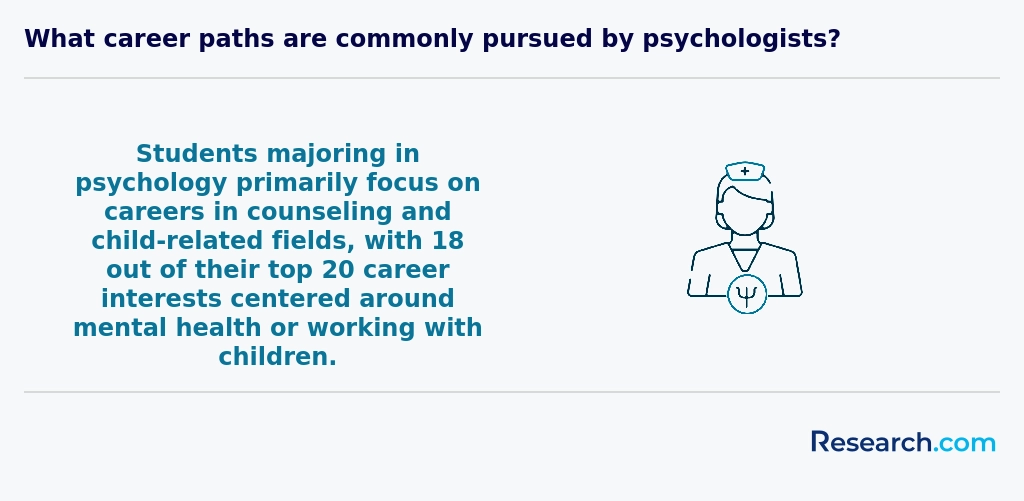
Psychology graduates in Phoenix find themselves at a crossroads of diverse career paths that extend beyond the conventional roles often imagined. Many choose clinical psychology, pursuing licenses to become counselors or therapists through programs offered at institutions like Arizona State University's urban campuses. Graduates often describe the rewarding challenge of helping individuals navigate mental health struggles firsthand, highlighting the emotional depth and personal growth their work fosters. Jobs with a psychology degree in Phoenix also span educational environments, where graduates work as school psychologists or guidance counselors, aiding student development within the Phoenix Union High School District. This role offers a sense of purpose rooted in shaping young lives amid rising mental health awareness.
Furthermore, as Phoenix's tech and business sectors rapidly expand, industrial-organizational psychology emerges as a compelling option, enabling graduates to improve workplace culture and productivity. Some even venture into social services, research, or human resources-fields that reveal the versatility of a psychology degree. Those considering these paths should explore low-cost options that make education accessible, like those listed in the Low Cost Online Bachelor's in Psychology Degree Programs Ranking in Florida, to maximize their investment in a thriving local job market.
The psychology degree job outlook in Phoenix reflects a growing landscape shaped by rising demand in healthcare, education, and community services. Graduates from popular universities in Phoenix often share how their education positioned them well to enter diverse settings such as mental health clinics and schools, where they witness firsthand the impact of their work on improving lives. While entry-level roles for bachelor's degree holders may feel limited, graduates with advanced degrees enjoy broader prospects, from clinical psychologists to school counselors, driven by Arizona's expanding investment in mental health.
Many psychology students at Phoenix colleges find that salary prospects align with the region's cost of living, with mental health counselors earning between $45,000 and $65,000 early in their careers. These real-world experiences highlight how licensure and specialization transform opportunities. Aspiring professionals often reflect on their journey through local universities, weighing education costs and exploring options like fast-track associate degree programs online to accelerate their entry into this rewarding field.
Understanding the psychology career opportunities in Phoenix means recognizing the city's unique blend of community needs and professional pathways. Graduates emphasize how the steady market growth fuels optimism, yet challenge peers to think beyond conventional roles by specializing or seeking licensure to unlock the fullest potential of their degrees.
2027 Most Popular Psychology Degree Programs Ranking in Phoenix
Investing in your education is a significant decision that can shape your future, and the Research.com team understands the importance of making informed choices. To assist prospective students in Phoenix, we have meticulously developed the "2027 Most Popular Psychology Degree Programs Ranking in Phoenix." Our commitment to quality, credibility, and accuracy is demonstrated through the thorough research and analysis underlying this ranking.
We utilized the following reputable data sources to ensure a comprehensive evaluation of psychology degree programs:
By exploring this ranking, readers will gain valuable insights into the most popular psychology degree programs available in Phoenix, enabling them to make well-informed decisions about their educational futures. For more details on our methodology, please visit our Research.com methodology page.

# 3 position
University of Phoenix-Arizona
Master of Science in Psychology

# 4 position
University of Phoenix-Arizona
Bachelor of Arts in Psychology
# 5 position
Aspen University
Bachelor of Arts in Psychology

Frequently Asked Questions About psychology
Psychology degree students in Phoenix can maximize their learning experience by engaging in local internships and research opportunities. Institutions like Arizona State University offer partnerships with community mental health centers, allowing hands-on practice that complements classroom learning. Participating in internships helps students develop practical skills and network within the local psychology community.
Joining student organizations such as Psi Chi, the international psychology honor society, provides access to conferences and workshops, enhancing knowledge beyond textbooks. According to the National Center for Education Statistics, experiential learning increases retention by up to 75%, making it vital for psychology students.
Additionally, Phoenix's diverse population offers unique perspectives beneficial for applied psychology studies, especially in cultural competence.
Emerging niches within the psychology field reflect the evolving needs of society and technology. In Phoenix, forensic psychology is gaining attention due to the city's growing law enforcement sector. According to the Bureau of Labor Statistics, forensic psychologists are among the fastest-growing specialists nationwide.
Another rising area is health psychology, focusing on how lifestyle choices impact mental well-being, aligning with increasing public health initiatives in Arizona. Additionally, telepsychology is expanding rapidly in Phoenix, spurred by digital health trends and increasing demand for remote therapy services.
Industrial-organizational psychology also shows potential, helped by Phoenix's expanding corporate and tech industries seeking workplace efficiency improvements.
After completing a psychology degree in Phoenix, preparing for the job market involves several key steps. First, gaining relevant experience through internships or volunteer work at local mental health clinics or social service agencies is essential. Such opportunities often provide practical skills that employers value. According to the Arizona Board of Behavioral Health Examiners, over 30% of psychology graduates in the state secure their first jobs in counseling or social work settings.
Networking also plays a critical role. Joining professional organizations like the Arizona Psychological Association can connect graduates with mentors and job openings specific to Phoenix. Additionally, obtaining state licensure or certifications, such as becoming a Licensed Associate Psychologist, improves employability in Arizona's competitive psychology job market.
Finally, tailoring applications to highlight skills in data analysis or clinical experience can increase job prospects. With Arizona's psychology-related employment projected to grow by 12% through 2028 (BLS), well-prepared graduates have promising opportunities.
Employers in Phoenix highly value psychology graduates who exhibit strong interpersonal and communication skills. These abilities are essential for effectively working with diverse populations in clinical, educational, and organizational settings. According to the Arizona Board of Behavioral Health Examiners, cultural competence is a key priority due to Phoenix's growing multicultural community.
Analytical and critical thinking skills are also crucial. Graduates must be able to assess data, conduct research, and apply evidence-based approaches. The U.S. Bureau of Labor Statistics notes that employers increasingly seek candidates proficient in quantitative analysis.
Additionally, ethical judgment and adherence to confidentiality standards stand out as vital qualities in local hiring practices, particularly for counseling and social service roles.
Technological proficiency, such as familiarity with psychological software, enhances employability in Phoenix's competitive job market.
Finding internships in Phoenix relevant to a psychology degree involves utilizing local resources and university partnerships. Many universities in Phoenix, such as Arizona State University and Grand Canyon University, have established ties with mental health clinics, hospitals, and community organizations offering psychology internships. Students should also explore opportunities at Phoenix-based institutions like Banner Health or Terros Health, which frequently offer practicum placements.
The Arizona Psychological Association provides listings and networking events that connect students with potential supervisors. According to the Bureau of Labor Statistics, internships in healthcare and social assistance sectors in Phoenix are growing by over 10% annually, reflecting increasing demand. Additionally, students can benefit from attending local career fairs or joining psychology student organizations to stay informed on openings.
Obtaining a psychology degree in Phoenix can significantly enhance career mobility and advancement within the local job market. The region's growing healthcare and social services sectors increasingly demand professionals with expertise in human behavior and mental health. According to the U.S. Bureau of Labor Statistics, psychology-related fields in Arizona are projected to grow by approximately 10% through 2031, aligning with national trends.
Graduates with a bachelor's degree may qualify for entry-level positions or pursue graduate education, expanding their opportunities. Advanced degrees, such as a master's or doctorate, often lead to higher salaries and roles in counseling, research, or organizational psychology. Local employers, including hospitals and community agencies, value applicants with Phoenix-specific educational experience due to familiarity with regional populations and issues.
Studying for a psychology degree in Phoenix offers students a strong foundation to engage in interdisciplinary roles. Local universities integrate coursework that connects psychology with fields like healthcare, education, and business, reflecting the region's diverse economy.
For example, Arizona State University emphasizes applied research and collaboration across departments, preparing students for roles that require knowledge beyond traditional psychology. According to the U.S. Bureau of Labor Statistics, interdisciplinary skills increase employability in Arizona's growing healthcare and social service sectors.
Additionally, Phoenix's community partnerships provide practical experience, letting students work alongside professionals in counseling, public health, and human resources, fostering versatile competencies necessary for evolving interdisciplinary careers.
Choosing between a thesis and a non-thesis psychology degree program in Phoenix depends on your academic and career goals. Thesis programs emphasize research, requiring you to design, conduct, and write a detailed study. This path is ideal if you plan to pursue a PhD or work in research-focused roles.
Non-thesis programs typically focus on coursework and practical skills, appealing to those aiming for clinical practice or positions in applied psychology. According to the National Center for Education Statistics, over 40% of Phoenix psychology master's students select non-thesis options for quicker degree completion.
Consider factors like time commitment, your interest in research, and future job requirements when deciding.
Students in Phoenix seeking to study psychology abroad have several pathways through partnerships established by Arizona universities with international institutions. While the University of Arizona and Arizona State University primarily offer psychology degrees locally, they also provide exchange programs and study abroad opportunities in countries like the United Kingdom, Canada, and Australia.
These programs typically last one semester to a full academic year and allow students to earn credit towards their degree. Participating in such programs can expose students to diverse psychological theories and cultural perspectives, enriching their academic experience.
It is important to note that these opportunities often require prior consultation with academic advisors to ensure credit transfer and degree progression. According to the Institute of International Education, about 10% of U.S. psychology students participate in study abroad programs, reflecting growing interest in global psychology education.
Part-time job opportunities in Phoenix that complement psychology degree education are diverse and beneficial for gaining relevant experience. Positions such as behavioral health technician, research assistant at local universities, or mental health aide in clinics provide practical exposure. According to the Arizona Department of Economic Security, healthcare support roles in Phoenix grew by 12% from 2021 to 2023.
Many students also find roles in social services agencies, assisting counselors and case managers, which align closely with psychology coursework. Research assistant jobs at Arizona State University offer hands-on involvement with psychological studies, enhancing both skills and resumes.
Such jobs typically require 10-20 hours weekly, allowing students to balance work and study effectively while building professional networks in the Phoenix psychology community.
Psychology students in Phoenix benefit from various networking opportunities that support their academic and professional growth. Local universities often host psychology clubs and guest lectures featuring experienced practitioners, providing students with direct contact to professionals in the field. Organizations such as the Arizona Psychological Association offer student memberships, allowing access to conferences, workshops, and regional events tailored to psychology careers.
Phoenix's growing mental health sector also creates internship and volunteer opportunities where students can gain experience and build connections. According to the Bureau of Labor Statistics, the Phoenix metropolitan area has seen a 10% growth in mental health counselor positions, reflecting an expanding job market.
Many universities in Phoenix collaborate with nearby hospitals and clinics, offering career fairs and mentorship programs, which help psychology students establish valuable industry contacts early in their studies.
Alumni networks play a crucial role for psychology degree students in Phoenix by providing valuable professional connections. Graduates from Phoenix-area universities often join these networks, which include professionals working in clinical, counseling, and research settings across Arizona. According to the National Association of Colleges and Employers, 80% of job placements involve some level of networking, highlighting the benefit for students leveraging alumni resources.
These networks offer mentorship opportunities, internships, and job leads, helping students transition smoothly from academic settings to careers. Networking events and online platforms allow students to access localized support tailored to Phoenix's psychology sector, which is growing with increasing demand for mental health services.
In Phoenix, customizing your psychology degree to match career goals involves selecting relevant electives and specializations. Many universities offer tracks such as clinical, counseling, industrial-organizational, or forensic psychology. Tailoring courses helps develop skills aligned with specific jobs.
Internships and practicum placements are crucial for applied experience. Phoenix's diverse professional landscape provides opportunities in healthcare, education, and corporate sectors. According to the Bureau of Labor Statistics, psychology roles in Arizona are projected to grow 14% through 2030, emphasizing practical training's importance.
Additionally, online and evening class options at local institutions support flexible learning for working students.
Psychology students in Phoenix often face several typical challenges throughout their academic journey. One major obstacle is balancing coursework with practical experience requirements, as many programs demand substantial fieldwork or internships in local clinics or community centers. Securing these placements can be competitive due to limited availability in the Phoenix area.
Additionally, students encounter financial pressures, with the average tuition for psychology programs in Arizona ranging from $7,000 to $25,000 per year, depending on the institution and program type (NCES, 2023). Many must navigate financial aid and part-time work while maintaining academic performance.
Finally, adapting to rapidly evolving psychological research and technology presents ongoing challenges, requiring students to stay current with evidence-based practices and local mental health trends in Phoenix's diverse population.
With a psychology degree in Phoenix, graduates can pursue several professional certifications to boost their careers. One common choice is the Licensed Psychological Associate (LPA), which allows practice under supervision and is regulated by the Arizona Board of Psychologist Examiners.
The next step often pursued is becoming a Licensed Psychologist (LP), requiring a doctoral degree and passing the Examination for Professional Practice in Psychology (EPPP).
Other certifications include Certified Alcohol and Drug Counselor (CADC) and Board Certified Behavior Analyst (BCBA), both available through state and national boards, expanding opportunities in mental health and behavioral therapy.
According to the Arizona Board of Behavioral Health Examiners, certified professionals in these fields have seen steady job growth in Phoenix over recent years.
Applying to psychology programs in Phoenix requires careful preparation to stand out among competitive candidates. Nearly 4,000 students pursue psychology degrees annually in Arizona, increasing the importance of a strong application. Start by clearly articulating your motivation for studying psychology and how it aligns with your career goals. Highlight relevant experience, such as internships or volunteer work, especially if connected to the Phoenix community or research initiatives at local universities like Arizona State University.
Strong letters of recommendation from professors or professionals familiar with your academic abilities are vital. Additionally, maintain a competitive GPA-according to the National Center for Education Statistics, admitted psychology students in Arizona typically have a 3.3 or higher. Finally, tailor your personal statement to reflect understanding of current psychology trends and challenges in local contexts to appeal to admissions committees.
The global perspective on psychology as a career emphasizes its growing importance and diverse opportunities. In the United States, psychology is recognized for its broad applications, from clinical practice to research and industrial-organizational roles. Phoenix, as a major metropolitan area, reflects this trend, with increasing demand for mental health professionals driven by population growth and rising awareness of behavioral health needs.
According to the U.S. Bureau of Labor Statistics, employment for psychologists is projected to grow 8% from 2022 to 2032, faster than the average for all occupations.
Globally, careers in psychology often require advanced degrees, and in the U.S., a master's or doctoral degree is typically needed for licensure and practice.
This makes pursuing a psychology degree in Phoenix a strategic choice for students aiming for a versatile and impactful career.
Gaining practical experience while studying for a psychology degree in Phoenix can significantly enhance your education and career prospects. Many Phoenix universities, including Arizona State University, offer internships and practicum opportunities that connect students with local hospitals, mental health clinics, and community organizations.
Arizona's demand for mental health professionals is growing, with the state's Behavioral Health Workforce Report highlighting a 17% increase in psychology-related jobs through 2028. Participating in supervised fieldwork allows students to apply theoretical knowledge, develop clinical skills, and build professional networks crucial for licensure.
Additionally, volunteering at local nonprofits or research centers can provide hands-on experience in diverse psychological settings. Students should consult academic advisors to identify suitable opportunities tailored to their career goals.
Choosing the right concentration within a psychology degree program in Phoenix involves understanding your career goals and interests. Popular specializations include clinical psychology, counseling, industrial-organizational psychology, and forensic psychology. Each area prepares students for different job markets, with clinical and counseling psychology often leading to licensure and direct client work.
Arizona's employment growth for psychological specialists is projected to increase by about 11% through 2030, according to the Bureau of Labor Statistics, reflecting strong regional demand. Accredited programs in Phoenix typically offer guidance on specialization, aligned with local workforce needs.
Consider factors like faculty expertise, internship opportunities, and local mental health resources. Also, check if the program supports preparation for certifications or licensing relevant to Arizona's psychology board requirements, which is essential for clinical practice.
- 2027 Most Popular Psychology Degree Programs Ranking in Riverside
- 2027 Most Popular Psychology Degree Programs Ranking in San Diego
- 2027 Most Popular Psychology Degree Programs Ranking in La Jolla
- 2027 Most Popular Psychology Degree Programs Ranking in Claremont
- 2027 Most Popular Psychology Degree Programs Ranking in Irvine
- 2027 Most Popular Psychology Degree Programs Ranking in Pasadena
- 2027 Most Popular Psychology Degree Programs Ranking in Los Angeles
- 2027 Most Popular Psychology Degree Programs Ranking in Santa Barbara
- 2027 Most Popular Psychology Degree Programs Ranking in Denver
- 2027 Most Popular Psychology Degree Programs Ranking in San Francisco
See What Experts Have To Say About Studying Psychology
Read our interview with Psychology experts

Joann Farrell Quinn, Ph.D., MBA
Psychology Expert
Director at the College of Medicine Department of Medical Education
Morsani College of Medicine

Elizabeth L. Jeglic Ph.D.
Psychology Expert
Professor of Psychology
City University of New York

Robin M. Kowalski. Ph.D.
Psychology Expert
Professor of Psychology
Clemson University

- Society for the Teaching of Psychology https://teachpsych.org/page-1784686/8675326
- Study Psychology Abroad | Go Overseas https://www.gooverseas.com/study-abroad/psychology
- 2025/2026 Cost of Attendance (COA) | University of Phoenix https://www.phoenix.edu/tuition-financial-aid/cost-of-attendance.html
- Psychology Online Degree Pathway https://www.learndirect.com/course/psychology-online-degree
- Have You Found a Niche? https://www.apaservices.org/practice/business/marketing/building/niche
- A Guide to Psychology Internships | Psychology Degree Guide https://psychologydegreeguide.org/resources/internships/
- How to help students cope with mental health challenges https://www.eaie.org/resource/help-students-cope-mental-health-challenges.html
- Mental Health Challenges Faced by Psychology Students | The Healthcare Guys https://healthcareguys.com/2023/11/23/mental-health-challenges-faced-by-psychology-students/
- Study Psychology Abroad https://astarfuture.co.uk/study_psychology_abroad.html
- Alumni Perspectives - Meet Our FPN Alumni https://www.aanmelder.nl/alumni-perspectives-june-2023