2027 Most Affordable Psychology Degree Programs Ranking in Maine

Co-Founder and Chief Data Scientist
Choosing the right psychology degree program in Maine can be overwhelming, especially when trying to balance quality and affordability. This article presents the 2027 Most Affordable Psychology Degree Programs Ranking in Maine, created by the Research.com team of data scientists to guide students toward informed decisions.
By exploring these carefully analyzed options, you can find a program that fits your budget without sacrificing education quality. Earning a psychology degree opens doors to meaningful careers helping others and personal growth. We're here to support your journey every step of the way.
Key benefits of getting psychology degree in Maine
- Psychology degree graduates in Maine can expect competitive salaries, such as a Marketing Research Analyst earning about $83,190 annually and a Human Resources Specialist making around $76,060 per year, reflecting strong earning potential in related fields.
- Career paths for psychology graduates include roles like Clinical Research Associate or Survey Researcher, with diverse opportunities in research, counseling, or human services, often influenced by programs at local colleges such as the University of Maine.
- Completing a psychology degree online from institutions like the University of Southern Maine offers flexibility and convenience, allowing students to balance studies with work or family while gaining quality education and career-ready skills.
- 2027 Most Affordable Psychology Degree Programs Ranking in Maine
- What can I expect from psychology degree in Maine?
- Where can I work with psychology degree in Maine?
What can I expect from psychology degree in Maine?
The average cost of earning a psychology degree in Maine is pretty reasonable, especially if you're planning to stay in-state. For example, at the University of Maine, in-state undergraduates typically pay around $13,000 a year in tuition. Many students find this affordable compared to other states, which makes it easier to focus on their studies rather than stressing about crazy tuition fees.
Graduates often talk about how this affordable pricing allowed them to dive into their psychology coursework and hands-on experiences without feeling overwhelmed financially. Schools like Bowdoin College and Bates College might have higher tuition, but they offer scholarships or financial aid that many psychology students use to help offset the costs.
Overall, if you're looking to study psychology in Maine, you can expect a good balance between quality education and manageable costs, which really helps students enjoy the process and build a solid foundation for their careers without big money worries.
Where can I work with psychology degree in Maine?
If you're studying psychology at one of Maine's popular spots like the University of Maine or Colby College, you'll find quite a few doors opening after graduation. Many grads find themselves working in hospitals or mental health clinics around Portland or Bangor, helping people through counseling or clinical roles. It's rewarding work that really makes a difference, especially knowing you're supporting someone's mental health every day.
Others land jobs in schools, from local public schools to colleges, working as counselors or program coordinators. It's common to hear from graduates how fulfilling it is to be part of a student's growth and wellbeing. And if you're into community service, places like child welfare agencies or substance abuse programs in Maine's towns are always eager for psychology grads willing to support families and individuals.
Some graduates dive into research gigs at universities or local health centers, analyzing data on behavioral health or aging, making sure their work impacts real public health decisions. Plus, a growing number of grads use their psych know-how in the business world-HR departments, marketing teams, or consulting firms-helping companies understand people better. It's all about finding what fits your passion here in Maine.
If you're studying psychology in Maine-maybe at the University of Maine or Husson University-you're probably wondering what kind of paycheck you can expect after graduation. Well, it really depends on the path you take. For example, if you land a job as a Human Resources Specialist, the average annual salary is around $76,060. That's pretty solid for a starting point!
Some grads dive into research and become Marketing Research Analysts, and they pull in a bit more, around $83,190 a year. On the other hand, if you jump into roles like Clinical Research Associate or Survey Researcher, you might see salaries closer to $62,370 annually, which still offers a comfortable living in many parts of Maine.
Keep in mind, salaries also vary based on your experience and location. Graduates working in Portland usually make a bit more thanks to a higher cost of living and more job opportunities. Either way, psychology grads in Maine have some encouraging options to build a rewarding career while making a decent income.
- Annual tuition for a bachelor's degree in psychology in Maine ranges from $11,000 to $15,000 at public universities and can exceed $30,000 at private schools.
- Entry-level psychology jobs typically pay between $40,000 and $50,000 per year, while advanced degrees can lead to salaries of $70,000 or more.
- Employment in psychology-related fields in Maine is expected to grow by 7-10% over the next decade.
- Becoming a licensed clinical psychologist requires a doctoral degree, supervised clinical hours, passing the EPPP exam, and ongoing continuing education.
- Financial aid and in-state tuition benefits can significantly reduce education costs for students in Maine.
If you're thinking about getting a psychology degree in Maine, expect to spend around four years finishing your bachelor's if you're studying full-time. This is pretty standard across schools like the University of Maine or Bowdoin College. Many grads mention how jumping into around 120 credit hours feels intense but exciting because you get to explore all kinds of psychology topics along the way.
Going for a master's? Most folks take about two to three years, depending on how packed their schedule is. Some students share that working on their thesis or capstone project really makes the experience feel rewarding, even if it adds extra months.
Doctoral degrees usually take between five and seven years. Students at places like the University of Southern Maine often talk about the mix of coursework, clinical hours, and research that keeps them busy but helps them grow professionally every step of the way.
Whether you're studying full-time or part-time, juggling internships or jobs, the timeline can shift, but Maine's programs offer lots of flexibility to fit your lifestyle.
When selecting a psychology program in Maine, it's essential to consider several factors that can impact your educational journey and future career. One crucial aspect is the affordability of the program, as it can significantly influence your financial stability and career aspirations. For instance, exploring affordable online psychology schools in Maine can provide you with flexible and cost-effective options. Additionally, accreditation, specialization opportunities, and location are also vital considerations. By carefully evaluating these factors, you can position yourself for a fulfilling career in psychology, equipped with the skills and connections necessary to thrive in this dynamic field. Many graduates have found success by pursuing programs that align with their interests and career goals, such as those offered by the University of Southern Maine or Bowdoin College. Ultimately, choosing the right psychology program in Maine requires a thoughtful and informed approach, taking into account your academic, professional, and personal aspirations.
If you're thinking about a psychology degree in Maine, the biggest difference between online and on-campus programs comes down to how you learn and live it day-to-day. For example, students at the University of Southern Maine love how being on campus means easy access to labs and counseling centers, perfect for getting hands-on experience that's crucial in psychology. You get to chat face-to-face with professors and classmates, which really helps build connections.
On the flip side, online programs are a game-changer if you juggle work or family. Lots of graduates from Maine's online psychology programs say the flexibility to study anytime from their living room makes a huge difference, especially for those in smaller towns or busy schedules. Plus, online tuition tends to be a bit friendlier on the wallet compared to private colleges.
Both paths stick to top-notch standards, thanks to accreditation by groups like the APA, so whether you're tapping keys or walking campus halls, your degree holds serious weight in Maine's job market.
Expanding your credentials with a master’s degree in psychology can unlock higher-earning roles and specialized clinical opportunities across Maine. Top institutions like the University of Southern Maine and Husson University offer 30–36 credit programs that typically take two years full-time or 3–4 years part-time, with concentrations in clinical, counseling, or industrial-organizational psychology. Many programs blend rigorous coursework-such as Advanced Research Methods and Psychopathology-with supervised practicum experiences, ensuring you build both theoretical knowledge and hands-on skills. When budgeting for graduate study, it’s essential to compare tuition, fees, and potential stipend or assistantship opportunities. For detailed tuition estimates and to explore budget-friendly options, visit our guide on how much does a masters degree in psychology cost, which breaks down average expenses for online and on-campus master’s programs nationwide. Financial aid packages, including graduate assistantships and low-interest loan programs, can offset costs, while part-time enrollment or evening courses offer flexibility for working professionals. Career outcomes for Maine master’s graduates are strong: licensed counselors report average starting salaries of $50,000–$60,000, and industrial-organizational psychologists command upwards of $70,000. State licensure requirements typically include a master’s from an APA-accredited program, 3,000–4,000 supervised hours, and a pass on the Examination for Professional Practice in Psychology (EPPP). By aligning your specialization with licensure pathways and leveraging campus career services, you’ll position yourself for roles in clinical settings, school systems, or human resources departments.
The average cost of a psychology degree in Maine can vary depending on where you study and if you're considered an in-state or out-of-state student. For those attending public universities like the University of Maine, in-state students usually pay around $23,304 total for their degree, which feels pretty manageable compared to private colleges that might charge a lot more. Graduates often share how this investment felt worth it, given the hands-on experience and supportive community they found during their studies.
Private schools like Bowdoin or Bates might have higher sticker prices, sometimes over $60,000 per year, but many students find that financial aid and scholarships make those costs more affordable. This balance between quality and cost drives students to carefully explore their options and figure out the best fit for their budget and goals.
Graduate psychology programs in Maine come with a different price tag, often charging by the credit hour. For example, at the University of New England, master's students pay between $650 and $1,000 per credit, which can add up but often matches typical graduate tuition rates nationwide.
Don't forget, beyond tuition, living expenses-like books, housing, and meals-can add thousands annually. Some students recommend checking out resources focused on affordable psychology degree programs Maine to keep costs sensible. For those looking to safely cut expenses, exploring options like affordable online psychology schools in Maine can be a great idea.
After earning your psychology degree in Maine, obtaining the appropriate licensure is essential for practicing professionally. Most clinical and counseling roles require licensure through the Maine Board of Examiners of Psychologists or the Maine Board of Examiners of Nursing for certain counseling credentials. To begin the process, graduates must:
- Hold a master’s or doctoral degree in psychology from a regionally accredited institution.
- Complete a supervised practicum or internship totaling at least 2,000 hours, with a minimum of 1,000 hours in direct client contact.
- Pass the Examination for Professional Practice in Psychology (EPPP) administered by the Association of State and Provincial Psychology Boards (ASPPB).
- Submit official transcripts, supervision logs, and application fees to the Maine licensing board. For those pursuing careers as licensed professional counselors (LPCs), additional steps include coursework in ethics and diagnosis equivalent to 60 graduate credit hours, followed by a 3,000-hour supervised post-master’s clinical experience. LPC candidates must also pass the National Counselor Examination (NCE) before applying for state certification. Understanding licensure pathways early can streamline your career planning. If you’re also considering programs in neighboring regions to compare affordability and accreditation standards, explore our Most Affordable Psychology Degree Programs Ranking in Notre Dame, IN for a broader perspective on cost-effective options.
When you're diving into a psychology degree in Maine, like at the University of Southern Maine or Bowdoin College, knowing your financial aid options can really lift some weight off your shoulders. Many students find federal aid through FAFSA to be a lifesaver-Pell Grants are especially popular since they don't have to be paid back, with up to $7,395 available for the 2023-2024 year. That helped a lot of graduates feel less stressed about tuition costs.
On top of that, state programs like the Maine State Grant offer more help based on need, giving students a boost with several hundred to a few thousand dollars. Plus, schools often have scholarships for psychology majors, especially for those showing strong academic promise or a passion for social sciences, which many locals appreciated.
Work-study is another great way to earn while studying, and plenty of Maine students land campus jobs that fit around classes, making the load more manageable and real-world experience possible.
While traditional psychology degree programs offer a structured path toward careers in mental health and related fields, many individuals explore alternative routes that combine on-the-job training, certifications, and specialized workshops. These routes can be particularly appealing to professionals looking to quickly enter the field or to those who have gained relevant experience through volunteer work or other roles. For instance, various certification programs in counseling, life coaching, or mental health support can provide the skills needed for effective client interaction and crisis management. Moreover, there is growing interest in understanding whether formal academic credentials are strictly necessary for specific roles. In fact, is becoming a therapist without a degree in psychology possible has sparked conversation among industry experts and prospective students alike. These alternative pathways often require rigorous training and the development of a robust network of mentors, professional contacts, and continuing education opportunities. They also emphasize practical experience, such as internships in community centers or collaboration with established mental health professionals, to build credibility and develop hands-on skills. Ultimately, whether pursuing a traditional degree or an alternative certification route, success in the mental health field depends on a commitment to lifelong learning, empathy, and an unwavering dedication to serving the community.
So, if you're thinking about diving into a psychology degree in Maine, the basics usually start with having a high school diploma if you're aiming for undergrad. At places like the University of Maine, grads often mention how having a decent GPA-around a 3.2 or higher-can really smooth the way. It's not about acing every psychology class beforehand since most programs don't expect that, but having strong grades in subjects like biology and social sciences definitely gives you a leg up.
When it comes to graduate programs, things get a bit more specific. Graduates recall needing a bachelor's degree first, preferably in psychology or something close, with courses in stats and research methods checked off. Some programs even ask for letters of recommendation or a statement about why you want to study psychology, which might feel intimidating but really helps highlight your passion.
Many students also find that a test-optional policy in Maine's colleges keeps the process chill, but checking your school's current rules never hurts. It's all about showing you're ready and excited to jump in!

Choosing an accredited program is the first step toward a successful psychology career. In Maine, most public and private universities hold regional accreditation through the New England Commission of Higher Education (NECHE), ensuring rigorous academic standards. Additionally, students aiming for clinical practice should prioritize programs with American Psychological Association (APA) accreditation, which is often required for licensure. State licensure in Maine typically follows these steps: 1. Earn a bachelor’s degree in psychology from a regionally accredited institution. 2. Complete a master’s or doctoral program in psychology that meets APA (for clinical/counseling) or CACREP (for school counseling) standards. 3. Accumulate supervised clinical hours-generally 2,000–3,000 hours-under a licensed psychologist or counselor. 4. Pass the Examination for Professional Practice in Psychology (EPPP) and any Maine-specific jurisprudence exam. 5. Apply to the Maine Board of Examiners of Psychologists or the Board of Counseling Professionals Licensure, providing official transcripts, supervision logs, and exam scores. Maintaining licensure requires continuing education credits (typically 20–30 hours every two years) and adherence to ethical guidelines. Graduates should verify reciprocity agreements if considering practice outside Maine. For those comparing affordability and accreditation across regions, exploring the Most Affordable Psychology Degree Programs Ranking in Notre Dame, IN can offer insight into how accredited programs balance cost and quality in different states.
If you're diving into a psychology degree in Maine, expect a mix of courses that really build your understanding step-by-step. Graduates from well-known schools like the University of Southern Maine often talk about starting with General Psychology, which breaks down the basics of human behavior - perfect for getting comfy with the field.
As you move forward, you'll jump into hands-on courses like Experimental Psychology and Statistics for Behavioral Sciences. These classes feel challenging at first but become rewarding once you see how they help you make sense of real-world research and data.
Core classes cover everything from Developmental Psychology, where you explore how people grow and change, to Social Psychology, which helps you get why people act differently in groups. Others like Abnormal Psychology and Psychological Assessment teach you about mental health issues and how to use tools to understand behavior, which some students find super eye-opening.
Plus, many Maine programs include applied counseling courses, making the learning personal and practical - graduates often mention how these classes really boost their confidence when handling real conversations and situations.
If you're diving into a psychology degree in Maine, you'll find plenty of specializations that really zero in on what excites you most about the field. Students at well-known places like the University of Southern Maine often share how clinical psychology stood out to them because it's all about diagnosing and treating mental health issues-something that feels super relevant now with mental health conversations booming. This is a top pick for many who want hands-on practicum experience before jumping into licensure.
Other graduates highlight counseling psychology, especially those aiming to become licensed counselors or help folks navigate tricky social or emotional challenges. You'll also find programs focusing on cognitive and behavioral psychology, which digs into how we think and learn, setting you up nicely for research or academic careers.
When talking about Maine psychology program concentration options, many mention developmental psychology, perfect for those interested in lifespan growth and working in schools or social services. There's even forensic psychology available at some schools, blending legal systems with psychology-a neat combo if you love both law and mental health.
Since tuition costs matter, it helps that public institutions in Maine keep rates pretty reasonable, though private colleges sometimes offer more niche tracks. If you're wondering is becoming a therapist without a degree in psychology possible, some specializations here can help you explore alternative paths too.
Picking the best psychology degree in Maine boils down to what fits your goals and lifestyle. If you're aiming for a job right after your undergrad, starting with a bachelor's from a place like the University of Maine is smart-graduates love how the program mixes theory with hands-on internships, making classes feel real and useful. For those wanting advanced practice or research roles, going for a master's or doctorate at well-known schools that are APA-accredited gives you the edge, especially when you think about licensure in Maine. Many students find that thinking about cost early on helps too-public schools in Maine usually run about $10,800 a year, but private options get pricier. If you're curious about how much does a masters degree in psychology cost, checking those details can ease your planning. Overall, look for programs with curriculum options matching your interests and solid financial aid; that's what many who have graduated from affordable psychology degree programs in Maine say made their experience great.
Another tip: check out the best psychology colleges in Maine for cost and ask about real research or internship chances. Graduates often mention these opportunities helped them feel confident stepping into their careers. Also, programs that focus on special areas like clinical or developmental psychology let you personalize your learning, which many students find exciting. Maine's psychology schools mix solid academics with meaningful community work, so you're never just stuck in textbooks. Truly, balancing all these factors is what helps you find a program that clicks with your vibe and sets you up well for what's next.
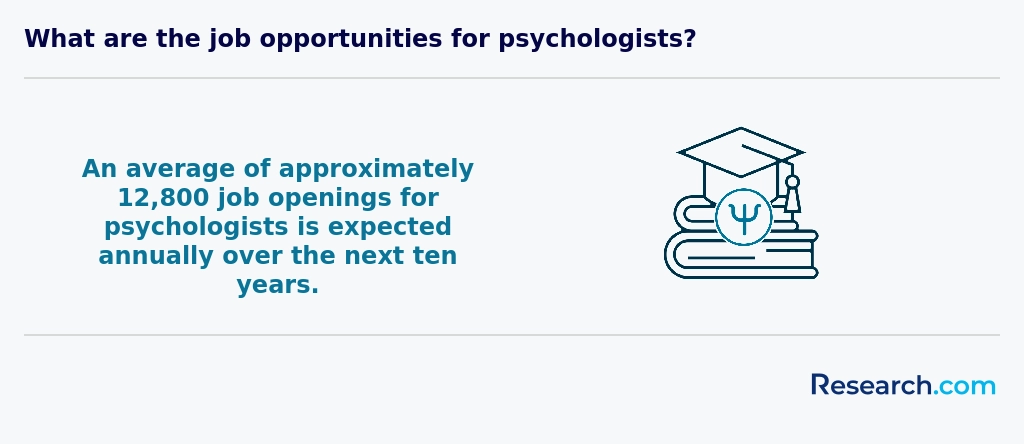
If you're thinking about psychology career options in Maine, there's a lot to get excited about. Graduates from popular schools like the University of Maine often find themselves working as clinical psychologists, helping individuals in rural areas where mental health support is super needed. Many alumni share how rewarding it feels to be part of these communities, providing real support and making a difference.
For those who love working directly with people but want a slightly different vibe, school or substance abuse counseling is a solid path. Psychology degree job opportunities in Maine include starting out as behavioral health technicians or case managers in local community centers or schools, which is a great way to gain experience and grow. Plus, Maine employers really appreciate graduates for their strong skills in understanding human behavior, whether it's in human resources or organizational roles in healthcare and education tech.
Research also plays a role here, especially for those who want to dig into data or work at places like the University of Maine. Many grads start as research assistants, learning on the job and contributing to public health projects. If cost is on your mind, Maine's University of Maine system offers more affordable tuition rates than the national average, which helps keep your investment in balance. You can check out the Most Affordable Psychology Degree Programs Ranking in Notre Dame, IN for ideas on budgeting smartly while aiming for your goals.
The psychology job outlook in Maine offers a friendly mix of opportunities, especially if you're eyeing the local health services, schools, or government jobs. Graduates from colleges like the University of Maine often find themselves working in mental health clinics or public school systems, where the demand for clinical and school psychologists is steady. Many grads share how rewarding it is to support students' mental health or help out in social service agencies, which are quite active here.
Though advanced degrees usually open more doors, even bachelor's holders can jump in as case managers or research assistants. The average pay hovers around $80,000, balanced nicely by Maine's lower living costs compared to big cities. For those wondering about career moves, it's worth checking out top paying 6 month certificate programs as a quick way to boost job options locally. Overall, the Maine psychology degree employment opportunities are promising if you want a grounded career with a personal touch.
2027 Most Affordable Psychology Degree Programs Ranking in Maine
Investing in your education is a significant decision that can shape your future, and the Research.com team understands the importance of making informed choices. To assist prospective students in Maine, we have meticulously crafted the "2027 Most Affordable Psychology Degree Programs Ranking in Maine." Our commitment to quality, credibility, and accuracy is reflected in the extensive research and analysis conducted to compile this ranking.
We utilized the following reputable data sources to ensure a comprehensive evaluation of psychology degree programs:
By exploring this ranking, readers will gain valuable insights into the most affordable and reputable psychology degree options in Maine, helping them make well-informed decisions about their educational investments. For more details on our methodology, please visit our Research.com methodology page.


# 8 position
Thomas College
Bachelor of Science in Psychology


Frequently Asked Questions About psychology
Psychology degree students in Maine can maximize their learning experience by actively engaging in hands-on opportunities such as internships and research projects. The state offers various clinical and counseling centers where students gain valuable practical skills while studying. According to the Maine Department of Education, experiential learning improves job readiness and graduate success rates in psychology fields.
Enrolling in schools that offer strong faculty mentorship is also beneficial. Personalized guidance helps students align their academic efforts with career goals. Maine's universities often provide access to professional networks through local psychology associations and conferences, which foster connections important for future employment.
Additionally, students should take advantage of Maine's growing mental health initiatives to understand community needs better. Participating in local outreach programs enhances cultural competence, a valued skill in psychology careers. Lastly, balancing theoretical coursework with applied experience remains essential for a robust education.
Emerging niches within the psychology field reflect growing social, technological, and healthcare trends. In Maine, areas like geropsychology are increasingly important due to the state's aging population, with nearly 20% of residents aged 65 or older as reported by the U.S. Census Bureau in 2023. This niche focuses on mental health challenges in older adults.
Another growth area is health psychology, which connects psychological principles with physical health, driven by rising chronic illness rates in Maine. Additionally, forensic psychology is expanding alongside a nationwide demand for experts in legal and criminal contexts. Finally, the use of telepsychology has surged, especially after 2020, offering remote therapy services across rural Maine communities.
Preparing for the job market after completing a psychology degree in Maine requires strategic planning and awareness of local opportunities. Graduates should gain practical experience through internships or volunteer work, which Maine employers highly value. According to the Maine Department of Labor, psychology-related jobs in counseling and social services are expected to grow by 8% through 2030.
Networking is essential; join local professional groups like the Maine Psychological Association to connect with practitioners. Additionally, consider certification or licensure, especially for counseling roles, as Maine requires a specified number of supervised hours and exams. Strengthening skills in data analysis and research can also improve employability in academic or clinical settings.
Employers in Maine highly value psychology graduates with strong critical thinking and analytical skills. These abilities enable graduates to assess client needs effectively and develop evidence-based interventions. According to the Maine Department of Labor, communication skills are equally crucial, as psychology professionals must clearly convey complex information to clients and colleagues.
In addition, proficiency in research methods and data analysis is essential, supporting roles in clinical and counseling settings as well as behavioral research. Employers also prioritize ethical judgment and cultural competence, especially given Maine's diverse populations and rural health challenges.
Practical experience, such as internships or practicum, enhances employability by demonstrating applied skills in real-world environments.
Finding internships in Maine relevant to a psychology degree involves exploring local universities, healthcare facilities, and community organizations. Institutions like the University of Southern Maine and the University of Maine often offer internship placement support for psychology students. These internships provide practical experience in clinical, counseling, or research settings.
Additionally, hospitals such as Maine Medical Center and behavioral health clinics offer internship opportunities focusing on mental health services. The Maine Psychological Association and state workforce agencies can help students network and find openings specific to psychology fields.
According to the Bureau of Labor Statistics, Maine employed over 1,200 psychologists as of 2022, indicating consistent demand for trained professionals in the state. Engaging with professional networks and university career centers can significantly improve internship prospects.
A psychology degree in Maine can significantly enhance career mobility and advancement opportunities. Graduates with a bachelor's or higher in psychology are well-positioned for roles in mental health services, education, and social work, where demand is growing. According to the U.S. Bureau of Labor Statistics, the employment of psychologists in Maine is expected to grow by 8% from 2022 to 2032, reflecting steady job opportunities.
Advanced degrees, such as a master's or doctorate, often lead to higher salaries and leadership roles in clinical, counseling, or research settings. Licensure requirements regulated by Maine's Board of Psychology also influence career progression, ensuring professionals meet state standards.
Studying for a psychology degree in Maine equips students with skills necessary for interdisciplinary roles by integrating coursework from various fields. Maine's colleges often emphasize collaboration between psychology, social work, education, and health sciences. This approach reflects the state's workforce demands, where psychology graduates work alongside professionals in healthcare, education, and social services.
Programs at institutions like the University of Maine include courses in behavioral science, research methods, and community engagement, fostering analytical and communication skills valuable in multiple sectors. According to the Maine Department of Labor, interdisciplinary collaboration is critical in nearly 30% of regional psychology-related jobs.
When choosing between a thesis and a non-thesis psychology degree program in Maine, students should consider their career goals and learning preferences. Thesis programs typically require original research, which can be valuable for those aiming for doctoral studies or research-oriented roles. Non-thesis options focus more on coursework and practical skills, suitable for students targeting immediate employment in counseling or human services.
In Maine, about 40% of psychology master's graduates pursue thesis options, reflecting interests in research careers, according to data from the Maine Department of Education (2023). Cost and time commitments also differ, with thesis tracks often requiring additional semesters.
Ultimately, understanding your professional objectives and evaluating program structures at institutions like the University of Southern Maine can guide the decision effectively.
Students based in Maine who wish to study psychology abroad have several pathways to consider. Many universities in Maine, such as the University of Maine, offer study abroad programs in partnership with institutions worldwide, allowing psychology majors to earn credits internationally. According to the Institute of International Education, psychology remains one of the popular fields for U.S. students studying abroad, with a focus on countries like the United Kingdom, Canada, and Ireland, where strong psychology programs exist.
Credit transfer is essential; students should check if their Maine school recognizes overseas coursework. Scholarships and Exchange Programs, such as those affiliated with the Maine Higher Education system, also support study abroad experiences. For detailed guidances, students can consult advisors at Maine's colleges or national resources like the American Psychological Association.
Students pursuing psychology degrees in Maine can enhance their education through various part-time jobs that offer relevant experience. Positions such as behavioral health technician or mental health aide are commonly available in hospitals and community health centers. According to the Maine Department of Labor, employment for such roles is expected to grow by 10% through 2030. These jobs provide hands-on interaction with clients, helping students understand psychological concepts in practice.
Research assistant roles at universities like the University of Maine also present valuable opportunities. They allow students to engage in data collection and analysis, strengthening research skills vital for graduate studies.
Additionally, working in elder care facilities is another complementary option, as many seniors require psychological support. These jobs improve interpersonal skills and knowledge of developmental psychology, making them highly relevant for students.
Psychology students in Maine benefit from several strong networking opportunities through universities and local organizations. Institutions like the University of Southern Maine and the University of Maine actively connect students with internships, workshops, and professional events. These connections help students gain practical experience and meet professionals in clinical, counseling, and research fields.
Additionally, the Maine Psychological Association offers student memberships, which provide access to conferences, continuing education, and networking platforms. This allows students to engage with licensed psychologists across the state.
Such opportunities are crucial for building professional relationships that support career development in Maine's growing mental health sector.
Alumni networks offer significant benefits to psychology degree students in Maine through professional connections and mentorship opportunities. Graduates from Maine institutions such as the University of Maine often remain engaged, providing valuable career advice and support to current students. According to the National Association of Colleges and Employers, strong alumni ties can increase job placement success, an important factor given Maine's competitive psychology job market.
These networks also facilitate internships and research collaborations, enhancing practical experience. In a state where approximately 13% of psychologists work in healthcare settings, alumni connections help students navigate local industry demands and licensing requirements efficiently.
Customizing a psychology degree program in Maine allows students to align their studies with specific career goals. Many institutions offer elective courses in areas such as clinical, developmental, or industrial-organizational psychology. This flexibility helps students build expertise relevant to their desired field.
Students can also choose between research-focused or applied psychology tracks. For example, the University of Maine provides options for hands-on internships and research projects that enhance practical skills. Additionally, some programs support dual majors or minors in related fields like social work or education, broadening career opportunities.
Access to licensed internships within Maine's healthcare and education systems can provide crucial experience needed for certification or advanced degrees, which are often necessary in clinical and counseling careers.
Psychology students in Maine often face challenges related to limited local internship opportunities. Due to the state's smaller population, practicum placements can be competitive, affecting hands-on experience essential for licensure. According to the Maine Department of Education, about 20% of psychology undergraduates report difficulty securing supervised clinical hours. Additionally, tuition costs and the availability of affordable programs pose financial barriers, as Maine's average annual in-state tuition for public colleges is approximately $11,000, higher than some neighboring states. Students also navigate balancing rigorous coursework with fieldwork. These factors collectively impact the pace and affordability of completing psychology degrees in Maine.
With a psychology degree in Maine, graduates can pursue various professional certifications to enhance their careers. One common certification is the Licensed Clinical Professional Counselor (LCPC), which requires a master's degree in counseling or psychology and supervised clinical hours, as regulated by the Maine Board of Counseling Professionals. For those interested in school settings, the Maine Department of Education offers certification for School Psychologists, necessitating specialized training and internship experience.
Additionally, graduates can aim for the Certified Alcohol and Drug Counselor (CADC) credential through the Maine Office of Substance Abuse, which recognizes expertise in addiction counseling. For research or human resources roles, certifications like the Certified Psychological Assistant can be pursued after completing graduate studies. According to the Maine Department of Labor, demand for licensed counselors and psychologists is expected to grow by 12% over the next decade, highlighting the value of these certifications.
Crafting a winning application for a psychology program in Maine starts with understanding the admissions requirements typical of institutions like the University of Maine or Bowdoin College. Applicants should highlight strong academic records, especially in psychology and related sciences. Maine schools often value a GPA above 3.0 for undergraduate programs and recommend relevant coursework.
Personal statements must clearly express your passion for psychology, career goals, and how studying in Maine aligns with these ambitions. Including volunteer or research experience within the state can strengthen your profile.
Letters of recommendation from professors familiar with your skills enhance credibility. Meeting application deadlines and preparing for any required exams like the SAT or GRE are crucial steps. According to Maine Department of Education data, psychology programs here have grown 12% in enrollment over the past five years, reflecting rising competition.
Psychology careers offer diverse opportunities both in the United States and globally, reflecting the field's broad relevance to understanding human behavior. In Maine, the demand for psychological services aligns with national trends, with the U.S. Bureau of Labor Statistics projecting a 8% job growth for psychologists from 2022 to 2032. Globally, psychology integrates with various cultures and healthcare systems, making it a versatile profession.
Students graduating in Maine can expect their degrees to be recognized internationally, especially if pursuing advanced licensure. The growing emphasis on mental health worldwide enhances job prospects and collaboration across countries.
Research published by the American Psychological Association underscores the global importance of culturally competent psychological practices, a focus increasingly present in Maine's academic programs.
Gaining practical experience is essential while studying psychology in Maine. Many universities in the state encourage students to participate in internships at local mental health clinics, hospitals, or social service agencies. Such opportunities provide hands-on experience working with diverse populations.
Undergraduate programs often include practicum courses where students apply theoretical knowledge through supervised placements. For example, the University of Maine System colleges offer psychology internships as part of their curriculum or through partnerships with community organizations.
Additionally, joining psychology research labs at Maine institutions can help students develop valuable skills in data collection and analysis. According to the Maine Department of Education, nearly 60% of psychology students engage in internships or research projects before graduation.
Networking with faculty and local professionals is another effective way to secure practical experiences that strengthen resumes and career readiness.
Choosing the right concentration within a psychology degree program in Maine depends on your career goals and interests. Areas like clinical, counseling, and developmental psychology are popular options offered by many Maine colleges. For example, the University of Southern Maine highlights clinical psychology due to a growing demand for mental health professionals in the state.
Consider Maine's workforce needs: the Maine Department of Labor projects a 14% growth in mental health counseling jobs through 2030. Researching programs that offer hands-on internships in local healthcare settings can also be valuable.
Look at course content, faculty expertise, and opportunities for licensure preparation to ensure the concentration matches your ambitions.
- 2027 Most Affordable Psychology Degree Programs Ranking in New Hampshire
- 2027 Most Affordable Psychology Degree Programs Ranking in Rhode Island
- 2027 Most Affordable Psychology Degree Programs Ranking in New York
- 2027 Most Affordable Psychology Degree Programs Ranking in New Jersey
- 2027 Most Affordable Psychology Degree Programs Ranking in Pennsylvania
- 2027 Most Affordable Psychology Degree Programs Ranking in Virginia
- 2027 Most Affordable Psychology Degree Programs Ranking in West Virginia
- 2027 Most Affordable Psychology Degree Programs Ranking in North Carolina
- 2027 Most Affordable Psychology Degree Programs Ranking in South Carolina
- 2027 Most Affordable Psychology Degree Programs Ranking in Tennessee
See What Experts Have To Say About Studying Psychology
Read our interview with Psychology experts

Elizabeth L. Jeglic Ph.D.
Psychology Expert
Professor of Psychology
City University of New York

Robin M. Kowalski. Ph.D.
Psychology Expert
Professor of Psychology
Clemson University

Joann Farrell Quinn, Ph.D., MBA
Psychology Expert
Director at the College of Medicine Department of Medical Education
Morsani College of Medicine

- Steve Michaud - University of Maine at Fort Kent https://www.umfk.edu/author/steve-michaud/page/6/
- Call for papers https://www.hogrefe.com/us/journal/international-perspectives-in-psychology-research-practice-consultation
- Mental Health Challenges Faced by Psychology Students | The Healthcare Guys https://healthcareguys.com/2023/11/23/mental-health-challenges-faced-by-psychology-students/
- Home https://www.husson.edu/college-of-science-and-humanities/psychology/
- Ontario Psychological Association - Preparing for Graduate School in Psychology: What You Need to Know https://www.psych.on.ca/Public/Blog/2024/Preparing-for-Graduate-School-in-Psychology-What-Y
- Maine Psychology Schools | Psychology Degree Guide https://psychologydegreeguide.org/state/maine/
- Alumni Perspectives - Meet Our FPN Alumni https://www.aanmelder.nl/alumni-perspectives-june-2023
- Psychology https://www.une.edu/cas/schools/social-behavioral-sciences/programs/ba-psychology
- Sample letters in psychology https://www.mystudies.com/en-in/human-and-social-sciences/psychology/letter-model/
- Professional Networking For Psychologists | Psychology.org https://www.psychology.org/resources/professional-networking/