
2027 Most Popular Psychology Degree Programs Ranking in University

Co-Founder and Chief Data Scientist
Choosing the right psychology degree program can shape your future in meaningful ways. This article introduces the 2027 Most Popular Psychology Degree Programs Ranking in University, a carefully crafted list by the Research.com team of data scientists. It's designed to help you discover quality programs that match your goals and interests.
Reading this ranking will empower you with insights to make decisions confidently. A psychology degree opens doors to rewarding careers focused on understanding and helping people, making your educational journey truly valuable.
Key benefits of getting psychology degree in University
- Salary for psychology degree graduates: Jobs like Human Resources Specialist earn a mean annual wage of $76,060, while Marketing Research Analysts make about $83,190 yearly, showing strong earning potential.
- Career paths overview: Graduates from popular universities often explore diverse roles in healthcare, marketing, and research, allowing for exciting and flexible opportunities that match their passions.
- Benefits of online psychology degrees: Online graduates enjoy flexible schedules and lower costs, making it easier to balance work and study while gaining valuable skills from reputable schools.
- 2027 Most Popular Psychology Degree Programs Ranking in University
- What can I expect from psychology degree in University?
- Where can I work with psychology degree in University?
What can I expect from psychology degree in University?
The average cost of pursuing a psychology degree at a university in the United States varies widely, but most students can expect to invest between $30,000 and $60,000 per year, depending on whether they attend public or private institutions. For example, graduates from large public universities often share stories of balancing tuition costs with part-time jobs and scholarships, while those at prestigious private colleges reflect positively on the value added by small class sizes and personalized mentorship.
Many students find that the investment feels worthwhile as they engage deeply with psychology's practical applications-participating in research labs or internships that provide hands-on experience. At schools known for strong psychology programs, like the University of California, Berkeley or the University of Michigan, graduates emphasize the empowering feeling of applying classroom knowledge to real clinical settings.
Looking forward, emerging models may help reduce expenses, such as hybrid learning or leveraging virtual internships, enabling future students to gain critical experience without traditional financial burdens. This evolving landscape inspires enthusiasm among today's psychology students, who see their education as a launchpad to meaningful and flexible career paths.
Where can I work with psychology degree in University?
Graduates from psychology programs in University find themselves stepping into diverse and fulfilling roles across various sectors. Many begin their careers in mental health services, working as case managers or behavioral health technicians, where they experience the rewarding challenge of supporting individuals through recovery. For instance, students from well-known colleges in University often share how these roles deepen their understanding of human behavior in real-world contexts.
Others find vibrant opportunities in education, becoming school counselors or academic advisors. The growth in these fields is encouraging, especially as students witness firsthand how their counseling efforts at University-affiliated schools can make meaningful impacts on youth development.
Corporate environments also beckon psychology graduates in University, where they apply insights into employee motivation and workplace well-being. Graduates working in renowned universities report excitement in designing training programs that boost morale and productivity.
For those pursuing advanced degrees at University, healthcare settings become appealing, offering collaboration with medical teams to enhance patient mental health. Research roles at University-based institutions allow graduates to engage in cutting-edge studies on cognition and social behavior, fueling their passion for discovery and innovation.
Graduates with a psychology degree from universities in University can expect diverse earning opportunities depending on their chosen career path. For example, a graduate working as a human resources specialist might earn a mean annual wage of $76,060, reflecting a rewarding blend of psychology knowledge and business skills. Others pursuing roles as marketing research analysts, often found at large urban universities, can look forward to salaries near $83,190 annually, opening doors to dynamic and creative career paths.
Some psychology graduates step into research roles, such as clinical research associates or survey researchers, both averaging annual wages around $62,370. These positions often appeal to those who enjoyed academic projects and data analysis during their time at university, providing stimulating environments and potential for career growth.
Meanwhile, alumni who chose to work in childcare roles post-graduation typically earn around $32,070 per year. While on the lower end, this path remains vital and deeply fulfilling for many, especially those drawn to applied psychology in real-world settings.
Overall, the wealth of psychology programs across University ensures that graduates find roles matching their passions and financial goals-turning university learning into rewarding futures full of promise and growth.
- In-state tuition at public universities for a psychology bachelor's degree ranges from $10,000 to $12,000 per year, while private schools charge between $35,000 and $50,000 annually.
- Entry-level psychology jobs typically pay between $40,000 and $50,000 per year depending on the sector and location.
- Advanced degrees in psychology can lead to median annual salaries above $80,000, with some specialties earning over $100,000.
- The job market for psychologists is projected to grow by about 3% from 2022 to 2032, matching average growth for all occupations.
- Key employment sectors include healthcare, social services, education, and business, especially for those skilled in data analysis and psychological assessment.
Completing a psychology degree in University generally takes about four years for a bachelor's, with many students feeling a rewarding sense of achievement as they navigate core courses and electives. Graduates from universities like UCLA and the University of Michigan often share how immersive coursework combined with vibrant campus resources made those four years feel both challenging and inspiring.
For those pursuing a master's degree, an additional two years of focused study typically follows. At institutions such as Boston University or the University of North Carolina, students often describe a deepening passion for specialized fields like clinical or cognitive psychology, strengthened by hands-on practica and thesis projects that bring theory to life.
Doctoral candidates usually invest 5 to 7 years, balancing intense research, comprehensive exams, and internships. Many PhD or PsyD graduates from schools like Stanford or the University of Chicago express pride in overcoming these rigorous demands, knowing their commitment poises them for impactful careers in psychology. Emerging trends in flexible scheduling and hybrid learning may soon reshape these timelines, offering future students even more personalized paths.
After completing an accredited psychology degree, graduates must obtain licensure from the Mississippi State Board of Psychology to practice clinically. Key steps include:
- Educational Qualification: Earn a doctoral degree (Ph.D. or Psy.D.) from an APA-accredited program.
- Supervised Experience: Complete at least 3,000 hours of practicum and internship under a licensed psychologist.
- Examinations: Pass the Examination for Professional Practice in Psychology (EPPP) and the Mississippi jurisprudence exam.
- Application Process: Submit official transcripts, verification of supervised hours, and exam scores to the state board.
- Continuing Education: Fulfill 40 hours of approved CE every two years to maintain licensure.
Many candidates complete portions of their coursework or CE through online psychology programs for added flexibility.
Psychology students choosing between online and on-campus programs at universities often find that the core credential is the same, but their day-to-day experiences differ dramatically. Graduates from on-campus programs at well-known institutions in University describe immersive lab work and spontaneous hallway conversations with professors, which deepen understanding of complex concepts and foster genuine connections. These face-to-face interactions can ignite passion and spark future research opportunities.
Conversely, those from online psychology programs appreciate the flexibility that lets them balance studies with jobs or family life, often praising the ability to replay lectures at their own pace. At University colleges that offer strong online tracks, students highlight how virtual discussion boards and live video sessions create a supportive community despite physical distance.
Innovations like virtual reality simulations are beginning to bridge the gap, offering online learners hands-on practice once only available on campus. As technology advances, these trends suggest a future where both paths provide equally rich, personalized psychology education tailored to diverse lifestyles.
Explore the most sought-after undergraduate psychology degrees in University, MS, based on enrollment, student satisfaction, and career support:
- University of Southern Mississippi – Bachelor of Science in Psychology: renowned research labs, community-based practicum, and strong alumni network.
- Mississippi State University – Bachelor of Arts in Psychology: focus on experimental design, data analysis, and hands-on research opportunities.
- University of Mississippi – Bachelor of Arts in Psychology: small seminar classes, faculty mentorship, and clinical internship placements.
- Delta State University – Bachelor of Arts in Psychology: personalized advising, capstone research projects, and fieldwork in local clinics.
- Mississippi Christian University – Online Bachelor of Science in Psychology: flexible scheduling, accelerated terms, and virtual labs for distance learners.
For graduate students comparing program costs and scholarships, see affordable online masters in psychology.
The average cost of a psychology degree in University currently centers around $43,500, which reflects the total expenses including tuition and related fees. In-state students at public universities often find their costs closer to $9,772, making the degree more accessible, whereas out-of-state students typically face the full median total cost. Graduates from major universities in University frequently recall balancing rigorous coursework with financial planning, yet they highlight that the investment feels worthwhile given the program's depth and opportunities.
For students focusing on the average cost of psychology degree 2027 and beyond, trends suggest that costs may continue to rise, especially as universities expand research facilities and clinical practicum options within their psychology departments. Graduates from vibrant campuses remember late nights in labs and engaging in research projects that required additional fees, but these enriching experiences amplify the value beyond tuition alone. Popular schools in University often offer financial aid packages aimed at reducing the burden, fostering positive outcomes for many eager psychology majors.
Understanding psychology degree total expenses in university also means considering associated costs like textbooks, supplies, and clinical internships. Many graduates at respected University colleges find these elements essential to their training. Those aiming for licensure may want to review specifics like the Georgia psychology licensure education requirements, as these can influence program choices and financial commitments.

Before embarking on your career as a licensed psychologist or counselor in Mississippi, you must navigate state-specific licensure pathways that ensure your credentials meet professional standards. Most graduates will need to complete the Examination for Professional Practice in Psychology (EPPP) administered by the Association of State and Provincial Psychology Boards (ASPPB), plus a minimum of 3,000 supervised practice hours under an approved supervisor. Clinical candidates often pursue additional credentials, such as the Licensed Professional Counselor (LPC) or Licensed Clinical Social Worker (LCSW), each with its own examination and supervised experience prerequisites. If you’re exploring alternative routes-perhaps you hold a degree in a related field-understanding what do you need to become a therapist can open doors to roles in counseling or mental health support. Keep in mind that maintaining your license requires ongoing continuing education units (CEUs), typically 20–30 credits every two years, covering ethics, assessment techniques, and evidence-based therapies. By planning early-confirming deadlines with the Mississippi State Board of Examiners for Licensed Professional Counselors and monitoring CEU opportunities-you’ll ensure a smooth transition from student to licensed practitioner.
Psychology students at universities often find essential financial aid through federal grants like the Pell Grant, which can reduce tuition costs by thousands of dollars. Graduates from well-known colleges in University recall how this grant helped them focus on demanding coursework without overwhelming debt. State scholarships tailored to psychology majors are another hopeful avenue-students at flagship public universities have shared how residency-based grants eased their financial burdens, allowing participation in valuable unpaid internships.
Many universities in University offer their own institutional scholarships specifically for psychology students excelling academically or engaged in research, providing both motivation and monetary support. Work-study opportunities within counseling centers or research labs have given undergraduates enriching hands-on experience while supplementing their income.
Looking ahead, psychology students anticipate increased collaboration between universities and private psychology organizations, potentially expanding scholarship pools. Graduates emphasize the importance of applying early through FAFSA to unlock these resources, seeing this proactive step as a key to turning educational dreams into achievable realities.
When deciding on a psychology program, it's essential to consider several factors, including the program's reputation, curriculum, and specializations. For those interested in attending schools in University, MS, researching the 2024 Most Popular Psychology Degree Programs Ranking in University, MS, can provide valuable insights. Prospective students can explore popular psychology programs to find the best fit for their academic and career goals. By evaluating these aspects, students can make informed decisions about their educational path and set themselves up for success in their future careers. Additionally, understanding the differences between various psychology specializations, such as clinical psychology, counseling psychology, and industrial-organizational psychology, can help students choose a program that aligns with their interests and career aspirations.
Enrolling in a psychology degree program at a university in the United States typically means demonstrating readiness through academic achievements and relevant experience. Graduates from vibrant programs at universities like UCLA or the University of Michigan often reflect on how completing high school with strong grades in science and math gave them a solid foundation. A high school GPA around 3.0 or above usually meets baseline expectations, though students at more competitive schools often exceed this.
Many future psychology students share that having completed introductory courses in subjects like biology or statistics made the challenging coursework feel more approachable once on campus. Letters of recommendation from teachers who knew their passion for understanding human behavior often added a personal touch that made their applications stand out.
In today's shifting admissions landscape, standardized tests may be optional, but demonstrated curiosity through extracurriculars or early research experiences is increasingly valued. Graduate students recall how prior psychology coursework and competitive GPAs were key factors at top institutions, balancing rigorous academics with the excitement of meaningful research projects.
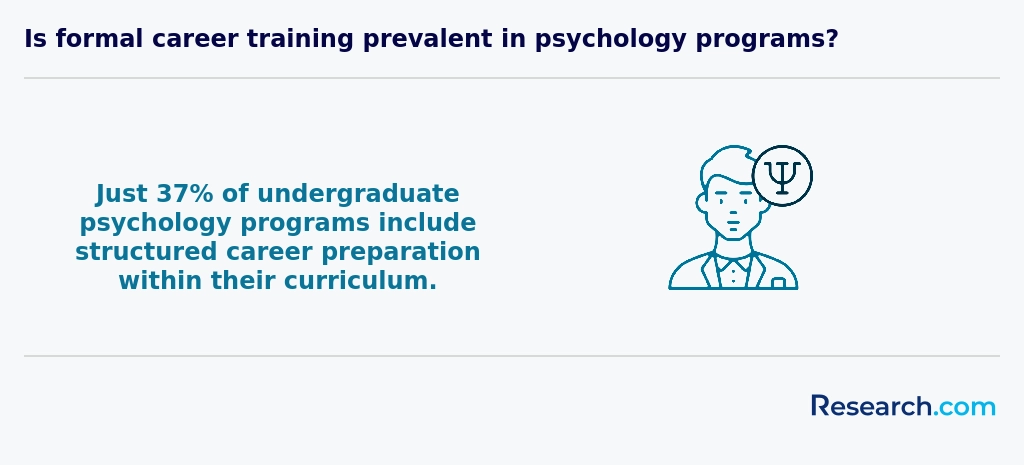
For students with ambitions to become leaders in the field of psychology, exploring doctoral programs-specifically the PsyD (Doctor of Psychology)-is a vital next step. PsyD programs focus on the practical application of psychological theories, equipping graduates with advanced clinical skills that are highly valued in mental health settings. These programs typically blend rigorous coursework with intensive hands-on clinical training, ensuring that students gain the comprehensive expertise needed for effective practice. Moreover, many institutions now offer flexible study options, including online apa-accredited psyd programs, which cater to professionals seeking to balance their education with ongoing clinical work or personal commitments. By choosing a well-accredited PsyD program, prospective students can enhance their career prospects while meeting the licensure requirements essential for clinical practice. Emphasizing both theoretical knowledge and practical experience, doctoral programs pave the way for producing competent practitioners ready to address complex mental health challenges in diverse settings.
Psychology degree programs at universities like UCLA or the University of Michigan typically feature a dynamic blend of courses that excite and challenge students. Graduates often recall how foundational classes such as General Psychology sparked their curiosity by revealing the intricate layers of human behavior and mental processes they encounter every day.
Many appreciate the hands-on nature of research-centric courses like Research Methods in Psychology and Statistics for Behavioral Sciences, where they learn to design experiments and analyze real data. Imagine working on a project assessing social media's impact on decision-making, a scenario common in these programs, which combines practical skills with theoretical knowledge.
Specialized courses like Biopsychology immerse students in understanding how brain activity drives behavior, often through interactive labs. Others describe how Developmental Psychology classes enabled them to connect textbook theories with their own experiences observing growth across life stages.
Electives such as Clinical Psychology or Industrial-Organizational Psychology add personal relevance by aligning study with career goals, filling students with optimism about applying their learning in real-world settings.
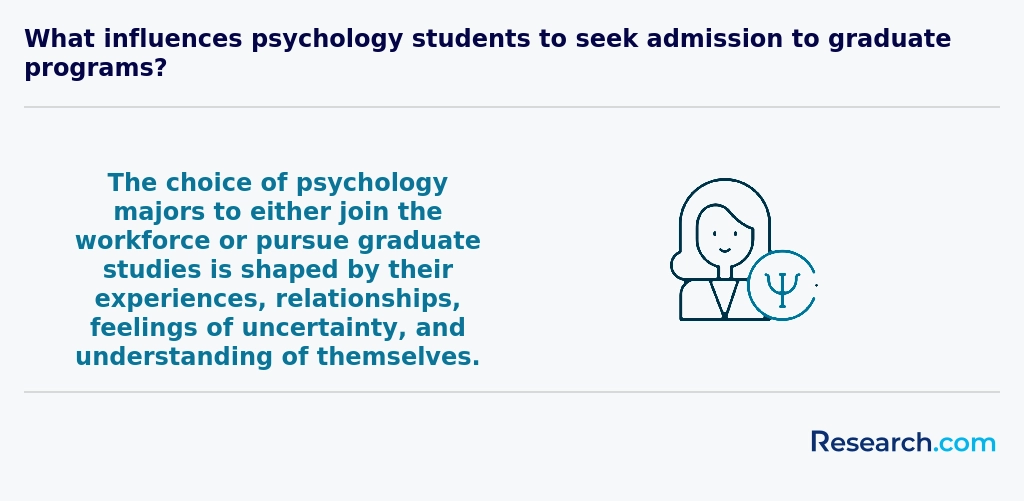
University psychology degree specialization options 2027 will likely continue to reflect today's key fields like Clinical Psychology, which prepares students for mental health diagnosis and treatment through rigorous licensure pathways. Graduates from top colleges often describe the rewarding challenge of balancing coursework with hands-on internships, fostering a deep sense of accomplishment.
Experimental Psychology remains vital, with students engaging in cutting-edge research on cognition and behavior. At well-known research universities, hands-on lab work sparks curiosity and excitement about discovering new insights into the human mind. Meanwhile, Industrial-organizational psychology is gaining momentum, appealing to those eager to improve workplace productivity and employee well-being in a real, measurable way.
Specializations such as Neuropsychology and Counseling Psychology offer compelling routes for students drawn to brain science or life coaching, respectively. Many feel inspired by their program's integration of neuroscience or community-centered internships.
Additional emerging trends in top psychology degree specializations in 2027 include forensic and health psychology. Students at leading schools appreciate programs that tailor their experience so they can better envision future careers. For those comparing social work roles, understanding the difference between MSW and LCSW is also critical for informed decisions.
Choosing the best psychology degree in University means looking beyond just the program's title. Graduates from top universities often highlight the value of programs with strong faculty expertise and active research opportunities that align with future career goals, reflecting a growing trend toward specialization. For example, some students thrive in colleges known for clinical psychology while others prefer institutions excelling in cognitive or social psychology, emphasizing the importance of curriculum diversity for the best psychology degree programs 2027 USA.
Affordability remains key; students increasingly seek affordable psychology degrees with high earning potential. Real-life experiences reveal that balancing cost and quality is possible by selecting schools offering substantial scholarships or assistantships, especially at public universities. Moreover, the rise of flexible formats, such as hybrid or fully online options, creates new pathways like online MSW programs accredited for related fields, supporting those who juggle work and study commitments.

Graduates from psychology programs at renowned universities and colleges in University increasingly explore diverse career paths, reflecting the evolving nature of the field. Many find rewarding roles in clinical psychology, counseling, or mental health technician positions right after earning their bachelor's degree, gaining valuable hands-on experience that fuels their passion. Others are drawn to research roles, especially those who attend institutions known for their strong psychology departments, where they contribute to innovative studies shaping the future of behavioral science.
Looking ahead to 2027, psychology degree career options in 2027 extend beyond traditional roles. Graduates often transition into human resources or marketing, leveraging their deep understanding of human behavior to improve workplace culture or consumer engagement. Some pursue advanced degrees to become licensed psychologists, embracing the challenge and fulfillment that come with clinical practice.
Many students find inspiration by sharing experiences at top University colleges, where internships and collaborations open doors to specialized careers. For instance, those interested in social service may explore paths linked to a social work degree california colleges, broadening their impact in community mental health.
Overall, university psychology degree job opportunities 2027 promise a dynamic blend of clinical, research, and applied fields, empowering graduates to contribute meaningfully while following their interests and strengths.

The job market for psychology degree graduates from University shows varied but promising prospects, especially as demand for mental health services continues to rise. Many graduates from popular colleges in University start with roles like research assistants or case managers, gaining valuable experience while contemplating further education. These initial steps often bring a mix of challenge and excitement, as graduates apply theory to real world settings and build a foundation for advanced credentials.
Those pursuing master's degrees report broader options in specialties such as industrial-organizational psychology or behavioral therapy, often achieving salaries that reflect their growing expertise. For students considering long-term career growth, exploring popular psychology programs can be a strategic choice to enhance their qualifications.
Future projections for the psychology degree job market 2027 point to steady growth, with opportunities expanding especially in urban centers and states that prioritize licensure and certification. Graduates embody enthusiasm and hope, inspired by the chance to make meaningful impacts in diverse fields from counseling to organizational consulting within the University career prospects landscape.
2027 Most Popular Psychology Degree Programs Ranking in University
Investing in your education is a significant decision that can shape your future, and the Research.com team understands the importance of making informed choices. To assist prospective students, we have meticulously crafted the "2027 Most Popular Psychology Degree Programs Ranking in University." Our commitment to quality, credibility, and accuracy is reflected in the extensive research and analysis conducted to compile this ranking.
We utilized the following reputable data sources to ensure a comprehensive evaluation of psychology degree programs:
By exploring this ranking, readers will gain valuable insights into the most popular psychology degree programs, allowing them to make well-informed decisions about their educational future. For more details on our methodology, please visit our Research.com methodology page.

Frequently Asked Questions About psychology
Psychology degree students can enhance their learning by actively engaging in research opportunities offered by many universities. According to the American Psychological Association (APA), involvement in undergraduate research helps students develop critical thinking and practical skills. Additionally, gaining experience through internships or volunteering in clinical and counseling settings allows students to apply theoretical knowledge in real-world environments.
Joining psychology clubs and attending departmental events fosters networking and mentorship, which are vital for professional growth. Utilizing campus resources such as writing centers and counseling services supports academic success and personal well-being throughout their studies.
Emerging niches in psychology reflect growing societal needs and technological advances. One key area is neuropsychology, which studies brain-behavior relationships and is expanding rapidly in US universities due to increased funding and research opportunities. According to the American Psychological Association (APA), employment for neuropsychologists is expected to grow 10% from 2021 to 2031. Another rapidly evolving field is health psychology, focusing on how mental factors impact physical health, with universities offering specialized tracks to meet rising demand.
Additionally, forensic psychology, blending psychology and law enforcement, continues to attract students interested in legal applications. Industrial-organizational psychology also remains popular, addressing workplace behavior and employee wellness. Universities increasingly emphasize interdisciplinary training in these niches to prepare graduates for specialized careers.
After completing a psychology degree in university, preparing for the job market requires strategic planning. Graduates should consider gaining relevant experience through internships or volunteer opportunities. The American Psychological Association reports that hands-on experience increases employability significantly.
Networking is also crucial. Attending conferences and joining psychology-related organizations can open doors to job prospects. Additionally, developing skills in data analysis and research methodology enhances a resume and meets employer demands in clinical, counseling, or industrial-organizational psychology fields.
Further education, such as pursuing a master's or doctoral degree, is often necessary for advanced roles. According to the U.S. Bureau of Labor Statistics, jobs in psychology are expected to grow 6% from 2021 to 2031, emphasizing the value of specialized qualifications.
Employers in the United States highly value psychology graduates who possess strong critical thinking and analytical skills. According to the American Psychological Association, these abilities enable graduates to interpret data effectively and apply psychological theories to real-world problems.
Communication skills are essential as well, given that many psychology roles involve explaining complex ideas to diverse audiences or collaborating within teams. A 2023 report from the National Association of Colleges and Employers highlighted that over 85% of employers seek strong written and verbal communication in psychology candidates.
Additionally, ethical judgment and cultural competence are increasingly important. Psychology graduates must navigate confidential information while respecting diverse backgrounds, aligning with standards set by the APA and the U.S. Equal Employment Opportunity Commission.
Finding internships relevant to a psychology degree in university involves proactive research and utilizing campus resources. Many universities in the US offer career centers that maintain updated listings of internships in psychology and related fields. Students should also explore faculty members' research projects, as professors often seek undergraduate interns for lab assistance.
The American Psychological Association (APA) reports that approximately 70% of psychology students complete internships before graduation, which significantly enhances job prospects. Internships can be found in clinical settings, schools, research labs, and community organizations.
Networking through psychology clubs and attending career fairs also increases internship opportunities. Early planning and meeting application deadlines are essential for securing valuable placements.
A psychology degree from a university significantly enhances career mobility and advancement opportunities within the United States. According to the U.S. Bureau of Labor Statistics, employment in psychology-related fields is projected to grow 8% from 2021 to 2031, faster than the average for all occupations. Graduates develop critical skills such as data analysis, communication, and problem-solving, which are highly valued across industries.
Many careers in human resources, marketing, and social services welcome psychology degree holders. Additionally, advanced degrees increase eligibility for specialized roles in clinical or counseling psychology with higher salary potential. Earning a psychology degree also facilitates access to professional networks and internships, further supporting upward mobility.
Studying for a psychology degree in University equips students with a broad understanding of human behavior, which is essential for interdisciplinary roles. Psychology programs in the US often include coursework in biology, statistics, sociology, and cognitive science, providing a well-rounded foundation.
According to the American Psychological Association, about 70% of psychology graduates pursue careers that integrate knowledge from multiple fields, such as healthcare, education, and business. The training emphasizes critical thinking and research methods, skills valued across sectors.
Many programs encourage internships or collaborative projects, enabling students to apply psychological principles in real-world settings alongside professionals from other disciplines. This hands-on experience enhances adaptability and communication skills.
Overall, a psychology degree develops versatile expertise, preparing graduates for diverse career paths that require both scientific knowledge and interpersonal insight.
Choosing between a thesis and a non-thesis psychology degree program in University depends largely on your academic and career goals. A thesis option usually requires conducting original research and writing a comprehensive paper, which is ideal if you aim for a research career or plan to pursue graduate studies, such as a PhD.
Non-thesis programs focus more on coursework and practical training, preparing students for applied fields like clinical or counseling psychology. According to the American Psychological Association, nearly 40% of master's students opt for a thesis to strengthen research skills, while others choose non-thesis paths for faster completion and hands-on experience.
Your decision should consider time commitment, interest in research, and long-term professional plans.
Students enrolled in psychology programs at universities in the US have several opportunities to study abroad. Many institutions offer exchange programs with partner universities in countries such as the United Kingdom, Canada, and Australia. Through these programs, students can earn academic credits that count toward their psychology degree while gaining international experience.
According to the Institute of International Education, approximately 10% of US psychology students participate in study abroad programs annually, reflecting the discipline's global relevance. These experiences often include courses in cultural psychology, clinical practices, and neuroscience, providing exposure to diverse psychological perspectives.
Additionally, some universities offer short-term faculty-led trips focusing on specific psychology topics like developmental psychology or mental health policies abroad. These options allow students to broaden their academic and cultural horizons without interrupting their degree progress.
Part-time jobs can significantly enhance the educational experience of psychology students in US universities by providing practical skills. Common roles include research assistant positions, which involve supporting faculty-led studies and data collection. According to the American Psychological Association, about 60% of psychology undergraduates engage in research work during their studies.
Another popular option is working as a peer tutor for psychology courses, allowing students to reinforce their knowledge while helping others. Counseling center aide roles also offer exposure to mental health services, often providing administrative support or frontline assistance.
These experiences complement academic learning by building critical thinking, communication, and statistical skills relevant to psychology careers.
Psychology students in US universities have access to various networking opportunities that can enhance their academic and professional growth. Many institutions host psychology clubs and honor societies such as Psi Chi, which connects students with peers and faculty while offering invitations to regional and national conferences. According to the American Psychological Association, involvement in such organizations increases chances of internships and research collaborations. Additionally, universities often organize career fairs focused on psychology-related fields, providing direct contact with potential employers.
Internships and research assistant positions, frequently facilitated by faculty, offer hands-on experience and valuable professional connections. Online platforms like LinkedIn and university alumni networks also support ongoing networking beyond graduation.
Alumni networks offer valuable support to psychology degree students in University by connecting them with experienced graduates who understand the field's challenges. These networks provide mentorship opportunities, helping students navigate academic decisions and career paths. According to the National Association of Colleges and Employers, 85% of jobs are filled through networking, underscoring alumni connections' importance for psychology students seeking internships or research positions.
Additionally, alumni often share insights on graduate programs and licensure processes crucial for psychology careers in the US. Universities with strong psychology alumni communities may also host events and workshops, enhancing professional development.
Customizing a psychology degree program in university allows students to align their education with specific career goals. Many U.S. universities offer concentrations or specializations such as clinical, counseling, industrial-organizational, or developmental psychology. According to the American Psychological Association, about 70% of graduate psychology programs include these options, enabling tailored study paths.
Students can also choose electives related to neuroscience, social psychology, or forensic psychology to broaden expertise. Additionally, participating in internships, research projects, or community service can provide practical experience valuable for employment.
Advisors play a key role in helping students select courses and experiences matching their interests, increasing career readiness upon graduation.
Psychology students in US universities often face several challenges that can impact their academic progress. One common difficulty is managing a heavy coursework load, which typically includes classes in statistics, research methods, and various psychological theories. According to the American Psychological Association, mastering both theoretical concepts and practical research skills is essential but demanding.
Another challenge is the need for extensive critical thinking and writing. Psychology programs require many research papers and case studies, which may be overwhelming for some students. Additionally, balancing internships or lab work with academic responsibilities can be stressful.
Mental health concerns are also prevalent among psychology students, with surveys indicating that nearly 30% report significant stress and anxiety during their studies. This is particularly notable given their awareness of psychological health, which can sometimes increase self-expectations.
With a psychology degree, graduates can pursue several professional certifications that enhance career opportunities. One common path is obtaining licensure as a Licensed Professional Counselor (LPC) or Licensed Clinical Social Worker (LCSW), which requires graduate study and supervised clinical hours. Another key certification is becoming a Board Certified Behavior Analyst (BCBA), especially relevant for those focusing on behavior analysis.
Additionally, some graduates seek certification as a Certified Rehabilitation Counselor (CRC), which involves specialized training in counseling individuals with disabilities. According to the American Psychological Association, over 90% of psychology graduates pursue additional certifications to increase their employability and expertise in the U.S. workforce.
Writing a winning application for a psychology program at a US university requires clear demonstration of your passion and skills. Start with a strong personal statement that explains why you want to study psychology and how your experiences shaped this interest. Highlight any relevant volunteer work, internships, or research involvement, as these strengthen your candidacy.
Most successful psychology applicants also showcase solid academic performance, especially in biology, statistics, and social sciences. According to the American Psychological Association, a GPA of 3.5 or higher improves chances significantly. Additionally, strong letters of recommendation from teachers or professionals familiar with your work can provide critical insight into your potential as a psychology student.
Finally, emphasize your career goals and how the program aligns with them. This demonstrates maturity and focus, which admissions committees value highly.
Psychology careers in the United States are part of a growing global field influenced by diverse cultural and scientific perspectives. According to the American Psychological Association, the U.S. labor market for psychologists is expected to grow by 8% from 2021 to 2031, indicating robust demand. Globally, psychologists often face different licensing requirements and areas of specialization, reflecting regional health priorities and educational frameworks.
Many U.S. psychology programs emphasize research methods and clinical skills, preparing graduates for both domestic and international applications. This broad training aligns with trends noted by the World Federation for Psychologists, which highlights increasing global collaboration in mental health initiatives.
Students pursuing psychology degrees in U.S. universities benefit from exposure to evidence-based practices validated through extensive research. These skills are transferable internationally, allowing graduates to engage in cross-cultural mental health efforts and global health projects. Understanding varying cultural contexts is essential, as psychological theories and treatments continue to adapt worldwide.
Gaining practical experience while studying for a psychology degree in university is essential for career development. Many universities offer internship programs that allow students to work in clinical, counseling, or research settings. According to the American Psychological Association (APA), about 85% of psychology programs encourage internships to enhance hands-on skills.
Students can also participate in research assistant positions, supporting faculty projects. These roles build valuable skills in data collection and analysis. Volunteer opportunities in mental health clinics or community organizations provide additional real-world exposure.
Some schools include practicum courses as a requirement, combining coursework with supervised practice. Engaging in these experiences improves employability and professional confidence before graduation.
Choosing the right concentration within a psychology degree program in University depends on your interests, career goals, and the type of psychology that excites you. Psychology offers diverse subfields like clinical, cognitive, developmental, and industrial-organizational psychology, each focusing on different aspects of human behavior.
Review the curriculum and specializations available at your institution, as concentrations vary widely. The American Psychological Association reports that clinical and counseling psychology remain the most popular, reflecting high demand in healthcare. Internships and research opportunities in your chosen concentration can provide practical experience and clarify your preferences.
Consider job outlooks; for example, industrial-organizational psychology has a strong growth projection of 11% through 2032 according to the U.S. Bureau of Labor Statistics. Evaluate your skills and academic strengths as some concentrations emphasize quantitative analysis, while others focus on interpersonal skills.
- 2027 Most Popular Psychology Degree Programs Ranking in Birmingham
- 2027 Most Popular Psychology Degree Programs Ranking in Hattiesburg
- 2027 Most Popular Psychology Degree Programs Ranking in Montgomery
- 2027 Most Popular Psychology Degree Programs Ranking in Mobile
- 2027 Most Popular Psychology Degree Programs Ranking in Springfield
- 2027 Most Popular Psychology Degree Programs Ranking in Saint Louis
- 2027 Most Popular Psychology Degree Programs Ranking in Atlanta
- 2027 Most Popular Psychology Degree Programs Ranking in Tulsa
- 2027 Most Popular Psychology Degree Programs Ranking in Tallahassee
- 2027 Most Popular Psychology Degree Programs Ranking in Cincinnati
See What Experts Have To Say About Studying Psychology
Read our interview with Psychology experts

Joann Farrell Quinn, Ph.D., MBA
Psychology Expert
Director at the College of Medicine Department of Medical Education
Morsani College of Medicine

Elizabeth L. Jeglic Ph.D.
Psychology Expert
Professor of Psychology
City University of New York

Robin M. Kowalski. Ph.D.
Psychology Expert
Professor of Psychology
Clemson University

- Professional Networking For Psychologists | Psychology.org https://www.psychology.org/resources/professional-networking/
- What can I do with a psychology degree? https://www.hull.ac.uk/study/undergraduate/courses/psychology-bsc-hons/what-can-i-do-with-a-psychology-degree
- Psychology Placement Opportunities for Year 12 Students https://studymind.co.uk/ucas-guide/year-12-guide-to-gaining-psychology-work-experience/
- Browse Specializations https://mastersinpsychologyguide.com/specializations/
- Mental Health Challenges Faced by Psychology Students | The Healthcare Guys https://healthcareguys.com/2023/11/23/mental-health-challenges-faced-by-psychology-students/
- Ontario Psychological Association - Networking and Community Resources https://www.psych.on.ca/become-a-member-(1)/member-services/networking-and-community-resources
- Application and tuition fees - SWPS University https://english.swps.pl/programs/apply/application-and-tuition-fees
- How to Change Your Career from Psychology to UX Design https://ixdf.org/literature/article/how-to-change-your-career-from-psychology-to-ux-design
- A Guide to Psychology Internships | Psychology Degree Guide https://psychologydegreeguide.org/resources/internships/
- 10 High-Paying Jobs with a BS in Psychology | University of Bridgeport https://www.bridgeport.edu/news/high-paying-jobs-with-a-bachelors-in-psychology-degree/


