
2027 Best Psychology Degree Programs Ranking in Cincinnati

Co-Founder and Chief Data Scientist
Choosing the right psychology degree program in Cincinnati can feel overwhelming. That's why this article presents the 2027 Best Psychology Degree Programs Ranking in Cincinnati, designed by the Research.com team of data scientists. It offers clear, data-driven insights to help you find programs that truly stand out.
Exploring your options here can empower your decision and open doors to a fulfilling career in psychology. Whether you're starting or advancing your education, this guide makes the journey easier and more inspiring.
Key benefits of getting psychology degree in Cincinnati
- Salary: Psychology degree graduates in Cincinnati can expect rewarding salaries, such as Clinical Research Associates earning about $62,370 annually and Marketing Research Analysts earning around $83,190 yearly. These figures highlight strong financial potential in relevant career paths.
- Career Paths: Graduates from the University of Cincinnati often pursue diverse roles including Human Resources Specialists and Survey Researchers, blending psychology knowledge with practical skills in various industries. This variety offers exciting opportunities to match your interests and strengths.
- Online Degree Benefits: Earning a psychology degree online from local universities like the University of Cincinnati allows flexible scheduling and balance, helping you study while managing work or family. This approach makes advancing your education accessible and stress-free.
- 2027 Best Psychology Degree Programs Ranking in Cincinnati
- What can I expect from psychology degree in Cincinnati?
- Where can I work with psychology degree in Cincinnati?
What can I expect from psychology degree in Cincinnati?
Students pursuing a psychology degree in Cincinnati often find costs that vary depending on the level of study and institution choice, but many report an average range of $10,000 to $30,000 per year for undergraduate programs. For instance, those attending the University of Cincinnati experience a blend of tuition and fees that feels like an investment in hands-on learning and real-world internships, enriching their journey beyond textbooks. Graduate degrees, such as the Master of Arts in Counseling Psychology at Xavier University, can cost more, sometimes totaling around $20,000 to $40,000 annually, reflecting advanced training and specialized coursework.
Graduates describe the financial commitment as a doorway to vibrant experiences-engaging in clinical placements, joining research projects, and networking within Cincinnati's supportive mental health community. These opportunities often offset the price with invaluable skills and career prep. The mix of tuition, living expenses, and resource access in Cincinnati's colleges crafts a learning adventure with a tangible payoff in practical competence and professional readiness.
Where can I work with psychology degree in Cincinnati?
Psychology graduates in Cincinnati dive into a rich landscape of career possibilities that reflect their passion for understanding and helping people. Imagine working at Cincinnati Children's Hospital Medical Center, supporting children through behavioral health services, or assisting in cutting-edge research projects affiliated with the University of Cincinnati. Graduates often share stories of hands-on experiences that sparked their sense of purpose, whether in clinical support or research coordination.
Many find themselves influencing young minds within Cincinnati Public Schools, serving as school counselors or licensed psychologists who guide students through academic and emotional hurdles. The city's local agencies, like the Hamilton County Mental Health & Recovery Services Board, provide opportunities for crisis intervention and community outreach, where graduates make tangible differences in people's lives daily.
Emerging corporate roles also excite graduates who enjoy applying psychology to boost workplace morale at local businesses highlighted by the Greater Cincinnati Chamber of Commerce. Whether in rehab centers or nonprofit organizations, psychology degree holders in Cincinnati are energized by careers that blend compassion with real-world impact.
Graduates with a psychology degree from Cincinnati's universities often find themselves navigating a wide range of exciting career paths. Take, for instance, a recent alum who started working as a Human Resources Specialist locally, earning a mean annual wage of about $76,060. This role blends psychology knowledge with people skills, perfect for those eager to make an impact in organizations.
Others dive into data and trends as Marketing Research Analysts, enjoying a lively salary around $83,190 per year. Imagine the thrill of turning consumer insights into strategies, right in Cincinnati's vibrant business scene!
For graduates drawn to the pulse of clinical studies, becoming a Clinical Research Associate is another path, bringing a yearly wage averaging $62,370. Hands-on experience gained through internships at regional hospitals or research centers makes this role an adventurous step into applied psychology.
Even roles like Survey Researcher, with a similar salary near $62,370, offer the chance to explore human behavior on a grand scale, tapping into Cincinnati's rich diversity.
These real numbers from local job markets highlight how a psychology degree opens doors to rewarding opportunities filled with growth and meaningful challenges.
- Annual tuition for a psychology bachelor's degree in Cincinnati ranges from $10,000 to $25,000, varying by public or private institution.
- Starting salaries for entry-level psychology graduates in Cincinnati are typically between $45,000 and $50,000 per year.
- Experienced clinical psychologists or specialists can earn over $80,000 annually in the Cincinnati area.
- Cincinnati offers accredited psychology programs, including those recognized by the American Psychological Association (APA), which aid in licensure preparation.
- Internships and practicum opportunities in hospitals, schools, and community centers provide essential hands-on experience for students.
- Financial aid such as scholarships and grants is available to help reduce education costs for psychology students in Cincinnati.
If you're diving into a psychology degree in Cincinnati, expect an exciting journey that unfolds over a timeline shaped by your goals and the vibrant local schools you choose. At the University of Cincinnati, for example, many undergraduates embrace a dynamic four-year full-time schedule, balancing about 15 credit hours each semester through engaging coursework that sparks their curiosity. Graduates often reflect on how this solid foundation feels like unlocking a new lens on human behavior.
For those chasing a master's degree, the adventure extends roughly two more years beyond the bachelor's. Some students at Cincinnati colleges enjoy flexible options like part-time or accelerated tracks. These paths might stretch or shorten the typical 18 months to two years, letting learners tailor their pace while juggling life's rhythm.
Venturing even further, doctoral candidates in the region commit to an intense 5 to 7 years, immersed in research, clinical internships, and academic challenges that sharpen expertise and resilience. Many graduates describe this period as transformative, where their ambitions truly take flight amid Cincinnati's supportive academic community.
Maximizing your psychology degree goes beyond coursework-it’s about building a robust professional network and engaging in continuous learning. Many graduates emphasize that actively seeking mentorship, attending campus career fairs, and joining local psychology associations can accelerate career advancement. Participating in internships, volunteer opportunities, and industry conferences not only enhances your resume but also cultivates relationships with seasoned professionals who can offer invaluable guidance. For those eager to fast-track their career, exploring options such as an accelerated online psychology degree can provide the flexibility and competitive edge needed in today’s dynamic job market. Additionally, staying connected with alumni through university platforms and networking events can open doors to exclusive job opportunities and collaborative research projects, ensuring that your educational journey evolves into long-term professional success.
Exploring psychology at the University of Cincinnati or Xavier University means choosing between the vibrant buzz of on-campus life and the quiet focus of online study. Imagine a graduate juggling work and family while diving into an online program, appreciating the freedom to learn late at night or between shifts. This flexibility opens doors for those balancing busy days with ambition.
Conversely, on-campus students thrive on hands-on experiences-like participating in research labs or internships at local hospitals-where the energy of face-to-face mentoring fuels their passion. Graduates often cherish the instant feedback from professors and lively discussions with peers, moments hard to replicate in the digital realm.
For many Cincinnati learners, that real-world connection sparks confidence as they train in psychology clinics or community agencies. It's a blend of theory with practice, steeped in local opportunities, making each day feel like an adventure into the human mind.
Cincinnati’s psychology programs distinguish themselves through robust internship and practicum placements that prepare students for real‐world challenges. Many local universities partner with leading mental health centers, schools, and corporate wellness programs to offer hands‐on experiences in diverse settings. For example, University of Cincinnati psychology majors can complete a practicum at the Cincinnati Children’s Hospital Medical Center, working alongside licensed clinicians to develop assessment and intervention skills. Xavier University students often secure internships with community mental health agencies like Talbert House, gaining direct exposure to counseling and case management in underserved populations. These structured placements typically span a semester and include supervision, reflective journaling, and performance feedback, ensuring you meet APA fieldwork requirements and graduate with confidence. Students report that internships not only sharpen clinical competencies but also expand professional networks-many secure full‐time positions at their placement sites upon graduation. To balance quality training with affordability, consider comparing program costs; you may also explore the Cheapest Psychology Degree Programs Ranking in New Jersey for additional benchmarks on cost‐effective practicum opportunities. By engaging in local internships and practicums, Cincinnati psychology students build critical skills, fulfill accreditation standards, and establish a competitive edge in the job market.
The average psychology degree cost Cincinnati students face hovers around $26,000 for in-state residents, combining tuition, fees, and living expenses. Imagine a graduate from the University of Cincinnati reflecting on their journey-balancing rigorous coursework while enjoying city life without breaking the bank. This median total cost offers a manageable path for many local students eager to dive into psychology's fascinating world.
Private universities, such as Xavier University, paint a different picture, where total expenses can soar well above $50,000 annually. Graduates from these institutions often speak of the enriching environment and personalized attention that they received, making the higher investment feel worthwhile. Those weighing options between public and private institutions appreciate knowing these costs upfront to align with their goals and budgets.
For students curious about the psychology degree total expenses Cincinnati has to offer, it's crucial to remember that these numbers include more than tuition. Living costs, textbooks, and other fees contribute substantially. Many students who embrace this adventure discover financial aid and scholarships that ease the burden, opening doors to rewarding experiences and professional growth.
Those exploring options can also explore the cheapest psychology programs in Ohio to find a balance between cost and quality, making their dreams of a psychology degree more attainable and exciting.
Navigating Ohio’s licensure landscape is a critical step for psychology graduates aiming to practice professionally. To become a Licensed Psychologist in Ohio, candidates must hold a doctoral degree in psychology, complete a minimum of 2,000 post-doctoral supervised hours, and pass both the Examination for Professional Practice in Psychology (EPPP) and the Ohio Psychology Law and Ethics Examination. Those pursuing a career as a Licensed Professional Clinical Counselor (LPCC) need a master’s degree in counseling or a closely related field, 3,000 supervised clinical hours (with at least 100 hours of direct supervision), and successful completion of the National Clinical Mental Health Counseling Examination (NCMHCE) along with Ohio’s state jurisprudence exam. For graduates interested in school psychology, Ohio requires certification through the Department of Education, which entails a specialist-level degree (e.g., Ed.S.), a 1,200-hour supervised internship in a P–3 setting, and passage of the Praxis School Psychologist assessment. Aspiring Marriage and Family Therapists (LMFTs) must earn a relevant master’s, complete 2,000 supervised hours, and clear the Association of Marital & Family Therapy Regulatory Boards (AMFTRB) exam. For those exploring flexible graduate pathways, programs such as the online ma in psychology can fulfill academic prerequisites while offering the convenience needed to accumulate supervised experience. Understanding these requirements upfront ensures that graduates can seamlessly transition from the classroom to a licensed, impactful career in psychology.
Imagine starting your psychology journey at the University of Cincinnati, where financial aid options feel like stepping stones on an exciting path. Many students tap into the federal Free Application for Federal Student Aid (FAFSA) to unlock Pell Grants, offering up to $7,395 a year with no repayment needed. This grant often eases the burden of the roughly $11,000 annual tuition, letting students focus on discovering the mind's mysteries rather than stressing over bills.
Some students also dive into federal work-study programs, landing part-time jobs that blend income with hands-on experience in psychology labs or counseling centers. Beyond federal help, Ohio-specific gems like the Ohio College Opportunity Grant spotlight families in need, cutting costs for those at public universities or community colleges around Cincinnati.
At places like Xavier University, scholarships tied to academic merit or passion for mental health shine bright. Graduate students often find teaching or research assistantships, offering tuition waivers and stipends-perfect for those eager to immerse themselves deeper into psychology.
Local organizations, such as the Ohio Psychological Association, add a sparkle of support through private scholarships, encouraging community-focused psychology majors to thrive. Graduates frequently share how these layered aids transformed their education, turning daunting price tags into manageable adventures.
One of the hallmarks of a top psychology program in Cincinnati is the breadth and depth of internship and experiential learning opportunities it offers. Hands-on placements-ranging from community mental health clinics and school counseling centers to corporate human resources departments-allow students to apply theoretical knowledge in real-world settings. For example, the University of Cincinnati’s on-campus counseling center partners with local schools to host semester-long practicums, while Xavier University’s West Side Research Lab recruits undergraduates to assist faculty on NIH-funded studies examining behavioral health outcomes. Engaging in internships early not only hones critical skills-such as client assessment, data collection, and ethical decision-making-but also strengthens professional networks. Career services offices at Cincinnati State Technical and Community College and other institutions guide students through the application process, host mock interviews, and facilitate resume workshops tailored to psychology fields. Many graduates attribute their ability to secure full-time positions immediately after graduation to relationships formed during these placements. To maximize experiential learning:
- Start exploring placement options in your sophomore year.
- Attend networking events hosted by the department and local chapters of the American Psychological Association.
- Leverage campus resources, such as the Career Development Center, for personalized internship match-making. If cost is a deciding factor in your academic journey, you may also want to compare tuition and financial aid options beyond Ohio. For affordable alternatives, explore the Cheapest Psychology Degree Programs Ranking in New Jersey, which highlights budget-friendly programs that still provide robust experiential learning pathways.
Diving into psychology studies in Cincinnati means starting with a solid foundation-most students share stories of how their high school diploma or GED opened the door to this fascinating field. Imagine preparing your applications with strong grades in biology, math, and English, just like many hopefuls aiming at universities like the University of Cincinnati or Xavier University.
Standardized tests can feel like a hurdle, but here in Cincinnati, some schools provide flexibility. Graduates often recall choosing whether to submit ACT or SAT scores, a choice that helped ease their nerves and let their true passion shine through.
Letters of recommendation and personal essays bring your personality into the spotlight. Picture reflecting on volunteer work or internships in mental health settings-these real experiences, cherished by applicants, give admissions teams a glimpse of your genuine commitment.
For those chasing advanced degrees, a bachelor's in psychology or a related field is essential, alongside competitive GRE scores and coursework in research methods. This journey, though challenging, promises growth and the thrill of exploring the mind within Cincinnati's vibrant academic community.
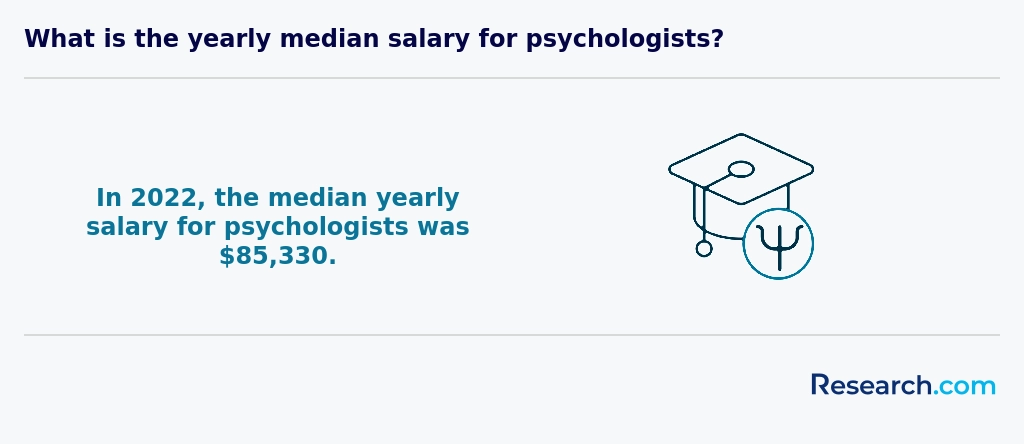
When considering a psychology degree in Cincinnati, one crucial aspect to evaluate is the financial commitment required. Prospective students should explore various factors, including tuition fees, living costs, and available financial aid options. For instance, tuition for in-state students at public universities in Ohio can average around $7,070 annually, while out-of-state students may face significantly higher costs. Understanding these expenses is vital for making an informed decision. Students can also look into options like scholarships, grants, and part-time jobs to offset these costs. Additionally, for those seeking more affordable options, considering the cheapest psychology programs in Ohio can be a strategic move, allowing them to pursue their educational goals without accumulating substantial debt. By carefully planning and exploring these financial aspects, aspiring psychology students in Cincinnati can better navigate their path to a rewarding career in psychology.
In Cincinnati, psychology students dive into fascinating courses like Introduction to Psychology, where they uncover the basics of human thought and behavior-imagine sitting in a lively University of Cincinnati lecture, buzzing with discussions on how we perceive the world. Developmental Psychology takes you on a journey from infancy to adulthood, helping you understand life's milestones as if you're tracing your own story or that of close friends.
Biopsychology brings the brain to life, showing graduates how neurons fire during emotions or decisions, turning complex science into "aha" moments. Cognitive Psychology stretches the mind, exploring memory puzzles and attention games that students enthusiastically share during campus study groups.
Social Psychology sparks curiosity about everyday interactions, making students wonder about group dynamics in their own social circles around Cincinnati's vibrant neighborhoods. Finally, rigorous Research Methods and Statistics equip students at local schools with the skills to design real-world studies, fueling their passion for discovery through hands-on projects and internships.
This blend of courses, enriched by Cincinnati's practical opportunities, genuinely excites psychology majors eager to see theory come alive.
Diving into psychology degree specializations Cincinnati students encounter a thrilling array of paths that reflect the city's vibrant academic landscape. Graduates from popular local universities often recall their adventures through clinical psychology, where they learned to diagnose and treat mental health challenges within bustling hospital settings or serene community health centers. Others found joy in counseling psychology, discovering the art of guiding individuals through life's twists and turns with compassion and insight.
Developmental psychology fascinates many by exploring growth from childhood to adulthood, enriched by hands-on experiences in Cincinnati's educational institutions. Industrial-organizational psychology offers a unique adventure for students eager to boost workplace morale and efficiency, often applying what they learn in real corporate environments around the city. Some graduates felt drawn to specialty tracks like health or forensic psychology, tapping into Cincinnati's expansive healthcare sector and legal community.
For those eager to accelerate their journey, programs also connect interested learners to practical opportunities at local hubs like Cincinnati Children's Hospital. Exploring options like an accelerated online psychology degree lets students dive into these exciting fields with greater flexibility and momentum.
Such diversity in the best psychology concentrations in Cincinnati means every student can find a pathway aligned with their passions and career dreams.
Choosing the best psychology degree in Cincinnati is an exciting journey filled with vital checkpoints. Graduates often highlight how accreditation matters-programs connected to the American Psychological Association or regionally accredited schools lend credibility and open doors for future licensure. Universities like the University of Cincinnati offer diverse paths, from clinical psychology to research-focused tracks, allowing students to dive into areas that truly spark their curiosity. Many students appreciate how these programs provide hands-on internships through partnerships with local clinics and mental health centers, making classroom theories come alive in Cincinnati's vibrant community.
Cost also plays a huge role. Affordable psychology colleges in Cincinnati often balance tuition with great scholarship options, and part-time or hybrid models help manage expenses without sacrificing quality. For those daring to explore flexible learning, an online ma in psychology can be a game changer, blending convenience with comprehensive study.

Exploring psychology career options Cincinnati offers a vibrant mix of possibilities that bring theory to life. Graduates from local institutions like the University of Cincinnati often find themselves thriving in roles as case managers or behavioral health assistants within community mental health agencies, where every day presents new challenges and rewarding interactions. Imagine working alongside professionals at Cincinnati Children's Hospital, applying advanced skills gained through master's or doctoral studies, providing therapy or conducting neuropsychological assessments that truly change lives.
For those drawn to the corporate world, jobs with psychology degree in Cincinnati include exciting industrial-organizational psychology positions that help improve workplace culture and employee wellbeing. Many graduates also enjoy academic paths, assisting with research projects or teaching at universities such as Xavier University, where curiosity and discovery blend seamlessly. School psychologists embedded in Cincinnati Public Schools support students' development, offering a fulfilling avenue for impact close to home.
Students looking to balance cost and opportunity can explore programs like those listed in the Cheapest Psychology Degree Programs Ranking in New Jersey, helping navigate affordable education options before embarking on these dynamic career journeys.
The psychology degree job opportunities Cincinnati offers are diverse and promising, fueled by the city's strong healthcare and educational institutions. Graduates from universities like the University of Cincinnati and Xavier University often find themselves stepping into roles as clinical psychologists, mental health counselors, or school psychologists, thanks to abundant local internships and cooperative education programs that boost real-world experience.
For many, the career outlook for psychology graduates Cincinnati holds is inspiring, especially with the demand for licensed professionals in hospitals and community mental health centers steadily growing. Picture a graduate eagerly applying supervised clinical hours while engaged in a vibrant network of support and advanced training-this hands-on approach is a gateway to licensure and rewarding clinical roles.
With average annual salaries around $80,000 and education costs that remain affordable, psychology students here experience both financial feasibility and exciting career potential. Exploring pathways like the best accelerated associates degree online programs also opens doors for those seeking quicker entry into this fulfilling field.
2027 Best Psychology Degree Programs Ranking in Cincinnati
Investing in your education is a significant decision that can shape your future, and the Research.com team understands the importance of making informed choices. To assist prospective students in Cincinnati, we have meticulously crafted the "2027 Best Psychology Degree Programs Ranking in Cincinnati." Our commitment to quality, credibility, and accuracy is reflected in the extensive research and analysis conducted to compile this ranking.
We utilized the following reputable data sources to ensure a comprehensive evaluation of psychology programs:
By exploring this ranking, readers will gain valuable insights into the best psychology degree programs available in Cincinnati, helping them make confident and well-informed decisions about their educational paths. For more details on our methodology, please visit our Research.com methodology page.


Frequently Asked Questions About psychology
Psychology students in Cincinnati can maximize their learning by engaging in both classroom instruction and practical experiences. Many local universities, such as the University of Cincinnati, offer opportunities for internships in hospitals and community centers, which are vital for applied learning. According to the Bureau of Labor Statistics, applied experience increases job prospects by 15% for psychology graduates nationwide.
Active participation in research projects is also essential. Cincinnati's active research community provides students access to ongoing studies in cognitive and clinical psychology. Networking with faculty members and attending local psychology conferences helps build professional connections.
Utilizing campus resources like tutoring centers and mental health labs can improve understanding of complex topics. Balancing academic work with involvement in psychology clubs or organizations encourages collaboration and deeper engagement with the subject.
The field of psychology is expanding into several emerging niches that offer promising career paths for students in Cincinnati. One fast-growing area is neuropsychology, which focuses on understanding brain-behavior relationships and is increasingly important due to advancements in brain imaging technologies. Another key niche is health psychology, where professionals work on how psychological factors affect physical health and chronic illnesses. Industrial-organizational psychology is also gaining momentum, especially in Cincinnati's growing business sectors, helping companies improve employee well-being and productivity.
Additionally, forensic psychology sees steady demand, given the region's legal and criminal justice institutions. According to the Bureau of Labor Statistics, job growth in these specialized areas is projected to outpace the overall psychology field, reflecting wider national trends. For students in Cincinnati, these niches offer diverse opportunities to apply psychology in innovative, impactful ways.
Preparing for the job market after earning a psychology degree in Cincinnati involves a combination of practical experience and professional networking. Students should seek internships or volunteer opportunities in local healthcare facilities, schools, or community organizations to gain hands-on skills. Cincinnati hosts several renowned institutions, such as Cincinnati Children's Hospital, which often offer relevant placements. According to the U.S. Bureau of Labor Statistics, employment for psychologists in Ohio is expected to grow by 10% through 2032, highlighting the value of real-world experience.
Additionally, joining regional professional groups like the Ohio Psychological Association can provide valuable contacts and resources. Developing strong communication and research skills is also essential, as many roles require both. Graduates should consider pursuing certification or advanced studies to enhance job prospects in Cincinnati's competitive market.
Employers in Cincinnati highly value psychology degree graduates who demonstrate strong critical thinking and analytical skills. These abilities enable professionals to assess complex human behaviors and mental processes effectively. Communication skills, both written and verbal, are also essential, as psychology roles often require explaining findings to diverse audiences.
Research proficiency is another key skill. Graduates familiar with statistical software and experimental design are in demand, helping local organizations interpret data accurately. According to the U.S. Bureau of Labor Statistics, professionals with such skills have better job prospects in Ohio's growing mental health sector.
Additionally, cultural competence and ethical judgment are important due to Cincinnati's diverse population, ensuring respectful and appropriate client interactions.
Finding internships related to a psychology degree in Cincinnati involves exploring local universities, healthcare facilities, and community organizations. Many institutions, such as the University of Cincinnati, offer internship placement services that connect students with opportunities in clinical, counseling, or research settings. According to the American Psychological Association, internships provide essential hands-on experience and are often required for licensure.
Additionally, Cincinnati hosts several hospitals and mental health centers where psychology students can apply for internships, including Cincinnati Children's Hospital and TriHealth. Utilizing university career centers and local job boards increases chances of securing relevant internships.
In Cincinnati, a psychology degree significantly enhances career mobility and advancement opportunities. The local job market values graduates with psychology backgrounds due to increasing demand in healthcare, education, and social services sectors. According to the U.S. Bureau of Labor Statistics, the Cincinnati metropolitan area saw a 7% rise in employment for psychologists and related roles from 2021 to 2023.
Having a psychology degree also opens doors to specialized fields such as clinical psychology, counseling, and human resources. Employers often prefer candidates with formal education in human behavior and mental health, which supports promotions and leadership roles. Additionally, Cincinnati offers several graduate programs that provide pathways for higher qualifications, aiding career growth.
Studying for a psychology degree in Cincinnati equips students with skills essential for interdisciplinary roles. Many local universities emphasize collaboration between psychology and fields such as healthcare, education, social work, and business. This cross-disciplinary approach reflects Cincinnati's diverse professional landscape, including its strong healthcare sector led by institutions like Cincinnati Children's Hospital.
Programs often incorporate practical experiences, such as internships or cooperative education, encouraging students to apply psychological principles in various settings. According to the National Center for Education Statistics, over 60% of psychology graduates in Ohio pursue careers requiring interdisciplinary knowledge.
This prepares graduates to work alongside professionals from different backgrounds, making them valuable contributors in team-based environments.
When deciding between a thesis and a non-thesis psychology degree program in Cincinnati, students should consider their career goals and learning preferences. Thesis programs typically emphasize research skills, requiring a substantial original project, which is beneficial for those aiming at doctoral studies or research careers.
Non-thesis options often focus on practical knowledge through coursework and internships, appealing to students seeking immediate employment in counseling, social services, or applied psychology roles.
According to the National Center for Education Statistics, Cincinnati-area universities offer both formats, with about 40% of psychology master's students opting for thesis tracks, reflecting local academic standards and employment trends.
Prospective students should also evaluate faculty expertise and program resources, as these influence the quality of thesis supervision or practical training experiences.
Students in Cincinnati interested in studying psychology abroad have multiple pathways through their local universities, which often maintain partnerships with international institutions. For instance, the University of Cincinnati offers study abroad programs that allow psychology majors to gain global experience while earning credits toward their degrees.
These programs commonly include semesters in Europe, Asia, or Australia, focusing on cross-cultural psychology and research methods. According to NAFSA: Association of International Educators, nearly 15% of psychology students nationwide participate in study abroad programs, showing increasing interest in global perspectives.
Additionally, Cincinnati State Technical and Community College provides exchange agreements that let students explore psychology coursework overseas, enhancing their cultural competence-a key skill in psychology careers.
Financial aid and scholarships targeted at study abroad participants can help offset costs, making international education more accessible to Cincinnati students planning psychology careers.
In Cincinnati, part-time job opportunities that complement psychology degree education often involve roles in healthcare, social services, and research. Students can gain valuable experience as behavioral health technicians or psychiatric aides, positions frequently available in local hospitals and clinics like Cincinnati Children's Hospital, which is a leading employer in this sector. Additionally, working as a research assistant at institutions such as the University of Cincinnati provides hands-on experience with psychological studies and data analysis.
Many nonprofit organizations in Cincinnati also hire part-time case managers or support staff, allowing students to understand community mental health dynamics. According to the U.S. Bureau of Labor Statistics, the demand for psychology-related support roles in Ohio is expected to grow by 10% through 2030, reflecting regional opportunities in these fields.
Psychology students in Cincinnati benefit from numerous networking opportunities through local universities and professional organizations. Institutions like the University of Cincinnati and Xavier University host events, workshops, and guest lectures that connect students with faculty and practicing psychologists.
The Cincinnati Psychological Association offers meetings and conferences, providing platforms for students to engage with professionals in clinical, counseling, and research psychology. Additionally, the Greater Cincinnati Behavioral Health Network facilitates internships and collaborative programs.
Students can also join national organizations such as the American Psychological Association's local chapters, which promote networking, mentorship, and career development within the region.
Alumni networks play a crucial role for psychology degree students in Cincinnati by providing access to professional connections and mentorship opportunities. These networks often include graduates working in diverse psychology fields, such as clinical, counseling, and educational psychology, which helps current students identify career paths. According to a 2023 report by the National Association of Colleges and Employers, 85% of graduates find their first job through networking, highlighting the importance of these connections.
In Cincinnati, local alumni groups frequently host events and workshops that enhance students' practical skills and offer insights into regional job markets.
Furthermore, strong alumni engagement can lead to internships and research collaboration, essential for psychology students aiming to gain hands-on experience. This support ecosystem enriches learning and prepares students for successful careers within Ohio's growing mental health sector.
In Cincinnati, customizing a psychology degree to align with career goals often involves selecting specific coursework and experiential learning options. Many local universities offer concentrations such as clinical, counseling, or industrial-organizational psychology, allowing students to tailor their studies to preferred fields.
Internships and research opportunities at nearby institutions, including healthcare facilities and community organizations, provide practical experience that enhances career readiness. According to the Ohio Board of Regents, psychology-related internships in the state grew by 12% between 2018 and 2023, reflecting increased emphasis on applied learning.
Additionally, students can pursue certifications or minors related to areas like social work or education, which complement psychology degrees and expand career flexibility in Cincinnati's diverse job market.
Psychology students in Cincinnati face several common challenges as they pursue their degrees. One major hurdle is balancing rigorous coursework with practical field experience. Many programs require internships or practicum hours, which can be difficult to schedule alongside classes. According to the Ohio Board of Psychology, this hands-on training is essential but demanding.
Another challenge involves the competitive nature of graduate school admissions in Cincinnati, where demand for advanced psychology programs often exceeds available spots. Students must maintain high GPAs while gaining relevant experience.
Additionally, access to mental health resources for students themselves can be limited on some campuses, impacting academic performance and well-being. Navigating financial aid and tuition costs also poses difficulties, with many students relying on scholarships or part-time jobs to manage expenses.
With a psychology degree in Cincinnati, graduates have access to several professional certifications that enhance career opportunities. Common certifications include the Licensed Professional Counselor (LPC) and Licensed Clinical Social Worker (LCSW), both regulated by Ohio's Counselor, Social Worker, and Marriage and Family Therapist Board.
For clinical practice, becoming a Licensed Psychologist requires a doctorate and passing the Examination for Professional Practice in Psychology (EPPP). Cincinnati also offers access to certification programs such as Certified Addiction Counselor (CAC), important given the region's focus on substance abuse treatment.
Additional certifications like Certified School Psychologist and Board Certified Behavior Analyst (BCBA) are available with relevant graduate training and supervision, helping graduates specialize further. According to the Ohio Board of Psychology Annual Report (2023), over 1,200 licensed professionals serve the Cincinnati area, reflecting opportunities to join established fields.
Writing a winning application for a psychology program in Cincinnati requires clear organization and strong evidence of your academic potential. Start by demonstrating your understanding of psychology through relevant coursework or research experience, which is highly valued by local universities such as the University of Cincinnati. Admissions committees often look for applicants with a GPA of 3.0 or higher in related subjects. Including volunteer or work experience in mental health settings can also strengthen your profile. Be sure to craft a compelling personal statement that highlights your career goals and why studying psychology in Cincinnati fits your ambitions. Supporting letters from professors or professionals familiar with your skills are essential.
The psychology career holds significant value worldwide, with varying demands and opportunities across regions. In the United States, including Cincinnati, psychology professionals benefit from a robust job market. According to the U.S. Bureau of Labor Statistics, employment for psychologists is projected to grow 8% from 2021 to 2031, faster than average for all occupations.
Globally, countries differ in licensing requirements and specializations, but the U.S. remains a leader in research and clinical practice standards. For Cincinnati students, pursuing accredited psychology degrees aligns well with international frameworks, facilitating career mobility.
Additionally, Cincinnati offers access to diverse clinical settings and research institutions, reflecting global trends emphasizing culturally competent mental health care.
Gaining practical experience while studying for a psychology degree in Cincinnati is essential for career readiness. Many local universities offer internships through partnerships with hospitals, mental health clinics, and community organizations. These placements provide students hands-on exposure to clinical and research settings.
Volunteer opportunities are also common, especially in organizations like the Cincinnati Children's Hospital or the Cincinnati Behavioral Health Services. Additionally, participating in campus research projects allows students to develop critical skills under faculty supervision.
The Bureau of Labor Statistics highlights that real-world experience improves job prospects in psychology careers across Ohio, including Cincinnati.
Choosing the right concentration within a psychology degree program in Cincinnati involves considering your career goals and local opportunities. Common concentrations include clinical, counseling, industrial-organizational, and developmental psychology, each leading to different paths.
The Cincinnati area hosts several universities offering specialized tracks. For example, the University of Cincinnati provides strong clinical psychology options with access to urban and hospital settings for practical experience. According to the Bureau of Labor Statistics, clinical psychologists in Ohio earn a median annual wage of about $82,000, reflecting local demand.
Consider your interests in research or applied practice, and review faculty expertise and internship connections. Contacting local professional organizations like the Cincinnati Psychological Association can provide insights on industry trends and job placements.
- 2027 Best Psychology Degree Programs Ranking in Louisville
- 2027 Best Psychology Degree Programs Ranking in Indianapolis
- 2027 Best Psychology Degree Programs Ranking in Fort Wayne
- 2027 Best Psychology Degree Programs Ranking in Notre Dame
- 2027 Best Psychology Degree Programs Ranking in Detroit
- 2027 Best Psychology Degree Programs Ranking in Chicago
- 2027 Best Psychology Degree Programs Ranking in Saint Louis
- 2027 Best Psychology Degree Programs Ranking in Atlanta
- 2027 Best Psychology Degree Programs Ranking in Washington
- 2027 Best Psychology Degree Programs Ranking in Birmingham
See What Experts Have To Say About Studying Psychology
Read our interview with Psychology experts

Catherine Caldwell-Harris, Ph.D.
Psychology Expert
Associate Professor of Psychology
Boston University

Joann Farrell Quinn, Ph.D., MBA
Psychology Expert
Director at the College of Medicine Department of Medical Education
Morsani College of Medicine

Robin M. Kowalski. Ph.D.
Psychology Expert
Professor of Psychology
Clemson University

- Have You Found a Niche? https://www.apaservices.org/practice/business/marketing/building/niche
- Mental Health Challenges Faced by Psychology Students | The Healthcare Guys https://healthcareguys.com/2023/11/23/mental-health-challenges-faced-by-psychology-students/
- Best Types Of Online Psychology Degrees 2025 https://www.psychology.org/degrees/
- Sample letters in psychology https://www.mystudies.com/en-in/human-and-social-sciences/psychology/letter-model/
- Alumni Network - https://efpsa.org/alumni-network/
- Online Psychology Degree: Exploring the Opportunities, Challenges, and Future Trends https://www.worldwondersgardens.co.uk/blog/Online_Psychology_Degree_Exploring_the_Opportunities,_Challenges,_and_Future_Trends.html
- Unveiling the Potential: Advantages of an Online Psychology Degree https://www.calcoast.edu/news/unveiling-the-potential-advantages-of-an-online-psychology-degree
- Study Psychology Abroad https://astarfuture.co.uk/study_psychology_abroad.html
- PSY - Psychology https://catalog.cincinnatistate.edu/coursedescriptions/psy/
- A Guide to Psychology Internships | Psychology Degree Guide https://psychologydegreeguide.org/resources/internships/


