
2027 Best Psychology Degree Programs Ranking in Rhode Island

Co-Founder and Chief Data Scientist
Choosing the right psychology degree program in Rhode Island can feel overwhelming. This article presents the 2027 Best Psychology Degree Programs Ranking in Rhode Island, developed by the Research.com team of data scientists to guide you in making informed decisions.
Discover programs that align with your goals and values, helping you build a rewarding career in psychology. Whether you're passionate about counseling, research, or education, this ranking highlights quality options to consider.
Investing in a psychology degree offers personal growth and meaningful opportunities to impact others' lives. Dive in and explore your future in psychology with confidence.
Key benefits of getting psychology degree in Rhode Island
- Salary potential: Psychology degree graduates in Rhode Island can pursue roles like Human Resources Specialist with an average annual wage of $76,060 or Marketing Research Analyst averaging $83,190, offering strong earning opportunities.
- Career paths: Graduates from Rhode Island universities often find rewarding careers in clinical research, marketing, or childcare, using their skills to positively impact communities and businesses.
- Online degree benefits: Completing a psychology degree online offers flexibility and accessibility, allowing graduates to balance work and study while gaining the same valuable skills as traditional programs.
- 2027 Best Psychology Degree Programs Ranking in Rhode Island
- What can I expect from psychology degree in Rhode Island?
- Where can I work with psychology degree in Rhode Island?
What can I expect from psychology degree in Rhode Island?
When considering the average cost of a psychology degree in Rhode Island, students often find that public universities like the University of Rhode Island (URI) offer in-state tuition rates that compare favorably with other New England states. Graduates recall balancing tuition costs with opportunities for financial aid or assistantships, especially at the graduate level, which can substantially ease expenses. For instance, some master's students at Rhode Island College highlight how assistantships not only provided financial relief but also valuable hands-on experience in clinical settings.
However, the exact costs can vary depending on the level of study and personal circumstances. Undergraduate students at URI typically manage tuition alongside living costs, often benefiting from access to local internships that reduce additional expenses. Meanwhile, others emphasize the importance of carefully planning for exam fees such as those associated with licensure, since these are essential for those pursuing clinical careers.
While the financial investment is significant, graduates frequently describe a sense of accomplishment and readiness fueled by the state's supportive educational environment and practical training possibilities.
Where can I work with psychology degree in Rhode Island?
Graduates with a psychology degree in Rhode Island find a range of employment opportunities across healthcare, education, social services, and corporate sectors. Many start their careers in institutions like Rhode Island Hospital or Butler Hospital, working in clinical roles or behavioral health support, which aligns with the expanding demand noted by the state's Department of Labor and Training. For instance, graduates from the University of Rhode Island often share their rewarding experiences supporting patients in mental health clinics or rehabilitation centers.
Education is another active field; those from Rhode Island College frequently take on roles in counseling or academic advising, sometimes navigating the additional certification needed for school psychology positions within local K-12 schools. Social service agencies and nonprofits-such as the Rhode Island Department of Behavioral Healthcare-offer graduates meaningful work designing youth programs or aiding substance abuse prevention.
Business roles emerge as well, particularly in human resources or market research in Providence-based companies, where understanding workplace behavior creates career paths beyond traditional psychology roles. While clinical roles require advanced degrees and licensure, many graduates value entry-level positions like case management to build practical skills and deepen their connection to community impact.
Graduates with psychology degrees in Rhode Island can expect varied earnings depending largely on their specific roles and educational levels. For example, human resources specialists, a common career path for those with psychology backgrounds, have a mean annual wage of about $76,060 according to recent data. This figure represents a solid starting point for graduates seeking stable employment after studying at institutions like the University of Rhode Island or Rhode Island College.
Other psychology-related roles include marketing research analysts, who earn roughly $83,190 annually. This career suits those interested in applying psychological principles to consumer behavior and market trends, offering an engaging alternative to traditional clinical pathways. Meanwhile, clinical research associates and survey researchers, both roles often filled by psychology graduates, have mean salaries near $62,370. These jobs highlight opportunities in research and data analysis, which many graduates from Rhode Island universities find rewarding and intellectually stimulating.
Understanding these salary ranges helps graduates envision real-life scenarios: a licensed counselor might leverage experience gained through local internships to negotiate higher pay, while a fresh graduate working as a childcare worker may earn closer to the $32,070 mean salary while gaining valuable people skills. Such examples from Rhode Island's educational and professional landscape demonstrate positive, achievable career outcomes grounded in measurable financial data.
- Annual tuition for psychology programs in Rhode Island averages $14,000 for in-state students at public universities and can exceed $40,000 at private colleges.
- Entry-level psychologists in Rhode Island typically earn starting salaries around $50,000 per year, with experienced professionals making approximately $85,000 or more.
- Psychology-related jobs in Rhode Island are expected to grow by about 10% over the next decade due to increasing mental health awareness.
- Becoming a licensed clinical psychologist requires a doctoral degree, supervised experience, and passing the Examination for Professional Practice in Psychology (EPPP).
- Master's degrees and relevant licensure exams are necessary for roles as licensed mental health counselors or marriage and family therapists.
- Networking and local internships in hospitals and clinics provide valuable hands-on training and can enhance career opportunities in Rhode Island.
Completing a psychology degree in Rhode Island typically follows the national timeline but with unique local nuances. Undergraduates at institutions like the University of Rhode Island often finish their Bachelor of Arts or Science in about four years, balancing coursework with chances to engage in research or volunteer projects that enrich their experience.
Master's programs usually add around two years beyond the bachelor's degree. Graduates from Brown University, for example, describe their master's journey as intense but rewarding, involving hands-on practicums that build confidence in real clinical settings. This practical exposure makes the time investment feel meaningful rather than burdensome.
Doctoral degrees can extend from five to seven years, reflecting the rigor of research, clinical internships, and dissertation commitments. Some students appreciate the flexibility in program pacing, especially if they juggle research efforts alongside clinical training opportunities unique to Rhode Island. This balance can often influence how long they take but also enrich their professional growth.
Part-time enrollment or specific research interests can lengthen these timelines, demonstrating that completion time isn't fixed but shaped by personal choices and institutional offerings.
Graduates aiming to become licensed psychologists in Rhode Island must navigate a multi-step process designed to ensure professional competence and public safety. First, you need an APA-accredited bachelor’s or higher degree in psychology or a closely related field. Next, aspiring clinicians must complete at least 3,000 supervised post-doctoral hours under a board-approved supervisor, typically spanning two years of full-time practice. During this period, candidates gain essential clinical skills in settings such as community mental health centers, hospitals, or private practices. Once supervised experience is fulfilled, applicants submit their documentation to the Rhode Island Board of Mental Health Counselors and Psychologists. This includes official transcripts, verification of supervised hours, and a criminal background check. Candidates then register for and pass the Examination for Professional Practice in Psychology (EPPP), a standardized test that assesses core competencies in areas like assessment, intervention, and ethics. Some choose to bolster their credentials further by pursuing specialized tracks-such as becoming a board-certified behavior analyst-which is why many explore bcba masters programs to meet both academic and supervised practice requirements. Finally, successful applicants must pass Rhode Island’s jurisprudence exam, demonstrating knowledge of state laws and ethical standards. Once licensed, psychologists must complete 40 hours of continuing education every two years to maintain their credential, keeping pace with the latest research and therapeutic techniques. Understanding this licensure roadmap empowers students to plan their educational journey strategically, ensuring they meet all requirements for a rewarding career in psychology.
Choosing between an online and an on-campus psychology degree in Rhode Island often comes down to balancing flexibility with experience. Graduates from the University of Rhode Island's online psychology program frequently highlight the convenience of studying from home, juggling work and family commitments without sacrificing their ambition. These students appreciate how digital platforms provide access to lectures and assignments at any hour, fitting education smoothly into busy lives.
Conversely, those who attended on-campus programs at Rhode Island College often describe the energizing effect of face-to-face interactions with professors and peers. They value hands-on opportunities like participating in lab experiments or securing internships through campus connections, which can deepen understanding beyond textbooks.
Tuition costs in Rhode Island tend to be similar across formats, generally around $12,000 annually for public schools, but students must consider extra fees-technology charges for online students or housing and commuting expenses for those on campus. Both paths maintain strong accreditation, preparing graduates for careers or further study, yet the choice depends heavily on individual priorities and learning styles.
The average cost of a psychology degree in Rhode Island varies considerably depending on the institution and residency status. According to recent data, the median total cost for completing a psychology degree in the state is about $55,819 for out-of-state students and $43,418 for in-state students. These figures reflect the combined tuition, fees, room, and board expenses encountered over the course of the degree. For example, graduates from public institutions like the University of Rhode Island often recall balancing manageable in-state tuition with additional living costs, which tends to be higher due to Rhode Island's regional economy.
Private colleges, such as Providence College and Brown University, understandably have higher tuition with totals approaching or exceeding the median out-of-state cost. Psychology students from these universities often emphasize the value of scholarships and assistantships in easing the financial burden-an important consideration given the elevated price tags. The reality of psychology degree tuition and fees Rhode Island students face can create both excitement and anxiety, as graduates fondly remember the dynamic campus life alongside the financial decisions needed to pursue their passion.
Beyond raw tuition, practical expenses like textbooks, lab fees, and unpaid practicum placements contribute to a degree's cost. Current and prospective students interested in finding an affordable program might explore options at an affordable psychology school in Rhode Island to tailor their education cost-effectively without sacrificing quality.

Ensuring your psychology degree program holds proper accreditation is essential for both academic credibility and professional licensure in Rhode Island. Most reputable programs seek regional accreditation from bodies like the New England Commission of Higher Education (NECHE) and programmatic recognition from the American Psychological Association (APA). Graduating from an APA-accredited master’s or doctoral program not only strengthens your resume but also fulfills licensure prerequisites for clinical and counseling psychologists across the country. Before applying, verify that the institution’s curriculum aligns with Rhode Island Board of Mental Health Licensure requirements, including the minimum number of supervised practicum hours and ethics coursework. Many students compare on-campus offerings with flexible online pathways; for insights into cost-effective online alternatives, explore our sister ranking on Inexpensive Online Master's in Psychology Degree Programs Ranking in Virginia Beach, VA. When planning for licensure, confirm that your chosen program provides clear support for licensing exams (e.g., the EPPP) and post-graduate supervision opportunities. Programs with dedicated licensure advisors and robust alumni networks often report higher first-time pass rates and faster pathways to independent practice. Understanding these accreditation and licensure nuances will empower you to select a program that not only enriches your knowledge but also paves a straightforward route to professional credentials.
Psychology students in Rhode Island often access a mix of federal, state, and institutional financial aid to make their education more affordable. For instance, many undergraduates benefit from Pell Grants and Federal Supplemental Educational Opportunity Grants (FSEOG), which help reduce the financial burden early on. Graduates from universities like the University of Rhode Island report that these federal supports, combined with the Rhode Island State Grant averaging around $3,200, significantly ease tuition costs.
Beyond government aid, scholarship programs at institutions such as Providence College offer psychology-specific awards and assistantships, providing both tuition relief and valuable research experience. Some students note feeling motivated and supported by these opportunities, which foster a sense of belonging within their academic community. However, financing graduate programs, which often exceed $20,000 annually, may require supplementing grants with subsidized federal loans to prevent accruing interest during study.
Professional psychology organizations also provide fellowships that many advanced students find essential for funding, though accessing these can depend heavily on application timing and eligibility. Balancing these options thoughtfully is key for Rhode Island psychology students aiming to manage costs without compromising educational goals.
For many aspiring psychologists, pursuing advanced degrees through accelerated and online programs offers a powerful pathway to career success. With the increasing demand for mental health professionals, faster completion rates and flexible learning environments equip graduates with the tools to quickly meet industry needs while still receiving a quality education. These innovative programs not only reduce the time to degree completion but also integrate practical learning with theoretical foundations, ensuring students are well-prepared for dynamic roles in clinical, corporate, and academic settings. Many institutions now offer streamlined tracks that incorporate intensive coursework, robust mentorship, and hands-on research opportunities. For example, prospective students interested in expediting their education can benefit from the fastest accelerated masters of psychology online degree programs available today. These programs are designed to cater to working professionals and individuals seeking a quicker transition into the field, thereby combining academic rigor with the convenience of online learning. Additionally, accelerated programs often emphasize experiential learning, including internships and collaborative projects with established psychology professionals. This approach helps students develop not only academic expertise but also practical skills that are highly sought after in the job market. By leveraging customized curricula and state-of-the-art digital platforms, these programs empower learners to achieve both professional and personal growth while keeping pace with modern career demands.
Enrolling in a psychology degree program in Rhode Island typically requires a strong academic foundation, especially for undergraduate applicants. Graduates from local colleges often recall how essential it was to have solid grades in subjects like English, biology, and math, which helped them adapt quickly to the psychology curriculum. For example, at the University of Rhode Island, students frequently highlight the importance of completing prerequisite courses such as introductory biology, statistics, and psychology itself before advancing in their studies.
While some institutions may still request SAT or ACT scores, many popular Rhode Island colleges have embraced test-optional policies, allowing candidates to focus more on their academic records and personal statements. Graduate-level programs expect a bachelor's degree in psychology or a closely related field, with former students emphasizing how letters of recommendation and prior research experience strengthened their applications.
These prerequisites serve as critical gateways, ensuring students are well-prepared to engage deeply with psychological theories and research, which many graduates found both challenging and rewarding in their academic journey.

Ensuring your psychology program in Rhode Island holds proper accreditation is critical for both academic quality and licensure eligibility. Most top-tier programs in the state are regionally accredited by the New England Commission of Higher Education (NECHE) and carry programmatic accreditation from the American Psychological Association (APA) or the Council for Accreditation of Counseling and Related Educational Programs (CACREP). These credentials signal that curricula meet rigorous standards, prepare you for the Examination for Professional Practice in Psychology (EPPP), and support seamless state licensure. Rhode Island’s licensing board requires applicants to complete a master’s or doctoral degree with specific coursework-often including ethics, assessment, and intervention techniques-plus a supervised practicum (typically 1,500–2,000 hours) and a minimum number of postdoctoral supervised hours. Many institutions, such as the University of Rhode Island and Rhode Island College, integrate practicum placements within community clinics or school settings, allowing students to accrue supervised experience while earning academic credit. Coursework aligns with licensing requirements, covering areas like psychopathology, research methods, and cultural competence. To maintain licensure, graduates must pass the EPPP and fulfill continuing education units (CEUs) every two years, with topics often ranging from crisis intervention to telepsychology best practices. Programs that offer built-in EPPP prep courses and workshops, as well as on-campus counseling centers for internships, give candidates a competitive edge. For students seeking cost-effective graduate options, review the Inexpensive Online Master's in Psychology Degree Programs Ranking in Virginia Beach, VA to explore additional pathways that align accreditation standards with budgetary needs. Continuous mentorship from licensed faculty ensures you not only meet state requirements but also develop the expertise to excel as a practicing psychologist.
Psychology degree programs in Rhode Island typically include core courses designed to build a strong foundation in understanding human behavior and mental processes. For example, students at the University of Rhode Island often highlight how the Introduction to Psychology course offers a comprehensive overview of major theories, which made complex concepts relatable through practical examples from daily life.
Research Methods in Psychology and Statistics for Behavioral Sciences are commonly required, equipping students with skills to design experiments and analyze data. Graduates from Rhode Island College recall feeling confident applying these tools in internships, demonstrating how theoretical knowledge immediately translated into real-world research settings.
Courses like Biopsychology and Cognitive Psychology deepen understanding of brain functions and mental processes. Many students appreciate studying Developmental and Social Psychology to see psychological theories in action within family dynamics and community interactions, especially given Rhode Island's diverse population.
Some students choose electives such as industrial-organizational psychology or counseling techniques, tailoring their education to specific career paths. This flexibility encourages enthusiasm and engagement, helping students feel prepared for multiple professional opportunities.
Rhode Island offers a range of psychology degree specializations in Rhode Island that reflect both traditional and evolving interests. Graduates from institutions like Brown University and the University of Rhode Island often highlight how clinical psychology prepares them to address complex mental health disorders, while counseling psychology equips others with skills to support clients facing daily life challenges. These programs provide hands-on experiences, such as internships, that make the learning tangible and rewarding.
Many students appreciate exploring industrial-organizational psychology, which aligns closely with Rhode Island's growing service and healthcare sectors. This specialization often attracts those curious about improving workplace environments, a contrast to forensic psychology students who thrive on applying psychological principles within legal frameworks near local correctional facilities. These varied focus areas illustrate how Rhode Island psychology program concentration options offer a tailored approach to career readiness.
Some graduates also mention how interdisciplinary topics like neuropsychology and health psychology broaden their understanding of human behavior. Students interested in accelerating their education might explore fastest accelerated masters of psychology online degree programs that incorporate diverse specializations while accommodating busy schedules.
Choosing the best psychology degree programs Rhode Island offers means starting with accreditation-many graduates from institutions like the University of Rhode Island highlight how APA-accredited doctoral programs ensured credibility and eased licensure hurdles. Yet, accreditation alone doesn't guarantee the right fit. Reflect on your career aims: whether clinical, counseling, or industrial-organizational psychology, confirm that the college offers relevant specializations and practical research opportunities. For instance, some students at Rhode Island College praise its hands-on labs for enriching their learning experience.
Cost remains a significant factor for many; affordable psychology colleges in Rhode Island vary widely in tuition, but scholarship and financial aid options can substantially offset expenses. Graduates often advise comparing those carefully with expected post-graduation employment outcomes. Online and part-time formats add flexibility for those balancing work or family commitments, as seen in several local institutions.
For prospective master's students exploring advanced paths, examining bcba masters programs is also worthwhile, providing specialized credentials that complement a psychology degree and enhance job prospects.
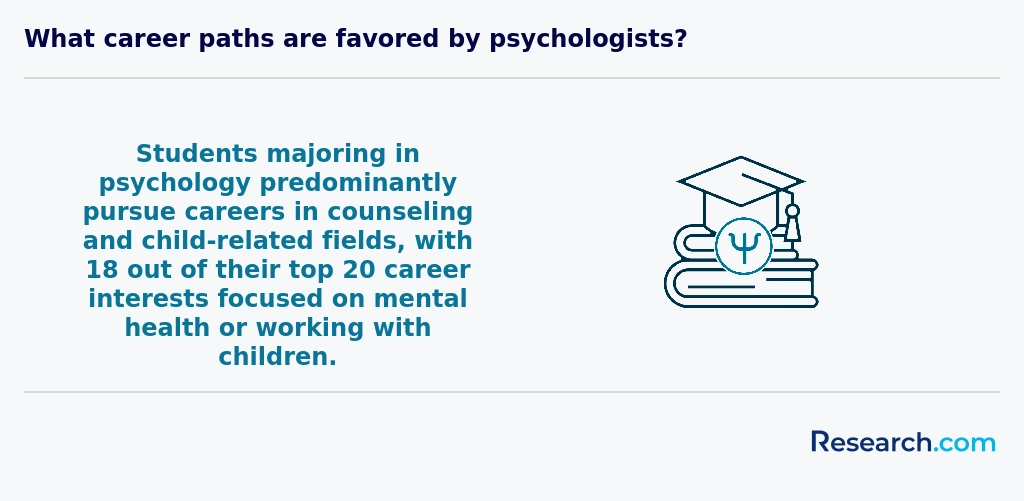
Psychology graduates in Rhode Island encounter varied career paths shaped by the state's healthcare, education, and social service frameworks. For those interested in clinical roles, hospitals like Rhode Island Hospital offer fulfilling opportunities to provide therapy and assessments, supported by a competitive local demand. However, not all graduates find clinical psychology the sole avenue; counseling and social work present alternative pathways, particularly within government agencies and nonprofits addressing community challenges. This diversity in jobs illustrates the broad scope of psychology career opportunities in Rhode Island, extending beyond traditional roles.
Graduates from institutions such as Brown University and the University of Rhode Island often share experiences of meaningful work in educational psychology, helping develop student-centered learning strategies in public schools. Others embrace industrial-organizational psychology, influencing workplace dynamics in Rhode Island's expanding business sector. These examples underscore how local networks and specialized roles foster positive emotions like fulfillment and purpose among graduates navigating Rhode Island psychology degree job prospects.
Financial considerations remain significant, with degree costs prompting some to explore options like the Inexpensive Online Master's in Psychology Degree Programs Ranking in Virginia Beach, VA. This practical approach can balance investment with access to Rhode Island's vibrant job market, aiding graduates in crafting rewarding careers aligned with their values and strengths.
The psychology degree job opportunities Rhode Island offers are shaped by the state's focus on healthcare and education sectors, which creates a mix of roles in hospitals, mental health clinics, and school settings. Many graduates from local universities share that obtaining a master's or doctoral degree, along with state licensure, significantly improves their chances to work in clinical positions or private practices. Some alumni have found entry-level jobs assisting in case management or research projects at colleges, appreciating how the manageable size of Rhode Island's market allows for meaningful professional connections.
While the Rhode Island psychology career outlook 2027 aligns with national growth expectations of around 6%, salaries tend to be slightly higher than the national average, with median earnings near $89,000. Students often weigh tuition costs against these prospects, noting that in-state public schools offer reasonable education expenses, though graduate studies remain necessary for many specialized career paths. Students interested in short-term credentialing also explore 6 month certificate courses that lead to high paying careers as alternative routes to employment.
2027 Best Psychology Degree Programs Ranking in Rhode Island
Investing in your education is a significant decision that can shape your future, and the Research.com team understands the importance of making informed choices. To assist prospective students in Rhode Island, we have meticulously crafted the "2027 Best Psychology Degree Programs Ranking in Rhode Island." Our commitment to quality, credibility, and accuracy is reflected in the extensive research and analysis conducted to compile this ranking.
We utilized the following reputable data sources to ensure a comprehensive evaluation of psychology programs:
By exploring this ranking, readers will gain valuable insights into the best psychology degree programs available in Rhode Island, helping them make informed decisions about their educational paths. For more details on our methodology, please visit our Research.com methodology page.


Frequently Asked Questions About psychology
Psychology degree students in Rhode Island can maximize their learning by engaging deeply with both academic coursework and practical experiences. Participating in internships or research projects at local institutions such as Brown University or the University of Rhode Island helps apply theoretical knowledge.
Additionally, joining psychology clubs or professional organizations like the Rhode Island Psychological Association connects students with mentors and networking opportunities, boosting career prospects.
Students should also take advantage of state-licensed clinical settings nearby to observe real-world psychological practices, enhancing understanding of diverse populations.
Utilizing resources like the Rhode Island Department of Health's data on mental health trends can provide context for academic studies and future research directions.
The field of psychology is evolving rapidly, with several emerging niches gaining prominence. In Rhode Island, students pursuing psychology degrees increasingly explore areas such as neuropsychology, health psychology, and forensic psychology. These specialties address growing local needs, especially given Rhode Island's aging population and rising healthcare demands, according to data from the Rhode Island Department of Labor and Training.
Additionally, industrial-organizational psychology is expanding as more businesses seek experts to improve workplace dynamics. Technology-driven areas, like cyberpsychology, are also attracting attention, reflecting broader national trends documented by the American Psychological Association (APA). Focusing on these niches can offer students valuable career opportunities in Rhode Island and beyond.
After earning a psychology degree in Rhode Island, preparing for the job market involves gaining practical experience and networking. Internships or research assistant roles during your studies can strengthen your resume. Rhode Island's healthcare and social service sectors often seek graduates familiar with evidence-based practices.
Licensing is vital for clinical or counseling psychology careers, which generally requires further graduate education and passing exams regulated by the Rhode Island Department of Health. According to the U.S. Bureau of Labor Statistics, employment of psychologists in Rhode Island is expected to grow 4% through 2031, highlighting steady demand.
Joining professional organizations like the Rhode Island Psychological Association can offer local job leads, mentorship, and professional development opportunities. Additionally, developing skills in data analysis and communication enhances employability in research and community settings.
Employers in Rhode Island highly value psychology graduates who demonstrate strong critical thinking and analytical skills. According to the U.S. Bureau of Labor Statistics, these skills help professionals effectively assess client needs and develop interventions. Communication abilities, both verbal and written, are also crucial, enabling graduates to clearly present findings and collaborate within multidisciplinary teams.
Additionally, familiarity with research methods and statistical analysis is important, as many roles involve data interpretation. Employers prefer candidates with experience using software like SPSS or R. Ethical judgment and cultural competence are essential, reflecting Rhode Island's diverse population.
Lastly, practical experience through internships or volunteer work in local mental health organizations greatly enhances employability.
Finding psychology internships in Rhode Island involves leveraging local resources and university connections. Many psychology programs require or encourage internships, which provide practical experience. Start by contacting career services departments at Rhode Island institutions such as the University of Rhode Island or Rhode Island College, where partnerships with local mental health clinics, hospitals, and social service agencies are common.
Students can also explore opportunities through the Rhode Island Psychological Association (RIPsyA), which occasionally shares internship openings relevant to psychology majors. Additionally, the state's Department of Behavioral Healthcare, Developmental Disabilities, and Hospitals offers internship programs for those interested in clinical psychology.
National databases like the American Psychological Association's internship listing can be filtered by Rhode Island locations to find accredited placements. Early application and networking within local organizations can significantly increase chances of securing internships.
In Rhode Island, earning a psychology degree can significantly enhance career mobility and advancement opportunities. According to the U.S. Bureau of Labor Statistics, the state is projected to see a steady 5% growth in employment for psychologists and related professions through 2030. This growth indicates rising demand for qualified professionals in various sectors including healthcare, education, and social services.
A psychology degree equips graduates with critical skills like research analysis, communication, and understanding human behavior. These competencies are highly valued across many industries, facilitating transitions into roles beyond traditional psychology careers.
Advanced degrees, such as a master's or doctorate, increase eligibility for higher-paying jobs and leadership positions. Licensed clinical psychologists in Rhode Island earn a median annual wage of around $89,000, according to the Rhode Island Department of Labor and Training-a notable increase compared to those with only a bachelor's degree.
Local employers often prioritize candidates with accredited psychology programs, underscoring the importance of selecting recognized institutions within Rhode Island's higher education system.
Studying for a psychology degree in Rhode Island offers strong preparation for interdisciplinary roles through diverse coursework and regional collaborations. Many programs emphasize applied learning, blending psychology with health sciences, education, and social work. This approach aligns with Rhode Island's growing healthcare sector, where behavioral health increasingly integrates with medical treatment.
Students often engage in research or internships at institutions like Brown University or the Rhode Island Department of Health, gaining experience in settings that combine psychology with public health and policy. According to the Rhode Island Office of Postsecondary Commissioner, over 40% of psychology graduates pursue careers involving cross-disciplinary teamwork, reflecting state employment trends.
These programs build skills in communication, data analysis, and ethical decision-making, essential for roles spanning counseling, human resources, and community advocacy.
When choosing between a thesis and a non-thesis psychology degree in Rhode Island, consider your academic and career goals. A thesis option typically involves conducting original research and writing a detailed paper, which can be beneficial for students aiming to pursue doctoral studies or research-intensive careers.
The non-thesis route usually focuses on coursework and practical experience, making it suitable for those planning to enter the workforce directly after graduation, such as in counseling or human services. At institutions like the University of Rhode Island, roughly 40% of psychology graduates opt for the thesis path, reflecting its appeal to research-oriented students (source: URI Institutional Research, 2023).
Also evaluate time commitment; thesis programs often take longer due to research requirements. Finally, consider available faculty expertise and resources, as well as licensing requirements in Rhode Island for your intended career.
Students based in Rhode Island interested in studying psychology abroad have several options, though the choices depend largely on partnerships between local universities and international institutions. While Rhode Island's own psychology programs, such as those at the University of Rhode Island, focus on in-state education, many students pursue study abroad through exchange programs affiliated with US universities.
Popular destinations include Canada, the United Kingdom, and European countries with strong psychology research traditions. These programs often allow credit transfer, enabling students to apply coursework toward their Rhode Island degrees. According to the Institute of International Education, about 10% of US psychology undergraduates participate in some form of study abroad, emphasizing experiential learning.
Additionally, some Rhode Island colleges facilitate summer or semester abroad options that include psychological research opportunities and clinical observation. This can broaden practical knowledge beyond the typical US curriculum.
Students pursuing psychology degrees in Rhode Island can enhance their education through various part-time jobs that offer practical experience. Positions such as research assistants at local universities like the University of Rhode Island or Rhode Island College allow students to engage directly with psychological studies and data analysis. Additionally, working as a behavioral health technician in community clinics helps develop skills in patient interaction and treatment support.
The Rhode Island Department of Labor notes that psychology-related roles in social services and mental health support are growing steadily, providing opportunities for students to gain relevant work experience. Campus counseling centers also frequently hire part-time aides, giving insights into clinical settings.
Psychology students in Rhode Island have various networking opportunities through local universities, professional organizations, and events. Institutions like Brown University and Rhode Island College host psychology clubs and guest lectures that connect students with faculty and professionals. Joining the Rhode Island Psychological Association (RIPA) provides access to conferences and workshops tailored to students.
Additionally, Rhode Island's proximity to major cities like Boston expands internship and networking possibilities. According to RIPA, students who participate in these activities report enhanced job prospects and professional growth. Local hospitals and counseling centers also often offer internships, fostering direct connections with practicing psychologists in the state.
Alumni networks play a significant role for psychology degree students in Rhode Island by providing valuable professional connections. Graduates from institutions like Rhode Island College and Brown University often share job openings and internship opportunities within these networks. According to the Rhode Island Department of Labor and Training, networking is cited as a top method for securing psychology-related jobs in the state.
These networks also offer mentorship, guiding current students through academic and career challenges. Research published by the American Psychological Association highlights that such connections can increase employability and career advancement. Participation in alumni events enhances access to local psychology professionals, fostering collaboration and community engagement.
In Rhode Island, students pursuing psychology degrees can tailor their programs to meet specific career goals by selecting from various specializations offered at local colleges. Many institutions provide concentrations such as clinical psychology, developmental psychology, or counseling. Students can also choose electives aligned with their interests, including neuropsychology or forensic psychology.
Internships and practicum opportunities through partnerships with Rhode Island hospitals, schools, and community agencies offer practical experience tailored to career paths. Additionally, some programs allow flexible scheduling and online courses, which benefit working professionals.
According to the Rhode Island Board of Licensed Psychological Services, psychology professionals in the state must complete supervised clinical hours, so choosing programs with strong practicum components is essential.
Psychology students in Rhode Island often face several common challenges during their studies. One notable issue is securing relevant internships and practicum placements, as the state's smaller size limits the number of local opportunities compared to larger states. According to the Rhode Island Psychological Association, this can delay hands-on training essential for licensure.
Financial pressures are another concern, with the average undergraduate debt for Rhode Island students reaching over $30,000, as reported by the Institute for College Access & Success. Balancing work, study, and internships can be demanding.
Additionally, students frequently navigate competitive admission processes and rigorous coursework, which require strong time-management skills.
With a psychology degree in Rhode Island, graduates can pursue several professional certifications to advance their careers. Common certifications include Licensed Mental Health Counselor (LMHC) and Licensed Psychological Associate (LPA), both regulated by the Rhode Island Department of Health. These credentials allow professionals to provide therapy or psychological testing under supervision.
Additionally, becoming a Licensed Clinical Psychologist requires a doctoral degree and passing the Examination for Professional Practice in Psychology (EPPP). Rhode Island also supports certifications like Certified School Psychologist, overseen by the Rhode Island Department of Education, for those interested in education settings.
These certifications enhance job prospects and ensure compliance with state regulations. Information from the Rhode Island Department of Health and the Bureau of Labor Statistics confirms a growing demand for credentialed psychologists in the state.
To write a winning application for a psychology program in Rhode Island, start by researching each school's specific requirements. Many programs, such as those at the University of Rhode Island, value strong academic records in psychology and related sciences. Highlight your GPA and relevant coursework clearly.
Next, craft a compelling personal statement. Focus on your passion for psychology, career goals, and any research or volunteer experience. According to the Rhode Island Psychological Association, demonstrating familiarity with local mental health issues can make your application stand out.
Additionally, secure strong letters of recommendation from professors or professionals familiar with your academic or work performance. Finally, prepare thoroughly for any required standardized tests like the GRE, if applicable. Meeting deadlines and submitting complete applications are vital steps in this competitive process.
Psychology careers in Rhode Island reflect broader global trends emphasizing the importance of mental health and behavioral sciences. According to the U.S. Bureau of Labor Statistics, the demand for psychologists is expected to grow by 8% nationally through 2031. This growth mirrors increasing awareness and acceptance of psychological services worldwide. In Rhode Island, institutions like the University of Rhode Island contribute to training professionals who can work locally or internationally.
Globally, psychology professionals often engage in diverse fields such as clinical practice, research, and organizational behavior. The versatility of a psychology degree supports career mobility, allowing graduates to address mental health challenges across cultures.
Licensing requirements and educational standards may vary by country, but a solid degree from a U.S. accredited institution, including those in Rhode Island, is widely respected.
Gaining practical experience while studying psychology in Rhode Island is essential for career readiness. Many universities offer internship programs in collaboration with local hospitals, mental health clinics, and community organizations. For example, Rhode Island College partners with Providence-area agencies, allowing students to apply classroom knowledge in real-world settings.
Additionally, students can participate in research projects under faculty supervision, which enhances critical thinking and data analysis skills. The Rhode Island Psychological Association provides networking opportunities and resources to connect students with professionals.
Volunteering at facilities such as Bradley Hospital or mental health nonprofits also helps build valuable hands-on experience during studies.
Choosing the right concentration within a psychology degree program in Rhode Island involves assessing your career goals and interests. Popular concentrations include clinical, counseling, developmental, and industrial-organizational psychology. Each area offers distinct career paths, so consider which best aligns with your professional aspirations.
Rhode Island's labor market trends, reported by the Rhode Island Department of Labor and Training, highlight growing demand in mental health services, especially for clinical and counseling psychologists. This data can inform your decision based on job availability.
Additionally, review program curricula from institutions like the University of Rhode Island, noting opportunities for internships or research that fit your interests. Thorough research ensures your concentration matches both your passion and regional employment prospects.
- 2027 Best Psychology Degree Programs Ranking in Connecticut
- 2027 Best Psychology Degree Programs Ranking in Delaware
- 2027 Best Psychology Degree Programs Ranking in Maine
- 2027 Best Psychology Degree Programs Ranking in Maryland
- 2027 Best Psychology Degree Programs Ranking in Georgia
- 2027 Best Psychology Degree Programs Ranking in Illinois
- 2027 Best Psychology Degree Programs Ranking in Florida
- 2027 Best Psychology Degree Programs Ranking in Alabama
- 2027 Best Psychology Degree Programs Ranking in Iowa
- 2027 Best Psychology Degree Programs Ranking in Louisiana
See What Experts Have To Say About Studying Psychology
Read our interview with Psychology experts

Joann Farrell Quinn, Ph.D., MBA
Psychology Expert
Director at the College of Medicine Department of Medical Education
Morsani College of Medicine

Catherine Caldwell-Harris, Ph.D.
Psychology Expert
Associate Professor of Psychology
Boston University

Robin M. Kowalski. Ph.D.
Psychology Expert
Professor of Psychology
Clemson University

- Psychology Placement Opportunities for Year 12 Students https://studymind.co.uk/ucas-guide/year-12-guide-to-gaining-psychology-work-experience/
- Professional Networking For Psychologists | Psychology.org https://www.psychology.org/resources/professional-networking/
- Society for the Teaching of Psychology https://teachpsych.org/page-1784686/8675326
- Psychology Degree Requirements | University of Bridgeport https://www.bridgeport.edu/news/psychology-education-requirements/
- Sample letters in psychology https://www.mystudies.com/en-in/human-and-social-sciences/psychology/letter-model/
- 5 Best Places to Study Abroad for Psychology https://www.ciee.org/go-abroad/college-study-abroad/blog/5-best-places-study-abroad-psychology
- 2025 Rankings of the Best Psychology Degree Programs in Rhode Island https://psychologyonlinedegrees.org/programs/rhode-island/
- Alumni Network - https://efpsa.org/alumni-network/
- Study Psychology Abroad https://astarfuture.co.uk/study_psychology_abroad.html
- Study Psychology Abroad | Go Overseas https://www.gooverseas.com/study-abroad/psychology


