2027 Fastest Online Master's in Psychology Degree Programs Ranking in the South

Co-Founder and Chief Data Scientist
Are you considering advancing your career with a psychology degree but need flexibility and speed? This article introduces the 2027 Fastest Online Master's in Psychology Degree Programs Ranking in the South, crafted by Research.com's skilled data scientists. It's designed to help you make a well-informed decision about which programs align best with your goals.
Exploring this ranking can guide you toward quality programs that fit your lifestyle.
Investing in a psychology degree opens doors to meaningful work and personal growth.
Take this step confidently with insights tailored for you in the South.
Key benefits of getting online psychology degree in the South
- Salary benefits: Graduates with a psychology degree can expect competitive salaries, such as School Psychologists earning a mean annual wage of $91,990 and Industrial-Organizational Psychologists reaching $154,380, offering strong financial incentives in the South.
- Career paths: A psychology graduate from a popular Southern university often pursues diverse roles like Mental Health Counselor or Marriage/Family Therapist, reflecting a broad range of rewarding opportunities in mental health and organizational settings.
- Online degree advantages: Earning a psychology degree online from a reputable Southern institution allows flexibility for working adults, enabling balance between study and life, often leading to successful career advancement without disrupting daily routines.
- 2027 Fastest Online Master's in Psychology Degree Programs Ranking in the South
- What can I expect from online psychology degree in the South?
- Where can I work with online psychology degree in the South?
What can I expect from online psychology degree in the South?
The average cost of an online psychology degree in the South generally falls between $7,000 and $15,000 per year, a range that many graduates from well-known Southern universities find manageable alongside work and family commitments. For instance, students at popular institutions often express relief at discovering tuition rates considerably lower than national averages, reinforcing their hope that quality education can still be affordable without sacrificing flexibility.
Graduates frequently share how balancing asynchronous coursework with their daily routines makes the investment feel worthwhile. One recounts managing a part-time job while completing research methods and developmental psychology classes on their own schedule, highlighting the financial and time savings this model allows.
Choosing a program within the South means benefiting from tailored curricula that emphasize both foundational knowledge and applied skills in fields like clinical or counseling psychology, all while maintaining costs that reflect regional economic realities. This balance challenges the idea that top-tier psychology education must come with prohibitive expenses, presenting a compelling case for prospective students seeking value without compromise.
Where can I work with online psychology degree in the South?
Graduates with an online psychology degree in the South find their skills welcomed across diverse settings where real impact happens daily. Consider alumni from well-regarded institutions like the University of Florida or Texas A&M, who share stories of working in bustling hospitals and mental health clinics, helping patients navigate crises with empathy and expertise. These roles in Texas, Florida, and Georgia reflect the vibrant demand for psychology professionals supporting community well-being.
Others report thriving in educational environments-public schools in North Carolina or universities in Virginia-where they craft wellness programs and provide critical support for students facing mental health challenges. This practical impact often surprises those expecting purely clinical paths, showing how versatile psychology careers are in the South.
Some graduates venture into corporate hubs like Atlanta or Charlotte, transforming workplaces through industrial-organizational psychology, boosting employee morale and productivity. Meanwhile, a few embrace research or policy positions within state agencies, shaping programs that touch millions.
These varied journeys highlight the necessity of licensure but also the breadth of fulfilling careers an online psychology degree can unlock across the Southern states.
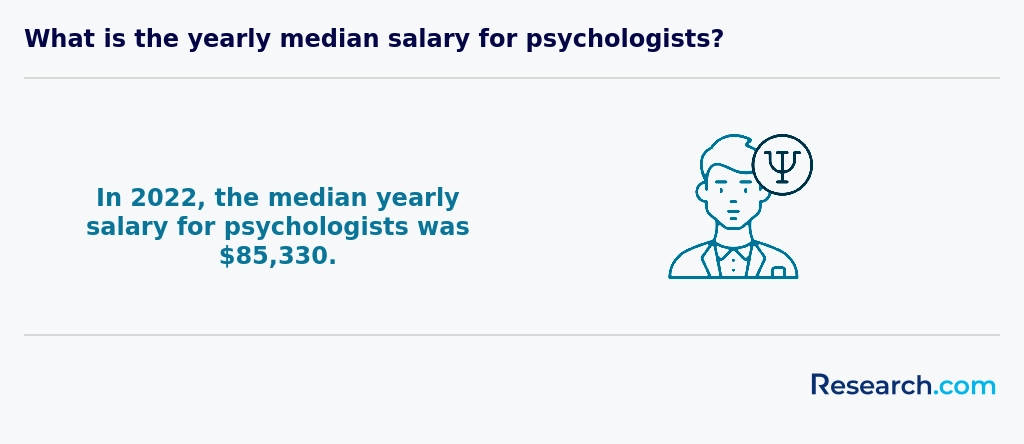
Graduates from online psychology programs at popular Southern institutions often find that salary expectations are varied but promising. For example, those stepping into roles as school psychologists can anticipate a mean annual wage of about $91,990, aligning well with urban areas like Atlanta or Miami where demand is high. This figure reflects how earning potential grows with advanced degrees and certifications obtained through diligent online study.
Others pursuing careers as mental health counselors typically see mean wages around $60,080 annually, a realistic starting point for many Southern graduates eager to support community wellbeing. One graduate from a well-known Southern college shared how their experiences in both rural and metropolitan settings demonstrated the subtle influences on salary-urban positions often offering a slight premium.
Interestingly, specialization can dramatically increase earnings. Industrial-organizational psychologists, for instance, command much higher salaries-averaging $154,380 yearly-highlighting how applied psychology in corporate environments in the South can redefine one's career trajectory and financial outlook.
Graduates embracing these paths report satisfaction not only in competitive pay but also in the meaningful impact of their work within Southern communities, making earnings a rewarding part of their professional journey.
- Tuition for online master's psychology programs in the South ranges from $7,000 to $15,000, varying by school and residency.
- Job growth in psychology fields like clinical and school psychology is expected to rise about 15% over the next decade, above the national average.
- Starting salaries for psychology master's graduates typically range from $45,000 to $55,000 per year, with mid-career earners making between $65,000 and $85,000.
- Look for programs accredited by bodies such as the APA or NASP to ensure licensure and employment eligibility.
- Southern states require accredited degrees, supervised clinical experience, and exam passage for psychology licensure, with specific rules varying by state.
- Many programs offer flexible schedules with asynchronous classes and part-time options, helping students balance education with work or family.
Completing an online psychology degree in the South typically takes about four years for full-time bachelor's students, yet this timeline is anything but fixed. Graduates from well-known Southern institutions often recall balancing coursework with jobs and family, stretching their studies to five or six years without losing momentum or enthusiasm. This flexibility, found at colleges in states like Texas or Georgia, reflects the region's understanding of adult learners' realities.
For those pursuing a master's online in psychology, many finish within two years, especially at schools accredited by the Southern Association of Colleges and Schools Commission on Colleges. Some accelerate their journey, inspired by intensive programs pushing through in 18 months. Imagine a graduate juggling demanding practicum hours while feeling the pride of progressing steadily toward licensure-this deep engagement often brings excitement despite the extended commitment.
Ultimately, the South's diverse online psychology landscape empowers students to craft their own pace, influenced by part-time options, credit transfers, and financial planning-revealing that time to completion is as personal as the goals driving them.
Understanding state-specific licensure requirements is essential for online psychology graduates aiming to practice professionally. In the Southern United States, most state psychology boards require a master’s degree from an APA-accredited program, completion of supervised clinical hours (often 1,500–2,000 hours), and successful passage of the Examination for Professional Practice in Psychology (EPPP). Graduates should verify their target state’s board guidelines early, as some states impose additional jurisprudence exams or continuing education mandates. To maximize licensure success:
- Verify APA accreditation status of your online program; this ensures eligibility for licensure and internships.
- Plan for supervised experience by identifying approved sites or preceptors that comply with your state board.
- Prepare for the EPPP through specialized review courses and practice exams, which can boost confidence and pass rates.
- Maintain meticulous documentation of clinical hours and supervision logs to streamline your licensure application. For those considering cost-effective paths, compare program costs and licensure outcomes by exploring the Cheapest Psychology Degree Programs Ranking in Michigan, which highlights affordable options with strong accreditation and licensure support. After initial licensure, many states require annual or biennial continuing education units (CEUs) to maintain certification. Look for programs that offer alumni discounts on CE workshops or partner with professional associations. By aligning your online master’s degree selection with licensure prerequisites and ongoing certification needs, you’ll ensure a smooth transition from student to practicing psychologist in the South.
Choosing between online and on-campus psychology degrees in the South means rethinking what education really looks like. Graduates from the University of Florida often talk about the unexpected freedom online classes gave them-studying late at night after work, or balancing family life in rural Alabama without commuting miles each day. Meanwhile, those who attended on-campus programs at institutions like the University of Georgia emphasize the energy of face-to-face debates and instant feedback from professors, experiences that videoconferencing can't fully replicate.
Cost plays a tangible role too. Online students at Southern public universities sometimes benefit from in-state tuition regardless of their location, while their on-campus peers enjoy lower rates tied to residency, often between $7,000 and $10,000 annually. Private colleges present a sharper contrast with higher fees around $15,000 to $25,000, no matter the format.
Practical training also diverges: online learners often navigate occasional in-person residencies, reminding them of the tangible human element behind psychological theories. This blend of flexibility and real-world engagement uniquely shapes how Southern students experience their degree journey.
Graduates of online psychology programs in the South must navigate a multi-step licensure process to practice professionally, ensuring their degree and training meet state board requirements. First, students should verify that their chosen program holds regional accreditation (such as SACSCOC) and, for clinical psychology, programmatic accreditation by the American Psychological Association (APA) or the Council for Accreditation of Counseling and Related Educational Programs (CACREP) for counseling tracks. Completing an accredited curriculum is essential to qualify for licensure exams and supervised practice hours. Most Southern states require candidates to pass the Examination for Professional Practice in Psychology (EPPP) and accumulate a specified number of supervised post-graduate hours (typically 1,500–3,000 hours). For example: • In Georgia, candidates complete 2,000 supervised hours under a licensed psychologist and submit verification to the Georgia Board of Examiners of Psychologists. • In Texas, applicants register for the EPPP through the Texas State Board of Examiners of Psychologists and fulfill 3,000 supervised hours within three years. • Florida mandates 1,500 supervised hours plus an additional jurisprudence exam on state law and ethics administered by the Florida Board of Psychology. Beyond clinical licensure, many graduates pursue specialized certifications to expand career opportunities. For instance, those interested in behavior analysis can earn the Board Certified Behavior Analyst (BCBA) credential by completing approved coursework and supervised fieldwork. Prospective BCBAs often explore online aba programs to meet course requirements efficiently. Additionally, school psychologists must obtain certification from state education departments, which may include passing the Praxis School Psychologist exam and completing a supervised internship. Maintaining licensure also involves ongoing continuing education (CE). Most Southern boards mandate 20–40 CE credits every licensure cycle, covering ethics, multicultural competency, and evidence-based practices. By understanding and proactively fulfilling these licensing and certification requirements, online psychology graduates can confidently transition from academic preparation to professional practice across the South.
The average cost of an online psychology degree in the South offers an intriguing blend of accessibility and investment. For many students, particularly those attending public universities, the median in-state total cost hovers around $7,272, making it a surprisingly affordable option compared to many perceptions. Graduates from well-regarded Southern institutions often share that this affordability, combined with the flexibility of online learning, provides a real sense of empowerment and hope for advancing their careers without overwhelming debt.
However, costs increase significantly for out-of-state students, with a median total around $22,392, reflecting the premium placed on residency status. This disparity challenges potential students to carefully consider their options, encouraging deeper reflection on where and how they pursue their psychology education. These decisions are not just financial but influence lifestyle and opportunities during the degree.
Online programs in the South provide a compelling alternative to pricier private universities, which can exceed $20,000 for the entire degree. Many students looking for affordable online master's in psychology programs southern US find that these public options balance cost and quality, especially when factoring in scholarships and financial aid. Accounts from recent graduates often highlight the relief of manageable tuition paired with strong program support, leading to fulfilling personal and professional growth.
Students aiming to maximize value might explore details about each program's tuition and additional fees, such as technology costs or course materials. For those seeking to make an informed, financially sound choice, it's beneficial to review various schools and consider the affordable psychology masters programs available within the region.
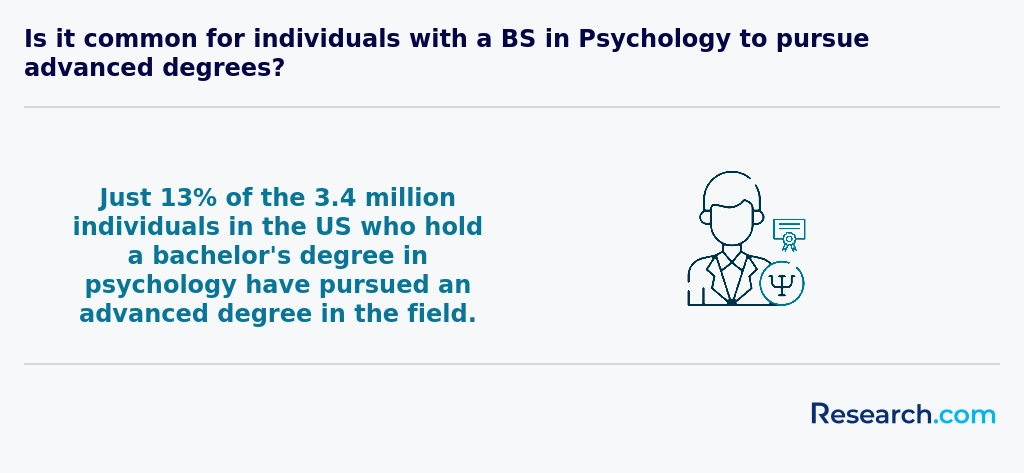
Graduates of online psychology degree programs in the South can expect a variety of career development and advancement opportunities. Many start in entry-level positions, such as mental health technicians or case managers, where they can apply their knowledge and skills to support individuals and communities. With experience, they can move into more senior roles, such as licensed therapists or counselors, where they can work independently or in private practice. Some may choose to pursue advanced degrees, such as a Master's or Doctoral degree in psychology, which can lead to even greater career opportunities, including positions in academia, research, or senior leadership. The field of psychology is constantly evolving, and graduates who stay current with the latest research and trends can position themselves for long-term success and advancement. Networking and building relationships with professionals in the field can also be beneficial for career advancement, as can participation in professional organizations and attendance at industry conferences. Ultimately, the career development and advancement opportunities available to graduates of online psychology degree programs in the South are diverse and plentiful, and can lead to a rewarding and challenging career in this exciting field.
Many Southern online psychology students find that federal financial aid is the cornerstone of funding their education. Graduates from programs at universities in Florida or Texas often share how completing the FAFSA unlocked access to Pell Grants and Direct Loans, easing the weight of tuition costs that range widely-from under $10,000 to over $20,000. This federal support feels like a reliable foundation amid the uncertainty of balancing work and study.
Beyond federal aid, institutional scholarships from schools like those in Georgia offer targeted assistance. These scholarships frequently reward commitment to mental health careers, turning academic dedication into real financial relief. Graduates recall how such awards made advanced study feel both attainable and valued.
Assistantships provide another practical lifeline. Even online learners, including those at Texas universities, report finding remote teaching assistant roles that come with tuition waivers and stipends, creating a tangible connection to campus life despite virtual distance.
State grants and employer tuition reimbursements add further layers of support, encouraging students to envision a future where financial constraints bow to passion and perseverance.
Choosing an online psychology program in the South is about more than convenience and cost-it’s essential to ensure your degree meets both regional accreditation standards and state licensure requirements. Prospective students should verify that their institution holds regional accreditation (e.g., SACSCOC) and, for master’s and doctoral tracks, programmatic accreditation from the American Psychological Association (APA) or the National Association of School Psychologists (NASP). These endorsements confirm that coursework aligns with rigorous academic benchmarks and that your credits will transfer seamlessly should you decide to pursue advanced certification or licensure. State licensure boards vary in their supervised experience mandates, exam prerequisites, and coursework coverage. For example, Louisiana may require 3,000 supervised hours and successful passage of the Examination for Professional Practice in Psychology (EPPP), while Tennessee might stipulate additional ethics or child assessment coursework. Before enrolling, review your target state’s Board of Psychology guidelines to confirm that practicum placements and internship formats satisfy local regulations. Students planning to practice across state lines should also explore interstate compacts and reciprocity agreements. The Psychology Interjurisdictional Compact (PSYPACT), for instance, allows eligible psychologists licensed in one member state to offer telepsychology and temporary in-person services in other PSYPACT states-an increasingly valuable option for Southern graduates serving rural or underserved communities. Finally, while regional offerings dominate the South, comparing accreditation and cost data with programs in other regions can reveal valuable insights. For additional benchmarking, explore the Cheapest Psychology Degree Programs Ranking in Michigan to understand how program quality, licensure alignment, and tuition investments align across different accrediting bodies.
To enroll in an online psychology degree program in the South, the baseline is often the achievement of a high school diploma for undergraduate studies or a completed bachelor's degree for graduate programs, much like the requirements at popular Southern institutions such as the University of Florida or Texas A&M. Graduates from these programs frequently reflect on how meeting the minimum GPA-usually between 2.5 and 3.0-was more than just a number; it was proof of their readiness to engage deeply with complex psychological theories and practices.
Many students recall the challenge but ultimate satisfaction of navigating prerequisites like research methods or statistics courses, which serve as critical stepping stones, especially in competitive programs at schools like the University of North Carolina. The option around GRE test scores has added flexibility, yet some Southern programs still emphasize these to assess analytical skills and readiness effectively.
Beyond academics, students often highlight the value of crafting personal statements and securing recommendation letters-moments that pushed them to articulate their passion and experiences vividly, enabling admissions committees to see their genuine commitment to psychology's practical impact. Additionally, technological readiness and sometimes background checks ensure that students are not only academically but operationally prepared to thrive in online learning environments throughout the South.

Succeeding in an online master's in psychology program requires a proactive approach and disciplined study habits. Establishing a dedicated, distraction-free workspace and maintaining a clear schedule can help you stay organized throughout the course. Regular communication with faculty and peers not only enriches your learning experience but also provides valuable networking opportunities. Take advantage of virtual office hours, discussion forums, and online tutoring services to address any challenges promptly. Additionally, balancing coursework with real-world application-for example, through internships or practicums-can enhance both your resume and practical skills. To manage tuition costs while investing in your future, consider exploring affordable psychology masters programs that offer flexible payment options and robust support services. Adopting these strategies will empower you to make the most of your online education and pave the way for long-term success in the field of psychology.
Online psychology degrees in the South often start by immersing students in foundational courses like cognitive processes and emotional development, which many graduates from popular Southern schools describe as eye-opening. Imagine understanding why a friend reacts differently under stress-this initial knowledge becomes a daily lens through which students view human behavior.
Typical coursework includes research methods and statistics, a challenge that pushes students to not only consume but critically analyze data. Graduates often recall feeling empowered when designing their first study, knowing they're contributing to meaningful psychological insights.
Developmental psychology courses take students on a journey from childhood to adulthood, making abstract growth stages vividly real, especially for those who balance parenting while studying. Social psychology deepens this by connecting personal experiences to broader societal influences, a topic that resonates deeply in diverse Southern communities.
Abnormal psychology lets students confront mental health stigmas, empowering them to envision compassionate careers. At many Southern universities, ethics and practicum opportunities encourage students to apply theory in real-world settings, which many find both challenging and rewarding.
Online psychology degree specializations in the South challenge students to think beyond textbook definitions, immersing them in real-world roles like clinical psychology, where graduates from institutions such as the University of Florida share how hands-on training in therapy techniques prepared them for impactful careers. Others find their calling in industrial-organizational psychology, a path embraced by students at Texas A&M, who describe using leadership strategies to improve workplace culture in thriving Southern businesses.
Southern region psychology master's program concentrations also include developmental psychology, a favorite among students who connect their studies to personal experiences with child welfare and education systems in Georgia. Health psychology has become increasingly vital, with graduates recounting the satisfaction of promoting mental and physical well-being in healthcare settings across the South.
In a uniquely practical vein, forensic psychology attracts students fascinated by the intersection of mind and law. Many who pursue these paths in Southern colleges appreciate how specialized curricula adapt to regional workforce needs, sometimes combining with online aba programs to expand career prospects.
Choosing the best online psychology degree in the South isn't just about picking the school with the lowest tuition or highest rankings. Graduates from well-known Southern universities often emphasize how crucial it was to investigate accreditation-especially regional ones like SACSCOC-before enrolling. This ensures your degree holds real value in the job market and licensure process. Many found that curriculum variety and specialization choices shaped their satisfaction; for example, some appreciated programs focusing on clinical psychology, while others preferred industrial-organizational tracks tailored to Southern job markets.
When balancing work and life, looking for affordable online psychology master's programs southern states offer means more than price itself-it's about financial aid, in-state tuition perks, and program flexibility. One graduate shared how the program's asynchronous format allowed them to juggle family commitments and study stress-free. To understand cost options better, check out the Cheapest Psychology Degree Programs Ranking in Michigan as a helpful reference point.
Graduates with an online psychology degree in the South find themselves stepping into a diverse spectrum of meaningful careers. Many transition into mental health job opportunities southern states, becoming licensed professional counselors or social workers, roles that deeply impact community well-being. For example, graduates from well-known universities in Texas often share stories of fulfilling work in counseling centers, addressing urgent regional mental health challenges with empathy and resilience.
Others use their psychology background to excel in educational settings, serving as school psychologists or academic advisors. These positions, popular among graduates from Florida colleges, combine psychological expertise with direct influence on student success, revealing how degrees can extend beyond clinical roles. The appeal is clear-these careers meet both personal passion and regional needs.
Interestingly, some graduates challenge traditional paths by embedding psychological principles into business environments, especially in HR and organizational behavior. Graduates from southern metropolitan areas often describe the rewarding challenge of improving workplace culture, illustrating how online psychology careers in the South adapt to evolving economic landscapes.
Exploring specific programs at southern institutions highlights how affordable and accredited online options pave the way for these dynamic career routes. Those curious about methodical choices can explore the best affordable accredited online colleges for psychology degrees, where guided learning meets practical career preparation.
The job market for graduates with an online psychology degree in the South offers a landscape filled with both promise and complexity. Psychology careers demand Southern US institutions are growing steadily, especially in states like Texas and Florida, where mental health services are expanding rapidly. Graduates from popular universities such as the University of Florida or Texas A&M often share experiences of finding roles in diverse settings, from community mental health clinics to corporate employee assistance programs, illustrating real opportunities beyond the traditional clinical path.
Many graduates describe the balance between affordable tuition and flexible schedules as a key factor encouraging continued education, with some considering questions like how long does it take to get an associate degree as part of their broader educational plans. This practical approach aligns closely with the improving job outlook for online psychology degree South graduates, who benefit from a solid infrastructure of licensure paths that reflect state-specific requirements.
2027 Fastest Online Master's in Psychology Degree Programs Ranking in the South
Investing in your education is a significant decision that can shape your future, and the Research.com team understands the importance of making informed choices. To assist prospective students in the South, we have meticulously developed the "2027 Fastest Online Master's in Psychology Degree Programs Ranking in the South." Our commitment to quality, credibility, and accuracy is evident through the extensive research and thorough analysis undertaken to compile this ranking.
We utilized the following reputable data sources to ensure a comprehensive evaluation of online psychology master's programs:
By exploring this ranking, readers will gain valuable insights into the fastest programs available, empowering them to select the best educational path that aligns with their career goals. For more details on our methodology, please visit our Research.com methodology page.
# 1 position
University of the Incarnate Word
Master of Administration, Industrial and Organizational Psychology


# 8 position
Bob Jones University
Master of Biblical Counseling


# 10 position
Cameron University
Master of Behavioral Science

# 11 position
Amridge University
Master of Professional Counseling






Frequently Asked Questions About psychology
Online psychology students in the South can maximize their learning by actively engaging with their coursework and professors. Research from the Southern Association of Colleges and Schools Commission on Colleges highlights the importance of participating in discussion boards and virtual office hours to deepen understanding. Utilizing local resources, such as community mental health clinics for internships, also enhances practical knowledge. Additionally, joining regional psychology organizations like the Southern Society for Philosophy and Psychology offers networking opportunities. According to the Bureau of Labor Statistics, the South anticipates a 10% growth in psychology jobs by 2031, making professional connections vital. Time management and setting a dedicated study schedule are equally essential for success.
The psychology field is rapidly expanding with several emerging niches gaining momentum, especially in the South. One notable area is telepsychology, which has surged due to increased demand for remote mental health services. This niche is supported by Southern universities integrating online practicum experiences into their psychology programs.
Another growing specialty is neuropsychology, focusing on brain-behavior relationships, appealing to students interested in clinical and research roles. Southern states have seen rising job openings in this field, aligning with national trends reported by the Bureau of Labor Statistics.
Additionally, health psychology is expanding, addressing chronic disease management and wellness, which is vital given the South's high rates of chronic illnesses. Online degrees are adapting to include this focus, meeting regional healthcare needs effectively.
After completing an online psychology degree in the South, preparing for the job market involves several strategic steps. First, gaining relevant experience through internships or practicum placements is crucial. Many Southern universities partner with local clinics and organizations to facilitate this.
Networking with professionals via local psychology associations, such as the Georgia Psychological Association, can open job opportunities. Additionally, obtaining state licensure is essential for clinical roles; requirements vary by state but typically include supervised hours and passing the Examination for Professional Practice in Psychology (EPPP).
Graduates should also consider certifications in specialized areas like forensic or school psychology to enhance employability. According to the U.S. Bureau of Labor Statistics, psychology employment in Southern states is growing faster than the national average, underscoring favorable job prospects.
Employers in the South often seek psychology graduates with strong analytical skills to interpret data and research findings effectively. Communication abilities are crucial, as professionals must convey complex concepts clearly to clients and colleagues. A 2023 survey by the Southern Psychological Association highlights that 68% of employers prioritize cultural competence, reflecting the region's diverse population. Additionally, problem-solving skills paired with ethical judgment are essential, especially for roles in clinical and counseling settings. Familiarity with technological tools used in remote psychological assessments is increasingly important due to the growth of telehealth services in the South.
Finding psychology internships in the South involves leveraging both university resources and local professional networks. Many Southern universities, including those offering online psychology degrees, maintain partnerships with hospitals, counseling centers, and research institutes to facilitate internships. According to the Southern Psychology Association, over 60% of accredited psychology programs in the region have established internship pipelines.
Students should contact their program's career services early, as these offices often have exclusive listings for regional internships. Additionally, state psychology boards may provide directories of approved supervised experiences required for licensure. Networking through local chapters of the American Psychological Association can also open doors to volunteer or internship opportunities.
Online students can expand options by searching for virtual internships offered by Southern institutions. Early preparation and active communication with faculty enhance placement success in competitive settings.
Obtaining an online psychology degree in the South significantly enhances career mobility and advancement opportunities. According to the U.S. Bureau of Labor Statistics, the demand for psychologists in Southern states like Texas and Florida is growing faster than the national average, creating more job openings. Online degrees allow professionals to gain credentials without geographic constraints, making it easier to enter fields such as clinical psychology, counseling, or organizational psychology.
Graduates with online psychology master's degrees often qualify for licensure and higher-level positions, expanding their earning potential. Data from the Southern Regional Education Board highlights that Southern universities awarding online psychology degrees maintain accreditation, which employers recognize regionally.
Flexibility of online programs also supports working adults seeking promotions, helping to balance continuing education with their careers.
Studying for a psychology degree in the South offers unique preparation for interdisciplinary roles by blending traditional psychological theories with applied knowledge from related fields such as social work, education, and healthcare. Many Southern universities emphasize collaboration across disciplines to address complex social and mental health challenges. According to the Southern Regional Education Board, institutions in this region incorporate community-focused projects and internships that enhance skills in teamwork and cross-sector communication. This approach aligns with workforce trends showing growing demand for professionals able to work in multidisciplinary teams, particularly in healthcare, counseling, and organizational settings throughout the Southern states.
Choosing between a thesis and a non-thesis online psychology degree in the South depends on your career goals and learning preferences. A thesis option involves conducting original research, which can be ideal if you plan to pursue doctoral studies or research roles. According to the Southern Regional Education Board, many Southern universities offer thesis tracks tailored for those interested in academic or clinical research careers.
Non-thesis programs usually emphasize coursework and practical skills, suitable for professionals aiming to enter counseling or applied psychology fields quickly. The Council of Graduate Schools notes that non-thesis paths often have a faster completion time, appealing to working students. Consider your time availability, interests, and future plans when deciding.
Students based in the South who wish to study psychology abroad while enrolled in US programs have limited direct options due to the regional nature of most online degrees. However, several universities in the South offer partnerships or study abroad opportunities integrated within their psychology master's curricula. For example, institutions in Florida and Georgia often provide exchange programs or remote collaborations with international universities.
According to the Southern Regional Education Board, over 70% of Southern universities have affiliations that support international study components, enabling students to gain global perspectives without leaving their online program.
These programs may include virtual internships, research projects, or short-term residencies abroad, all designed to complement online coursework and expand cultural understanding in psychology practice.
Importantly, students should verify accreditation and ensure foreign study credits transfer seamlessly to fulfill American Psychological Association standards.
Part-time job opportunities in the South that complement online psychology degree education are diverse and practical. Many students work as behavioral health technicians or mental health aides, roles that provide hands-on experience with clients under supervision. According to the U.S. Bureau of Labor Statistics, the Southern states show steady demand for these positions, growing by approximately 10% from 2022 to 2032.
Other common roles include research assistants in university psychology departments or nonprofits, offering exposure to data collection and analysis. Additionally, jobs such as crisis hotline counselors or peer support specialists build communication skills vital for psychology careers. These positions often offer flexible hours, fitting well with academic schedules.
Online psychology students in the South benefit from various networking opportunities despite physical distances. Many Southern universities, such as the University of Texas and the University of Florida, offer virtual networking events, webinars, and workshops tailored specifically for psychology students.
Regional psychology associations, like the Southern Psychological Association, frequently host conferences and online meetups that allow students to connect with professionals and peers. These events provide valuable opportunities to engage with experts involved in Southern-focused research and practice.
Additionally, Southern schools often support online students by facilitating access to local internships and practicum placements, which are crucial for gaining hands-on experience and expanding professional networks within the region.
Alumni networks play a crucial role for online psychology degree students in the South by providing valuable professional connections. These networks often offer mentoring opportunities, job leads, and insights into regional psychology job markets. For example, Southern universities typically have active alumni groups in states like Texas, Florida, and Georgia, which are known to have growing demand for psychology professionals according to the Bureau of Labor Statistics.
In addition, alumni connections can support career advancement through workshops and networking events tailored for psychology graduates. Engaging with a local alumni community helps students build relationships in a competitive job market, especially in counseling and clinical psychology fields prevalent in the South.
Finally, many programs encourage alumni participation in online forums and social media groups, which increase access to peer support and continuing education resources remotely.
Customizing an online psychology degree program in the South allows students to align their education with specific career goals. Many Southern universities offer specializations such as clinical, counseling, or industrial-organizational psychology. These tracks tailor coursework and practical experiences to fields with growing job markets.
Students can often choose electives, internships, or practicum placements in Southern communities, gaining regionally relevant skills. For example, programs accredited by the American Psychological Association (APA) ensure high standards useful for licensure in Southern states.
According to the Southern Regional Education Board, the demand for psychology professionals is expected to grow by 14% by 2030 in the South, highlighting the importance of relevant specialization.
Online psychology students in the South often face unique challenges related to geography and resources. Many rural areas in Southern states have limited broadband access, making stable internet connectivity a barrier for completing coursework and synchronous sessions. According to the Federal Communications Commission, nearly 20% of Southern households lack high-speed internet compared to the national average of 14%. This digital divide can impede effective learning and communication.
Additionally, some students find balancing work, family, and studies difficult, especially in states where part-time enrollment is common. The Southern Regional Education Board reports that nontraditional students represent a significant portion of the online learner population, increasing time-management pressures. Finally, the availability of local licensed supervisors for practicum and internship requirements in psychology programs can be limited, complicating degree completion.
With an online psychology degree from a Southern U.S. institution, graduates can pursue various professional certifications to advance their careers. Common options include becoming a Licensed Professional Counselor (LPC) or a Licensed Clinical Social Worker (LCSW), both requiring supervised experience and passing state exams. Many Southern states also offer certifications for Certified Alcohol and Drug Counselors (CADC), reflecting the region's focus on substance abuse treatment.
Additionally, psychology graduates can seek certification as a Board Certified Behavior Analyst (BCBA), especially relevant for careers in behavioral therapy. According to the National Board for Certified Counselors, demand in the South is growing due to increased mental health awareness.
Applying for an online psychology program in the South requires careful preparation. Begin by researching programs accredited by the American Psychological Association (APA) or recognized regional bodies to ensure quality education and licensure eligibility.
Highlight your academic background and relevant professional experience clearly. Southern universities often value applicants who demonstrate strong community involvement or experience in mental health settings, reflecting regional priorities.
Craft a personal statement that explains your interest in psychology and your career goals. Tailor it to the specific program, showcasing knowledge of faculty expertise or regional mental health issues.
Submit all required documents well before deadlines, as programs in Southern states like Florida and Texas often receive many applications annually, making timeliness key.
Careers in psychology offer diverse opportunities worldwide, reflecting varied cultural understandings and healthcare systems. In the United States, including the South, psychology is a growing field with an expected job growth of 8% from 2021 to 2031, according to the Bureau of Labor Statistics. This growth aligns with increased awareness of mental health needs globally. While the core principles of psychology remain consistent, regional differences influence career paths, licensing, and specialization areas.
For students in the South pursuing online psychology degrees, understanding how their education aligns with national and international standards is essential. Programs accredited by APA standards ensure recognition beyond state borders, facilitating broader career options. Additionally, global trends show rising demand in clinical, counseling, and industrial-organizational psychology sectors, areas well-represented in Southern universities' curricula.
The Southern region also benefits from growing telepsychology services, enhancing cross-border practice possibilities. Awareness of global mental health initiatives can enrich a Southern psychology student's career outlook, integrating local needs with worldwide expertise.
Gaining practical experience while pursuing an online psychology degree in the South is essential for building professional skills. Many Southern universities incorporate supervised internships or practicum opportunities in partnership with local clinics, hospitals, and community organizations. These placements allow students to apply theoretical knowledge in real-world settings. According to the American Psychological Association, roughly 70% of accredited psychology programs require hands-on experience before graduation, ensuring students meet licensure standards.
Additionally, students can volunteer for mental health nonprofits or participate in remote research projects. This approach is common in Southern states like Texas and Georgia, where mental health services are expanding rapidly. Accredited programs often assist in placing students in relevant roles to gain valuable fieldwork hours.
Choosing the right concentration within an online psychology degree program in the South depends on your career goals and interests. Psychology specialties range widely, from clinical and counseling psychology to industrial-organizational and forensic psychology. The Southern Association of Colleges and Schools Commission on Colleges (SACSCOC) accredits many regional institutions, ensuring program quality.
Consider labor market data from the U.S. Bureau of Labor Statistics, which shows clinical and counseling psychologists are in demand across Southern states like Texas, Florida, and Georgia. Some concentrations may require additional certifications or licensure, so check state-specific requirements.
Review program curricula to align with your goals and seek concentrations offering practical online training or internships. Local job opportunities often influence the best concentration choice.
See What Experts Have To Say About Studying Psychology
Read our interview with Psychology experts

Robin M. Kowalski. Ph.D.
Psychology Expert
Professor of Psychology
Clemson University

Elizabeth L. Jeglic Ph.D.
Psychology Expert
Professor of Psychology
City University of New York

Catherine Caldwell-Harris, Ph.D.
Psychology Expert
Associate Professor of Psychology
Boston University

- Online Psychology Degree Salary by Career Path https://www.collegetransitions.com/blog/online-psychology-degree-salary-by-career-path/
- 5 Terrific Ways to Finance your Masters in Psychology ... https://mastersinpsychologyguide.com/articles/5-terrific-ways-to-finance-your-masters-in-psychology-degree/
- Financial Aid for Psychology Students https://www.onlinepsychologydegrees.com/financial-aid/
- Online Bachelor in Psychology (BA) Degree https://www.southuniversity.edu/online/degrees-programs/psychology-ba
- 2026 Most Affordable Online Psychology Degrees https://www.onlineu.com/most-affordable-colleges/psychology-degrees
- Online Psychology Degrees https://www.phoenix.edu/online-psychology-degrees.html
- Online Psychology Degrees: What You Need To Know https://www.psychology.org/online-degrees/
- Psychology Careers In South Africa: Jobs, Degrees And ... https://www.sacap.edu.za/blog/applied-psychology/psychology-careers/
- What can I ACTUALLY do with a Psychology Degree? https://cognitionandco.co.za/what-can-i-actually-do-with-a-psychology-degree/
- Benefits of Studying Psychology Abroad https://www.semesteratsea.org/psychology-study-abroad/