2027 Most Popular Psychology Degree Programs Ranking in Honolulu

Co-Founder and Chief Data Scientist
Choosing the right psychology degree program in Honolulu can feel overwhelming, but this article makes it simpler. The 2027 Most Popular Psychology Degree Programs Ranking in Honolulu was created by the Research.com team of data scientists to help you make an informed decision about your education path.
By exploring this ranking, you'll discover programs that align with your goals and interests. Earning a psychology degree opens doors to meaningful careers, personal growth, and the chance to help others. This guide is here to support your journey toward a fulfilling future.
Key benefits of getting psychology degree in Honolulu
- The mean annual wage for psychology-related jobs in Honolulu includes $62,370 for Clinical Research Associates and Survey Researchers, and $76,060 for Human Resources Specialists, offering solid earning potential.
- Psychology graduates from local universities often find diverse career paths in counseling, research, human resources, and healthcare, providing exciting opportunities to support the community.
- Obtaining a psychology degree online from Honolulu institutions can offer flexible schedules and access to updated coursework, making it easier to balance studies with personal and work life.
- 2027 Most Popular Psychology Degree Programs Ranking in Honolulu
- What can I expect from psychology degree in Honolulu?
- Where can I work with psychology degree in Honolulu?
What can I expect from psychology degree in Honolulu?
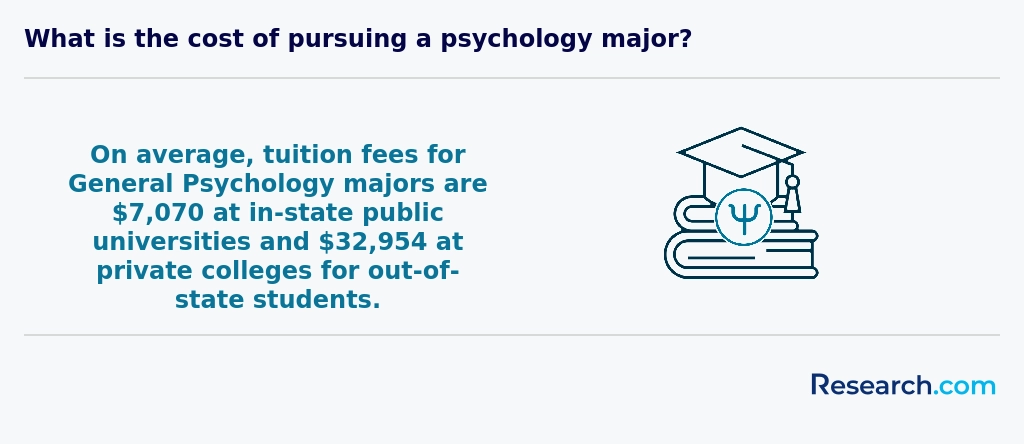
The average cost of earning a psychology degree in Honolulu varies but is often seen as a meaningful investment by many graduates from institutions like the University of Hawaiʻi at Mānoa. Students often find the tuition for undergraduate programs ranges between $11,000 to $14,000 annually for in-state residents, while out-of-state students may pay closer to $34,000 per year. Graduate programs can be more costly but come with opportunities for assistantships and research funding that ease the financial burden.
Many psychology students share that despite the expense, the hands-on experiences-such as internships and culturally relevant coursework focusing on Native Hawaiian mental health-bring value beyond the tuition price. This practical training builds confidence and professional readiness, making the cost feel justified. Witnessing fellow graduates succeed in local counseling roles or research positions within Honolulu's unique social landscape often reaffirms that the financial commitment aligns well with career goals and personal growth.
Where can I work with psychology degree in Honolulu?
Graduates with a psychology degree in Honolulu often find rewarding paths within the city's vibrant healthcare system. Many secure roles as mental health counselors or clinical psychologists at institutions like Queen's Medical Center, where they engage directly with patients, applying their skills in therapy and support. These jobs typically require advanced degrees and licensure, making graduate study at the University of Hawaii at Manoa a popular choice for those aiming to deepen their expertise.
Others embrace positions in the educational sector, supporting student development and behavioral health within Hawaii's public schools. Working as school counselors or educational psychologists with the Department of Education allows graduates to impact young lives daily-an experience many find deeply fulfilling. The mix of bachelor's and master's level opportunities reflects the inclusive nature of this path.
Beyond traditional settings, graduates enjoy diverse roles in business, nonprofits, and government agencies, applying their understanding of human behavior to areas like workplace wellness and community programs. Psychology students often share how internships with local organizations made these careers feel tangible and exciting.
Finally, research roles at Honolulu's universities offer a chance to contribute to studies on multicultural populations, enriching both community health and academic knowledge. For many, pursuing doctoral degrees opened doors to such meaningful work, inspiring a lifelong passion for discovery.
Graduates with a psychology degree in Honolulu often find themselves navigating a rewarding yet varied salary landscape. Those starting with roles such as human resources specialists can expect mean annual wages around $76,060, reflecting a solid entry point after finishing studies at institutions like the University of Hawaii at Manoa. Others who pursue research-related positions, such as clinical research associates or survey researchers, generally earn roughly $62,370 per year, which provides a stable foundation while gaining valuable experience.
For graduates drawn to marketing research analysis-a field increasingly attractive for its blend of psychology and business-mean annual wages near $83,190 offer encouraging financial prospects. These roles often appeal to those eager to apply psychological principles in real-world settings, boosting confidence as they establish their careers in Honolulu's competitive job market.
Many psychology graduates share that landing jobs aligned with their degrees in Honolulu fosters a deep sense of achievement, especially when contributing to community programs or clinical research. This region's unique blend of educational opportunities and local work settings uniquely positions graduates to earn meaningful wages while nurturing their professional passions.
- Undergraduate tuition for psychology degrees in Honolulu costs between $10,000 and $15,000 per year at public universities and over $30,000 at private institutions.
- Entry-level psychologists in Honolulu earn about $50,000 to $60,000 annually, with experienced professionals making between $90,000 and $100,000 in specialized fields.
- The job market in Honolulu shows steady demand for psychology graduates, with higher employment concentration than the national average.
- APA-accredited doctoral programs are limited locally, but undergraduate and master's degrees are available and support licensure and further study.
- Internships and practicum opportunities are commonly offered through partnerships with hospitals, schools, and community agencies, aiding in licensure and employment.
Completing a psychology degree in Honolulu typically aligns with the familiar rhythm of four years for a full-time bachelor's program, especially at institutions like the University of Hawaii at Mānoa. Graduates often share how the vibrant campus life and supportive professors helped them stay motivated during this journey. It's common for these students to balance general education requirements alongside core psychology classes, creating a rich, well-rounded academic experience.
For those pursuing advanced studies, a master's degree usually takes about two additional years, marked by deeper engagement with specialized topics and research. Many graduates recall how their hands-on projects and internships shaped their professional growth, making the extra effort worthwhile. Doctoral degrees demand even more time-between five and seven years-blending rigorous coursework, original research, and practical internships, perfectly preparing students for clinical licensure or research roles.
Flexibility is key in Honolulu, where some students extend their studies due to part-time enrollment or personal commitments, yet still treasure the unique opportunities offered locally. This balance between structure and adaptability often makes the psychology path rewarding and deeply personal.
Ensuring your psychology degree holds recognized accreditation is critical for licensure, graduate study, and employer confidence. In Honolulu, HI, top programs at the University of Hawaii at Mānoa and Chaminade University are regionally accredited by the WASC Senior College and University Commission (WSCUC), a hallmark of academic rigor and institutional stability. Additionally, some bachelor’s tracks incorporate American Psychological Association (APA)–approved coursework, which can streamline your path to graduate programs and professional certification. Before applying, verify that the curriculum meets your state’s Board of Psychology requirements for supervised practicum hours and licensure eligibility. If you’re considering flexible learning options, explore our sister analysis of cost-effective online pathways like the Most Affordable Online Bachelor’s in Psychology Degree Programs Ranking in Florida, which may offer transferable credits and comparable accreditation standards. High-quality, accredited programs not only safeguard your educational investment but also open doors to competitive internships, federal financial aid, and robust alumni networks-key factors in shaping a successful psychology career.
Choosing between online and on-campus psychology degrees in Honolulu often comes down to how you envision your learning journey. Graduates from the University of Hawaii at Manoa frequently share how immersive on-campus experiences helped them grasp complex theories through lively discussions with professors and peers, alongside hands-on access to campus counseling centers and research labs. This environment fosters a strong sense of community and immediate support, which many find reassuring and energizing.
Alternatively, those who pursued online degrees valued the flexibility to balance studies with work or family obligations. These graduates appreciated being able to learn at their own pace, even if it meant fewer face-to-face moments. While online students might miss out on some local internships, they often connect with a wider national network, which broadens professional opportunities beyond Honolulu.
Both routes offer meaningful paths, and reflecting on your lifestyle and career goals will illuminate the best fit for your psychology studies in Honolulu.
Pursuing a psychology degree in Honolulu, HI, can be a profoundly rewarding decision, offering a unique blend of academic rigor, cultural diversity, and professional opportunities. By choosing to study psychology in this vibrant city, students can gain a deep understanding of human behavior and mental processes, preparing them for a wide range of careers in fields such as healthcare, education, and social services. For those interested in exploring the most popular psychology degree programs, visiting the most popular psychology degree rankings can provide valuable insights into the top programs available. With its diverse population and commitment to holistic well-being, Honolulu offers an ideal setting for students to engage with real-world applications of psychological principles, from clinical practice to community outreach. Whether your passion lies in clinical psychology, counseling, or research, a psychology degree from a reputable institution in Honolulu can equip you with the knowledge, skills, and empathy necessary to make a meaningful difference in the lives of others.
The average cost of a psychology degree in Honolulu typically centers around $21,530 for in-state students, reflecting a balance between quality and affordability at well-regarded public universities. Graduates often recall that attending institutions like the University of Hawai'i at Mānoa offered both rigorous academic challenges and a manageable financial commitment, especially compared to out-of-state tuition, which can be significantly higher. The total expenses for psychology degree programs Honolulu students face include not only tuition but also additional fees for materials and internships, which many find to be a meaningful investment in their career development.
Many students pursuing psychology degrees in Honolulu appreciate the opportunity to study locally, where community colleges and public universities present accessible pathways with costs often well below the national average for this field. For those weighing private college options, tuition can rise considerably, yet the enriching classroom experiences and smaller class sizes often leave graduates with a strong sense of fulfillment and personal growth. Navigating these decisions informs the total expenses for psychology degree programs Honolulu students must consider alongside financial aid or scholarship opportunities.
Reflecting on the journey, many psychology graduates describe their education in Honolulu as a rewarding blend of academic rigor and cultural richness. Carefully exploring the most popular psychology degree programs helps prospective students find a fit that matches both their educational goals and budget, ensuring their investment leads to both knowledge and lasting personal satisfaction.
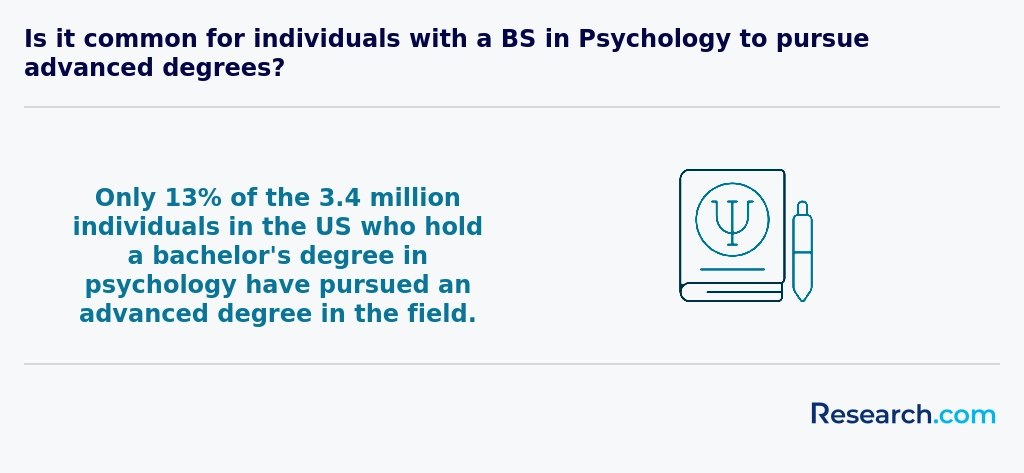
Ensuring your psychology program is properly accredited is critical for meeting state licensure requirements and maximizing career mobility. In Honolulu, HI, most reputable bachelor’s and master’s programs hold regional accreditation from the Western Association of Schools and Colleges (WASC) and, for counseling tracks, programmatic accreditation from the Council for Accreditation of Counseling & Related Educational Programs (CACREP). If you’re exploring flexible pathways, be sure any online bachelor's degree in psychology you consider also maintains these accreditations to ensure your coursework meets licensure board standards. Key steps to licensure in Hawaii: 1. Complete an APA- or CACREP-accredited degree comprising at least 48 semester hours of graduate coursework (for master’s/licensure‐qualifying tracks). 2. Fulfill supervised clinical practicum and internship hours-typically 2,000 to 3,000 cumulative hours under a licensed psychologist or counselor. 3. Pass the Examination for Professional Practice in Psychology (EPPP) and any Hawaii‐specific jurisprudence exams. 4. Submit documentation of education, supervised hours, and exam scores to the Hawaii Board of Psychology or Counseling and marry your clinical skills with local cultural competencies. Choosing an accredited program not only safeguards your eligibility for licensure but also signals to employers and graduate schools that your training met rigorous quality standards. By verifying accreditation early, you streamline your path from capstone projects and internships in Honolulu’s diverse communities to full professional practice across Hawaii and beyond.
Many psychology students in Honolulu find financial aid essential in managing the costs at institutions like the University of Hawai'i at Mānoa, where in-state tuition averages $12,192 annually. Graduates often share how Pell Grants-awarded based on financial need and not requiring repayment-greatly eased their journey, with awards up to $7,395 for the 2023-2024 year. Federal student loans, both Direct Subsidized and Unsubsidized, provide flexible repayment plans that many have relied on when grants alone weren't enough.
State aid adds another layer of support. Local scholarships from the Hawai'i State Commission on the Status of Women or the University of Hawai'i Foundation frequently reward academic dedication and financial need. Hearing from recent graduates, these awards aren't just monetary help; they bring motivation and a sense of community belonging in Honolulu's tight-knit psychology programs.
Work-study opportunities also stand out, offering not only income but vital experience, often within psychology departments. Private scholarships from organizations like the Hawaii Psychological Association complete the mosaic of aid, empowering students to focus on their passion without overwhelming financial stress.
Becoming a licensed psychologist in Hawaii involves clear, regulated steps:
- Earn a doctoral degree (PhD or PsyD) from an APA-accredited program.
- Complete at least 2,000 hours of supervised professional experience post-doctorate.
- Pass the Examination for Professional Practice in Psychology (EPPP) and the Hawaii jurisprudence exam.
- Submit your application, verification of supervised hours, and exam scores to the Hawaii Board of Psychology.
- Fulfill ongoing continuing education (CE) requirements every renewal cycle.
Many candidates explore an accelerated online psychology degree program to streamline prerequisite coursework and gain flexibility before entering doctoral studies.
Enrolling in a psychology degree program in Honolulu typically begins with completing a high school diploma or GED, laying the essential groundwork for academic success. Graduates from local institutions often reflect on how meeting this basic standard gave them confidence to tackle college courses at schools like the University of Hawaii at Manoa, known for its comprehensive psychology program.
Many programs request SAT or ACT scores, yet some apply test-optional policies, focusing instead on a holistic review of applicants. Students who demonstrated strong proficiency in English and mathematics, through transcripts or placement exams, found these skills invaluable when engaging with challenging coursework that demands clear reading, writing, and quantitative reasoning.
Former students frequently recommend completing introductory psychology or social science classes beforehand, noting that this preparation eased their transition and deepened their understanding early on. Considering the average annual cost near $15,000, thoughtful financial planning and exploring FAFSA or local scholarships helped ease stress and fostered a positive academic experience.
For non-native speakers, proof of English proficiency, such as TOEFL or IELTS scores, was crucial for smooth entry and continued success. Maintaining a competitive GPA remained a motivating factor, reflecting dedication and readiness to embrace the rigorous yet rewarding journey of psychology in Honolulu.
Studying in Honolulu offers more than academic rigor-it immerses you in a vibrant campus culture and a community that truly embodies the spirit of aloha. Students not only benefit from world-class education but also enjoy an enriching lifestyle filled with cultural events, outdoor activities, and opportunities to network with industry professionals. Imagine balancing your coursework with campus traditions, local festivals, and hands-on volunteer experiences that connect you with the community. Many institutions in Honolulu provide student clubs, study groups, and wellness programs designed to support both personal growth and academic success. Moreover, prospective students can explore additional opportunities to bolster their education innovatively, just as those exploring the best texas online psychology degrees have found success in blending flexible learning with campus involvement. This unique environment enables you to foster long-lasting relationships and develop essential soft skills that are highly valued in today’s competitive job market, ultimately enhancing your overall college experience and future career prospects.
Psychology programs in Honolulu consistently include core courses that build a strong foundation for understanding human behavior and mental processes. Graduates from local universities often describe how classes like Introduction to Psychology opened their eyes to the vast scope of the field, from cognitive functions to social influences.
Courses such as Developmental Psychology allow students to appreciate growth stages from infancy to old age, often enriched by the culturally diverse perspectives found in Honolulu's community. Abnormal Psychology provides insight into diagnosis and treatment, preparing students for real-world challenges in mental health settings common across the islands.
Many students value the hands-on feel of Biopsychology or Neuroscience classes, where the connection between brain activity and behavior becomes tangible through labs and practical examples. Research Methods and Statistics equip future professionals with essential skills for designing studies and interpreting data-a vital asset for those looking to contribute to psychology research locally or nationally.
Finally, Social Psychology courses resonate deeply, reflecting Honolulu's unique blend of cultures and social dynamics, helping students grasp how environment shapes individual and group behavior.
The spectrum of psychology degree specializations in Honolulu reflects the city's rich cultural diversity and community needs. Graduates from prominent local institutions often recall their focus on clinical psychology, where they gained hands-on experience assessing and treating mental health issues. This specialization is deeply valued in Honolulu due to the importance of culturally competent care in a multicultural environment, making their work both challenging and rewarding.
Many students choose counseling psychology, which equips them to support individuals through everyday stresses in settings like schools and community agencies. The emphasis on holistic care in Honolulu enhances this experience, fostering genuine connections between practitioners and clients. Those interested in scientific inquiry often gravitate toward experimental or cognitive psychology, benefiting from Honolulu's research programs that explore unique Pacific-region mental health topics.
Adding to these options, industrial-organizational psychology addresses workplace well-being in the city's expanding business sectors, while specializations in developmental and health psychology connect broader US trends to Honolulu's local health concerns.
Potential students who want to explore diverse pathways might also find value in resources about the best texas online psychology degrees, helping broaden their perspective beyond Honolulu's offerings.
Choosing the best psychology degree in Honolulu often starts with looking at the University of Hawaii at Manoa, the city's leading accredited institution. Graduates from there often highlight how access to experienced faculty and well-equipped psychology labs enriched their learning experience, making complex concepts feel tangible. For many, this hands-on approach feels like standing at the crossroads of theory and real-world practice, which fuels both confidence and excitement for future careers.
Cost is a significant consideration too. Local in-state tuition can be around $11,000 annually, which some find manageable compared to pricier private schools where tuition often surpasses $30,000. Balancing expense with program quality is a common strategy among those seeking affordable psychology schools Honolulu offers without compromising on comprehensive training.
Many students also focus on programs offering strong internship partnerships with nearby hospitals and community agencies. These opportunities provide invaluable field experience, making classroom lessons come alive. If flexibility is important, exploring an online bachelor's degree in psychology can provide alternative pathways without sacrificing quality.
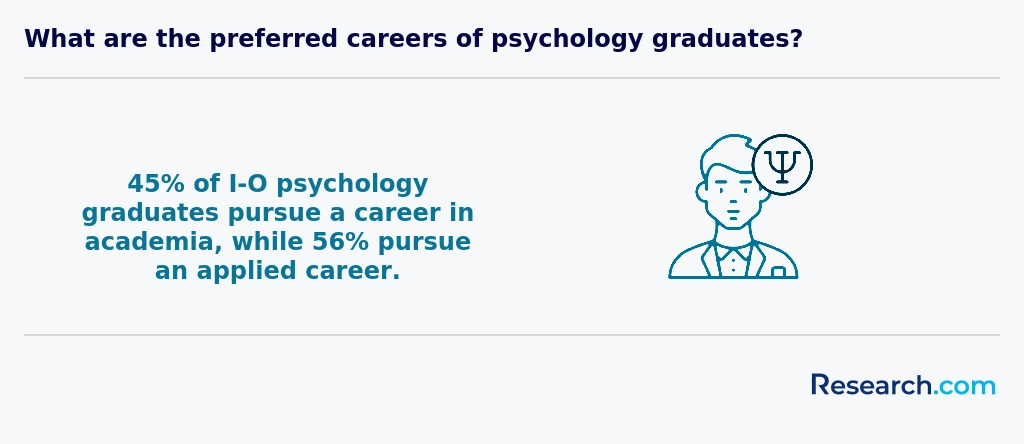
Graduates of psychology programs in Honolulu discover a wide array of meaningful career paths that deeply connect with the local community's needs. Many find rewarding roles in clinical psychology and counseling, serving diverse populations through hospitals, schools, and private practices. Those who studied at the University of Hawaii at Manoa or Hawaii Pacific University often reflect on how their education prepared them for licensure and real-world challenges unique to Hawaii's social landscape. Exploring psychology career opportunities in Honolulu means engaging with health psychology and research, particularly related to aging or child development, thanks to the region's academic and medical centers.
Others choose to expand into human resources or education, where their understanding of behavior benefits workplaces and student support services. Graduates appreciate the variety of jobs with psychology degree Honolulu offers, from social work to community outreach, often recalling the satisfaction of making tangible impacts. For those considering where to start, programs like the Most Affordable Online Bachelor's in Psychology Degree Programs Ranking in Florida provide accessible options while building a foundation for diverse career possibilities.
The job market for a psychology degree in Honolulu offers encouraging prospects, especially for graduates from well-regarded institutions such as the University of Hawaii at Manoa. Many find meaningful roles in healthcare, education, and community services, with local demand fueled by ongoing investments in behavioral health programs. Graduates often reflect on the rewarding experience of working directly with diverse populations, including military personnel and local families, providing essential mental health support.
While entry-level positions for those with just a bachelor's degree may be limited to support roles like behavioral technicians or case managers, the path opens substantially with advanced degrees. Those invested in clinical or school psychology discover a steady presence of opportunities tied to Honolulu's growing awareness of mental health needs. The most useful college degrees insights reinforce that focusing on these specialties can be a wise career move.
Graduates frequently remark that salaries, averaging about $92,000 annually, reflect the higher local cost of living and make Honolulu an attractive place to build a career. This balance between meaningful work and financial stability fosters a positive outlook for those pursuing psychology degree job outlook Honolulu.
Psychiology career opportunities in Honolulu remain rooted in the state's commitment to wellbeing and community care, offering a blend of personal fulfillment and professional growth for emerging psychologists.
2027 Most Popular Psychology Degree Programs Ranking in Honolulu
Investing in your education is a significant decision that can shape your future, and the Research.com team understands the importance of making informed choices. To support prospective students in Honolulu, we have meticulously developed the "2027 Most Popular Psychology Degree Programs Ranking in Honolulu." Our dedication to quality, credibility, and accuracy is demonstrated through the extensive research and analysis conducted to compile this ranking.
We utilized the following reputable data sources to ensure a comprehensive evaluation of psychology programs:
By exploring this ranking, readers will gain valuable insights into the most popular psychology degree programs in Honolulu, empowering them to make well-informed decisions about their educational journey. For more details on our methodology, please visit our Research.com methodology page.


Frequently Asked Questions About psychology
Psychology degree students in Honolulu can maximize their learning experience by engaging actively with both theoretical and practical components of their education. Local institutions often emphasize community-based research and internships, allowing students to apply psychological principles in real-world settings. According to the University of Hawaii's Department of Psychology, participation in internships increases graduate employment rates by nearly 20%. Students should also take advantage of Honolulu's diverse cultural environment to understand behavioral differences and enhance cultural competence.
Connecting with faculty during office hours and joining psychology clubs can foster deeper academic understanding and networking. Utilizing online academic resources and attending local psychology conferences further supports comprehensive learning.
The field of psychology is evolving quickly, with several emerging niches gaining attention, especially in regions like Honolulu. One prominent growth area is health psychology, which focuses on how psychological factors affect physical health and wellness. Given Hawaii's diverse population and emphasis on holistic health, this niche is increasingly relevant.
Another expanding specialty is neuropsychology, driven by advances in brain imaging and neurological research. Honolulu's healthcare institutions collaborate on studies related to brain injury and cognitive disorders, offering practical opportunities.
Additionally, environmental psychology, which studies the interaction between people and their environments, is gaining traction in Hawaii due to its unique ecosystems and cultural landscape. Data from the Bureau of Labor Statistics highlights these niches as some of the fastest-growing within psychology nationally and regionally.
After completing a psychology degree in Honolulu, preparing for the job market involves several key steps. First, gaining practical experience through internships or volunteer opportunities in local healthcare facilities or community organizations is essential. This hands-on work helps build relevant skills and expand professional networks within Hawaii's psychology field.
Next, consider obtaining state licensure if planning to become a clinical psychologist or counselor. The Hawaii Department of Commerce and Consumer Affairs provides specific requirements and exams for licensure.
Networking through regional psychology associations, such as the Hawaii Psychological Association, can open doors to job opportunities and continuing education.
Graduates should also develop transferable skills like research, data analysis, and communication, which the US Bureau of Labor Statistics highlights as critical for psychology careers nationwide.
Employers in Honolulu value psychology degree graduates who demonstrate strong communication skills, as these are essential for effective client interaction and teamwork. Analytical thinking is also highly sought after, enabling graduates to interpret data and apply research findings effectively. According to the Bureau of Labor Statistics, critical thinking and problem-solving are among the top skills required in psychology-related roles nationwide, including Hawaii.
Additionally, cultural competence is critical in Honolulu's diverse community. Employers expect graduates to understand and respect different backgrounds to provide inclusive mental health support. Research from the Hawaii Psychological Association highlights this as a growing priority.
Technical proficiency with psychological assessment tools and familiarity with ethical standards are also important for local employers, ensuring graduates meet professional guidelines.
Finding psychology internships in Honolulu involves exploring various local opportunities within both educational institutions and healthcare settings. Students often start by contacting the University of Hawaii at Manoa's Psychology Department, which offers resources and listings specifically for internships. Additionally, hospitals like Queen's Medical Center and community mental health centers provide valuable practical experiences for psychology learners.
It is important to network by attending local psychology association events such as those hosted by the Hawaii Psychological Association. These gatherings can connect students to licensed professionals who may offer internship positions or guidance.
The Hawaii State Department of Health also runs internship programs related to behavioral health, which can be highly relevant. According to the Bureau of Labor Statistics, internships improve job placement rates in psychology careers by up to 20%, emphasizing their significance.
A psychology degree in Honolulu offers significant advantages for career mobility and advancement. Graduates gain skills applicable across healthcare, education, social services, and business sectors. According to the U.S. Bureau of Labor Statistics (2023), Hawai'i's demand for clinical, counseling, and school psychologists is projected to grow by 12% through 2031, higher than the national average.
Local employers value psychology degrees for roles involving mental health support and community outreach, reflecting the state's focus on holistic well-being. Furthermore, degrees from accredited Honolulu institutions facilitate licensure eligibility, crucial for professional advancement in counseling or therapy.
Continuing education and advanced degrees often lead to higher salaries and leadership roles within Honolulu's mental health organizations. This educational path thus fosters both lateral and vertical career growth opportunities in the regional job market.
Studying for a psychology degree in Honolulu offers unique preparation for interdisciplinary roles due to the city's diverse cultural environment and growing healthcare sector. Programs often integrate coursework in social work, education, and healthcare, allowing students to collaborate across fields. According to data from the Hawaii Department of Labor and Industrial Relations, professions related to mental health and social services are expected to grow by 12% through 2030, highlighting the demand for versatile skills.
Local universities emphasize applied research and community engagement, which equip students to work in teams involving counselors, educators, and medical professionals. This approach builds strong communication and problem-solving skills essential in various professional settings.
Additionally, Hawaii's emphasis on indigenous and multicultural perspectives enriches psychological training, preparing graduates to address complex social and health challenges collaboratively. This interdisciplinary focus aligns with national trends promoting holistic approaches to mental health and social care.
Choosing between a thesis and a non-thesis psychology degree program in Honolulu depends on your career goals and academic interests. A thesis option typically involves conducting original research and writing a formal paper, which benefits those aiming for doctoral studies or research-based careers. Honolulu's universities often emphasize hands-on research, with thesis students gaining experience that employers value.
Non-thesis programs usually focus on coursework and may require a comprehensive exam. This path suits students looking to enter professional practice quickly or advance in applied settings. According to the U.S. Bureau of Labor Statistics, psychology roles in Hawaii are growing by 6% through 2030, favoring practical skills.
Consider program flexibility, faculty expertise, and your readiness for rigorous research when deciding. Local program advisors can provide tailored guidance based on Honolulu's specific academic environment and job market.
Students based in Honolulu seeking to study psychology abroad have several options through U.S. university programs offering international study opportunities. Many Hawaiian colleges, including those in Honolulu, have established exchange programs with universities in Europe, Asia, and Australia. These programs allow students to complete part of their psychology degree overseas while earning credits toward their U.S. degree.
Additionally, some students pursue full psychology degrees at accredited institutions abroad that recognize U.S. qualifications. Participation in such programs may require careful planning to meet licensing and accreditation standards upon returning.
The University of Hawaii system, for example, supports study abroad initiatives reflecting the growing interest in cross-cultural psychology and global mental health trends.According to the Institute of International Education, approximately 10% of psychology majors nationwide engage in study abroad experiences, with Hawaii students increasingly embracing this trend.
Students pursuing psychology degrees in Honolulu can benefit from various part-time job opportunities that complement their academic learning. Positions such as research assistants at local universities help develop skills in data collection and analysis, providing valuable hands-on experience related to psychological research methods.
Working as mental health aides or peer counselors within community health centers offers practical exposure to counseling and client interaction, essential for future clinical roles. According to the Hawaii State Department of Health, these roles are in demand due to increasing mental health awareness on the islands.
Additionally, roles in nonprofit organizations focused on social services allow students to engage with diverse populations, enhancing cultural competence-a crucial aspect in psychology. These jobs often offer flexible hours aligning with academic schedules.
Psychology students in Honolulu have several valuable networking opportunities through local universities and professional organizations. The University of Hawaii at Manoa offers psychology clubs and events where students can connect with faculty and peers. These groups often host guest speakers from clinical, counseling, and research areas, fostering professional relationships.
Local chapters of national organizations, such as the American Psychological Association (APA) and the Hawaii Psychological Association, provide access to conferences, workshops, and internships in Honolulu. These events allow students to meet practicing psychologists and expand their professional contacts.
Additionally, Honolulu's active mental health community offers volunteer opportunities in clinics and nonprofit organizations, important for building connections. According to the Hawaii State Department of Health, about 25% of internships available in Honolulu focus on clinical psychology, promoting real-world experience and networking.
Alumni networks provide valuable support for psychology degree students in Honolulu by offering connections to local professionals and recent graduates. These networks facilitate mentorship opportunities, which can enhance career guidance and professional development. According to the Hawaii Psychological Association, strong alumni relations improve access to internships and job openings in Honolulu's mental health field.
In addition, alumni often host networking events and workshops that help students build practical skills and industry knowledge. These connections can be crucial in a competitive job market, as nearly 70% of psychology graduates in Hawaii find employment through personal contacts and referrals, per a 2023 study by the University of Hawaii system.
Overall, engaging with alumni networks gives students a competitive edge by integrating them into Honolulu's psychology community early in their careers.
Customizing a psychology degree program in Honolulu often begins with selecting electives and concentrations that align with your career goals. Local institutions typically offer options such as clinical psychology, counseling, or developmental psychology. Choosing relevant coursework and internships can provide practical experience tailored to areas like mental health counseling or research.
Additionally, students can engage with Honolulu's diverse communities through fieldwork, enhancing cultural competence-a valuable skill in psychology careers. Schools also offer opportunities for undergraduate research under faculty guidance, enabling specialization in topics of interest.
Consulting academic advisors early can help structure your studies effectively, ensuring alignment with licensure or graduate school prerequisites.
Psychology students in Honolulu often face unique challenges related to the region's educational and cultural environment. Access to specialized internships and clinical placements can be limited, given Honolulu's smaller size compared to mainland cities. This sometimes restricts hands-on experience essential for licensure and practical skills development. According to the National Center for Education Statistics, Hawaii has fewer psychology graduates annually, indicating competitive entry and retention in programs.
Another challenge is the financial burden. Tuition and living expenses in Honolulu rank among the highest in the US, potentially affecting student success and completion rates. Additionally, students must navigate balancing coursework with Hawaii's distinct cultural dynamics, especially when working with diverse populations such as Native Hawaiians.
With a psychology degree in Honolulu, graduates can pursue various professional certifications to enhance their career prospects. One popular option is becoming a Licensed Mental Health Counselor (LMHC), which requires passing a state exam and completing supervised clinical hours. This credential allows professionals to provide counseling services in Hawaii.
Another certification is the Certified Rehabilitation Counselor (CRC), valuable for those focusing on vocational rehabilitation.
For advanced practice, some graduates aim for Licensed Psychologist status, which involves earning a doctoral degree and licensure through the Hawaii Board of Psychology.
The demand for certified mental health professionals in Honolulu is growing, partly due to increased awareness of mental health needs, as reported by Hawaii's Department of Health.
To write a winning application for a psychology program in Honolulu, start by researching each school's specific requirements. Most universities, like the University of Hawaii at Manoa, expect a strong academic record with an emphasis on science and social science courses. Highlight your relevant experience in psychology or related fields, including volunteer work or internships.
Personal statements should clearly express your motivation for studying psychology and your career goals. According to the Hawaii State Department of Education, programs value applicants who demonstrate cultural awareness and community engagement, critical in Honolulu's diverse environment.
Prepare strong letters of recommendation from faculty or professionals familiar with your abilities. Finally, ensure your application meets all deadlines and submission guidelines for 2027 admissions.
Psychology careers are increasingly valued worldwide, including in the United States. Graduates with psychology degrees often work in clinical, counseling, educational, and research roles. In Honolulu, professionals benefit from Hawaii's diverse population, offering unique opportunities for cross-cultural psychological practice. According to the U.S. Bureau of Labor Statistics, psychology occupations are expected to grow 8% from 2022 to 2032, reflecting steady demand nationwide.
Global perspectives emphasize collaboration across borders to address mental health challenges. Honolulu's location allows access to Pacific Rim partnerships, enhancing research and training possibilities. Psychology professionals with global competency can address varied cultural contexts, a growing priority in U.S. higher education and healthcare settings. This makes psychology a dynamic and adaptable career choice for local students.
Gaining practical experience while studying for a psychology degree in Honolulu is essential for building skills and enhancing employability. Many universities, like the University of Hawai'i at Mānoa, offer internship programs that connect students with local mental health clinics, schools, and community organizations.
Students can also seek volunteer opportunities at places such as the Hawai'i State Department of Health or nonprofits focused on behavioral health. These experiences provide hands-on learning and networking opportunities.
Additionally, research assistant positions within campus psychology departments give valuable exposure to experimental design and data analysis, which are critical in psychology careers.
Choosing the right concentration within a psychology degree program in Honolulu begins with assessing your personal interests and career goals. Psychology offers diverse fields such as clinical, counseling, developmental, and industrial-organizational psychology, each with unique paths.
Consider the local job market: clinical and counseling psychology are in demand in Honolulu due to increased mental health awareness, according to the Hawaii State Department of Health. Research from the Bureau of Labor Statistics shows a 14% growth projected for psychologists in Hawaii through 2030.
Additionally, review each university's faculty expertise and available practicum opportunities to gain practical experience aligned with your concentration. Networking with local professionals can also provide insight into emerging specialties suitable for Honolulu's community needs.
- 2027 Most Popular Psychology Degree Programs Ranking in San Francisco
- 2027 Most Popular Psychology Degree Programs Ranking in Santa Barbara
- 2027 Most Popular Psychology Degree Programs Ranking in Eugene
- 2027 Most Popular Psychology Degree Programs Ranking in Los Angeles
- 2027 Most Popular Psychology Degree Programs Ranking in Pasadena
- 2027 Most Popular Psychology Degree Programs Ranking in Irvine
- 2027 Most Popular Psychology Degree Programs Ranking in Claremont
- 2027 Most Popular Psychology Degree Programs Ranking in Portland
- 2027 Most Popular Psychology Degree Programs Ranking in La Jolla
- 2027 Most Popular Psychology Degree Programs Ranking in San Diego
See What Experts Have To Say About Studying Psychology
Read our interview with Psychology experts

Catherine Caldwell-Harris, Ph.D.
Psychology Expert
Associate Professor of Psychology
Boston University

Elizabeth L. Jeglic Ph.D.
Psychology Expert
Professor of Psychology
City University of New York

Robin M. Kowalski. Ph.D.
Psychology Expert
Professor of Psychology
Clemson University

- Financial Aid For Psychology Students | Psychology.org https://www.psychology.org/resources/financial-aid/
- Psychology Degree Requirements | University of Bridgeport https://www.bridgeport.edu/news/psychology-education-requirements/
- Hawaii Psychology Schools, Colleges & Universities https://www.psychologycareercenter.org/hawaii-psychology-schools.html
- Psychology - SWPS University https://english.swps.pl/academics/warsaw/ba-programs/psychology
- Have You Found a Niche? https://www.apaservices.org/practice/business/marketing/building/niche
- Ontario Psychological Association - Networking and Community Resources https://www.psych.on.ca/become-a-member-(1)/member-services/networking-and-community-resources
- Mental Health Challenges Faced by Psychology Students | The Healthcare Guys https://healthcareguys.com/2023/11/23/mental-health-challenges-faced-by-psychology-students/
- Scholarships - The Office of Hawaiian Affairs (OHA) https://www.oha.org/educational-pathways/scholarships/
- Best Hawaii Psychology Degrees Updated for 2025, Online Included https://www.psychologydegrees.org/state/hawaii
- Society for the Teaching of Psychology https://teachpsych.org/page-1784686/8675326