
2027 Most Popular Psychology Degree Programs Ranking in Portland

Co-Founder and Chief Data Scientist
Choosing the right psychology degree program can shape your future career and personal growth. For students in Portland, finding a program that fits your goals is essential.
This article presents the 2027 Most Popular Psychology Degree Programs Ranking in Portland, created by Research.com's team of data scientists. It offers valuable insights to help you make an informed decision about which programs truly stand out.
Exploring this ranking can inspire confidence and excitement as you take steps toward a meaningful and rewarding psychology education.
Key benefits of getting psychology degree in Portland
- Psychology degree graduates in Portland can earn competitive salaries, such as a Marketing Research Analyst's mean annual wage of $83,190 or a Clinical Research Associate's $62,370 per year.
- Career paths include roles like Human Resources Specialist or Survey Researcher, offering diverse opportunities to apply psychology skills locally, inspired by successful graduates from universities like Portland State University.
- Online psychology degrees provide flexible schedules and cost savings, with graduates from online programs reporting smooth transitions into rewarding careers without sacrificing quality education.
- 2027 Most Popular Psychology Degree Programs Ranking in Portland
- What can I expect from psychology degree in Portland?
- Where can I work with psychology degree in Portland?
What can I expect from psychology degree in Portland?
The average cost of earning a psychology degree in Portland is thoughtfully balanced to support students' ambitions. Public universities, such as Portland State University, offer tuition rates that are often more affordable for Oregon residents, making quality education accessible without overwhelming financial strain. Many graduates recall how this affordability allowed them to focus fully on their studies and hands-on experiences, like practicum placements and internships, instead of worrying about soaring costs.
Financial aid and scholarships specifically tailored for psychology students also play a crucial role in easing expenses. This support opens doors for passionate individuals eager to make a difference in mental health fields. Imagine walking through campus knowing that your education is not only top-notch but also financially manageable-this positive environment empowers many Portland psychology students to succeed and thrive.
Where can I work with psychology degree in Portland?
Graduates with a psychology degree in Portland discover a world of fulfilling career paths that truly make a difference. Many alumni from local institutions like Portland State University find themselves thriving in mental health services-working as counselors or behavioral therapists in hospitals and community health centers, where their skills provide hope and healing. Others step into the education field, joining Portland Public Schools as school psychologists, helping students overcome challenges and reach their potential every day.
Social services also offer rewarding opportunities, with graduates supporting vulnerable populations through nonprofit organizations and child welfare programs. These roles often bring a deep sense of purpose and connection to the community.
Local government agencies tap into psychology graduates' talents for research and policy development, creating impactful public health initiatives. Meanwhile, those interested in the corporate world engage in human resources, applying their understanding of human behavior to foster positive work environments.
With Portland's vibrant and diverse economy, psychology graduates can feel confident that their degree opens doors to meaningful, community-driven careers full of growth and impact.
Graduates with a psychology degree in Portland can look forward to promising earning potential across several rewarding career paths. For those entering roles as Human Resources Specialists, salaries average around $76,060 annually, reflecting a solid start for psychology majors applying their understanding of human behavior in organizational settings. Marketing Research Analysts with psychology backgrounds can earn a mean wage of about $83,190, showcasing opportunities to merge analytical skills with a passion for studying market trends.
Clinical Research Associates, often a natural fit for psychology graduates interested in healthcare studies, earn an average of $62,370 per year, providing a stable income while contributing to impactful medical research. Similarly, Survey Researchers make roughly the same at $62,370 annually, engaging in valuable data collection and analysis that informs social science and business decisions.
Even entry-level positions such as Childcare Workers in Portland average $32,070, offering fulfilling roles that support community well-being. Psychology students from renowned institutions like Portland State University often share how their degree opens diverse doors, from human resources to research, making their studies both personally meaningful and financially rewarding.
- The cost for a psychology bachelor's degree in Portland ranges from $8,000 to $15,000 per year at public colleges and $30,000 to $45,000 at private universities.
- Entry-level psychology graduates typically earn between $40,000 and $50,000 annually, while those with advanced degrees can expect salaries of $65,000 or more.
- Employment growth for psychologists in the Portland-Vancouver area is projected at 10% over the next decade, matching the national average.
- Job opportunities exist in hospitals, schools, corporate offices, social services, and research roles, especially for graduates with practical experience.
- Portland's health services sector strongly supports demand for psychology professionals, driven by increased mental health awareness and community programs.
Completing a psychology degree in Portland usually takes about four years for a bachelor's, following a rewarding journey through foundational courses in behavioral science and statistics. Many students at Portland State University share how the supportive campus environment fuels their passion while balancing coursework and real-life commitments. For those diving deeper, a master's degree often requires two years, offering the joy of specialized learning and hands-on experience, whether at Pacific University or Lewis & Clark College.
Doctoral programs in Portland, lasting 5 to 7 years, provide an inspiring challenge filled with discoveries in research and clinical practice. Graduates often recall how the blend of coursework and mentorship helped them develop confidence and expertise vital for licensure or research careers. Flexible options like part-time enrollment and hybrid classes empower students to tailor their pace, making this educational path accessible and achievable for many in the vibrant Portland community.
Choosing a psychology program in Portland, OR, means more than selecting the right specialization-it requires ensuring the institution and its curriculum meet state and national accreditation standards. Regional accreditation by the Northwest Commission on Colleges and Universities (NWCCU) is essential for any bachelor’s or master’s program, while doctoral programs should also hold American Psychological Association (APA) accreditation to qualify graduates for clinical licensure. After graduation, students must navigate Oregon’s licensing process overseen by the Oregon Board of Licensed Professional Counselors and Therapists or the Oregon Board of Psychology. Requirements typically include:
- Completion of an APA-accredited doctoral program or a CACREP-accredited counseling master’s.
- A minimum of 3,000 supervised clinical hours.
- Passing the Examination for Professional Practice in Psychology (EPPP) or the National Counselor Examination (NCE).
- Submission of ethical practice documentation and background checks. Understanding program accreditation and licensure timelines helps students avoid costly delays. For broader insights into cost-effective psychology training, compare affordability metrics such as those featured in the Most Affordable Psychology Degree Programs Ranking in Indiana.
Choosing between online and on-campus psychology degrees in Portland means embracing the learning style that best fits your life and ambitions. On-campus students at schools like Portland State University enjoy vibrant classroom discussions, face-to-face mentorship, and hands-on experiences such as local internships with mental health agencies. One graduate recalls how those in-person connections fueled their passion and gave them confidence in real-world settings.
Meanwhile, online learners find inspiring flexibility that allows them to balance work, family, and study. These students use virtual tools to collaborate on projects and stay connected, thriving through self-discipline while pursuing their goals from anywhere in Oregon. Another graduate shared how online study empowered them to tailor their schedule, reducing stress and opening doors to education previously thought unreachable.
Both paths lead to respected degrees, shaped by Portland's supportive educational environment. Whether drawn to face-to-face interaction or the freedom of online learning, each student journeys toward a rewarding psychology career with purpose and optimism.
Understanding Accreditation: Accreditation is a stamp of quality that ensures a psychology program meets rigorous academic standards. In Portland, OR, prospective students should verify both regional accreditation (typically from the Northwest Commission on Colleges and Universities) and programmatic accreditation from the American Psychological Association (APA) for clinical, counseling, or school psychology tracks. Regional accreditation validates the institution’s overall curriculum, faculty credentials, and student support services, while APA accreditation confirms that specific psychology programs adhere to ethical guidelines, research expectations, and supervised practicum requirements. Meeting State Licensure Criteria: Graduates aiming to practice as licensed psychologists in Oregon must complete a sequence of steps regulated by the Oregon Board of Psychology. This generally includes earning a doctoral degree from an APA-accredited institution, accumulating at least 2,000 hours of supervised professional experience, and passing the Examination for Professional Practice in Psychology (EPPP). Those pursuing roles as Licensed Professional Counselors (LPCs) or Licensed Psychological Assistants (LPAs) should review the board’s guidelines for required coursework, supervision logs, and continuing education credits. Supervised Experience and Exam Preparation: Successful licensure hinges on quality mentorship and thorough exam readiness. Many Portland programs integrate practicum placements in community mental health centers, schools, or hospitals, offering hands-on training under licensed supervisors. To bolster exam performance, students often enroll in specialized EPPP prep workshops, which cover core domains such as assessment, intervention, and ethics. Engaging in study groups and leveraging faculty office hours can further enhance knowledge retention and confidence. Choosing Accredited, Cost-Effective Options: When evaluating programs, balance accreditation status with affordability and support resources. Prospective students may also consider alternative pathways in neighboring states; for a comprehensive look at budget-friendly, accredited options, explore the Most Affordable Psychology Degree Programs Ranking in Indiana, which highlights institutions that deliver accredited training at lower tuition rates. Ensuring your chosen program aligns with licensure requirements will pave the way for a seamless transition from student to practicing professional.
The average cost of a psychology degree in Portland typically totals around $45,534, with in-state students benefiting from significantly lower expenses, averaging about $14,640. Many graduates from local institutions, such as Portland State University and Concordia University, have shared how investing in their education opened doors to fulfilling careers in mental health and counseling. These financial figures reflect a range of options that can accommodate diverse budgets, especially when considering the value of the education and opportunities gained.
Psychology degree tuition and fees Portland students encounter are influenced by whether they attend public or private universities. Public schools offer more affordable rates for residents, making psychology education accessible and attainable. One graduate fondly recalls how manageable tuition costs combined with effective financial aid allowed them to focus on gaining vital hands-on experience in clinical settings, which deeply enriched their understanding of the field.
Beyond tuition, it's important to consider that many students receive scholarships, grants, or assistantships that ease the financial commitment. Planning ahead by consulting with financial aid offices early can unlock resources that make the journey smoother and more achievable. For those exploring their options, checking out the most popular psychology school in Portland can provide insightful guidance and encouragement for the next steps toward a rewarding psychology career.
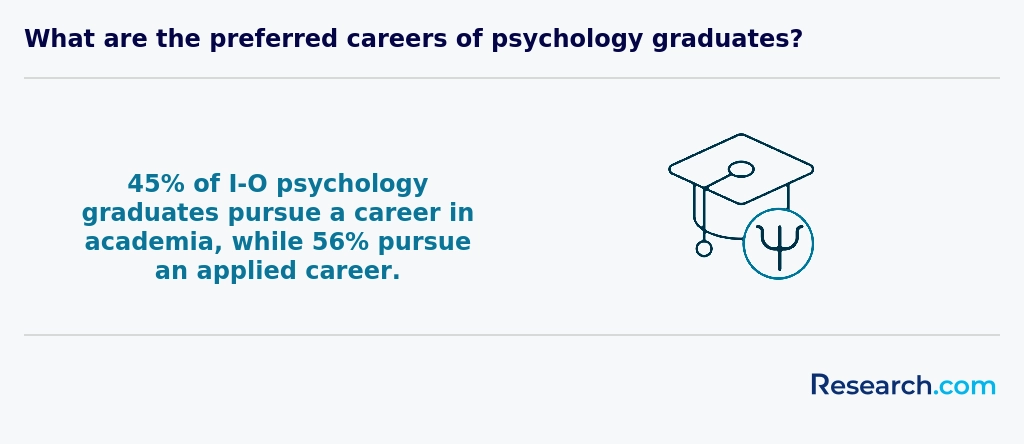
Choosing a psychology program in Portland, OR requires careful attention to accreditation and state licensure pathways to ensure your degree leads to recognized professional credentials. Here’s what you need to know: • APA and Regional Accreditation: – Seek programs accredited by the American Psychological Association (APA) for doctoral training or by regional accrediting bodies (e.g., NWCCU) for bachelor’s and master’s degrees. APA accreditation guarantees that coursework, practicum, and internship experiences meet national standards. – Regional accreditation is essential for federal financial aid eligibility and smooth credit transfer if you pursue graduate studies elsewhere. • Oregon Licensure Steps: 1. Graduate from an APA-accredited doctoral program for psychologist licensure or from a CACREP/accredited master’s program for professional counseling. 2. Complete supervised experience: 3,500–4,000 post-doctoral hours under a licensed psychologist (for PhD/PsyD) or 2,000 clinical hours under a licensed counselor (for LPC). 3. Pass the Examination for Professional Practice in Psychology (EPPP) and Oregon’s jurisprudence exam. 4. Submit your application to the Oregon Board of Licensed Professional Counselors and Therapists or the Oregon Board of Psychology, including transcripts, supervision verification, and exam scores. • Maintaining Your License: – Licenses in Oregon require biennial renewal with 40 hours of continuing education, covering ethics, diversity, or new therapeutic modalities. – Engage in professional associations like the Oregon Psychological Association (OPA) for resources and networking. • Assessing Program Affordability: Accreditation often correlates with higher tuition, so balance program quality with cost. To compare tuition rates and explore affordable options for your masters in psychology cost, consult our guide on the most affordable online master’s degrees in psychology. Understanding accreditation and licensure requirements early in your search ensures your Portland psychology degree paves the way for a seamless path to practice.
Students pursuing psychology degrees in Portland can access a variety of financial aid options designed to lighten the path toward their dreams. Graduates from Portland State University often share how federal aid, especially through the FAFSA, unlocked vital resources like Pell Grants that substantially reduce tuition costs. These grants can provide up to $7,395 annually, making education more accessible and less stressful.
State support adds another layer of encouragement. The Oregon Opportunity Grant offers generous need-based assistance up to $3,300 each year, energizing students by easing living expenses and tuition bills. Many undergraduates celebrate receiving local scholarships from the Portland Psychological Association, which recognize dedication and commitment to the field.
For those aiming higher, assistantships and fellowships at Portland's graduate programs bring both financial relief and hands-on experience. Imagine contributing to groundbreaking research or teaching while receiving stipends and tuition waivers-many PhD candidates find these opportunities genuinely transformative in building confidence and professional skills.
By tapping into these opportunities, psychology students in Portland move forward with optimism, fully supported on their journey toward making a positive impact in mental health.
The city of Portland, OR, stands out for its innovative approach to psychology education, offering students a range of cutting-edge specializations that cater to the evolving needs of the field. For those interested in exploring the most popular institutions for psychology studies, visiting the most popular psychology school can provide valuable insights into the academic programs and career paths available. From clinical psychology to counseling and industrial-organizational psychology, graduates can tailor their education to suit their passions and interests. The practical applications of these specializations are vast, with opportunities ranging from working in mental health clinics and schools to contributing to research projects and policy-making initiatives. As the demand for skilled psychologists continues to grow, Portland's unique blend of academic rigor, practical experience, and community engagement makes it an ideal location for students to launch their careers in this rewarding field.
Entering a psychology degree program in Portland is an exciting step toward making a meaningful impact on others' lives. Many graduates from Portland State University share how meeting basic prerequisites-like holding a high school diploma with solid coursework in English, math, natural sciences, and social studies-set a strong foundation for their journey. Completing these courses confidently opens doors to understanding human behavior deeply.
For those aiming higher at the graduate level, the path continues with a bachelor's degree, often in psychology or a related field, from a respected institution like the University of Portland. A strong GPA, generally above 3.0, reflects dedication and readiness for advanced study. Many grads speak about how their passion grew as they prepared personal statements and gathered recommendation letters, which showcased their unique stories and commitment.
Some programs even encourage experience in research or clinical settings, allowing students to connect classroom theories with real-world applications-a thrilling and motivational journey for any future psychologist in Portland!
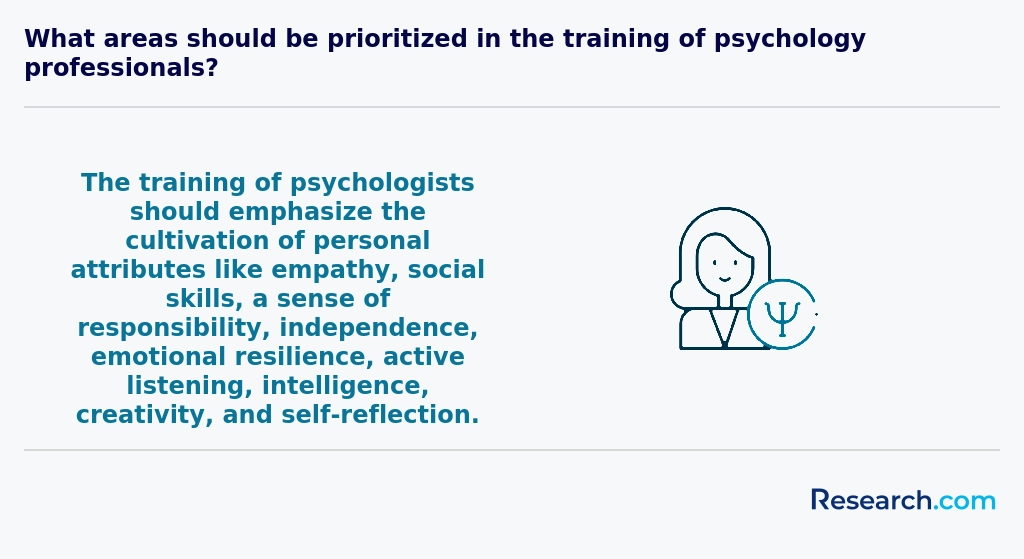
While traditional psychology degree programs offer a well-established route toward a career in mental health, it's important to acknowledge that not all aspiring professionals follow the conventional academic path. Many individuals explore alternative options that combine vocational training, certification courses, and extensive practical experience to enter the field. For example, some candidates find valuable insights through resources on how to become a psychotherapist without a degree, which can help them bridge the gap between formal education and the skills required in real-world practice. These alternative pathways often focus on hands-on training, continuing education workshops, and mentorship opportunities that emphasize the development of practical competencies alongside personal growth. Ultimately, such routes can provide a flexible entry point into mental health careers, enabling individuals to pursue roles in counseling, coaching, or community support services while gradually building the credentials necessary for future licensure or advanced studies.
Students pursuing psychology degrees in Portland dive into a rich selection of courses that build confidence and deepen understanding of the mind and behavior. At well-known universities in Portland, graduates recall how foundational classes like Introduction to Psychology spark curiosity by exploring cognition, emotion, and behavior through real-world examples. These courses provide a solid launchpad for grasping the science behind what drives us.
Portland programs typically include engaging classes such as Biopsychology, where students connect brain functions with actions, making learning feel alive and relevant. Cognitive Psychology classes ignite passion by unraveling the mysteries of memory and problem-solving, often through dynamic group projects and case studies.
- Developmental Psychology offers insight into human growth across all ages, encouraging empathy and understanding through relatable life stories.
- Social Psychology highlights how our thoughts and behaviors are shaped by community and culture, resonating deeply with students studying in diverse Portland settings.
- Abnormal Psychology prepares students to recognize and approach mental health challenges with compassion and scientific rigor.
Students often praise the hands-on experience gained from statistics and research methodology courses, where learning to use tools like SPSS transforms data into meaningful conclusions, fueling a sense of accomplishment and readiness for future careers. This blend of theory, ethics, and practical skills ensures psychology students in Portland feel empowered and prepared to make a positive impact.
Students pursuing psychology degree specializations in Portland have access to vibrant and diverse fields tailored to real-world impact. Clinical psychology is a standout, training graduates to diagnose and treat mental health conditions with compassion and skill. Many students at Portland's top universities share how hands-on internships connected them deeply with local communities, fueling their passion to become licensed therapists.
Portland psychology program focus areas also include counseling psychology, which emphasizes wellness and growth through career guidance and emotional support. Graduates often highlight how working alongside Portland's mental health organizations inspired their commitment to fostering well-being in others. For those drawn to research, experimental and research psychology specializations provide robust training in data analysis and cognitive science, linking classroom theory to groundbreaking studies in local institutions.
Other specializations such as industrial-organizational, developmental, health, and neuropsychology further enrich the landscape. If you are exploring your route, consider learning how to become a psychotherapist without a degree for alternative inspiring paths.
Choosing the best psychology degree in Portland means focusing on accredited programs that open doors to rewarding careers. Graduates from Portland State University often share how the hands-on research opportunities and partnerships with local mental health organizations transformed their education into real-world impact. It's inspiring to see how their academic journey ignited passion and confidence, setting them on paths to success.
Cost is another important factor. Many students balance quality and affordability by considering public universities in Oregon, where in-state tuition ranges between $10,000 and $15,000 annually. Private colleges may offer unique experiences but can exceed $30,000 per year. To smartly manage expenses, explore options like scholarships or compare degrees carefully. Some find it helpful to check resources about masters in psychology cost, which eases financial planning.
When searching for affordable psychology degrees Portland Oregon, look for programs with strong alumni success stories and hands-on internships. These experiences bring psychology to life and build connections that keep momentum long after graduation. Trusting in a program's reputation and support will empower you to thrive in your academic adventure.

Graduates from psychology programs in Portland discover a world of rewarding career options for psychology graduates in Portland, from hands-on clinical roles to dynamic business environments. Many find fulfillment working as clinical psychologists, mastering the skills learned at leading Portland universities to diagnose and treat mental health conditions. Others thrive as licensed counselors or marriage and family therapists, impacting local communities through schools and private practice. The city's supportive atmosphere encourages psychology graduates to pursue research or academic paths, contributing vital insights at Portland's renowned colleges and research centers.
Exciting job opportunities abound beyond traditional roles, as psychology degree job opportunities Portland extend into human resources, marketing, and organizational development. Graduates relish helping Portland's tech and business sectors grow by applying their deep understanding of behavior and motivation. Students often feel inspired by their university experiences, confident that a degree here opens doors to meaningful, diverse careers.
To explore options for affordable education aligned with these promising fields, consider the Most Affordable Psychology Degree Programs Ranking in Indiana for comparative insights.
The job market for psychology degree graduates in Portland is vibrant and growing, especially as the city continues to prioritize mental health and social services. Graduates from well-known local institutions often find rewarding roles in hospitals, schools, and outpatient centers, where their skills directly impact lives. Many Portland psychology graduates share inspiring experiences of helping students overcome challenges or assisting patients through counseling, highlighting the city's appreciation for mental health professionals. Employment opportunities for psychology graduates in Portland extend beyond traditional clinical roles, with exciting openings in organizational psychology and human resources within the region's expanding tech and business sectors.
With the Oregon Employment Department noting positive job openings and wages slightly above the national average, Portland offers real incentive for those entering the field. However, advancing your career often involves pursuing master's or doctoral degrees, as well as licensure requirements. For students contemplating these paths, understanding the cost and potential return on investment is key. Exploring college majors for the future can also guide your academic decisions to align with promising local prospects.
2027 Most Popular Psychology Degree Programs Ranking in Portland
Investing in your education is a significant decision that can profoundly impact your future, and the Research.com team is fully aware of the need for trustworthy information when choosing the right psychology degree program. To support prospective students in Portland, we have carefully developed the "2027 Most Popular Psychology Degree Programs Ranking in Portland." Our dedication to quality, credibility, and accuracy is demonstrated through thorough research and data analysis.
We utilized the following reputable data sources to ensure a comprehensive evaluation of psychology programs:
By reviewing this ranking, readers will receive valuable insights into the most popular psychology degree programs in Portland, empowering them to make well-informed educational choices. For a detailed explanation of how this ranking was created, please visit our Research.com methodology page.


Frequently Asked Questions About psychology
Psychology degree students in Portland can enhance their education by engaging actively in both academic and community opportunities. According to data from the Oregon Employment Department, practical experience through internships or research roles is crucial, as Portland hosts numerous mental health organizations where students can apply theory to real-world settings.
Students should also utilize Portland's strong network of universities, such as Portland State University, which offers diverse psychology programs with research facilities and counseling centers. Participating in local psychology conferences and student organizations can expand professional connections and exposure.
Additionally, students benefit from staying informed about advances in psychology by accessing resources like the Oregon Psychological Association. Combining coursework with practical experience and networking is key to maximizing any psychology education in Portland.
The field of psychology is evolving rapidly, with several emerging niches gaining attention among students and professionals alike. In Portland, there is growing interest in health psychology, which focuses on how mental, behavioral, and biological factors influence physical health. According to the Bureau of Labor Statistics, health psychology-related roles are projected to grow faster than average nationally.
Another niche gaining momentum is neuropsychology, where specialists study brain-behavior relationships. Educational institutions in Portland increasingly offer courses and research opportunities in this area, reflecting demand for expertise in brain injuries and neurological disorders.
Additionally, industrial-organizational psychology is expanding locally, assisting companies in improving workplace productivity and employee well-being. The U.S. Department of Labor highlights this as one of the fastest-growing fields within psychology.
Preparing for the job market after earning a psychology degree in Portland involves several key steps. Students should gain practical experience through internships or volunteer positions in local clinics, schools, or social service agencies. According to the Oregon Employment Department, the demand for psychologists and behavioral specialists in the Portland metro area is expected to grow by 12% from 2022 to 2032, reflecting a strong job market.
Networking is important; joining organizations like the Oregon Psychological Association can connect graduates with professionals and job opportunities. Additionally, pursuing licensure or certification relevant to your career path, such as becoming a Licensed Professional Counselor, enhances employability. Strong communication and research skills will also support career success.
Employers in Portland highly value psychology graduates with strong critical thinking skills. The ability to analyze complex behavioral data and develop evidence-based conclusions is essential in many local settings, including healthcare and social services. According to the U.S. Bureau of Labor Statistics, nearly 70% of psychology-related jobs emphasize analytical skills.
Communication skills, both written and verbal, are also crucial. Psychology professionals often work in multidisciplinary teams, requiring clear and empathetic exchanges. Portland's growing mental health sector particularly demands cultural competence to serve a diverse population effectively, as noted by the Oregon Health Authority.
Additionally, proficiency in research methods and data interpretation is important. Many employers seek graduates who can design studies and evaluate program outcomes, aligning with Portland's focus on evidence-based practices.
Finding psychology internships in Portland involves a strategic approach centered on local resources. Students should start by consulting their college's career center, which often maintains partnerships with hospitals, mental health clinics, and community organizations. Portland is home to several respected institutions, such as Oregon Health & Science University, offering relevant internship opportunities.
Networking is crucial; attending local psychology association meetings, like the Oregon Psychological Association, can connect students with professionals and internship openings. Also, online platforms like Handshake and Oregon Employment Department listings frequently post internships specifically related to psychology. Internships typically require clear academic records and sometimes prior coursework or volunteer experience.
Obtaining a psychology degree in Portland can significantly enhance career mobility and advancement opportunities. The local job market, particularly in healthcare, education, and social services, values candidates with formal psychology training. According to the U.S. Bureau of Labor Statistics, the Portland metropolitan area is expected to see a 10% growth in psychologist roles between 2022 and 2032, which is faster than the national average.
Graduates with a psychology degree often qualify for entry-level positions and can advance into specialized roles such as clinical psychologist or counselor with additional certification. Furthermore, Portland's strong network of hospitals and community organizations provides practical internship and job placement options, increasing employability.
Many psychology professionals in Portland report that advanced degrees and relevant internships improve salary prospects and career stability. This makes pursuing a psychology degree a strategic choice for those aiming for upward career trajectories in the region's growing mental health sector.
Studying for a psychology degree in Portland offers students exposure to interdisciplinary approaches that are crucial in today's diverse job market. Local universities often integrate coursework from related fields such as social work, neuroscience, and education, preparing graduates to collaborate across disciplines.
Portland's emphasis on community engagement provides practical experience in settings like healthcare facilities and nonprofit organizations, enhancing skills applicable in multiple sectors. According to Oregon Employment Department data, psychology-related jobs in Portland frequently require cross-functional knowledge, especially in mental health and human services.
This interdisciplinary training enhances graduates' adaptability and problem-solving abilities, making them valuable in roles beyond traditional psychology careers.
When choosing between a thesis and a non-thesis psychology degree program in Portland, students should consider their career goals carefully. A thesis track involves conducting original research and writing a detailed paper, which prepares students for doctoral studies or research-based jobs. Non-thesis programs typically require more coursework and practical experience, suitable for those aiming at professional practice or immediate employment.
In Portland, many graduate psychology programs offer both options, reflecting national trends where about 40% of master's psychology students choose the thesis path, according to the American Psychological Association. For research opportunities, programs at Portland State University provide access to faculty-led projects, which can impact this choice.
Cost and time are also factors: thesis programs may take longer due to research demands, potentially affecting tuition and living expenses.
Students in Portland seeking to study psychology abroad have several pathways through their local institutions. Portland State University, for example, offers study abroad programs in partnership with universities in Europe, Asia, and Australia, allowing psychology majors to gain international experience while earning credits. According to recent data from the Institute of International Education, approximately 12% of Portland's college students partake in study abroad annually, with social sciences-including psychology-being popular fields.
Many programs focus on cross-cultural psychology and global mental health, which are increasingly important areas. Additionally, students can explore exchange programs or faculty-led trips that last from a few weeks to a full semester. Financial aid and scholarships specific to study abroad often support these opportunities."
Students pursuing psychology degrees in Portland can benefit greatly from part-time jobs aligned with their academic goals. Common roles include research assistants at local universities such as Portland State University, where students gain hands-on experience in psychological studies. According to the U.S. Bureau of Labor Statistics, research assistant positions help students develop data analysis and experimental skills essential for graduate studies.
Counseling support roles in community centers also offer practical exposure, improving interpersonal and communication skills. Portland's growing mental health services sector presents opportunities in crisis hotlines and peer support, enhancing understanding of behavioral health challenges. These roles complement coursework by fostering real-world application.
Psychology students in Portland benefit from diverse networking opportunities that can enhance career prospects. Local universities such as Portland State University and University of Portland host psychology clubs and peer groups, fostering connections among students and faculty. This environment encourages collaboration on research projects and access to internships.
Community events organized by the Oregon Psychological Association (OPA) offer students valuable chances to meet licensed professionals and experts. These events include seminars, workshops, and annual conferences held in the Portland area.
Additionally, numerous healthcare facilities and counseling centers in Portland provide internship and volunteer positions, allowing psychology students to gain hands-on experience while expanding their professional networks.
According to the Bureau of Labor Statistics, Oregon is projected to grow by 12% in psychology-related fields from 2022 to 2032, highlighting the importance of strong networking connections in this market.
Alumni networks play a crucial role for psychology degree students in Portland by providing valuable connections within the local mental health community. These networks often include graduates working in diverse settings such as hospitals, counseling centers, and research institutions.
Access to an active alumni network can increase internship and job opportunities. According to the National Association of Colleges and Employers, 85% of jobs are filled through networking, highlighting its importance for early career professionals.
Additionally, alumni frequently offer mentorship and advice tailored to Portland's unique psychology job market, which benefits students navigating licensure requirements and specialty certifications.
Some Portland universities report that students engaged with alumni groups secure internships 20-30% faster than those who do not, underscoring practical advantages within the region's competitive field.
Customizing a psychology degree program in Portland allows students to align their studies with specific career goals. Many local universities offer elective courses and specialized tracks, such as clinical, counseling, or industrial-organizational psychology, enabling students to focus on areas of interest. Students can often choose internships or research projects that provide practical experience relevant to their intended professions.
According to the Oregon Office of Economic Analysis, the demand for mental health professionals in Portland is projected to grow by over 20% by 2030, which encourages programs to incorporate applied skills. Flexible course scheduling and collaboration with local mental health agencies also support tailored learning paths that fit various career ambitions.
Psychology students in Portland often face challenges related to balancing rigorous coursework with practical experience. The field demands strong research skills and understanding of diverse populations, which can be overwhelming given the city's multifaceted community. According to the Oregon Employment Department, the demand for licensed psychologists is growing, increasing pressure on students to obtain relevant internships and certifications.
Financial strain is another common issue. Tuition and living costs in Portland are rising, making it difficult for many to afford comprehensive psychology programs. Additionally, navigating competitive graduate admissions remains a hurdle, as more students enter the field each year.
Finally, mental health stigma within certain communities can complicate fieldwork and client interactions, challenging students to develop culturally sensitive approaches.
With a psychology degree in Portland, graduates can pursue several professional certifications to advance their careers. Common options include becoming a Licensed Professional Counselor (LPC) or Licensed Marriage and Family Therapist (LMFT), both requiring graduate education and supervised clinical hours. Additionally, one may seek certification as a Certified Alcohol and Drug Counselor (CADC), particularly relevant given Oregon's focus on behavioral health.
The Oregon Board of Psychology also licenses psychologists with a doctoral degree, allowing practice as a Licensed Psychologist. Certifications in school psychology or neuropsychology may require specialized training and exams. According to the Oregon Employment Department, these credentials can increase job opportunities and salary potential locally.
Writing a winning application for a psychology program in Portland requires clear focus and strong preparation. Many universities, such as Portland State University, receive hundreds of applicants yearly, so standing out is essential. Begin by researching program requirements thoroughly, as psychology programs often expect a minimum GPA of around 3.0 to 3.5.
Highlight relevant experience, including volunteer work or internships related to mental health or research. Craft a compelling personal statement that explains your interest in psychology and how studying in Portland aligns with your career goals. According to the Oregon Office of University Coordination, including specific local examples demonstrates commitment.
Strong letters of recommendation from professors or supervisors familiar with your academic and practical skills can significantly enhance your application. Lastly, ensure all materials are submitted on time and free of errors to meet university deadlines.
Psychology careers in the United States, including Portland, are increasingly influenced by global trends and standards. Graduates often engage in research, clinical practice, or counseling that align with international psychological associations like the APA and ICP. Understanding psychological issues from a global perspective enhances cultural competency, critical in diverse cities such as Portland.
According to the U.S. Bureau of Labor Statistics, psychology employment is projected to grow 8% from 2021 to 2031 nationwide, driven by healthcare and social services demand. Portland's university programs integrate these trends, preparing students for roles both locally and globally.
Global collaboration in psychology fosters innovation, benefiting students who seek to work in multicultural environments or pursue advanced research abroad.
Gaining practical experience while studying for a psychology degree in Portland is essential for career readiness. Many local universities, including Portland State University, offer internship opportunities integrated into their programs. These internships often take place in hospitals, community mental health centers, and research facilities, providing hands-on exposure to clinical and counseling settings.
Additionally, students can participate in research assistant positions, which are common in Portland's vibrant academic community. According to the Oregon Employment Department, psychology-related internships in the region have grown by 12% over the past five years, reflecting increased opportunities.
Volunteering at local organizations that serve mental health populations is another valuable way to build experience while studying. Such activities allow students to apply classroom knowledge in real-world environments.
Choosing the right concentration within a psychology degree program in Portland involves understanding your career goals and interests. Psychology programs may offer specializations such as clinical, counseling, developmental, or industrial-organizational psychology. Each concentration prepares students for different roles, from therapy to research or human resources.
Consider local job market trends in Portland, where behavioral health and social services sectors are growing. According to the Oregon Employment Department, clinical psychologists in Portland are projected to grow by 15% through 2028, which may influence your choice.
Additionally, review program curricula and faculty expertise to ensure alignment with your interests and the type of licensure or certification you may pursue after graduation.
- 2027 Most Popular Psychology Degree Programs Ranking in Eugene
- 2027 Most Popular Psychology Degree Programs Ranking in San Francisco
- 2027 Most Popular Psychology Degree Programs Ranking in Santa Barbara
- 2027 Most Popular Psychology Degree Programs Ranking in Pasadena
- 2027 Most Popular Psychology Degree Programs Ranking in Los Angeles
- 2027 Most Popular Psychology Degree Programs Ranking in Claremont
- 2027 Most Popular Psychology Degree Programs Ranking in Irvine
- 2027 Most Popular Psychology Degree Programs Ranking in Riverside
- 2027 Most Popular Psychology Degree Programs Ranking in La Jolla
- 2027 Most Popular Psychology Degree Programs Ranking in San Diego
See What Experts Have To Say About Studying Psychology
Read our interview with Psychology experts

Catherine Caldwell-Harris, Ph.D.
Psychology Expert
Associate Professor of Psychology
Boston University

Joann Farrell Quinn, Ph.D., MBA
Psychology Expert
Director at the College of Medicine Department of Medical Education
Morsani College of Medicine

Robin M. Kowalski. Ph.D.
Psychology Expert
Professor of Psychology
Clemson University

- Psychology - SWPS University https://english.swps.pl/academics/warsaw/ba-programs/psychology
- Why Get a Psychology Degree Online? | University of Bridgeport https://www.bridgeport.edu/news/reasons-to-get-your-psychology-degree-online/
- Financial Aid For Psychology Students | Psychology.org https://www.psychology.org/resources/financial-aid/
- Careers With a Psychology Degree https://www.warnerpacific.edu/blog/careers-in-psychology/
- Society for the Teaching of Psychology https://teachpsych.org/page-1784686/8675326
- Study Psychology Abroad https://astarfuture.co.uk/study_psychology_abroad.html
- Sample letters in psychology https://www.mystudies.com/en-in/human-and-social-sciences/psychology/letter-model/
- Have You Found a Niche? https://www.apaservices.org/practice/business/marketing/building/niche
- Ontario Psychological Association - Networking and Community Resources https://www.psych.on.ca/become-a-member-(1)/member-services/networking-and-community-resources
- Alumni Perspectives - Meet Our FPN Alumni https://www.aanmelder.nl/alumni-perspectives-june-2023





