2027 Most Affordable Psychology Degree Programs Ranking in Raleigh

Co-Founder and Chief Data Scientist
Choosing the right psychology degree program in Raleigh can feel overwhelming, but it doesn't have to be. This article introduces the 2027 Most Affordable Psychology Degree Programs Ranking in Raleigh, crafted by the Research.com team of data scientists. It is designed to guide you toward cost-effective options without compromising quality.
Understanding your choices helps you invest wisely in your future. A psychology degree opens doors to meaningful careers that help others and nurture personal growth. Discover programs that fit your goals and budget, making your educational journey both achievable and rewarding.
Key benefits of getting psychology degree in Raleigh
- Salary for psychology degree graduates: Jobs such as Marketing Research Analyst offer a mean annual wage of $83,190, while Human Resources Specialists earn around $76,060 yearly, showing strong earning potential.
- Career paths for graduates: Psychology degree holders from Raleigh universities can pursue diverse roles in research, clinical work, or business, opening doors to rewarding and varied opportunities.
- Benefits of earning a psychology degree online: Online programs from Raleigh schools provide flexibility and convenience, allowing students to balance studies with work or family while gaining the same valuable skills as traditional degrees.
- 2027 Most Affordable Psychology Degree Programs Ranking in Raleigh
- What can I expect from psychology degree in Raleigh?
- Where can I work with psychology degree in Raleigh?
What can I expect from psychology degree in Raleigh?
Imagine investing in your future at a Raleigh university where your psychology degree becomes a gateway to hands-on learning and vibrant research opportunities. The cost? For in-state undergraduates, tuition typically dances between $8,000 and $23,000 per academic year, depending on whether you choose a public institution like North Carolina State University or a private college. Graduates often recall the balance of this investment against scholarships or assistantships that made their education feel like a true partnership rather than a burden.
These fees open doors to programs steeped in real-world experience-internships at local healthcare centers or collaborating with community organizations, where theory leaps off the page into impactful interactions with people. For many students, the fee is not just a number but the price of entry into a career with a growing demand in Raleigh's mental health landscape, turning the financial commitment into a hopeful ticket toward meaningful, fulfilling work.
Where can I work with psychology degree in Raleigh?
Picture yourself stepping out from North Carolina State University, psychology degree in hand, ready to weave your understanding of the human mind into the vibrant tapestry of Raleigh's healthcare scene. Imagine joining the ranks at Duke Raleigh Hospital or WakeMed, where you're not just a number but a vital contributor to mental health breakthroughs, counseling patients or designing behavioral programs that truly change lives.
Or envision walking the halls of local Wake County schools, where graduates with a knack for empathy become school psychologists, turning stress-filled classrooms into havens of support and learning. Here, your passion fuels children's growth and nurtures brighter futures.
Beyond hospitals and schools, the Research Triangle Park buzzes with possibilities. Graduates dive into cutting-edge behavioral studies or data analysis, pushing boundaries in human factors-turning theory into life-changing innovation.
Even in Raleigh's bustling business world, psychology grads become the invisible architects behind thriving workplaces, enhancing employee well-being and reshaping organizational culture.
Every step is an opportunity to live your degree-not just as a job, but as a dynamic, fulfilling journey through Raleigh's diverse career landscape.
Graduates from psychology programs in Raleigh, whether from local institutions like North Carolina State University or nearby colleges, often see their earnings shaped by the vibrant Research Triangle economy. Entry-level roles such as behavioral health technicians and case managers typically range from $35,000 to $45,000, but if you pivot toward specialized fields like marketing research or clinical studies, the numbers grow more enticing.
Imagine a recent graduate diving into the world of marketing research analysis, tapping into Raleigh's dynamic business scene, earning an average of $83,190 annually. Alternatively, clinical research associates earn around $62,370, blending psychology with scientific rigor in labs or hospitals. Even positions like human resources specialists offer strong returns, averaging $76,060, as they leverage psychology to enhance workplace dynamics.
These roles reflect more than just numbers; they convey the rewarding challenge of applying psychology to real-world problems. Whether navigating research institutions or counseling centers, Raleigh's network creates pathways where graduates can transform passion into prosperous careers.
- Public universities in Raleigh charge about $9,500 per year for in-state psychology students and $28,000 for out-of-state students, while private schools often exceed $30,000 annually.
- Entry-level salaries for psychology graduates in Raleigh average around $50,000 per year, with mid-career professionals earning between $75,000 and $85,000 annually.
- Raleigh's psychology job market is growing, with a projected 12% increase in psychology-related jobs over the next decade, which is higher than the national average.
- Many clinical and counseling psychology positions require graduate degrees and licensure, and local programs provide pathways to meet these requirements.
- Financial aid and scholarships are widely available to help reduce the cost of psychology education in Raleigh.
Imagine walking through the leafy campus of UNC Chapel Hill, knowing your Bachelor of Arts in Psychology will wrap up in about four years if you stay full-time. That's the typical rhythm for most eager minds diving into Raleigh's psychology scene-four years of lectures, labs, and late-night study sessions fueled by coffee and curiosity.
Graduates from nearby North Carolina State University often describe their master's journey as a meaningful 2 to 3-year expedition, navigating thesis projects or immersive coursework, sharpening skills alongside professors who challenge their perspectives. It's a steady climb but one filled with rewarding insights and "aha" moments that remind you why you chose this path.
Then there's the impressive doctoral track, offered by places like UNC Chapel Hill, stretching over 4 to 7 years. Picture yourself balancing intensive research, clinical practicums, and transformative internships-all designed to turn passionate students into insightful psychologists ready to make a difference.
Factors like part-time study, transfer credits, or extra practicums can tweak your timeline, but the Raleigh psychology community cherishes these journeys as personal adventures fuelled by discovery and growth.
Imagine walking across the packed quad at North Carolina State University, buzzing with chatter from psych majors exchanging insights after a lively lecture. That's the heartbeat of on-campus psychology: hands-on labs in research centers, spontaneous debates at the counseling hall, the palpable energy of a shared journey. Graduates often recall the thrill of in-person internships, where direct mentorship illuminated complex clinical theories with real-world clarity.
Flip the coin to a cozy evening at home while scrolling through recorded lectures from East Carolina University's online program. Here, flexibility rules-balancing weekend shifts or family dinners with asynchronous classes. Online students relish curating their own rhythms without the fixed bells of Raleigh's campus schedules. They form digital study pods, syncing across screens to dissect behavioral theories, forging connections in a virtual space that feels surprisingly close-knit.
Though on-campus tuition at Raleigh institutions averages $9,300 annually, online routes hover near $7,000, easing financial weight. Both paths, woven with accreditation and quality, cater to distinct lifestyles yet share a singular goal: mastering the mind's mysteries in North Carolina's vibrant academic ecosystem.
Accreditation from recognized bodies ensures your psychology degree in Raleigh meets rigorous academic and professional standards.
- Regionally accredited university: Validates transfer credits and broad recognition.
- APA accreditation: Essential for clinical and counseling psychology licensure.
- North Carolina Board of Psychology approval: Meets state-specific licensing requirements.
Graduates must complete supervised clinical hours and pass the Examination for Professional Practice in Psychology (EPPP) to earn licensure in North Carolina. When comparing accredited accelerated psychology programs, confirm they meet both regional and APA standards to support your career credentials.
Counting the cost of a psychology degree in Raleigh unfolds like piecing together a personal story. For many psychology students at public universities like North Carolina State University, the average in-state total cost hovers around $17,500-a number that reflects tuition, fees, and the pulse of student life. Graduates often recall balancing studies with coffee-fueled conversations on campus, making those dollars feel tied to rich memories and future possibilities. The psychology degree tuition and fees Raleigh students face are a gateway to exploring the mind's landscapes, supported by institutions where learning feels alive.
Private colleges such as Meredith College paint a different financial picture, usually stretching higher toward the upper tiers of tuition expense, but they bring unique, intimate settings that many find worth every dollar. Additional living costs around $10,000 to $15,000 further color the budget, turning cost calculations into a vivid daily dance of budgeting and earning. Imagine the glow of a psychology graduate knowing the true value of investment beyond numbers-gaining empathy, critical thinking, and a fulfilling career ahead.
Those hunting for affordable psychology schools in north carolina might find solace in exploring financial aid and scholarships that temper expenses while opening doors wide. Raleigh's diverse educational choices ensure that the average cost of psychology degree in Raleigh becomes part of a broader journey, where every dollar spent is a step closer to understanding minds and hearts.

Accreditation by the American Psychological Association (APA) is a crucial marker of quality for any psychology program in Raleigh, NC, ensuring that graduates meet the rigorous training standards required for state licensure. In North Carolina, aspiring clinical and counseling psychologists must earn their doctoral degree from an APA-accredited institution to sit for the Examination for Professional Practice in Psychology (EPPP) and apply for licensure through the North Carolina Psychology Board. When researching local programs, students should: • Verify APA accreditation status: Check the APA’s official directory to confirm each institution’s current accreditation and program-specific approvals. • Understand supervised experience requirements: North Carolina mandates a minimum of 3,000 supervised doctoral hours, including practicum and internship placements, typically arranged through accredited programs. • Plan for exam preparation: Accredited curricula often integrate EPPP-aligned coursework in ethics, research methodology, and clinical intervention, giving students a structured path to exam success. • Explore advanced doctoral options: For those weighing online and hybrid models, comparing the cheapest online psyd programs can reveal cost-effective, APA-accredited pathways that balance flexibility with licensure eligibility. By prioritizing APA accreditation and aligning coursework with North Carolina’s licensure criteria, students can confidently navigate the transition from academic training in Raleigh to professional practice statewide.
Imagine walking the halls of North Carolina State University, where a psychology student's worry about tuition melts away thanks to the Federal Pell Grant-a financial lifesaver offering up to $7,395 a year. That grant was a game-changer for one recent graduate, who said it felt like breathing room to focus on exploring the human mind instead of bank balances.
Then there's the magic of North Carolina's own Need-Based Grants, like the UNC Need-Based Grant, cushioning pockets of Raleigh's psychology learners enrolled in local public universities. It's not just cash; it's a vote of faith in your potential. Another student tapping into these benefits shared how the extra funding opened doors to counseling workshops and research projects, turning dreams into real-world skills.
Raleigh psychology programs also thrive on departmental scholarships that reward academic dedication or clinical focus, creating a safety net that's as personal as it is practical.
Think about federal student loans with steady interest rates-students appreciate the predictability-and work-study roles giving you a paycheck alongside hands-on psychology experience, like assisting in mental health services on campus.
- Federal Pell Grants up to $7,395 annually
- North Carolina Need-Based Grants for in-state students
- Departmental scholarships specific to psychology
- Federal student loans with fixed interest rates
- Work-study positions related to psychology fields
Diving into a psychology degree in Raleigh starts with the usual academic checkpoints that set the stage for your journey into the mind's labyrinth. Imagine a graduate from a beloved Raleigh university recalling their anxious wait for admission-armed with a high school diploma, a solid 3.0 GPA, and well-rounded SAT scores, they stepped confidently into classrooms where biology and social studies built their mental toolkit.
In Raleigh, it isn't just numbers that open doors. Storytelling elements like personal statements and recommendation letters spark the imagination of admissions committees, revealing your passion for psychology beyond transcripts. One graduate fondly described how their volunteer hours at a local counseling center became a defining chapter of their application, painting a vivid picture of commitment to human services.
For those eyeing graduate programs, the stakes feel higher but the promise brighter. Picture sitting for GRE tests and submitting transcripts rich with psychology credits from institutions like North Carolina State University. These prerequisites aren't hurdles, but invitations to join a community that thrives on curiosity and empathy.

Before practicing as a licensed psychologist in Raleigh, NC, graduates must navigate a multi-step licensure process overseen by the North Carolina Board of Psychology. First, applicants complete a regionally accredited psychology degree, ensuring coursework aligns with board-approved competencies in areas such as abnormal, developmental, and counseling psychology. Next, candidates accrue at least 3,000 hours of supervised professional experience, with a minimum of 1,500 hours post-doctoral, under the mentorship of a board-licensed psychologist. Once supervised hours are fulfilled, applicants must pass the Examination for Professional Practice in Psychology (EPPP), a national standardized test assessing knowledge across seven content domains, including research design, ethics, and intervention strategies. In addition, North Carolina requires a jurisprudence examination covering state laws, ethical codes, and regulatory standards specific to practice in public and private settings. After successful exam completion, candidates submit a formal application and background check to the NC Board of Psychology. Upon approval, they receive a license to practice independently, enabling roles in clinical, counseling, school, and industrial-organizational psychology. Licensed psychologists must complete 20 hours of continuing education annually-covering ethics updates, diversity training, and evidence-based interventions-to maintain active status. Prospective students exploring alternative routes may also consider hybrid or online programs that meet these requirements. For a cost comparison of accredited online offerings, see our Most Affordable Online Psychology Degree Programs Ranking in Kansas, which highlights programs aligning with NC licensure prerequisites.
Imagine diving into a whirlwind of minds and behaviors right on the vibrant campuses of North Carolina State University or Shaw University in Raleigh. Psychology students here start with core courses that feel like unlocking the secrets of human nature. Picture yourself in an Introduction to Psychology class, where the mysteries of perception and motivation unfold like scenes in a gripping novel. Next, you'll explore Developmental Psychology, tracing the human journey from the first baby giggles to the wisdom of old age.
Then comes the electrifying realm of Biopsychology, where understanding the brain's electric dance helps decode behaviors-students recount awe at realizing how their own thoughts spark in their neural circuits. Cognitive Psychology fuels curiosity about memory's quirks and the intricate art of decision-making, as Raleigh grads often share stories of applying these insights to daily life.
- Abnormal Psychology unveils the complex landscapes of mental health challenges with compassion and clarity.
- Social Psychology reveals how friendships, group dynamics, and social media shape who we are.
Hands-on research courses at these Raleigh institutions transform theory into practice, empowering students to design studies that could shape tomorrow's psychology breakthroughs. Internships and lab experiences offer a frontline view of mental health work, blending the intellectual thrill of discovery with heartfelt human connection.
Imagine diving into a psychology degree in Raleigh where your path branches into vibrant specializations, each shaping your unique lens on human behavior. From peers at North Carolina State University who revel in clinical psychology, honing skills to untangle complex mental health puzzles, to Meredith College graduates thriving in counseling psychology, offering comfort and clarity to those navigating daily life storms. Raleigh's psychology degree program concentrations stretch further: developmental psychology enthusiasts explore the unfolding human story from childhood to adolescence, while social psychology devotees dissect the fascinating dance of influence and identity in group dynamics.
In Raleigh, industrial-organizational psychology sparkles as a gateway to enhancing workplace wellbeing, drawing students eager to blend psychology with business savvy. This blend of options, richly available across local institutions, energizes students to tailor their studies toward personal passions and future careers. Those eyeing more advanced work often turn to masters psychology online programs to deepen expertise and practical impact. The variety of psychological lenses offered aligns perfectly with the evolving landscape of Raleigh's educational scene, making specialization choices feel like stepping stones into meaningful life missions.
Choosing a psychology degree in Raleigh is like crafting your own adventure map-start by pinpointing schools with solid accreditation and reputations, such as North Carolina State University, known for its robust programs and affordable tuition. Imagine a graduate feeling energized after hands-on internships tailored to clinical or industrial-organizational psychology, gaining confidence by diving into real-world labs and counseling centers. Raleigh's blend of research-driven campuses offers a playground where faculty expertise sparks curiosity and unlocks exciting assistantships, turning theory into dynamic discovery.
For those chasing affordable psychology degree programs in Raleigh, balancing tuition and hidden costs like books or living expenses is key. It's the story of a hopeful scholar who finds a pathway that doesn't just meet academic goals but also embraces practical career support and promising graduate outcomes in thriving local sectors. Exploring options might even lead you to the cheapest online psyd programs that fit your lifestyle and ambitions.
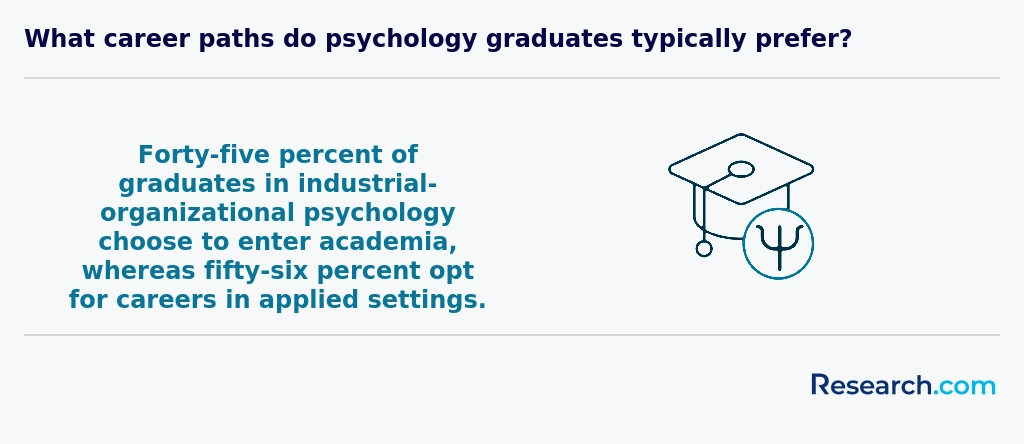
Psychology graduates in Raleigh find themselves at the intersection of vibrant industries and meaningful human connections. Whether a clinical psychologist navigating the compassionate hallways of Duke University Hospital or a school psychologist crafting supportive environments in local Raleigh schools, these professionals turn theory into transformative everyday impact. The job opportunities with psychology degree Raleigh graduates pursue often expand to counseling roles nestled in community centers or rehab facilities, where emotional restoration becomes a daily triumph.
Imagine industrial-organizational psychologists collaborating with Raleigh's bustling tech companies-players in the game of enhancing employee happiness and corporate culture. Graduates from nearby universities describe this path as an exciting fusion of psychology and business innovation. For undergraduates exploring the Most Affordable Online Psychology Degree Programs Ranking in Kansas, the goal often is to tap into Raleigh's healthcare and human services sectors, which unfurl a spectrum of career options in Raleigh flooded with opportunity and optimism.
The psychology career opportunities in Raleigh shimmer with promise, weaving through the city's vibrant hospitals, schools, and corporate offices. Graduates from local universities often recount landing clinical roles at WakeMed Health & Hospitals or stepping into the fast-paced corridors of Duke Raleigh Hospital, where every patient encounter feels like an unfolding story of healing. This city's growing emphasis on mental health complements these paths with positions in school systems and government agencies, offering diverse avenues for impact.
Job prospects for psychology graduates Raleigh embrace not only traditional roles but also innovative settings like human resources and organizational psychology within booming businesses. The proximity to Research Triangle Park energizes research enthusiasts, connecting theory to breakthroughs and new initiatives. Many graduates share how their hands-on projects in these local hubs translate directly into career momentum. For those weighing tuition versus reward, exploring a one year master's programs online can be a strategic choice that balances ambition and cost.
2027 Most Affordable Psychology Degree Programs Ranking in Raleigh
Investing in your education is a significant decision that can shape your future, and the Research.com team is committed to helping you make well-informed choices. To support prospective students, we have diligently developed the "2027 Most Affordable Psychology Degree Programs Ranking in Raleigh." Our focus on quality, credibility, and accuracy is demonstrated through comprehensive research and analysis performed throughout the ranking process.
We utilized the following reputable data sources to ensure a thorough evaluation of psychology degree programs:
By reviewing this ranking, readers will gain valuable insights into affordable and quality psychology programs in Raleigh, enabling them to make informed decisions about their educational investments. For more information about how this ranking was developed, please visit our Research.com methodology page.


Frequently Asked Questions About psychology
Psychology degree students in Raleigh can maximize their learning experience by actively engaging in both academic and practical opportunities. Raleigh hosts several institutions offering accredited psychology programs, including NC State University and Meredith College, which provide access to experienced faculty and research labs.
Participating in internships at local mental health clinics or universities gives students hands-on experience, enhancing understanding beyond textbooks. According to the North Carolina Psychological Association, practical training improves graduate employability by 25%.
Additionally, joining psychology-related student organizations helps build professional networks and improves communication skills crucial for future careers.
Students should also explore workshops and seminars frequently offered in the Research Triangle area, which expose them to emerging trends in psychology.
The field of psychology is expanding to include several emerging niches that reflect societal and technological changes. In Raleigh, students pursuing psychology degrees can explore areas like neuropsychology, focusing on the brain's role in behavior, and health psychology, which studies how mental health impacts physical well-being.
Another growing niche is forensic psychology, where experts assist legal systems by evaluating mental states related to crimes. Industrial-organizational psychology is also gaining traction, as businesses seek professionals to improve workplace productivity and employee satisfaction.
According to the U.S. Bureau of Labor Statistics, psychologist employment in North Carolina is expected to grow 14% from 2022 to 2032, faster than the national average. This trend highlights strong local demand for these specialized skills.
Preparing for the job market after completing a psychology degree in Raleigh involves strategic planning and practical experience. Graduates should seek internships and volunteer opportunities within local community centers, hospitals, or counseling services to gain hands-on experience, which is highly valued by employers.
Networking is critical; attending events hosted by the North Carolina Psychological Association or local career fairs can connect graduates with professionals and potential employers. According to the U.S. Bureau of Labor Statistics, employment for psychologists in North Carolina is projected to grow 8% from 2021 to 2031, slightly faster than the national average.
Additional certifications or internships, particularly in clinical, counseling, or industrial-organizational psychology, can enhance employability. Many Raleigh employers prefer candidates with knowledge of current psychological research methods and data analysis software.
Lastly, utilizing career services at local universities and online job platforms tailored to psychology can improve job search outcomes.
Employers in Raleigh value psychology graduates who demonstrate strong analytical skills. The ability to interpret data and apply research methods is crucial, as many roles require evidence-based decision-making. According to the Bureau of Labor Statistics, critical thinking ranks high among required competencies.
Communication skills are equally important, especially in clinical or counseling settings. Employers expect graduates to effectively convey complex ideas to diverse audiences, both verbally and in writing.
Additionally, familiarity with ethical standards and cultural competence is vital in Raleigh's diverse communities. The North Carolina Psychological Association emphasizes these skills for successful practice.
Teamwork and problem-solving abilities also stand out, as many psychology positions involve collaboration across disciplines.
Finding internships in Raleigh for psychology students involves utilizing local resources and university partnerships. Many psychology programs in Raleigh, such as those at North Carolina State University and Meredith College, offer internship placement assistance through their career services. These offices maintain connections with healthcare facilities, schools, and nonprofit organizations.
Raleigh's growing healthcare sector includes institutions like Duke Raleigh Hospital and local mental health clinics, which often provide internship opportunities. According to the North Carolina Board of Psychology, supervised clinical hours completed during internships are critical for licensure.
Students should also explore Raleigh-based organizations such as the North Carolina Psychological Association, which periodically shares internship listings and networking events for psychology majors.
A psychology degree in Raleigh offers significant advantages for career mobility and advancement. Graduates gain skills in research, communication, and critical thinking that are highly valued across industries. According to the U.S. Bureau of Labor Statistics, psychology-related roles are expected to grow nationally by about 8% from 2021 to 2031, reflecting steady demand.
Raleigh's expanding healthcare and social services sectors provide ample job opportunities for psychology graduates. Institutions such as Duke University and North Carolina State University in the region contribute to a skilled workforce, increasing competition and higher salaries for degree holders.
Holding at least a bachelor's degree in psychology is often a minimum requirement for roles in counseling, human resources, and behavioral research within Raleigh. Advanced degrees also open pathways to licensed clinical positions and leadership roles, supporting upward career movement locally.
Studying for a psychology degree in Raleigh equips students with a broad skill set valuable for interdisciplinary roles. Many local programs integrate coursework in biology, sociology, and statistics, reflecting the growing demand for professionals who can collaborate across fields. According to the National Center for Education Statistics, interdisciplinary training enhances problem-solving abilities essential in healthcare, education, and social services.
Raleigh's universities often partner with regional hospitals and research centers, providing practical experiences that connect psychology with medicine, public health, and technology. This exposure helps students understand complex human behavior in diverse contexts, preparing them to work effectively on multidisciplinary teams.
When choosing between a thesis and a non-thesis psychology degree program in Raleigh, consider your long-term career goals first. Thesis programs generally involve conducting original research and writing a comprehensive paper, which can be essential for students aiming for doctoral studies or research positions. Non-thesis programs often focus on coursework and practical experience, suitable for those pursuing professional roles such as counseling or applied psychology.
Raleigh's universities offer both paths with varying durations; thesis tracks may take longer due to the research component. According to NC State University's graduate data, about 40% of psychology master's students choose thesis options, reflecting a strong research focus locally.
Financial considerations also matter; thesis programs might require additional funding or assistantships. Review specific program curricula and speak with advisors at Raleigh institutions to match your learning style and career ambitions effectively.
Students based in Raleigh who wish to study psychology abroad have several avenues within the U.S. higher education framework. Many universities in Raleigh, such as North Carolina State University, offer study abroad programs in partnership with institutions worldwide, allowing psychology majors to gain international experience while earning credits. These programs often include semester exchanges, summer research abroad, or internships focused on psychology. According to the Institute of International Education, nearly 15% of U.S. psychology students participate in some study abroad activity, enhancing their global perspective. Additionally, federal financial aid and scholarships can sometimes be applied to approved study abroad psychology courses.
Raleigh offers various part-time job opportunities that can complement psychology degree education for students. Many students find roles as research assistants at institutions like North Carolina State University, where involvement in psychological studies enhances practical knowledge. Local mental health clinics and nonprofit organizations often seek part-time behavioral health technicians, providing hands-on experience with clients. Additionally, tutoring psychology courses or working as a peer mentor on campus helps reinforce academic skills while earning income.
According to the U.S. Bureau of Labor Statistics, psychology-related jobs in healthcare and social assistance sectors in Raleigh are expected to grow by 10% over the next decade, indicating steady opportunities for students balancing work and study.
Psychology students in Raleigh have multiple opportunities to build professional networks crucial for their careers. Local universities, such as North Carolina State University and Meredith College, host psychology clubs and honor societies like Psi Chi, which regularly organize events and guest lectures.
Students can attend conferences and workshops through the North Carolina Psychological Association, which actively supports emerging professionals with networking sessions. Additionally, Raleigh's strong healthcare sector, including organizations like Duke Raleigh Hospital, offers internship placements that foster connections with practicing psychologists and researchers.
Community volunteering and research assistant roles further enhance students' access to professional contacts in psychology fields within the Raleigh area.
Alumni networks play a significant role in supporting psychology degree students in Raleigh. They offer valuable connections with graduates who have navigated the local job market. According to the National Association of Colleges and Employers, access to a strong alumni network can increase job placement rates by nearly 20%.
In Raleigh, many universities with psychology programs maintain active alumni groups. These groups provide mentorship, internships, and career advice specific to the psychology field. For students, this means enhanced opportunities to gain practical experience and professional guidance.
Additionally, networking events and workshops hosted by alumni associations help students build relationships that often lead to employment within the Raleigh mental health sector, which is experiencing steady growth as reported by the Bureau of Labor Statistics in 2023.
Customizing a psychology degree program in Raleigh allows students to tailor their education to align closely with career goals. Many institutions in Raleigh offer specialized tracks or concentrations such as clinical psychology, counseling, or industrial-organizational psychology. These options help students develop skills specific to their desired field.
Students can also choose electives related to neuroscience, developmental psychology, or social psychology, enhancing their expertise. Internship opportunities with local clinics or research centers in Raleigh provide practical experience, which is highly valued by employers.
Academic advisors in Raleigh universities assist in creating personalized study plans that match professional ambitions. According to the National Center for Education Statistics, this flexibility improves graduation rates and job placement in the region.
Psychology students in Raleigh often face several challenges common to US higher education but also specific to their locale. One major hurdle is balancing academic workload with practical experience, as psychology programs frequently require internships or clinical hours that can be difficult to arrange. According to the National Center for Education Statistics, about 60% of psychology undergraduates nationwide engage in applied learning, which may extend students' time and financial commitments.
Additionally, Raleigh's competitive job market poses challenges after graduation. With several universities and colleges offering psychology degrees nearby, graduates must distinguish themselves through research or specialty areas. Students also encounter the high cost of tuition; though Raleigh features affordable options, the average in-state tuition at public universities there can still exceed $8,000 annually (NCES, 2023).
Mental health stigma can affect psychology students personally and professionally. Despite studying mental health, students sometimes report difficulties seeking support for their own stress or anxiety during their studies. Lastly, the evolving landscape of psychological research and therapy demands that students remain adaptable to new methods and technology.
With a psychology degree in Raleigh, graduates can pursue various professional certifications to enhance their careers. Common certifications include Licensed Professional Counselor (LPC) and Licensed Clinical Social Worker (LCSW), both requiring postgraduate supervised experience and state exams. Raleigh professionals often seek the National Certified Counselor (NCC) credential, recognized nationally and beneficial for expanding job opportunities.
The Council for Professional Recognition offers the Certified Mental Health Rehabilitation Specialist (CMHRS), relevant for those working in community mental health settings. For those focusing on school psychology, the National Certified School Psychologist (NCSP) credential is an option requiring specific educational and supervised experience criteria. According to the North Carolina Board of Licensed Clinical Mental Health Counselors, certification pathways in Raleigh align with national standards while addressing local licensure requirements.
Writing a winning application for a psychology program in Raleigh requires careful preparation and attention to detail. Begin by thoroughly researching programs offered by institutions like North Carolina State University and Meredith College, both known for their psychology departments. Highlight your academic achievements in psychology and related fields, including relevant coursework and GPA.
Strong letters of recommendation from professors or professionals familiar with your skills are crucial. Raleigh's competitive programs often expect applicants to demonstrate relevant experience, such as internships or volunteer work in mental health settings.
Finally, craft a clear personal statement that outlines your goals and explains why you chose psychology in Raleigh, referencing local research opportunities or community programs where applicable.
Psychology careers hold significant value worldwide, with demand for skilled professionals growing steadily. In the United States, including Raleigh, psychology graduates benefit from diverse opportunities across clinical, counseling, and research fields. According to the U.S. Bureau of Labor Statistics, employment for psychologists is projected to grow 8% from 2021 to 2031, faster than the average for all occupations. This reflects a rising global focus on mental health.
Internationally, career paths vary due to differences in licensing and educational requirements, but the core skills remain highly transferable. Raleigh's universities often align their programs with global standards, preparing students for both local and international roles.
Students pursuing a psychology degree in Raleigh can gain practical experience through internships offered by local hospitals, mental health clinics, and social service organizations. For example, partnerships between universities and the Wake County Human Services provide opportunities to work with diverse populations.
Many Raleigh colleges include practicum courses, requiring students to complete supervised fieldwork as part of their curriculum. This hands-on training is critical for understanding real-world psychological assessment and intervention techniques.
Additionally, research assistant positions at institutions like North Carolina State University allow students to contribute to ongoing psychology studies, enhancing both practical skills and academic knowledge.
The North Carolina Psychological Association also supports student involvement in community outreach and professional networking events, further enriching practical experience.
Choosing the right concentration within a psychology degree program in Raleigh requires careful consideration of your interests and career goals. Psychology encompasses diverse fields such as clinical, counseling, industrial-organizational, and developmental psychology. Raleigh-area universities often offer specialized tracks to target these areas.
Research local job markets to identify growing demand; for example, clinical psychology roles in Raleigh have increased by roughly 8% over the last five years, according to the North Carolina Department of Commerce. Additionally, explore program curricula to ensure they provide relevant internships or practical experiences, which are critical for licensure in North Carolina.
Connect with faculty advisors and current students to gain insight into concentration outcomes. Consider whether you plan to pursue licensure or further graduate study, as this can guide your choice toward certain specializations.
- 2027 Most Affordable Psychology Degree Programs Ranking in Washington
- 2027 Most Affordable Psychology Degree Programs Ranking in Baltimore
- 2027 Most Affordable Psychology Degree Programs Ranking in Macon
- 2027 Most Affordable Psychology Degree Programs Ranking in Atlanta
- 2027 Most Affordable Psychology Degree Programs Ranking in New York
- 2027 Most Affordable Psychology Degree Programs Ranking in Louisville
- 2027 Most Affordable Psychology Degree Programs Ranking in Daytona Beach
- 2027 Most Affordable Psychology Degree Programs Ranking in Birmingham
- 2027 Most Affordable Psychology Degree Programs Ranking in New Haven
- 2027 Most Affordable Psychology Degree Programs Ranking in Buffalo
See What Experts Have To Say About Studying Psychology
Read our interview with Psychology experts

Joann Farrell Quinn, Ph.D., MBA
Psychology Expert
Director at the College of Medicine Department of Medical Education
Morsani College of Medicine

Catherine Caldwell-Harris, Ph.D.
Psychology Expert
Associate Professor of Psychology
Boston University

Elizabeth L. Jeglic Ph.D.
Psychology Expert
Professor of Psychology
City University of New York

- All Employment Opportunities - Raleigh Psychology https://www.raleighpsychology.org/employment-opportunities
- Know more about thesis vs non- thesis: what is the difference? https://studyfans.com/en/blogs/816
- Financial Aid For Psychology Students | Psychology.org https://www.psychology.org/resources/financial-aid/
- Call for papers https://www.hogrefe.com/us/journal/international-perspectives-in-psychology-research-practice-consultation
- Have You Found a Niche? https://www.apaservices.org/practice/business/marketing/building/niche
- A Guide to Psychology Internships | Psychology Degree Guide https://psychologydegreeguide.org/resources/internships/
- Alumni Network - https://efpsa.org/alumni-network/
- Ontario Psychological Association - Networking and Community Resources https://www.psych.on.ca/become-a-member-(1)/member-services/networking-and-community-resources
- Best North Carolina Psychology Degrees Updated for 2025, Online Included https://www.psychologydegrees.org/state/north-carolina
- Mental Health Challenges Faced by Psychology Students | The Healthcare Guys https://healthcareguys.com/2023/11/23/mental-health-challenges-faced-by-psychology-students/