
2027 Most Affordable Psychology Degree Programs Ranking in Birmingham

Co-Founder and Chief Data Scientist
Choosing the right psychology degree program in Birmingham can feel overwhelming, but this article makes it easier. We present the 2027 Most Affordable Psychology Degree Programs Ranking in Birmingham, created by the Research.com team of data scientists to help you find quality education without breaking the bank.
Discover programs that balance cost and value, guiding you toward a rewarding career in psychology. Whether you're starting out or seeking new opportunities, this ranking supports your journey to making an informed, confident decision.
Investing in a psychology degree opens doors to understanding human behavior and helping others thrive.
Key benefits of getting psychology degree in Birmingham
- Salary for psychology degree graduates: Graduates in Birmingham can expect competitive salaries with roles like Clinical Research Associate and Survey Researcher earning around $62,370 annually and Human Resources Specialists making about $76,060 per year, offering financial stability.
- Career paths: Psychology graduates from Birmingham universities often explore diverse careers such as marketing research, clinical roles, or human resources, reflecting flexible and rewarding job opportunities.
- Online degree benefits: Completing a psychology degree online provides Birmingham students with flexible study schedules and accessibility, enabling them to balance work and life while gaining the same valuable skills as traditional graduates.
- 2027 Most Affordable Psychology Degree Programs Ranking in Birmingham
- What can I expect from psychology degree in Birmingham?
- Where can I work with psychology degree in Birmingham?
What can I expect from psychology degree in Birmingham?
Exploring a psychology degree in Birmingham offers not only an exciting academic adventure but also a surprisingly manageable financial commitment. On average, students at Birmingham's well-regarded universities and colleges find that annual tuition costs range from $10,000 to $20,000. This range feels accessible to many who dream of diving deep into the study of the mind without shouldering overwhelming debt.
Imagine a graduate reflecting on lively discussions about cognitive theories held in cozy campus lounges or the thrill of applying social psychology in community projects. They often marvel at how their affordable education helped them gain hands-on experiences, from internships with local healthcare providers to research collaborations with counseling centers. These real-world connections are a big part of what attracts students here, making the learning journey feel both practical and inspiring.
Financial aid and scholarships targeted specifically at psychology majors frequently ease the load further, allowing students to focus on discovery and growth rather than constant worry about costs. The blend of cost-efficiency with enriching opportunities truly makes Birmingham a bright spot for budding psychologists.
Where can I work with psychology degree in Birmingham?
Graduates with a psychology degree in Birmingham often dive into healthcare roles, energized by the vibrant network around the University of Alabama at Birmingham (UAB) Health System. Imagine working in a bustling mental health clinic, applying clinical psychology skills that directly impact patient lives-many graduates find this deeply rewarding. Others land in school systems, supporting kids with learning challenges or guiding teens through counseling in public or private schools, blending compassion with expertise.
Some explore social services, joining nonprofits or government agencies to champion community mental health and rehabilitation. Picture yourself helping individuals rebuild lives, mastering behavioral assessments that transform futures-it's a career path full of meaningful connections.
Corporate settings offer a different thrill: psychology graduates here shape workplace environments, boosting employee well-being and productivity through industrial-organizational psychology. At Birmingham-Southern College, students excitedly share stories of internships where they apply these principles firsthand.
Across these fields, Birmingham's local institutions fuel steady growth and offer opportunities brimming with challenge and personal growth, inviting you to carve out your own unique journey.
In Birmingham, psychology graduates stepping into roles like Human Resources Specialist can expect to earn a mean annual wage around $76,060, which reflects a rewarding start in a dynamic career. Imagine walking through the halls of popular local universities, inspired by peers who've moved into such positions, discovering how skills in understanding people translate into solid salaries.
For those curious about blending psychology with data, becoming a Marketing Research Analyst offers an exciting path, with average earnings near $83,190 annually. Graduates from Birmingham colleges often share stories of diving into consumer behavior research, enjoying both intellectual challenge and financial growth.
Clinical Research Associate roles, another avenue for psychology grads, provide a balanced income averaging about $62,370 each year. These positions often attract those eager to contribute directly to health advancements while benefiting from steady wages.
Even roles like Survey Researcher, which pay similarly at approximately $62,370 annually, open doors to engaging work analyzing human behavior patterns. Many Birmingham graduates find these opportunities enriching, mixing analytical skills with a passion for psychology.
- The cost of earning a bachelor's degree in psychology in Birmingham ranges from $30,000 to $50,000, with community colleges offering lower tuition but possible credit transfer requirements.
- The job market for psychology graduates in Birmingham is growing, supported by healthcare facilities, schools, and social service agencies.
- Starting salaries for bachelor's degree holders are around $35,000 to $40,000 annually, while advanced degrees can lead to earnings of $70,000 to $90,000 or more mid-career.
- Licensure is required for clinical psychology roles in Alabama and involves completing graduate education, supervised experience, and passing exams.
- Financial aid options like scholarships are commonly available for psychology students in Birmingham, and internships provide practical experience that improves job prospects.
Pursuing a psychology degree in Birmingham often takes about four years of full-time study, just like at the University of Alabama at Birmingham, where many students embrace a journey filled with discovery and growth. Imagine diving into engaging lectures, lively lab sessions, and meaningful internships that bring theories to life. Graduates often reflect on how this timeframe gave them a solid foundation while balancing both challenge and excitement.
For those craving deeper knowledge, master's degrees usually add two more years, turning passion into expertise. Doctoral programs, including PhDs or PsyDs, can take between five to seven years, inviting students to explore complex research landscapes and contribute fresh insights.
Many Birmingham students also find flexible paths through part-time studies, which can extend their journey but allow them to balance work and life-with each step bringing new confidence and skills. Some even embark on accelerated routes, finishing their bachelor's in three intense, rewarding years. It's a landscape rich with options and opportunities, ready to match your adventurous spirit.
In today’s dynamic educational landscape, not every aspiring mental health professional is required to follow the conventional route of obtaining a full psychology degree. For many, alternative pathways that combine hands-on experience, targeted certifications, and flexible training programs can offer an equally fulfilling path into the field. These non-traditional routes are designed to accommodate diverse backgrounds and life circumstances, enabling individuals to enter the mental health arena without the prolonged and often expensive commitment of a full college degree. For those who are eager to start their careers sooner, resources on how to be a therapist without college provide valuable insights into certification programs, mentorship opportunities, and practical training modules that are recognized by industry professionals. Embracing such innovative educational models not only broadens access to mental health careers but also aligns with evolving industry standards that value real-world experience and specialized skill sets. This alternative approach empowers motivated individuals to make a significant impact in their communities while navigating a more flexible and cost-effective career path.
Graduates from Birmingham's well-known psychology programs often recall the vibrant energy of on-campus life, where face-to-face interactions with professors at universities like the University of Birmingham foster spontaneous debates and deeper understanding. Imagine stepping into a campus psychology lab, surrounded by peers conducting experiments and brainstorming ideas in real time. This environment offers hands-on practicum opportunities at local clinics, making the learning experience tangible and immersive.
On the other hand, online psychology students in Birmingham embrace a flexible rhythm. Many balance work and family while tuning into video lectures from institutions such as Birmingham City University, accessing course materials whenever inspiration strikes-even at midnight. The freedom to explore at one's own pace brings a unique joy, allowing students to savor complex theories without the pressure of strict schedules.
Both paths require dedication, but online learners take pride in independently arranging local internships, honing self-discipline. Whether in buzzing lecture halls or cozy home offices, Birmingham's psychology students find their own adventure in mastering the mind.
When considering a psychology degree, one of the most critical factors for students is affordability. The cost of tuition, living expenses, and other fees can quickly add up, making it challenging for many to pursue their educational goals without accumulating significant debt. In Birmingham, AL, the average cost of a psychology degree can vary widely depending on the institution, program, and whether the student is eligible for in-state tuition. For instance, students looking for cheapest psychology programs in alabama can find options that not only fit their budget but also provide a high-quality education. Investing in an affordable psychology program can have long-term benefits, including lower debt burdens, greater financial flexibility after graduation, and the ability to pursue career paths that may not offer the highest salaries but are deeply fulfilling. By choosing an affordable program, students can focus on their studies and their future careers without the overwhelming stress of financial pressures, setting them up for success in their personal and professional lives.
When diving into the journey of obtaining a psychology degree in Birmingham, the average cost is an important consideration. For many local students attending popular institutions like the University of Alabama at Birmingham, the median in-state total cost hovers around $9,098, making it a fairly attainable investment in your future. Graduates often recall navigating these expenses with enthusiasm, appreciating the balance between quality education and manageable costs.
Out-of-state students, on the other hand, experience a larger financial leap, with median total costs around $38,602, reflecting the extra tuition and fees beyond in-state rates. Despite this, many find the experience enriching and worth the price, especially when factoring in the vibrant campus life and enriching academic environment.
With the average cost of psychology degree in Birmingham fitting these ranges, students often weigh their options carefully. Some find relief by exploring the cheapest psychology programs in alabama to stretch their budget while still pursuing their passion for psychology. This sense of adventure in choosing affordable psychology degree programs Birmingham 2027 sparks hope and motivation among prospective students seeking to carve their path without breaking the bank.
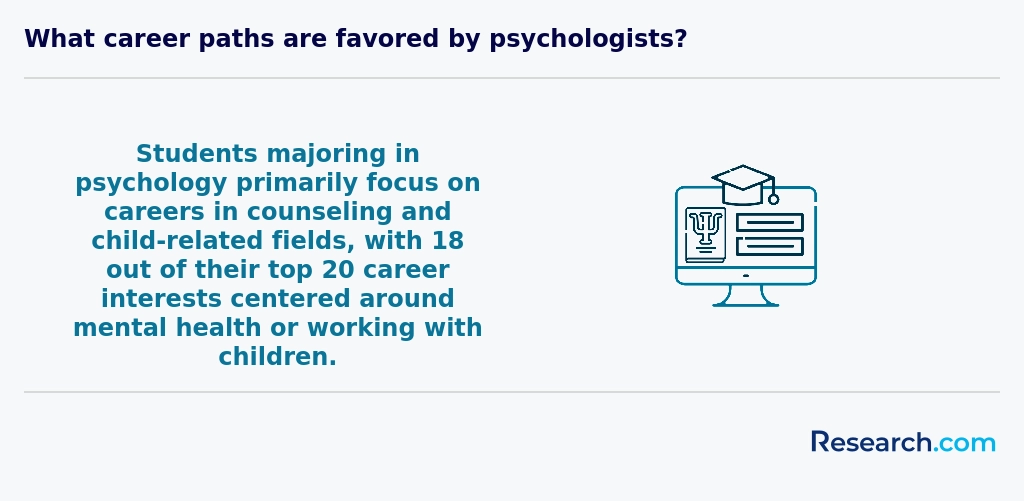
As the demand for flexible, budget-friendly education grows, online psychology degrees have become a popular choice for Birmingham students and working professionals alike. To explore a comprehensive statewide list of budget-friendly online psychology degrees, check out the Affordable Online Psychology Degree Programs Ranking in Alabama. These programs often feature:
- Competitive Tuition Rates: Many Alabama institutions cap per-credit fees below the national average, helping you complete your degree without breaking the bank.
- Asynchronous Coursework: Study on your own schedule with recorded lectures, interactive modules, and self-paced assignments.
- Dedicated Student Support: Online learners gain access to virtual advising, tutoring services, and career counseling tailored to psychology majors.
- Accelerated Tracks: Some programs allow students to transfer credits or test out of introductory courses, reducing both time and cost.
- Licensure Preparation: Accredited online curricula align with state board requirements, ensuring eligibility for licensure exams upon graduation. By leveraging these features, prospective students can balance work, family, and study commitments while investing in a high-quality psychology education without the on-campus price tag.
Imagine diving into your psychology studies at the University of Alabama at Birmingham or Samford University, knowing that financial aid can ease the journey. Many psychology students share how Pell Grants, providing up to $7,395 yearly, are a lifeline-offering relief without the weight of repayment. This support sparks excitement for those balancing classes and life expenses.
Federal student loans, especially subsidized ones, often fill gaps, granting up to $20,500 annually for undergraduates. Graduates recall carefully choosing loans to make their education affordable while planning for the future.
Alabama's own scholarships, like the Alabama Student Assistance Program (ASAP), reward hard work and need, making dreams at local colleges feel tangible. Some Birmingham institutions add unique scholarships for psychology majors, recognized for their dedication and curiosity.
Work-study opportunities also shine, letting students earn while gaining priceless experience in mental health settings. These roles transform classrooms into real-world labs, which many say enriched their understanding and confidence.
Private scholarships from national psychology groups often surprise students with extra support, encouraging them to chase research passions without financial worry.
Accreditation ensures your psychology degree meets industry standards and qualifies you for professional licensure in Alabama. Prospective students should verify that their chosen program is accredited by the American Psychological Association (APA) or regionally accredited by agencies recognized by the U.S. Department of Education. APA accreditation is especially critical for clinical, counseling, and school psychology tracks, as many state boards require a degree from an APA-accredited institution for licensure. Key steps toward licensure in Alabama:
- Complete an APA-accredited or regionally accredited master’s or doctoral program in psychology.
- Accumulate at least 2,000 hours of supervised professional experience, including pre- and post-doctoral internships approved by the Alabama Board of Examiners in Psychology.
- Pass the Examination for Professional Practice in Psychology (EPPP), administered by the Association of State and Provincial Psychology Boards (ASPPB).
- Fulfill any additional state requirements, such as jurisprudence exams or continuing education units (CEUs). For students planning to enter a master’s program before doctoral study, budgeting effectively is vital. Understanding how much does it cost to get a masters in psychology can help you compare tuition, fees, and financial aid options, ensuring you choose an accredited pathway that aligns with your career goals.
Diving into a psychology degree in Birmingham means preparing to meet a few exciting academic milestones that unlock your journey into understanding the human mind. Most students beginning this adventure at places like the University of Alabama at Birmingham embrace the challenge of holding a high school diploma or GED, along with solid foundations in English and math. Imagine coursework that sharpens your communication and analytical skills, essential tools as you explore psychology's fascinating layers.
Many psychology hopefuls share how maintaining a GPA around 2.5 to 3.0 not only opens doors to Birmingham's well-regarded programs but also builds confidence for the road ahead. Some recount submitting letters of recommendation or personal statements, which truly reflect their passion for psychology beyond grades. With universities increasingly adopting test-optional policies, you might find your unique story weighs just as much as SAT or ACT scores.
Transfer students often highlight the rewarding moment they bring completed credits and introductory courses from community colleges into Birmingham's academic hubs. This preparation helps them jump right into upper-level classes, ready to embrace new ideas and challenges with eagerness.

Ensuring your psychology degree is earned from an accredited institution is the first step toward meeting Alabama’s licensure requirements and advancing your career. Regional accreditation (e.g., SACSCOC) guarantees that your credits will transfer and that the program meets rigorous academic standards. For clinical practice, attending an APA-accredited program is often required to sit for the Examination for Professional Practice in Psychology (EPPP) and to fulfill state board criteria. When evaluating affordable and licensure-eligible options, consider exploring our Affordable Online Psychology Degree Programs Ranking in Alabama, which highlights programs designed to meet both budgetary and credentialing needs. After graduation, aspiring psychologists in Alabama must complete supervised professional experience-typically 2,000 to 4,000 hours-under a licensed psychologist or approved supervisor. These hours can be accumulated through internships, practicum placements, or post-doctoral fellowships, depending on your chosen credential (e.g., Licensed Professional Counselor vs. Licensed Psychologist). Documentation of supervision, along with official transcripts, is submitted to the Alabama Board of Examiners in Psychology as part of your application packet. Once supervision hours are approved, candidates must pass the EPPP, a standardized exam assessing core psychological knowledge. Some applicants also complete a jurisprudence or ethics examination specific to Alabama law. Upon passing these exams and verifying all educational and supervisory requirements, you will be issued a license to practice independently. Remember that licensure renewal in Alabama requires ongoing continuing education-often 20 hours per renewal cycle-to stay current with best practices and ethical standards. For those interested in school psychology, additional certification through the Alabama State Department of Education is required. This may involve coursework in educational assessment and child development, as well as supervised experience in K-12 settings. Understanding these accreditation and licensure pathways early in your education ensures you select a program that not only fits your budget but also propels you seamlessly into professional practice.
Diving into a psychology degree in Birmingham means immersing yourself in courses that spark curiosity and open doors to understanding human behavior on many levels. Graduates from popular universities often describe feeling exhilarated by classes like Introduction to Psychology, where foundational theories come alive through engaging discussions and real-world examples.
Imagine exploring Research Methods and Statistics not just as numbers, but as essential tools that unlock the secrets behind human actions-students often share how hands-on lab projects bring these skills to life, making data analysis feel like solving intriguing puzzles. In Biopsychology, they marvel at the intricate dance of brain cells governing emotions and decisions, often relating lessons to everyday experiences.
In Birmingham's vibrant academic settings, courses like Developmental and Social Psychology take center stage, inviting students to investigate how people grow and interact within communities, sometimes drawing on local case studies. This adventurous learning journey truly shapes a well-rounded grasp of psychology, blending theory with exciting practical insights that alumni cherish.
In Birmingham, psychology degree specializations offer thrilling opportunities for exploration. Many students dive into clinical psychology, engaging in hands-on experiences at local hospitals and clinics, where they witness the powerful impact of therapy firsthand. Others in counseling psychology find joy in helping peers navigate emotional challenges, with popular colleges integrating human development coursework that sparks meaningful personal growth. Graduates often describe a rewarding sense of purpose from these programs.
The industrial-organizational psychology track, favored at universities across Birmingham, inspires students curious about workplace dynamics and leadership. They relish real-world projects that improve employee well-being and productivity, an exciting venture combining psychology with business insights. Additionally, graduates of Birmingham psychology program concentrations report fascination with niches like forensic psychology, developmental psychology, health psychology, and neuropsychology-each unlocking unique perspectives on human behavior in diverse settings.
For those eager to start a career without a traditional route, exploring resources on how to be a therapist without college can open doors beyond conventional paths.
Choosing the best psychology degree in Birmingham sparks an exciting journey through accredited programs that shape your future. Graduates from well-known universities in the city often share how the rigorous curriculum and diverse specializations-from clinical psychology to research methods-helped them find their true passion. Picture yourself diving into captivating coursework designed by faculty actively involved in groundbreaking studies or community projects right here in Birmingham.
Exploring affordable psychology degree programs Birmingham offers is equally thrilling. Many students discover that balancing tuition costs with scholarship opportunities or local financial aid makes pursuing their dreams achievable. For instance, some graduates recall how accessing career counseling and internship placements at Birmingham colleges gave them confidence stepping into the job market.
Imagine walking through campus halls where support services like academic advising and strong alumni networks make the path smoother. Familiarizing yourself with these resources and checking details like graduation rates uncovers what truly fits your aspirations. Curious about expenses? Learn how much does it cost to get a masters in psychology to plan your adventure wisely.
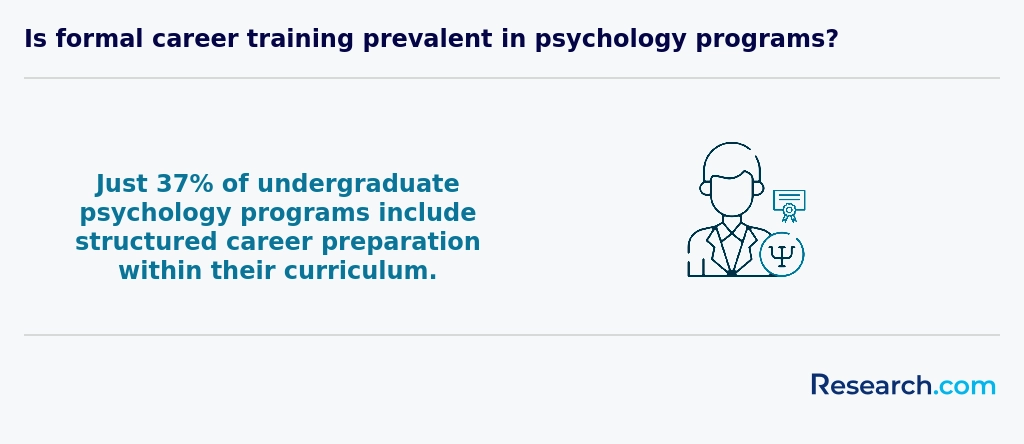
Exploring psychology career opportunities in Birmingham reveals exciting and diverse paths. Graduates from popular local colleges often find themselves thriving in clinical settings such as hospitals and community health centers, applying their skills in counseling and behavioral analysis. Many describe the rewarding experience of working alongside healthcare teams, helping patients navigate challenges with empathy and insight.
Others dive into social services, joining non-profit organizations that support vulnerable populations. These roles allow graduates to feel a deep connection to their community, addressing real human needs. Meanwhile, educational institutions in Birmingham eagerly welcome psychology graduates to tackle student development and learning challenges, making a meaningful impact on young lives.
Beyond direct clinical work, jobs with a psychology degree Birmingham include human resources and market research, where analytical skills shine in improving workplace culture. For those weighing costs and options, programs like the Affordable Online Psychology Degree Programs Ranking in Alabama make pursuing this adventurous journey both accessible and exciting.
Exploring the psychology degree job opportunities Birmingham offers reveals a vibrant local market shaped by major healthcare and educational institutions. Graduates from popular universities here often find themselves stepping into roles at the UAB Health System or local schools, where their hands-on learning transforms into clinical psychologist or school psychologist positions. Some graduates share how working as behavioral health specialists or research assistants feeds their passion while building strong career foundations amidst Birmingham's welcoming professional community.
With a supportive landscape of hospitals, mental health centers, and universities, the career outlook for psychology graduates Birmingham experience feels promising and motivating. Entry-level salaries are competitive, encouraging many to pursue further studies, often considering accelerated online associate degree programs to boost their potential. These opportunities inspire optimism, allowing new professionals to contribute actively and feel connected within the city's thriving psychology sector.
2027 Most Affordable Psychology Degree Programs Ranking in Birmingham
Investing in your education is a significant decision that can shape your future, and the Research.com team understands the importance of making informed choices. To assist prospective students in Birmingham, we have meticulously crafted the "2027 Most Affordable Psychology Degree Programs Ranking in Birmingham." Our commitment to quality, credibility, and accuracy is reflected in the extensive research and analysis conducted to compile this ranking.
We utilized the following reputable data sources to ensure a comprehensive evaluation of psychology degree programs:
By exploring this ranking, readers will gain valuable insights into the most affordable psychology degree programs available in Birmingham, helping them make well-informed decisions about their educational paths. For more details on our methodology, please visit our Research.com methodology page.


Frequently Asked Questions About psychology
Psychology degree students in Birmingham can maximize their learning experience by engaging actively in both coursework and practical opportunities. Birmingham offers access to diverse clinical settings and research centers, such as those affiliated with universities like the University of Alabama at Birmingham. Participating in internships and volunteer positions provides valuable real-world experience, which enhances understanding of psychological theories and applications.
Students should also take advantage of study groups and workshops to deepen critical thinking skills. According to the American Psychological Association, applied experiences increase retention and skill development by up to 40% compared to classroom learning alone.
Networking with faculty and professionals in Birmingham's psychology community is another key strategy to open doors for mentorship and career prospects.
The psychology field is expanding into several emerging niches that offer promising career opportunities for students in Birmingham. One growing area is neuropsychology, which studies the relationship between brain function and behavior. This field is particularly important in developing treatments for brain injuries and neurological disorders.
Another fast-developing niche is health psychology, focusing on how psychological factors affect physical health and wellness. This specialization is gaining demand due to increasing awareness of mental health's role in overall well-being.
Additionally, forensic psychology, dealing with the intersection of psychology and the legal system, continues to grow, with jobs in criminal justice becoming more prevalent.
According to the U.S. Bureau of Labor Statistics, these specialized roles typically require advanced degrees but offer above-average salaries and job growth projections.
Preparing for the job market after completing a psychology degree in Birmingham involves strategic planning and gaining relevant experience. Students should seek internships or volunteer opportunities in local mental health centers, hospitals, or community organizations to build practical skills.
Networking is also essential. Joining professional groups like the Alabama Psychological Association allows graduates to connect with practitioners and stay updated on job openings. According to the U.S. Bureau of Labor Statistics, employment for psychologists in Alabama is projected to grow 8% from 2022 to 2032, indicating steady demand.
Additionally, obtaining relevant certifications or pursuing graduate studies can enhance employability in specialized fields such as clinical or counseling psychology.
Employers hiring psychology graduates in Birmingham prioritize strong analytical and critical thinking skills. These skills enable graduates to interpret complex data and contribute effectively to research and clinical settings. According to the Bureau of Labor Statistics, jobs in psychology often require proficiency in statistical software and research methodologies.
Communication skills, both written and verbal, are highly valued. Graduates must clearly present findings and collaborate with diverse teams in healthcare, education, and social services. The American Psychological Association highlights that interpersonal skills enhance client interactions and teamwork.
Problem-solving abilities and ethical judgment are also vital, as Birmingham employers seek graduates who can navigate challenging scenarios responsibly. Practical experience through internships strengthens these competencies, making candidates stand out in the competitive job market.
Finding internships in Birmingham relevant to a psychology degree involves several strategic steps. First, students should explore university career centers such as those at the University of Alabama at Birmingham (UAB), which frequently list internships in clinical, research, and counseling psychology. UAB's Psychology Department works closely with local healthcare facilities and community organizations, offering practical placements.
Additionally, students can search for internships through professional bodies like the Alabama Psychological Association, which sometimes advertises positions suited for psychology students. Online platforms such as Handshake, used by many Birmingham universities, also compile internship listings targeted at psychology undergraduates.
Networking through attending local psychology conferences and seminars can connect students with potential internship supervisors. Internships may range from unpaid to paid positions, contributing valuable experience essential for graduate school or clinical licensure. According to the U.S. Bureau of Labor Statistics, internship experience significantly improves employment outcomes in psychology fields, highlighting their importance for Birmingham students.
A psychology degree in Birmingham provides valuable skills that support career mobility and advancement, especially in sectors like healthcare, education, and business. According to the U.S. Bureau of Labor Statistics, professionals with a psychology background often see faster job growth compared to the average, with a projected 8% increase in related occupations by 2030. In Birmingham, employers value graduates with critical thinking, research, and communication skills gained through psychology programs.
Many local organizations offer internships and networking opportunities, which enhance practical experience. This real-world exposure helps graduates transition smoothly into supervisory or specialized roles. Moreover, earning advanced credentials post-degree can open doors to clinical, counseling, or organizational psychology careers with higher salaries.
Studying for a psychology degree in Birmingham equips students with skills crucial for interdisciplinary roles. Programs often emphasize collaboration across fields such as healthcare, education, and social work. This approach is supported by Birmingham's proximity to major research hospitals and diverse community services.
According to the American Psychological Association, interdisciplinary training enhances problem-solving abilities, a key outcome emphasized in Birmingham's curricula. Students gain experience in data analysis, counseling, and research methods, applying psychology principles in varied contexts.
Local universities also encourage internships and partnerships with organizations in public health and technology sectors. This hands-on experience fosters adaptability and communication skills, preparing graduates for careers that require working alongside professionals in multiple disciplines.
Choosing between a thesis and a non-thesis psychology degree program in Birmingham depends on your career goals and time commitment. Thesis programs are research-focused, requiring original research and a formal paper. This path suits students aiming for doctoral studies or research careers, as it strengthens analytical skills and academic credentials.
Non-thesis programs emphasize coursework and practical experience, ideal for those pursuing professional roles in counseling or applied psychology. They usually complete a comprehensive exam or project instead of a thesis.
According to the National Center for Education Statistics, Birmingham institutions offer both options with similar tuition rates, but thesis tracks may take longer to finish.
Students based in Birmingham who wish to study psychology abroad, particularly in the United States, have several options. Many US universities offer exchange programs or study abroad partnerships that allow students to earn credits toward their psychology degree while experiencing American higher education. For example, institutions like the University of Alabama and Florida State University frequently participate in such programs.
Additionally, Birmingham students can apply directly to US colleges offering psychology degrees with flexible online or hybrid options, making international study more accessible without relocating immediately. According to the Institute of International Education, psychology remains a popular major among international students in the US.
Scholarships and financial aid targeted at international psychology students can further support Birmingham applicants, easing the cost of US education, which can average $30,000 per year for out-of-state students in public universities. Universities with strong psychology departments often publish their acceptance rates and funding opportunities online, aiding student research.
Students pursuing psychology degrees in Birmingham can benefit from various part-time job opportunities that enhance their academic knowledge and practical experience. Popular roles include research assistants at local universities or healthcare facilities, where students support ongoing psychological studies and data collection. These positions often pay around $12-$15 per hour, according to the Bureau of Labor Statistics. Additionally, internships or volunteer roles in community mental health centers help students develop interpersonal and counseling skills relevant to psychology careers. Roles as behavioral health technicians in hospitals or social service agencies also provide hands-on experience with patient care, complementing classroom learning effectively.
Psychology students in Birmingham benefit from multiple networking opportunities designed to enhance their academic and professional growth. Local universities often host guest lectures and workshops, connecting students with experienced psychologists and researchers. For example, Alabama Southern Community College and Jefferson State Community College provide regular events where students can meet faculty and visiting experts.
The Birmingham Psychological Association offers student memberships, facilitating access to conferences, seminars, and local practicum openings. Such involvement helps students gain insights into current research and clinical practices. According to data from the American Psychological Association, networking can improve graduate employment rates by up to 30%.
Additionally, psychology students often access internships through Birmingham's healthcare system, such as the University of Alabama at Birmingham's extensive hospital network. These placements provide vital professional contacts in clinical and research settings.
Alumni networks offer significant advantages to psychology degree students in Birmingham. These networks connect current students with graduates who have firsthand experience navigating the local job market. According to the National Association of Colleges and Employers, 85% of jobs are filled through networking, highlighting the vital role alumni play in career development.
Through organized events and online platforms, students gain access to mentorship, internships, and job openings specifically related to psychology roles in Birmingham's healthcare and educational sectors. This support often leads to enhanced employment outcomes after graduation.
Moreover, alumni networks provide insights into emerging research opportunities and graduate programs, enriching academic and professional growth. The University of Alabama at Birmingham's psychology department emphasizes these connections as a cornerstone of student success.
Customizing a psychology degree program in Birmingham allows students to tailor their education toward specific career ambitions. Many universities offer concentrations such as clinical, counseling, or industrial-organizational psychology, enabling students to develop skills aligned with their professional goals.
Students can often choose electives and research projects related to their interests, which strengthens their expertise in areas like mental health, human behavior, or workplace dynamics. Additionally, internships and supervised field experiences in local clinics or businesses provide practical knowledge and networking opportunities within Birmingham's psychology job market.
The U.S. Bureau of Labor Statistics notes that specialized training can improve employment prospects and salary potential in the field of psychology.
Psychology students in Birmingham often encounter several common challenges during their studies. One significant difficulty is managing the demanding coursework, which frequently includes extensive research projects and complex statistical analysis often required in psychology programs. According to the American Psychological Association, mastering these technical skills is crucial but can be stressful for many students.
Financial pressure is another concern. Birmingham's average in-state tuition for public universities stands around $10,000 annually, which may cause stress, especially when combined with living expenses. A report from the National Center for Education Statistics highlights that nearly 60% of psychology undergraduates rely on loans or work-study to fund their education.
Lastly, the need to gain practical internships or research experience may be challenging due to high competition within the city's academic and clinical settings, limiting early career opportunities for psychology students.
With a psychology degree earned in Birmingham, graduates can pursue several professional certifications to enhance their careers. Common options include becoming a Licensed Professional Counselor (LPC), which requires additional supervised clinical experience and passing the National Counselor Examination.
Another certification is the Certified Alcohol and Drug Counselor (CADC), relevant for those focused on addiction treatment. Also popular is the Board Certified Behavior Analyst (BCBA) credential, especially for professionals working with behavioral interventions.
Obtaining these certifications typically involves completing a master's degree or higher, fulfilling state-specific requirements, and passing national exams. According to the Alabama Board of Examiners in Counseling, demand for LPCs in Birmingham has grown by 12% in recent years.
Applying for a psychology degree program in Birmingham requires a clear, focused approach. Admissions committees look for applicants with strong academic records, particularly in science and social science subjects.
Highlight any relevant experience, such as volunteering or internships involving psychology or mental health, to demonstrate commitment. Personal statements should explain your motivation to study psychology and how it aligns with your career goals.
Research universities in Birmingham, like the University of Birmingham and Birmingham City University, as these schools often emphasize practical experience and research skills in their admissions criteria. According to the American Psychological Association, showing awareness of current psychology trends strengthens applications.
Finally, ensure your application is well-organized, proofread, and submitted before deadlines, typically in late fall or winter for most US institutions accepting international students.
Psychology careers offer diverse global opportunities, influenced strongly by regional education and healthcare systems. In the United States, where many Birmingham students may aim to work or study further, psychology graduates often pursue licensure to become clinical psychologists, counselors, or researchers. The U.S. Bureau of Labor Statistics projects a 8% growth in psychologist jobs between 2022 and 2032, reflecting steady demand.
Internationally, psychology practices and recognition vary. For U.S.-trained students in Birmingham, understanding cultural competence is key, as working globally requires adapting to different mental health approaches and ethical standards.
The average salary for psychologists in the U.S. ranges widely by specialization and location, with a median annual wage of around $81,040 as of 2023, offering promising economic prospects. This makes psychology a viable global career option for Birmingham-based graduates interested in contributing to mental health research and practice worldwide.
Gaining practical experience while studying for a psychology degree in Birmingham often involves internships, research assistantships, and volunteer work. Many universities connect students with local hospitals, clinics, and community organizations, offering hands-on opportunities in mental health and counseling settings.
Students can also participate in research projects led by faculty members, which enhances understanding of psychological theories and methodologies. According to the American Psychological Association, integrating practical experiences during undergraduate studies improves employment prospects and graduate school acceptance rates.
Additionally, joining psychology clubs and attending workshops in Birmingham fosters professional networking and skill development. Exploring part-time roles related to behavioral health in the area further enriches learning outside the classroom.
Choosing the right concentration within a psychology degree in Birmingham involves assessing your career goals and academic interests. Common concentrations such as clinical, counseling, or industrial-organizational psychology align with different career paths. For example, clinical psychology focuses on diagnosing and treating mental illness, while industrial-organizational psychology applies psychology principles to workplace settings. According to the Bureau of Labor Statistics, psychology roles in the Birmingham metro area are expected to grow by 7% through 2031, reflecting a steady demand.
Understanding course offerings at Birmingham-based schools is crucial, as not all programs offer the same specializations. Researching faculty expertise and internship opportunities can provide insight into practical experience and networking possibilities. Additionally, consider your preferred learning style and whether the program emphasizes research, applied practice, or both. Exploring local licensing requirements will help ensure your concentration prepares you adequately for certification in Alabama.
- 2027 Most Affordable Psychology Degree Programs Ranking in Montgomery
- 2027 Most Affordable Psychology Degree Programs Ranking in Atlanta
- 2027 Most Affordable Psychology Degree Programs Ranking in Macon
- 2027 Most Affordable Psychology Degree Programs Ranking in Mobile
- 2027 Most Affordable Psychology Degree Programs Ranking in Hattiesburg
- 2027 Most Affordable Psychology Degree Programs Ranking in Tallahassee
- 2027 Most Affordable Psychology Degree Programs Ranking in New Orleans
- 2027 Most Affordable Psychology Degree Programs Ranking in Louisville
- 2027 Most Affordable Psychology Degree Programs Ranking in Baton Rouge
- 2027 Most Affordable Psychology Degree Programs Ranking in Saint Louis
See What Experts Have To Say About Studying Psychology
Read our interview with Psychology experts

Robin M. Kowalski. Ph.D.
Psychology Expert
Professor of Psychology
Clemson University

Joann Farrell Quinn, Ph.D., MBA
Psychology Expert
Director at the College of Medicine Department of Medical Education
Morsani College of Medicine

Elizabeth L. Jeglic Ph.D.
Psychology Expert
Professor of Psychology
City University of New York

- What careers can you get into with a postgraduate psychology degree? https://www.bcu.ac.uk/blog/psychology/what-careers-can-you-get-with-postgraduate-psychology-degree
- Psychology A-level | University College Birmingham https://www.ucb.ac.uk/college-and-sixth-form/sixth-form/courses/psychology-a-level/
- 5 Best Places to Study Abroad for Psychology https://www.ciee.org/go-abroad/college-study-abroad/blog/5-best-places-study-abroad-psychology
- Psychology Online Degree Pathway https://www.learndirect.com/course/psychology-online-degree
- Sample letters in psychology https://www.mystudies.com/en-in/human-and-social-sciences/psychology/letter-model/
- How to help students cope with mental health challenges https://www.eaie.org/resource/help-students-cope-mental-health-challenges.html
- How To Find Psychology Internships https://www.psychology.org/resources/how-to-find-an-internship/
- Study Psychology Abroad https://astarfuture.co.uk/study_psychology_abroad.html
- Society for the Teaching of Psychology https://teachpsych.org/page-1784686/8675326
- Know more about thesis vs non- thesis: what is the difference? https://studyfans.com/en/blogs/816


