2027 Most Affordable Online Psychology Degree Programs Ranking in Georgia

Co-Founder and Chief Data Scientist
Choosing the right psychology degree program can feel overwhelming, especially when considering cost and quality. This article introduces the 2027 Most Affordable Online Psychology Degree Programs Ranking in Georgia, created by the Research.com team of data scientists. It's designed to help Georgia students make smart decisions by highlighting programs that offer both value and credibility.
Getting a psychology degree opens doors to meaningful careers and personal growth. Exploring affordable options lets you focus on what truly matters: building your future with confidence and purpose.
Key benefits of getting online psychology degree in Georgia
- Psychology degree graduates in Georgia can expect competitive salaries, such as Marketing Research Analysts earning around $83,190 annually and Human Resources Specialists making about $76,060 per year, highlighting strong financial potential.
- A psychology degree opens diverse career paths in Georgia, including roles like Clinical Research Associates and Survey Researchers, offering rewarding opportunities in healthcare, research, and business sectors.
- Completing a psychology degree online from a well-known Georgia university allows students flexibility to balance work and study, often accelerating career advancement without sacrificing personal commitments.
- 2027 Most Affordable Online Psychology Degree Programs Ranking in Georgia
- What can I expect from online psychology degree in Georgia?
- Where can I work with online psychology degree in Georgia?
What can I expect from online psychology degree in Georgia?
The average cost of an online psychology degree in Georgia varies depending on the institution and degree level. For example, graduates from well-known programs at universities like Kennesaw State University or Georgia Southern University often report tuition costs ranging from $5,000 to $10,000 per year for bachelor's degrees, while master's programs typically range from $12,000 to $20,000 total. Many students appreciate the affordability compared to traditional on-campus programs, especially when factoring in savings on commuting and housing.
One graduate described balancing work and study, emphasizing how the flexible online schedule helped manage costs by allowing steady income while progressing academically. Furthermore, Georgia's public institutions usually offer lower tuition rates for residents, making it essential to verify in-state tuition eligibility early in the application process.
Financial aid options, including scholarships and employer tuition assistance, are also frequently available and should be explored. Prospective students are encouraged to contact financial aid offices and review specific program fees to plan their budgets effectively before enrolling.
Where can I work with online psychology degree in Georgia?
Graduates with an online psychology degree from well-known Georgia institutions like Kennesaw State University or the University of Georgia find diverse career paths readily available. Many start in healthcare settings such as hospitals or mental health clinics, where they apply their skills as psychiatric technicians or case managers, roles that provide hands-on experience while supporting patient wellbeing. These positions often spark a rewarding sense of purpose and professional growth.
Others have successfully transitioned into educational roles, working as school counselors or behavioral specialists within Georgia's public school system. Although additional certification is usually required, graduates appreciate the opportunity to impact student lives directly.
For those drawn to government service, graduates are recruited by agencies like the Georgia Department of Public Health or the Georgia Bureau of Investigation for roles in community mental health or forensic psychology, benefiting from advanced training and competitive salaries.
Additionally, many psychology degree holders embrace private sector jobs in HR or organizational development, where understanding behavior drives company success. Graduates often highlight the satisfaction of applying classroom knowledge to real business challenges across Atlanta and beyond.
Starting with a bachelor's degree offers valuable entry points, while pursuing licensure opens doors to advanced clinical roles. The Georgia Composite Board guides graduates through these steps, ensuring clear pathways to fulfillment and career stability.
Graduates with an online psychology degree in Georgia can anticipate varying earnings depending on their chosen career path and level of education. For example, human resources specialists, a common role for psychology graduates, earn a mean annual wage of around $76,060, according to the latest US Bureau of Labor Statistics data. This wage reflects positions often found in Atlanta and other urban centers, where demand for skilled professionals remains strong.
Marketing research analyst roles offer even higher earning potential, with a mean annual salary of $83,190. Graduates from Georgia State University or the University of Georgia frequently cite gaining practical skills during their online studies that helped them secure positions with competitive pay in this field.
Roles such as clinical research associate or survey researcher, both aligned with psychology training, provide stable incomes averaging about $62,370 annually. These positions, popular among online graduates, offer valuable experience and a clear path toward advancing in clinical or academic research settings.
Understanding these salary benchmarks empowers future students in Georgia to make informed decisions about their education investment and career trajectory.
- Annual tuition for online psychology bachelor's degrees in Georgia typically ranges from $4,000 to $10,000 for in-state students.
- Programs should be regionally accredited by SACSCOC to ensure credibility and eligibility for federal financial aid.
- Starting salaries for graduates average between $38,000 and $45,000 per year, with licensed psychologists earning $70,000 to $90,000 annually.
- Job growth for psychology professionals in Georgia is projected at 8% to 12% over the next decade.
- Licensure in Georgia requires a doctoral degree and supervised hours, with online bachelor's or master's degrees serving as initial steps.
Completing an online psychology degree in Georgia generally depends on the level of study and your course load. For example, undergraduates often finish a bachelor's degree in about four years at institutions like Kennesaw State University or Georgia State University, especially when enrolled full-time. Graduates report feeling accomplished knowing their flexibility allowed them to balance work and study efficiently.
Associate degrees, common at colleges like Gwinnett Technical College, typically take two years and serve as a stepping stone for transferring into four-year programs. This shorter timeline is ideal for students eager to start building foundational knowledge quickly.
Master's degrees vary from 1.5 to 3 years, depending on part-time or full-time status. Graduates from online programs at Mercer University appreciate manageable pacing that fits their busy lives. Doctoral candidates in Georgia, who often attend schools like Emory University, expect a 4 to 7-year commitment due to intensive research and practicum demands.
Maximizing transfer credits and choosing accelerated courses are practical strategies to reduce completion time while maintaining quality education.
To find the most affordable psychology schools in Georgia, it's essential to research and compare various institutions. Pursuing an affordable online psychology degree can significantly enhance one's career prospects without accumulating substantial debt. For those interested in exploring affordable options, visiting affordable psychology schools in georgia can provide valuable insights and help make informed decisions about their educational pathway. By considering factors such as tuition fees, financial aid, and program accreditation, students can identify institutions that offer quality education at a reasonable cost, ultimately setting them up for success in their future careers.
Online and on-campus psychology degrees in Georgia differ mainly in delivery and flexibility. Graduates from the University of Georgia often recall the convenience of online classes, which allowed them to balance work and family while studying. These programs usually feature asynchronous sessions, so you can watch lectures on your own schedule, a big plus for busy professionals or residents living outside Atlanta.
Meanwhile, on-campus students at Georgia State University value face-to-face interactions and immediate access to resources like research labs and counseling centers. The structured timetable helps maintain focus but requires physical attendance, which may not suit everyone.
Tuition tends to be lower for online options, easing financial pressures by cutting commuting and housing costs. Both formats must meet regional accreditation standards in Georgia to ensure your degree is credible for licensure and employment.
For practicum hours, online students arrange local placements, whereas on-campus attendees often benefit from university-affiliated internships, which can sometimes open doors more quickly.
Applying to an online psychology degree in Georgia involves several clear steps:
- Research accredited online psychology programs and note their application deadlines (often Fall: Aug–Oct; Spring: Nov–Jan).
- Review each program’s prerequisites (GPA, test scores, essays) and create a checklist.
- Request official transcripts and secure letters of recommendation at least 4–6 weeks before deadlines.
- Prepare a concise personal statement highlighting your motivation and relevant experience.
- Complete the FAFSA by March 1 (priority for state aid) and explore university scholarships.
- Submit your online application and monitor your email for admission decisions and next steps.
The average cost of an online psychology degree in Georgia typically falls around a median total of $41,958, making it a practical investment for many students. Public universities such as the University of Georgia, Kennesaw State University, and Georgia Southern University offer affordable psychology degree programs Georgia 2027 hopefuls often consider for their lower in-state tuition rates. Graduates from these programs frequently describe the value of affordable tuition combined with flexible scheduling that accommodates working professionals.
For example, students pursuing a bachelor's degree online at a public institution in Georgia often pay between $7,000 and $11,000 annually if they qualify for in-state tuition. This range enables many to manage costs effectively while leveraging financial aid and scholarships. Graduate degrees, like a Master's in Psychology, may cost between $400 and $700 per credit hour, with total tuition reaching up to $25,000 depending on the program length and institution type.
To maximize affordability, many students recommend researching specific programs closely and exploring financial aid options. Some also choose programs that offer additional support for technology fees or textbooks. Those interested in balancing cost and flexibility will find that Georgia schools encourage prospective learners to explore a flexible online behavioral psychology degree, which can save money on commuting and housing expenses while delivering a quality education.

To practice as a licensed psychologist in Georgia, graduates must navigate a multi-step licensure process governed by the Georgia Composite Board of Professional Counselors, Social Workers, and Marriage and Family Therapists. First, candidates must hold a doctoral degree in psychology from an APA-accredited program or meet equivalent training standards. Next, applicants complete at least 1,500 hours of supervised experience-typically split between pre-doctoral and post-doctoral internships-under a board-approved supervisor. Once supervised hours are fulfilled, candidates sit for the Examination for Professional Practice in Psychology (EPPP), which assesses core competencies such as biological bases of behavior and ethical standards. After passing the EPPP, applicants submit a formal licensure packet, including official transcripts, supervisor affidavits, and background checks. Georgia also requires a state jurisprudence exam covering Georgia laws and ethical regulations specific to psychologists. Upon board approval, licensees receive the right to practice independently, though they must adhere to continuing education requirements-24 credit hours every two years-to maintain and renew their credential. For those evaluating graduate programs that streamline licensure preparation, consider how curriculum alignment with EPPP content areas and internship placement support can accelerate your path to certification. While this guide focuses on Georgia offerings, you may wish to explore broader options by reviewing our Most Affordable Online Master's in Psychology Degree Programs Ranking in the Northeast to compare program features and licensure success rates in other regions.
Students pursuing an online psychology degree in Georgia can access multiple financial aid options to ease tuition costs. For instance, graduates from well-known institutions like the University of Georgia often rely on federal aid such as Pell Grants, which provide up to $7,395 annually without requiring repayment. Completing the FAFSA is essential to unlock these federal funds.
Georgia residents also benefit from state-specific programs like the HOPE Scholarship and HOPE Grant. These awards have helped students at Georgia State University cover full or partial tuition based on merit, providing significant relief and motivation to excel academically.
Many universities offer institutional scholarships tailored to psychology majors, rewarding both merit and financial need. Students often share how these scholarships made attending online programs at Kennesaw State University more affordable.
Work-study allows students to gain relevant part-time experience while earning money, easing financial pressure. Veterans can additionally apply GI Bill benefits or state tuition assistance to extend their funding options.
By combining these resources, Georgia students find practical ways to afford their psychology education while staying focused on their goals.
Choosing an accredited online psychology degree in Georgia is the first step toward professional licensure and a successful career. Regional accreditation by the Southern Association of Colleges and Schools Commission on Colleges (SACSCOC) ensures that your credits transfer smoothly and that your diploma is recognized by employers and licensing boards. For those aiming to become licensed psychologists, programmatic accreditation from the American Psychological Association (APA) is often required for doctoral-level training. After completing your degree, graduates must satisfy Georgia’s licensure criteria, which include:
- Earning a doctoral degree in psychology from an APA-accredited institution (for PsyD or PhD).
- Completing at least 3,500 hours of supervised professional experience, with a minimum of 1,750 hours post-internship.
- Passing the Examination for Professional Practice in Psychology (EPPP) administered by the Association of State and Provincial Psychology Boards (ASPPB).
- Submitting proof of ethics training and passing a jurisprudence exam specific to Georgia law. For master’s-level counselors and therapists, the Georgia Composite Board of Professional Counselors, Social Workers and Marriage and Family Therapists requires:
- A master’s degree in counseling or a related field from an accredited institution.
- 3,000 hours of supervised clinical experience.
- Successful completion of the National Counselor Examination (NCE) or the National Clinical Mental Health Counseling Examination (NCMHCE). Prospective students exploring accelerated pathways or seeking flexible scheduling can benefit from an online curriculum designed for licensure preparation. For more information on streamlined clinical training and exam prep, consider our accelerated psychology program online that aligns with Georgia’s accreditation and licensure standards.
To enroll in an online psychology degree program in Georgia, you need to meet clear prerequisites that differ by level. Undergraduate programs at well-known schools like the University of Georgia typically require a high school diploma or GED with a GPA around 2.5 to 3.0. Graduates often recall that submitting solid transcripts and recommendation letters helped showcase their academic readiness, especially when applying during competitive admissions cycles.
Graduate applicants aiming for programs like Georgia State University's online Master's must hold a bachelor's degree from an accredited institution with a minimum GPA near 3.0. Many found that having coursework in statistics, research methods, or developmental psychology greatly improved their chances. Some programs ask for GRE scores, but this requirement may be waived if you have relevant work or volunteer experience, which numerous successful students emphasize as a confidence booster in their applications.
Always check each university's admissions page carefully. Many Georgian programs help you explore financial aid options too, easing the path toward your goal of earning a psychology degree online.
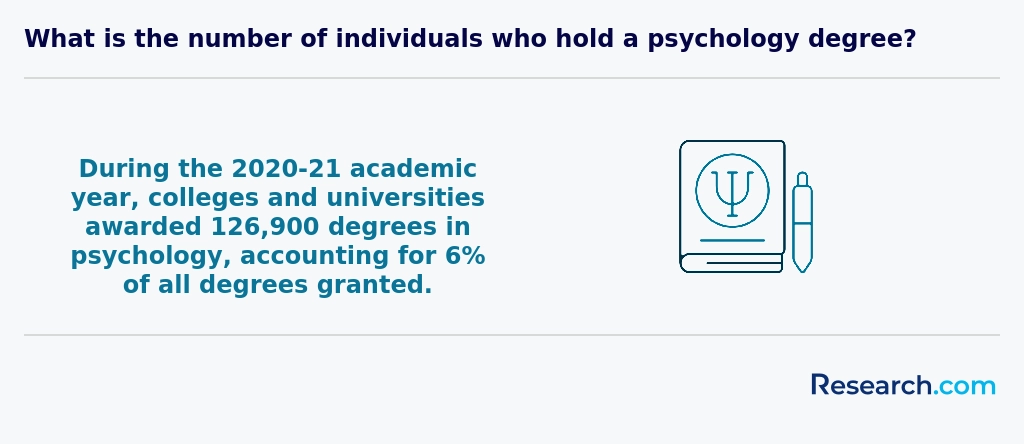
For many online psychology graduates in Georgia, the journey doesn’t end with a bachelor’s or master’s degree; it’s just the beginning of a lifelong career filled with growth and advanced opportunities in the field. Exploring advanced studies is a crucial step toward specialized roles, higher earning potential, and impactful contributions to mental health and research. Graduates are encouraged to consider pursuing additional credentials, such as master’s and doctorate programs in psychology, which open doors to careers in clinical practice, academia, and high-level research. By enrolling in advanced programs, students can refine their expertise, engage in cutting-edge research, and build a professional network that supports long-term career success. Additionally, many institutions offer mentorship programs, internship opportunities, and alumni networks that facilitate a smoother transition from academic life to professional environments. As the competitive job market evolves, continuous learning and professional development are key to standing out, ensuring graduates not only enter the workforce confidently but also thrive in leadership and innovation within the psychology sector.
Online psychology degree programs in Georgia typically include core courses that build a strong foundation in the field. Graduates from popular schools like Georgia State University and Kennesaw State University often highlight classes such as Introduction to Psychology, which offers a clear overview of psychological principles, and Developmental Psychology, helping students understand human growth from infancy through adulthood.
Many find Abnormal Psychology engaging, as it focuses on mental disorders and diagnostic criteria, making the material feel relevant to real-world clinical environments. Social Psychology courses help students explore how people behave in groups, a relatable topic for those involved in community work or counseling. Biological Psychology and Cognitive Psychology classes deepen understanding of brain functions and processes like memory, which graduates say sparked their curiosity about everyday human behavior.
Research Methods and Statistics are usually emphasized to equip students with critical skills for analyzing data and conducting studies, which online learners appreciate for its practical application in thesis projects or internships. For a richer experience, electives such as Health Psychology or Forensic Psychology offer targeted insights that align well with specific career goals in Georgia's mental health and legal fields.

Online psychology degree specializations in Georgia cater to diverse career goals, with popular tracks including clinical psychology, which prepares graduates for mental health roles involving assessment and therapy. Many students from well-known Georgia colleges appreciate how this specialization enables them to meet growing local demand, inspired by a projected 14% employment increase nationwide. Other sought-after concentrations are industrial-organizational psychology, focusing on workplace behavior and productivity, and forensic psychology, which merges legal and psychological expertise for criminal justice support.
Graduates from Georgia institutions often praise the hands-on focus of child and adolescent psychology and health psychology specializations, which address developmental needs and mind-body connections, respectively. For those drawn to educational settings, school psychology remains a favorable path supported by flexible online curricula designed to fulfill state certification requirements.
When exploring Georgia affordable psychology degree concentrations, consider future licensing steps, as some fields require supervised hours post-graduation. Many online programs also incorporate practical licensing preparation into their courses, helping students transition smoothly to professional work. For example, graduates often reflect on how programs at Georgia colleges balanced theory and real-world skills, making their learning engaging and applicable. Additionally, exploring examples of social justice can enrich understanding within certain specializations.
Focus first on accreditation when choosing an online psychology degree in Georgia. Graduates from well-known colleges feel confident knowing their program was accredited by the American Psychological Association (APA) or regionally recognized bodies like SACSCOC. This ensures that employers and graduate schools value their credentials.
Many students find affordable online psychology degrees in Georgia by comparing tuition costs, which typically range from $200 to $400 per credit hour. Public institutions often offer lower in-state rates, helping reduce overall expenses. Graduates frequently recommend researching schools with competitive pricing before committing.
Consider program flexibility-successful students from large universities often appreciate asynchronous classes that fit around work and family schedules. Also, check for online resources like academic advising and career counseling, which enhance your learning experience.
You should also ensure the curriculum covers vital subjects like research methods and developmental psychology. For those aiming to become licensed professionals, review the educational psychology degree requirements specific to Georgia. This practical approach helps align your studies with future goals.
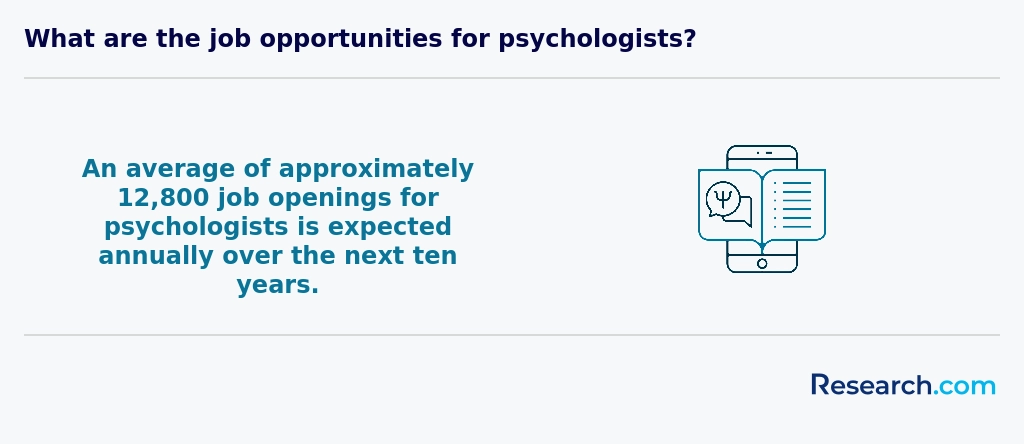
Graduates with an online psychology degree in Georgia find a range of career paths suited to their skills and interests. Many begin as licensed psychologists after earning a doctoral degree and obtaining state licensure, working in clinical, counseling, or school environments to support mental health. Graduates from well-known programs like Georgia Tech or the University of Georgia often secure research assistant or coordinator roles, gaining valuable hands-on experience in university labs or healthcare settings.
For those with bachelor's or master's degrees, opportunities expand into areas such as human services, social work, and behavioral health technician positions. These roles offer fulfilling ways to engage directly with communities and contribute to improving lives. Others leverage their psychology background into business careers like human resources or marketing, applying behavioral insights to enhance organizational performance and consumer understanding.
Students seeking to enter mental health counseling can explore careers with growing demand and promising wages in Georgia. For more on related salary expectations, see the lpc salary in illinois. The variety of psychology job opportunities in Georgia ensures every graduate can find a meaningful path that matches their passion and skills.
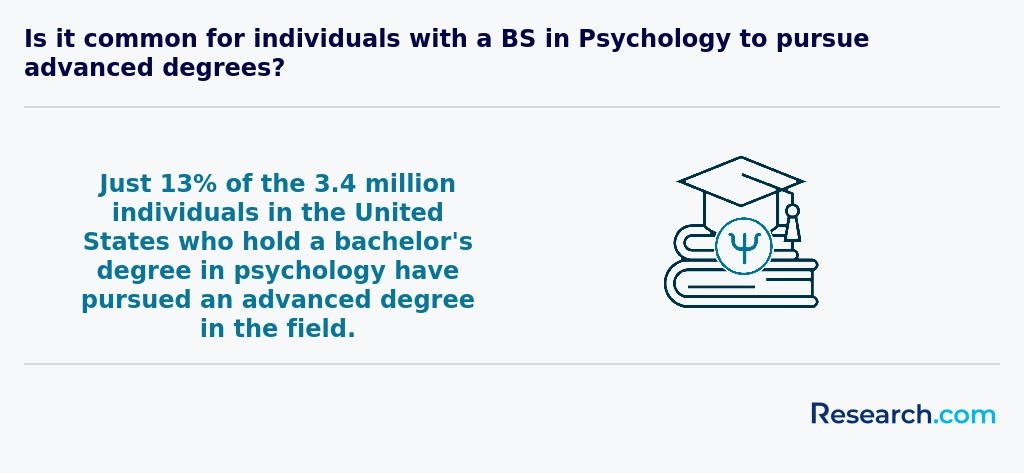
Job opportunities for online psychology graduates in Georgia vary by degree level and specialization. Graduates from well-known universities in Atlanta often find entry-level roles in social services or as psychiatric technicians, which can be a rewarding start. Those earning their master's or doctoral degrees typically pursue positions as licensed clinical psychologists or counselors, roles that benefit from the state's growing demand driven by increased mental health awareness.
Georgia online psychology degree employment outlook is especially bright in urban centers such as Atlanta and its surrounding areas, where healthcare facilities and educational institutions actively hire psychology professionals. Graduates from prominent Georgia colleges often share how practical internship experiences helped them meet licensing requirements and boosted their confidence in securing jobs. While rural areas offer fewer positions, state initiatives to expand mental health services are opening new avenues for employment statewide.
Students should explore options through affordable psychology schools in Georgia to balance costs and program quality while preparing for licensure exams and gaining supervised experience.
2027 Most Affordable Online Psychology Degree Programs Ranking in Georgia
Investing in your education is a significant decision that can shape your future, and the Research.com team understands the importance of making informed choices. To assist prospective students in Georgia, we have meticulously crafted the "2027 Most Affordable Online Psychology Degree Programs Ranking in Georgia." Our commitment to quality, credibility, and accuracy is reflected in the extensive research and analysis conducted to compile this ranking.
We utilized the following reputable data sources to ensure a comprehensive evaluation of psychology degree programs:
By exploring this ranking, readers will gain valuable insights into the most affordable online psychology degree programs available in Georgia, helping them make confident and informed decisions about their educational paths. For more details on our methodology, please visit our Research.com methodology page.




Frequently Asked Questions About psychology
Students pursuing online psychology degrees in Georgia can enhance their learning by actively engaging with course materials and participating in virtual discussions. According to the Georgia Board of Psychology, practical application through internships or supervised fieldwork is vital for licensure and professional growth. Online learners should seek programs that offer strong support services, like academic advising and tech assistance, to navigate challenges common in remote education. Additionally, joining psychology-related organizations in Georgia, such as the Georgia Psychological Association, provides networking and professional development opportunities. Staying current with APA guidelines and research trends further strengthens understanding and career readiness.
The field of psychology is evolving rapidly, with emerging niches gaining attention among students and professionals in Georgia. One notable area is neuropsychology, focusing on how brain function influences behavior. This niche is growing due to advances in brain imaging technologies and increasing demand for related healthcare services.
Another expanding field is forensic psychology, where psychologists apply their expertise within the legal system. Georgia's criminal justice system shows a rising need for professionals skilled in this area.
Health psychology also stands out, emphasizing mental and physical health connections. With Georgia's focus on public health, this specialty aligns well with state healthcare initiatives.
These niches reflect trends in national employment forecasts by the U.S. Bureau of Labor Statistics, highlighting significant growth in specialized psychology careers through 2030.
Preparing for the job market after completing an online psychology degree in Georgia involves several strategic steps. First, graduates should pursue state licensure if they plan to work as licensed psychologists or counselors. The Georgia Board of Professional Counselors, Social Workers, and Marriage and Family Therapists requires specific supervised hours and passing a national exam.
Next, gaining relevant experience through internships or entry-level roles is critical. Georgia's healthcare and social services sectors offer varied opportunities due to the state's growing population, which is expected to increase demand for mental health professionals by 14% through 2030, according to the U.S. Bureau of Labor Statistics.
Networking with local professional organizations like the Georgia Psychological Association can open doors to mentorship and job leads. Additionally, pursuing certifications such as Certified Alcohol and Drug Counselor (CADC) can enhance employability. Staying updated with continuing education helps maintain credentials and improves career prospects in Georgia's competitive market.
Employers in Georgia seek psychology graduates with strong critical thinking and communication skills. These are vital for analyzing complex behavioral data and effectively interacting with clients or research participants. According to the Georgia Professional Standards Commission, interpersonal skills and ethical judgment also rank highly for psychology-related roles in healthcare and education.
Technical proficiency in statistical software like SPSS or R is increasingly important, reflecting trends in data-driven psychology fields. The Georgia Department of Labor highlights adaptability as a key trait, given the evolving nature of mental health services.
Additionally, understanding cultural diversity is essential, especially in Georgia's varied demographic landscape, to provide inclusive psychological care and research.
Finding internships in Georgia relevant to a psychology degree involves several practical steps. Start by exploring programs approved by the Georgia Psychology Board, ensuring that your internship meets licensing requirements. Many universities in Georgia, including those offering online degrees, have partnerships with local mental health clinics, hospitals, and community organizations.
Use resources like the Georgia Department of Behavioral Health and Developmental Disabilities, which lists agencies that offer internship opportunities. Additionally, websites like the American Psychological Association's internship directory can help identify positions in Georgia. Networking with faculty and attending career fairs organized by your school also increases your chances of securing a suitable internship.
Internships typically require a minimum of 100 to 300 hours, depending on the program, and they provide critical hands-on experience recommended for licensure as a psychologist in Georgia.
In Georgia, earning an online psychology degree can significantly enhance career mobility and advancement. The state's growing demand for mental health professionals, driven by a 20% projected job growth for psychologists through 2030 according to the U.S. Bureau of Labor Statistics, offers ample opportunities for graduates.
Online degrees from regionally accredited institutions meet the educational requirements for many entry-level positions and licensure pathways in Georgia. This flexibility allows working adults to balance education with current jobs, facilitating smoother career transitions.
Additionally, specialized online programs offer coursework aligned with Georgia Board of Professional Counselors, Social Workers, and Marriage & Family Therapists standards, aiding licensure and higher earning potential.
Studying for a psychology degree in Georgia offers valuable preparation for interdisciplinary roles by combining core psychological theories with practical skills relevant across multiple fields. Many Georgia universities emphasize collaboration with healthcare, education, and social services, reflecting the state's growing demand for professionals who can navigate complex, team-based environments.
Programs often include coursework in research methods, statistics, and behavioral sciences, which are applicable in areas like public health or business. According to the Georgia Board of Regents, approximately 40% of psychology graduates pursue careers intersecting with other disciplines, such as counseling integrated into medical settings or educational psychology.
This interdisciplinary focus equips students to adapt and contribute meaningfully in diverse professional contexts across Georgia's expanding workforce.
Choosing between a thesis and a non-thesis psychology degree program in Georgia depends on your career goals and learning preferences. Thesis programs require original research, which can be valuable if you plan to pursue doctoral studies or research-focused roles. Non-thesis programs often emphasize practical knowledge and may include additional coursework or internships instead of a research project.
According to the Georgia Board of Regents, many online programs offer both tracks, with thesis options typically extending program length by a semester or more due to research demands. Graduates with thesis experience may find advantages in competitive job markets or when seeking research grants in Georgia's expanding psychology sector.
Consider your timeline and interest in research: thesis paths suit those seeking deeper academic engagement, while non-thesis paths align with professionals aiming for applied psychology roles.
Students in Georgia interested in studying psychology abroad through online programs have several viable options within the U.S. higher education system. Many universities outside Georgia offer accredited online psychology degrees that allow out-of-state residents to enroll without relocating. For example, institutions in states with lower tuition fees may provide more affordable alternatives.
Georgia residents should verify state authorization reciprocity agreements, as these impact eligibility to enroll in out-of-state online programs. The National Council for State Authorization Reciprocity Agreements (NC-SARA) website is a practical resource for this.
Additionally, some well-known public universities provide fully online bachelor's and master's degrees in psychology accessible to Georgia students. According to the Georgia Board of Regents, pursuing out-of-state online degrees can complement local options by offering diverse specializations.
Students pursuing an online psychology degree in Georgia have several part-time job options that align well with their studies. Common roles include behavioral health technician or mental health aide positions, particularly in Atlanta's growing healthcare sector. These jobs provide hands-on experience working with patients under supervision, which is valuable for psychology students.
Other opportunities involve research assistantships at universities such as the University of Georgia, where students can support psychology faculty with data collection and analysis.
According to the Georgia Department of Labor, the demand for mental health support roles is expected to grow by 15% through 2030, reflecting a strong job outlook for part-time work in this field.
Online psychology students in Georgia benefit from multiple networking opportunities despite the virtual setting. Many accredited Georgia institutions offer access to local psychology associations, such as the Georgia Psychological Association (GPA), which hosts events, webinars, and conferences for students and professionals.
Additionally, students often engage in virtual internships and practicum placements within Georgia's growing mental health services sector. This hands-on experience allows them to connect with licensed psychologists and counselors regionally.
Georgia's urban centers, like Atlanta, provide rich environments for professional networking through workshops and job fairs specifically targeting psychology careers. According to the Bureau of Labor Statistics, Georgia has a projected 17% growth in psychology roles through 2030, encouraging strong industry ties for emerging professionals.
Alumni networks play a crucial role for online psychology degree students in Georgia by providing valuable professional connections. Graduates within these networks often share job leads, internship opportunities, and academic resources, which can be essential in a competitive job market. According to the Georgia Psychological Association, networking is one of the top strategies for career advancement in the state's psychology field.
These networks also offer mentorship from experienced professionals who understand the local job market, including regulations and licensure requirements specific to Georgia. Building relationships through alumni groups increases the chances of finding positions in hospitals, schools, or private practices.
Additionally, alumni events and online forums foster peer support and collaboration, enhancing learning and career growth beyond graduation. For online students, who might lack on-campus engagement, these networks replicate some benefits of a traditional college experience.
Customizing an online psychology degree in Georgia allows students to align their studies with specific career goals. Many universities offer elective courses and concentrations such as clinical psychology, counseling, or industrial-organizational psychology. Choosing relevant electives can provide specialized skills tailored to the student's interests.
Some programs also include options for internships or research projects, offering practical experience. These opportunities can be essential for licensure or graduate school prerequisites.
According to the Georgia Board of Psychology, understanding licensing requirements early helps guide course selection. This ensures students meet state credentialing standards promptly.
Additionally, accredited programs accredited by the APA or Southern Association of Colleges and Schools (SACS) maintain quality and recognition in the job market.
Online psychology students in Georgia often face challenges related to balancing coursework with personal and professional responsibilities. Many learners juggle jobs and family duties, which can complicate time management and meeting deadlines. Furthermore, accessing reliable internet and suitable study environments remains a barrier for some, particularly in rural areas.
Another challenge involves limited in-person interaction, which can affect learning and networking opportunities vital in psychology education. According to the Georgia Board of Psychology, hands-on experience is crucial, yet arranging internships or practicums remotely can be difficult.
Lastly, navigating state licensing requirements after graduation is complex. Georgia mandates specific supervised hours and exams, which distance learners must plan carefully while studying online.
With an online psychology degree in Georgia, graduates can pursue several professional certifications to enhance their careers. Common certifications include becoming a Licensed Professional Counselor (LPC), which requires completing state-approved supervised hours and passing the National Counselor Examination. Another pathway is certification as a Certified Addiction Counselor (CAC), which is in demand due to growing substance abuse treatment needs in Georgia.
For those interested in behavioral analysis, the Board Certified Behavior Analyst (BCBA) credential is available after completing a master's degree and supervised experience. According to the Georgia Composite Board of Professional Counselors, Social Workers, and Marriage and Family Therapists, licensure requirements are clearly defined and essential for clinical practice.
These certifications often increase job prospects and earning potential in Georgia's mental health field, supporting roles in schools, hospitals, and private practice.
Applying to an online psychology program in Georgia requires clear, focused preparation. Start by thoroughly researching accredited schools approved by the Georgia Nonpublic Postsecondary Education Commission (GNPEC). This ensures your degree holds value in the job market and meets licensure requirements.
Highlight your academic background, especially coursework relevant to psychology, and include any volunteer or work experience in mental health settings. Admissions committees value practical exposure.
Strong recommendation letters from professors or supervisors can enhance your application. Georgia psychology programs often emphasize the importance of interpersonal skills and resilience.
Write a compelling personal statement that explains your motivation, career goals, and why you chose online study within Georgia's dynamic mental health landscape.
Lastly, maintain a competitive GPA; many programs require a minimum 3.0 average for admission.
The field of psychology continues to expand globally, with strong demand for professionals trained to understand human behavior. In the United States, including Georgia, careers in psychology offer diverse opportunities, from clinical practice to research and industrial applications. According to the U.S. Bureau of Labor Statistics, psychology jobs are expected to grow by 8% from 2021 to 2031, faster than average for all occupations. This reflects a broader international trend prioritizing mental health and wellbeing.
Online psychology degrees in Georgia provide access to accredited programs aligning with global standards, enabling graduates to compete in an increasingly interconnected workforce. These degrees prepare students for licensure and advanced studies by following guidelines from organizations such as the American Psychological Association. Graduates often work in healthcare, education, or business, reflecting worldwide career trends emphasizing versatility.
Students pursuing an online psychology degree in Georgia can gain practical experience through internships, supervised practicums, or volunteering opportunities. Many Georgia universities collaborate with local clinics, hospitals, and community organizations to offer hands-on training that complements online coursework.
The Georgia Psychological Association highlights the importance of field experience for licensure eligibility, especially for clinical and counseling psychology tracks. Internships in Atlanta and surrounding areas provide exposure to diverse populations, enhancing skills and employability.
Additionally, some programs require or encourage practicum hours that are completed under licensed psychologists' supervision, ensuring compliance with Georgia Board of Psychology standards. Students should actively seek partnerships with authorized sites to maximize practical learning while studying remotely.
Choosing the right concentration within an online psychology degree in Georgia depends on your career goals and interests. Popular concentrations include clinical, counseling, forensic, and industrial-organizational psychology. Georgia's job market for psychology fields varies; for example, clinical psychologists earn a median annual wage of about $78,000 according to the U.S. Bureau of Labor Statistics (2023).
Consider concentrations that align with Georgia's demands. The state's high demand for mental health counselors may make counseling psychology a practical choice. Research programs that offer specialized coursework and practicum opportunities relevant to Georgia's licensing requirements.
Accreditation is important; choose programs recognized by the American Psychological Association (APA) or regional accrediting bodies accepted in Georgia. This can impact eligibility for licensure and employment.
Evaluate flexibility, faculty expertise, and partnerships with local organizations, which can enrich your learning experience in Georgia's diverse communities.
- 2027 Most Affordable Online Psychology Degree Programs Ranking in Florida
- 2027 Most Affordable Online Psychology Degree Programs Ranking in Alabama
- 2027 Most Affordable Online Psychology Degree Programs Ranking in Virginia
- 2027 Most Affordable Online Psychology Degree Programs Ranking in Missouri
- 2027 Most Affordable Online Psychology Degree Programs Ranking in Pennsylvania
- 2027 Most Affordable Online Psychology Degree Programs Ranking in Texas
- 2027 Most Affordable Online Psychology Degree Programs Ranking in Kansas
- 2027 Most Affordable Online Psychology Degree Programs Ranking in New York
- 2027 Most Affordable Psychology Degree Programs Ranking in South Carolina
- 2027 Most Affordable Psychology Degree Programs Ranking in Tennessee
See What Experts Have To Say About Studying Psychology
Read our interview with Psychology experts

Joann Farrell Quinn, Ph.D., MBA
Psychology Expert
Director at the College of Medicine Department of Medical Education
Morsani College of Medicine

Elizabeth L. Jeglic Ph.D.
Psychology Expert
Professor of Psychology
City University of New York

Catherine Caldwell-Harris, Ph.D.
Psychology Expert
Associate Professor of Psychology
Boston University

- Psychology Pathway https://www.highlands.edu/academic-programs/psychology-pathway/
- Professional Networking For Psychologists | Psychology.org https://www.psychology.org/resources/professional-networking/
- Georgia Psychology Programs https://www.onlinepsychologydegrees.com/states/georgia/
- Mental Health Challenges Faced by Psychology Students | The Healthcare Guys https://healthcareguys.com/2023/11/23/mental-health-challenges-faced-by-psychology-students/
- Have You Found a Niche? https://www.apaservices.org/practice/business/marketing/building/niche
- Study Psychology Abroad | Go Overseas https://www.gooverseas.com/study-abroad/psychology
- Know more about thesis vs non- thesis: what is the difference? https://studyfans.com/en/blogs/816
- Best Online and Campus Psychology Schools in Georgia https://www.psychologydegree411.com/schools/georgia/
- Study Psychology Abroad https://astarfuture.co.uk/study_psychology_abroad.html
- Alumni Perspectives - Meet Our FPN Alumni https://www.aanmelder.nl/alumni-perspectives-june-2023