2027 Best Psychology Degree Programs Ranking in Fayetteville

Co-Founder and Chief Data Scientist
Choosing the right psychology degree program in Fayetteville is an important step toward building a fulfilling career. This article introduces the 2027 Best Psychology Degree Programs Ranking in Fayetteville, developed by the Research.com team of data scientists. It is designed to help you make an informed decision about which programs offer the best opportunities.
Reading this guide will give you clarity on your options and confidence in selecting a program that suits your goals. Pursuing a psychology degree can open doors to meaningful work and personal growth, making it a truly rewarding choice.
Key benefits of getting psychology degree in Fayetteville
- Salary benefits: Graduates with a psychology degree in Fayetteville can expect rewarding salaries in roles like Marketing Research Analyst, earning around $83,190 annually, and Human Resources Specialist, with a mean wage of $76,060 per year.
- Career paths: Psychology graduates from Fayetteville State University often pursue diverse careers ranging from Clinical Research Associate positions to Survey Researcher roles, offering both professional growth and meaningful work.
- Online degree advantages: Earning your psychology degree online from nearby institutions provides flexible learning schedules and accessibility, enabling students to balance studies with personal commitments while still achieving strong career outcomes.
- 2027 Best Psychology Degree Programs Ranking in Fayetteville
- What can I expect from psychology degree in Fayetteville?
- Where can I work with psychology degree in Fayetteville?
What can I expect from psychology degree in Fayetteville?
The average cost of pursuing a psychology degree in Fayetteville, especially at institutions like the University of Arkansas, typically ranges around $10,000 to $25,000 per year for in-state students. Graduates frequently share how investing in their education felt like a meaningful step toward their future careers, balancing tuition with the value of hands-on experience they gained through internships and lab work. Many recall stretching their budgets by applying for local scholarships or part-time campus jobs, which not only eased financial pressure but also enhanced their understanding of psychological practices in real settings.
Out-of-state students usually face higher tuition costs, sometimes double, but often find that the comprehensive curriculum and faculty expertise justify the investment. Psychology students appreciate the faculty's dedication, often citing encouragement during clinical practicums as a highlight. This local support network makes the financial commitment feel less daunting and more like an investment in building a rewarding career in mental health or research right here in Fayetteville.
Where can I work with psychology degree in Fayetteville?
Graduates with psychology degrees from Fayetteville's universities often find themselves stepping into rewarding careers across diverse local sectors. Many start their journeys in healthcare settings like the Veterans Affairs Medical Center or Washington Regional Medical Center, where roles in counseling and behavioral health make a tangible difference in people's lives. Imagine using your knowledge to help someone recover from trauma or overcome addiction-these are the impactful moments that many graduates cherish.
Others discover fulfilling work in Fayetteville's schools, supporting students as psychologists or guidance counselors. Helping children navigate academic and emotional challenges builds strong community ties, an experience frequently shared by recent alumni from nearby colleges. The growing military presence around Fort Bragg also opens unique paths, with psychology experts contributing to resilience and wellness programs for service members, a role graduates find deeply meaningful and ever-expanding.
Community organizations provide another powerful avenue, offering careers in social work and crisis intervention. Starting out as a case manager or behavioral health technician, especially with a bachelor's degree, is common and offers hands-on experience in making real change. Fayetteville's vibrant, supportive environment creates a nurturing space for psychology graduates eager to grow professionally and personally.
Graduates from psychology programs in Fayetteville often find rewarding job opportunities aligned with data-backed salaries. For example, human resources specialists-a common path for psychology majors-earn a mean annual wage of about $76,060. Imagine working in Fayetteville's vibrant organizations like the University of Arkansas, where you can directly apply your psychology knowledge to help cultivate strong workplace cultures.
Marketing research analyst roles also attract psychology grads, offering an average salary around $83,190 annually. Graduates enthusiastic about understanding consumer behavior often thrive in these positions, balancing creative insight with data analysis in local firms or agencies. Meanwhile, clinical research associates and survey researchers, who bridge psychology and health sectors, earn close to $62,370 yearly, providing essential support in medical or academic studies.
Many Fayetteville graduates recall their early days balancing rigorous coursework with internships, gaining practical experience that directly impacted their earning potential. Being in a community with solid support from healthcare providers and research institutions smoothly transitions these graduates from classrooms to competitive jobs with promising salaries, often exceeding $60,000 in entry- to mid-level roles.
- Psychology degrees in Fayetteville are offered by accredited universities with tuition ranging from $8,000 to $20,000 per year depending on public or private status and residency.
- Bachelor's degree tuition typically totals between $24,000 and $60,000 over four years, with graduate programs costing more.
- Programs include specializations like clinical, developmental, and counseling psychology at both undergraduate and graduate levels.
- Entry-level psychology jobs in Fayetteville start around $40,000 annually, with advanced degrees leading to median salaries of $60,000 or more.
- Students benefit from local research and networking opportunities within Fayetteville's mental health community.
- The cost of living in Fayetteville is moderate, making it an affordable city for students and psychology graduates.
Completing a psychology degree in Fayetteville typically takes dedication and focus, but it's absolutely achievable with the right mindset. For example, many undergraduates at the University of Arkansas, a popular choice in Fayetteville, finish their Bachelor of Arts or Science in about four years by balancing coursework and campus activities.
These students often share how taking summer courses or a slightly heavier semester load helped them graduate on time, even while managing part-time jobs or volunteer roles. If you choose a master's degree locally, expect to invest two to three years beyond your bachelor's, diving deeper into research and specialized topics. Graduates from master's programs often express pride in completing rigorous theses or capstone projects that shape their career paths.
For those inspired to reach the highest level-a PhD or PsyD-plan for five to seven years after your undergraduate studies. Fayetteville's doctoral candidates describe the journey as challenging but rewarding, with comprehensive exams, original research, and clinical experiences that prepare you for real-world impact in psychology.
Staying enrolled full-time at institutions here, while managing tuition wisely, often leads to a smoother, more fulfilling degree journey. The time you invest will translate into deep expertise and meaningful opportunities in the field.
When considering psychology degree programs in Fayetteville, AR, affordability is a crucial factor. Prospective students should research the costs associated with each program, including tuition fees, living expenses, and additional costs such as books and supplies. To make informed decisions, it's essential to explore the cheapest psychology programs in arkansas, which can provide a more affordable pathway to achieving a psychology degree. Understanding the financial aspects of pursuing a psychology degree can help students plan effectively and make the most of their educational investment. By weighing the costs and benefits, students can choose a program that aligns with their financial situation and career aspirations, ultimately leading to a successful and fulfilling career in psychology.
Choosing between an online or on-campus psychology degree in Fayetteville shapes your entire learning journey. Online programs offer incredible flexibility-imagine balancing coursework while managing a full-time job or family life without commuting. Many Fayetteville graduates share that studying remotely allowed them to thrive on their own schedule, tapping into video lectures and virtual discussions whenever it fit their busy days.
On-campus programs, like those at the University of Arkansas at Fayetteville, bring a different kind of energy. Graduates often reflect on the vibrant classroom interactions, instant feedback from professors, and the chance to build friendships through campus events and study groups. Being physically present on campus fosters a sense of community and makes securing practicum placements more straightforward, thanks to university partnerships.
Both paths demand dedication but cater to different lifestyles. Fayetteville residents often take advantage of in-state tuition at public universities, making in-person study financially appealing. Remember, your choice should align with your learning style and life goals-whether it's the flexible independence of online study or the enriching connections found on campus.
Choosing a psychology program with proper accreditation is essential to ensure your degree meets state and national standards and qualifies you for licensure. In Arkansas, aspiring psychologists must complete a doctoral degree from an American Psychological Association (APA)–accredited institution, accumulate at least 3,000 hours of supervised professional experience, and pass the Examination for Professional Practice in Psychology (EPPP) administered by the Arkansas Board of Examiners in Psychology. Key steps include:
- Verify APA accreditation: Programs should be listed on the APA website to guarantee curriculum rigor and clinical training quality.
- Supervised experience: Complete practicum and internship hours under licensed supervisors; most states require a mix of predoctoral and postdoctoral hours.
- National exam (EPPP): Prepare for and pass the EPPP, which covers biological bases, cognitive–affective bases, social and cultural bases, growth and lifespan development, assessment and diagnosis, treatment and intervention, research methods, and ethics.
- State jurisprudence: Some states require an additional law and ethics examination; check Arkansas Board guidelines for any supplemental requirements. Maintaining licensure also involves ongoing continuing education-psychologists in Arkansas must complete 20 hours of approved professional development annually. When comparing tuition and accreditation across programs, prospective students may also want to review our Inexpensive Psychology Degree Programs Ranking in Rochester, NY to weigh cost-effective alternatives without sacrificing quality or licensure eligibility.
Understanding the average cost of psychology degree in Fayetteville is crucial for students ready to invest in their future. For those pursuing psychology at popular local universities, tuition varies depending on whether you are an in-state or out-of-state student. Graduates often reflect on how managing an annual cost close to $10,000 for in-state rates allowed them to focus on their studies without overwhelming financial stress. Out-of-state attendees might face a steeper investment, but many find that scholarships and financial aid make a significant difference in easing these expenses.
Fayetteville psychology degree tuition and fees can feel daunting at first glance, but graduates frequently share how engaging with campus resources and assistantships helped them offset costs. Beyond tuition, it's important to remember that living expenses and materials add to the overall budget, sometimes bringing the total annual cost near $45,000. Still, the rewarding experience of studying psychology in Fayetteville's supportive academic environments inspires students to view these costs as an investment in their promising careers.
If you're aiming for advanced studies, many psychology graduate programs in the area incorporate specialized training that, while incurring additional fees, unlock exciting career opportunities. Exploring financial options tailored for psychology majors can make a substantial difference. For a clearer picture of what your prospects might be after finishing your master's degree, you can learn more here.
With the field of psychology continuously evolving, it’s important for prospective students to explore emerging career paths that go beyond traditional roles. One exciting niche gaining popularity is sports psychology-a specialized branch that combines an understanding of human behavior with athletic performance enhancement and mental resilience training. This career path not only requires a solid foundation in psychology but also a passion for sports and wellness. In today’s competitive job market, having specialized skills can set you apart and open the door to dynamic opportunities in elite sports organizations, collegiate athletic programs, and private practice. For those interested in merging psychological expertise with athletic performance, learning how to become a sports psychologist could be a game-changing step. This section offers insights into essential skills, ongoing research trends, and the advanced techniques needed to thrive in a sports psychology career, ensuring graduates are well-equipped for the forward-thinking demands of the industry.
Securing financial aid as a psychology student in Fayetteville can truly transform your educational journey, easing the pressure of hefty tuition fees. Many graduates from the University of Arkansas have found federal aid-like Pell Grants and Direct Subsidized Loans-to be a vital foundation, offering thousands of dollars without the worry of repayment during school. This support can be a game-changer, helping you focus on research and internships without drowning in debt.
As an Arkansas resident, you benefit from state scholarships such as the Arkansas Academic Challenge Scholarship, which many psychology undergraduates at public universities use to lower their yearly tuition to around $9,000. It's inspiring to hear how these opportunities give students the freedom to engage deeply in their studies and clinical practice, fueling their passion for psychology.
Beyond that, institutional scholarships and assistantships offered by Fayetteville's psychology departments often provide both tuition reduction and stipends. Graduates frequently share how these experiences not only eased financial burden but also enriched their academic growth by involving them directly in meaningful research or teaching.
Private awards from organizations like the American Psychological Association further expand possibilities, rewarding dedication and supporting your dreams. Early FAFSA applications and advisor consultations can uncover these hidden gems-turning what seems like a steep financial hill into a climb full of support and encouragement.
To enroll in a psychology degree program in Fayetteville, you'll need a high school diploma or an equivalent credential. This fundamental step was the first milestone for many graduates from the University of Arkansas, who found that strong performance in subjects like biology, mathematics, and English gave them the analytical tools necessary for early psychology coursework. Maintaining a GPA around 2.5 to 3.0 is often enough to meet the minimum, though aiming higher opens doors to competitive programs.
Some colleges may still request SAT or ACT scores, but many Fayetteville institutions now offer test-optional admissions, making it easier to focus on your strengths.
For those pursuing graduate studies, having a bachelor's degree-ideally with psychology or related coursework-and submitting GRE scores, transcripts, and letters of recommendation are essential. Graduates often recall how these requirements become rewarding stepping stones toward their advanced careers.
Engaging with academic advisors and attending information sessions in Fayetteville helps you navigate these prerequisites and ensures you're fully prepared to thrive in your psychology journey.
After earning your psychology degree, Arkansas requires specific steps to become a licensed psychologist:
- Graduate from an APA-accredited doctoral program in psychology.
- Complete at least 2,000 supervised postdoctoral hours over a minimum of two years.
- Pass the national EPPP exam and the Arkansas jurisprudence exam.
- Apply for licensure with the Arkansas Psychology Board and pay the required fees.
After initial licensing, practitioners must complete 40 hours of continuing education every two years. Students preparing for doctoral study may explore cheap psychology masters programs to meet academic prerequisites.
If you choose to study psychology in Fayetteville, you'll dive into a curriculum that truly builds a strong understanding of human behavior and mental processes. At institutions like the University of Arkansas, students often start with core courses such as introduction to psychology, exploring fascinating topics like cognition, emotion, and motivation. Graduates often reflect on how these foundational classes sparked their curiosity about why people think and feel the way they do.
Research methods play a key role, giving you hands-on experience with tools like SPSS or R to analyze real data. Many alumni recall how mastering these skills gave them confidence in designing experiments and interpreting results, essential for many psychology careers.
Typical classes also include developmental psychology, abnormal psychology, and social psychology-subjects that open your eyes to the lifespan changes and social influences shaping behavior. Some students have found neuroscience courses particularly exciting, studying the brain's role in shaping who we are.
Ethics and professional issues are woven into the program, ensuring you graduate ready to handle the responsibilities of psychological practice with integrity. Electives let you tailor your experience, perhaps diving into clinical psychology or counseling, making your Fayetteville education truly your own.
If you're exploring psychology degree specializations in Fayetteville, you'll find a range of options designed to match your passions and career goals. Many local students choose clinical psychology, where they learn to diagnose and treat mental health issues-a path that graduates often find deeply rewarding as they step into healthcare roles. Counseling psychology is another popular route, focused on helping clients through life's challenges, perfect for those who thrive in personal, supportive settings. Fayetteville psychology programs concentration options also include developmental psychology, which takes you through the fascinating human growth journey, and industrial-organizational psychology, ideal for those wanting to improve workplace wellbeing and efficiency in Fayetteville's growing business scene.
Graduates from schools in Fayetteville often mention how hands-on internships and faculty expertise enhance their learning, especially in niches like forensic or health psychology. These paths open doors to public service or healthcare roles that positively impact communities. For deeper insights into how acceptance and specialization opportunities vary regionally, check out this psychology school acceptance rate Texas.
Choosing the best psychology degree programs Fayetteville requires careful attention to accreditation and practical experience. Graduates from Fayetteville State University often highlight how its balance of theory with hands-on internships helped them build confidence and real-world skills. Focusing on programs that offer strong faculty support and opportunities for research or internships linked to local mental health agencies can make a significant difference in your career readiness and networking.
Many students also consider affordability, especially with the average in-state tuition at public universities around $9,000. Affordable psychology degrees in Fayetteville often come with financial aid options that ease the burden. Additionally, flexible program formats like evening or online courses allow working professionals to advance their education without sacrificing current responsibilities.
For those aiming to specialize, remember that some programs excel in preparing students for clinical practice, while others emphasize organizational psychology research. Exploring top-rated affordable MSW programs online can also complement your psychology studies and expand your career path options.
Graduates with a psychology degree in Fayetteville find themselves stepping into diverse and rewarding career paths. Many choose to become licensed psychologists working in clinical or school settings, providing crucial mental health support within local communities. Others channel their passion into roles like social work, human resources, or organizational development, often finding employment at institutions such as the University of Arkansas. Here, applied psychology offers hands-on opportunities in education, research, or social services, truly bridging theory and practice.
For students curious about the variety of psychology career options in Fayetteville, consider hearing from graduates who have embraced research roles tied to nearby healthcare and research centers. Their work often advances community mental health and behavioral science, deeply impacting lives. If you lean towards applied settings, local nonprofits and public schools provide fulfilling positions in counseling and rehabilitation.
Exploring psychology here also means choosing from a range of social science degree programs that align with your passion and career goals, preparing you for jobs with psychology degree Fayetteville employers actively seek.
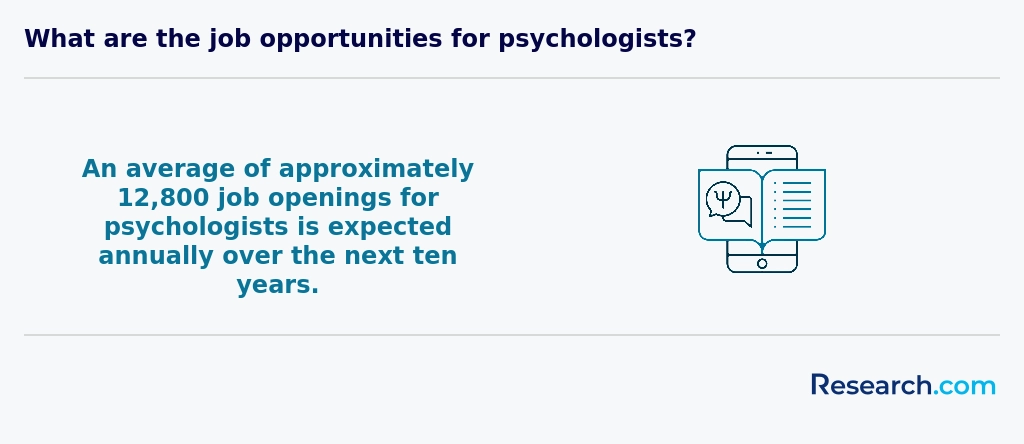
The job market for psychology degree holders in Fayetteville is encouraging and multifaceted, offering a variety of paths for eager graduates. Careers with psychology degree in Fayetteville often begin with roles in healthcare facilities, schools, and government agencies, where many psychology students from local universities build meaningful internships and practicum experiences that open doors to full-time positions. Graduates recount how hands-on work in community clinics or school counseling programs helped them gain confidence and real-world skills, crucial for standing out in this competitive field.
Entry-level opportunities tend to be modestly salaried, often around $40,000, but with a master's or doctorate, salaries can rise substantially, especially in specialized therapy or research roles. Fayetteville's large hospitals and school districts regularly seek trained psychologists, making the city a welcoming environment for psychology graduates.
For prospective students concerned about costs, Fayetteville offers clear advantages with affordable tuition at public universities. Those interested might explore the cheapest psychology programs in arkansas, which help reduce financial barriers while providing quality education.
2027 Best Psychology Degree Programs Ranking in Fayetteville
Investing in your education is a significant decision that can shape your future, and the Research.com team understands the importance of making informed choices. To assist prospective students in Fayetteville, we have meticulously crafted the "2027 Best Psychology Degree Programs Ranking in Fayetteville." Our commitment to quality, credibility, and accuracy is reflected in the extensive research and analysis conducted to compile this ranking.
We utilized the following reputable data sources to ensure a comprehensive evaluation of psychology degree programs:
By exploring this ranking, readers will gain valuable insights into the best psychology degree programs available in Fayetteville, helping them make well-informed decisions about their educational paths. For more details on our methodology, please visit our Research.com methodology page.

Frequently Asked Questions About psychology
Psychology degree students in Fayetteville can maximize their learning by engaging in local internships and research opportunities. The University of Arkansas in Fayetteville offers numerous lab positions and community partnerships that provide practical experience. According to the university's 2023 report, nearly 60% of psychology undergraduates participate in research projects, which enhances understanding of psychological theories. Students should also join psychology-related clubs and attend seminars to network and deepen their knowledge. Utilizing academic resources like tutoring centers and faculty office hours further supports success. Combining classroom study with real-world involvement is key to mastering psychology in Fayetteville's academic environment.
The field of psychology is evolving rapidly, with several emerging niches attracting attention in Fayetteville and across the United States. One key area is neuropsychology, which focuses on understanding brain-behavior relationships. This specialization is growing due to increased research funding and demand in clinical settings.
Another rising field is health psychology, which explores how mental health affects physical wellness. Fayetteville's healthcare system shows increasing interest in integrating psychological expertise to improve patient outcomes.
Additionally, forensic psychology is expanding with Fayetteville's proximity to judicial institutions, creating opportunities in legal settings. Lastly, digital and cyber psychology is an innovative niche driven by the rise of technology's impact on mental health.
Preparing for the job market after earning a psychology degree in Fayetteville requires strategic planning and skill development. It is important to gain practical experience through internships or volunteer work, especially in local clinics, schools, or community centers. According to the American Psychological Association, hands-on experience significantly improves employability.
Networking with Fayetteville professionals and joining psychological associations can open doors to job opportunities. Fayetteville's growing healthcare and social services sectors offer various roles for psychology graduates.
Additionally, pursuing certifications or graduate studies can enhance qualifications, as many psychology-related careers demand advanced degrees or licenses. Familiarity with local labor market trends also helps target relevant job openings effectively.
Employers in Fayetteville highly value psychology graduates who demonstrate strong communication skills. These abilities enable professionals to effectively interact with clients and colleagues across diverse settings, from healthcare to education. Critical thinking and problem-solving are also crucial, as they allow graduates to analyze complex behavioral patterns and develop evidence-based interventions.
Additionally, proficiency in research methods and data analysis is sought after, reflecting the growing emphasis on empirical approaches within psychology roles. According to the Bureau of Labor Statistics (BLS), Fayetteville's emerging healthcare sector expects a 12% growth in psychology-related positions through 2028, increasing demand for adaptable and tech-savvy graduates.
Employers also look for empathy and ethical judgment, essential for building trust and maintaining professional standards. These combined skills prepare graduates to contribute meaningfully in Fayetteville's varied psychology job market.
Finding psychology internships in Fayetteville involves a few strategic steps. Start by exploring local universities such as the University of Arkansas, which often partner with community agencies offering supervised internship programs. According to the American Psychological Association, gaining practical experience through internships is essential for psychology students seeking licensure and employment.
Contact Fayetteville-based mental health clinics, hospitals, and social service organizations to inquire about available psychology internships. The Northwest Arkansas Council reports steady growth in healthcare services, which may increase internship opportunities.
Use online resources like Handshake or the Arkansas Internship Network to search for psychology-related placements. Networking with faculty and attending local career fairs can also connect students to valuable positions within Fayetteville's psychology community.
A psychology degree can significantly enhance career mobility and advancement opportunities in Fayetteville. According to the U.S. Bureau of Labor Statistics, employment of psychologists and related occupations in Arkansas is expected to grow by 8% from 2022 to 2032, slightly above the national average. Local demand comes from institutions such as the University of Arkansas and Fayetteville's health care providers. Graduates with a bachelor's or master's degree often find opportunities in social services, education, or human resources, while doctoral degrees open doors to clinical, counseling, and research positions with higher salaries and leadership roles.
Licensing requirements in Arkansas require advanced degrees and supervised experience for clinical work, encouraging degree holders to pursue further education for career advancement. Networking within Fayetteville's academic and healthcare sectors also supports upward career movement. Thus, obtaining a psychology degree in this region aligns well with both emerging job market needs and professional growth.
Studying for a psychology degree in Fayetteville equips students with a broad skill set applicable to interdisciplinary roles. Psychology programs in this region emphasize foundational knowledge in research methods, human behavior, and cognitive processes, which are crucial across various fields.
Many Fayetteville institutions offer coursework that integrates psychology with biology, education, and social sciences. This approach prepares graduates to collaborate effectively in healthcare, social work, and business environments.
According to the U.S. Bureau of Labor Statistics and local educational data, Fayetteville's psychology graduates often find opportunities in multidisciplinary teams addressing community health and wellness.
Additionally, internships and partnerships with local hospitals and agencies provide hands-on experience in real-world interdisciplinary settings, enhancing practical skills.
When choosing between a thesis and a non-thesis psychology degree program in Fayetteville, it is essential to consider your career goals. Thesis programs typically involve conducting original research, which is ideal for students planning to pursue doctoral studies or research-based roles. Non-thesis options often focus more on coursework and practical skills, catering to those aiming for applied psychology careers or immediate entry into the workforce.
Fayetteville's universities, such as the University of Arkansas, offer both paths. According to the National Center for Education Statistics, thesis programs often take longer-about two to three years-compared to non-thesis tracks, which can be completed in less time.
Consider also your interest in research and available funding, as thesis projects may require additional time for data collection and analysis.
Students based in Fayetteville interested in studying psychology abroad have several pathways through US institutions offering international programs. Many Fayetteville-area universities participate in established exchange agreements with partner schools in Europe, Canada, and Australia, allowing psychology majors to spend a semester or year overseas. These options often include courses aligned with American Psychological Association (APA) standards, ensuring credits transfer smoothly.
Additionally, Fayetteville students can access study-abroad opportunities promoted by larger state university systems, such as the University of Arkansas, which frequently supports psychology students' global learning experiences. According to the Institute of International Education, about 14% of US psychology undergraduates engage in some form of international study, highlighting the growing trend.
Financial aid and scholarships are also available specifically for psychology students pursuing education abroad, easing the cost barriers often associated with these programs.
Students pursuing psychology degrees in Fayetteville can enhance their education by engaging in part-time jobs that offer practical experience. Common opportunities include roles as research assistants at local universities such as the University of Arkansas, providing hands-on exposure to experimental psychology and data analysis.
Other options are working as behavioral health technicians or aides in Fayetteville's healthcare facilities. These positions help students apply psychological principles directly by supporting mental health professionals in clinical settings.
Additionally, positions in community organizations or nonprofit agencies focused on mental health advocacy offer valuable insight into social psychology and counseling practices. According to the U.S. Bureau of Labor Statistics, these roles complement academic studies by developing interpersonal and observational skills.
Psychology students in Fayetteville benefit from several valuable networking opportunities that support their academic and professional growth. The University of Arkansas, the city's primary institution offering psychology degrees, facilitates connections through its Psychology Club and regular guest lectures by professionals in clinical and research settings. According to the university's 2023 student engagement report, over 60% of psychology undergraduates participate in these events annually.
Local chapters of national organizations, such as the American Psychological Association (APA) and Psi Chi, provide students with access to conferences, workshops, and mentorship programs. Fayetteville's proximity to regional hospitals and counseling centers also offers internships and volunteer positions that foster practical connections.
Alumni networks offer significant advantages to psychology degree students in Fayetteville. These networks provide connections to local professionals, internships, and job opportunities in the region's growing mental health sector. According to the Fayetteville Chamber of Commerce, psychology-related jobs in the area have increased by 8% over the past five years, making networking crucial for career entry.
Active alumni can also serve as mentors, sharing insights about licensing exams and graduate programs. Universities like the University of Arkansas at Fayetteville maintain organized alumni groups that host events, promoting engagement and real-world exposure.
Strong alumni connections help students navigate the competitive job market effectively.
Customizing a psychology degree program in Fayetteville involves selecting courses and experiences aligned with your career goals. Many local institutions offer flexible curricula where you can choose electives in specialties such as clinical psychology, counseling, or industrial-organizational psychology.
You can also engage in internships or research projects within Fayetteville's mental health agencies or community organizations, providing practical experience tailored to your interests. According to the U.S. Bureau of Labor Statistics, Fayetteville's growing healthcare sector increases demand for psychology professionals trained in counseling and behavioral health.
Additionally, some Fayetteville programs allow students to pursue certificates in areas like addiction studies or child psychology alongside their degrees. Consulting academic advisors early can help you design a personalized academic path that best supports licensure or further graduate study.
Psychology students in Fayetteville often face several challenges common to those pursuing this demanding field across the US. One key difficulty is managing the heavy coursework, which frequently includes research methods, statistics, and extensive reading. According to the American Psychological Association, roughly 35% of undergraduate psychology students nationwide report struggles with quantitative courses, a trend likely reflective in Fayetteville.
Another challenge is securing quality internships or practicum placements. Fayetteville's smaller size means fewer local clinical sites compared to larger cities, leading to competition among students. Additionally, balancing part-time work with academic requirements is often necessary due to the cost of education, which can impact study time and stress levels.
A psychology degree in Fayetteville opens pathways to various professional certifications, enhancing career prospects. Graduates often pursue the Licensed Professional Counselor (LPC) credential, which requires additional supervised experience after a master's degree. Another common certification is the Board Certified Behavior Analyst (BCBA), especially relevant with growing demand in Fayetteville's clinical and educational settings.
The National Certified Counselor (NCC) credential is also popular, providing national recognition for counselors. For those interested in school settings, the National Certified School Psychologist (NCSP) certification is a valuable option.
These certifications typically require passing specific exams and obtaining supervised work hours, reflecting rigorous standards in psychology careers.
To write a winning application for a psychology program in Fayetteville, start by clearly highlighting your academic background and relevant experience. Fayetteville's psychology programs, such as those at the University of Arkansas, often emphasize strong foundational knowledge and research interest.
Be sure to tailor your personal statement to explain why you want to study psychology in Fayetteville specifically, mentioning any local faculty whose work aligns with your interests. Fayetteville programs value applicants who demonstrate critical thinking and a commitment to community mental health.
Include any volunteer, internship, or work experience related to psychology to strengthen your application. Also, ensure your letters of recommendation come from professionals familiar with your academic or research skills.
Globally, a career in psychology offers diverse opportunities, influenced by cultural and regulatory differences. In the United States, including Fayetteville, psychology professionals benefit from standardized licensure requirements and growing demand. According to the U.S. Bureau of Labor Statistics, the employment of psychologists is projected to grow 8% from 2022 to 2032, reflecting increased awareness of mental health.
Graduates with psychology degrees in Fayetteville can pursue careers in clinical, counseling, or school psychology. Internationally, approaches vary, but U.S. psychology training is often recognized for its strong research focus and clinical practice standards. This global respect supports mobility for U.S.-trained psychologists interested in international work.
Gaining practical experience while studying psychology in Fayetteville is essential for building skills and enhancing employability. Many psychology programs here encourage students to participate in internships at local healthcare facilities, schools, and social service agencies. These placements provide hands-on learning opportunities and exposure to diverse client populations.
Additionally, Fayetteville is home to several community organizations and counseling centers that often collaborate with universities to offer practicum positions. According to the Arkansas Department of Higher Education, about 70% of Fayetteville psychology students secure internships before graduation.
Students can also engage in research assistant roles, helping faculty conduct studies on cognitive and behavioral topics, which fosters both practical and analytical skills.
Choosing the right concentration within a psychology degree program in Fayetteville involves understanding your career goals and interests. Popular concentrations include clinical, counseling, forensic, and industrial-organizational psychology. Each offers distinct career paths and skill sets.
Fayetteville's universities, such as the University of Arkansas Fayetteville, provide varied options aligned with local job markets. According to the U.S. Bureau of Labor Statistics, clinical and counseling psychologist roles are projected to grow by 14% nationally through 2032, indicating strong demand.
Research local internship opportunities and faculty expertise to assess which concentration offers hands-on experience. Consider licensure requirements, as some concentrations require specific certifications for practice in Arkansas.
- 2027 Best Psychology Degree Programs Ranking in Springfield
- 2027 Best Psychology Degree Programs Ranking in Wichita
- 2027 Best Psychology Degree Programs Ranking in Kansas City
- 2027 Best Psychology Degree Programs Ranking in Saint Louis
- 2027 Best Psychology Degree Programs Ranking in Lincoln
- 2027 Best Psychology Degree Programs Ranking in Baton Rouge
- 2027 Best Psychology Degree Programs Ranking in Hattiesburg
- 2027 Best Psychology Degree Programs Ranking in Birmingham
- 2027 Best Psychology Degree Programs Ranking in New Orleans
- 2027 Best Psychology Degree Programs Ranking in Louisville
See What Experts Have To Say About Studying Psychology
Read our interview with Psychology experts

Joann Farrell Quinn, Ph.D., MBA
Psychology Expert
Director at the College of Medicine Department of Medical Education
Morsani College of Medicine

Elizabeth L. Jeglic Ph.D.
Psychology Expert
Professor of Psychology
City University of New York

Catherine Caldwell-Harris, Ph.D.
Psychology Expert
Associate Professor of Psychology
Boston University

- What Certifications Can I Get With A Bachelor's In Psychology? https://www.psychology.org/resources/certification-skills-for-psychology-major-resumes/
- Alumni Perspectives - Meet Our FPN Alumni https://www.aanmelder.nl/alumni-perspectives-june-2023
- Ontario Psychological Association - Networking and Community Resources https://www.psych.on.ca/become-a-member-(1)/member-services/networking-and-community-resources
- Society for the Teaching of Psychology https://teachpsych.org/page-1784686/8675326
- Why Get a Psychology Degree Online? | University of Bridgeport https://www.bridgeport.edu/news/reasons-to-get-your-psychology-degree-online/
- Know more about thesis vs non- thesis: what is the difference? https://studyfans.com/en/blogs/816
- Study Psychology Abroad | Go Overseas https://www.gooverseas.com/study-abroad/psychology
- Study Psychology Abroad https://astarfuture.co.uk/study_psychology_abroad.html
- How Psychology Students Can Get Clinical Experience Before Graduating | The Playful Psychologist https://www.theplayfulpsychologist.com/post/students-experience-how-to-get-the-experience-you-need-before-you-graduate
- Sample letters in psychology https://www.mystudies.com/en-in/human-and-social-sciences/psychology/letter-model/