2027 Most Affordable Online Bachelor's in Psychology Degree Programs Ranking in Minnesota

Co-Founder and Chief Data Scientist
Are you a Minnesota resident interested in pursuing a psychology degree without breaking the bank? This article introduces the 2027 Most Affordable Online Bachelor's in Psychology Degree Programs Ranking in Minnesota, carefully created by the Research.com team of data scientists.
Our goal is to help you navigate your options and find affordable programs that fit your needs. Earning a psychology degree can open doors to meaningful careers and personal growth, and this guide makes the decision process simpler and more confident.
Explore your future today with trusted insights tailored just for you.
Key benefits of getting online psychology degree in Minnesota
- Salary benefits: Psychology degree graduates in Minnesota can expect competitive salaries, such as Human Resources Specialists earning a mean annual wage of $76,060 and Marketing Research Analysts making about $83,190 yearly.
- Career paths: Graduates from popular Minnesota colleges can pursue diverse roles including Clinical Research Associate or Survey Researcher, both typically earning around $62,370 annually, offering rewarding and stable career options.
- Online degree advantages: Earning a psychology degree online in Minnesota provides flexibility for balancing work and study, allowing graduates to gain practical experience while enjoying a supportive learning environment tailored to busy lifestyles.
- 2027 Most Affordable Online Bachelor's in Psychology Degree Programs Ranking in Minnesota
- What can I expect from online psychology degree in Minnesota?
- Where can I work with online psychology degree in Minnesota?
What can I expect from online psychology degree in Minnesota?
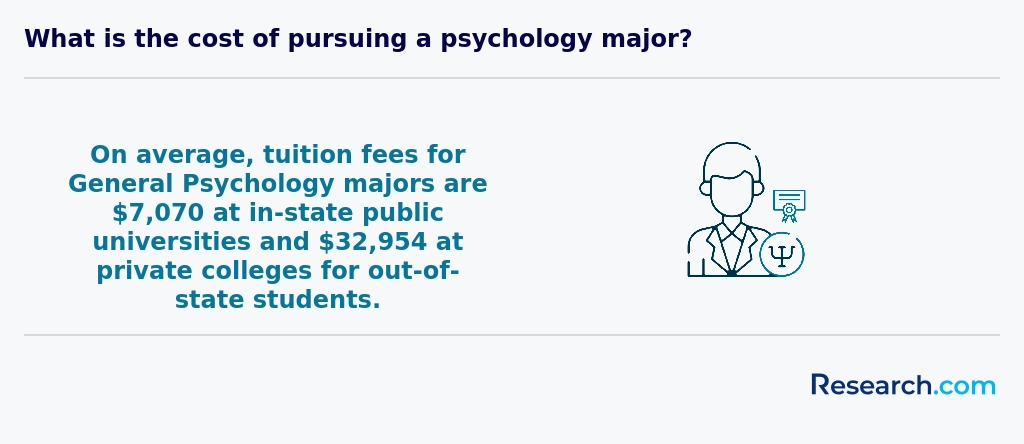
The average cost of an online psychology degree in Minnesota is notably affordable compared to national averages, especially for residents attending public institutions. Graduates from schools such as Bemidji State University and Minnesota State University, Mankato, often highlight the financial accessibility as a significant factor in their decision to pursue online studies. In-state tuition rates at these universities typically range from approximately $7,000 to $10,000 per year, making it manageable for students balancing education with other responsibilities.
Many students appreciate how the reasonable costs enable them to focus on their studies without overwhelming financial stress, fostering a positive and motivating learning environment. This affordability, combined with the quality of education and comprehensive online resources, helps students visualize a clear path toward achieving professional goals in psychology.
For example, graduates describe completing their coursework efficiently while benefiting from internship opportunities and faculty guidance, all without incurring excessive debt. The accessible tuition fees at these Minnesota institutions support diverse learners pursuing psychology careers with confidence and financial prudence.
Where can I work with online psychology degree in Minnesota?
Graduates with an online psychology degree in Minnesota frequently find rewarding employment across diverse sectors, leveraging local educational strengths such as those at the University of Minnesota and Minnesota State University. Entry-level roles often include positions in healthcare facilities, social service agencies, or governmental programs, where graduates apply their knowledge directly to support individuals with mental health or developmental needs.
Many graduates share positive experiences working in Minnesota's Department of Human Services or community health centers, where their training enables them to make meaningful impacts. Those pursuing advanced licensure enjoy expanded opportunities as licensed psychologists, counselors, or clinical social workers, often practicing in private clinics or the Twin Cities' bustling hospitals and mental health centers.
Additionally, psychology graduates contribute significantly in corporate environments, engaging in human resources or organizational development roles that draw on their understanding of human behavior. Academic research opportunities at institutions like the University of Minnesota further attract graduates inspired by scientific inquiry, offering roles as research assistants or lab coordinators that foster intellectual growth and career advancement.
Understanding Minnesota's specific licensure requirements empowers graduates to confidently navigate their career paths and serve their communities effectively.
Graduates with an online psychology degree in Minnesota often secure roles such as Human Resources Specialist, Marketing Research Analyst, or Clinical Research Associate, where mean annual wages range from $62,370 to $83,190 according to recent U.S. Bureau of Labor Statistics data. For example, a University of Minnesota graduate working as a Marketing Research Analyst can expect to earn around $83,190 annually, reflecting a rewarding start in specialized research-based positions.
Similarly, psychology graduates taking positions as Human Resources Specialists earn an average of $76,060 per year, often applying their psychological insights in organizational settings. Those entering clinical research roles, including Clinical Research Associates or Survey Researchers, typically earn mean wages near $62,370, providing solid opportunities for hands-on experience in psychological studies and healthcare environments.
These figures illustrate encouraging earning potential and highlight the versatility of an online psychology degree in Minnesota's job market. Graduates from institutions like St. Cloud State University frequently express satisfaction with their ability to apply theoretical knowledge practically while earning competitive salaries in urban centers such as Minneapolis-St. Paul, where job opportunities flourish.
- Online psychology degrees in Minnesota offer full bachelor's programs that can be completed remotely, beneficial for students in both urban and rural areas.
- The average in-state tuition ranges from $10,000 to $25,000 per year, with public universities generally charging less than private institutions.
- Starting salaries for psychology graduates in Minnesota typically range from $45,000 to $55,000 annually, rising to $80,000 to $95,000 or more with experience or advanced education.
- Job growth in psychology-related fields like mental health counseling and social work is projected at 10% to 15% through 2030, especially in metropolitan areas like Minneapolis-St. Paul.
- Licensing in Minnesota requires graduate degrees and supervised clinical hours, so a bachelor's degree is mainly for entry-level roles or further study.
- It is important to choose a program with regional accreditation recognized by the U.S. Department of Education for degree transferability and recognition.
Completing an online psychology degree in Minnesota typically requires about four years for full-time undergraduate students, mirroring the experience of many studying at institutions like the University of Minnesota or Minnesota State University. Graduates often share how balancing coursework with daily responsibilities is manageable due to the flexibility of online formats, enabling them to maintain steady progress without overwhelming pressure.
Part-time students, including those working or managing families, may extend their studies to six years or more, adjusting course loads to fit personal schedules. Some programs, especially at colleges like Capella University, offer accelerated tracks that allow dedicated students to finish in two to three years by taking additional courses or summer sessions, resulting in a rewarding sense of achievement and momentum.
Graduate psychology degrees in Minnesota show broader completion times; master's programs usually take two to three years, while doctoral degrees often extend from four to seven years due to intensive research and practicum demands. Many learners appreciate how structured timelines at these institutions support both academic rigor and personal growth.
Graduating with an online bachelor’s in Psychology is a crucial step, but practicing as a licensed psychologist in Minnesota requires meeting specific state requirements. The Minnesota Board of Psychology oversees licensure and mandates that candidates hold a doctoral degree in clinical, counseling or school psychology from an accredited institution, complete a minimum of 1,500 hours of supervised professional experience, and pass both the Examination for Professional Practice in Psychology (EPPP) and a state jurisprudence exam. For those interested in related roles-such as school psychologists or behavioral specialists-different credentials, like the School Psychologist License or Professional Educator License with a Psychology endorsement, may apply. Key steps to obtaining licensure include: • Earn a graduate degree in psychology that meets the Board’s academic standards; • Document supervised practicum and internship hours under a licensed psychologist; • Submit official transcripts, background checks, and verification of supervised hours to the Minnesota Board of Psychology; • Pass the national EPPP and the state-specific exam covering Minnesota statutes and rules. Maintaining licensure involves continuing education (CE) requirements: all licensed psychologists must complete 40 hours of CE every two years, including at least 6 hours in ethics. Workshops, conferences, and online CE courses offered by reputable organizations-such as the American Psychological Association-help professionals stay current. Additionally, many graduates explore advanced specializations through programs in psychology to deepen expertise and meet evolving licensure criteria. Understanding and planning for these requirements ensures a smooth transition from graduation to a thriving professional practice in Minnesota.
At universities like the University of Minnesota or Augsburg University, psychology students note clear distinctions between online and on-campus degree paths. On-campus programs offer direct engagement with professors during lively classroom discussions and collaborative projects, creating a strong community feeling. Experiencing hands-on activities, such as lab work and in-person research, fosters both skill-building and professional connections. Graduates often emphasize the value of face-to-face mentorship in shaping their careers.
Conversely, online students at institutions offering digital formats highlight the flexibility to study around work and family commitments-a crucial advantage for many Minnesotans balancing multiple responsibilities. They appreciate the ability to access course materials anytime, enabling steady progress without relocating or commuting. While virtual study may feel less immediate, many online learners benefit from accessible digital libraries and remote tutoring services.
Both formats in Minnesota require in-person practicums, ensuring real-world experience despite delivery method differences. Tuition costs can be comparable, but online students often save substantially on housing and transportation, making psychology degrees more financially accessible.
One of the primary drawbacks of online psychology degree programs is the lack of face-to-face interaction with instructors and peers, which can limit opportunities for networking and building relationships in the field. Additionally, some online programs may not provide the same level of access to resources and facilities, such as research laboratories or counseling clinics, which can be essential for gaining hands-on experience and developing practical skills. Furthermore, online programs may require more self-motivation and discipline, as students must be able to manage their time effectively and stay on top of their coursework without the structure of a traditional classroom environment.
The average cost of an online psychology degree in Minnesota can vary significantly, but students often face tuition totaling around $50,400. Graduates from Minnesota institutions share that investing in an online program offers flexibility and access to quality education at competitive rates. For example, Minnesota State University, Mankato provides in-state residents an affordable tuition rate between $300 and $400 per credit hour, which helps keep the total program cost within a manageable budget. This affordability is a key consideration for many seeking Minnesota affordable online psychology programs cost options without compromising on the depth of study.
In addition to tuition, students should anticipate additional expenses such as technology fees and course materials, which may add several hundred dollars per semester. Many learners appreciate how online formats reduce costs related to commuting and housing, allowing them to balance education with work or family life comfortably. Those pursuing psychology degrees online at Minnesota universities often find that financial aid and scholarships are available, which helps ease the financial burden and fosters a positive learning experience rooted in real-world application.
When examining the broader landscape, students can observe similar cost structures across the nation, which align with Minnesota's trends. It is advisable for prospective students to examine tuition per credit hour closely and calculate realistic total expenses. For students interested in understanding more about state-specific regulations and pathways, reviewing colorado psychology education requirements may offer comparative insights beneficial for career planning.

Building on your online psychology bachelor’s degree in Minnesota, many graduates choose to pursue advanced credentials-whether a master’s in clinical counseling, a PsyD, or a research‐focused PhD-to qualify for licensure and specialized roles. Admission to graduate programs typically requires a minimum GPA of 3.0, letters of recommendation, a statement of purpose, and completion of foundational courses such as research methods and statistics. As you explore programs, consider academic fit, practicum opportunities, and state licensure requirements to ensure seamless transition into roles like licensed professional counselor (LPC) or school psychologist. When evaluating doctoral options, affordability and accreditation are paramount. For those aiming to minimize debt, our ranking of the Most Affordable Online Doctorate in Psychology Degree Programs offers a clear starting point. These programs often include built‐in practicum, dissertation support, and career services-critical components for success in clinical and research settings. Finally, verify that any graduate program you select meets Minnesota Board of Psychology requirements, including supervised practicum hours and examination eligibility. By strategically planning your academic trajectory-from an online bachelor’s in psychology to a master’s or doctorate-you’ll be well‐positioned for licensure and a competitive edge in Minnesota’s dynamic mental health landscape.
Students pursuing online psychology degrees in Minnesota frequently rely on multiple financial aid options to make their education feasible. Graduates from institutions like the University of Minnesota and St. Cloud State University often highlight the vital role of federal aid, including Pell Grants, which provide up to $7,395 annually and alleviate the burden of tuition costs without requiring repayment. Many Minnesota psychology students also benefit from the Minnesota State Grant program, which adjusts awards based on family income and enrollment, making it especially valuable for those attending state colleges with strong online psychology offerings.
Institutional scholarships are another common resource, with various universities offering grants targeted toward academic achievement and specific groups, such as first-generation college students or veterans. Working professionals report that employer tuition assistance has been a game changer by covering a portion or all of their psychology tuition costs.
Additionally, private scholarships from organizations like the Minnesota Psychological Association offer crucial supplemental funding, enabling students to focus more on their studies and less on financial stress.
To practice as a licensed psychologist, counselor or therapist in Minnesota, graduates must meet state board requirements:
- Earn a degree from a regionally accredited institution (minimum master’s for counseling; doctorate for psychology)
- Complete supervised clinical hours:
- Pre‐degree practicum/internship (typically 600–1,200 hours)
- Post‐degree supervised practice (2,000–4,000 hours depending on license)
- Pass the required exams:
- EPPP (Examination for Professional Practice in Psychology) for psychologists
- NCMHCE (National Clinical Mental Health Counseling Examination) for counselors
- Submit an application to the Minnesota Board of Psychology or Board of Behavioral Health and Therapy and fulfill continuing education mandates (usually 40 hours biennially)
For those specializing in marital and family therapy, explore the best online mft programs counseling that align with Minnesota’s licensure prerequisites.
Enrolling in an online psychology degree program in Minnesota typically requires a high school diploma or its equivalent, ensuring a solid academic foundation. Graduates from popular institutions such as the University of Minnesota and St. Cloud State University recall that submitting official transcripts demonstrating a competitive GPA-often around 2.5 to 3.0 on a 4.0 scale-was essential. Many students appreciated how prerequisite coursework in subjects like introductory biology, statistics, or mathematics helped build confidence before tackling specialized psychology topics.
Some Minnesota colleges may request standardized test scores like the SAT or ACT, though recent test-optional policies have eased this requirement, adding flexibility to the application process. Personal statements and letters of recommendation are common components that allow applicants to express their passion for psychology and their readiness for rigorous study, a process former students describe as rewarding and affirming.
Online programs in Minnesota maintain quality comparable to traditional formats, combining accessibility with rigorous standards, helping students balance education with personal commitments effectively.
Building on your online bachelor’s in psychology, many Minnesota graduates pursue advanced degrees and licensure to expand career opportunities. Whether you aim to become a licensed clinician, school psychologist, or researcher, understanding degree requirements and accreditation standards is essential. Most clinical and counseling roles require a master’s or doctoral degree and state licensure:
- Master’s Degrees (M.A./M.S.): 2–3 years; prepares for roles like school counselor or behavior analyst; often requires supervised practicum and capstone project.
- Doctoral Degrees (Ph.D./Psy.D.): 4–7 years; focuses on research (Ph.D.) or clinical practice (Psy.D.); includes internships, dissertation, and licensure exams. Explore our list of top psy d programs for APA-accredited options. Key steps to licensure in Minnesota: 1. Complete a regionally accredited graduate program with required practicum/internship hours. 2. Pass the Examination for Professional Practice in Psychology (EPPP). 3. Accumulate supervised practice hours (1,500–2,000 hours) under a qualified psychologist. 4. Apply for licensure through the Minnesota Board of Psychology and meet jurisprudence exam requirements. Additional considerations:
- GRE or program-specific entrance exams may be required.
- Seek programs with strong research labs or clinical partnerships to build your professional network.
- Investigate financial aid, assistantships, and residency options to offset graduate tuition. By mapping your path from an online bachelor’s to advanced credentials, you’ll position yourself for high-impact careers in mental health, academia, or industry.
Online psychology degree programs in Minnesota commonly feature foundational courses such as introduction to psychology, covering cognitive processes, behavioral theories, and psychological development. Graduates from well-known institutions like the University of Minnesota often recall how understanding these basics helped them relate classroom theory to everyday interactions.
Research methods and statistics are essential components, equipping students with skills in experimental design and data interpretation. Many find these courses challenging but rewarding, especially when applying knowledge to analyze real-world behavioral studies.
Specialized courses like Developmental Psychology-emphasizing growth from infancy to old age-reflect Minnesota's diverse population, preparing students to address community needs effectively. Social Psychology and Abnormal Psychology deepen understanding of human interactions and mental disorders, while Cognitive and Biopsychology explore brain-behavior relationships. Graduates often share how these classes enhanced their empathy and critical thinking in professional contexts.
Applied psychology topics such as counseling theories and ethics further prepare students for clinical or organizational roles, enabling them to confidently navigate ethical dilemmas and interpersonal challenges in their careers.

Online psychology degree specializations Minnesota frequently include Clinical Psychology, Developmental Psychology, Industrial-Organizational Psychology, Social Psychology, Forensic Psychology, and Health Psychology. Graduates from popular institutions such as the University of Minnesota or St. Cloud State University often remark on the practical relevance of these focused tracks, which have helped them secure positions in mental health counseling, education, or organizational development.
For example, students pursuing Clinical Psychology enjoy preparing for roles as mental health counselors, often engaging in practicum experiences offered through flexible online formats at Minnesota colleges. Developmental Psychology appeals to those interested in guiding human growth, providing rewarding career opportunities in social services. Industrial-Organizational Psychology graduates appreciate how their skills improve workplace culture and performance, a favorite specialization among those working in Minnesota's corporate sectors.
Recognizing this diversity, students considering psychology bachelor's programs with specializations Minnesota can effectively tailor their studies to match their professional passions. Many aspiring professionals also explore the top-rated doctorate in psychology programs nearby for advanced specialization aligned with their career goals.
When selecting the best online psychology degree programs Minnesota offers, prioritizing accreditation is crucial. Programs accredited by the Higher Learning Commission are widely recognized among local employers and graduate schools in the state. Graduates from the University of Minnesota's online psychology program, for example, often highlight how accreditation eased their transition into master's studies and licensure processes.
Affordability is another key factor. Many students pursuing an affordable psychology bachelor's degree Minnesota value report that institutions like Minnesota State University provide competitive tuition rates without sacrificing academic quality. Considering programs with flat-rate tuition models or financial aid options can significantly ease financial stress, allowing students to focus more on learning and practical experience.
Flexibility is vital for working adults or those with family commitments. Graduates frequently praise asynchronous courses that let them study evenings or weekends, ensuring steady progress without disrupting work-life balance. Additionally, robust online support services enhance student success by providing timely academic advising and career guidance.
Look for a program that integrates real-world experience through internships or practicum placements, which are highly valued by those aiming to meet Minnesota's licensure requirements. For prospective counselors, understanding pennsylvania lpc exam requirements can offer perspective on professional credentialing pathways, complementing Minnesota-focused training.

Graduates earning an online psychology degree in Minnesota find diverse career paths tailored to their qualifications and interests. Entry-level roles such as psychiatric technician, case manager, and social services assistant are common, especially for those graduating from well-regarded Minnesota institutions. These graduates often describe rewarding early experiences working directly with clients in clinical or community settings, applying skills learned during their coursework. This practical foundation enhances employability in the Minnesota job market, which values hands-on knowledge.
For students exploring more specialized roles, psychology degree job opportunities in Minnesota encompass community outreach and behavioral health positions, where graduates contribute to mental health programs and substance abuse support. Those seeking advancement frequently pursue graduate education, unlocking careers as licensed psychologists, therapists, or counselors-fields that offer both personal fulfillment and professional stability.
Additionally, Minnesota graduates from psychology programs apply their understanding of human behavior in sectors like human resources and marketing, benefiting companies through improved recruitment and consumer insights. Considering the substantial local wage potential, students often weigh costs carefully. Interested individuals may explore highest salary potential college majors to align their studies with rewarding career outcomes.

The job market for graduates with an online psychology degree in Minnesota is generally strong, with steady demand across healthcare, education, and social services sectors. Students completing programs at well-known institutions, such as the University of Minnesota and Saint Cloud State University, report encouraging entry-level opportunities in roles like behavioral health technicians and human services specialists. This positive outlook reflects the broader Minnesota psychology job outlook online graduates experience, where metropolitan areas like Minneapolis-Saint Paul provide diverse employment in hospitals, clinics, and schools.
Graduates often find that these positions offer valuable practical experience and an income foundation; typical roles such as social workers earn an average wage near $56,000 annually in the state. For those aiming to become licensed professionals, understanding the rhode island counselor certification process can provide insight into licensure steps, which are similarly structured in Minnesota. Overall, an online psychology degree opens doors to meaningful careers amid Minnesota's growing healthcare needs.
2027 Most Affordable Online Bachelor's in Psychology Degree Programs Ranking in Minnesota
Investing in your education is a significant decision that can shape your future, and the Research.com team is fully aware of the importance of making well-informed choices. To support prospective students in Minnesota, we have carefully developed the "2027 Most Affordable Online Bachelor's in Psychology Degree Programs Ranking in Minnesota." Our dedication to quality, credibility, and accuracy is demonstrated through thorough research and analysis conducted to build this ranking.
We utilized the following reputable data sources to ensure a comprehensive evaluation of affordable online psychology programs:
By consulting this ranking, readers will gain valuable insights into cost-effective psychology programs, enabling them to make confident decisions about their educational journey. For more information on how this ranking was created, please visit our Research.com methodology page.
# 1 position
Bethel University, Minnesota
Bachelor of Psychology

# 3 position
Walden University
Bachelor of Psychology


Frequently Asked Questions About psychology
Online psychology students in Minnesota can maximize their learning by actively engaging with course materials and participating in virtual discussions. Research from the Minnesota Department of Education highlights that students who interact regularly with peers and instructors tend to perform better academically.
Utilizing local resources such as Minnesota Psychological Association webinars and networking opportunities can also enrich understanding and professional connections. Additionally, applying theory through Minnesota-based internships or practicum opportunities enhances real-world experience.
Time management and setting a consistent study schedule are crucial, as online programs require self-discipline. According to the National Center for Education Statistics, students who plan dedicated study times have higher retention rates in online psychology courses.
The psychology field is expanding into several emerging niches, especially relevant to students pursuing online degrees in Minnesota. One rapidly growing area is telepsychology, which involves providing mental health services remotely via digital platforms. This trend aligns with Minnesota's strong support for telehealth, reflected in state policies promoting access, particularly in rural areas.
Another important niche is neuropsychology, focusing on brain-behavior relationships. Minnesota hosts advanced research centers that contribute to this field, creating opportunities for students interested in cognitive and clinical applications.
Additionally, forensic psychology is gaining traction due to increased demand in the criminal justice system, while health psychology integrates mental health with physical health, addressing issues like chronic illness management. These areas represent promising paths for Minnesota students seeking specialized careers after completing online psychology degrees.
After completing an online psychology degree in Minnesota, preparing for the job market involves several important steps. First, gaining practical experience through internships or volunteer work is crucial, as Minnesota has a growing demand for behavioral health professionals. According to the Minnesota Department of Employment and Economic Development, employment in psychology-related fields is expected to grow by 10% by 2030.
Networking within local professional organizations, like the Minnesota Psychological Association, can open doors to job opportunities. Additionally, pursuing relevant certifications or considering further study can enhance your competitiveness. Familiarity with state licensure requirements is essential for clinical or counseling roles in Minnesota.
Employers in Minnesota highly value psychology graduates who demonstrate strong critical thinking and analytical skills. These skills enable graduates to assess complex behavioral data and apply evidence-based solutions effectively.
Communication skills also rank as essential, especially the ability to convey psychological concepts clearly to diverse audiences, including clients and interdisciplinary teams. This is crucial for roles in counseling, case management, and community services.
Another key competency is cultural competence. Minnesota's growing diverse population requires psychologists to understand and respect various cultural backgrounds to provide inclusive care, as highlighted in reports by the Minnesota Psychological Association.
Lastly, ethics and professionalism are fundamental, ensuring adherence to legal standards and ethical guidelines in practice, which Minnesota employers consistently emphasize.
Finding internships relevant to a psychology degree in Minnesota involves leveraging local resources and university connections. Many online psychology programs in Minnesota partner with clinics, hospitals, and mental health organizations to offer placement opportunities. According to the Minnesota Psychological Association, internships often include settings like community health centers and school systems.
The Minnesota Department of Employment and Economic Development notes that psychology-related internships are growing in sectors such as counseling and social work. Students should contact their program advisors early to secure positions, as spots may be competitive.
Additionally, using platforms like Handshake or local nonprofit job boards can help locate available internships in Minneapolis, St. Paul, and other areas.
Volunteering with state mental health programs also boosts experience and networking, which is crucial in Minnesota's psychology job market.
Obtaining an online psychology degree in Minnesota can significantly enhance career mobility and advancement within the state's competitive job market. With Minnesota's growing mental health sector, professionals holding a bachelor's in psychology often find increased opportunities in counseling, social services, and human resources. According to the Minnesota Department of Employment and Economic Development, psychology-related occupations are expected to grow by 12% through 2030, faster than average for all occupations.
An online degree offers flexibility for working adults, enabling them to continue gaining experience while earning credentials recognized by Minnesota employers. Many graduates use their degree as a stepping stone toward graduate programs, which are often required for licensed clinical roles.
Employers tend to value accredited online programs that meet regional standards, and completion of such programs can lead to higher earning potential and eligibility for advanced positions. Overall, online psychology degrees in Minnesota support upward job mobility and professional growth in an evolving mental health landscape.
Studying for a psychology degree in Minnesota equips students with skills valuable across multiple disciplines. Many programs emphasize understanding human behavior, data analysis, and research methods, which are key in fields like social work, healthcare, education, and business.
Minnesota's universities often incorporate interdisciplinary coursework and collaborative projects. For example, students may engage in public health or education classes alongside psychology studies, reflecting the state's focus on community well-being.
According to recent data from the Minnesota Office of Higher Education, psychology graduates frequently find roles that combine mental health knowledge with social services or organizational leadership. This prepares students for careers that extend beyond traditional clinical psychology.
Online programs also offer flexibility to integrate practical experiences across sectors, an advantage for working adults seeking interdisciplinary careers.
Choosing between a thesis and a non-thesis psychology degree program in Minnesota largely depends on your career goals and learning preferences. Thesis programs emphasize research skills and typically require original research, making them ideal if you plan to pursue graduate studies or work in research-focused roles.
Non-thesis programs often concentrate on coursework and practical application, suitable for students aiming to enter professional fields or roles in Minnesota's mental health services without extensive research demands. According to the Minnesota Office of Higher Education, many psychology graduates work in applied settings where hands-on skills matter most.
Additionally, thesis options may take longer to complete due to research commitments, while non-thesis paths can be faster and more flexible for working professionals.
Students based in Minnesota seeking to study psychology abroad through online programs have several pathways available. Many U.S. accredited institutions offer fully online psychology degrees that can be completed remotely, allowing students to earn a respected qualification without relocating. For those interested in international universities, it is critical to verify that their online programs meet U.S. accreditation standards, such as regional accreditation recognized by the Council for Higher Education Accreditation (CHEA).
According to the Minnesota Office of Higher Education, about 20% of psychology degree seekers consider online options to balance work and study commitments. While true study-abroad options may be limited due to licensing and transfer credit complexities, international online programs can complement local education. Students should also explore consortium programs that allow credit transfers between Minnesota schools and foreign universities.
In Minnesota, students pursuing an online psychology degree can enhance their education through diverse part-time job opportunities. Roles such as behavioral health technicians, mental health aides, or peer support specialists offer practical experience directly related to psychology fields. According to the Minnesota Department of Employment and Economic Development (DEED), behavioral health support positions are projected to grow by 12% through 2030, reflecting strong local demand.
Working part-time in community mental health centers or social service agencies allows students to apply theoretical knowledge while developing critical skills. Additionally, research assistant positions at Minnesota universities provide valuable exposure to experimental design and data analysis. These jobs not only complement academic work but also improve future employability in psychology-related careers.
Online psychology students in Minnesota benefit from various networking opportunities integrated into their programs. Many state universities offering online degrees encourage participation in virtual student organizations and psychology clubs, connecting learners with peers and professionals across the state.
The Minnesota Psychological Association (MPA) is a key resource, providing access to conferences, webinars, and special interest groups tailored to psychology students and professionals. Students can join as affiliates, enabling valuable contacts within local mental health communities.
Additionally, online learners often have chances to engage in internships or practicum placements approved by their programs. These experiences foster real-world connections and enhance career prospects in Minnesota's growing mental health sector, which the U.S. Bureau of Labor Statistics expects to expand by 11% from 2021 to 2031.
Alumni networks provide significant benefits to online psychology degree students in Minnesota by fostering strong professional connections. Graduates can access job leads, internships, and mentorship opportunities that enhance career prospects in the state's psychology field. The Minnesota Psychological Association emphasizes networking as vital for career advancement, especially in a competitive market.
These networks also promote continued learning through events and webinars relevant to local mental health practices. For online students, alumni groups bridge geographic gaps, connecting peers across the state.
Moreover, Minnesota's growing demand for mental health professionals, noted by the Department of Employment and Economic Development, increases the value of such networks for job placements and collaboration. Access to experienced alumni helps students understand the unique challenges within Minnesota's healthcare system.
Online psychology degree programs in Minnesota offer several options to tailor your studies according to your career goals. Many programs allow you to choose electives aligned with specialties such as clinical, developmental, or industrial-organizational psychology. You can also select courses that enhance skills in counseling, research methods, or data analysis, depending on your interests.
Internships and practicum opportunities are often customizable, allowing practical experience in settings relevant to your chosen career path. According to the Minnesota Office of Higher Education, around 40% of psychology graduates pursue careers in mental health services, making specialized training valuable.
Additionally, some institutions provide options for certificate programs or minors that complement a psychology degree, further expanding career prospects.
Online psychology students in Minnesota often face challenges related to balancing coursework with personal and professional commitments. Because many learners enroll while working or managing families, time management becomes critical. Access to reliable internet and suitable technology can also be an obstacle, especially in rural areas where broadband coverage is limited, according to the Minnesota State Demographic Center.
Another challenge is obtaining local practicum or internship placements, which are required for many psychology programs. Students may struggle to find approved sites within Minnesota that meet both academic and licensure standards. Furthermore, the lack of face-to-face interaction can impact networking and support, which are important for career development in psychology fields.
With an online psychology degree, professionals in Minnesota can pursue various certifications that enhance career opportunities. One common credential is the Certified Psychological Assistant (CPA), allowing supervised practice under a licensed psychologist. This is a crucial step toward becoming a licensed psychologist in Minnesota, overseen by the Minnesota Board of Psychology.
Other certifications include becoming a Licensed Professional Clinical Counselor (LPCC) or a Licensed Alcohol and Drug Counselor (LADC). Earning these requires meeting education, experience, and exam criteria set by Minnesota's relevant licensing boards. According to the Minnesota Department of Health, the demand for licensed mental health professionals continues to rise, making these certifications valuable.
Additional options such as the National Certified Counselor (NCC) credential are nationally recognized and may be pursued after earning a psychology degree and meeting further requirements.
Writing a winning application for an online psychology program in Minnesota requires careful preparation. Start by researching programs accredited by the American Psychological Association or recognized regional accreditors, ensuring your degree holds value in Minnesota's job market. Highlight your academic achievements, particularly in psychology and related sciences, as Minnesota's workforce development reports emphasize strong foundational knowledge.
Include a clear, concise personal statement explaining your motivation and career goals in psychology. Minnesota employers often value culturally competent applicants, so mention any relevant experiences working with diverse populations.
Letters of recommendation should come from professors or professionals familiar with your academic abilities. Finally, verify and submit all transcripts and test scores promptly, as adherence to deadlines is critical for competitive programs.
A career in psychology offers diverse opportunities worldwide, reflecting cultural and societal needs. In the United States, including Minnesota, psychology professionals contribute to mental health, education, and research sectors. According to the U.S. Bureau of Labor Statistics, job growth for psychologists is projected at 6% from 2021 to 2031, aligning with increased awareness about mental health.
Globally, the profession values strong academic credentials, often requiring graduate degrees and state licensure for clinical practice. Minnesota ranks well for educational resources, with universities offering accredited online psychology programs fostering both academic and practical skills.
International collaboration in psychology research is growing, influenced by differing mental health challenges and treatment approaches. This global exchange benefits students in Minnesota seeking online degrees, offering broader perspectives and career versatility.
Students pursuing an online psychology degree in Minnesota can gain practical experience through internships and field placements arranged by their universities. Many accredited programs partner with local clinics, schools, and community organizations to offer hands-on settings where students apply classroom knowledge.
Additionally, the Minnesota Psychological Association and state licensing boards emphasize supervised experience as essential for licensure. Online students can often complete required hours closer to home, benefiting from Minnesota's diverse mental health service network.
Volunteering for mental health initiatives or research projects is another way to enhance practical skills. The University of Minnesota's Psychology Department often lists such opportunities for students statewide.
Choosing the right concentration within an online psychology degree program in Minnesota requires careful consideration of your career goals and personal interests. Popular concentrations include clinical, counseling, developmental, and industrial-organizational psychology. According to the Minnesota Department of Employment and Economic Development, demand for mental health professionals is growing by 14%, making clinical and counseling specializations highly practical choices.
Research local licensure requirements, as certain concentrations better prepare students for state licensing exams. Additionally, examine course offerings and faculty expertise to ensure the program aligns with your goals. Many Minnesota universities provide online options that meet regional workforce needs, helping you tailor your education to local job markets.
- 2027 Most Affordable Online Bachelor's in Psychology Degree Programs Ranking in Iowa
- 2027 Most Affordable Online Bachelor's in Psychology Degree Programs Ranking in Illinois
- 2027 Most Affordable Online Bachelor's in Psychology Degree Programs Ranking in Missouri
- 2027 Most Affordable Online Bachelor's in Psychology Degree Programs Ranking in Michigan
- 2027 Most Affordable Online Bachelor's in Psychology Degree Programs Ranking in Kansas
- 2027 Most Affordable Online Bachelor's in Psychology Degree Programs Ranking in Ohio
- 2027 Most Affordable Online Bachelor's in Psychology Degree Programs Ranking in Colorado
- 2027 Most Affordable Online Bachelor's in Psychology Degree Programs Ranking in Alabama
- 2027 Most Affordable Online Bachelor's in Psychology Degree Programs Ranking in Georgia
- 2027 Most Affordable Online Bachelor's in Psychology Degree Programs Ranking in Texas
See What Experts Have To Say About Studying Psychology
Read our interview with Psychology experts

Joann Farrell Quinn, Ph.D., MBA
Psychology Expert
Director at the College of Medicine Department of Medical Education
Morsani College of Medicine

Elizabeth L. Jeglic Ph.D.
Psychology Expert
Professor of Psychology
City University of New York

Robin M. Kowalski. Ph.D.
Psychology Expert
Professor of Psychology
Clemson University

- Call for papers https://www.hogrefe.com/us/journal/international-perspectives-in-psychology-research-practice-consultation
- Why Get a Psychology Degree Online? | University of Bridgeport https://www.bridgeport.edu/news/reasons-to-get-your-psychology-degree-online/
- Study Psychology Abroad | Go Overseas https://www.gooverseas.com/study-abroad/psychology
- Professional Networking For Psychologists | Psychology.org https://www.psychology.org/resources/professional-networking/
- How to become a Psychologist in Minnesota | Steps to take in MN | Psychologist-License.com https://www.psychologist-license.com/psychologist-requirements/minnesota-psychologist/
- Study Psychology Abroad https://astarfuture.co.uk/study_psychology_abroad.html
- Know more about thesis vs non- thesis: what is the difference? https://studyfans.com/en/blogs/816
- A Guide to Psychology Internships | Psychology Degree Guide https://psychologydegreeguide.org/resources/internships/
- Ontario Psychological Association - Networking and Community Resources https://www.psych.on.ca/become-a-member-(1)/member-services/networking-and-community-resources
- Building Professional Skills with Field Experience in Psychology - Communicating Psychological Science https://www.communicatingpsychologicalscience.com/blog/building-professional-skills-with-field-experience-in-psychology