
2027 Most Valuable Online Bachelor's in Psychology Degree Programs Ranking in the Northeast

Co-Founder and Chief Data Scientist
Choosing the right psychology degree program can shape your future in meaningful ways. This article presents the 2027 Most Valuable Online Bachelor's in Psychology Degree Programs Ranking in the Northeast, created by the Research.com team of data scientists to guide your decision.
By exploring this ranking, you'll discover valuable insights about programs that offer the best opportunities for growth and success. Earning a psychology degree opens doors to rewarding careers and personal development, making your educational journey worthwhile and inspiring.
Key benefits of getting online psychology degree in the Northeast
- Graduates with an online psychology degree can pursue roles like Human Resources Specialist, earning a mean annual wage of $76,060, or Marketing Research Analyst, with a salary around $83,190, offering strong financial potential in the Northeast job market.
- Psychology degree holders from universities such as Northeastern University have diverse career paths including Clinical Research Associate or Survey Researcher, blending research skills and real-world impact in healthcare and market analysis.
- Completing a psychology degree online from institutions like the University of Massachusetts offers flexible scheduling and cost savings, making it easier to balance work and study while still gaining recognized credentials.
- 2027 Most Valuable Online Bachelor's in Psychology Degree Programs Ranking in the Northeast
- What can I expect from online psychology degree in the Northeast?
- Where can I work with online psychology degree in the Northeast?
What can I expect from online psychology degree in the Northeast?
Exploring the average cost of an online psychology degree in the Northeast sparks curiosity, especially when you imagine yourself navigating vibrant virtual classrooms hosted by well-known institutions like Suffolk University or Penn State. Graduates often share how tuition typically ranges between $15,000 and $40,000 for the entire bachelor's program, depending on the school and its residency policies.
Many Northeast schools offer in-state rates or scholarships specifically for online learners, which can dramatically ease the financial journey. Picture juggling work and family while feeling supported by flexible payment plans, just like some graduates who balanced careers and coursework at the University of Massachusetts.
Additionally, the investment feels worthwhile when you consider access to rigorous APA-accredited programs, interactive video lectures, and virtual internships linked to bustling cities like Boston or Philadelphia. This blend of affordability and quality creates an educational adventure that's both accessible and inspiring for students hungry to dive deep into psychology without leaving their home state.
Where can I work with online psychology degree in the Northeast?
Graduates from online psychology programs at well-known Northeastern schools, like Penn State or Boston University, often find themselves stepping into dynamic roles that make real impact. Picture starting your day supporting youth as a behavior intervention specialist in a bustling New York City school or joining a team at a Massachusetts mental health clinic where every client interaction deepens your understanding and purpose.
Others discover thrilling paths in human resources within Boston startups, shaping company culture through coaching and training, tapping into psychology's power to transform workplaces. The Northeast's vibrant nonprofit sector also beckons, offering chances to work on community support or social services, where empathy meets action daily.
While these positions often welcome those with a bachelor's, many graduates feel energized to continue toward licensure-knowing that states like New Jersey demand advanced degrees and hands-on experience for counseling careers. Yet, for many, the online psychology degree opens doors to exploration and meaningful beginnings amid the region's diverse, ever-evolving professional landscape.
Graduates armed with an online psychology degree in the Northeast often find themselves stepping into roles like Human Resources Specialist, Marketing Research Analyst, or Clinical Research Associate. For instance, a psychology graduate from a well-known institution such as Boston University might start their career earning around $76,060 annually as a Human Resources Specialist, enjoying a dynamic work environment that blends interpersonal skills with organizational strategy.
Others may channel their curiosity into marketing research, where salaries hover near $83,190 per year. Imagine a graduate from the University of Pennsylvania diving into consumer behavior studies, uncovering insights that drive business decisions-all while earning a comfortable wage.
Meanwhile, Clinical Research Associate and Survey Researcher roles offer yearly incomes around $62,370, providing engaging opportunities to contribute to vital healthcare studies or social programs. For those who love working closely with people, these figures reflect a rewarding start where passion meets financial stability in vibrant Northeast hubs.
Beyond numbers, many graduates recall the thrill of applying classroom theories in real-world settings across New York or Philadelphia, where higher living costs spark stronger wage offers and exciting career adventures await.
- Online psychology bachelor's degrees in the Northeast usually cost between $25,000 and $70,000, with an average range of $35,000 to $45,000.
- Public universities tend to have lower tuition, especially for in-state students, while private schools may offer specialized curriculums at higher costs.
- Entry-level salaries for psychology graduates in the region range from $40,000 to $50,000, with higher pay in cities like New York City, Boston, and Philadelphia.
- Experienced professionals with a bachelor's degree can earn median salaries between $60,000 and $70,000.
- The job market for psychology graduates in the Northeast is stable with growing demand in mental health, education, social services, and business sectors.
- A bachelor's degree alone does not qualify for psychologist licensure; advanced degrees and state-specific licenses are required.
Imagine a graduate juggling a job and family while taking classes at Southern New Hampshire University. Their journey might stretch to six years, savoring each course at a comfortable pace. On the flip side, some adventurous students, having already earned college credits, zoom through accelerated programs in as little as two to three years.
Master's degree seekers in the Northeast often add around two years beyond their bachelor's, though some find thrilling fast-track options lasting just 12 to 18 months. It's a personalized expedition where course availability, credit transfers, and your own rhythm dictate the speed.
For many students, earning a bachelor's degree in psychology marks the beginning of an ongoing academic journey rather than the final destination. As you immerse yourself in foundational theories and practical skills, it’s beneficial to explore pathways for further specialization and career advancement. Many graduates consider pursuing a master’s degree to deepen their expertise and remain competitive in the ever-evolving field of psychology. With the growing demand for experts who can navigate complex mental health challenges, an advanced degree can open doors to roles in clinical practice, research, and organizational consultancy. For those looking to maximize their investment in education while managing costs, there are options available that cater to budget-minded students, such as cheap masters degrees in psychology online. By carefully evaluating program accreditation, curriculum depth, internship opportunities, and financial aid offerings, you can lay a strong foundation for a successful transition to graduate studies. Integrating these considerations into your long-term academic plan will not only enhance your qualifications but also ensure that you continue to build on the critical skills gained during your bachelor’s studies.
Choosing between online and on-campus psychology degrees in the Northeast opens up a world of possibilities shaped by your lifestyle and learning preferences. Imagine a graduate from a busy Boston university, juggling a part-time job and family, who thrives in an online program's flexible, asynchronous schedule-studying late at night without the stress of commuting through city traffic. Contrast that with a student at a traditional college in New York City, energized by lively in-person discussions and immediate access to campus research labs and vibrant student groups.
While tuition for on-campus psychology programs in the Northeast might range from $15,000 to $35,000 annually, online options often ease financial strain by cutting housing and travel costs-especially in pricey urban hubs. Graduates from both formats highlight the quality of education, though those attending on-site appreciate hands-on internships facilitated through local university partnerships. Meanwhile, online learners treasure the urban abundance of clinical placements they independently navigate, turning bustling Northeast cities into their personal training grounds.
The difference lies not just in where you study but how you experience psychology-whether embracing campus energy or the freedom to learn anytime, anywhere.
After earning your online psychology bachelor’s degree, advancing your career often involves specialized certifications and graduate study. Whether you aspire to become a licensed mental health counselor, school psychologist, or behavior analyst, understanding the requirements and timelines for each pathway is crucial for planning your next steps. Many psychology graduates pursue a master’s degree to meet state licensure prerequisites for roles like Licensed Professional Counselor (LPC) or Licensed Clinical Social Worker (LCSW). Typical requirements include 60 graduate credits, supervised clinical hours (often 1,500–3,000), and passage of a national or state exam. Those interested in working in schools should research state-specific certification for school psychology, which generally involves completing an approved graduate program and successful completion of the Praxis School Psychologist exam. For careers in applied behavior analysis, securing a Board Certified Behavior Analyst credential can open doors to healthcare and educational settings. You can explore affordable options for remote study with bcba certification online, ensuring you meet the 1,500 supervised fieldwork hours and the BACB exam requirements. Industrial-organizational roles, meanwhile, often call for a master’s in I-O psychology and professional membership in the Society for Industrial and Organizational Psychology (SIOP). Key steps to choose the right certification or graduate program include:
- Verifying program accreditation by bodies such as the APA or CACREP
- Mapping out required coursework, practicum, and exam timelines
- Considering part-time or asynchronous graduate options to balance work and study
- Exploring financial aid, assistantships, or employer tuition reimbursement By strategically selecting the certification and graduate pathway that aligns with your career goals, you’ll position yourself for licensure, higher earning potential, and leadership roles in the thriving Northeast psychology job market.
The average cost of an online psychology degree in the Northeast typically lands around $52,680 in total, reflecting the region's blend of public and private institutions. Many students who have pursued their degree online from universities known for their psychology programs share stories of balancing rigorous coursework with their daily lives, appreciating the flexibility despite tuition that feels like a worthy investment in their future. For instance, graduates from prestigious Northeast schools often mention the rich educational experience paired with a cost that matches the resources and networking opportunities these universities offer.
When considering total expenses for online psychology bachelor's Northeast students often budget not just tuition but also fees related to technology, textbooks, and exam proctoring-additional costs that can push yearly budgets higher. Those attending public universities usually find themselves spending less if they qualify for in-state tuition, with median in-state costs around $36,600, while out-of-state online learners might encounter figures closer to $52,320, emphasizing how residency can shape financial planning.
The rewarding outcomes reported by graduates, who often describe a sense of accomplishment and preparedness for careers in mental health or research, show the value behind these expenses. Prospective students exploring options might also discover financial support that makes financing the journey smoother. For those curious about cheap masters degrees in psychology online, these avenues can open doors to managing the complex landscape of the average cost of online psychology degree Northeast.

Common challenges that online psychology students in the Northeast may face include managing coursework and personal responsibilities, staying motivated in an online environment, and accessing resources and support. To overcome these challenges, students can prioritize time management, create a dedicated study space, and utilize online support services such as virtual tutoring and academic advising. Additionally, connecting with peers and instructors through online discussion forums and social media groups can help build a sense of community and reduce feelings of isolation. Many online psychology programs in the Northeast also offer flexible scheduling and self-paced coursework, allowing students to balance their studies with work and family commitments. By being aware of these potential challenges and taking proactive steps to address them, online psychology students in the Northeast can set themselves up for success and achieve their academic and career goals.
Diving into financial aid for online psychology degrees in the Northeast feels like uncovering a treasure trove tailored to your journey. Graduates from schools like SUNY Albany or Boston University often recall how Pell Grants, covering up to $7,395, eased their path by lifting hefty tuition burdens. Imagine a student at the University of Massachusetts Amherst who combined federal loans-gentle on the wallet with flexible terms-with the New York Tuition Assistance Program's grant of up to $5,165, crafting a financial puzzle that fit perfectly.
Many recall the thrill of discovering institutional scholarships that reward not just grades but leadership and dedication to mental health, spotlighting their passion. Picture working professionals juggling a 9-to-5 and studies, tapping into employer tuition reimbursement to fuel advancement without draining savings. Beyond these, nonprofit groups like the American Psychological Association serve as friendly guides, offering scholarships that brighten the road ahead, making the dream of a Northeast psychology degree feel wonderfully within reach.
Pursuing an online psychology degree in the Northeast offers several benefits over traditional on-campus programs, making it an attractive option for students who value flexibility and convenience. One of the primary advantages is the ability to balance academic responsibilities with work or personal commitments, allowing students to maintain their current lifestyle while pursuing higher education. Online programs also cater to a diverse range of learning styles, providing interactive coursework and collaborative projects that mirror real-world scenarios, which can be particularly beneficial for students who thrive in self-paced environments. Furthermore, online psychology degrees often feature faculty with extensive experience in their fields, bringing real-world insights into the virtual classroom and enhancing the learning experience. The cost-effectiveness of online programs is another significant benefit, as they can reduce expenses related to relocation, commuting, and campus housing, making quality education more accessible to a broader audience. In terms of career opportunities, graduates of online psychology programs can expect to be well-prepared for a variety of roles, including positions in mental health, education, human resources, and research, with many employers valuing the skills and knowledge gained through online education equally to those obtained through traditional on-campus programs. Ultimately, the flexibility, accessibility, and career readiness provided by online psychology degrees make them a compelling choice for individuals seeking to advance their education and career prospects in the field of psychology.
While test scores like the SAT or ACT are less demanded today, a few elite Northeast schools still ask for them, adding a sprinkle of challenge for those eager to prove themselves. Letters of recommendation often act as windows into a student's motivation, painting a vivid picture of their readiness for this online adventure.
Picture a student who took extra courses in biology and statistics, strengthening their grasp of neuropsychology - a crucial area in many Northeast programs. These foundational skills, paired with reliable tech know-how and solid internet access, transform ambitious dreams into achievable academic realities.
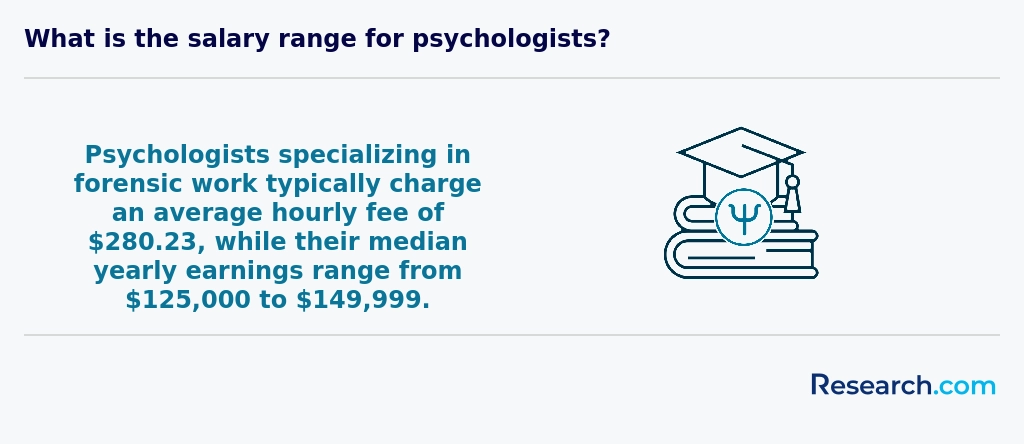
Prospective students often overlook the range of support services integral to succeeding in an online psychology program. From dedicated academic advising to round-the-clock technical assistance, these resources ensure you stay on track and engage fully with your coursework. Top programs in the Northeast typically include:
- Academic Advising and Tutoring: Personalized study plans, virtual writing centers, and peer tutoring sessions help reinforce key psychological concepts and research methods.
- Library Access and Research Tools: Online students gain full access to digital libraries, scholarly databases, and interlibrary loan services, crucial for capstone projects and literature reviews.
- Career Services and Networking: Virtual career fairs, résumé workshops, and alumni mentorship programs connect you with industry professionals and internship opportunities across mental health, HR, and research sectors. For those balancing affordability with robust support, you may also want to explore the Most Affordable Psychology Degree Programs Ranking in Georgia to compare cost-effective options that still deliver comprehensive student services.
- Technical Support and Learning Platforms: 24/7 IT help desks, detailed how-to guides, and interactive orientation modules guarantee a seamless online learning experience, so you can focus on mastering developmental, abnormal, and industrial-organizational psychology without disruption.
Imagine diving into an online psychology degree at a Northeastern university, where courses feel like unlocking secrets of the mind with every click. Graduates often recall starting with Introduction to Psychology, a journey through fascinating theories and core research methods that set the stage for understanding human behavior. Then comes Developmental Psychology-a heartfelt exploration of life's stages from childhood wonder to adult complexity.
Biological Psychology invites students to picture neurons firing as they decode how brain and behavior intertwine, while Social Psychology brings to life real-world scenarios like group dynamics on a college campus or in bustling city streets. In statistics and research methods courses, many students share that mastering data analysis felt empowering, as they learned to interpret psychological studies that could one day influence public health or education policies.
Northeast programs stand apart by weaving in ethics and cultural diversity, reflecting the region's rich mosaic of communities. Graduates treasure the way abnormal and cognitive psychology classes open doors to understanding mental health challenges and the incredible workings of memory and perception, all within a curriculum tailored to regionally relevant professional standards.
Dive into the dynamic world of online psychology degree specializations Northeast programs have to offer, where graduates share stories of discovering their paths through vibrant clinical, counseling, and forensic psychology tracks. Imagine studying at a well-known Northeast college where a student finds joy working in a pediatric clinic after focusing on child and adolescent psychology, connecting theory to real-world impact.
Others embrace industrial-organizational psychology, inspired by the region's bustling corporate scene, enhancing workplace well-being and productivity. These diverse psychology concentration options online Northeast provide a thrilling sense of purpose, equipping learners for careers ranging from mental health clinics to law enforcement agencies.
Many programs encourage hands-on learning through local internships or practicum experiences, allowing students to gain invaluable fieldwork near their homes. Ready to explore even more pathways? You might consider specialized certifications like bcba certification online, blending interest and career growth seamlessly.
Choosing the best online psychology degree in the Northeast feels like embarking on a unique adventure, where the path winds through accreditation standards, curriculum depth, and personal connection to the field. Graduates from top regional institutions often highlight how attending a school with recognized credentials, even if the program isn't APA-accredited, gave them confidence and eased credit transfers. Imagine studying developmental and social psychology topics that feel immediately relevant, much like students who praise courses at well-known Northeastern colleges for their hands-on, flexible learning.
Cost is a distinct compass point for many explorers. Public universities in this region offer in-state tuition between $10,000 and $15,000, while private schools run higher. Many online learners appreciate programs offering flat tuition or discounts extending to neighboring states, making affordability a reality. Those curious about affordable online psychology degrees in Northeast may find detailed comparisons like the Most Affordable Psychology Degree Programs Ranking in Georgia helpful for charting their course.
Graduates exploring online psychology careers in the Northeast often discover a landscape bursting with dynamic opportunities. Many find themselves stepping into licensed mental health roles, especially in bustling cities like Boston or Philadelphia, where demand for skilled counselors and therapists is rising. These graduates, hailing from renowned universities, feel exhilarated by the chance to support communities through counseling or social work, knowing that further licensure and graduate study await to unlock full independence.
Others shape fulfilling careers as psychological technicians or assistants, leveraging their bachelor's degree to work closely with research or clinical psychologists. Imagine working on cutting-edge studies or assisting in patient care at respected institutions-an exciting first step that many Northeast graduates enjoy.
There's also a vibrant world beyond clinical settings. Many psychology degree holders thrive in human resources, marketing, and organizational development roles, especially within New York's competitive business environment. Their savvy understanding of human behavior becomes a powerful tool for navigating workplace dynamics or consumer insights. Many enthusiastic graduates take advantage of accelerated college degrees to fast-track their journey toward these diverse career paths.
The job market for online psychology degree graduates in the Northeast is vibrant and full of promise. States like New York and Massachusetts buzz with opportunities in clinical, counseling, and school psychology, offering exciting career paths for those ready to explore the field. Graduates from popular institutions such as Boston University or the University of Pennsylvania often share how their flexible online programs prepared them for licensure and real-world roles amid the region's expanding healthcare and social assistance sectors. This active demand reveals the value of an online psychology degree job outlook Northeast learners can trust.
Imagine stepping into bustling New York City or historic Philadelphia, where median salaries for psychologists hover around $100,000, reflecting rewarding prospects. Many graduates highlight how combining their online education with supervised clinical experience opens doors in diverse fields-whether in telehealth or education. For those eager to dive in quickly, exploring fast track online degrees can also be a game-changer for their psychology career opportunities Northeast region.
2027 Most Valuable Online Bachelor's in Psychology Degree Programs Ranking in the Northeast
Investing in your education is a significant decision that can shape your future, and the Research.com team understands the importance of making informed choices. To assist prospective students in the Northeast, we have meticulously crafted the "2027 Most Valuable Online Bachelor's in Psychology Degree Programs Ranking in the Northeast." Our commitment to quality, credibility, and accuracy is reflected in the extensive research and analysis conducted to compile this ranking.
We utilized the following reputable data sources to ensure a comprehensive evaluation of online psychology programs:
By exploring this ranking, readers will gain valuable insights into the most valuable online bachelor's psychology programs in the Northeast, enabling them to make well-informed decisions about their education. For more details on our methodology, please visit our Research.com methodology page.



# 6 position
Penn State University Park
Bachelor of Psychology


# 8 position
University of Maine at Machias
Bachelor of Psychology and Community Studies


# 10 position
Charter Oak State College
Bachelor of Psychology

# 12 position
Northern Vermont University-NVU Online
Bachelor of Psychological Science


# 16 position
Thomas Edison State University
Bachelor of Psychology

# 17 position
State University of New York College of Technology at Canton
Bachelor of Applied Psychology


Frequently Asked Questions About psychology
Students pursuing online psychology degrees in the Northeast can enhance their learning by actively engaging with regional academic resources. Many universities in this area provide virtual access to psychology research centers and professional organizations, such as the Northeastern Psychological Association. Utilizing these can deepen understanding beyond course materials. Additionally, students should seek internships or volunteer positions in local mental health settings to gain practical experience, as hands-on work complements theoretical knowledge.
Time management and consistent communication with instructors are crucial, particularly in online programs where self-discipline impacts success. According to the National Center for Education Statistics, students who participate regularly in online discussions perform better overall.
Emerging niches within the psychology field are shaping new career opportunities, especially for students pursuing online degrees in the Northeast. One of the fastest-growing areas is neuropsychology, focusing on brain-behavior relationships and often applied in clinical and rehabilitation settings.
Another notable niche is health psychology, which integrates mental health with physical well-being. This specialization has seen increased demand due to rising chronic illness rates in the region.
Additionally, forensic psychology is expanding, supported by state agencies and correctional facilities in Northeastern states like New York and Massachusetts.
According to the Bureau of Labor Statistics (2023), psychology jobs in these specialties are expected to grow 14% over the next decade, exceeding the national average.
After earning an online psychology degree in the Northeast, preparing for the job market involves strategic planning. Begin by gaining relevant experience through internships or volunteer opportunities, which many Northeastern universities facilitate even for online students. Networking is crucial; connect with local psychology professionals via organizations like the Massachusetts Psychological Association or the New York State Psychological Association.
Licensing requirements vary by state, so check specific criteria early, especially for clinical roles which require postgraduate supervised hours. According to the Bureau of Labor Statistics, psychology careers in the Northeast are projected to grow by 8% through 2030, reflecting steady demand.
Enhance your resume with certifications in specialties like behavioral analysis or counseling to improve job prospects.
Employers in the Northeast highly value psychology graduates who demonstrate strong critical thinking and data analysis skills. These abilities enable professionals to interpret research findings and apply psychological theories practically, which is essential in clinical and organizational settings. Communication skills are also crucial, as psychologists must clearly convey complex ideas to clients and colleagues. According to the Bureau of Labor Statistics, interpersonal abilities continue to be among the top competencies sought by psychology employers nationwide, including in states like New York and Massachusetts.
Furthermore, proficiency with digital tools is increasingly important due to the rise of teletherapy and remote research methods in the region. Graduates who master ethical judgment and cultural competence are better prepared to serve the diverse populations common in Northeastern cities, enhancing their employability across various psychology roles.
Finding internships in the Northeast for psychology students involves leveraging regional resources and university partnerships. Many online psychology programs in the Northeast maintain connections with hospitals, mental health clinics, and research centers that offer practical experience. For example, New York and Massachusetts have high concentrations of healthcare facilities that frequently provide internships. According to the National Association of Colleges and Employers (NACE), students who complete internships improve their job prospects by over 60% nationwide, with Northeast markets showing strong demand.
Students should start by consulting their school's career services and internship coordinators, who often have up-to-date listings of relevant opportunities. Additionally, professional organizations such as the Massachusetts Psychological Association and the New York State Psychological Association offer internship directories. Networking via local events or virtual seminars also helps secure positions. Searching platforms like Handshake or PsychologyJobs is advised to identify openings specifically within the region.
Obtaining an online psychology degree in the Northeast significantly enhances career mobility and advancement opportunities. Employers in this region increasingly value the flexibility and self-discipline demonstrated by online graduates. According to the Bureau of Labor Statistics, psychology-related jobs in the Northeast are projected to grow by 8% from 2022 to 2032, faster than the national average.
Graduates with an online psychology degree can access diverse roles in healthcare, education, and social services. Many programs also align with regional licensure requirements, facilitating smoother career transitions. Additionally, networking opportunities through online platforms often connect students to local professional communities, further aiding advancement.
Studying for a psychology degree in the Northeast offers unique advantages for students aiming at interdisciplinary roles. Many programs incorporate coursework in sociology, education, and health sciences, reflecting the region's diverse academic environment. This approach equips students with versatile skills to work in complex fields such as behavioral health, social work, and human services.
According to the National Center for Education Statistics, Northeastern institutions award a significant proportion of psychology degrees combined with related disciplines, promoting collaboration across fields. Furthermore, proximity to major healthcare and research centers in cities like Boston and New York allows students to engage with professionals from multiple specialties.
This exposure fosters adaptability and broad problem-solving abilities, essential in interdisciplinary careers.
When choosing between a thesis and a non-thesis online psychology degree program in the Northeast, it is important to consider your career goals and learning preferences. Thesis programs usually require original research, which suits students aiming for graduate study or research careers. Non-thesis tracks focus more on coursework and practical application, ideal for those seeking immediate employment after graduation.
Data from the National Center for Education Statistics highlight that Northeast schools often offer flexibility in program structure, reflecting demand for both options. Additionally, schools like the University of Massachusetts and Rutgers University report higher enrollment in non-thesis formats, supporting diverse student needs.
Cost and time commitment are also factors: thesis programs can take longer due to the research requirement. Consider these elements carefully to ensure the program matches your professional and academic ambitions.
Students in the Northeast interested in studying psychology abroad face limited options through fully online programs due to accreditation constraints and licensing requirements. Most U.S. institutions offering online psychology degrees focus on domestic delivery, aligning with American Psychological Association (APA) standards. According to the National Center for Education Statistics, fewer than 5% of online psychology degrees nationally have international partnership components. For abroad study, students often complement their online U.S.-based degrees with short-term exchange programs or study tours, primarily arranged through traditional campuses. Northeastern universities occasionally collaborate with European or Canadian institutions for summer research or internships but do not generally offer full online degrees abroad.
Students pursuing online psychology degrees in the Northeast have various part-time job options that complement their studies. Common roles include behavioral health technician, research assistant, and mental health aide. These positions provide practical experience by exposing students to clinical environments and research methods.
Many hospitals and university research centers in the Northeast, especially in states like New York and Massachusetts, offer part-time roles tailored to psychology students. According to the Bureau of Labor Statistics, these jobs often pay between $15 and $20 per hour, providing financial support alongside education.
Additionally, working as a tutor or counselor in community centers helps students apply psychological concepts in real-world settings, enhancing their skills.
Networking opportunities for online psychology students in the Northeast have expanded significantly in recent years. Many accredited institutions encourage virtual participation in student organizations and regional psychology associations, creating valuable connections despite geographic distance. For example, the Eastern Psychological Association hosts annual conferences attracting professionals and students from numerous Northeastern states.
Additionally, students often gain access to local internship listings through university partnerships with hospitals, clinics, and mental health centers. These experiences provide real-world interaction and networking with practicing psychologists. According to the American Psychological Association, the Northeast has one of the highest concentrations of licensed psychologists, offering fruitful local professional networks for students.
Online students also benefit from alumni networks and mentorship programs, which help facilitate introductions to experts and job opportunities within the region.
Alumni networks provide valuable support to online psychology degree students in the Northeast by fostering professional connections. Graduates often share job leads, internships, and research opportunities within these networks, which can be particularly useful in psychology fields where practical experience matters.
Many Northeastern universities maintain active alumni groups, connecting thousands of professionals across psychology specialties. For example, a 2023 survey by the National Association of Colleges and Employers showed that 85% of graduates found their first job through networking.
Additionally, alumni events and mentorship programs offer guidance on career development and licensure processes, helping students navigate state-specific requirements in the Northeast.
Students pursuing online psychology degrees in the Northeast can customize their programs by selecting concentrations aligned with their career goals. Many regional universities offer specializations such as clinical psychology, counseling, or industrial-organizational psychology. Tailoring course choices enables students to build skills relevant to desired roles.
Internships and practicum opportunities offered virtually or locally also enhance practical experience, essential for career readiness. According to the National Center for Education Statistics, institutions in the Northeast increasingly integrate flexible options to accommodate working adults.
Additionally, students should explore programs accredited by the American Psychological Association, which supports licensure and employment prospects.
Online psychology students in the Northeast often face challenges related to balancing rigorous coursework with personal and professional responsibilities. Many programs require hands-on practicum or internships, which can be difficult to arrange locally due to limited nearby placements that meet accreditation standards.
Connectivity issues, despite the region's overall robust internet infrastructure, still affect some rural or underserved areas, impacting students' access to live lectures and research resources. Additionally, students may encounter less direct interaction with faculty, which can hinder mentorship opportunities vital for professional growth in psychology.
The high cost of tuition at many Northeastern institutions is another significant barrier, with average annual fees exceeding $30,000 at private universities, according to the National Center for Education Statistics. Financial support options specifically tailored to online learners remain limited, adding pressure.
Accreditation and transfer credit policies also pose challenges, as psychology students must carefully ensure their credits align with state licensure requirements, which vary widely across the Northeast. Navigating these complexities requires thorough research and planning.
With an online psychology degree, graduates in the Northeast can pursue several professional certifications to enhance their careers. Common options include becoming a Certified Alcohol and Drug Counselor (CADC), which is in demand across states like New York and Massachusetts. Additionally, certification as a Behavioral Health Technician or a Certified Rehabilitation Counselor (CRC) is possible with further supervised experience.
The American Psychological Association (APA) recognizes state licensure as essential for clinical psychologists, but a bachelor's degree commonly serves as a stepping stone toward graduate programs required for licensure. According to the Bureau of Labor Statistics, Northeast states show strong growth in mental health professions, increasing demand for certified specialists.
Writing a winning application for an online psychology program in the Northeast begins with understanding the region's competitive landscape. Universities such as the University of Massachusetts and Rutgers have rigorous admissions standards, often requiring a minimum GPA of 3.0. Highlighting relevant experience in psychology-related work or volunteering strengthens your profile.
Personal statements should clearly articulate your motivation for studying psychology and how the online format suits your learning style. Including knowledge of key regional mental health challenges demonstrates awareness of local applications of psychology.
Letters of recommendation from supervisors or professors familiar with your commitment to psychology can add significant weight. According to the National Center for Education Statistics, in 2022, about 35% of psychology bachelor's degrees in the Northeast were awarded fully online, emphasizing growth in this learning mode.
Psychology careers have gained significant importance worldwide, including within the United States. In the Northeast, demand for psychology professionals is growing rapidly, driven by increasing awareness of mental health. According to the U.S. Bureau of Labor Statistics, employment for psychologists is expected to grow 6% from 2021 to 2031, aligning with global trends emphasizing mental wellness. Psychologists in the Northeast often engage in diverse roles, from clinical practice to research and education.
Globally, psychology professionals face varied opportunities shaped by cultural and healthcare differences. In the U.S., especially in the Northeast, licensure and advanced degrees are crucial for practice. Graduates with online psychology degrees from accredited institutions can compete in this evolving market while benefiting from flexible learning options.
Gaining practical experience while pursuing an online psychology degree in the Northeast is essential for career readiness. Many accredited programs require internships or supervised fieldwork, often completed at local clinics, hospitals, or community organizations near the student's residence. This hands-on training complements online coursework and helps develop real-world skills.
Universities frequently assist students in finding placements in nearby mental health facilities or research labs. Additionally, students can engage in volunteer opportunities or part-time jobs related to psychology to build experience.
According to the Council for Accreditation of Counseling and Related Educational Programs (CACREP), nearly 70% of psychology students in the Northeast complete internships as part of their degree requirements, reflecting strong regional support for applied training.
Choosing the right concentration in an online psychology degree program in the Northeast begins with understanding your career goals. Popular concentrations include clinical, counseling, forensic, and industrial-organizational psychology. Each aligns with distinct job markets and licensure requirements within the region.
Consider regional demand; for example, the Bureau of Labor Statistics reports strong growth in clinical and counseling psychology roles in Northeastern states like New York and Pennsylvania. Accredited programs recognized by the American Psychological Association (APA) often offer concentrations aligned with licensure standards, which is crucial for practice post-graduation.
Evaluate your interests in research or applied psychology as well. Some programs emphasize neuroscientific or developmental tracks, supported by nearby research universities. Finally, review program flexibility and faculty expertise to ensure a strong match with your professional ambitions.
See What Experts Have To Say About Studying Psychology
Read our interview with Psychology experts

Joann Farrell Quinn, Ph.D., MBA
Psychology Expert
Director at the College of Medicine Department of Medical Education
Morsani College of Medicine

Elizabeth L. Jeglic Ph.D.
Psychology Expert
Professor of Psychology
City University of New York

Robin M. Kowalski. Ph.D.
Psychology Expert
Professor of Psychology
Clemson University

- Online Psychology Degrees https://www.phoenix.edu/online-psychology-degrees.html
- Scholarships For Psychology Majors (2026) https://www.psychology.org/scholarships/
- Financial Aid for Psychology Students https://www.onlinepsychologydegrees.com/financial-aid/
- Networking and Community Resources https://www.psych.on.ca/become-a-member-(1)/member-services/networking-and-community-resources
- Alumni Network - https://efpsa.org/alumni-network/
- Psychology https://northeast.edu/degrees-and-programs/psychology
- Online Psychology Degree Salary by Career Path https://www.collegetransitions.com/blog/online-psychology-degree-salary-by-career-path/
- Alumni Perspectives - Meet Our FPN Alumni https://www.aanmelder.nl/alumni-perspectives-june-2023
- Psychology, BA Online https://www.nec.edu/programs/ba-psychology-online
- From the Classroom to Your Career: How a Psychology ... https://www.torontomu.ca/arts/undergraduate/bachelor-of-arts-degree/from-the-classroom-to-your-career-how-a-psychology-degree-opens/


