
2027 Most Valuable Psychology Degree Programs Ranking in Burlington

Co-Founder and Chief Data Scientist
Choosing the right psychology degree program is an important step for students in Burlington who are passionate about understanding the human mind and helping others. This article presents the 2027 Most Valuable Psychology Degree Programs Ranking in Burlington, carefully developed by Research.com's team of data scientists.
By exploring this ranking, you'll gain valuable insights into programs that offer both quality education and promising career opportunities. Whether you're just starting your journey or considering a change, this guide is designed to support your goals and inspire confidence in your decision.
Key benefits of getting psychology degree in Burlington
- Salary for psychology degree graduates: Jobs like Human Resources Specialist offer a mean annual wage of $76,060, while Marketing Research Analysts earn around $83,190 per year, showing strong earning potential.
- Career paths: Graduates from Burlington's top colleges explore roles from Clinical Research Associates to Survey Researchers, enjoying diverse opportunities that match different interests and skills.
- Online degree benefits: Completing a psychology degree online provides flexibility and convenience, enabling students from Burlington to balance work and study without compromising quality education.
- 2027 Most Valuable Psychology Degree Programs Ranking in Burlington
- What can I expect from psychology degree in Burlington?
- Where can I work with psychology degree in Burlington?
What can I expect from psychology degree in Burlington?
The average cost of pursuing a psychology degree in Burlington varies significantly depending on residency status and institution. For instance, at the University of Vermont, many psychology students report that in-state tuition for undergraduates hovers around $19,000 annually, which, while substantial, often feels manageable due to available scholarships and financial aid. Out-of-state students, however, face a marked increase, with tuition nearing $46,000 per year, a figure that prompts careful financial planning and sometimes part-time work alongside studies.
Graduates often recall balancing these costs with the enriching experiences offered, such as internships within local clinical or community settings, which add real-world value to their education. While the price tag can feel daunting initially, many find the investment worthwhile because the program's regional accreditation and research opportunities pave the way for diverse career paths. This balance of cost and quality reflects a typical scenario for those studying psychology in Burlington's respected educational institutions.
Where can I work with psychology degree in Burlington?
Graduates with a psychology degree from institutions like the University of Vermont often find diverse career paths in Burlington's evolving job market. Many secure roles in mental health services, working as licensed psychologists or behavioral therapists at local hospitals and clinics. These positions offer not only steady salaries but also the fulfillment of helping individuals navigate complex emotional challenges.
Others join community organizations, engaging in case management or addiction recovery programs within Burlington's vibrant nonprofit sector. These roles appeal to graduates passionate about social impact and fostering tangible change.
Some graduates pursue certifications to become school psychologists or counselors in local public and private schools, supporting students' well-being and academic growth-a rewarding choice for those who enjoy close interaction with youth.
There are also opportunities in corporate settings, where understanding human behavior translates to roles in human resources or market research. Graduates emphasize how their psychology training enhances team dynamics and consumer insights, skills highly valued by employers.
For those inclined toward research, Burlington's proximity to the University of Vermont and related institutions opens doors to academic or public health research, where advanced degrees broaden possibilities but offer intellectually stimulating environments.
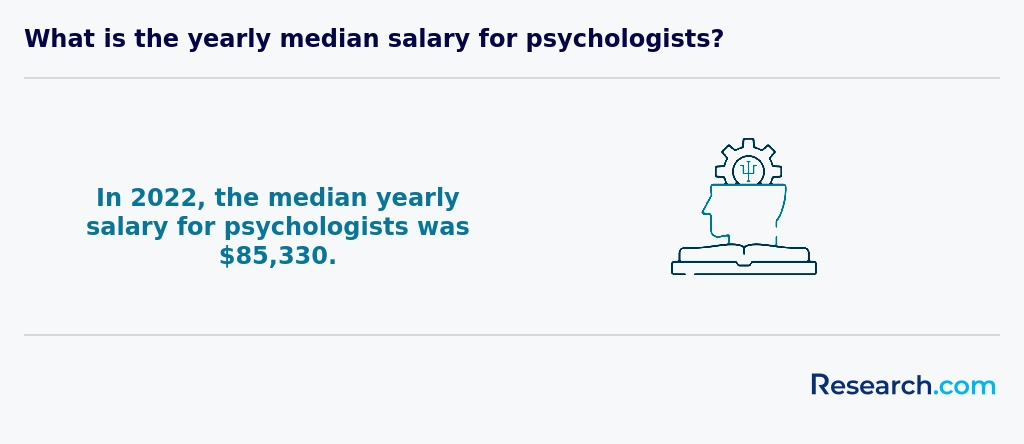
Graduates with psychology degrees from Burlington institutions often find a range of salary outcomes depending on their chosen career path. For example, those entering roles as Human Resources Specialists report mean annual wages around $76,060, reflecting a stable mid-level income. Meanwhile, graduates pursuing careers as Marketing Research Analysts can see higher earnings, with an average salary near $83,190, benefiting from skills in data analysis and consumer behavior.
Entry-level jobs such as Clinical Research Associates or Survey Researchers in Burlington typically offer salaries close to $62,370 per year. These positions provide valuable experience but highlight the importance of advanced education to command higher pay. Childcare Worker roles, sometimes pursued by psychology graduates focusing on early childhood development, have lower mean annual wages around $32,070, illustrating how job function greatly impacts earnings.
Graduates from local colleges often share that practical internships and networking in Burlington's community contribute to securing these positions, adding confidence and real-world skills that affect salary potential.
Ultimately, picking a specific psychology-related career path after graduation in Burlington shapes both salary expectations and job satisfaction.
- Annual tuition for psychology degrees in Burlington ranges from $10,000 to $15,000 at public universities and $25,000 to $40,000 at private institutions.
- Entry-level psychologists earn about $50,000 to $60,000 per year, with mid-career salaries rising to between $70,000 and $90,000.
- The psychology job market in Burlington is stable, with a projected growth rate of around 6% through 2030.
- Accredited programs in Burlington cover key areas like cognitive, developmental, social, and clinical psychology and often include internship opportunities.
- Licensure typically requires a doctoral degree, supervised experience, and passing professional exams according to state standards.
Completing a psychology degree in Burlington typically takes about four years for full-time undergraduates pursuing a Bachelor of Arts or Bachelor of Science, aligning with the standard timeframe at institutions like the University of Vermont. Graduates often describe this period as both challenging and rewarding, reflecting on meaningful classroom discussions and engaging research projects that deepen their passion for psychology.
For those advancing to graduate studies, obtaining a Master's degree usually requires two to three additional years. This stage often brings positive growth as students balance coursework with hands-on internships, preparing them for professional roles. Doctoral programs, such as Ph.D. or Psy.D., extend this timeline to five to seven years, encompassing in-depth research, teaching opportunities, and clinical practica that graduates find empowering despite the dedication needed.
Part-time enrollment and flexible scheduling offered by some Burlington schools provide alternatives that accommodate work or family obligations, though these can lengthen completion times.
Ultimately, students appreciate that while timelines vary, their experiences at Burlington's universities create a strong foundation for lifelong careers in psychology.
When deciding on a psychology program in Burlington, VT, it's essential to consider various factors to ensure the best fit for your academic and professional goals. Prospective students can benefit from exploring the valuable psychology schools in Vermont to find programs that align with their interests and career aspirations. By doing so, they can make informed decisions about their education, ultimately leading to a more fulfilling and successful career in psychology. This careful consideration can help students navigate the complexities of the field and make the most of their educational investment, setting them up for success in their future endeavors.
Choosing between online and on-campus psychology degrees in Burlington often comes down to how students value flexibility versus direct interaction. Graduates from local universities recall the energizing experience of participating in lively discussions, hands-on clinics, and research projects on campus, which foster strong community ties and enrich understanding beyond textbooks.
On the other hand, students pursuing online programs appreciate the ability to balance studies with work or family, completing courses from home without the stress of commuting. Some find the virtual setting less isolating than expected, especially when the colleges partner with Burlington-area organizations for internships, helping maintain meaningful field experience.
Cost is another practical factor. While on-campus tuition at Burlington institutions typically runs between $10,000 and $20,000 yearly, online options often offer savings closer to $8,000 to $15,000, reflecting reduced campus fees. Still, the online route may limit immediate access to resources like campus libraries and counseling centers, which some students find valuable for their mental health and networking.
Ultimately, Burlington psychology students view each mode as having distinct advantages, influenced by personal needs and career goals in the diverse field of psychology.
Prospective and current psychology students in Burlington, VT, benefit from a wide array of resources designed to support academic success, professional development, and personal well-being. Academic Advising & Tutoring: Universities such as the University of Vermont and Champlain College offer dedicated academic advisors who assist students with course planning, prerequisite sequencing, and transfer credit evaluations. Peer tutoring centers provide one-on-one or group sessions in challenging subjects like statistics and research methods, ensuring mastery of core concepts. Career Services & Internships: The campus career centers host regular psychology-focused workshops on resume writing, interview techniques, and networking strategies. Through partnerships with local clinics, schools, and businesses, students secure internships that translate theoretical knowledge into real-world experience. For those seeking flexible, budget-conscious pathways, explore our Cheapest Online Bachelor's in Psychology Degree Programs Ranking in the Northeast to identify affordable online options that still deliver robust career support. Mental Health & Counseling Support: Recognizing the emotional demands of psychology training, institutions provide free or low-cost counseling services staffed by licensed professionals. Group therapy sessions and stress-management workshops help students cultivate resilience, empathy, and self-care practices essential for their future clinical roles. Research Facilities & Lab Access: Access to state-of-the-art cognitive and behavioral research labs enables students to participate in faculty-led projects, co-author publications, and present findings at regional conferences. These hands-on opportunities strengthen analytical skills and enhance graduate and job applications. Student Organizations & Networking: Psychology clubs and honor societies, such as Psi Chi, foster peer collaboration through guest lectures, community outreach, and volunteer initiatives. Regular networking events connect undergraduates with alumni mentors, expanding professional contacts and opening doors to post-graduation employment. Disability & Accessibility Services: Comprehensive support for students with disabilities ensures equitable access to course materials, examinations, and lecture capture technologies. Disability Services Offices coordinate accommodations like extended testing time and assistive software, empowering all learners to excel. By leveraging these resources, psychology students in Burlington, VT, can navigate their academic journey with confidence, develop critical professional skills, and maintain personal well-being throughout their degree program.
The average cost of obtaining a psychology degree in Burlington varies significantly depending on the type of institution and residency status. For in-state students attending public universities, the median total cost is around $19,058, offering a more accessible route compared to out-of-state students, whose costs align with the median total around $62,730. Graduates from popular colleges like those in Burlington often recall balancing the challenge of tuition with the benefits of financial aid, which helped ease the heavy burden of education expenses.
Private colleges in the area typically exceed public tuition costs, sometimes surpassing $45,000 annually, positioning them toward the higher end of the cost spectrum. However, many students find this a worthwhile investment because of smaller class sizes and extensive resources that enrich their psychology education experience. Community colleges, offering associate degrees or psychology-related certificates, present an affordable alternative, usually costing less than $5,000 per year for local residents, which some students have used as a stepping stone toward four-year degrees.
Besides tuition, students must account for supplementary expenses such as books, supplies, and living costs, all of which add approximately $13,000 annually in Burlington. These additional fees can feel daunting, but many psychology students embrace campus life and the clinical opportunities available, which often justify these expenses. Those wondering about alternatives might consider exploring online psychology degrees ohio programs for flexible, potentially less costly options.
When planning finances for a psychology degree tuition fees Burlington should be a core consideration alongside financial aid opportunities. Thoughtful budgeting and researching scholarships specific to Vermont psychology students can significantly affect the overall cost, helping more students turn their passion for psychology into a fulfilling career.
After earning a psychology degree in Burlington, VT, graduates pursuing clinical practice must secure state licensure through the Vermont Office of Professional Regulation.
- Education: Complete an APA-accredited doctoral degree (PhD or PsyD) or a master’s in clinical/counseling psychology.
- Supervised Experience: Accumulate a minimum of 2,000 practicum hours and 1,600 postdoctoral hours under a licensed psychologist.
- Examinations: Pass the EPPP (Examination for Professional Practice in Psychology) and the Vermont Jurisprudence Exam.
- Application: Submit official transcripts, supervision verification, exam scores and a background check to the Vermont Board of Psychological Examiners.
- Continuing Education: Earn 30 hours of approved continuing education every two years to maintain active licensure.
For flexible doctoral training that meets Vermont’s education requirement, explore psyd programs online.
Psychology students in Burlington often find financial aid through several avenues, each with its own benefits and limitations. For example, students attending the University of Vermont or Champlain College commonly rely on federal aid by submitting the FAFSA, unlocking access to Pell Grants and federal loans. One graduate recalled how a Pell Grant of up to $7,395 was crucial in easing their financial burden during undergraduate studies.
Institutional scholarships are also significant, especially those targeting psychology or social science majors based on merit or need. Many psychology students mention how these awards, sometimes covering full tuition, created opportunities to focus more on internships and research rather than financial stress.
Work-study positions related to psychology research or administrative roles provide both income and valuable experience, with some Burlington students stating these roles helped them build professional networks. Additionally, state programs like those from the Vermont Student Assistance Corporation offer grants and low-interest loans tailored to Vermont residents, which about 40% of students reportedly access.
Some students benefit from private scholarships through professional organizations and local groups focused on mental health, often describing the application process as a motivator to strengthen their resumes. Those working part-time sometimes receive employer tuition assistance, reflecting diverse options beyond traditional loans.
Earning a psychology degree in Burlington, VT is just the first step toward professional practice; graduates must also meet state licensure and certification requirements to work as psychologists, counselors, or specialized therapists. In Vermont, the Board of Psychological Examiners oversees licensure for clinical psychologists and allied mental health professionals. Below is an overview of the key stages: 1. Educational Credentials - Bachelor’s Degree: A foundational requirement, often in general psychology or a related field. - Graduate Degree: A master’s or doctoral degree (PhD, PsyD, EdD) from an APA-accredited program is required for independent licensure. - Specialized Training: For those focusing on pediatric or developmental practice, pursuing a children psychology degree can streamline eligibility for child-focused certifications. 2. Supervised Experience - Pre-Doctoral Internship: Minimum 1,500 hours under an approved supervisor. - Post-Doctoral Supervision: At least 1,500 additional hours (or as specified by the Board) before full licensure. - Supervisor Qualifications: Supervisors must hold an active Vermont license in their specialty. 3. Examinations - EPPP (Examination for Professional Practice in Psychology): A national standardized exam assessing core competencies. - Vermont Jurisprudence Exam: Tests knowledge of state laws, ethical standards, and regulations. - Application Timing: Candidates typically sit for the EPPP after completing graduate coursework, then for jurisprudence following supervised hours. 4. Application Process - Documentation: Transcripts, supervised-hours verification, supervisor evaluations, and background check. - Fees: Application and examination fees vary; current fee schedules are available on the Vermont Board’s website. - Processing Time: Plan for 8–12 weeks from submission to licensure approval. 5. Continuing Education & Renewal - CEUs: 20 hours of continuing education every two years, including ethics and cultural competence. - Renewal Cycle: Licenses renew biennially; late renewal may incur penalties. Understanding these requirements early on can help Burlington students chart a clear path from graduation to practice. For further details on specific timelines and updated regulations, consult the Vermont Board of Psychological Examiners.
Enrolling in a psychology degree program in Burlington typically involves meeting several academic and application requirements, though these vary by institution. Graduates from the University of Vermont often recall that a solid high school transcript with a GPA around 3.0 was essential for undergraduate entry. Courses in English, math, and social sciences helped them build a strong foundation, reflecting a common expectation across local colleges.
Some students found standardized tests like the SAT or ACT optional, especially as many Burlington schools have adopted test-optional policies. However, checking each program's specific criteria remains important, as smaller colleges might still require these scores. Applicants must also prepare personal statements and gather recommendation letters-graduates highlight how sharing genuine interest in psychology through these materials boosted their chances.
For graduate studies, Burlington-based master's and doctoral applicants needed an undergraduate degree with a strong GPA and prior coursework in psychology or related subjects. While GRE requirements are loosening, some programs still value these scores to assess readiness. Overall, positive experiences from local students suggest that meeting these prerequisites opens doors to engaging and rewarding psychology education in Burlington.

As the field of psychology continues to evolve, students and professionals alike are encouraged to stay ahead of industry trends by embracing innovative learning formats and strategic career planning. Many current programs now integrate technology with traditional coursework, providing hybrid models that combine in-person experiences with the flexibility of online learning. This approach not only enhances accessibility but also equips graduates with digital literacy skills that are increasingly valuable in today’s workforce. Moreover, emerging areas such as telepsychology and behavioral data analytics are shaping the future of mental health services, creating new paths for career development. To complement traditional classroom learning, prospective students are encouraged to seek programs that offer robust online components-like those found in the best online graduate psychology programs-to stay competitive in this rapidly changing industry. Networking, attending conferences, and engaging in community-based research projects are additional strategies that can help build professional expertise and credibility. By proactively aligning educational pursuits with evolving industry demands, psychology graduates can better position themselves to take advantage of emerging opportunities and make a lasting impact in the field.
Students pursuing psychology degrees in Burlington typically encounter a core curriculum designed to blend theoretical foundations with practical application. Graduates from prominent local colleges often highlight their experience beginning with Introduction to Psychology, which opens doors to understanding basic cognitive and emotional processes in everyday life.
Courses in Research Methods and Statistics are equally pivotal, equipping students with critical skills to evaluate real-world psychological studies and conduct their own investigations. This practical approach is frequently praised for building confidence in interpreting data and making evidence-based conclusions.
Classes like Biological Psychology and Cognitive Psychology provide students with insights into how the brain influences behavior and decision-making. One graduate pointed out how studying cognitive processes helped them better understand personal memory challenges and interpersonal communication.
Social contexts aren't overlooked; Social Psychology courses explore how peer dynamics and societal pressures affect individual behavior, a topic that resonated deeply with many students navigating college life in Burlington's diverse communities.
Electives such as Health Psychology and Personality Theories allow customization, reflecting the varied interests of Burlington's psychology students and their professional aspirations.
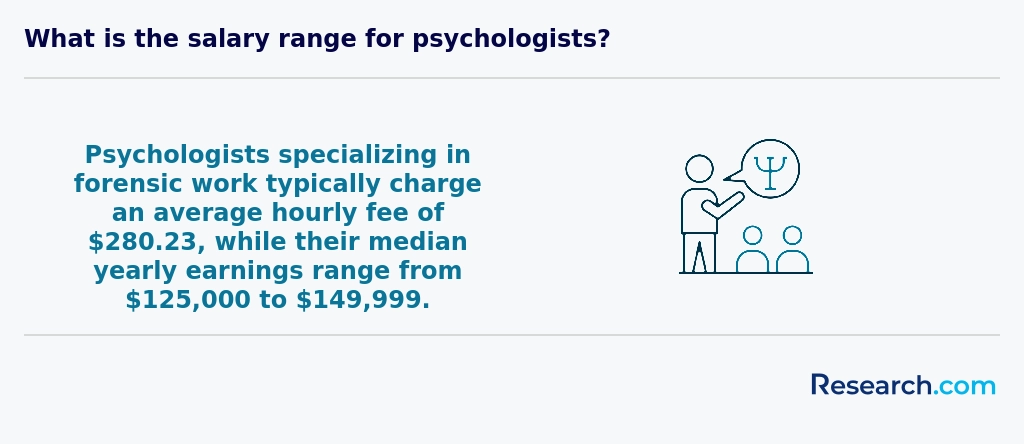
Psychology degree specializations in Burlington typically include clinical psychology, counseling, cognitive and behavioral psychology, developmental psychology, and forensic psychology. Graduates from popular colleges in Burlington often describe clinical psychology as rewarding, especially given its role in addressing mental health disorders, a field seeing steady job growth. Those choosing counseling psychology frequently highlight their practicum experiences, which prepare them for real-world challenges like addiction or relationship counseling within local communities.
At universities offering Burlington psychology programs with specialization options, students appreciate how cognitive and behavioral tracks engage them with research and practical applications in education or workplace settings. Developmental psychology specialization attracts those interested in lifespan changes, reflecting Vermont's aging population concerns. Forensic psychology, while less common, offers an intriguing blend of law and psychology that resonates with students aiming for criminal justice careers. Some graduates mention that understanding the average psychology degree length helps in planning their studies along these specialized pathways, aligning academic timing with career ambitions.
Choosing the best psychology degree in Burlington involves a balance between accreditation, specialization, and practical experience. Graduates from popular colleges often emphasize how attending an accredited program ensured their credits transferred smoothly and their degrees were respected by employers. However, not all programs have the same focus-some excel in clinical psychology, while others may offer a robust applied or developmental psychology curriculum. Evaluating these options critically helps align your studies with your career goals. For example, working students appreciate programs like an industrial-organizational psychology degree for working professionals that fit their schedules without sacrificing quality.
Considering the cost is essential too. Affordable psychology colleges Burlington students chose often balanced tuition with the availability of scholarships and career services. Networking and local internship opportunities improve real-world readiness, a point frequently noted by those who felt confident stepping into counseling centers or hospitals after graduation. In this way, understanding the local job market and graduation success rates guides your decision beyond just curriculum or price.

Graduates pursuing psychology careers in Burlington find diverse paths reflecting the city's evolving job market and local academic strengths. Many opt for clinical or counseling roles, often seeking licensure that demands doctoral studies and supervised hours. For example, graduates from the University of Vermont share how applying psychological principles in local hospitals or community centers fuels a strong sense of purpose and connection.
Others leverage their skills in organizational settings, entering human resources or industrial-organizational psychology fields. Burlington's growing small business and nonprofit sectors create real opportunities for those focused on employee well-being, highlighting the practical impact psychology graduates can have beyond traditional clinical roles.
Research-focused graduates from institutions like Champlain College engage with studying local social issues or public health. These careers can be deeply rewarding but may require further education and perseverance. Those curious about these academic paths might explore the health psychologist career outlook for detailed insight.
Overall, job opportunities with psychology degree Burlington graduates pursue balance personal fulfillment and professional growth, but students should critically assess which path aligns best with their ambitions.
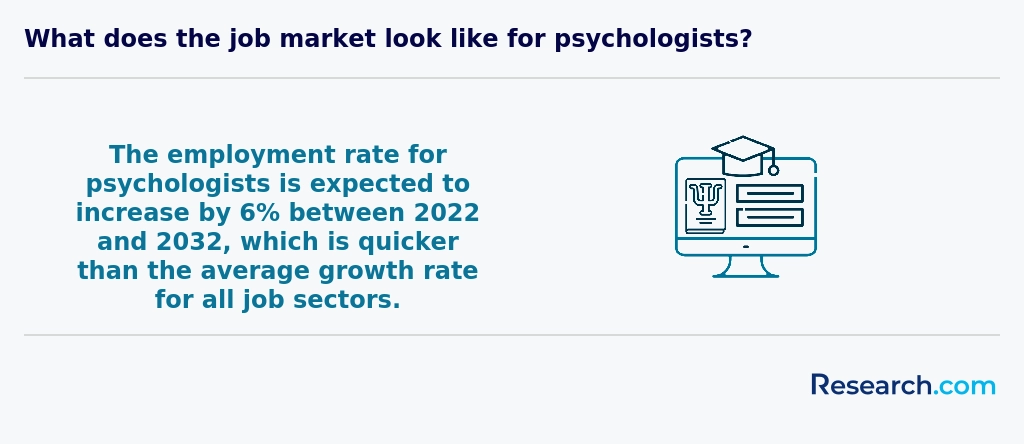
The job market for psychology graduates in Burlington presents a balanced mix of opportunities and challenges. Graduates from well-known institutions often find roles in community mental health centers, schools, and hospitals like the University of Vermont Medical Center. This setting allows them to apply their knowledge in fulfilling roles such as psychiatric technician or case manager, reflecting the steady demand in local entry-level work. Despite Burlington's smaller size compared to major metropolitan areas, the focus on mental health and education creates a promising environment for psychology degree job opportunities in Burlington.
Those pursuing advanced degrees benefit from expanded career options, especially in clinical and counseling psychology. Many graduates appreciate the city's community-oriented approach, landing roles in local government and nonprofits that prioritize social services and outreach programs. While starting salaries typically range from $40,000 to $50,000, experienced licensed psychologists report earning $70,000 to $90,000, making psychology a reasonably rewarding path here.
Students at Burlington's universities often mention that the relatively moderate education costs, combined with local job stability, enhance the appeal of psychology studies. For those evaluating their future, exploring the valuable psychology schools in Vermont offers insight into programs aligned with employment outlooks in this region.
2027 Most Valuable Psychology Degree Programs Ranking in Burlington
Investing in your education is a significant decision that can shape your future, and the Research.com team understands the importance of making informed choices. To assist prospective students in Burlington, we have meticulously created the "2027 Most Valuable Psychology Degree Programs Ranking in Burlington." Our commitment to quality, credibility, and accuracy is demonstrated through thorough research and careful analysis.
We utilized the following reputable data sources to ensure a comprehensive evaluation of psychology degree programs:
By exploring this ranking, readers will gain valuable insights into the most valuable psychology degree programs offered in Burlington, empowering them to make well-informed educational decisions. For more information on how this ranking was created, please visit our Research.com methodology page.


Frequently Asked Questions About psychology
Psychology degree students in Burlington can maximize their learning by engaging actively in both coursework and hands-on experiences. Internships and research opportunities, often available through local universities like the University of Vermont, provide practical skills crucial for career success. According to the American Psychological Association (APA), students who participate in research projects tend to develop stronger critical thinking abilities.
Students should also join psychology clubs or local organizations, fostering networking and professional growth. Burlington's proximity to several clinical and community centers offers valuable volunteering options to apply psychological theories in real-world settings. Additionally, leveraging Burlington's academic resources such as libraries and counseling seminars enhances understanding and retention of complex concepts.
Emerging niches within the psychology field reflect evolving societal needs and technological advancements. One key area gaining momentum is trauma-informed care, which focuses on understanding and treating the effects of trauma, particularly relevant in communities like Burlington facing rising mental health challenges. Another growing specialty is neuropsychology, exploring the relationship between brain function and behavior, supported by local research institutions prioritizing brain health. Additionally, health psychology is expanding, addressing the psychological aspects of chronic illness management, which aligns with Burlington's aging population trends. Digital mental health, including telepsychology and app-based therapy, also represents a significant emerging niche nationwide, impacting how Burlington professionals deliver care.
Graduates with a psychology degree in Burlington should focus on gaining practical experience to enhance employability. Internships and volunteer opportunities in local clinics, hospitals, or community organizations provide valuable hands-on skills. Networking is essential; joining groups like the Vermont Psychological Association can connect job seekers with professionals and potential employers.
Many psychology-related jobs require licensure or certification, so graduates should investigate state-specific requirements early. According to the Bureau of Labor Statistics, the demand for psychologists in Vermont is expected to grow by 6% through 2030, emphasizing the need for specialized skills.
Additionally, developing strong research and communication skills can improve job prospects in academic or clinical settings.
Employers in Burlington seeking psychology degree graduates prioritize a blend of technical knowledge and interpersonal skills. Critical thinking tops the list, enabling graduates to analyze data and behavioral patterns effectively. Strong communication abilities are essential, as psychologists must explain complex concepts clearly to clients and colleagues. Additionally, proficiency in research methods and statistical analysis remains highly valued, reflecting the emphasis on evidence-based practice in the field.
Adaptability and cultural competence are increasingly important in Burlington's diverse community, helping graduates work well with various populations. According to the Bureau of Labor Statistics and local employment reports, these combined skills enhance job prospects significantly for psychology graduates in this region.
Finding psychology internships in Burlington involves a mix of university resources, local organizations, and proactive networking. Many Burlington colleges offering psychology degrees maintain internship listings through their career centers, which are valuable starting points. For example, the University of Vermont's psychology department connects students with clinical, research, and counseling placements within the area.
Local mental health clinics, hospitals such as the UVM Medical Center, and nonprofit organizations frequently offer internship opportunities to psychology students. Checking these institutions' websites regularly can reveal open positions. Additionally, joining professional groups like the Vermont Psychological Association can help in networking with practicing psychologists who might provide internships or mentorships.
According to the National Association of Colleges and Employers, nearly 60% of psychology students benefit from internships to gain practical skills. In Burlington, early engagement with faculty advisors is crucial to align internships with academic goals and licensure requirements.
A psychology degree in Burlington plays a significant role in enhancing career mobility and advancement. Graduates often find diverse opportunities in mental health services, education, and human resources, sectors that are growing steadily according to the U.S. Bureau of Labor Statistics. Local employers value the skills gained through psychology programs, such as critical thinking, research analysis, and interpersonal communication. Additionally, advanced degrees can lead to higher-level roles like licensed psychologist or clinical supervisor, with median salaries in Vermont surpassing the national average for social science professionals, as reported by Vermont Department of Labor data. This makes pursuing psychology in Burlington a strategic career move.
Studying for a psychology degree in Burlington equips students with skills applicable across various disciplines. Programs often emphasize collaboration with fields such as healthcare, education, and social work, reflecting local workforce needs. According to the Bureau of Labor Statistics, interdisciplinary roles involving psychology are growing faster than average, especially in regional healthcare and human services sectors.
Many Burlington institutions offer coursework integrating psychology with biology, counseling, and data analysis, preparing graduates for versatile careers. Practical experiences through internships and community projects further enhance cross-disciplinary competencies vital for roles in therapy, research, or organizational settings.
These factors combine to make psychology study in Burlington conducive to entering a broad range of interdisciplinary professions.
When choosing between a thesis and a non-thesis psychology degree program in Burlington, students should first consider their career goals. Thesis programs typically emphasize research skills and are ideal for those planning to pursue doctoral studies or research-oriented careers. Non-thesis options often focus more on practical skills and coursework, suited to students aiming for clinical work or applied psychology roles.
In Burlington, about 40% of psychology graduate programs offer thesis tracks, reflecting a strong emphasis on research, according to data from the American Psychological Association. Additionally, students in thesis programs usually spend extra time on research projects, which can extend the duration of study by several months.
Cost and time commitment also matter; non-thesis programs often require fewer credits and allow faster completion. It is advisable to review specific program requirements at Burlington-area universities, such as University of Vermont, to understand these distinctions clearly.
Students based in Burlington interested in studying psychology abroad have several pathways through US higher education partnerships. Many universities in the United States, including institutions near Burlington, offer exchange programs and dual-degree options with universities in countries like the United Kingdom, Canada, and Australia. These programs allow students to earn credits abroad while continuing their psychology studies.
Additionally, programs such as the Gilman Scholarship support US undergraduates studying overseas, helping reduce financial barriers. According to the Institute of International Education, psychology ranks among the top majors selected by American students for study abroad experiences. Burlington students can also explore summer research internships and collaborative projects in global psychology labs, expanding academic and cultural insights.
Students pursuing psychology degrees in Burlington have access to several part-time job opportunities that can enhance their academic experience. Common roles include research assistant positions at local universities, where students support psychology studies by collecting and analyzing data. These jobs offer hands-on experience with experimental methods and statistical software.
Additionally, internships or assistant roles at mental health clinics and counseling centers provide practical exposure to client interaction and therapeutic techniques. Burlington's healthcare sector, as reported by the Vermont Department of Labor, employs many psychology majors part-time in support roles, such as behavioral health aides.
Other opportunities include tutoring psychology undergraduates or working in academic support centers, strengthening both knowledge and communication skills.
Psychology students in Burlington benefit from a variety of networking opportunities that can enhance their academic and professional growth. Local universities such as the University of Vermont offer psychology clubs and honor societies, which provide regular events and guest lectures connecting students with faculty and professionals in the field. According to the Burlington Chamber of Commerce, there are also community-based mental health organizations hosting workshops and seminars, fostering interaction between students and practitioners.
Additionally, Burlington's proximity to numerous research institutions presents internship and volunteer opportunities, vital for building practical experience and professional contacts. Regional conferences and psychology symposiums attract experts and students alike, creating valuable environments for networking. Students are encouraged to engage in these activities early to maximize career prospects.
Alumni networks provide significant advantages for psychology degree students in Burlington. These networks connect current students with graduates who have valuable experience in clinical, counseling, or research psychology fields. According to the National Association of Colleges and Employers, 85% of jobs are filled via networking, highlighting the importance of these connections.
In Burlington, psychology alumni often work in local hospitals, schools, and private practices, offering mentorship opportunities. They also share internship openings and job leads, which can make a difference in gaining early field experience. Schools like the University of Vermont facilitate these relationships through organized events and online platforms.
Networking through alumni can improve career prospects while providing peer support during and after the degree program.
Customizing your psychology degree program in Burlington to fit your career goals involves selecting courses and experiences that align with your interests. Many institutions in Burlington offer concentrations such as clinical psychology, counseling, or industrial-organizational psychology. Choosing electives in these areas allows you to deepen your knowledge.
Additionally, pursuing internships or research projects through local organizations or university partnerships can provide practical experience. According to the University of Vermont, hands-on engagement boosts employment prospects by nearly 20% in mental health fields.
Finally, consider certificate programs or graduate school preparations tailored to your objectives, as this can enhance specialization and job readiness in Burlington's growing psychology job market.
Psychology students in Burlington often face several challenges throughout their educational journey. One major difficulty is balancing rigorous coursework with practical experience, as many programs emphasize both theoretical learning and fieldwork. According to the American Psychological Association, hands-on internships are essential but can be limited in local settings, requiring students to travel or seek placements outside Burlington.
Additionally, affordability remains an issue. The average tuition for psychology degrees in local institutions can be significant, with limited financial aid options specifically geared toward psychology students. This can create stress and affect academic performance.
Mental health is another concern; ironically, students of psychology report higher rates of stress and anxiety compared to other disciplines, possibly due to empathetic engagement with sensitive topics during their studies.
Finally, competition for admission into graduate programs is fierce, reflecting a broader national trend. Keeping up with evolving research methods and maintaining strong academic records are crucial challenges many Burlington students must address.
With a psychology degree in Burlington, graduates can pursue various professional certifications to enhance their careers. One common path is becoming a Licensed Mental Health Counselor (LMHC), which requires a master's degree and supervised clinical hours. This license allows professionals to provide counseling services in Vermont.
Other certifications include becoming a Certified Alcohol and Drug Counselor (CADC), which is valuable given Vermont's focus on substance abuse treatment. Additionally, some graduates opt for certification as Behavior Analysts (BCBA), where advanced graduate study is essential.
The Vermont Psychological Association provides resources on licensure and certification requirements specific to the state.
Applying to a psychology program in Burlington requires careful preparation and attention to detail. Start by researching accredited institutions such as the University of Vermont, which offers respected psychology degrees with flexible tracks. Admissions committees look for strong academic records, so highlight relevant coursework and a competitive GPA, typically above 3.0.
Include a compelling personal statement that explains your motivation for studying psychology and ties your goals to Burlington's unique research opportunities. Letters of recommendation from faculty or professionals familiar with your skills strengthen your application. Also, emphasize any volunteer or work experience related to mental health, as practical exposure is valued.
Finally, prepare for standardized tests like the GRE if required, and submit all materials before deadlines. Following these steps improves your chances of acceptance into Burlington's competitive psychology programs.
Psychology careers in Burlington reflect broader trends seen across the United States, where the field continues to grow steadily. According to the U.S. Bureau of Labor Statistics, employment for psychologists is projected to increase by 8% from 2021 to 2031, faster than the average for all occupations. This growth is driven by rising awareness of mental health issues worldwide.
Globally, psychology is recognized as a vital profession with varied roles in clinical practice, research, and organizational settings. However, licensure and practice requirements differ significantly from country to country. In Burlington, students benefit from access to well-established programs aligned with U.S. standards, preparing graduates to meet these licensing demands.
The integration of global perspectives into Burlington's psychology programs helps students understand diverse cultural contexts, essential for effective practice in an interconnected world. This international outlook also expands career opportunities beyond the local setting.
Gaining practical experience while studying for a psychology degree in Burlington is essential for career development. Many local institutions, including the University of Vermont, offer internship and practicum opportunities at nearby hospitals, schools, and community organizations. These placements allow students to apply classroom knowledge in real-world settings and develop critical skills.
Burlington students can also engage in research projects under faculty supervision, contributing to studies on mental health prevalent in Vermont. According to the U.S. Bureau of Labor Statistics, hands-on experience significantly improves job prospects in psychology fields.
Networking events and psychology clubs available on campus further enhance practical learning and professional growth.
Choosing the right concentration within a psychology degree program in Burlington involves assessing your career goals and interests. Common concentrations include clinical psychology, counseling, developmental psychology, and industrial-organizational psychology. Each offers distinct career paths, from mental health services to workplace behavior analysis.
Research local demand: Burlington's healthcare sector shows growing opportunities for clinical and counseling psychologists, supported by data from the Vermont Department of Labor. Conversely, industrial-organizational psychology may appeal to those interested in human resources or business settings.
Consider program offerings and faculty expertise at Burlington institutions. Accreditation and internship opportunities are also crucial for practical experience and licensure preparation. Consulting academic advisors can help tailor your choice to align with regional job trends and personal strengths.
- 2027 Most Valuable Psychology Degree Programs Ranking in Albany
- 2027 Most Valuable Psychology Degree Programs Ranking in Amherst
- 2027 Most Valuable Psychology Degree Programs Ranking in Worcester
- 2027 Most Valuable Psychology Degree Programs Ranking in Providence
- 2027 Most Valuable Psychology Degree Programs Ranking in New Haven
- 2027 Most Valuable Psychology Degree Programs Ranking in Rochester
- 2027 Most Valuable Psychology Degree Programs Ranking in Bronx
- 2027 Most Valuable Psychology Degree Programs Ranking in New York
- 2027 Most Valuable Psychology Degree Programs Ranking in Queens
- 2027 Most Valuable Psychology Degree Programs Ranking in Buffalo
See What Experts Have To Say About Studying Psychology
Read our interview with Psychology experts

Joann Farrell Quinn, Ph.D., MBA
Psychology Expert
Director at the College of Medicine Department of Medical Education
Morsani College of Medicine

Catherine Caldwell-Harris, Ph.D.
Psychology Expert
Associate Professor of Psychology
Boston University

Elizabeth L. Jeglic Ph.D.
Psychology Expert
Professor of Psychology
City University of New York

- Study Psychology Abroad https://astarfuture.co.uk/study_psychology_abroad.html
- How to help students cope with mental health challenges https://www.eaie.org/resource/help-students-cope-mental-health-challenges.html
- Society for the Teaching of Psychology https://teachpsych.org/page-1784686/8675326
- Best Types Of Online Psychology Degrees 2025 https://www.psychology.org/degrees/
- Honours Bachelor of Behavioural Psychology https://www.fanshawec.ca/programs/bbp1-honours-bachelor-behavioural-psychology/domestic/fees/current
- Psychology Degree jobs in Burlington, ON - 100 job vacancies | Jobsora https://ca.jobsora.com/jobs-psychology-degree-burlington-on
- A Guide to Psychology Internships | Psychology Degree Guide https://psychologydegreeguide.org/resources/internships/
- Have You Found a Niche? https://www.apaservices.org/practice/business/marketing/building/niche
- Rowan College at Burlington County Catalog https://catalog.rcbc.edu/programs/jQPZwFJpG7TScPMH4Lh5
- Psychology Degree | Champlain College, Burlington, Vermont https://www.champlain.edu/academics/undergraduate-academics/degrees-programs/psychology/





