
2027 Best Online Bachelor's in Psychology Degree Programs Ranking in Iowa

Co-Founder and Chief Data Scientist
Choosing the right psychology degree program can feel overwhelming, especially when studying online from Iowa. Our article presents the 2027 Best Online Bachelor's in Psychology Degree Programs Ranking in Iowa, developed by the Research.com team of data scientists. This ranking helps you identify quality programs that fit your goals and lifestyle.
Reading this guide will save time and provide clarity, making your decision easier. A degree in psychology opens doors to meaningful careers that impact lives and communities positively. Explore your options confidently and take the first step toward a rewarding future.
Key benefits of getting online psychology degree in Iowa
- Psychology graduates in Iowa can expect competitive salaries, such as Human Resources Specialists earning about $76,060 annually and Marketing Research Analysts making around $83,190 per year, helping you secure a rewarding financial future.
- Popular Iowa universities produce graduates who pursue diverse careers including Clinical Research Associates, Survey Researchers, and Childcare Workers, showing the versatility of a psychology degree in many fulfilling fields.
- Completing a psychology degree online in Iowa offers flexibility and convenience, allowing students to balance work or family while gaining quality education from respected institutions like the University of Iowa.
- 2027 Best Online Bachelor's in Psychology Degree Programs Ranking in Iowa
- What can I expect from online psychology degree in Iowa?
- Where can I work with online psychology degree in Iowa?
What can I expect from online psychology degree in Iowa?
The average cost of an online psychology degree in Iowa typically ranges from $10,000 to $30,000 for a full bachelor's program, depending largely on the institution and residency status. Graduates from universities like the University of Iowa or Iowa State University often recall balancing the affordability of tuition with the rich, interactive online coursework that prepared them for real-world challenges.
Many students appreciate how these programs provide a flexible financial path without sacrificing academic quality. For instance, a graduate from Iowa State might describe how state support and in-state tuition rates made pursuing psychology remotely feel both achievable and rewarding. This affordability allows students to focus more on mastering developmental or cognitive psychology rather than worrying constantly about overwhelming debt.
Such financial considerations, paired with Iowa's emphasis on rural mental health and community-specific topics, empower learners to connect economically savvy decisions with meaningful career preparation. In this way, choosing an online psychology degree in Iowa becomes not just a cost question but a lifelong investment in personal and professional growth.
Where can I work with online psychology degree in Iowa?
Graduates holding an online psychology degree from Iowa universities often find themselves stepping into meaningful roles across a variety of settings. Many begin their careers as case managers or behavioral health technicians in social service agencies or health care facilities, where hands-on interaction with children, adults, or elderly clients creates rewarding daily experiences. For example, graduates from popular Iowa colleges frequently share how working closely with diverse populations fuels their passion to make a tangible difference.
Choosing to pursue licensure-as a Licensed Psychologist, LMHC, or LMFT-opens doors to clinical positions in private practices, hospitals, and schools throughout Iowa. The pathway challenges students but offers tremendous fulfillment, especially when practiced in rural areas where mental health support is urgently needed. Graduates often reflect on the pride in helping fill these critical gaps, backed by rigorous supervised experience and licensure exams as mandated by Iowa's professional boards.
Beyond clinical roles, some find purpose in research institutions or nonprofits devoted to behavioral health advocacy-roles that require sharp analytical skills developed through their online degree programs. This wide array of options redefines expectations, showing that a psychology degree in Iowa can lead to careers rich with emotional impact and community relevance.
Graduates completing online psychology degrees in Iowa discover diverse earning opportunities shaped by their chosen career paths. For those entering human resources roles, mean annual wages reach around $76,060, offering a solid income for applying their understanding of human behavior to workplace dynamics. Marketing research analyst positions pay even more, averaging $83,190 yearly, rewarding graduates who enjoy analyzing market trends and consumer psychology.
Some graduates pursue roles like clinical research associates or survey researchers, with mean salaries near $62,370, blending psychology with data-driven research functions. These positions often appeal to those who appreciate the intersection of human factors and empirical study, as seen among alumni from University of Iowa's online programs.
Consider a graduate from Iowa State University who shifted from a bachelor's in psychology toward marketing research, pleasantly surprised by the $83,000+ annual income that validates their non-traditional career move. Meanwhile, graduates engaging in human resource roles share satisfaction from helping organizations thrive while earning competitive wages, all achievable with flexible online study options within the state.
These examples challenge the idea that psychology degrees only lead to counseling careers, highlighting the broad, financially rewarding paths accessible to Iowa students willing to think beyond convention.
- Online psychology bachelor's degrees in Iowa typically require about 120 credit hours and can take four years to complete full-time.
- Annual tuition at public universities ranges from $7,000 to $12,000, while private institutions may charge over $15,000 per year.
- The job market for psychologists in Iowa is expected to grow by 6% over the next decade, matching the national average.
- Starting salaries for entry-level psychology graduates are around $45,000, with experienced professionals earning up to $80,000 depending on specialization.
- Licensure for many psychology careers requires graduate education and supervised experience beyond the bachelor's degree.
- Accredited online programs often include local internships or practicum opportunities to meet licensure and practical experience requirements.
Completing an online psychology degree in Iowa often takes around three to four years for full-time students, especially those enrolled at popular institutions like the University of Iowa or Iowa State University. Graduates frequently share how transferring previous credits or choosing accelerated programs allowed them to finish closer to three years, transforming what seemed like a distant goal into an achievable milestone.
On the other hand, many find that balancing studies with work or family responsibilities extends their journey to five years or more. A graduate from Drake University recalls feeling empowered by the flexibility of online courses, which enabled careful pacing that fit their life rhythm rather than forcing a one-size-fits-all timeline.
In Iowa, the option of competency-based programs at some colleges offers an intriguing alternative, letting students progress by demonstrating mastery rather than logging hours. This approach can shorten completion time and injects a sense of personal accomplishment and control into what often feels like a long academic road.
Graduating from an accredited psychology program is the first step toward a professional career in Iowa.
- Program Accreditation: Verify regional accreditation and, for clinical roles, seek APA-accredited graduate programs.
- State Licensure Steps:
- Earn a bachelor’s degree in psychology.
- Complete a master’s or doctoral program.
- Accumulate 3,000 hours of supervised experience under a licensed psychologist.
- Pass the Examination for Professional Practice in Psychology (EPPP).
- Continuing Education: Maintain licensure by completing required CEUs and adhering to Iowa Board of Psychology standards.
- Graduate Pathways: Many graduates pursue an affordable online masters in psychology to meet licensure requirements and expand career options.
What sets apart online and on-campus psychology degrees in Iowa is more than just location-it's the rhythm of your learning life. Graduates from the University of Iowa's online program often describe the freedom of accessing coursework anytime as a game-changer, especially when balancing part-time jobs or family commitments. This self-paced environment nurtures strong time management skills, yet it can feel isolating without the buzz of a classroom around you.
In contrast, students at Iowa State University who attend in person speak of the energizing atmosphere of face-to-face discussions and spontaneous debates after lectures. The physical presence creates a natural momentum that encourages immediate feedback and richer social connections. However, they also acknowledge the rigidity of fixed schedules and daily commutes.
Cost is another dimension where differences surface. Online learners often save on living expenses and avoid relocation, a practical relief in cities like Cedar Rapids or Des Moines. Yet, some online programs may add fees for technology or proctored exams, making it essential to scrutinize total expenses carefully.
Each path presents unique emotional rewards and challenges, inviting students to reflect deeply on what kind of educational experience aligns with their lifestyle and aspirations within Iowa's vibrant academic community.
Embarking on an online psychology degree can be both rewarding and challenging. To maximize your educational experience while balancing personal commitments, consider these strategic tips. Firstly, establish a dedicated study routine and organize your calendar to manage deadlines efficiently. Engaging actively in virtual discussions and group projects can enhance your understanding of complex psychological theories, while seeking regular feedback from instructors can help clarify any doubts. Leveraging available academic support, such as virtual tutoring and online libraries, will further solidify your learning journey. Additionally, exploring advanced study options can broaden your professional horizons. For instance, students interested in further specialization should consider programs that connect undergraduate insights with graduate opportunities-like exploring the best psychology doctorate degrees-to build a seamless academic pathway. By combining time management, active participation, and a continuous quest for advanced knowledge, you can set yourself up for success in both your studies and future psychology career.
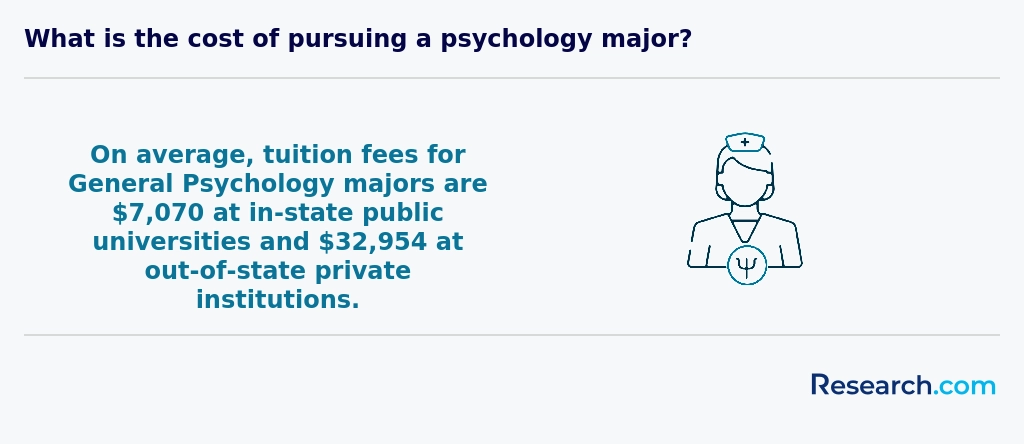
The average cost of earning an online psychology degree in Iowa hovers around a median total of $57,720, reflecting expenses typical of both public and private institutions combined. While public universities in Iowa generally provide more affordable online options for in-state students-often totaling between $30,000 and $50,000 for the full degree-private colleges can push that cost higher, frequently charging upwards of $30,000 annually. Many graduates recall balancing these costs with financial aid, scholarships, and grants, which are commonly offered to make the programs more accessible.
Consider the experience of students enrolled at well-known Iowa schools championing affordable online bachelor's psychology programs Iowa-wide; they often emphasize the value of carefully navigating tuition fees alongside hidden expenses like technology and proctoring fees. Online learning eliminates commuting and housing expenses, yet these savings may be offset by other necessary costs, prompting prospective students to weigh total investment thoughtfully.
For someone pondering the decision, it helps to explore financial aid packages such as the Iowa Tuition Grant or federal student aid to ease the financial burden. Those seeking guidance might also benefit from resources like psychology degrees kentucky admissions to compare pathways and consider cross-state options carefully when budgeting.

When considering an online psychology degree in Iowa, affordability is a crucial factor. Prospective students should explore options that balance quality education with financial feasibility. For those looking for budget-friendly alternatives, researching most affordable psychology schools in iowa can provide valuable insights. Many institutions in Iowa offer competitive pricing for their online programs, making it essential to compare costs and financial aid packages. By doing so, students can make informed decisions about their educational investments, ensuring they get the best return on their investment without compromising on the quality of their education.
Students pursuing an online psychology degree in Iowa often find financial aid more attainable than expected, turning what seems like a daunting tuition bill into a manageable investment. Graduates from the University of Iowa recall how Pell Grants and Direct Loans eased their financial burdens, transforming uncertainty into confidence. These federal aids, awarded based on need, offered both upfront relief and long-term support, thanks to flexible repayment plans.
Many also benefit from state-specific programs like the Iowa Tuition Grant, which covers up to $6,000 annually at private nonprofit colleges-schools such as Drake University often highlight this assistance as a game-changer for their online psychology cohorts. Beyond government help, school-offered merit scholarships recognize leadership and academic excellence, motivating students to push further.
Working adults find unexpected encouragement through employer tuition reimbursement programs, which many graduates credit for enabling continued education without sacrificing financial stability. Finally, private scholarships through organizations like the American Psychological Association create a network of support that feels both personal and empowering.
Accreditation is the cornerstone of any reputable online psychology program in Iowa, as it guarantees that the curriculum meets rigorous academic and professional benchmarks. Prospective students should verify regional accreditation-most Iowa institutions are overseen by the Higher Learning Commission-and seek programs recognized by the American Psychological Association (APA) if they plan to pursue graduate study or licensure. Graduates aiming to work as licensed counselors or psychologists must hold degrees from accredited schools to satisfy state board requirements and qualify for internships, supervised experience, and licensure exams administered by the Iowa Board of Psychology. Beyond regional and APA accreditation, look for programs that provide clear licensure pathways, including supervised practicum hours and exam preparation. Many accredited online campuses offer dedicated licensing advisors who guide students through Iowa’s specific post-bachelor requirements, such as applying for the Examination for Professional Practice in Psychology (EPPP) after completing a master’s or doctoral program. For students comparing program quality and professional outcomes, our analysis of the best psychology undergraduate programs can serve as a valuable benchmark in selecting an accelerated track that aligns with licensing goals.
Enrolling in an online psychology degree in Iowa typically starts with a high school diploma or equivalent, a threshold many graduates from schools like the University of Iowa or Drake University recall clearly as their first academic milestone. This basic credential opens the door, but readiness is often measured beyond just paperwork. Transcripts showcasing a solid GPA-usually around 2.5 or higher-are crucial, reflecting a student's ability to handle college-level psychology coursework.
Standardized tests like the SAT or ACT have become less of a hurdle, but some students who succeeded at Iowa State University noted that submitting test scores helped strengthen their application in competitive years. Personal statements also play an essential role, allowing applicants to share their passion for understanding the human mind-something that resonated deeply with many online learners who later thrived in remotely guided classes.
Because psychology at an Iowa college often involves stats and biology, having prior coursework in these subjects, or willingness to take preparatory classes, can make a noticeable difference. Graduates often mention how this foundation made challenging subjects feel approachable, turning academic demands into exciting puzzles rather than obstacles.

Ensuring that your online psychology program holds the proper accreditation and aligns with state licensure requirements is critical for long-term career success. Here’s what to look for: 1. Regional vs. Programmatic Accreditation - Regional accreditation (e.g., Higher Learning Commission) guarantees institutional quality and credit transferability. - Programmatic accreditation from the American Psychological Association (APA) is essential for advanced clinical degrees and certain licensure paths. 2. Eligibility for Graduate Licensure Tracks - A bachelor’s in psychology alone does not satisfy requirements for independent practice; licensure as a psychologist or counselor typically requires a master’s or doctoral degree from an APA-accredited program. - Confirm that prerequisite courses in research methods, statistics, ethics, and practicum/internship credits meet Iowa Board of Psychology standards. 3. State Board of Psychology Requirements - Review Iowa Administrative Code Chapter 645 to verify supervised practice hour requirements and examination prerequisites (e.g., EPPP). - Contact the Iowa Board to confirm whether your chosen online program supplies necessary practicum documentation and supervisor credentials. 4. Transfer and Articulation Agreements - Programs with formal transfer agreements facilitate seamless progression into master’s or doctoral tracks at partnering institutions. - Always request a program’s transfer policy to ensure no lost credits when advancing to licensure-eligible degrees. 5. Cost-Conscious Accreditation Choices - Accredited online programs vary widely in tuition; for comparative data on affordable, accredited psychology programs, see our Affordable Psychology Degree Programs Ranking in Indianapolis, IN. By prioritizing accredited curricula and understanding Iowa’s licensure landscape, you’ll position yourself for a smooth transition from undergraduate study to professional practice.
Online psychology degrees in Iowa typically immerse students in courses like Introduction to Psychology, Developmental Psychology, and Abnormal Psychology, building a solid foundation for understanding human behavior. Graduates from popular Iowa institutions often reflect on how studying Psychological Statistics and Research Methods transformed their ability to critically evaluate studies, making abstract data suddenly relatable-just like interpreting the moods and motivations of people around them.
Courses in Cognitive and Social Psychology reveal the invisible forces behind everyday decisions, deepening students' empathy and insight into social interactions. For many, exploring Biological Psychology sparks awe at the brain's complexity, linking mental health to real-life neurological processes.
Ethics in Psychology courses resonate deeply, challenging students to consider the serious responsibilities ahead-especially important for those aiming for licensure in Iowa's professional landscape. Electives in Clinical or Counseling Psychology allow students to tailor their education, often igniting passion and purpose. Many graduates cherish how Iowa's affordable tuition made pursuing this meaningful path without overwhelming debt a genuine possibility.
Online psychology degree specializations in Iowa go beyond the usual expectations, offering tailored paths that reflect the state's unique blend of educational philosophy and community needs. Graduates from popular Iowa colleges often share how focusing on clinical or counseling psychology equipped them with skills to support mental health in rural and urban settings alike, fostering a deep sense of purpose and connection. The best psychology concentration options Iowa online also include developmental psychology, where students explore real-life growth stages, enriching careers in schools and healthcare services.
Another growing focus is industrial-organizational psychology, which addresses workplace dynamics familiar to many Iowa organizations, energizing employees and boosting productivity. Some institutions venture further, providing specializations in forensic and social psychology-fields that challenge students to apply psychology to legal systems and to understand the importance of social justice in group interactions. These choices invite students to imagine their impact across diverse Iowa communities, turning study into meaningful action.
Choosing the best online psychology degree in Iowa demands more than checking accreditation or listing tuition fees. Graduates from Iowa's top universities often share how crucial it was to select a program that offered not just theoretical knowledge but practical application through internships or research projects. Imagine completing your degree with a solid grasp of abnormal psychology and statistics, alongside hands-on experience that boosts confidence and employability.
Affordability also guides many students' choices, especially considering Iowa's public universities usually charge between $10,000 and $12,000 per year, significantly below private school averages. This makes affordable online psychology programs Iowa a smart target for learners balancing quality and cost. Reflecting on peers' experiences, those who chose programs with strong retention rates often felt more supported throughout their studies, which made the asynchronous format less isolating.
Finally, for those curious about the career outlook, exploring paths related to industrial-organizational psychology jobs reinforces why flexibility and support services-like academic advising and career counseling-are game-changers in the journey to a rewarding psychology career.

Graduates of an online psychology degree in Iowa find their skills opening doors across a variety of meaningful roles. Many take pride in becoming licensed psychologists, a path that demands graduate education and supervised experience as mandated by Iowa's Board of Psychology. This rigorous journey often culminates in impactful careers helping communities, reflected in a median wage near $90,000 and growing respect for mental health professionals statewide. Others embrace jobs requiring a bachelor's degree, thriving as mental health technicians in busy Iowa hospitals or as case managers supporting vulnerable populations in social service agencies.
Several graduates from well-known institutions in Iowa, such as the University of Iowa and Iowa State University, have expressed excitement over how their education offered practical insights applicable in human resources or research assistant roles, showing that careers with psychology degree Iowa online reach beyond traditional clinical settings. For example, many find satisfaction working in rehabilitation or substance abuse counseling, where certification can lead to deeply rewarding outcomes.
By exploring interdisciplinary routes, students adapt their psychology foundation to education, criminal justice, or business sectors, matching Iowa's evolving job market. For those curious about the timeline, it's helpful to understand psychology degree time requirements, which influence when graduates enter these diverse career realms.
The job market for graduates holding an online psychology degree in Iowa continues to expand, defying the notion that local opportunities are limited. Many graduates from universities like the University of Iowa and Iowa State University share stories of quickly finding roles as behavioral health technicians or social service assistants in Des Moines or Cedar Rapids. These positions offer more than just employment; they provide practical experience that builds confidence and opens doors to specialty certifications and advanced degrees.
Exploring psychology career opportunities Iowa graduates appreciate the state's growing demand in substance abuse and behavioral disorder counseling-a field increasingly critical to community health. While entry-level salaries may start modestly between $30,000 and $40,000, the flexibility of online programs enables students to work simultaneously, making career progress feel attainable.
For those seeking accessible education paths, Iowa offers a range of options highlighted in the most affordable psychology schools in iowa, proving that thoughtful planning combined with dedication can turn an online psychology degree into a meaningful and stable career.
2027 Best Online Bachelor's in Psychology Degree Programs Ranking in Iowa
Investing in your education is a significant decision that can profoundly impact your future, and the Research.com team is committed to helping you make informed choices. To assist prospective students in Iowa, we have carefully developed the "2027 Best Online Bachelor's in Psychology Degree Programs Ranking in Iowa." Our dedication to quality, credibility, and accuracy is evident through the thorough research and analysis underlying this ranking. We utilized the following reputable data sources to ensure a well-rounded evaluation of psychology programs:
By exploring this ranking, readers will gain valuable insights into the best online psychology degree options in Iowa, empowering them to choose programs that align with their goals and needs. For more information on how this ranking was created, please visit our Research.com methodology page.


Frequently Asked Questions About psychology
Students pursuing online psychology degrees in Iowa can enhance their learning by actively engaging with course materials and leveraging available resources. Regular communication with instructors and peers helps clarify complex topics and build a supportive academic network. Many Iowa universities offer virtual counseling and tutoring services specifically tailored for psychology students, which can improve understanding and retention.
Iowa's strong commitment to mental health education is reflected in regional opportunities like internships with organizations such as the Iowa Psychological Association, providing practical experience complementary to online studies. Staying organized with a dedicated study schedule also supports consistent progress.
According to the Iowa College Student Aid Commission, students who blend online coursework with local professional involvement often report higher satisfaction and improved outcomes in psychology programs.
Emerging niches in psychology reflect broader social and technological changes, especially relevant for Iowa students considering online degrees. One growing area is neuropsychology, which explores the connection between brain function and behavior. This specialty is critical as Iowa's aging population increases demand for professionals skilled in cognitive aging and dementia care.
Another expanding field is health psychology, focusing on how psychological factors influence physical health. With rising chronic illness rates in Iowa, experts in this niche work on behavior change programs to improve patient outcomes.
Additionally, cyberpsychology examines human interaction with digital environments, a key area as more Iowans engage online for work and education.
According to the U.S. Bureau of Labor Statistics, Iowa's clinical and counseling psychology job growth is projected at 12% through 2030, underscoring opportunities in these emerging specialties.
After earning an online psychology degree in Iowa, preparing for the job market involves several strategic steps. First, gaining practical experience through internships or volunteer roles in mental health clinics or community centers can significantly improve employment prospects. According to the Iowa Workforce Development, psychology-related jobs in the state are expected to grow about 8% by 2030, emphasizing the importance of relevant experience.
Next, pursuing licensure is key for clinical roles. Iowa requires specific post-graduate supervised hours and successful completion of the Examination for Professional Practice in Psychology (EPPP). Understanding these requirements early helps in career planning.
Networking with local professionals through Iowa's psychological associations enhances job opportunities and mentorship. Additionally, strong communication and research skills gained during the degree can set candidates apart in diverse fields like counseling, human services, and education.
Employers in Iowa seeking graduates with online psychology degrees prioritize several key skills. Critical thinking stands out, as professionals must analyze data and human behavior effectively. Communication is essential, allowing graduates to convey findings clearly to diverse audiences. Additionally, empathy and interpersonal skills are highly valued for roles involving counseling or support services. According to the Iowa Workforce Development, demand for psychological services in Iowa is expected to grow by 10% by 2030, emphasizing the need for adaptable, culturally competent professionals. Research methodology and statistical analysis are also crucial, enabling graduates to contribute to evidence-based practices in clinical or organizational settings.
Students pursuing an online psychology degree in Iowa can find relevant internships by starting with their university's career services. Many Iowa colleges have partnerships with local hospitals, counseling centers, and social service agencies offering psychology internships.
The Iowa Department of Public Health and the Iowa Board of Psychology also list approved internship sites and provide guidelines that ensure quality training aligned with state licensure requirements.
Additionally, professional organizations such as the Iowa Psychological Association offer networking opportunities and internship listings tailored to psychology students.
Exploring local mental health clinics and community health centers in major cities like Des Moines or Cedar Rapids can also uncover internship options.
Online students should communicate regularly with advisors to identify internships that meet academic and licensure standards within Iowa.
Obtaining an online psychology degree in Iowa can significantly enhance career mobility and advancement. The demand for psychology professionals in Iowa is growing, with the Bureau of Labor Statistics projecting a 14% increase in mental health-related occupations statewide through 2030. An accredited online degree provides necessary credentials for entry-level positions and can meet the education requirements for state licensure.
Graduates often find opportunities in diverse fields such as counseling, social services, and human resources. Online programs offer flexible schedules, allowing students to maintain employment while studying, which supports career progression. Additionally, employers in Iowa increasingly recognize the validity of accredited online degrees, opening doors for promotions and salary growth.
The Iowa Board of Psychology requires a minimum of a master's degree for licensure, so a bachelor's degree earned online can serve as a critical first step towards advanced qualifications. Graduates with degrees from regionally accredited institutions generally have an advantage when applying for graduate programs or competitive job roles within the state.
Studying for an online psychology degree in Iowa equips students with skills applicable across multiple fields. Iowa's psychology programs emphasize interdisciplinary learning, integrating knowledge from biology, sociology, and statistics. This approach reflects national trends in psychology education promoted by the American Psychological Association (APA).
The curriculum often includes courses in research methods and data analysis, which are vital for collaborating with healthcare, education, and social services sectors. For example, Iowa State University and the University of Iowa offer foundational courses that prepare students for diverse career paths beyond traditional psychology roles.
State labor statistics show growing demand in Iowa for professionals skilled in mental health, education, and human services, highlighting the practical value of interdisciplinary training.
Choosing between a thesis and a non-thesis psychology degree program in Iowa depends on your career goals and learning preferences. Thesis programs require conducting original research and writing a detailed paper, which suits students aiming for advanced degrees like a master's or PhD. In Iowa, universities such as the University of Iowa offer thesis options emphasizing research skills.
Non-thesis programs focus more on coursework and practical application, often preferred by those targeting immediate employment in counseling, human services, or related fields. According to the Iowa Board of Regents, about 60% of online psychology students opt for non-thesis tracks due to their flexibility and professional orientation.
Consider your comfort with research, future plans, and available time when deciding between these formats.
Students based in Iowa who wish to study psychology abroad face limited direct options through fully online international psychology degrees. Most U.S. accredited online programs, including those in Iowa, focus on domestic offerings. However, some Iowa students explore study abroad programs affiliated with their home institutions. These programs may offer short-term international experiences combined with online coursework from their American university.
The Council for Higher Education Accreditation (CHEA) notes that psychology degrees must meet specific accreditation standards to be recognized professionally in the U.S. This often limits the use of purely foreign online psychology degrees for licensure.
Iowa State University and the University of Iowa offer study abroad counseling that integrates international experiences with degree progress, but fully online foreign psychology degrees remain uncommon for Iowa-based students.
Part-time job opportunities in Iowa that complement psychology degree education often include roles in mental health support, social services, and research assistance. Students frequently find positions as behavioral health technicians or case managers, which provide practical experience with diverse populations.
Iowa's demand for mental health professionals is growing, with the Iowa Workforce Development projecting a steady increase in social and human service assistant jobs through 2030. This makes part-time work in such fields valuable for psychology students.
Additionally, universities and research centers in Iowa offer part-time research assistant roles, helping students gain experience in data collection and analysis relevant to psychology careers.
Other options include peer counseling and crisis hotline volunteering, which develop communication and empathy skills critical in psychology professions.
Online psychology students in Iowa have access to various networking opportunities, despite the remote nature of their studies. Many Iowa universities offering online degrees encourage participation in virtual student organizations and psychology clubs that facilitate peer interaction and professional growth. For example, organizations like the Iowa Psychological Association provide membership options for students, offering networking events, conferences, and career resources specifically geared toward Iowa's psychology community.
Additionally, students can engage with local internship programs and practicum placements, vital for building professional connections and gaining practical experience. The Iowa Board of Psychology and state universities often support such partnerships, helping students connect with licensed professionals in clinical, counseling, and research settings. These networking avenues help students develop contacts necessary for future employment or graduate study within Iowa's psychology landscape.
Alumni networks offer valuable support to online psychology degree students in Iowa by fostering professional connections that can lead to internships and employment opportunities. These networks often provide access to job postings and career resources specific to Iowa's growing mental health sector, which the Iowa Workforce Development reports is expanding. Interaction with graduates working in local healthcare or educational settings creates mentorship possibilities, helping students navigate licensure requirements set by the Iowa Board of Psychology. Additionally, alumni events and online forums encourage knowledge sharing and collaboration, strengthening students' ties to the Iowa psychology community and enhancing their long-term career success.
Customizing an online psychology degree program in Iowa involves selecting courses and specializations that align with your career goals. Many Iowa institutions offer electives in areas like clinical psychology, counseling, or industrial-organizational psychology, allowing students to tailor their studies.
Additionally, some programs provide opportunities for research projects or internships, which can be valuable for gaining practical experience suited to specific career paths. According to the Iowa College Student Aid Commission, internships in psychology-related fields have grown by 15% over recent years, reflecting demand for hands-on learning.
Students should also consider programs accredited by the American Psychological Association (APA) or regionally accredited schools, ensuring recognized credentials for future employment or graduate studies in Iowa's competitive job market.
Online psychology students in Iowa often face challenges related to balancing coursework with personal and professional responsibilities. Many students juggle jobs and family obligations while completing their degree, which can cause time management difficulties. Technical issues, such as unreliable internet access in rural areas, also impact learning experiences.
Another common challenge is the limited availability of local, accredited internships or practicum placements essential for psychology training. Finding quality fieldwork opportunities in Iowa's smaller markets can delay graduation. Additionally, some students report feelings of isolation due to the lack of in-person interaction, which affects networking and peer support.
According to the Iowa College Student Aid Commission, around 25% of Iowa's online learners struggle with motivation and engagement, a factor that online psychology students also encounter.
With an online psychology degree in Iowa, you can pursue several professional certifications to advance your career. Common certifications include the Certified Alcohol and Drug Counselor (CADC), which is recognized statewide and supports roles in addiction treatment. Another option is the Certified Behavioral Health Technician (CBHT), designed for those assisting licensed psychologists or counselors. For graduates planning to become licensed psychologists, further graduate study and successful completion of the Examination for Professional Practice in Psychology (EPPP) are required in Iowa.
Additional certifications such as the National Certified Counselor (NCC) are available nationwide and valued in Iowa. These credentials can improve job prospects and salary potential in mental health fields.
Applying to an online psychology program in Iowa requires clear focus and preparation. Start by meeting all academic prerequisites, which typically include a high school diploma or a recognized equivalent along with satisfactory GPA, often around 2.5 or higher. Highlight relevant coursework and experiences in psychology or related fields.
Strong letters of recommendation from educators or professionals familiar with your academic abilities can significantly enhance your application. Many Iowa online psychology programs value personal statements that express motivation and understanding of the field. Be sure to mention your commitment to psychology careers in Iowa, where mental health demand is steadily growing, as reported by the Iowa Department of Public Health.
Finally, tailor your application to reflect qualities such as self-discipline and time management, essential for success in online learning.
Psychology careers are increasingly viewed through a global lens as mental health gains recognition worldwide. For students in Iowa pursuing online psychology degrees, understanding international trends helps contextualize local opportunities. The U.S. Bureau of Labor Statistics projects a 8% growth in psychologist jobs nationally from 2022 to 2032, reflecting rising demand for mental health services.
Globally, countries vary in psychology career paths, but professional standards in the U.S. remain high. Iowa supports this with licensed practitioners following strict state and federal guidelines. Additionally, the American Psychological Association emphasizes cultural competence, preparing professionals for diverse populations both domestically and abroad.
Recognizing global mental health challenges informs education and practice strategies, making psychology a dynamic and impactful field for Iowa students looking beyond borders.
Gaining practical experience is essential for students pursuing an online psychology degree in Iowa. Many programs encourage or require internships at local clinics, hospitals, or community organizations. Iowa's diverse healthcare settings provide opportunities to develop skills in counseling, research, and mental health support. Students often work under supervision, allowing real-world application of psychological theories learned online. According to the Iowa Board of Psychology, supervised experience is a critical component for licensure, making internships valuable for career progression. Additionally, some universities partner with Iowa agencies to facilitate virtual or in-person practica tailored for remote learners.
Choosing the right concentration within an online psychology degree program in Iowa depends on your career goals and interests. Common concentrations include clinical psychology, counseling, child psychology, and industrial-organizational psychology. According to the Iowa Workforce Development, demand for mental health counselors is expected to grow 22% through 2030, which could guide students toward counseling-focused tracks.
Consider the types of employers in Iowa, such as hospitals, schools, and corporations, to align your focus with job opportunities. Research specific program offerings, ensuring they match your career objectives and provide relevant practicum or internship options. Accreditation and faculty expertise are also key factors to evaluate.
- 2027 Best Online Bachelor's in Psychology Degree Programs Ranking in Minnesota
- 2027 Best Online Bachelor's in Psychology Degree Programs Ranking in Illinois
- 2027 Best Online Bachelor's in Psychology Degree Programs Ranking in Missouri
- 2027 Best Online Bachelor's in Psychology Degree Programs Ranking in Kansas
- 2027 Best Online Bachelor's in Psychology Degree Programs Ranking in Michigan
- 2027 Best Online Bachelor's in Psychology Degree Programs Ranking in Ohio
- 2027 Best Online Bachelor's in Psychology Degree Programs Ranking in Colorado
- 2027 Best Online Bachelor's in Psychology Degree Programs Ranking in Alabama
- 2027 Best Online Bachelor's in Psychology Degree Programs Ranking in Georgia
- 2027 Best Online Bachelor's in Psychology Degree Programs Ranking in Texas
See What Experts Have To Say About Studying Psychology
Read our interview with Psychology experts

Elizabeth L. Jeglic Ph.D.
Psychology Expert
Professor of Psychology
City University of New York

Joann Farrell Quinn, Ph.D., MBA
Psychology Expert
Director at the College of Medicine Department of Medical Education
Morsani College of Medicine

Robin M. Kowalski. Ph.D.
Psychology Expert
Professor of Psychology
Clemson University

- Explore Psychology Degrees Online | Psychology.org https://www.psychology.org/online-degrees/
- Sample letters in psychology https://www.mystudies.com/en-in/human-and-social-sciences/psychology/letter-model/
- Study Psychology Abroad https://astarfuture.co.uk/study_psychology_abroad.html
- Iowa Psychology Schools | Psychology Degree Guide https://psychologydegreeguide.org/state/iowa/
- Psychology, Transfer Major A.A. Online https://www.iowacentral.edu/online_learning/psychology.asp
- Psychology - Northeast Iowa Community College https://www.nicc.edu/academics/programs/psychology/
- Mental Health Challenges Faced by Psychology Students | The Healthcare Guys https://healthcareguys.com/2023/11/23/mental-health-challenges-faced-by-psychology-students/
- Best Online and Campus Psychology Schools in Iowa https://www.psychologydegree411.com/schools/iowa/
- Online Psychology Degrees | University of Phoenix https://www.phoenix.edu/online-psychology-degrees.html
- Have You Found a Niche? https://www.apaservices.org/practice/business/marketing/building/niche


