
2027 Most Affordable Online Bachelor's in Psychology Degree Programs Ranking in the USA

Co-Founder and Chief Data Scientist
Choosing the right online psychology degree can feel overwhelming, especially when affordability matters. This article presents the 2027 Most Affordable Online Bachelor's in Psychology Degree Programs Ranking in the USA, crafted by Research.com's data scientists to guide you in making informed decisions.
Discover programs that balance quality and cost, helping you invest wisely in your future. Pursuing a psychology degree opens doors to rewarding careers and personal growth. Dive in to explore options tailored for American students eager to advance their education without breaking the bank.
Key benefits of getting online psychology degree in America
- A psychology degree opens doors to well-paying jobs such as Human Resources Specialist, with a mean annual wage of $76,060, or Marketing Research Analyst, earning about $83,190 per year, offering financial stability and growth.
- Graduates from popular universities often find diverse career paths in clinical research, survey analysis, or childcare services, demonstrating the wide range of opportunities available with a psychology background.
- Online psychology degrees, like those from well-known universities, offer flexibility and convenience, allowing students to balance work and study while gaining the same respected qualifications as traditional programs.
- 2027 Most Affordable Online Bachelor's in Psychology Degree Programs Ranking in the USA
- What can I expect from online psychology degree in America?
- Where can I work with online psychology degree in America?
What can I expect from online psychology degree in America?
The average cost of an online psychology degree in America varies widely but typically ranges between $15,000 and $40,000 for a bachelor's program at accredited institutions. Graduates from well-known universities often note that while expenses can feel daunting initially, the investment aligns with the quality of education and the convenience of virtual learning. Many share experiences of balancing coursework with personal commitments, appreciating how flexible scheduling allowed them to continue working or managing family life while pursuing their degree.
Some students at prominent colleges report accessing scholarships or financial aid that significantly eased their financial burden, emphasizing the importance of researching funding opportunities. Others highlight the value of interacting with professors through virtual discussions, which enriches their learning beyond textbook knowledge. Although costs may be higher at private universities popular for psychology, such as those in large metropolitan areas, public institutions often offer more affordable paths without sacrificing program quality.
Ultimately, students in America pursuing online psychology degrees must weigh costs against accreditation, support services, and real-world application opportunities available within their chosen program.
Where can I work with online psychology degree in America?
Graduates with an online psychology degree in America often discover a surprisingly broad range of career paths, although it's important to remain realistic about entry-level expectations. Many find roles in human services or community health settings, such as mental health technician positions in hospitals or rehabilitation centers. For instance, graduates from popular programs at universities like Arizona State or University of Florida have shared how they began as support staff before advancing.
Others leverage their degree to work in education, supporting student services or academic advising, particularly in growing institutions that value psychological insight. Graduates note the rewarding challenge of helping students navigate academic pressures and personal development. Corporate environments also offer opportunities-human resources and organizational development roles benefit from psychological principles applied to improve workplace culture and engagement.
Some graduates participate in research assistantships at psychology labs, gaining valuable experience despite not holding advanced degrees. Meanwhile, positions in marketing or customer service highlight how understanding human behavior translates beyond traditional psychology jobs. These real-world applications illustrate how skills from online psychology programs at American colleges can open doors across diverse fields, even if clinical psychologist roles remain out of reach without further study.
Graduates with an online psychology degree in America can expect varied earnings depending on the career path they choose. For example, those working as human resources specialists earn a mean annual wage of about $76,060 according to U.S. Bureau of Labor Statistics data. This role, common among psychology graduates from universities like Arizona State or University of Florida, blends people skills with business insight, often leading to rewarding experiences in dynamic work environments.
Other common positions include marketing research analysts, who earn around $83,190 per year. This salary reflects the analytical and behavioral expertise gained during a psychology program, enabling graduates to influence consumer research and strategy effectively.
More entry-level jobs, such as clinical research associates or survey researchers, show mean wages near $62,370 annually. Graduates pursuing these roles often find satisfaction in contributing directly to scientific studies or market analysis, especially when coming from established online programs like those offered by Penn State World Campus.
While childcare workers typically earn less, about $32,070 yearly, many graduates choose this path to make a meaningful difference early in their careers, gaining practical experience before advancing their education. These figures demonstrate how earnings fluctuate and highlight the importance of aligning one's career with personal interests and further education.
- Online psychology bachelor's degrees in the US typically cost between $15,000 and $30,000, with some public schools offering in-state tuition under $10,000.
- Accredited programs are important for quality and eligibility for federal financial aid, with regional accreditors like the Higher Learning Commission being key.
- Early-career psychology graduates can expect an average salary around $48,000 per year, increasing to $75,000-$90,000 with specialization or advanced training.
- The job market for psychology-related jobs is projected to grow 8% from 2022 to 2032, matching the average for all occupations.
- A bachelor's degree allows entry-level jobs in social services or human resources, but clinical licensure needs graduate study and supervised experience.
- Online degrees often mirror on-campus curricula and should include practicum or internship options either locally or virtually.
Completing an online psychology degree in America generally takes about four years when following a traditional full-time schedule, matching the expectations of many bachelor's programs like those at Arizona State University or the University of Florida. Graduates often recall balancing coursework with part-time jobs, appreciating the steady pace that allows deep engagement with topics without overwhelming stress.
However, some students find flexibility in programs that let them customize their pace. For instance, graduates from Southern New Hampshire University mention how extended timelines eased their personal commitments, even if it meant studying beyond four years. Conversely, others, eager to accelerate, tap into summer terms or heavier credit loads, shaving down their degree time to around two and a half to three years.
It is critical to recognize the variability based on credit requirements and delivery modes offered by institutions. While the standard is around 120 to 130 credits, actual completion times can diverge significantly depending on personal circumstances and program design. This flexibility contributes to a positive experience for many students focused on balancing life and learning.
To find the most affordable online psychology programs, prospective students should consider factors such as tuition costs, financial aid options, and the potential return on investment. One crucial step is researching institutions that offer cheapest psychology degree programs, which can significantly reduce the financial burden of pursuing higher education. Additionally, understanding the accreditation status of these programs, as well as their curriculum and faculty expertise, is essential for ensuring that the education received is of high quality and relevant to the field. By weighing these factors and exploring various options, students can make informed decisions about their educational journey in psychology, setting themselves up for success in their future careers.
Online psychology degrees in America offer flexible access to coursework, enabling students-such as those enrolled at Arizona State University or University of Florida-to balance studies with personal and professional responsibilities. Graduates often describe the convenience of engaging with lectures and materials anytime, which suits busy adults managing jobs or family. However, this flexibility may come with challenges like independently arranging local internships, essential for practical experience, since online programs typically don't provide direct campus placements.
In contrast, on-campus psychology students at institutions like UCLA or University of Michigan benefit from immersive environments where face-to-face interaction with professors and peers fosters dynamic discussions and collaboration. Access to campus resources, including specialized labs and counseling centers, enriches learning experiences, often making students feel more connected and supported in their academic journey.
Cost differences also factor in: many online programs offer competitive tuition below the in-state average of $10,940, appealing to budget-conscious learners. Yet, financial aid opportunities remain similar across both formats, ensuring comparable access regardless of delivery method.
Navigating professional credentials is a critical step for online psychology graduates aiming to advance their careers. While a bachelor’s degree opens doors to entry-level roles-such as case management or research assistant positions-many specialized and licensed careers require additional certification or graduate study. State Licensure vs. Certification
- Clinical and Counseling Licenses: To practice independently as a licensed psychologist or professional counselor, candidates typically need a doctoral or master’s degree, respectively, plus supervised clinical hours and passage of state exams (e.g., the Examination for Professional Practice in Psychology or the National Counselor Examination).
- School Counseling Credentials: Graduates targeting roles in K–12 settings must meet state Department of Education requirements, often including a master’s in school counseling and a teaching or counseling license. Behavior Analysis Credentials
- Registered Behavior Technician (RBT): With a bachelor’s in psychology, you can become an RBT by completing a 40-hour training and passing the BACB exam-ideal for those seeking hands-on experience before pursuing advanced credentials.
- Board Certified Behavior Analyst (BCBA): To qualify, you must complete graduate-level coursework in behavior analysis and accrue supervised fieldwork. For those interested in applied behavior analysis, consider these affordable aba master's programs online to meet BCBA certification requirements and elevate your professional profile. Additional Certification Pathways
- Substance Abuse Counseling: Certificates in addiction studies prepare graduates for roles in treatment centers, often requiring a master’s for full licensure.
- Research and Assessment: Certifications like Certified Psychological Associate (CPA) vary by state but validate competence in administering and interpreting psychological tests. Understanding the credentialing landscape ensures that online psychology graduates not only secure their first jobs but also build a roadmap for long-term career growth and licensure.
The average cost of an online psychology degree in America is shaped by residency status and the type of institution attended. According to recent data, the median total cost for all students is about $50,480. For in-state students at public universities, this figure drops to approximately $41,820, making online programs at well-known public institutions like the University of Florida or the University of Minnesota more accessible. Out-of-state students typically face higher expenses, with median costs around $66,997. Many graduates recall how in-state tuition rates helped them afford their dream careers in psychology, emphasizing the financial relief of staying within their home state.
Some students pursuing online psychology degrees at private colleges have reported tuition rates that exceed public tuition but appreciate the additional resources and personalized support they receive. Graduate experiences from these programs often highlight the value of flexible scheduling and part-time options, which make balancing work and study manageable. When exploring affordable options, students are encouraged to consider the varied total costs, including fees and materials, and to seek scholarships or aid packages that can significantly reduce the final price.
Inspiration can be drawn from the growing number of affordable online psychology bachelor's in psychology programs 2027 that provide quality education without breaking the bank. For those trying to minimize expenses, resources like the cheapest psychology degree listings offer essential guidance in comparing programs and making informed decisions. While the cost remains substantial, the investment in an online psychology degree often yields rewarding outcomes for committed students.
Accreditation is the cornerstone of any reputable online psychology program, ensuring that your degree meets rigorous academic and professional standards. Prospective students should first verify that their chosen institution holds regional accreditation from agencies recognized by the U.S. Department of Education, as this impacts credit transferability, eligibility for federal financial aid, and employer recognition. Beyond regional approval, programmatic accreditation-such as that from the American Psychological Association (APA)-confirms that the curriculum, faculty qualifications, and practicum requirements align with industry best practices and state licensure prerequisites. To confirm a program’s accreditation status, start by reviewing the U.S. Department of Education’s Database of Accredited Postsecondary Institutions and Programs (DAPIP), then cross-check with your state’s licensing board to ensure the curriculum satisfies local clinical or counseling requirements. Keep in mind that some states mandate specific practicum hours or coursework in ethics and diversity that only APA-accredited programs can provide. Failing to attend an accredited program can limit your ability to sit for licensure exams or pursue graduate studies. For students comparing costs across regions, it’s also valuable to consider regional affordability alongside accreditation. For example, our Most Affordable Online Psychology Degree Programs Ranking in the West highlights accredited institutions offering exceptional value on the Pacific coast, helping you balance quality and cost when selecting the right program. By prioritizing accredited programs, you safeguard your academic investment, ensure compliance with licensure requirements, and enhance your competitiveness in the job market. Always request proof of accreditation directly from the institution and verify that internship and practicum opportunities meet national and state standards for professional practice.
Students pursuing online psychology degrees in America often rely on a combination of financial aid sources to manage tuition costs. Federal aid remains a primary resource, with Pell Grants offering up to $7,395 annually to those who qualify, easing the financial pressure for many. For example, graduates from large public universities like the University of Florida have shared how Pell Grants combined with Direct Subsidized Loans made their education feel attainable rather than overwhelming.
Many also turn to scholarships specifically aimed at psychology majors, such as those offered by the American Psychological Association. These awards recognize both academic achievement and financial need, providing crucial support for undergraduates at institutions like Arizona State University, where online psychology programs are highly regarded.
State-funded grants, like California's Cal Grant or Texas's Educational Opportunity Grant, further reduce costs for residents attending in-state schools online, often making a significant difference in students' budgets. Meanwhile, institutional scholarships and work-study options provided by universities can fill additional gaps, offering a way to engage actively with the campus community even from a distance.
Finally, some working students benefit from employer tuition assistance, which can transform the feasibility of balancing career and study. These varied financial aid pathways contribute to a hopeful and achievable path towards earning an online psychology degree in America.
Investing in an online psychology degree requires weighing tuition costs against potential earnings to determine the program’s ROI. On average, students spend between $10,000 and $30,000 per year at public universities and $30,000 to $60,000 at private institutions. With entry-level salaries for roles like Human Resources Specialist starting around $73,080 and Clinical Research Associate at $57,760, graduates can expect a break-even point within 3–5 years post-graduation, depending on their total debt and living expenses. Factors influencing ROI include: – Tuition and Fees: Lower-cost programs accelerate payback; exploring region-specific options, such as our Most Affordable Online Psychology Degree Programs Ranking in the West, can reduce financial burden without sacrificing quality. – Career Path: Specializations like Industrial-Organizational Psychology often command higher starting salaries (up to $85,000), shortening ROI timelines. – Financial Aid: Pell Grants, scholarships, and employer tuition reimbursement lower upfront costs and improve net returns. – Graduate Outcomes: Programs with strong internship placements or job-placement services enhance salary prospects. Institutions that track graduate employment rates-ideally above 80% within six months-offer better ROI. – Debt Management: Utilizing federal loans with income-driven repayment plans can stabilize monthly payments and reduce long-term interest accrual. Prospective students should calculate their estimated total cost of attendance, project their expected starting salary, and factor in living expenses. A simple ROI formula: (Annual Salary × Number of Years) – (Total Program Cost + Living Expenses) offers a snapshot of net benefit. By prioritizing accredited, affordable programs with high graduate success rates, students can ensure their online psychology degree delivers both academic value and strong financial returns.
Enrolling in an online psychology degree in America generally means meeting foundational prerequisites that balance academic preparation with flexibility. For bachelor's programs at popular universities like UCLA or University of Florida, students often need a high school diploma or GED along with a GPA typically above 2.5. Graduates recall how having solid grades and some coursework in biology or social sciences smoothed their admission process, making the initial step less daunting.
While standardized tests like the SAT or ACT used to be key, many colleges now adopt test-optional policies, a shift accelerated by the pandemic. This change has been encouraging for applicants who may feel anxious about exams, allowing strong personal statements and transcripts to speak louder.
Applicants also usually submit transcripts and sometimes letters of recommendation-though the latter is more common in selective programs at institutions such as the University of Michigan. Graduate-level online psychology degrees require a bachelor's degree in psychology or related fields, and higher GPAs around 3.0, reflecting an increased rigor.

After earning your online bachelor's degree in psychology, many graduates are eager to further enhance their expertise and boost their career prospects. Pursuing a master's program can provide advanced knowledge, specialized skills, and a competitive edge in the field. Advanced studies often include opportunities for immersive research, internships with industry professionals, and access to broadened networks that can open doors in clinical, organizational, or academic settings. For students looking for an affordable pathway to continue their education, exploring options such as the cheapest online psychology masters programs can be a strategic next step. This transition not only deepens one’s understanding of psychological theories but also offers practical experience that is highly valued by employers. By considering graduate studies, aspiring professionals can significantly enhance their career trajectories and better position themselves in this competitive job market.
Online psychology degree programs in America commonly include core courses such as Introduction to Psychology, Research Methods and Statistics, and Developmental Psychology. Graduates from prominent institutions like Arizona State University often describe their exposure to Research Methods as particularly rewarding, highlighting how designing studies and analyzing data helped them think critically about human behavior.
Courses like Biopsychology and Abnormal Psychology provide insight into brain-behavior relationships and mental health diagnoses, which many find engaging because they connect theory to everyday experiences, such as understanding stress responses or mood disorders in friends and family.
Electives like Industrial-Organizational Psychology or Health Psychology allow students at universities like Penn State World Campus to tailor their studies to real-world applications, such as improving workplace environments or exploring psychological factors in chronic illness management. This flexibility often inspires enthusiasm and a sense of purpose among learners.
However, it is worth noting that course content and depth can vary significantly depending on the institution, so prospective students should carefully review programs to ensure alignment with their career goals and interests.
Online psychology degree programs in America typically offer a range of specializations that reflect diverse career trajectories. Common options include clinical psychology, which prepares students for diagnosing and treating mental health disorders, and counseling psychology, emphasizing emotional support and client-centered techniques. Graduates from universities known for their psychology programs often describe how courses in developmental psychology helped them understand human growth across the lifespan, which is valuable in education or social services.
Industrial-organizational psychology is popular among students aiming for roles in human resources and workplace consulting, highlighting real-world applications in business environments familiar to many. Forensic psychology attracts those interested in criminal justice, merging law and behavioral science. Meanwhile, health psychology focuses on the psychological factors influencing wellness, a rapidly growing area in healthcare settings. These specializations demonstrate how psychology bachelor's concentrations in America can be tailored to align with specific interests and job markets.
Many students appreciate how programs, from state universities to well-regarded colleges, balance specialization with flexibility. Those mindful of cost often explore options like the cheapest online psychology masters, combining affordability with quality learning experiences.
Choosing the best online psychology degree in America involves weighing factors beyond just tuition or reputation. Graduates from well-known institutions often highlight the significance of regional accreditation and specific program recognition by the American Psychological Association (APA), as these credentials impact licensure eligibility and employer trust. For example, students attending large public universities praised how APA-accredited curricula helped them feel confident in their preparation for graduate school or counseling roles.
Many prospective students searching for the best affordable online psychology degree USA find that cost alone doesn't ensure value. One graduate shared how, despite a school's lower price, limited access to advising and asynchronous class formats made balancing work and study more stressful. Conversely, programs offering flexible pacing and solid career support often foster more positive outcomes and greater satisfaction.
When exploring top online bachelor's in psychology programs America offers, consider how the curriculum addresses practical skills like research methods and statistics, essential for future roles or advanced study. Some schools also embed applied psychology paths, enriching students' sense of purpose through clinical or counseling psychology tracks.
For students interested in specialized areas, it can be helpful to explore related fields and credentials. For instance, exploring aba master's programs online might complement psychology studies, opening doors to behavioral analysis careers. Taking a critical approach to these options ensures you select a program that aligns with your goals and lifestyle without assuming that any program labeled "online" or "psychology" is equal.
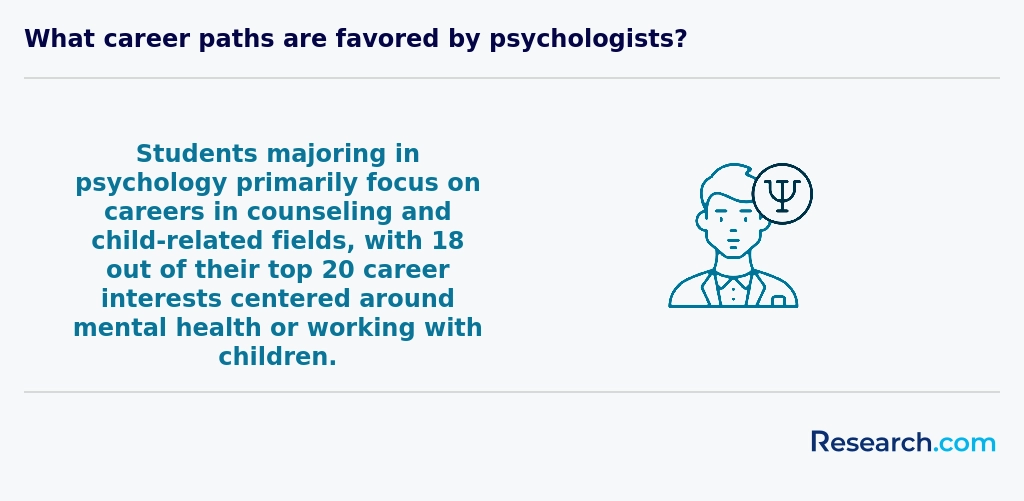
Graduates with an online psychology degree in America find a variety of career options, although many recognize the value of further education for advancement. Entry-level roles often include human services, behavioral health technician positions, and roles in career counseling or rehabilitation support - especially for graduates from popular psychology programs at universities such as Arizona State University or the University of Florida. These positions provide meaningful experience with real-world applications of psychological principles, such as helping vulnerable populations or advising individuals recovering from trauma, which many graduates describe as deeply rewarding.
Some graduates leverage their degree toward roles in market research or human resources, where understanding consumer or workplace behavior offers a competitive edge. Graduates from schools known for flexible online study options often appreciate how such paths align with their work-life balance, contributing to positive job satisfaction. For those exploring job opportunities for psychology graduates in America, combining their degree with internships or volunteer work is crucial for standing out.
For students seeking cost-effective study options, the Most Affordable Online Psychology Degree Programs Ranking in the West provides useful guidance on programs that blend affordability with quality education, aiding in smarter career planning.
The job outlook for online psychology degree holders in the USA shows promising growth, with demand rising in healthcare, education, and corporate wellness sectors. Graduates from institutions such as Arizona State University and University of Florida often share how their online degrees helped them balance work and family while gaining skills to enter entry-level roles in social services or human resources. However, it's important to recognize that most counseling or licensed psychologist positions require further education and credentials.
Employment opportunities for psychology graduates in America include roles like behavioral health technician or market research analyst, where practical experience, such as internships, can make a significant difference. Those who studied at popular colleges appreciate how regional accreditation gives their degrees credibility, improving hiring chances. Additionally, students often consider the cost of education, which varies widely but remains competitive compared to on-campus options.
For those weighing options, it's worth exploring how associated salaries and job availability intersect with program costs. More information on high paying 4 year degrees may provide valuable context for career planning in psychology-based fields.
2027 Most Affordable Online Bachelor's in Psychology Degree Programs Ranking in the USA
Investing in your education is a significant decision that can profoundly impact your future, and the Research.com team is fully aware of the importance of making well-informed choices. To support prospective students seeking affordable online psychology degrees, we have carefully developed the "2027 Most Affordable Online Bachelor's in Psychology Degree Programs Ranking in the USA." Our dedication to quality, credibility, and accuracy guided the thorough research and analysis behind this ranking.
We utilized the following reputable data sources to ensure a comprehensive evaluation:
Readers will gain valuable insights into cost-effective programs that balance affordability with quality, helping them make confident decisions about their educational journey. For detailed information on how this ranking was created, please visit our Research.com methodology page.


# 4 position
Bethel University, Minnesota
Bachelor of Psychology


# 15 position
Mary Baldwin University
Bachelor of Psychology


# 17 position
Louisiana State University and Agricultural & Mechanical College
Bachelor of Psychology


# 19 position
Colorado Christian University
Bachelor of Applied Psychology


Frequently Asked Questions About psychology
Students pursuing online psychology degrees in America can maximize their learning by actively engaging with course materials and participating in virtual discussions. Research shows that interaction with peers and instructors enhances comprehension and retention. The American Psychological Association emphasizes the importance of practical experience, so students should seek opportunities for internships or volunteer work to apply theoretical knowledge.
Utilizing campus resources, such as online libraries and tutoring centers, supports academic success. Time management is crucial; creating a consistent study schedule reduces stress and improves focus. According to the National Center for Education Statistics, 77% of online students report that strong self-discipline improves their overall outcomes.
The psychology field in America is expanding into several emerging niches, reflecting broader societal changes and technological advancements. One notable area is neuropsychology, which explores the relationship between brain function and behavior. Demand for neuropsychologists is expected to grow by 10% from 2021 to 2031, according to the U.S. Bureau of Labor Statistics.
Another growing niche is forensic psychology, where professionals apply psychological principles within legal contexts. This specialization is particularly relevant given the increased focus on mental health in criminal justice.
Health psychology and telepsychology are also rapidly developing, driven by the rise in digital health services and the need for mental health support in remote or underserved areas.
After completing an online psychology degree in America, preparing for the job market involves strategic steps to enhance employability. First, gaining relevant experience through internships or volunteer work in mental health settings can be crucial. According to the American Psychological Association, practical experience helps develop essential skills and improves job prospects.
Next, consider obtaining certifications aligned with your career goals, such as Certified Mental Health Technician or Behavioral Health certifications. Networking is equally important; joining organizations like the American Psychological Association or local psychology groups can provide valuable connections and job leads.
Additionally, developing strong soft skills-communication, critical thinking, and empathy-is essential, as many psychology roles require direct client interaction. Understanding licensure requirements is important if pursuing clinical roles, as states typically require additional supervised hours and exams for psychologists.
Employers in America highly value psychology graduates who demonstrate strong critical thinking and analytical skills. These abilities allow professionals to assess complex behavioral data and develop evidence-based interventions.
Effective communication is another essential skill. According to the American Psychological Association, clear writing and active listening are crucial in clinical, educational, and organizational settings.
Technical proficiency in statistics and research methods is also in demand. Many psychology roles require familiarity with software like SPSS or R for data analysis.
Additionally, employers look for cultural competence and ethical judgment, important for working with diverse populations and adhering to professional standards.
Finding internships relevant to a psychology degree in America involves several strategic steps. Students should first explore opportunities offered through their online program, as many accredited institutions maintain partnerships with clinics, hospitals, and research centers. According to the American Psychological Association (APA), over 80% of accredited psychology programs provide internship placement support.
Additionally, students can utilize specialized internship databases like the APA's Psychology Training Center, which lists various practicum and internship openings nationwide. Networking with faculty and professionals via platforms like LinkedIn also increases the chance of securing positions. It's important to apply early and prepare a strong résumé tailored to psychology roles.
Internships often require background checks and supervised hours, aligning with state licensing requirements. Finally, checking local hospitals, mental health agencies, and nonprofit organizations can reveal many opportunities that complement academic training in psychology.
An online psychology degree in America can significantly enhance career mobility by providing flexible access to accredited education. According to the American Psychological Association (APA), graduates with a bachelor's in psychology qualify for diverse entry-level roles in human services, social work, and business sectors. This degree lays the foundation for graduate studies, a common path for career advancement in psychology.
Data from the Bureau of Labor Statistics (BLS) shows psychology-related occupations are expected to grow 8% from 2021 to 2031, faster than the average for all jobs. An online degree broadens geographic opportunities, allowing students to study without relocating.
Employers increasingly recognize the credibility of accredited online degrees, especially when paired with internships or certifications. Thus, an online psychology degree supports upward mobility in mental health, education, and counseling professions across the U.S.
Studying for a psychology degree in America equips students with skills applicable across multiple fields such as healthcare, education, business, and social services. The curriculum often integrates courses in biology, statistics, sociology, and communication, which promotes a broad understanding of human behavior and scientific methods.
According to the American Psychological Association, 75% of psychology graduates find employment in interdisciplinary roles that require collaboration with professionals from various disciplines. Online programs emphasize research, critical thinking, and data analysis, preparing students to work on diverse teams.
Many programs also offer practicum or internship opportunities that expose students to real-world settings like hospitals or schools, fostering adaptability and cross-sector knowledge.
When choosing between a thesis and a non-thesis psychology degree in America, consider your career goals. A thesis program typically requires conducting original research and writing a detailed paper, which is ideal if you aim for graduate studies or research roles. According to the American Psychological Association (APA), approximately 30% of psychology bachelor's graduates pursue advanced degrees, making research experience valuable.
Non-thesis programs focus more on coursework and practical skills, suitable for students planning to enter the workforce directly in areas like counseling or human services. These programs often allow for more flexible scheduling in online formats.
Cost and time commitment differ: thesis options may take longer due to research demands. Reviewing program curricula and available support resources can help make an informed choice.
Students based in America who wish to study psychology abroad have several pathways to consider. Many US institutions offer partnerships with foreign universities, enabling students to earn credits internationally while enrolled domestically. According to the Institute of International Education, over 300,000 American students studied abroad in 2022, with psychology being a popular major.
Online psychology programs in the US sometimes incorporate global perspectives, allowing exposure to international research and practices. Additionally, some foreign universities offer online psychology degrees accessible to US students, but accreditation compatibility is crucial. The American Psychological Association emphasizes verifying that any program adheres to US educational standards for licensure.
Exchange programs and dual-degree options provide more immersive experiences, typically lasting one semester or longer. These programs enhance cultural competence, which is vital in psychology careers. Financial aid and scholarships are often available to support study abroad initiatives. Students should also consider language requirements and course equivalency before enrolling.
Students pursuing online psychology degrees in America often seek part-time jobs that enhance their academic experience and build relevant skills. Common opportunities include research assistant positions at universities or private research firms. These roles provide hands-on experience with data collection and analysis, vital for psychology careers.
Another option is working as a behavioral health technician or psychiatric aide. These jobs offer practical exposure to mental health settings, complementing theoretical learning. According to the U.S. Bureau of Labor Statistics, behavioral health technicians earn a median hourly wage of around $16, which supports students financially.
Additionally, tutoring psychology or related subjects can deepen understanding and improve communication skills. These part-time roles align well with academic schedules and enrich a student's resume within the U.S. psychology job market.
Online psychology students in America have growing networking opportunities despite the virtual format. Many accredited programs offer access to virtual career fairs, webinars, and professional organizations such as the American Psychological Association (APA), which has over 120,000 members. These platforms enable students to connect with peers, faculty, and professionals nationwide.
Students can also join specialized online groups focused on psychology topics within LinkedIn or university-affiliated forums. Internships and practicum placements, often required for licensure, provide vital in-person networking experiences. According to the APA, engagement in these activities significantly improves job prospects after graduation.
Alumni networks offer significant advantages to online psychology degree students in America. These networks connect graduates and current students, providing access to valuable professional contacts and mentorship opportunities. According to the National Association of Colleges and Employers (NACE), 85% of jobs are filled through networking, demonstrating the importance of such connections.
For psychology students, these networks often include licensed professionals, researchers, and educators who can offer career advice or internship opportunities. Additionally, alumni groups may host virtual events, webinars, and job boards tailored to the psychology field, making it easier to stay informed about the latest industry trends and licensing requirements overseen by bodies such as the American Psychological Association (APA).
Customizing an online psychology degree program in America allows students to align their education with specific career goals. Many accredited universities offer specialized tracks or concentrations, such as clinical psychology, counseling, or industrial-organizational psychology. According to the American Psychological Association (APA), selecting a program with relevant electives and internships can enhance job readiness.
Students can also choose courses that focus on research methods, developmental psychology, or social psychology, depending on their interests. Some programs offer the flexibility to complete practica or field experiences in your local community, which can provide practical skills and networking opportunities. This approach is essential for meeting state licensure requirements in psychology professions.
Online psychology students in America often face challenges related to limited hands-on experience. Psychology programs frequently require internships or lab work, which can be difficult to complete remotely. According to the American Psychological Association (APA), practical experience is essential for career readiness and licensure. Additionally, students may struggle with time management and self-motivation since online learning demands a high level of discipline. Technological issues and lack of immediate interaction with instructors or peers can also hinder learning. Accessibility of accredited programs is another concern, as students must ensure their chosen school meets regional accreditation standards recognized by the U.S. Department of Education.
With an online psychology degree in the United States, graduates can pursue several professional certifications that enhance career prospects. Common certifications include the Certified Alcohol and Drug Counselor (CADC) and the Certified Mental Health Technician (CMHT), which often require coursework and supervised experience beyond the bachelor's level. Additionally, while becoming a Licensed Professional Counselor (LPC) or Licensed Clinical Psychologist requires advanced degrees, a bachelor's degree is a necessary first step.
Many organizations like the National Board for Certified Counselors (NBCC) provide credentials for specialized fields. According to the Bureau of Labor Statistics, psychology-related jobs are expected to grow 8% by 2032, showing demand for certified professionals. These certifications can open doors to clinical, counseling, and support roles across healthcare and human services.
To write a winning application for an online psychology program in America, start with a clear, focused personal statement. Highlight your motivation for studying psychology and how the program aligns with your career goals. Emphasize any relevant experience, such as volunteer work or internships. According to the American Psychological Association, admissions committees value applicants who demonstrate both academic preparedness and practical engagement.
Include strong letters of recommendation from professors or employers familiar with your work ethic and psychology interests. Maintain a competitive GPA; the average accepted GPA at psychology programs often ranges from 3.0 to 3.5. Lastly, ensure your application is error-free and submitted before deadlines to make the best impression.
Psychology as a career holds considerable global significance, but the United States remains a leading hub for education and research. According to the American Psychological Association, the U.S. awarded over 100,000 bachelor's degrees in psychology in recent years, reflecting strong domestic interest.
Globally, psychology practices and regulations vary widely, yet American graduates often benefit from the country's robust licensing frameworks and diverse specialization opportunities. This makes a psychology degree from a U.S. institution highly respected worldwide.
In an increasingly connected world, understanding cultural differences in mental health is vital. American psychology programs frequently emphasize diversity and global perspectives, preparing students for international collaboration.
Gaining practical experience while studying for an online psychology degree in America is essential for career readiness. Many accredited programs incorporate supervised internships or practicum placements as part of the curriculum. These experiences often take place in community mental health centers, schools, or research labs and allow students to apply theoretical knowledge in real-world settings.
Students can also seek volunteer opportunities or part-time roles related to psychology, such as assisting in counseling centers or participating in research projects. According to the American Psychological Association, hands-on practice enhances learning and increases employment prospects after graduation.
Additionally, some universities offer virtual simulations and case studies to build applied skills remotely.
Choosing the right concentration within an online psychology degree program in America depends largely on your career goals and interests. Psychology offers various specializations such as clinical, counseling, forensic, and industrial-organizational psychology. Each concentration prepares students for different career paths, from therapy to workplace consulting. According to the American Psychological Association (APA), clinical psychology remains the most popular field, accounting for nearly 68% of practicing psychologists in the US.
It's important to review program curricula to ensure they align with accreditation standards set by the APA or other relevant bodies. Additionally, consider if the concentration offers internships or practicum opportunities, which are key for licensure in many states.
Research labor market data from the US Bureau of Labor Statistics can also guide your decision. For example, industrial-organizational psychology is projected to grow 8% from 2022 to 2032, reflecting increasing demand in corporate sectors.
Understanding state licensure requirements related to a concentration is crucial, especially if your goal is clinical practice. Some fields may require additional certifications or graduate degrees. Overall, choosing a concentration should balance your interests, job market trends, and licensure needs.
See What Experts Have To Say About Studying Psychology
Read our interview with Psychology experts

Joann Farrell Quinn, Ph.D., MBA
Psychology Expert
Director at the College of Medicine Department of Medical Education
Morsani College of Medicine

Catherine Caldwell-Harris, Ph.D.
Psychology Expert
Associate Professor of Psychology
Boston University

Elizabeth L. Jeglic Ph.D.
Psychology Expert
Professor of Psychology
City University of New York

- Alumni Network - https://efpsa.org/alumni-network/
- Networking and Community Resources https://www.psych.on.ca/become-a-member-(1)/member-services/networking-and-community-resources
- Best Online Bachelor's Degrees In Psychology Of 2026 https://www.psychology.org/rankings/best-online-bachelor-degree-programs/
- Incorporating Career Exploration and Skill Development ... https://teachpsych.org/page-1784686/8675326
- Financial Aid for Psychology Students https://www.onlinepsychologydegrees.com/financial-aid/
- Alumni Perspectives - Meet Our FPN Alumni https://www.aanmelder.nl/alumni-perspectives-june-2023
- Online Psychology Degree Salary by Career Path https://www.collegetransitions.com/blog/online-psychology-degree-salary-by-career-path/
- What jobs can you get with a psychology degree bachelor https://www.bridgeport.edu/news/high-paying-jobs-with-a-bachelors-in-psychology-degree/
- Online Psychology Degrees https://www.phoenix.edu/online-psychology-degrees.html
- 5 Terrific Ways to Finance your Masters in Psychology ... https://mastersinpsychologyguide.com/articles/5-terrific-ways-to-finance-your-masters-in-psychology-degree/


