
2027 Most Affordable Psychology Degree Programs Ranking in Lexington

Co-Founder and Chief Data Scientist
If you're considering studying psychology in Lexington, this article is here to guide you. It presents the 2027 Most Affordable Psychology Degree Programs Ranking in Lexington, carefully created by the Research.com team of data scientists.
This ranking helps you explore affordable options, so you can make an informed choice about your education. A psychology degree opens doors to rewarding careers focused on understanding and helping people, which can be deeply fulfilling.
Reading this article will empower you to find a program that fits your goals and budget, setting you up for success and personal growth.
Key benefits of getting psychology degree in Lexington
- Psychology degree graduates in Lexington can earn competitive salaries, with roles like Human Resources Specialist averaging $76,060 annually and Marketing Research Analysts earning about $83,190 per year.
- Graduates from local schools often find diverse career paths, ranging from research and clinical roles to positions in human resources and marketing, opening many exciting opportunities.
- Online psychology degrees offer flexible schedules and accessibility, allowing students to balance work and study, while gaining credentials valued by employers in Lexington's diverse job market.
- 2027 Most Affordable Psychology Degree Programs Ranking in Lexington
- What can I expect from psychology degree in Lexington?
- Where can I work with psychology degree in Lexington?
What can I expect from psychology degree in Lexington?
When it comes to the cost of getting a psychology degree in Lexington, you'll find some pretty reasonable options-especially if you're considering the University of Kentucky. For in-state students, tuition tends to be more budget-friendly, which makes a huge difference when you're managing living expenses and books. Many graduates mention how scholarships and assistantships really helped ease the financial load, letting them focus more on their studies and less on bills.
For a typical four-year undergraduate psychology program, you can expect to pay around the average tuition rates of public universities here, but the actual amount varies if you're out-of-state or enrolling in graduate programs. Graduate degrees, especially master's or doctoral programs, usually cost more and take longer, but plenty of students feel the investment pays off thanks to strong connections to local clinics and research centers.
One graduate shared that being able to intern at a University-affiliated research center added huge value without extra cost, blending hands-on experience with academics. It's cool that Lexington supports students with these opportunities alongside affordable tuition.
Where can I work with psychology degree in Lexington?
If you're studying psychology in Lexington, you've got some exciting options waiting after graduation. Many grads land jobs in healthcare, working as mental health counselors or behavioral therapists right in places like the University of Kentucky HealthCare system. It's a real boost to be able to practice what you've learned so close to campus.
Lots of other grads find fulfilling roles in local schools, supporting students as psychologists or counselors, especially through Fayette County Public Schools. Imagine helping kids overcome challenges and really making a difference in their everyday lives.
Social services are also big here, with opportunities in community health or addiction support-fields where your psychology background is super valuable. Some of my friends jumped into roles recommended by the Kentucky Career Center, finding steady work as social and human services assistants.
Plus, if you're into research, the University of Kentucky's psych department has openings for research assistants and project coordinators, which is great for building experience on human behavior studies.
And it's not just "traditional" psychology jobs-businesses in Lexington hire grads for HR or market research, using psychology to improve workplace culture or customer insights. It's cool how broad your career path can be around here.
If you're wrapping up a psychology degree in Lexington, you might be wondering how much cash you can actually bring home. Let's break it down with some real-world numbers. For starters, jobs like a Human Resources Specialist pull in about $76,060 a year on average, which isn't too shabby for a psychology grad exploring corporate roles. If you lean toward research, say as a Marketing Research Analyst, you could be looking at around $83,190 annually-that's a solid paycheck for applying your psychology know-how to market trends.
Graduates from local schools often land positions as Clinical Research Associates or Survey Researchers, where the average salary is about $62,370. These roles combine your love of data and psychology, offering hands-on experience and a decent income. If you've taken any courses or internships related to childcare, you might find work as a Childcare Worker making roughly $32,070 per year-that's great if you want to stay close to community-focused jobs in Lexington.
These numbers reflect a range of pathways right here in Lexington's job market. Many grads share how working near popular spots like the University of Kentucky helps them connect with internships and leads to these kinds of roles. It's encouraging to see that even entry-level positions are competitive, and with a bit of experience or advanced creds from local programs, there's plenty of room to grow your salary and career.
- The average total cost for an in-state bachelor's degree in psychology in Lexington ranges from $20,000 to $35,000, excluding living expenses.
- Entry-level psychology jobs, like assistants or counselors, offer starting salaries around $40,000 to $45,000 annually, slightly higher than the national average.
- After 5 to 10 years, median salaries for psychologists and licensed counselors range from $65,000 to $75,000, with some licensed professionals earning over $90,000.
- Lexington has a strong job market with lower unemployment rates for psychology graduates due to local universities, hospitals, and mental health centers.
- Many psychology programs in Lexington provide internships and cooperative education in health facilities to increase employability.
- Graduate programs in clinical, counseling, and industrial-organizational psychology are available locally for career advancement.
If you're aiming for a psychology degree in Lexington, expect to spend about four years finishing your bachelor's if you go full-time, much like other schools across the U.S. Many students at popular local universities enjoy the steady pace, balancing classes and club activities while getting hands-on experience through internships.
For those thinking bigger, a master's degree usually takes around two years when you're all-in. Graduates often mention how the mix of classroom learning and real-life research projects makes the time fly by, especially at well-known Lexington programs that really emphasize practical skills.
Going for a doctorate is definitely a longer journey-expect anywhere from five to seven years. Many doctors-in-training talk about how exhausting but rewarding it is to manage coursework, exams, and those tricky research projects or clinical hours. Part-time students, often juggling jobs or family, naturally take longer, which is totally normal around here.
Overall, Lexington offers a flexible timeline that fits different lifestyles and goals, making it a welcoming place to follow your psychology dreams.
Hands-on experience through internships and practicum placements is a cornerstone of any reputable psychology degree in Lexington, KY. Local institutions partner with community mental health clinics, school districts, and research labs to offer students structured, credit-bearing experiences that bridge classroom theory with real-world practice. Typical placements include counseling centers at the University of Kentucky, behavioral health units at Baptist Health Lexington, and special education departments within Fayette County Public Schools. Key benefits of these experiential learning opportunities include:
- Skill Application: Apply assessment techniques, intervention strategies, and data‐collection methods under faculty supervision.
- Professional Networking: Build relationships with licensed psychologists, school counselors, and HR managers who may become mentors or future employers.
- Career Clarity: Explore roles in clinical, educational, and organizational settings to inform specialization choices. To maximize success in securing high‐quality placements, students should: 1. Consult career services early-many schools host internship fairs each fall. 2. Tailor resumes and cover letters to highlight relevant coursework such as Research Methods in Psychology or Developmental Psychology. 3. Maintain a minimum GPA of 3.0, as many partner sites require academic standing. For those seeking flexible online options with robust practicum components, be sure to compare programs like the Affordable Online Psychology Degree Programs Ranking in Missouri, which features schools with extensive virtual internship networks.
If you're thinking about studying psychology in Lexington, the choice between online and on-campus really boils down to your lifestyle and what kind of experience you want. Online programs, like the ones offered by local colleges, give you the flexibility to study from your couch or a coffee shop. Graduates often say it's perfect if you're juggling work, family, or just prefer a more relaxed schedule.
On the flip side, attending on-campus at places like the University of Kentucky means you get to hang out with classmates in person, join clubs, and dive into hands-on lab work or research. Many psychology grads there love the face-to-face vibe, especially when it comes to internships and getting real-world counseling experience-something super important if you want to get licensed in Kentucky.
Cost-wise, both online and campus options in Lexington tend to be similar, but online can save you cash on gas and housing. Networking also feels different: on-campus students enjoy campus events and fairs, while online learners tap into wider online communities but have to be a bit more proactive.
To further support students in their academic and professional pursuits, it's essential to explore additional resources that can enhance their understanding of psychology and its applications. For instance, students interested in affordable education can visit https://research.com/rankings/psychology/most-affordable-psychology-ky as a resource for the most affordable psychology schools in kentucky, which can provide valuable insights into budget-friendly options for pursuing a degree in psychology. Moreover, professional organizations, such as the American Psychological Association (APA), offer a wealth of information on career paths, research opportunities, and networking events. Students can also benefit from online forums and discussion groups where they can connect with peers and professionals in the field, sharing experiences and advice on navigating the job market and advancing in their careers. By leveraging these resources, psychology students in Lexington, KY, can gain a more comprehensive understanding of their field and make informed decisions about their educational and professional trajectories.
The average cost of a psychology degree in Lexington typically runs around $51,252 in total, whether you're paying in-state or out-of-state tuition. Students attending the University of Kentucky, the city's flagship public institution, often find their in-state total cost is closer to $13,502, which is a relief compared to the higher rates private colleges might charge. Many psychology graduates from Lexington recall budgeting carefully but also appreciating the vibrant campus life and dedicated faculty, which made every dollar worth it.
When thinking about psychology degree tuition fees Lexington students face, it's important to remember that the sticker price isn't everything. Additional expenses like room and board, textbooks, and tech fees can add up quickly but also enhance your learning experience. Several students mention how financial aid and scholarships played a huge role in easing the load, especially for graduate programs where assistantships can cover costs and provide valuable experience.
If you're curious about pinning down the exact numbers or exploring your options, consulting reliable sources and university websites is a must. For a closer look at where you might find the most affordable psychology schools in kentucky, checking rankings and current tuition details can really help clarify your financial planning.
Alongside affordable tuition and quality academics, prospective psychology students in Lexington, KY, can greatly benefit from robust campus life and student support programs. College isn’t just about attending classes-it’s about immersing yourself in a community that offers networking events, clubs, mental health resources, and career development workshops that bridge academic studies with real-world applications. For instance, many institutions in Lexington provide student organizations focused on psychological research, volunteer initiatives, and leadership training, all of which foster connections that boost both personal growth and professional readiness. Engaging with these extracurricular opportunities can complement your classroom learning by enhancing soft skills such as teamwork, communication, and leadership. Additionally, exploring interdisciplinary fields-like those offered in business psychology programs-provides a dynamic perspective on how psychology intersects with business acumen, giving you the competitive edge to excel in diverse career paths. By taking full advantage of campus support services, from academic advising to career counseling centers, you are setting a solid foundation for both academic excellence and long-term success in your chosen field.
If you're aiming for a psychology degree in Lexington, you're in luck because there's a solid mix of financial aid options to help ease the cost. Many students at places like the University of Kentucky lean on federal aid by filling out the FAFSA-this opens doors to grants like the Pell Grant, which can cover a hefty chunk of tuition without needing repayment. Imagine having almost $7,400 a year just to help with school expenses!
Others tap into Stafford Loans for low-interest borrowing, giving them breathing room to focus on classes before worrying about paying back. Graduates often share how this helped them graduate without crushing debt right away.
On top of federal help, Kentucky's own KEES scholarship rewards hardworking students based on their high school performance. Psychology majors at Transylvania University have scored extra funds this way, making their education feel a little less stressful.
Plus, a bunch of schools offer merit- or need-based scholarships specific to psychology students. Local scholarships tied to mental health work also come through for many, especially when students apply early and personalize their applications.
And don't forget work-study programs, which let you gain hands-on experience while earning some cash-something many Lexington students have found really rewarding both financially and professionally.
All psychology degree programs in Lexington, KY should be regionally accredited and, ideally, hold American Psychological Association (APA) recognition to ensure graduates meet licensure prerequisites. Accreditation not only validates curriculum quality but also guarantees eligibility for federal financial aid and state licensure exams. Prospective students must verify an institution’s accreditation status on official websites and through the Council for Higher Education Accreditation (CHEA). In Kentucky, licensure as a psychologist requires completion of a doctoral degree, at least 3,000 hours of supervised professional experience, and successful passage of the Examination for Professional Practice in Psychology (EPPP) along with a state jurisprudence exam. For master’s-level roles-such as licensed psychological associate-candidates need a minimum of 1,500 supervised hours and must pass relevant certification assessments administered by the Kentucky Board of Examiners of Psychology. Staying informed about continuing education requirements is also vital, as licensure renewal typically mandates 40 hours of approved training every two years. Graduates seeking specialized expertise may consider advanced pathways such as the online masters in neuropsychology, which combines rigorous coursework with practicum placements to fulfill supervision criteria. These programs often partner with accredited clinical sites, offering structured mentorship and hands-on experience that streamline the transition from academic training to licensed practice. Understanding accreditation and licensure processes upfront empowers students to choose degree programs that align with their long-term career goals.
If you're thinking about studying psychology in Lexington, the first thing to know is that most programs expect you to have finished high school or have a GED. It's the basic starting line before you dive into anything deeper. At schools like the University of Kentucky, undergrads often find it helpful to have a background in biology, math, and English. These subjects really come in handy when you get into research projects or try to understand how people think and behave.
Lots of Lexington colleges consider your test scores, but many are going test-optional now, which feels like a relief for some grads I've talked to. What really matters is keeping your grades up-usually a 2.5 to 3.0 GPA or higher. Those who managed that say it made the whole application feel less stressful.
If you're aiming for graduate programs around Lexington, like those at Bellarmine University, you'll need a bachelor's degree first, ideally with psychology or related courses under your belt. Some programs ask for GRE scores, but plenty have started dropping that requirement, which eases the process a lot. Also, letters of recommendation and a strong statement of purpose play a big role-think of these as your chance to shine beyond grades.
Accreditation ensures program quality and eligibility for licensure. In Kentucky, reputable psychology degrees in Lexington meet rigorous standards.
- APA Accreditation: the American Psychological Association endorses programs that fulfill clinical, counseling, and school psychology requirements.
- Kentucky Licensure Board: graduates submit official transcripts and supervised experience logs to the Kentucky Board of Examiners in Psychology.
- Examination Requirements: candidates must pass the EPPP and any state-specific jurisprudence exam.
- Continuing Education: licensed psychologists complete annual ethics and skills courses to renew credentials.
Students aiming for advanced practice often transition smoothly into a masters in psychology online program with regional accreditation.
If you're diving into a psychology degree in Lexington, expect to tackle some core courses that really build your understanding from the ground up. For example, students at the University of Kentucky often mention how "Introduction to Psychology" gave them that big-picture view of how the mind works and why people behave the way they do. Then, courses like Developmental Psychology walk you through life stages - from babies to seniors - which makes you see people around you in a totally new light.
Other staples are Cognitive Psychology, where you explore how memory and problem-solving tick, and Biopsychology, all about how your brain affects what you do. Classes like Statistics for Behavioral Sciences might sound tough, but graduates say mastering those skills is a real confidence booster when you analyze your own research later on.
What really excites many students, especially in schools around Lexington, is getting hands-on with Research Methods in Psychology and internships. They say it's where things click - applying what they learned in real settings like local clinics or community programs feels rewarding and way more engaging than just hitting the books.
If you're considering a psychology degree in Lexington, you'll find some popular specializations that really help you tailor your studies to what excites you most. Graduates from well-known colleges here often share how clinical psychology gave them the skills to diagnose and treat mental health issues, making a real difference in people's lives. Others have loved diving into developmental psychology, which focuses on how we change from childhood to old age-perfect if you enjoy working with all ages.
Industrial-organizational psychology is another great pick, especially if you're curious about improving workplace vibes and productivity. Plus, in Lexington, plenty of students explore counseling psychology, gaining hands-on internship experiences that prepare them for emotional support roles. The vibe around these programs is pretty upbeat, and many grads say it feels rewarding to connect theory with real-world impact.
When looking at available psychology programs Lexington KY offers, don't forget there are also cool niche areas like forensic or neuropsychology for those wanting to go deeper. For example, students interested in business trends often check out business psychology programs nearby to blend psychology with workplace skills.
Picking the best psychology degree in Lexington means thinking about what fits your vibe and goals. Many grads from the University of Kentucky rave about its mix of solid academics and hands-on opportunities like internships and research projects, making their learning feel real and useful. Lexington's reputation for affordable psychology degree programs in Lexington means you can get quality education without stressing too much over costs, especially if you qualify for in-state tuition.
Another pro tip? Check out how programs balance class size and faculty access-graduates often say smaller classes meant they got more personal attention and felt more connected. Along the way, also look into scholarships or financial help aimed specifically at psychology students here to ease your budget.
For those eyeing advanced studies, some choose to explore options like an online masters in neuropsychology, blending flexibility with expert instruction. Considering best psychology colleges Lexington cost comparison will help you find a path that's both exciting and wallet-friendly.

If you're eyeing psychology careers in Lexington KY, you'll find plenty of paths to explore once you graduate. Many grads from places like the University of Kentucky jump straight into clinical roles, working as therapists or counselors, especially since Lexington offers a strong demand for licensed psychologists, pulling in an average salary around $75,000. It's pretty rewarding when you get to help people face their challenges.
Others lean into educational psychology, supporting kids in local schools with learning or behavior challenges. Getting certified here is key, and seeing those kids thrive really makes the extra effort worth it. Plus, research gigs at universities or private institutes around Lexington let you dive deep into human behavior studies, which is perfect if you love digging into data or contributing to mental health awareness.
Business psychology is also catching on, with grads landing jobs in HR or organizational development, helping companies boost productivity through better understanding people. And if you're worried about costs, local schools keep tuition pretty affordable-check out the Affordable Online Psychology Degree Programs Ranking in Missouri for some great options nearby.
Job opportunities with psychology degree Lexington grads find are diverse, making it an exciting place to start your journey.
The job market for psychology degree holders in Lexington is pretty solid, especially if you're coming from well-known schools like the University of Kentucky. Graduates often find themselves working as licensed professional counselors, school psychologists, or behavioral health specialists because local healthcare systems and schools really value those roles. It's not just about clinical settings-many grads also land jobs in corporate wellness programs or community agencies, which keeps things diverse and interesting. This variety aligns well with psychology degree job opportunities in Lexington, where demand stays steady thanks to the city's strong healthcare and education sectors.
Salary-wise, you might notice it's a bit lower than the national average, but considering the cost of living here, it balances out. Plus, pursuing advanced degrees or certifications can boost your prospects significantly. For those looking to speed up their entry into the workforce, checking out quick 6 month certifications that lead to high paying jobs might be a smart move to complement a psychology degree career growth outlook in Lexington.
2027 Most Affordable Psychology Degree Programs Ranking in Lexington
Investing in your education is a significant decision that can shape your future, and the Research.com team understands the importance of making informed choices. To assist prospective students in Lexington, we have meticulously crafted the "2027 Most Affordable Psychology Degree Programs Ranking in Lexington." Our commitment to quality, credibility, and accuracy is reflected in the extensive research and analysis conducted to compile this ranking.
We utilized the following reputable data sources to ensure a comprehensive evaluation of psychology degree programs:
By exploring this ranking, readers will gain valuable insights into the most affordable psychology degree options in Lexington, helping them to make informed decisions about their educational investments. For more information on our approach, please visit our Research.com methodology page.


Frequently Asked Questions About psychology
Psychology degree students in Lexington can maximize their learning experience by engaging deeply with both academic and practical opportunities. Enrolling in accredited programs recognized by the American Psychological Association ensures a strong foundational knowledge. Lexington offers access to diverse psychological research initiatives through local universities such as the University of Kentucky, where students can participate in ongoing studies and internships.
Utilizing campus resources like counseling centers and research labs allows hands-on experience, critical for applying theory to real-world cases. Additionally, joining psychology clubs or local professional groups helps build networks and gain insights into various career paths. According to the Kentucky Council on Postsecondary Education, experiential learning significantly improves graduation and job placement rates for psychology majors in the region.
The field of psychology is evolving rapidly, with several emerging niches gaining attention among students and professionals in Lexington and beyond. One notable area is neuropsychology, which combines brain science and behavior to diagnose and treat neurological disorders. In Lexington, institutions offering psychology degrees increasingly incorporate this specialty to meet rising demand.
Another growing niche is health psychology, focusing on how psychological factors influence physical health. With emphasis on chronic disease management, this specialization suits Lexington's aging population. Additionally, industrial-organizational psychology, which applies psychological principles to workplace environments, is expanding due to increased business interest in employee well-being.
Environmental psychology is also emerging, studying the interaction between people and their surroundings to improve urban planning in growing cities like Lexington. According to recent data from the U.S. Bureau of Labor Statistics, jobs in these specialized psychology fields are expected to grow 10% through 2032, reflecting strong opportunities for graduates.
After completing a psychology degree in Lexington, preparing for the job market requires strategic planning and skill development. Graduates should gain relevant experience through internships or volunteer work, which can improve employability in clinical, counseling, or research positions. According to the U.S. Bureau of Labor Statistics, psychology roles in Kentucky are expected to grow by 5% from 2021 to 2031, highlighting steady demand.
Networking with local professionals and joining organizations like the Kentucky Psychological Association can open doors to job opportunities. Additionally, acquiring certifications or considering graduate education enhances career prospects, especially in specialized fields such as school or industrial-organizational psychology.
Strong communication and data analysis skills are also valuable in Lexington's diverse job market, which includes healthcare, education, and social services. Utilizing university career services and staying updated on industry trends will further support a successful transition into the workforce.
Employers in Lexington value psychology graduates who demonstrate strong analytical and critical thinking skills. These abilities enable graduates to assess research data effectively and apply psychological theories to real-world situations.
Effective communication is another top skill sought after. Employers expect graduates to convey ideas clearly, both in writing and verbally, essential for roles in counseling, research, and human services.
Interpersonal skills are crucial in Lexington's psychology job market, as many positions require direct interaction with clients or research participants. Skills in empathy and active listening improve client outcomes significantly.
Additionally, proficiency in research methods and data analysis software is highly regarded, with many employers citing these skills as essential for entry-level roles in psychology. According to the U.S. Bureau of Labor Statistics, Lexington's healthcare and social assistance sectors are growing, increasing demand for psychology professionals with these competencies.
Finding psychology internships in Lexington involves exploring opportunities at local hospitals, mental health clinics, and university research centers. For example, the University of Kentucky offers a variety of internship programs through its Department of Psychology, providing hands-on research and clinical experience.
Additionally, organizations like the Blue Grass Community Mental Health Center and the Veterans Affairs Medical Center often accept interns, giving practical exposure in counseling and behavioral health.
Students should consult their academic advisors and leverage university career services, which often have partnerships with local agencies.
Regularly checking listings on platforms like Handshake and Indeed, along with attending relevant networking events, can increase chances of securing internships.
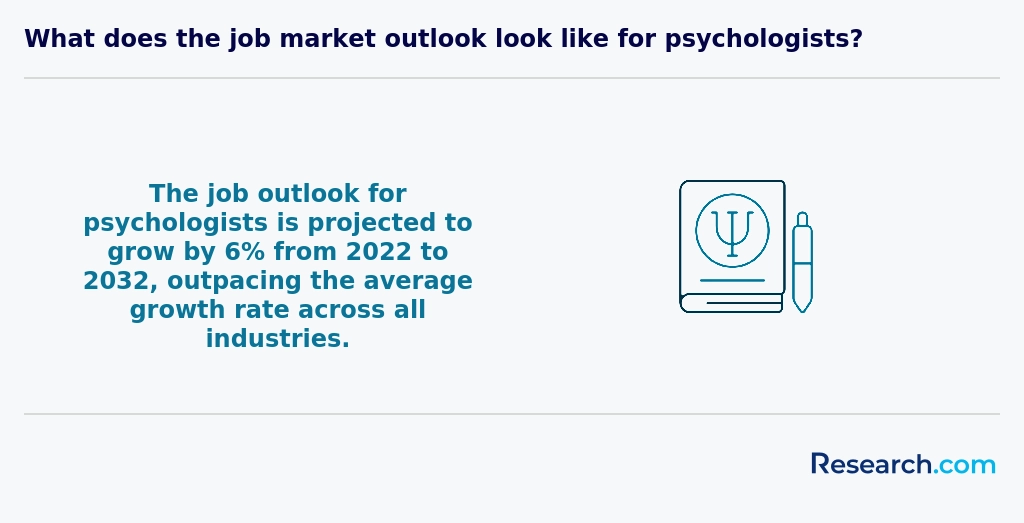
A psychology degree in Lexington offers significant advantages for career mobility and advancement. With the city's growing healthcare and education sectors, professionals holding a psychology degree can access varied roles, including counseling, social services, and human resources. According to the U.S. Bureau of Labor Statistics, psychology-related jobs in Kentucky are projected to grow by 6% between 2022 and 2032, slightly faster than average.
Local employers often prefer candidates with a degree, especially those with internships or research experience gained through Lexington's universities. Advanced degrees, such as a master's or doctorate, further increase opportunities in clinical, educational, and organizational psychology roles.
Overall, a psychology degree supports upward mobility in Lexington's diverse job markets, reinforced by regional demand and professional licensing requirements.
Studying for a psychology degree in Lexington offers strong preparation for interdisciplinary roles by combining core psychological theories with practical applications across various fields. Local universities emphasize collaboration between psychology and areas such as healthcare, education, and social services, reflecting trends in the US job market.
Lexington's programs often include training in research methods, statistics, and communication skills, equipping students to work alongside professionals in counseling, business, and public health. According to the National Center for Education Statistics, psychology graduates from Kentucky show a rising trend in employment within multidisciplinary teams.
This comprehensive approach enables graduates to adapt to diverse workforce demands, making them competitive in roles that require both scientific knowledge and interpersonal expertise.
Choosing between a thesis and a non-thesis psychology degree program in Lexington depends on your academic and career goals. A thesis program involves original research and a written dissertation, ideal for students aiming to pursue doctoral studies or research roles. Non-thesis options typically focus on coursework and practical experience, suitable for those targeting clinical work, counseling, or applied psychology careers.
According to the National Center for Education Statistics, about 40% of psychology master's students in the U.S. opt for thesis tracks, reflecting the demand for research skills.
In Lexington, programs like those at the University of Kentucky offer both paths, allowing flexibility based on your professional goals.
Students based in Lexington interested in studying psychology abroad have several opportunities through U.S. higher education partnerships and exchange programs. Many universities in Lexington, including the University of Kentucky, offer study abroad options in collaboration with institutions in Europe, Australia, and Asia. These programs allow psychology majors to earn credits while gaining international experience.
According to the Institute of International Education, about 15% of U.S. college students participate in study abroad, with psychology among the popular fields. Students often choose destinations with strong psychology research hubs, such as the United Kingdom or the Netherlands, enhancing cultural understanding and academic diversity.
Financial aid and scholarships specifically for study abroad are also available to Lexington students, making international education more accessible. Advising offices on campus are valuable resources for planning these experiences.
Students pursuing psychology degrees in Lexington have access to various part-time job opportunities that align well with their academic goals. Local healthcare facilities, such as the University of Kentucky HealthCare, offer roles like patient aides or behavioral health assistants. These positions provide hands-on experience in clinical settings.
Additionally, Lexington's community centers and nonprofit organizations often seek mental health outreach workers and research assistants. The latter roles are valuable for gaining skills in data collection and analysis, which complement coursework.
The Lexington-Fayette County government also employs psychology students in programs addressing substance abuse and juvenile justice, enhancing practical knowledge alongside studies.
Psychology students in Lexington benefit from a range of networking opportunities that support both academic and professional growth. Local universities, including the University of Kentucky, host psychology clubs and honor societies, such as Psi Chi, which facilitate connections among students and professionals. These groups often organize guest lectures, workshops, and community service events tailored to psychology interests.
Additionally, Lexington's access to nearby clinical facilities and mental health centers provides students with internship and volunteer opportunities, enabling practical experience and valuable contacts. Regional conferences and the Kentucky Psychological Association offer platforms to meet experts and stay updated on research trends.
According to the Kentucky Association of Psychology Providers, networking through these channels can significantly enhance career prospects for students planning to work in clinical, educational, or research roles within the state.
Alumni networks provide vital support to psychology degree students in Lexington by offering professional connections and mentorship opportunities. These networks often facilitate internships and job placements, which are crucial in a competitive field. According to the National Association of Colleges and Employers, nearly 80% of jobs are filled through networking, highlighting this benefit for students.
In Lexington, alumni from institutions such as the University of Kentucky frequently organize events and panels, fostering community and career growth. Access to experienced graduates helps current students gain insights into local psychological services and research trends, enhancing their academic and practical learning.
Moreover, alumni networks can provide guidance on certification requirements specific to Kentucky, such as licensure for clinical psychologists. This targeted support improves graduate outcomes and contributes to higher employment rates in the area, according to data from the Kentucky Board of Examiners of Psychology.
Students pursuing a psychology degree in Lexington can often tailor their programs to align with specific career goals by selecting from various specializations. Many local institutions offer concentrations such as clinical psychology, counseling, or industrial-organizational psychology. This flexibility allows students to focus on areas with strong job growth or licensure opportunities within Kentucky.
Additionally, students may customize their education by choosing electives related to research methods, behavioral disorders, or neuropsychology. Internship and practicum options in Lexington's healthcare and social service facilities provide practical experience crucial for graduate studies or employment.
According to the National Center for Education Statistics, many Lexington colleges grant psychology degrees with adaptable curricula, enabling students to build skills relevant to both academic and applied psychology fields.
Psychology students in Lexington often face several challenges during their academic journey. One major difficulty is balancing rigorous coursework with practical experience requirements. Many programs mandate internships or research participation, which demand significant time alongside classes. Additionally, students report challenges adapting to the scientific rigor of psychology, including mastering research methods and statistical analysis.
Mental health concerns can also impact students, with national studies showing approximately 40% of college students experience anxiety or depression symptoms. While specific Lexington data is limited, local universities like the University of Kentucky offer counseling to support psychological well-being. Finally, financial constraints remain common, as tuition and related expenses continue rising, making affordability a key concern for many students.
With a psychology degree in Lexington, graduates can pursue several professional certifications that enhance career prospects. Common certifications include the Licensed Professional Counselor (LPC), which allows practice in counseling under supervision. Another important certification is the Certified Alcohol and Drug Counselor (CADC), useful for those focusing on addiction treatment. Psychologists aiming for clinical practice often seek licensure as a Licensed Psychologist, requiring a doctoral degree and supervised hours, regulated by the Kentucky Board of Psychology.
Local organizations like the Kentucky Psychological Association provide resources for certification paths. According to the Bureau of Labor Statistics, Kentucky employs approximately 1,200 psychologists, highlighting growing demand for certified professionals in the area.
Applying to a psychology program in Lexington requires careful preparation to stand out. Start by researching local schools like the University of Kentucky, which offers respected psychology degrees with competitive admissions. Highlight academic achievements, especially strong grades in psychology and related sciences, as Lexington programs often emphasize GPA and relevant coursework.
Craft a clear, focused personal statement outlining your interest in psychology and career goals. Mention any volunteer or work experience in mental health settings, as practical exposure strengthens applications. Lexington admissions committees value community engagement and research potential, so include relevant projects or internships.
Be sure to submit all required materials, such as recommendation letters from professors who can attest to your academic abilities and passion for psychology. Lastly, check for application deadlines carefully; University of Kentucky typically closes early in the calendar year for fall admission.
Psychology careers in Lexington reflect broader trends seen across the United States, where the demand for mental health professionals is growing steadily. According to the U.S. Bureau of Labor Statistics, employment of psychologists is projected to grow 8% from 2021 to 2031, faster than the average for all occupations. This growth is driven by increased awareness of mental health issues globally.
In Lexington, graduates with psychology degrees find opportunities in clinical settings, education, and research. The University of Kentucky, a leading institution in the region, supports programs that align with national and international practices. The global perspective emphasizes cultural competence and evidence-based approaches to psychology careers.
Internationally, psychology professionals collaborate on research and treatment standards, benefiting from shared knowledge. For students in Lexington, this means their education can prepare them for diverse roles both locally and abroad, reflecting the interconnected nature of mental health professions worldwide.
Gaining practical experience is essential while studying psychology in Lexington. Many local institutions, including the University of Kentucky, offer opportunities for internships and research assistant positions. Students can work directly with faculty on ongoing studies, gaining valuable hands-on skills.
Additionally, Lexington's community mental health centers and hospitals often accept psychology interns, providing clinical exposure. According to the Kentucky Psychological Association, supervised practicums are critical for meeting licensure requirements. These placements allow students to apply theories in real-world settings while building professional networks.
Volunteer programs through organizations like the Bluegrass CARE Clinic also help students develop experience in behavioral health services without needing prior credentials.
Choosing the right concentration within a psychology degree program in Lexington depends on your career goals and personal interests. Common concentrations include clinical, counseling, developmental, and industrial-organizational psychology. Each offers unique paths: clinical focuses on diagnosing and treating mental health disorders, while industrial-organizational prepares students for workplace behavior analysis.
Lexington hosts universities like the University of Kentucky, where psychology programs often include opportunities for research and internships. Review course offerings and faculty expertise at local schools to find a concentration that fits your aspirations.
According to the Kentucky Higher Education Assistance Authority, psychology remains a top major in the state, with increasing demand for mental health professionals projected to grow by 14% through 2030 (U.S. Bureau of Labor Statistics). This growth can guide your choice toward areas with strong job prospects.
- 2027 Most Affordable Psychology Degree Programs Ranking in Louisville
- 2027 Most Affordable Psychology Degree Programs Ranking in Indianapolis
- 2027 Most Affordable Psychology Degree Programs Ranking in Fort Wayne
- 2027 Most Affordable Psychology Degree Programs Ranking in Notre Dame
- 2027 Most Affordable Psychology Degree Programs Ranking in Atlanta
- 2027 Most Affordable Psychology Degree Programs Ranking in Detroit
- 2027 Most Affordable Psychology Degree Programs Ranking in Saint Louis
- 2027 Most Affordable Psychology Degree Programs Ranking in Chicago
- 2027 Most Affordable Psychology Degree Programs Ranking in Birmingham
- 2027 Most Affordable Psychology Degree Programs Ranking in Macon
See What Experts Have To Say About Studying Psychology
Read our interview with Psychology experts

Catherine Caldwell-Harris, Ph.D.
Psychology Expert
Associate Professor of Psychology
Boston University

Joann Farrell Quinn, Ph.D., MBA
Psychology Expert
Director at the College of Medicine Department of Medical Education
Morsani College of Medicine

Elizabeth L. Jeglic Ph.D.
Psychology Expert
Professor of Psychology
City University of New York

- Society for the Teaching of Psychology https://teachpsych.org/page-1784686/8675326
- Psychology - SWPS University https://english.swps.pl/academics/warsaw/ba-programs/psychology
- Ontario Psychological Association - Networking and Community Resources https://www.psych.on.ca/become-a-member-(1)/member-services/networking-and-community-resources
- Alumni Perspectives - Meet Our FPN Alumni https://www.aanmelder.nl/alumni-perspectives-june-2023
- Have You Found a Niche? https://www.apaservices.org/practice/business/marketing/building/niche
- The Role of Psychology in Career Development and Planning https://psyvanta.com/the-role-of-psychology-in-career-development-and-planning/
- Psychology Degree Requirements | University of Bridgeport https://www.bridgeport.edu/news/psychology-education-requirements/
- What Can You Do With a Psychology Degree? Careers, Paths, and What to Study https://www.griffith.ie/knowledge/what-can-you-do-with-a-psychology-degree-careers-paths-and-what-to-study
- Study Psychology Abroad https://astarfuture.co.uk/study_psychology_abroad.html
- How to help students cope with mental health challenges https://www.eaie.org/resource/help-students-cope-mental-health-challenges.html


