
2027 Most Affordable Psychology Degree Programs Ranking in Detroit

Co-Founder and Chief Data Scientist
Choosing the right psychology degree program can feel overwhelming, especially with so many options available in Detroit. This article features the 2027 Most Affordable Psychology Degree Programs Ranking in Detroit, created by the Research.com team of data scientists to help students like you make informed decisions.
By exploring this ranking, you'll find valuable insights on affordable programs that balance quality and cost. Pursuing a psychology degree opens doors to meaningful careers and personal growth, making this guide a great first step toward your goals.
Key benefits of getting psychology degree in Detroit
- Salary benefits: Psychology graduates in Detroit can expect rewarding salaries, with roles like Marketing Research Analyst earning a mean annual wage of $83,190 and Human Resources Specialists earning around $76,060. These figures reflect strong financial potential in diverse psychology-related careers.
- Career paths: Graduates from universities in Detroit often find exciting opportunities in areas such as clinical research, marketing, and childcare, offering a wide variety of fulfilling job options. This diversity lets you shape your career around your personal interests and strengths.
- Online degree advantages: Pursuing a psychology degree online from a Detroit university provides flexibility to balance work and study, saving time and commuting stress. Many online graduates enjoy the same career success as traditional students while managing their busy lives effectively.
- 2027 Most Affordable Psychology Degree Programs Ranking in Detroit
- What can I expect from psychology degree in Detroit?
- Where can I work with psychology degree in Detroit?
What can I expect from psychology degree in Detroit?
The average cost of pursuing a psychology degree in Detroit is generally affordable, especially at public institutions like Wayne State University. Graduates often recall weighing tuition fees that are lower than many private schools, making higher education more accessible without overwhelming debt. For example, a typical undergraduate psychology program at Wayne State may cost significantly less per year compared to private alternatives, allowing students to focus more on their learning experience and hands-on internships rather than financial stress.
Many students appreciate the availability of scholarships and financial aid designed to support those passionate about psychology careers, easing the economic burden further. These financial supports are vital as psychology programs often involve extended studies, including master's or doctoral levels, where costs can add up. However, Detroit's emphasis on urban mental health training adds a unique, practical value that many graduates feel justifies every dollar spent.
Looking ahead, programs may introduce more flexible payment plans or partnerships with community agencies to help students gain work experience while offsetting costs. This evolving support landscape promises even better affordability coupled with rich, career-focused education right here in Detroit.
Where can I work with psychology degree in Detroit?
Graduates from Detroit's leading psychology programs, such as those at Wayne State University and University of Detroit Mercy, find diverse career paths unfolding before them, reflecting the city's growing mental health and corporate sectors. Many step into healthcare roles at institutions like the Detroit Medical Center, becoming clinical psychologists or behavioral therapists, where they witness firsthand how their work transforms lives.
Others gravitate toward educational settings, joining local schools as school psychologists to support children's mental wellness-roles increasingly vital as awareness of childhood mental health rises. Social service agencies offer fulfilling opportunities as well, where graduates engage deeply with community outreach and youth programs, making meaningful social impacts daily.
Some graduates are drawn to Detroit's corporate world, applying psychology insights to human resources or consumer behavior in dynamic market research firms. These roles blend analytical skills with empathy, fueling both personal satisfaction and professional growth.
As the city evolves, psychology graduates embrace emerging trends like teletherapy and organizational psychology, ready to shape Detroit's future and thrive in a landscape that values their expertise and passion.
Graduates with a psychology degree in Detroit often find promising opportunities in roles such as human resources specialists, marketing research analysts, and clinical research associates. For example, a recent graduate from a popular Detroit university working as a human resources specialist can expect to earn around $76,060 annually, a salary that supports a comfortable lifestyle in the metropolitan area.
Others who venture into marketing research analysis - a growing field linked to consumer behavior studies - commonly make about $83,190 per year. This aligns well with Detroit's dynamic market, where graduates feel energized knowing their insights can influence major industry decisions.
For those interested in research careers, clinical research associate positions offer a starting salary near $62,370. Graduates describe the role as a rewarding step toward more specialized or advanced research opportunities, especially in Detroit's expanding academic and private research institutions.
With Detroit's evolving job landscape and healthcare infrastructure, psychology graduates are optimistic. The increasing demand for specialized skills in areas like industrial-organizational psychology or experimental research promises even greater earning potential in the future.
- Psychology bachelor's degrees in Detroit cost between $25,000 and $45,000, varying by public or private institution.
- Wayne State University offers in-state tuition around $13,000 per year, making it one of the more affordable options.
- Starting salaries for psychology graduates in Detroit range from $45,000 to $50,000 annually, with mid-career earnings between $65,000 and $80,000.
- Psychology job growth in Detroit is estimated at about 8% over the next decade, slightly above the national average.
- Advanced degrees like master's and doctorates open up more job opportunities and higher salary potential in Detroit.
- Local internships and practicum placements are commonly available in hospitals, schools, and clinics for hands-on experience.
Completing a psychology degree in Detroit usually takes about four years for a bachelor's, as experienced by graduates from Wayne State University and University of Detroit Mercy. Many students share how immersive campus life and engaging faculty helped maintain their motivation throughout those foundational years.
Moving beyond the bachelor's level, pursuing a master's degree typically demands around two more years. Detroit students often express excitement about specializing in areas like clinical or counseling psychology, noting how hands-on practicum experiences at local clinics deepen their understanding and professional confidence.
Doctoral programs, such as those at Detroit's leading institutions, usually extend from four up to seven years. Graduates recall balancing coursework, extensive research, and supervised clinical hours as both challenging and rewarding. For some, entering a doctoral program directly after undergrad accelerated their progress, illuminating pathways for future psychologists within Detroit's vibrant mental health community.
Flexible enrollment options and evolving state licensure requirements also shape timelines, with part-time students enjoying opportunities to tailor their journey without sacrificing career progress. This adaptability sparks optimism for students seeking a balanced approach to education and life.
To practice as a licensed psychologist in Michigan, graduates must meet specific education, examination, and supervised experience criteria set by the Michigan Board of Psychology. First, candidates must earn a doctoral degree in psychology from an accredited institution; many choose to pursue an online psyd clinical psychology program to fulfill academic requirements while gaining flexibility. Next, applicants are required to complete at least 2,000 hours of supervised professional experience-split between pre-doctoral internships and post-doctoral supervision-under a board-approved supervisor. Once supervised hours are completed, graduates must pass the Examination for Professional Practice in Psychology (EPPP), the national licensure exam, and a Michigan jurisprudence exam covering state laws and ethical standards. Exam preparation resources, such as practice tests and review courses, are critical for success; many candidates allocate three to six months of dedicated study time. Upon passing both exams, applicants submit verification of education, supervised experience logs, and exam scores along with the licensure application and fee to the Michigan Department of Licensing and Regulatory Affairs (LARA). Licensed psychologists must then fulfill continuing education requirements to maintain their credential. Michigan mandates 40 hours of approved continuing education every two years, including at least two hours in ethics. Approved activities range from workshops and conferences to online CE courses. Staying current with licensing board updates ensures psychologists remain compliant and uphold the highest standards of professional practice in Detroit’s evolving mental health landscape.
Graduates from Detroit universities often reflect on how online psychology programs offered them unmatched flexibility, allowing them to balance jobs or family while pursuing their degree. They appreciate being able to attend asynchronous lectures on their own schedule, making it easier to manage everyday commitments. For instance, many students at Wayne State University who chose the online path mention the relief of avoiding daily commutes and campus fees, which made their education more affordable and less stressful.
Conversely, those who enrolled in on-campus programs highlight the vibrant, collaborative atmosphere unique to face-to-face learning. Detroit students recall lively classroom discussions and hands-on experiences in research labs or community counseling clinics that deepened their practical skills. These opportunities, often facilitated by local partnerships, foster meaningful mentor relationships and professional networks that feel invaluable for clinical psychology careers.
Looking ahead, hybrid models may blur these lines, combining digital convenience with enriched, in-person engagement at Detroit institutions. This evolving landscape promises to customize education experiences even further, tailoring learning modes to each student's needs while maintaining strong local ties and practical training.
For many psychology students in Detroit, success extends beyond classroom education; cultivating a robust professional network, engaging in mentorship programs, and participating in industry events are key to long-term growth. In today’s competitive job market, building relationships with professors, alumni, and local mental health professionals can provide access to unique internship opportunities and career advice. For instance, many students find that connecting with experienced professionals not only enriches their learning experience but also opens doors to specialized roles after graduation. As you evaluate different programs, take note of the support services each institution offers-such as career counseling, networking workshops, and alumni events-that are tailored to your evolving professional needs. These resources can be vital in navigating the transition from academic life to the working world, enabling you to leverage your degree effectively. Moreover, integrating online graduate programs with strong network-building components can be particularly advantageous. To explore potential career paths and gain insights on the versatility a degree can offer, consider reviewing what are some jobs you can get with online masters degree in psychology. By proactively engaging in these professional development opportunities, you not only strengthen your resume but also set the stage for a dynamic and successful career in psychology-fully prepared to face the challenges and opportunities in the field.
The average cost of a psychology degree in Detroit typically centers around a median total cost of about $47,309, reflecting the combined expenses for tuition, fees, and other essential costs. In-state students pursuing their degree often experience a lower financial burden, with costs closer to $24,068, making public universities like Wayne State University a popular choice. Many graduates recall the positive feeling of balancing quality education with reasonable expenses, enabling them to focus on their studies without overwhelming financial stress. This balance helps build a strong foundation for their future careers in psychology.
Psychology degree tuition and fees in Detroit vary widely depending on the chosen institution and residency status. Public universities provide more affordable options, while private colleges may charge as much as twice the amount. Students often find that these distinctions shape their decisions, weighing the benefits of a smaller private setting against more cost-effective public education. Graduate and doctoral programs, especially at private schools, tend to push costs higher; however, these students often access scholarships and assistantships that lead to a rewarding academic experience.
Those interested in exploring options can find detailed information on the most affordable psychology schools in Michigan, helping them make informed decisions about their educational investment. This pathway encourages prospective students to consider both costs and value while envisioning their future in the vibrant psychology field.
Choosing a psychology degree program in Detroit, MI that meets professional and state standards is essential for ensuring your education leads to a valid license. Most reputable bachelor’s and master’s programs seek American Psychological Association (APA) accreditation or state board approval, which guarantees curricula align with national competency benchmarks. APA-accredited curricula typically include core coursework in ethics, assessment, and intervention, along with supervised practicum experiences that fulfill pre-licensure supervised hours. In Michigan, aspiring psychologists must complete at least a master’s degree (with 60 semester hours) or a doctoral program, accumulate 1,500–2,000 supervised field hours, and pass the Examination for Professional Practice in Psychology (EPPP). Many Detroit institutions integrate exam preparation into capstone courses or offer dedicated test-prep workshops, helping students master topics like psychopathology, research methods, and professional ethics. Supervised experience is another critical component. Look for programs that partner with local mental health clinics and community agencies, as these partnerships streamline placement in settings approved by the Michigan Board of Psychology. Graduates often report feeling better prepared when their program includes structured mentorship, regular feedback sessions, and clear documentation of field hours. While focusing on Michigan-specific requirements, it’s helpful to compare licensure paths across regions. For instance, you can review our Affordable Psychology Degree Programs Ranking in North Dakota to see how out-of-state programs address accreditation, supervised experience, and exam preparation. Ultimately, verifying accreditation status and understanding licensure prerequisites will ensure your Detroit psychology degree paves a direct path to professional practice.
Many Detroit psychology students have found federal aid, like Pell Grants, to be a real game-changer, offering up to $7,395 a year without the stress of repayment. At institutions such as Wayne State University, combining these grants with Michigan's Tuition Grant or Competitive Scholarship has helped alumni manage tuition costs, especially with the university's in-state tuition discounts. These layered aids frequently ease the financial burden early on, making advanced study feel more attainable.
Graduates share how merit-based scholarships, often tailored to specialties like clinical psychology, brought both financial relief and confidence to their academic journeys. Work-study roles on campus or partnerships with local mental health agencies in Detroit have not only funded part of their education but also enriched their resumes with meaningful experience.
Looking ahead, expanding ties between Detroit nonprofits and universities could create more internships and stipends, fostering a cycle of support. Proactive students tapping into scholarships from professional groups like the Michigan Psychological Association have discovered yet another valuable resource, lighting a hopeful path through what can otherwise seem a costly road.
To get the most out of your psychology degree in Detroit, it's essential to consider factors beyond just the academic curriculum, such as internships, research opportunities, and networking. By exploring these aspects, you can enhance your educational journey and set yourself up for success in the competitive job market. For instance, looking into the most affordable psychology schools in Michigan can provide valuable insights into budget-friendly options that still offer high-quality education and practical experiences. This proactive approach will not only enrich your understanding of psychology but also equip you with the skills and connections necessary to thrive in your chosen career path.
Students aiming to enroll in psychology programs in Detroit often share how their journey began with meeting foundational prerequisites, such as completing a high school diploma or GED. Many graduates from Detroit's well-regarded universities recall focusing on key coursework like biology and statistics, which helped them feel confident and prepared as they transitioned into college-level psychology studies.
Detroit colleges typically expect applicants to have a competitive GPA around 2.5 to 3.0, sometimes supplemented by standardized test scores-although many schools have shifted to test-optional policies recently. One student described the relief of not stressing over the ACT, instead channeling energy into personal statements and recommendation letters that highlighted their passion for psychological research.
For those pursuing graduate studies, alumni emphasize the importance of hands-on experience in psychology-related fields. Practical knowledge, gained through internships or research projects at local institutions, often becomes a decisive factor in admissions. This growing emphasis on applied skills reflects how Detroit's psychology programs evolve to prepare students for real-world challenges ahead.
Before you can practice, Michigan law mandates specific steps to earn and maintain your psychology license.
- Graduate from an APA-accredited master’s or doctoral program in psychology.
- Complete at least 3,400 hours of supervised experience, including a minimum of 1,700 post-degree hours.
- Pass the Examination for Professional Practice in Psychology (EPPP).
- Pass the Michigan Jurisprudence Exam on state laws and professional ethics.
- Submit your application, transcripts and exam scores to the Michigan Board of Psychology, along with the required fee.
- Complete 30 professional development hours (PDHs) every two years to renew your license.
For students seeking a faster start, some choose accelerated psychology programs online that meet APA accreditation standards and help you move quickly into supervised practice.
Students pursuing psychology degrees in Detroit typically engage with courses that blend foundational theories and hands-on applications, tailored to the city's vibrant urban environment. Many graduates from Wayne State University share how starting with core classes like Introduction to Psychology and Research Methods grounded their understanding of human behavior while offering practical skills in data analysis and experimental design.
Courses such as Biological Psychology and Developmental Psychology help students connect brain function and life stages to real challenges faced by Detroit communities. Graduates often recall applying Cognitive and Social Psychology concepts to understand local social dynamics, enriching their appreciation for diverse perspectives in group settings.
Emerging electives focus on urban mental health, substance abuse, and social justice-areas that students find deeply relevant and motivating. For example, those studying community mental health report feeling empowered by learning strategies to address Detroit's unique socio-economic issues, preparing them to make meaningful impacts after graduation.
Looking ahead, Detroit's psychology programs are likely to incorporate more technology-driven methods and culturally responsive practices, reflecting both student enthusiasm and the evolving needs of the city.
Psychology degree specializations in Detroit reflect the city's unique blend of community needs and economic innovation. Graduates from popular institutions often speak about clinical psychology's hands-on approach, where internships in Detroit's mental health centers deepen their understanding of real-world therapeutic challenges. Industrial-organizational psychology attracts students eager to support Detroit's evolving industries, applying behavioral science to enhance workplace culture and productivity in automotive or tech companies.
Detroit psychology program concentration options increasingly include developmental psychology, with many programs emphasizing urban growth and public health, giving students a chance to engage directly with local families and schools. Other emerging areas like forensic psychology respond to Detroit's focus on criminal justice reform, while social psychology links closely to neighborhood revitalization efforts.
Graduates often mention how these specializations prepare them for diverse careers, and for those curious about future pathways, exploring what are some jobs you can get with online masters degree in psychology can broaden their perspective on possibilities beyond traditional roles.
Choosing the best psychology degree in Detroit involves looking beyond typical factors and imagining how the field might evolve in coming years. Graduates from Wayne State University often mention how access to cutting-edge research labs and collaborations with local mental health clinics enriched their hands-on learning. Such real-world experiences are vital as psychology shifts toward integrating technology and personalized care.
Affordability remains key; many seek affordable psychology degree programs Detroit offers, balancing cost with rich academic and internship opportunities. Students appreciate programs with specialized concentrations-like clinical or industrial-organizational psychology-that anticipate future career demands. One graduate found that studying near Detroit's hospitals allowed direct application of new therapeutic techniques, boosting confidence.
Innovative online routes also appeal to future-focused students, especially those exploring flexible paths like online psyd clinical psychology, blending virtual learning with Detroit's local resources. These evolving formats provide wider access without sacrificing quality, shaping the next generation of Detroit's mental health professionals.
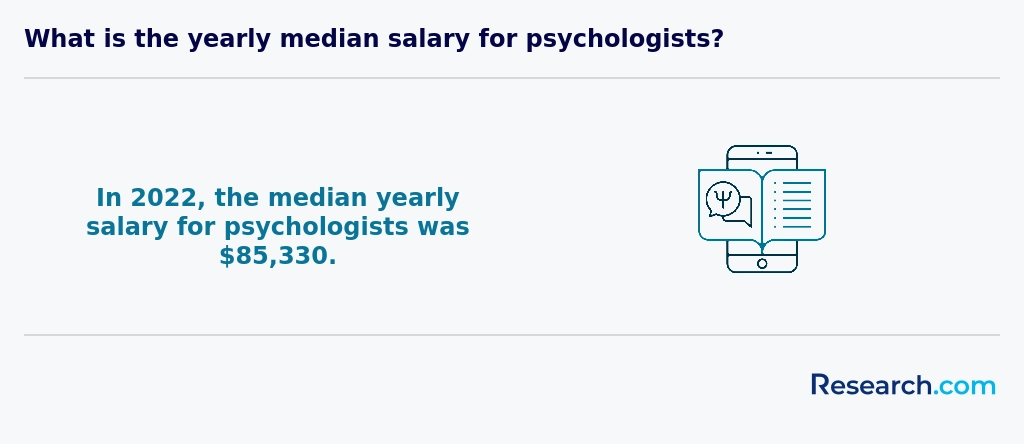
Psychology degree graduates in Detroit find dynamic career paths aligned with the city's unique social and economic landscape. Many embark on roles as clinical or counseling psychologists, driven by the city's heightened need for mental health professionals. Graduates from Wayne State University often share how hands-on community projects prepare them for these positions, fostering deep personal fulfillment.
Jobs with psychology degree Detroit also extend into industrial-organizational psychology, where knowledge of workforce behavior supports Detroit's evolving manufacturing sectors. Graduates working in these roles report excitement about contributing to employee well-being and operational efficiency at major automotive companies.
School psychologists and social workers serve critical roles in Detroit's educational and social services systems, providing a rewarding connection to local families and youth. Research assistants engaged with Detroit's hospitals and universities experience the thrill of pioneering behavioral health studies, opening doors to advanced research careers.
Those weighing study options can explore cost-effective choices through the Affordable Psychology Degree Programs Ranking in North Dakota, helping them plan their education wisely while targeting vibrant psychology career opportunities in Detroit.
The job market for psychology degree graduates in Detroit presents steady growth, fueled by expanding mental health services and social support programs. Graduates from local universities often share how their studies prepare them well for roles in healthcare facilities and school settings, where demand for licensed professionals continues to rise. Those pursuing a psychology degree job outlook Detroit appreciate that entry-level roles, like case managers, offer real-world experience while many aim to secure advanced degrees for clinical or research-oriented careers.
Detroit's public universities remain popular for balancing quality education with affordability, giving students confidence about costs and career prospects. Graduates frequently highlight the rewarding nature of their work in mental health career opportunities Detroit, where professionals are integral to community wellbeing. Many students also consider further education through best accelerated online bachelor degree programs for working adults, blending convenience with career advancement.
2027 Most Affordable Psychology Degree Programs Ranking in Detroit
Investing in your education is a significant decision that can shape your future, and the Research.com team understands the importance of making informed choices. To assist prospective students in Detroit, we have meticulously crafted the "2027 Most Affordable Psychology Degree Programs Ranking in Detroit." Our commitment to quality, credibility, and accuracy is reflected in the extensive research and analysis conducted to compile this ranking.
We utilized the following reputable data sources to ensure a comprehensive evaluation of psychology degree programs:
By exploring this ranking, readers will gain valuable insights into the most affordable psychology degree options available in Detroit, empowering them to make well-informed decisions about their educational investment. For more details on our methodology, please visit our Research.com methodology page.


Frequently Asked Questions About psychology
Psychology degree students in Detroit can maximize their learning experience by engaging actively with the city's educational and professional resources. Local universities such as Wayne State University offer access to research labs and community-based internship opportunities that enrich practical knowledge. Connecting with Detroit-area mental health clinics provides hands-on experience grounding theoretical concepts.
Students are encouraged to participate in psychology organizations and attend regional conferences for networking and exposure to current research trends. According to the American Psychological Association, practical experience alongside coursework boosts employability by 25% nationally.
Utilizing Detroit's diverse population for fieldwork helps develop cultural competence, an essential skill in psychology practice today.
The field of psychology is rapidly evolving, with new niches emerging that reflect changing societal needs. In Detroit, areas such as health psychology, forensic psychology, and neuropsychology are gaining traction. Health psychology focuses on how mental health affects physical health, a field growing due to increasing awareness of holistic care. Forensic psychology involves applying psychological principles to legal cases, which is relevant given Detroit's efforts to improve community safety. Neuropsychology, studying brain-behavior relationships, benefits from Detroit's expanding medical research facilities. According to the American Psychological Association, these specialties are projected to grow by 15% nationally through 2030, signaling strong opportunities for Detroit students.
Preparing for the job market after completing a psychology degree in Detroit involves several strategic steps. Networking with local professionals through Detroit-based organizations like the Michigan Psychological Association can provide valuable connections. Internships and practicum experiences during your degree are crucial; schools such as Wayne State University often facilitate placements in nearby hospitals and clinics.
Understanding the licensure requirements in Michigan is essential. To become a licensed psychologist, graduates must complete supervised postdoctoral hours and pass the Examination for Professional Practice in Psychology (EPPP). According to the U.S. Bureau of Labor Statistics, Detroit's demand for psychologists is expected to grow by 7% through 2030, slightly below the national average but steady.
Additionally, acquiring specialized skills in areas like clinical or industrial-organizational psychology can improve employability in Detroit's diverse job market. Continuing education and professional certification further enhance qualifications after graduation.
Employers in Detroit seeking psychology degree graduates prioritize several key skills. Critical thinking and analytical abilities are essential, enabling graduates to assess research data and apply theoretical knowledge effectively. Communication skills, both verbal and written, are highly valued for collaborating with clients and healthcare teams.
Moreover, cultural competence is increasingly important in Detroit's diverse population, helping professionals work sensitively with varied backgrounds. Understanding ethical standards and confidentiality rules remains a must, especially for clinical or counseling roles. According to the Bureau of Labor Statistics, Detroit's demand for psychology professionals emphasizes these competencies alongside technical skills like proficiency in statistical software.
Finding internships in Detroit relevant to a psychology degree involves leveraging local university resources and community organizations. Major institutions like Wayne State University offer dedicated internship programs connected with local hospitals, clinics, and social service agencies. These partnerships are vital, as Detroit has a strong network of mental health facilities supporting psychology students.
Detroit's Department of Health and Human Services and nonprofit organizations frequently post internship opportunities for psychology students aiming to gain practical experience. According to the U.S. Bureau of Labor Statistics, internships improve employment chances by nearly 20%, emphasizing their importance.
Networking at psychology conferences and university career fairs can also connect students to internships. Additionally, students should explore online platforms linked exclusively to Detroit-area psychology openings to find relevant internships suited to their academic focus.
A psychology degree in Detroit can significantly enhance career mobility and advancement opportunities, especially in growing sectors such as healthcare, social services, and education. According to the U.S. Bureau of Labor Statistics, Detroit's metropolitan area employment for psychologists is expected to grow by about 12% through 2030, which is faster than the national average.
Graduates with psychology degrees often find diverse roles ranging from counseling to human resources and organizational development. Holding an advanced degree, such as a master's or doctorate, tends to open doors for leadership roles and higher salaries in the region's expanding mental health services. Additionally, Detroit's local institutions, including Wayne State University, contribute to professional networking and continuing education.
Certifications and licenses, often required in Detroit's clinical settings, boost advancement potential. Moreover, psychology degrees equip graduates with critical skills like data analysis and interpersonal communication, valued across many industries, supporting career shifts both within and outside traditional psychology fields.
Studying for a psychology degree in Detroit offers strong preparation for interdisciplinary roles through its emphasis on integrating knowledge from fields like social work, education, and healthcare. Many Detroit universities encourage collaboration with local hospitals and community organizations, providing students with hands-on experience. According to the Michigan Department of Education, psychology programs often include courses in neuroscience, counseling, and public health, which build diverse skill sets.
Detroit's urban environment also exposes students to varied populations and social challenges, fostering cultural competence essential in interdisciplinary work. Graduates find opportunities in mental health, education, and criminal justice sectors, leveraging their broad training to address complex problems.
When choosing between a thesis and a non-thesis psychology degree program in Detroit, consider your career goals. Thesis programs typically emphasize research, preparing students for doctoral studies or research roles. Non-thesis options focus more on practical skills and coursework, fitting those aiming for applied psychology careers or immediate employment.
Detroit universities like Wayne State University offer both paths, reflecting nationwide trends where about 40% of psychology master's students choose thesis tracks for deeper research experience, according to the American Psychological Association. Cost, time commitment, and faculty mentorship also influence the decision.
Evaluate each Detroit program's curriculum and resources to align with your aspirations.
Students in Detroit interested in studying psychology abroad have several pathways to consider. Many universities in Detroit, such as Wayne State University, offer study-abroad programs connected to psychology departments, allowing students to take courses or complete internships internationally.
Options often include partnerships with European and Canadian universities, providing exposure to diverse psychological theories and practices. The U.S. Department of Education notes that approximately 10% of psychology undergraduates nationwide participate in study abroad programs, a figure likely reflected among Detroit students as well.
Financial aid like federal Pell Grants can sometimes be applied to approved study abroad, which helps reduce the cost for Detroit-based learners. Additionally, some programs emphasize cross-cultural psychology to enhance global understanding, a crucial skill in the increasingly interconnected mental health field.
Detroit offers several part-time job opportunities that can enhance the education of psychology degree students. Common roles include research assistant positions at local universities like Wayne State University, where students can gain practical experience in psychological studies and data analysis.
Additionally, community mental health centers in Detroit occasionally seek part-time behavioral health aides or peer support specialists. These roles provide exposure to clinical settings and patient interaction, essential for applied psychology skills.
Other viable options include working as a tutor for psychology courses or assisting in nonprofit organizations focusing on mental health awareness. According to the Bureau of Labor Statistics, psychology-related employment growth in Michigan is steady, supporting these opportunities.
Psychology students in Detroit benefit from diverse networking opportunities that support academic and professional growth. Local universities like Wayne State University and University of Detroit Mercy offer access to psychology clubs, faculty-led research projects, and guest lectures. These activities foster connections among peers and professionals.
Additionally, Detroit is home to several psychology and mental health organizations, such as the Michigan Psychological Association, which frequently hosts workshops and conferences. These events provide students with chances to meet licensed psychologists and potential employers.
Internships at Detroit-area hospitals and community centers also serve as valuable networking platforms, helping students build practical experience and professional contacts. According to the Bureau of Labor Statistics, Michigan's health services industry is growing, enhancing such opportunities locally.
Alumni networks offer significant benefits to psychology degree students in Detroit by providing valuable professional connections within the local mental health community. Graduates often gain access to internships, job opportunities, and mentorship through these networks, which can be crucial in a competitive job market. According to the National Association of Colleges and Employers, students with robust alumni ties report 25% higher chances of employment within six months of graduation.
Detroit's psychology alumni often work in diverse settings such as hospitals, schools, and community centers, enhancing students' exposure to various career paths. These networks also facilitate collaboration on research projects and continuing education opportunities, helping students stay current in their field.
In Detroit, customizing a psychology degree program to align with your career goals often involves selecting specific concentrations or electives. Many institutions offer tracks such as clinical, counseling, industrial-organizational, or developmental psychology. Tailoring courses to your interests can enhance your expertise and job prospects.
Internships and practicum placements within Detroit's diverse healthcare and social service sectors provide valuable hands-on experience. According to the Michigan Department of Education, programs accredited by the American Psychological Association (APA) emphasize applied training that helps prepare students for licensure and specialized careers.
Additionally, Detroit schools increasingly support research opportunities focusing on urban and community psychology, addressing local social challenges. This practical approach aids in developing relevant skills for careers in mental health, education, or human resources in the Detroit area.
Psychology students in Detroit face several common challenges as they work toward their degrees. One major hurdle is balancing academic demands with financial pressures. According to the National Center for Education Statistics, Detroit students often have higher rates of part-time enrollment and financial aid reliance compared to national averages. This can complicate maintaining steady progress in coursework and clinical training.
Additionally, many students grapple with limited internship and practicum placements in the city, which are crucial for gaining hands-on experience in psychology. The competition for these opportunities can be intense, especially in a medical and counseling services environment where demand exceeds supply.
Another challenge relates to navigating complex licensing requirements in Michigan, which require students to complete specific supervised hours and examinations post-graduation. Staying informed and meeting these criteria is essential but adds to student stress.
With a psychology degree, graduates in Detroit can pursue various professional certifications to enhance their careers. Common certifications include Licensed Professional Counselor (LPC), Licensed Social Worker (LSW), and Certified Alcohol and Drug Counselor (CADC). Each requires specific education hours, supervised experience, and passing state exams.
Detroit and Michigan's licensing boards outline these requirements, aligning with national standards. According to the Michigan Board of Psychology, becoming a Licensed Psychologist typically requires a doctorate and passing the Examination for Professional Practice in Psychology (EPPP).
Other certifications like Certified Case Manager (CCM) or Board Certified Behavior Analyst (BCBA) are also options depending on specialization.
When applying to psychology programs in Detroit, it is essential to highlight your academic achievements and relevant experience. Most universities require a strong GPA, ideally above 3.0, along with letters of recommendation that speak to your research or clinical potential. Including volunteer work or internships in local mental health facilities can strengthen your application.
Detroit offers unique opportunities due to its diverse population and mental health initiatives. Demonstrating awareness of local community issues and how your goals align with addressing them can make your application stand out. According to the Detroit Psychological Association, practical experience and clear career objectives are highly valued.
Finally, carefully tailor your personal statement to reflect your passion for psychology and commitment to contributing to Detroit's mental health community. Proofreading your application materials and meeting all deadlines set by institutions like Wayne State University or Marygrove College is vital to success.
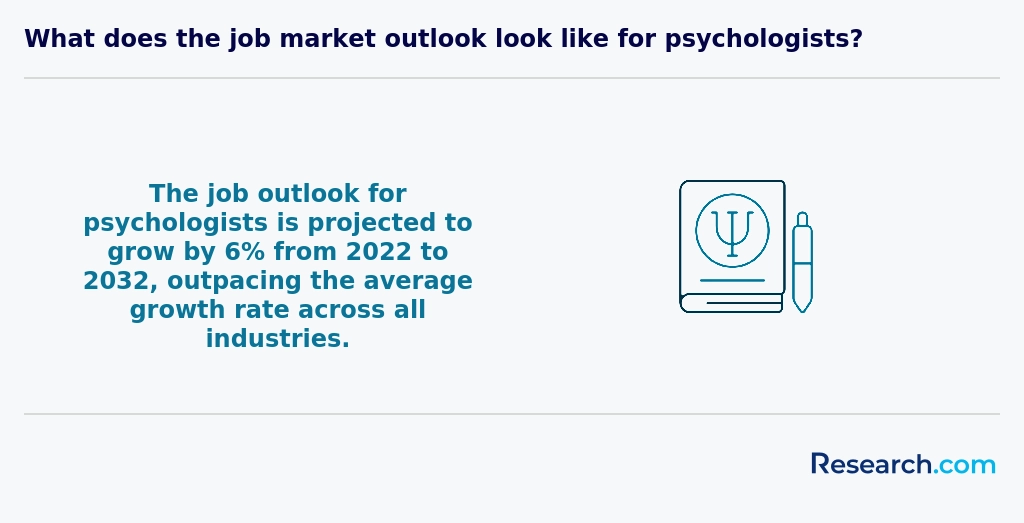
The field of psychology offers diverse opportunities worldwide, but in the United States, careers often emphasize clinical practice, research, and counseling. For students in Detroit, a psychology degree opens doors to work in healthcare facilities, schools, and community organizations, reflecting national employment trends. According to the U.S. Bureau of Labor Statistics, clinical and counseling psychologists are projected to grow 6% from 2021 to 2031, supporting steady demand.
Globally, psychology careers can vary due to different healthcare systems and cultural approaches, but U.S. training remains highly respected. Detroit's universities align with these standards, offering programs accredited by APA, which ensures quality education recognized internationally. This accreditation is vital for licensing and practice not only in the U.S. but also abroad.
Moreover, Detroit's rich diversity provides a unique environment for studying multicultural psychology, which is increasingly important worldwide. Students graduating here can contribute to global psychological research and practice, especially in areas like urban mental health and substance abuse.
Gaining practical experience while studying psychology in Detroit is essential for career development. Many local universities, such as Wayne State University, offer internship placements through partnerships with Detroit-area mental health clinics and hospitals. These internships provide hands-on experience in clinical, counseling, and research settings.
Students can also participate in on-campus research projects, often supported by faculty members funded through grants like those from the National Institute of Mental Health. Detroit hosts numerous community organizations where psychology students can volunteer, fostering applied skills in real-world contexts.
Licensing requirements for psychologists emphasize supervised clinical hours, which can typically be fulfilled through these internships and practicum positions during degree programs.
Choosing the right concentration within a psychology degree program in Detroit involves considering your career goals and local industry demands. Detroit has a growing need for clinical and counseling psychologists, driven by statewide mental health initiatives. According to the Michigan Department of Health and Human Services, mental health services are expanding in the area, increasing demand for professionals trained in clinical psychology and substance abuse counseling.
Researching concentrations like developmental, industrial-organizational, or forensic psychology can help decide what best fits your interests. Many Detroit universities offer tailored tracks, so review each program's curriculum carefully. Also, consider available internships or practicum placements in Detroit's healthcare and social service sectors for practical experience relevant to your chosen concentration.
- 2027 Most Affordable Psychology Degree Programs Ranking in Fort Wayne
- 2027 Most Affordable Psychology Degree Programs Ranking in Notre Dame
- 2027 Most Affordable Psychology Degree Programs Ranking in Buffalo
- 2027 Most Affordable Psychology Degree Programs Ranking in Chicago
- 2027 Most Affordable Psychology Degree Programs Ranking in Indianapolis
- 2027 Most Affordable Psychology Degree Programs Ranking in Rochester
- 2027 Most Affordable Psychology Degree Programs Ranking in Louisville
- 2027 Most Affordable Psychology Degree Programs Ranking in Washington
- 2027 Most Affordable Psychology Degree Programs Ranking in Baltimore
- 2027 Most Affordable Psychology Degree Programs Ranking in Saint Louis
See What Experts Have To Say About Studying Psychology
Read our interview with Psychology experts

Catherine Caldwell-Harris, Ph.D.
Psychology Expert
Associate Professor of Psychology
Boston University

Robin M. Kowalski. Ph.D.
Psychology Expert
Professor of Psychology
Clemson University

Elizabeth L. Jeglic Ph.D.
Psychology Expert
Professor of Psychology
City University of New York

- Know more about thesis vs non- thesis: what is the difference? https://studyfans.com/en/blogs/816
- Financial Aid - The Michigan School of Psychology (MSP) https://msp.edu/student-services/financial-aid/
- Ontario Psychological Association - Networking and Community Resources https://www.psych.on.ca/become-a-member-(1)/member-services/networking-and-community-resources
- How To Find Psychology Internships https://www.psychology.org/resources/how-to-find-an-internship/
- Psychology - SWPS University https://english.swps.pl/academics/warsaw/ba-programs/psychology
- M State to offer business, psychology programs with zero textbook costs for students https://www.dl-online.com/news/local/m-state-to-offer-business-psychology-programs-with-zero-textbook-costs-for-students
- Study Psychology Abroad https://astarfuture.co.uk/study_psychology_abroad.html
- Psychology Schools in Michigan | Psychology Degree Guide https://psychologydegreeguide.org/state/michigan/
- Want to become a psychologist? New scholarship at UDM could be great resource https://www.clickondetroit.com/sponsored/2022/11/28/want-to-become-a-psychologist-new-scholarship-at-udm-could-be-great-resource/
- 5 Best Places to Study Abroad for Psychology https://www.ciee.org/go-abroad/college-study-abroad/blog/5-best-places-study-abroad-psychology


