
2027 Most Affordable Psychology Degree Programs Ranking in Michigan

Co-Founder and Chief Data Scientist
Choosing the right psychology degree program in Michigan can feel overwhelming. To make this easier, the Research.com team of data scientists has created the 2027 Most Affordable Psychology Degree Programs Ranking in Michigan. This ranking is designed specifically to help you find programs that are both quality-driven and budget-friendly.
Reading this article will guide you through your options, empowering you to make a confident decision. Pursuing a psychology degree opens doors to meaningful careers, personal growth, and the chance to make a positive impact in your community.
Key benefits of getting psychology degree in Michigan
- Salary for psychology degree graduates: Graduates in Michigan can expect rewarding salaries, such as a Marketing Research Analyst earning around $83,190 annually and a Human Resources Specialist making about $76,060 per year.
- Career paths: Psychology degree holders often find opportunities in diverse fields like clinical research or childcare, with roles like Clinical Research Associate and Childcare Worker offering meaningful and stable careers.
- Benefits of online psychology degrees: Earning an online psychology degree from a Michigan university offers flexible schedules and access to quality education, making it easier for students to balance studies with personal commitments.
- 2027 Most Affordable Psychology Degree Programs Ranking in Michigan
- What can I expect from psychology degree in Michigan?
- Where can I work with psychology degree in Michigan?
What can I expect from psychology degree in Michigan?
The average cost of pursuing a psychology degree in Michigan varies, yet many students find it manageable through a combination of financial aid and program selection. Graduates from public universities such as the University of Michigan or Michigan State University often share that tuition for in-state students ranges between $15,000 and $20,000 per year, while private colleges may charge more. Community colleges offering associate degrees provide a budget-friendlier route, sometimes costing under $5,000 annually, which helps many students start their educational journey without overwhelming debt.
Students often recall the value of state-supported financial aid and scholarships that ease the financial burden, making the experience not just affordable but rewarding. Those who attend four-year institutions appreciate how the investment reflects in the rich research opportunities and hands-on internships available, especially in vibrant psychology departments focused on mental health and social behavior. Their positive emotions about learning balance tightly with practical awareness of budgeting for textbooks, fees, and daily living expenses, painting a realistic picture of the costs involved in Michigan's psychology programs.
Where can I work with psychology degree in Michigan?
With a psychology degree in Michigan, you step into a landscape rich with opportunities that feel both meaningful and varied. Graduates from institutions like the University of Michigan and Michigan State University often find themselves drawn to healthcare roles such as mental health counseling or behavioral health specialist positions. Imagine working in community health centers where your skills directly ease someone's struggle-that tangible impact brings a deep sense of fulfillment.
Many alumni also recall how their degree opened doors in educational settings, from K-12 schools to colleges, where serving as school counselors or academic advisors means supporting students through challenging moments. This real-world application makes their study feel immediately relevant and rewarding.
Others embrace corporate roles in the Detroit metropolitan area, applying their understanding of human behavior to improve workplace dynamics or consumer research. Such positions allow graduates to see psychology in action within bustling industries, adding excitement and a future-focused perspective.
Government agencies and nonprofits too seek psychology graduates to develop mental health programs and policies, connecting their education to community betterment. These pathways show just how adaptable and impactful a psychology degree from Michigan truly is.
Graduates holding a psychology degree from Michigan institutions like the University of Michigan or Michigan State University often find their earning potential aligned with local job markets. Entry-level roles such as childcare workers tend to start around a mean annual wage of $32,070, reflecting the early career phase in social and support services. Those who move into analytical positions like survey researchers or clinical research associates can expect earnings near $62,370 annually, offering a significant step up as they apply research skills in healthcare or social sciences.
Furthermore, psychology graduates branching into business-related fields, for example as human resources specialists, earn an average of $76,060 per year. This path is attractive for those who enjoy blending psychology with organizational development and employee wellbeing. Marketing research analyst roles, which often appeal to psychology graduates interested in consumer behavior, bring in higher salaries averaging $83,190 annually.
Many Michigan graduates recall the satisfaction of combining their understanding of human behavior with practical roles that make tangible impacts. Careers in these fields demonstrate the value of a psychology degree beyond traditional therapy, with rewarding salaries and opportunities to grow within vibrant Midwest communities.
- In Michigan, in-state tuition for a bachelor's degree in psychology at public universities ranges from $12,000 to $15,000 per year.
- Private colleges in Michigan typically charge between $30,000 and $45,000 annually for psychology undergraduate programs.
- Graduate psychology degrees cost between $20,000 and $40,000 per year, depending on the program and school.
- Entry-level psychology graduates with a bachelor's degree earn about $35,000 to $45,000 annually, while licensed clinical psychologists can earn $80,000 to $95,000 or more.
- Employment for psychologists in Michigan is projected to grow 5% to 10% in the next decade, driven by demand for mental health services.
- Licensing as a psychologist in Michigan requires a doctoral degree, passing the EPPP exam, and completing supervised professional experience.
Completing a psychology degree in Michigan typically aligns with national standards but is tailored by the unique demands of local programs. Undergraduates at institutions like the University of Michigan or Michigan State University often reflect on a four-year journey, balancing 120 to 130 credit hours that blend general education with fascinating core psychology topics. Many feel a deep sense of accomplishment as they complete this foundational phase, equipped to explore more specialized paths.
Graduate students pursuing a master's degree at places such as Western Michigan University often describe their experience as an intense two-year commitment, where research or applied focus sharpens their skills. This period can be both challenging and rewarding, fostering personal growth and professional confidence.
Doctoral candidates, for example, at Wayne State University, engage in a demanding 5 to 7-year process filled with rigorous coursework, practicum hours, and comprehensive exams. Despite the length, graduates often speak with pride about the profound expertise and clinical readiness gained through this extended commitment.
Understanding these timelines helps set realistic expectations, empowering students to embrace their individual educational journey in Michigan's vibrant psychology community.
For many students, earning an undergraduate psychology degree is just the beginning of a lifelong commitment to both personal and professional development. As you consider advancing your career, exploring graduate options can open doors to leadership roles, specialized research opportunities, and higher earning potential. Many professionals find that pursuing an advanced degree not only deepens their understanding of complex psychological theories but also equips them with the latest research methodologies and practical skills that are essential in today’s dynamic job market. Exploring master’s programs can often be a strategic next step, especially if you’re seeking flexibility and cutting-edge curriculum designed to meet the evolving needs of the mental health and corporate sectors. For example, if you are considering flexible learning options, you might want to research the best online master's in psychology programs available. These programs are tailored to help you balance professional responsibilities with your academic ambitions while still providing the rigorous training and networking opportunities crucial for success. By investing in advanced education, you position yourself to not only enjoy greater professional credibility but also to contribute to the evolution of psychological practices. Whether your goal is to lead clinical teams, design innovative research studies, or shape policies that improve mental health services, further education is a pivotal stepping stone that transforms potential into achievement.
Choosing between online and on-campus psychology degrees in Michigan involves weighing distinct experiences. Graduates from the University of Michigan often recall the energizing atmosphere of in-person lectures and lively campus discussions that deepened their understanding of psychological theories. They valued face-to-face mentoring and access to on-site research labs, which enriched their practical skills.
Conversely, those who pursued psychology at Michigan State University's online program appreciated the flexibility to balance studies with work or family life. They described the convenience of asynchronous classes allowing them to learn at their own pace, an invaluable feature for many working adults. Though virtual internships required creative local arrangements, students still maintained rigorous academic standards.
Cost and campus resources also shaped their journeys. While on-campus students engaged directly with counseling centers and peer groups, online learners tapped into digital libraries and online forums, offering a different but meaningful sense of community. This balance between flexibility and engagement defines the core difference in Michigan's psychology education paths.
Accreditation is the cornerstone of any reputable psychology program in Michigan. Prospective students should prioritize institutions recognized by the American Psychological Association (APA), as graduation from APA-accredited programs is often required for state licensure. The Michigan Board of Psychology mandates:
- Completion of a doctoral or master’s degree from an APA-accredited program
- A minimum of 3,000 supervised professional experience hours (including pre-doctoral and post-doctoral internships)
- Passing scores on the Examination for Professional Practice in Psychology (EPPP) Choosing an APA-accredited curriculum not only ensures adherence to rigorous clinical and research standards but also streamlines your path to licensure. For those comparing regional options, consider exploring our Affordable Psychology Degree Programs Ranking in Pennsylvania to understand accreditation benchmarks across states. After meeting educational and examination requirements, candidates must apply to the Michigan Department of Licensing and Regulatory Affairs (LARA) and fulfill any additional jurisprudence or ethics exams. Staying informed about continuing education stipulations-typically 40 hours every two years-will maintain your active license and uphold best practices in patient care.
The average cost of a psychology degree in Michigan typically hovers around $45,520 for out-of-state students and approximately $16,458 for those attending as in-state residents. These figures capture total tuition and fees for psychology degree Michigan programs at both public and private institutions, reflecting the financial landscape that many students encounter.
Graduates from well-known public universities in Michigan often recall balancing a manageable in-state tuition with the enriching experiences they had. Attending a university as a resident not only eased their financial burden but also allowed them to engage deeply in clinical practicums and research projects without overwhelming debt. Meanwhile, out-of-state students shared stories of facing steeper financial challenges but often overcame them through scholarships, grants, or assistantships that many private and public schools offer.
For those exploring options, especially from different parts of the country, understanding these costs is crucial. Some prospective students have found relief by exploring the cheapest online psychology programs in Michigan, providing flexibility and cost savings while pursuing their degrees. Such pathways reveal how the average cost of psychology degree in Michigan can be managed thoughtfully, with careful planning and resourcefulness enriching the educational journey.
Understanding the ROI of a psychology degree in Michigan is crucial for students seeking both academic fulfillment and financial stability. On average, Michigan graduates incur $23,158 in tuition costs for in-state public programs and $33,467 for out-of-state students. When paired with the mean starting salary of $49,340 for psychology majors, students can anticipate recouping their investment in approximately six to eight years, depending on living expenses and loan interest rates. Beyond tuition, consider program length and additional fees: a four-year bachelor’s program typically adds room, board, and materials costs of $12,000 to $15,000 per year. Factoring in federal loan interest rates around 4.2%, the total repayment amount can reach $120,000 over a standard 10-year plan. Graduates in high-demand roles-such as Human Resources Specialists earning $73,080 annually-can shorten this repayment window to five years, illustrating the value of strategic career planning post-graduation. Internships and practicum experiences, often included in Michigan programs, not only enhance employability but also provide networking opportunities that can lead to higher-paying positions upon graduation. Students should leverage these hands-on placements and explore competitive assistantships to offset costs and build their professional portfolio. For those comparing affordability across states, be sure to explore our Affordable Psychology Degree Programs Ranking in Pennsylvania to see how Michigan’s ROI stacks up against neighboring options.
Securing financial aid as a psychology student in Michigan means tapping into a diverse array of resources tailored to ease the burden of tuition and fees. Many graduates from the University of Michigan recall how completing the FAFSA opened doors to federal aid like the Pell Grant, which can contribute up to $7,395 annually for those with demonstrated need. This form of support, combined with low-interest federal student loans, created a manageable path through their undergraduate journey.
State-specific awards matter, too. Michigan residents studying at Michigan State University often benefit from the Michigan Tuition Grant, which offsets tuition by covering up to $300 per credit hour. This direct assistance makes a tangible difference for in-state students balancing their budgets.
Beyond government aid, departmental scholarships at these institutions have inspired psychology students who engage deeply with research or community projects. Private scholarships from organizations such as the American Psychological Association also reward leadership and academic excellence, offering both validation and practical help.
It's common for students to combine these resources with internships or assistantships that provide financial compensation, enriching their education experientially and financially. These layered supports transform what might feel like a daunting financial challenge into a hopeful journey.
For those interested in pursuing a psychology degree with flexibility, exploring cheapest online psychology programs in Michigan can be a great starting point. This option is particularly appealing for working students or those with familial commitments, as it allows them to balance their responsibilities while advancing their education. Many institutions in Michigan, such as the University of Michigan and Michigan State University, offer online psychology programs that cater to diverse needs and interests. These programs often include a range of specializations, from clinical psychology to industrial-organizational psychology, ensuring that students can align their studies with their career aspirations. By considering online programs, prospective students can make informed decisions about their educational path, ensuring that it is both fulfilling and financially viable.
Enrolling in a psychology degree program in Michigan often starts with meeting clear academic foundations. Graduates from popular institutions like the University of Michigan or Michigan State recall how crucial it was to have a high school diploma accompanied by a solid GPA, generally around 2.5 to 3.0. This baseline reflects the universities' desire to admit students prepared to handle rigorous coursework and complex theories.
Many found that having completed science and math classes, such as biology and statistics, made the transition to psychology studies smoother. These subjects aren't just arbitrary requirements-they build the analytical skills needed to understand research methods and psychological principles. For instance, a student at Central Michigan University shared that early exposure to statistics gave them confidence during their first research project.
While some schools may ask for SAT or ACT scores, others embrace a test-optional approach, which aligns with evolving admissions trends in Michigan. Graduate programs demand even more: a relevant bachelor's degree with a strong GPA, letters of recommendation, and sometimes research experience. This combination ensures students are ready to contribute meaningfully both academically and professionally while fostering genuine excitement about the field.
Accreditation and proper licensure are essential for psychology graduates aiming to practice in Michigan. To ensure educational quality and professional credibility: • Program Accreditation: Seek undergraduate and graduate programs accredited by regional bodies such as the Higher Learning Commission, and for clinical doctorates, the American Psychological Association (APA). An APA-accredited PsyD or PhD program meets rigorous standards for coursework, supervised practicum, and research training, laying the foundation for licensure and employment. For those exploring doctoral options, consider reputable psy d online pathways that combine flexibility with APA standards. • Supervised Experience: Michigan requires at least 3,000 hours of supervised professional experience. Typically, this includes: – 1,500 pre‐doctoral internship hours accredited by APA or APPIC, and – 1,500 post‐doctoral hours under a licensed psychologist’s supervision. • Examinations: Candidates must pass two exams administered by the Michigan Board of Psychology: 1. The Examination for Professional Practice in Psychology (EPPP), covering foundational and applied knowledge. 2. The Michigan Psychology Law Examination (MPLE), focusing on state statutes and ethical regulations. • Application Process: After meeting education, supervision, and examination requirements, submit a licensure application through Michigan’s Department of Licensing and Regulatory Affairs (LARA), including: – Official transcripts verifying degree completion, – Verification of supervised hours, and – Character references or affidavits as required by LARA. • Continuing Education: Once licensed, psychologists must complete 40 hours of continuing education every two years, including ethics training, to maintain active status. By prioritizing accredited programs and understanding Michigan’s licensure pathway, aspiring psychologists can confidently navigate the transition from student to practicing professional, ensuring their credentials are recognized and respected across clinical, research, and organizational settings.
Psychology degree programs in Michigan commonly begin with foundational courses like Introduction to Psychology, where students explore the basics of human behavior and mental processes. Many who have studied at renowned institutions such as the University of Michigan describe these classes as eye-opening, putting everyday human interactions into clearer perspective.
Core courses also include Research Methods in Psychology and Statistics for Psychology, equipping students with crucial skills to design experiments and analyze data. Graduates often share how mastering these subjects early on boosted their confidence during hands-on research projects or internships.
Beyond the basics, students dive into specialized areas like Developmental Psychology, Abnormal Psychology, Cognitive Psychology, and Social Psychology. Those attending Michigan State University appreciate how these courses connect theory to real-life issues, such as understanding childhood development or navigating mental health challenges within communities.
Electives and practicum opportunities further personalize the journey. Whether focusing on clinical psychology or behavioral neuroscience, many graduates recall the fulfillment gained by applying their knowledge in practical settings, strengthening both their expertise and passion for the field.
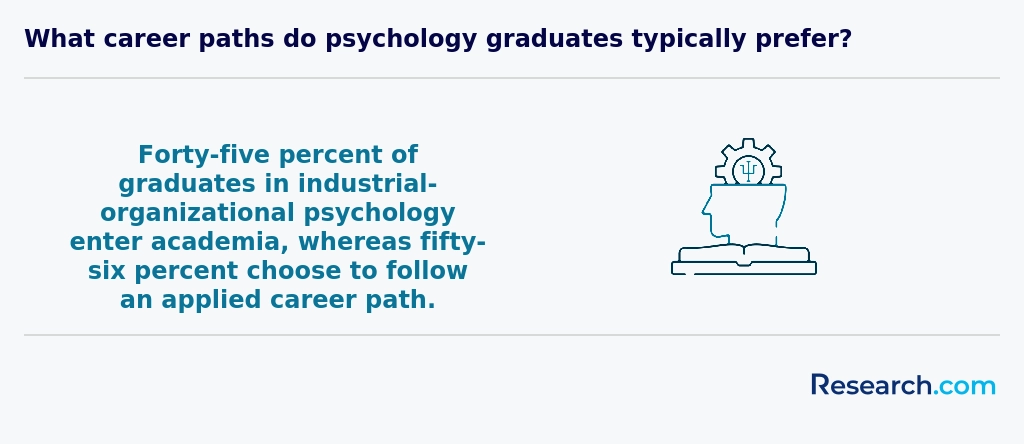
Psychology degree specializations in Michigan reflect the diverse interests and career paths students pursue. Graduates from institutions like the University of Michigan, Michigan State University, and Wayne State University often describe how clinical psychology and counseling psychology gave them strong foundations in mental health practice, preparing them for real-world challenges of diagnosis and therapy. Industrial-organizational psychology appeals to those aiming to improve workplace dynamics, while developmental psychology offers insights for those drawn to education or healthcare roles. These programs at Michigan colleges provide experiential learning that feels deeply relevant to today's community needs.
Many graduates appreciate how Michigan psychology program concentration options include emerging fields such as neuropsychology and health psychology, which explore brain-behavior links and the psychological impacts on physical health. For students captivated by the legal system, forensic psychology programs open doors to understanding criminal behavior in practical contexts, often based on hands-on, case-focused study. Those seeking flexible learning paths might explore the best online master's in psychology programs available in the state.
Choosing the best psychology degree in Michigan starts with understanding your career goals and the degree level needed to achieve them. Graduates from the University of Michigan often share how beginning with a bachelor's degree helped them explore roles in human resources and social services before deciding to pursue advanced study. Those targeting clinical practice usually find that enrolling in an accredited master's or doctoral program, such as those at Michigan State University, is essential for licensure and professional growth.
Another important consideration is program accreditation and quality. While bachelor's programs may not be APA-accredited, many Michigan schools have strong faculty and research opportunities that shape student experiences positively. Personal stories from students show that programs connected to hospitals and clinics in Michigan offer opportunities that enriched their education beyond textbooks.
For those looking for flexibility, exploring affordable psychology degree programs Michigan offers can be rewarding, including online routes. For example, some have benefited from choosing a psy d online option, balancing work and study effectively.
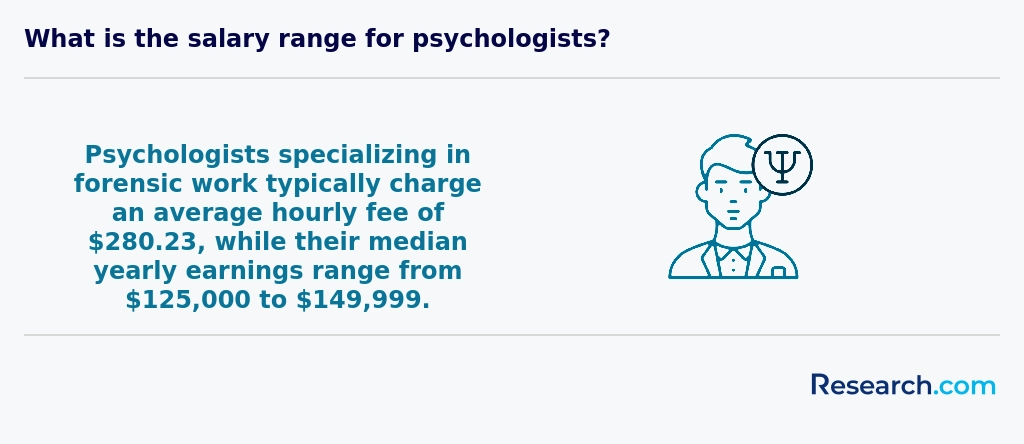
Graduates from Michigan universities like the University of Michigan and Michigan State often find psychology opens doors to diverse career paths. Many pursue clinical psychology, where they work as licensed therapists or counselors in hospitals and community centers, gaining fulfillment from helping others navigate mental health challenges. Others venture into research roles, contributing to innovative studies at Michigan's leading institutions, shaping how behavioral health policies evolve. Those interested in education frequently become school psychologists, supporting students' emotional growth and learning-vital work recognized as increasingly necessary by the Michigan Department of Education. Exploring psychology career opportunities in Michigan also leads some graduates toward human resources, leveraging their understanding of behavior to enhance workplace dynamics, or into forensic psychology, aiding the criminal justice system. The wide-ranging nature of jobs with a psychology degree in Michigan ensures each graduate finds a role that resonates with their passion and strengths. For students considering affordability, resources like the Affordable Psychology Degree Programs Ranking in Pennsylvania can provide insight into managing educational investment thoughtfully.
The job market for psychology degree holders in Michigan reflects a steady growth fueled by increasing awareness of mental health needs across the state. Graduates from well-regarded programs at universities like the University of Michigan and Michigan State often find rewarding entry-level roles in community agencies, schools, or healthcare settings, illustrating favorable employment opportunities for psychology graduates Michigan. Many report personal satisfaction in impacting local lives, whether as school psychologists or social workers.
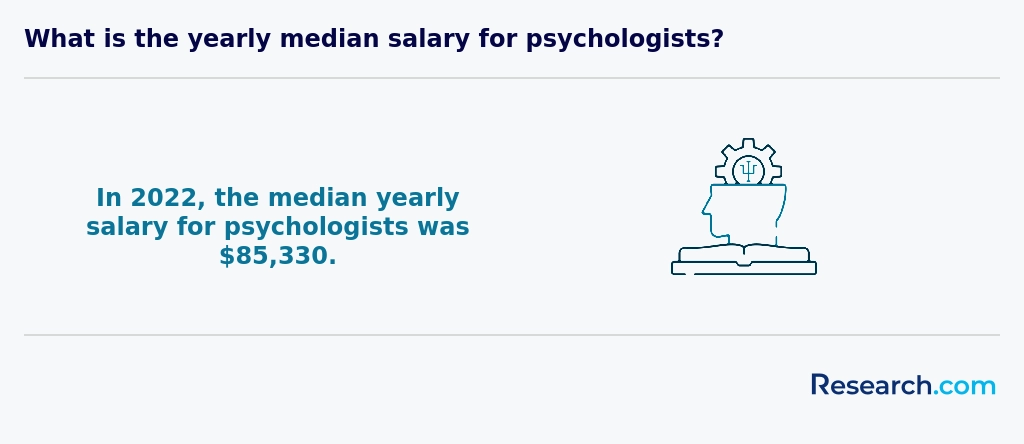
Those pursuing advanced degrees experience broader career options, including independent clinical practice and research roles. Licensure is crucial in Michigan, requiring accredited training and supervised hours, which graduates know well from their rigorous programs. The median wage near $87,000 combined with expanding demand offers reassurance for those investing in their future. For some, balancing cost and career drive leads to exploring fast online undergraduate degrees for working adults, allowing continued professional growth while managing life's responsibilities.
2027 Most Affordable Psychology Degree Programs Ranking in Michigan
Investing in your education is a significant decision that can shape your future, and the Research.com team understands the importance of making informed choices. To assist prospective students in Michigan, we have meticulously crafted the "2027 Most Affordable Psychology Degree Programs Ranking in Michigan." Our commitment to quality, credibility, and accuracy is reflected in the extensive research and analysis conducted to compile this ranking.
We utilized the following reputable data sources to ensure a comprehensive evaluation of psychology degree programs:
By exploring this ranking, readers will gain valuable insights into the most affordable psychology programs in Michigan, empowering them to make well-informed decisions about their educational investment. For more details on how the ranking was created, please visit our Research.com methodology page.


Frequently Asked Questions About psychology
Psychology degree students in Michigan can maximize their learning by actively engaging in hands-on experiences such as internships and research projects. Many Michigan universities, including the University of Michigan and Michigan State University, offer opportunities to work in labs or community settings.
Joining psychology clubs and attending conferences like the Michigan Psychological Association events help students network and stay updated with current research.
Utilizing Michigan's rich resources, such as state mental health facilities for practicum placements, can provide practical insights beyond classroom learning.
Lastly, leveraging academic advising tailored to psychology majors ensures students align coursework with career goals effectively.
Emerging niches within the psychology field reflect evolving societal needs and technological advances. In Michigan, there is growing interest in clinical neuropsychology, which examines brain-behavior relationships to aid treatment of neurological disorders. This niche aligns with increased state funding for brain injury research.
Another promising area is forensic psychology, where professionals apply psychology to legal cases. Michigan's courts have seen a rise in demand for experts who can assess criminal responsibility and provide expert testimony.
Health psychology is also expanding, focusing on how mental health affects physical well-being. The Michigan Department of Health and Human Services supports initiatives integrating psychological care into chronic disease management.
Finally, technology-driven specialties like telepsychology are growing rapidly, especially due to rural outreach needs in Michigan's less populated areas. This niche leverages digital tools to widen access to mental health services.
Preparing for the job market after completing a psychology degree in Michigan involves several strategic steps. Graduates should consider obtaining relevant work experience through internships or volunteer opportunities, which are often available at local mental health clinics, hospitals, and nonprofit organizations. According to the Michigan Department of Labor, employment for psychologists in the state is projected to grow by 10% through 2030, highlighting the importance of practical experience.
Networking with professionals via Michigan Psychological Association events can open doors to job opportunities. Additionally, pursuing state licensure, especially for clinical or counseling roles, is crucial, as Michigan requires a doctoral degree and supervised hours for full licensure. Enhancing skills in data analysis and research methods can also improve employability.
Employers in Michigan seeking psychology degree graduates prioritize strong analytical and critical thinking skills. Graduates must interpret data accurately and apply psychological theories to real-world problems. According to the Michigan Department of Labor and Economic Opportunity, communication abilities-both written and verbal-are also essential, enabling effective interaction with clients and multidisciplinary teams.
Problem-solving and adaptability are highly valued, especially as psychology fields evolve with new research and technology. Familiarity with statistical software and research methods improves job prospects. Additionally, employers look for ethical judgment and cultural competence, reflecting Michigan's diverse population and professional standards set by the American Psychological Association.
Finding internships relevant to a psychology degree in Michigan involves utilizing multiple local and state resources. Many universities, such as the University of Michigan and Michigan State University, provide career centers that connect students with internship opportunities. The Michigan Psychological Association also offers listings and networking events tailored to psychology majors.
Students should explore hospitals, mental health clinics, and community agencies, which frequently offer internships related to clinical, counseling, or research psychology. According to the Michigan Department of Labor, healthcare and social assistance sectors, including psychology services, are among the fastest-growing fields in the state.
Online portals like Handshake and Michigan Works! also list internships specific to student needs. Early outreach and proactive networking can improve chances of securing valuable placements that enhance practical skills and resumes.
A psychology degree in Michigan offers significant advantages for career mobility and advancement across diverse fields. Graduates frequently find opportunities in healthcare, social services, education, and business sectors. According to the U.S. Bureau of Labor Statistics, Michigan's demand for clinical, counseling, and school psychologists is projected to grow by 8% from 2021 to 2031, faster than average.
Holding a psychology degree can facilitate entry into specialized roles such as licensed therapist or human resources specialist. Advanced degrees often lead to higher positions and salaries, with master's holders earning a median wage around $70,000 annually in Michigan.
In addition, Michigan's accredited psychology programs equip students with skills valued in research, counseling, and organizational development, enhancing workforce flexibility and promotion potential.
Studying for a psychology degree in Michigan equips students with skills applicable to various interdisciplinary roles. Many Michigan universities emphasize collaboration between psychology and fields like healthcare, education, and social work. According to the American Psychological Association, Michigan's programs integrate research methods and clinical training that intersect with biological sciences and counseling.
Michigan's growing healthcare sector, which employs over 20,000 mental health professionals, benefits from graduates who understand both psychological concepts and practical applications in public health and policy. This prepares students for roles in hospitals, schools, and community organizations.
Additionally, interdisciplinary coursework encourages critical thinking, data analysis, and communication, essential in diverse team settings.
Choosing between a thesis and a non-thesis psychology degree program in Michigan depends largely on your career goals and interests. Thesis programs emphasize research, requiring students to design, conduct, and defend original studies. This path suits those aiming for doctoral studies or research-focused roles. Non-thesis programs prioritize coursework and practical skills, ideal for students seeking immediate employment in clinical, counseling, or applied psychology fields.
Michigan universities like the University of Michigan and Michigan State offer both options. According to the National Center for Education Statistics (NCES), nearly 40% of psychology graduates in Michigan pursue research-intensive tracks, reflecting local academic and professional demands.
Prospective students should assess faculty expertise, available resources, and internship opportunities before deciding.
Students based in Michigan who wish to study psychology abroad have several viable options through their home institutions. Many Michigan universities, including the University of Michigan and Michigan State University, offer study abroad programs or exchange partnerships with universities worldwide. These opportunities often allow psychology majors to take courses that count toward their degrees while experiencing different educational and cultural approaches to psychology.
Additionally, some programs provide internships or research opportunities abroad, giving practical experience in diverse psychological settings. According to the Institute of International Education, about 10% of Michigan college students participated in study abroad programs in 2022, highlighting growing interest.
Financial aid and scholarships specific to study abroad can also support psychology students in Michigan, making these programs more accessible.
Students pursuing psychology degrees in Michigan have several part-time job options that enhance their academic experience. Many find opportunities as research assistants in university labs, providing hands-on experience with psychological studies. Hospitals and mental health clinics in cities like Detroit and Ann Arbor often hire part-time behavioral health technicians, allowing direct patient interaction.
Another common role is a peer counselor or academic tutor in psychology departments, which fosters leadership and communication skills. According to the Michigan Department of Labor, jobs related to psychology in the state are expected to grow by 9% through 2030, creating more entry-level positions suitable for students.
Additionally, community organizations sometimes seek part-time coordinators for outreach programs focused on mental health awareness, which helps apply classroom knowledge in real-world settings.
Psychology students in Michigan have several valuable networking opportunities that can enhance their academic and professional growth. Many universities, including the University of Michigan and Michigan State University, host psychology clubs and honor societies such as Psi Chi, which provide platforms for peer interaction and mentorship.
Additionally, students can attend statewide events like the Michigan Psychological Association's annual conference, which offers sessions, workshops, and networking with licensed professionals. Internships and research assistant positions are widely available through university partnerships with local hospitals and mental health clinics, helping students gain hands-on experience and build connections.
According to the Michigan Department of Labor, psychology-related employment is expected to grow by 8% through 2030, highlighting the importance of early professional networking in this expanding field.
Alumni networks provide crucial support for psychology degree students in Michigan by offering access to established professionals within the state's mental health field. These networks often include graduates working in diverse settings such as hospitals, clinics, or academic institutions. Connecting with alumni helps students gain insights into local job markets and internship opportunities, which is particularly valuable given Michigan's growing demand for mental health services reported by the Michigan Department of Health and Human Services.
Furthermore, alumni often participate in mentorship programs, guiding students through licensure processes and career paths specific to Michigan's regulations. According to the Michigan Psychological Association, strong alumni engagement can increase graduate employment rates by up to 20%. This direct link between students and experienced professionals enhances networking, job placement, and professional development within the state's psychology community.
Customizing a psychology degree program in Michigan allows students to align their education with specific career goals. Many Michigan universities offer specialized tracks such as clinical, counseling, industrial-organizational, or developmental psychology. Students can select electives and internships to develop expertise in these areas.
Additionally, some programs provide opportunities for research participation or fieldwork, which is valuable for graduate school or professional readiness. For example, the University of Michigan and Michigan State University both emphasize hands-on experiences tailored to student interests.
By consulting academic advisors and reviewing program requirements early, students can ensure their coursework supports certification and licensure pathways relevant in Michigan's job market, as detailed by the Michigan Board of Psychology Affairs.
Psychology students in Michigan face several challenges during their academic journey. One common difficulty is managing the demanding coursework, which often includes extensive research methods and statistics classes. According to the Michigan Department of Education, many students report struggling to balance these technical skills with theoretical knowledge.
Another significant challenge is securing quality internships or practicum placements. The competitive job market in Michigan limits opportunities, making it hard for students to gain hands-on experience essential for licensure.
Financial concerns also rank high, as tuition and living expenses in Michigan universities can create burdens, especially without sufficient financial aid or scholarships. According to the National Center for Education Statistics, the average undergraduate psychology tuition in Michigan exceeds $12,000 per year.
With a psychology degree in Michigan, several professional certifications are accessible depending on your career goals. One popular certification is becoming a Licensed Professional Counselor (LPC), which requires completing a master's degree, supervised experience, and passing the National Counselor Examination. LPCs often work in mental health clinics or private practice.
Another key credential is the Licensed Psychologist license, which involves earning a doctoral degree, supervised hours, and passing the Examination for Professional Practice in Psychology (EPPP). According to the Michigan Board of Psychology, there were over 3,000 licensed psychologists in the state as of 2023.
Additional certifications include Certified Alcohol and Drug Counselor (CADC) and Certified Behavioral Analyst (CBA), which address specialized fields within psychology and require state-approved training and exams.
To write a winning application for a psychology program in Michigan, start by thoroughly researching your target schools. Focus on programs accredited by the American Psychological Association (APA) or those with strong faculty in your area of interest. Michigan has over 20 institutions offering psychology degrees, including large public universities such as the University of Michigan and Michigan State University, both known for rigorous admissions standards.
Highlight your academic achievements with a strong GPA, particularly in psychology and related coursework. Michigan programs often look for applicants with a minimum GPA of around 3.0, but competitive schools may require higher.
Include well-crafted personal statements that clearly explain your motivation for studying psychology, your career goals, and how the program aligns with these. Demonstrating prior research or practical experience in psychology, such as internships or lab work, will enhance your application. According to Michigan College Access Network, 70% of accepted psychology applicants have prior related experience.
Finally, secure strong letters of recommendation from professors or professionals familiar with your skills and dedication. This external validation is crucial for Michigan psychology admissions committees assessing your readiness and potential.
A psychology career offers diverse opportunities worldwide, influenced by cultural and educational differences. In the United States, including Michigan, psychology is a rapidly growing field, with the Bureau of Labor Statistics projecting a 8% employment growth for psychologists from 2022 to 2032. Michigan hosts several accredited psychology programs, preparing students to meet local and global mental health needs.
Globally, psychology professionals often require licensure and advanced degrees, such as a master's or doctorate, similar to U.S. standards. Mental health awareness drives demand for psychologists, especially in clinical, counseling, and research roles worldwide.
For Michigan students, understanding international credentials can expand career possibilities abroad or in multinational settings. Institutions like the American Psychological Association provide guidance on global practice standards, which can benefit students planning international careers.
Gaining practical experience while studying for a psychology degree in Michigan is crucial for career readiness. Many universities in Michigan offer internship programs in collaboration with local mental health clinics, hospitals, and community organizations. For example, the University of Michigan and Michigan State University connect students with placements that fulfill both academic and professional goals.
Volunteering in research labs is another valuable option. According to the American Psychological Association, students involved in research increase their job prospects significantly. Michigan's diverse clinical settings, including Detroit's urban centers and rural health facilities, provide a broad range of hands-on experiences.
Additionally, seeking part-time roles as behavioral health aides or assistants supports practical learning alongside coursework, often supported by Michigan's educational institutions.
Choosing the right concentration within a psychology degree program in Michigan requires understanding your career goals and personal interests. Common concentrations include clinical, counseling, industrial-organizational, and developmental psychology. Each prepares students for different career paths, such as therapy, human resources, or research. Michigan's Department of Labor projects a 10% growth in psychology jobs statewide by 2030, emphasizing the demand for diverse specializations.
Investigate program curricula at Michigan colleges and consider how their focus areas align with your ambitions. Research internships and practicum opportunities offered, as hands-on experience is critical in psychology education.
Finally, consulting resources like the American Psychological Association and Michigan's Bureau of Labor Statistics helps clarify job outlooks and average salaries related to specific concentrations.
- 2027 Most Affordable Psychology Degree Programs Ranking in Wisconsin
- 2027 Most Affordable Psychology Degree Programs Ranking in Pennsylvania
- 2027 Most Affordable Psychology Degree Programs Ranking in West Virginia
- 2027 Most Affordable Psychology Degree Programs Ranking in New York
- 2027 Most Affordable Psychology Degree Programs Ranking in Tennessee
- 2027 Most Affordable Psychology Degree Programs Ranking in Virginia
- 2027 Most Affordable Psychology Degree Programs Ranking in North Carolina
- 2027 Most Affordable Psychology Degree Programs Ranking in New Jersey
- 2027 Most Affordable Psychology Degree Programs Ranking in Rhode Island
- 2027 Most Affordable Psychology Degree Programs Ranking in South Carolina
See What Experts Have To Say About Studying Psychology
Read our interview with Psychology experts

Joann Farrell Quinn, Ph.D., MBA
Psychology Expert
Director at the College of Medicine Department of Medical Education
Morsani College of Medicine

Elizabeth L. Jeglic Ph.D.
Psychology Expert
Professor of Psychology
City University of New York

Robin M. Kowalski. Ph.D.
Psychology Expert
Professor of Psychology
Clemson University

- Cost of Attendance - The Michigan School of Psychology (MSP) https://msp.edu/student-services/financial-aid/cost-of-attendance/
- How Much Does College Cost in Michigan in 2025? https://www.metroparent.com/education/how-much-does-college-cost-in-michigan-in-2025-177770
- Psychology Placement Opportunities for Year 12 Students https://studymind.co.uk/ucas-guide/year-12-guide-to-gaining-psychology-work-experience/
- Most Popular Online Psychology Degrees in Michigan https://www.onlineu.com/degrees/psychology/michigan
- Psychology Online Degree Pathway https://www.learndirect.com/course/psychology-online-degree
- How To Find Psychology Internships https://www.psychology.org/resources/how-to-find-an-internship/
- Have You Found a Niche? https://www.apaservices.org/practice/business/marketing/building/niche
- Society for the Teaching of Psychology https://teachpsych.org/page-1784686/8675326
- Financial Aid for Psychology Students https://www.onlinepsychologydegrees.com/financial-aid/
- Mental Health Challenges Faced by Psychology Students | The Healthcare Guys https://healthcareguys.com/2023/11/23/mental-health-challenges-faced-by-psychology-students/





