2027 Most Affordable Psychology Degree Programs Ranking in Newark

Co-Founder and Chief Data Scientist
Exploring psychology degree programs can feel overwhelming, especially when budget matters. This article presents the 2027 Most Affordable Psychology Degree Programs Ranking in Newark, created by the Research.com team of data scientists to guide you in making informed decisions.
Finding an affordable program means you can pursue your passion without unnecessary financial stress. Psychology offers rewarding careers that make a positive impact on others, and with the right degree, your opportunities grow.
Read on to discover valuable options tailored for Newark students, helping you take confident steps toward a fulfilling future.
Key benefits of getting psychology degree in Newark
- Salary for psychology degree graduates: Graduates can expect competitive salaries, with roles such as Marketing Research Analysts earning a mean annual wage of $83,190 and Human Resources Specialists making around $76,060.
- Career paths in Newark: A psychology graduate from a well-known Newark university might pursue diverse roles like Clinical Research Associate or Survey Researcher, both offering rewarding opportunities with annual wages near $62,370.
- Benefits of online degrees: Earning a psychology degree online in Newark offers flexible schedules and accessibility, allowing graduates to balance work and study while pursuing meaningful careers without relocating.
- 2027 Most Affordable Psychology Degree Programs Ranking in Newark
- What can I expect from psychology degree in Newark?
- Where can I work with psychology degree in Newark?
What can I expect from psychology degree in Newark?
The average cost of pursuing a psychology degree in Newark is notably more affordable than in many neighboring urban centers, making it a practical choice for aspiring students. Graduates from Rutgers University-Newark often reflect on the balance between quality education and reasonable tuition fees that allowed them to focus on their studies without overwhelming financial stress. Public institutions here tend to offer in-state tuition rates that are manageable, especially when compared to New York City's steep costs.
This affordability means you can invest in experiences like internships and research opportunities with confidence, knowing you're not just paying for classes but building a strong foundation for your career. Flexible options such as part-time and online courses further ease financial and time commitments, allowing working students to progress steadily.
Many graduates emphasize how Newark's combination of cost-effectiveness and rich professional connections through local hospitals and mental health centers created access to invaluable practical training. This hands-on learning, paired with a reasonable price tag, makes pursuing psychology here both inspiring and achievable.
Where can I work with psychology degree in Newark?
Graduates from psychology programs in Newark often find themselves thriving in diverse and rewarding careers. Many connect with healthcare institutions like University Hospital or Newark Beth Israel Medical Center, where they apply their skills as clinical psychologists or behavioral health specialists, directly impacting patient recovery and well-being. One graduate shared how working in such a fast-paced hospital setting fueled their passion for mental health support and gave them hands-on experience that textbooks alone couldn't provide.
Others pursue opportunities within Newark Public Schools, supporting students through assessment and intervention plans. Imagine the fulfillment of helping a child overcome learning difficulties and succeed academically-that's a reality for many school psychologists here.
For those drawn to community service, mental health clinics and nonprofit organizations are vibrant spaces to grow. Graduates often describe the rewarding feeling of facilitating group therapy or managing cases that transform lives. Meanwhile, research roles at Rutgers University-Newark offer intellectually stimulating paths, where graduates contribute to advancing behavioral science knowledge while teaching or assisting faculty.
Psychology also opens doors in corporate sectors like marketing and human resources, where understanding behavior helps improve organizational success. Regardless of the path, studying in Newark means access to a rich network of employers eager to embrace passionate psychology professionals.
Graduates with a psychology degree in Newark find promising earning opportunities, especially when leveraging the local job market and their education. For example, recent psychology graduates from Rutgers University-Newark entering roles like clinical research associates often see salaries around $62,370 annually, according to the latest data. This salary supports a good start while gaining valuable experience in healthcare research settings.
Other graduates pursuing positions as human resources specialists or marketing research analysts report mean annual wages of approximately $76,060 and $83,190, respectively. These roles allow psychology graduates to apply their skills in understanding human behavior to business and marketing contexts, often offering higher pay than entry-level clinical roles.
Many Newark students share how their internships and networking through local academic programs have helped them secure these positions, boosting confidence and income early in their careers. Your earning potential grows alongside your expertise, credentials, and the practical experience you attain in Newark's universities and the surrounding job markets.
- The average total cost for a bachelor's degree in psychology in Newark ranges from $10,000 to $15,000 per year at public in-state universities and can exceed $25,000 annually at private schools.
- Starting salaries for psychology graduates with a bachelor's degree in Newark average around $40,000 per year in roles like case manager or research assistant.
- Advanced degree holders such as clinical psychologists can expect median salaries between $70,000 and $90,000 annually in the Newark area.
- The healthcare and social assistance sectors in Newark are growing at approximately 10% over the next decade, increasing job opportunities for psychology professionals.
- Licensure for clinical psychologists in New Jersey requires a doctoral degree, supervised hours, and passing a standardized exam.
- Internships and practicum opportunities in healthcare and community services are important for gaining practical experience and meeting licensing requirements.
Completing a psychology degree in Newark typically takes dedication and a clear sense of purpose. Most undergraduates at institutions like Rutgers University-Newark find themselves invested in about four years of full-time study, navigating roughly 120 credit hours. Many graduates recall balancing coursework with vibrant campus life, which made the journey both challenging and incredibly rewarding.
For those eager to deepen their knowledge, pursuing a Master's degree adds about two more years, combining advanced classes with hands-on research or practical training. Graduates often reflect on how these experiences sharpened their skills for real-world applications, such as counseling or behavioral research, within Newark's diverse community.
If your passion drives you further toward a Doctoral degree, envision dedicating five to seven years post-bachelor's to rigorous study, internships, and clinical practice. Many Newark students embrace this path, finding fulfillment in the extensive training that prepares them to make a meaningful impact in psychology.
Remember, some clinical tracks require supervised internships after formal education, extending your journey but enriching your expertise and licensure readiness. Choosing full-time study at more affordable local public universities can help you manage cost and stay focused, ensuring a balanced, engaging, and successful path.
When considering a psychology program, it's essential to weigh the benefits of different locations, including the affordability and quality of education. For those interested in pursuing a psychology degree in New Jersey, exploring the most affordable psychology programs in New Jersey can be a valuable first step. This process involves looking into various factors such as tuition fees, curriculum, faculty expertise, and the potential for hands-on experience through internships or research projects. By doing so, prospective students can make informed decisions about their educational paths and set themselves up for success in their future careers in psychology.
Choosing between an online and an on-campus psychology degree in Newark comes down to how you want to experience your learning journey. On-campus programs, like those at Rutgers University-Newark, offer rich face-to-face interactions with professors and peers, hands-on labs, and access to vibrant campus resources. Graduates often speak warmly about the mentorship and collaborative energy they felt, which helped them build lasting professional networks and confidence.
Online degrees provide incredible flexibility, perfect for you if you're balancing work or family life. Many Newark students find that asynchronous classes let them study at their own pace, fitting coursework around their busy schedules. However, they still engage in essential clinical internships locally, fulfilling the hands-on requirement crucial to psychology careers.
Both paths maintain rigorous academic standards, but the choice depends on your lifestyle and learning preferences. Whether you crave the dynamic campus environment of a place like Rutgers or the freedom to study anywhere, Newark's psychology programs can support your goals with quality and care.
Graduates aiming to practice psychology or counseling in Newark must satisfy state licensing requirements. Common pathways include:
- Earn an accredited bachelor’s degree in psychology, then complete a master’s or doctoral program in counseling or clinical psychology.
- Accumulate supervised clinical experience (e.g., 3,000 hours for Licensed Professional Counselors, variable for psychologists).
- Pass the appropriate exam (National Counselor Examination for LPCs or the Examination for Professional Practice in Psychology).
- Submit an application to the New Jersey Board of Psychological Examiners and pay required fees.
- Complete continuing education credits for license renewal every two years.
Many aspiring counselors also explore a counseling degree online to fulfill educational prerequisites while balancing work and study.
The average cost of obtaining a psychology degree in Newark varies depending on residency and institution, but typically, students can expect a median total cost of about $51,400. For those who qualify as in-state students, expenses are significantly lower, averaging around $25,900. These figures reflect tuition, fees, and related costs, providing a realistic picture for prospective students assessing their financial commitment. Graduates from Rutgers University-Newark, a well-regarded institution for psychology, often share stories of balancing the financial load with the rewarding experience of learning from expert faculty and gaining access to extensive research resources.
Choosing affordable psychology degree programs Newark offers can ease the financial burden while still delivering quality education. Public universities in the area generally present more accessible tuition rates, making them attractive options for many. Graduate students find that master's and doctoral programs can increase costs, but financial aid and assistantships often play a vital role in making advanced degrees attainable. One graduate recalls how leveraging scholarships and campus assistantships transformed a daunting expense into an inspiring journey toward professional growth.
Beyond tuition, additional expenses such as books and living costs should be considered as they contribute to the comprehensive cost of education. Fortunately, about 85% of students at New Jersey public universities receive financial aid, reflecting strong support networks. For those curious about licensing in related fields, exploring resources like Georgia psychologist licensing qualifications can provide further direction.

Navigating your career after earning a psychology degree can be as challenging as it is exciting. This section offers actionable strategies to help recent graduates and current students transition seamlessly into the professional world. First, it is essential to build a robust professional network by joining psychology associations, attending industry conferences, and leveraging mentorship programs. Engaging with experienced professionals not only strengthens your resume but also provides practical insights into the evolving job market. Another key strategy is to hone your soft skills, such as effective communication, problem-solving, and emotional intelligence-all of which are highly valued by employers across sectors. Participating in internships, volunteer opportunities, and practical projects during your studies can further reinforce these skills. Additionally, consider exploring advanced learning options that align with emerging trends in the field; for instance, many professionals have found that courses like the fastest masters in applied behavior analysis online offer a competitive edge in specialized areas of psychology. Finally, take the time to refine your job search techniques by tailoring your resume, preparing for interviews, and staying current with industry developments. By implementing these career advancement strategies, psychology graduates can not only secure fulfilling job opportunities but also pave the way for long-term success in a dynamic and impactful field.
If you're pursuing a psychology degree in Newark, know that financial aid is within reach and can truly lighten your journey. Graduates from institutions like Rutgers-Newark often share how Pell Grants made a tangible difference, covering up to $7,395 and easing their tuition burden while focusing on their studies.
Federal student loans offer flexible repayment and lower interest rates, with subsidized options especially helpful since the government covers the interest during school. This stability was a relief for many students balancing coursework and part-time jobs.
State programs like New Jersey's Tuition Aid Grant (TAG) provide vital need-based support that helped Newark psychology students pay thousands in annual expenses. This grant can be pivotal for those attending local colleges, opening doors to education without overwhelming debt.
Additionally, local scholarships and work-study roles on campus create opportunities to earn while gaining experience. Some students found working in psychology research labs not only funded their education but also enriched their resumes through hands-on learning.
For those aiming higher, graduate assistantships and fellowships in Newark's universities often include tuition waivers and stipends, making advanced study accessible and rewarding.
Aspiring psychology professionals in Newark must secure state licensure or certification to practice legally and advance their careers. Key pathways include:
- Licensed Psychologist: Earn a doctoral degree from an APA-accredited program, complete 3,500+ post-doctoral supervised hours, and pass the EPPP plus New Jersey jurisprudence exam.
- Licensed Professional Counselor (LPC): Obtain a master’s degree (60+ credits), log 3,000 supervised clinical hours, and pass the National Counselor Exam (NCE) and state licensure exam.
- School Psychologist: Complete an Ed.S. or specialist-level degree, pass the PRAXIS II School Psychology test, and fulfill district internship requirements.
- Behavior Analyst Certification: Meet BCBA coursework standards, accrue supervised experience, and pass the BCBA exam for applied behavior analysis roles.
For flexible options that meet state requirements, consider accredited online counseling programs.
To enroll in a psychology degree program in Newark, the journey begins with having a high school diploma or an equivalent like a GED. Graduates from Newark-based universities often recall how their strong foundation in biology, math, and social sciences helped them confidently tackle their early psychology courses. If you're aiming for undergraduate study, preparing through science and statistics classes is a wise move because psychology demands analytical skills.
Many Newark institutions, including well-known colleges, now use holistic admissions. This means your GPA, extracurricular passions, and heartfelt personal statements about why psychology inspires you truly matter-much like how past students have successfully conveyed their ambitions to study human behavior and mental processes.
For graduate programs in Newark, expect to have a bachelor's degree, usually with some prior psychology coursework. Maintaining around a 3.0 GPA shows your dedication and readiness. Letters of recommendation, internships, or hands-on research experiences can vividly showcase your commitment, just as local graduates who've served in labs or community centers often share.

Newark’s cost of living is a crucial consideration for students pursuing affordable psychology degree programs in Newark, NJ. On average, monthly rent for a one-bedroom apartment near campus ranges from $1,200 to $1,600, while shared housing options can reduce costs to approximately $700–$900 per room. Utilities (electricity, heating, water, internet) typically add another $150–$200 per month. When budgeting, factor in monthly groceries of around $250–$350 and public transportation passes costing about $75, given Newark’s extensive bus and light rail network. Many students choose on-campus residence halls or nearby cooperative housing to streamline expenses and foster community engagement. Dining plans can offer cost savings, but cooking at home often proves more budget-friendly. For those weighing regional differences in affordability, it’s helpful to compare Newark’s housing market with alternatives like the Affordable Psychology Degree Programs Ranking in Illinois, where rental rates and living costs may differ substantially. Additional tips for managing living expenses: • Use student discounts and bulk-buy grocery stores to lower food costs. • Consider part-time campus jobs or work-study programs to offset rent. • Share rides or use Newark’s bikeshare services to reduce transportation spending. • Track monthly expenses with budgeting apps to identify areas for savings. By understanding Newark’s housing landscape and adopting cost-saving strategies, psychology students can maintain financial stability while focusing on their academic success.
When pursuing a psychology degree in Newark, you'll dive into courses that build a solid foundation in understanding human behavior and mental processes. Most students start with Introduction to Psychology, which feels like uncovering the keys to why people think and act the way they do. At Rutgers University, for instance, graduates often mention how Research Methods and Statistics courses transformed their view on interpreting data-turning complex numbers into insightful stories about the mind.
You'll explore Biological Psychology to grasp how your brain and nervous system shape behavior, making topics feel tangible when you consider everyday reactions or emotions. Developmental Psychology courses reveal the fascinating changes through life stages, helping you relate to family and friends with new empathy. Social Psychology deepens your understanding of human connections, a favorite among students who enjoy seeing theories come alive in group dynamics.
Courses like Abnormal Psychology prepare you to recognize and thoughtfully approach mental health challenges, while practicum or internships offered by Newark colleges bring real-world experience that many find exciting and empowering. These opportunities not only sharpen skills but also inspire confidence in your future as a psychology professional.

When pursuing a psychology degree in Newark, students often explore diverse specializations that cater to both community needs and career aspirations. Popular tracks include Clinical Psychology, where graduates develop skills to diagnose and treat mental health disorders-an area highly relevant in Newark's urban environment. Counseling Psychology is another frequent choice, preparing students for roles that support individuals through life's challenges; many alumni from Newark's colleges find rewarding careers by understanding the counseling job market and applying those skills.
Industrial-Organizational Psychology appeals to those interested in improving workplace dynamics, reflecting Newark's vibrant business scene. Others gravitate toward Cognitive or Developmental Psychology, focusing on mental processes or human growth, often studied at well-known Newark universities. These psychology degree specializations in Newark offer practical experience and community-centered learning, preparing students to make a meaningful impact locally and beyond.
Choosing the best psychology degree in Newark means focusing on accredited programs that align with your goals and deliver real-world experience. Graduates from Rutgers University-Newark often highlight how the program's clear path to licensure and strong clinical training helped them confidently step into careers as licensed psychologists in New Jersey. Consider programs offering specializations that match your passion-whether clinical, counseling, or industrial-organizational psychology-as this directs your learning journey and future opportunities.
Also, think about affordability. Many students find that the in-state tuition rates at public universities in Newark make pursuing an affordable psychology degree program more feasible without sacrificing quality. Financial aid and scholarships can further ease the burden. For those seeking cost-effective alternatives beyond Newark, exploring options like affordable psychology schools in Louisiana could provide valuable insights.
Finally, remember that flexible course formats and strong connections to local mental health agencies enhance hands-on learning and networking. Consider the graduate outcomes and faculty expertise when deciding-it's your future flourishing in this vibrant city that matters most.
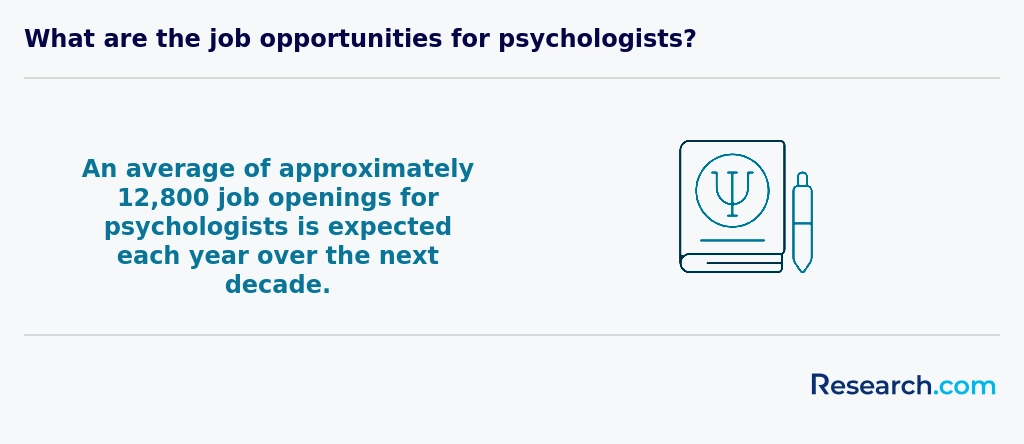
Graduates holding a psychology degree in Newark find themselves well-positioned for a variety of career paths that serve the community's diverse needs. Many choose clinical psychology, working in hospitals or community health centers to make a real difference addressing mental health challenges. Counseling roles are also rewarding here, especially within rehabilitation centers where professionals support individuals overcoming trauma or substance abuse.
Those interested in education often pursue school psychology, helping students thrive academically and emotionally in Newark Public Schools. This role is essential in creating safe, supportive learning environments. Additionally, the business district offers opportunities in industrial-organizational psychology, where applying psychological principles improves workplace culture and productivity.
For students exploring psychology degree career options Newark has to offer, popular local universities provide access to internships and assistantships that foster hands-on learning. Many graduates speak highly of how these experiences prepared them for roles such as social workers, research assistants, and human resources specialists. If you're considering further study, you might explore psychology master's programs in Michigan to expand your expertise and career potential.
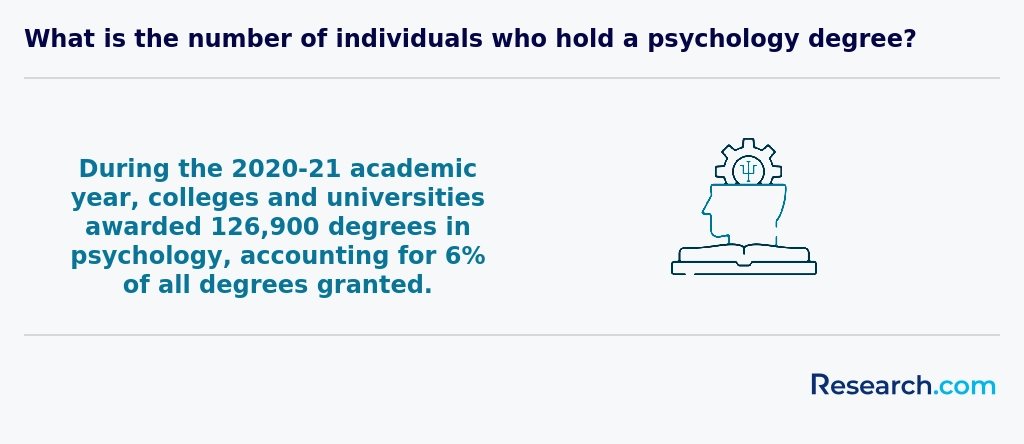
The job market for psychology degree holders in Newark is steady and promising, especially as local healthcare and social service sectors continue to grow. Graduates from popular Newark colleges often find themselves working in mental health clinics or school systems, providing vital psychological support. These opportunities reflect the growing demand for professionals who can address mental health challenges in diverse community settings. Knowing this can give you confidence as you plan your career path.
Several psychology graduates have shared how internships in Newark's nonprofit organizations and corporate human resources departments have enhanced their skills and boosted employability. This hands-on experience opens doors not only in direct counseling roles but also in organizational behavior and employee wellness programs. Considering psychology degree job opportunities Newark offers can inspire you to explore various career paths beyond traditional clinical roles.
For students concerned about costs, tuition at Newark-area public universities averages around $15,000 annually for in-state learners, making the investment manageable. Financial support often favors psychology majors because of the field's societal impact. You might find it helpful to check out top-ranked value schools nearby that balance quality education with affordability.
Thinking ahead, many graduates emphasize the importance of obtaining licensure or advanced degrees to access higher-paying positions within Newark's competitive landscape. Being proactive about these steps can dramatically improve your employment outlook, making the journey worthwhile and rewarding.
2027 Most Affordable Psychology Degree Programs Ranking in Newark
Investing in your education is a significant decision that can shape your future, and the Research.com team understands the importance of making informed choices. To assist prospective students in Newark, we have meticulously crafted the "2027 Most Affordable Psychology Degree Programs Ranking in Newark." Our commitment to quality, credibility, and accuracy is reflected in the extensive research and analysis conducted to compile this ranking.
We utilized the following reputable data sources to ensure a comprehensive evaluation of psychology degree programs:
By exploring this ranking, readers will gain valuable insights into the most affordable psychology degree programs in Newark, helping them make informed decisions about their educational investments. For more details on our methodology, please visit our Research.com methodology page.
# 1 position
Pillar College
Bachelor of Arts in Psychology

# 2 position
Pillar College
Master of Science in Psychology

Frequently Asked Questions About psychology
Psychology degree students in Newark can maximize their learning experience by actively engaging in both coursework and practical opportunities. Local institutions like Rutgers University-Newark offer access to research labs and community clinics, enabling hands-on experience. According to the American Psychological Association, internships are crucial for skill development and favorable employment outcomes. Students should also join psychology clubs and attend local conferences to network with professionals and peers. Newark's diverse population provides unique opportunities for studying various psychological phenomena, enriching the academic perspective. Utilizing university career services for internships and mentorships can further enhance practical knowledge and career readiness.
The psychology field is rapidly evolving, with several emerging niches gaining attention among students and professionals in Newark. One prominent area is neuropsychology, focusing on brain-behavior relationships, which aligns with advances in neuroscience technology. The U.S. Bureau of Labor Statistics (2023) projects a 14% growth in this specialty nationwide, reflecting demand for experts in brain injury and cognitive disorders.
Another growing niche is health psychology, which addresses how behavior affects physical health. Newark's urban health challenges create opportunities for psychologists in this field to work on programs combating chronic diseases through behavioral interventions.
Additionally, industrial-organizational psychology is expanding as companies seek experts to improve workplace productivity and employee wellbeing. According to Newark's local employment data, demand for these specialists has increased by 10% over the past three years.
After completing a psychology degree in Newark, preparing for the job market involves a combination of gaining practical experience and developing professional skills. Internships and volunteering at local mental health facilities or community centers are highly recommended. They provide valuable hands-on experience and networking opportunities.
Newark's proximity to New York City expands access to a broader range of psychology-related jobs, including research, counseling, and human services. According to the U.S. Bureau of Labor Statistics, employment in psychology-related fields is expected to grow by 8% through 2032 in this region.
Graduates should also consider earning certifications in specialized areas, such as behavioral analysis or school psychology, to enhance employability. Attending local workshops or joining professional associations like the New Jersey Psychological Association can further support career development.
Employers in Newark seeking psychology degree graduates prioritize both technical knowledge and interpersonal skills. Key abilities include strong research and data analysis skills, as these graduates often support evidence-based practices in clinical and organizational settings. Effective communication is also crucial, enabling graduates to convey complex concepts clearly to clients or colleagues.
Additionally, problem-solving and critical thinking are highly valued. According to the Bureau of Labor Statistics, psychology roles in the Newark area show consistent demand for candidates adept at interpreting behavioral data and applying psychological theories in real-world situations. Ethical judgment and cultural competence further enhance employability by ensuring responsible and inclusive practice.
Finding internships in Newark relevant to a psychology degree involves several practical steps. Start by exploring local universities with psychology programs, such as Rutgers University-Newark, which often provide internship listings and career services tailored to psychology students. Additionally, Newark's hospitals, mental health clinics, and social service agencies frequently offer internships that provide hands-on experience in clinical, counseling, or research settings.
The New Jersey Psychological Association and local chapters of national groups can be valuable resources for networking and internship opportunities. Use platforms like Handshake or local job boards focused on Newark to find openings. According to the Bureau of Labor Statistics, practicing psychologists in New Jersey often begin their careers with internships or supervised placements, highlighting the importance of local internships.
In Newark, a psychology degree significantly enhances career mobility by opening opportunities across multiple fields including healthcare, education, and social services. According to the U.S. Bureau of Labor Statistics, employment of psychologists is projected to grow 6% nationally through 2032, which reflects steady demand in urban areas like Newark.
A bachelor's degree in psychology offers entry-level access to roles such as case management or behavioral technician, while advanced degrees are often required for clinical roles or licensed counseling positions. Newark's growing healthcare sector, including institutions like University Hospital, actively seeks professionals with psychological expertise.
Furthermore, local government agencies and nonprofits in Newark value psychology graduates for roles in community outreach and mental health programming, highlighting the degree's versatility.
The degree also supports career advancement by providing foundational skills in research, critical thinking, and communication. Credentials from accredited New Jersey institutions can boost employability and salary potential.
Studying for a psychology degree in Newark offers students a strong foundation for interdisciplinary roles by emphasizing diverse coursework and practical experiences. Newark's proximity to major hospitals, social service agencies, and corporate offices provides ample opportunities for collaborative work across fields like healthcare, education, and business.
Programs often integrate subjects such as neuroscience, public health, and counseling, encouraging students to develop versatile skills. According to the New Jersey Higher Education Fact Book 2023, nearly 70% of psychology graduates from Newark institutions engage in interdisciplinary careers within five years of graduation.
This approach equips students with critical thinking, communication, and research skills essential for roles that require bridging psychology with other disciplines.
Choosing between a thesis and a non-thesis psychology degree program in Newark depends on your academic and career goals. Thesis programs focus on original research, requiring students to conduct studies and write a detailed thesis. This path suits those interested in research careers or pursuing doctoral studies.
Non-thesis tracks typically emphasize coursework and practical experience, ideal for students aiming to enter the workforce quickly or pursue applied psychology roles. In Newark, several institutions offer both options, with tuition varying accordingly.
According to the National Center for Education Statistics, about 40% of psychology graduate students nationwide choose thesis programs, reflecting the importance of research skills in this field.
Considering your future plans and how you prefer to learn-through research or practical application-will guide this choice effectively.
Students based in Newark seeking to study psychology abroad have several pathways within the U.S. higher education system. Many New Jersey institutions, such as Rutgers University-Newark, offer exchange programs or partnerships with universities overseas, allowing students to gain international experience while earning credits. According to the Institute of International Education, approximately 10% of U.S. psychology students engage in study abroad opportunities, often in countries like the UK or Canada, which align closely with American curricula.
Additionally, Newark students can explore virtual global classrooms and summer programs designed to provide cross-cultural psychology perspectives without relocating. The availability of scholarships and grants specific to study abroad in psychology helps reduce financial barriers. For detailed assistance, students should consult their academic advisors or the New Jersey Higher Education Student Assistance Authority.
Students pursuing psychology degrees in Newark often seek part-time jobs that complement their academic learning and build practical skills. Positions such as research assistants at institutions like Rutgers University-Newark allow hands-on experience with behavioral studies, data collection, and analysis, essential for psychology careers.
Local healthcare facilities and mental health centers, including the University Hospital in Newark, frequently offer roles as mental health aides or peer support specialists. These jobs expose students to clinical environments and patient interaction.
Additionally, tutoring psychology courses or working as a community outreach coordinator for nonprofits can enhance communication skills and deepen subject knowledge.
According to the Bureau of Labor Statistics, such roles help psychology students gain valuable experience while maintaining flexible hours.
Psychology students in Newark have access to various networking opportunities that can enhance their academic and professional growth. Local institutions like Rutgers University-Newark offer student organizations such as the Psi Chi International Honor Society, which hosts events connecting students with faculty and local psychologists. Additionally, Newark's proximity to New York City expands networking possibilities through regional psychology conferences and workshops.
Internships and practicum placements are widely available in Newark's hospitals, community centers, and schools, providing practical experience and professional contacts. The New Jersey Psychological Association also holds events that psychology students can attend to meet practitioners and researchers in the field.
Alumni networks offer valuable benefits to psychology degree students in Newark by providing access to professional connections within the local mental health community. These networks facilitate mentorship opportunities where experienced graduates guide current students in career development and job placements.
According to the National Association of Colleges and Employers, over 70% of jobs are obtained through networking, highlighting the importance of alumni relationships. Newark's psychology programs often have active alumni associations that host events, workshops, and internships in collaboration with nearby hospitals and clinics.
Such engagement strengthens students' resumes and can increase their chances of employment in a competitive job market.
Customizing your psychology degree in Newark to fit your career goals involves selecting courses and experiences aligned with your interests. Many Newark institutions offer electives spanning clinical, counseling, industrial-organizational, and developmental psychology. You can often choose specialized tracks or certificate programs to deepen expertise in areas like addiction or child psychology.
Internships and research opportunities are crucial for practical skills. Newark's urban setting provides access to diverse populations and agencies for hands-on training. According to the National Center for Education Statistics, over 60% of psychology students in New Jersey engage in applied experiences before graduation.
Advisors can help you plan coursework around certification requirements or graduate study, making your degree more marketable for roles in healthcare, education, or business.
Psychology students in Newark often face several challenges while pursuing their degrees. One major issue is balancing rigorous coursework with practical training requirements. Many programs require students to complete internships or clinical hours, which can be time-consuming alongside class schedules. According to data from the New Jersey Psychological Association, approximately 60% of Newark students report stress related to managing these demands.
Another challenge is limited local resources for mental health practicum placements, making it competitive to secure quality experience. Additionally, students may encounter financial strains; the average tuition for psychology programs in Newark is higher than the national average, pressuring some to seek scholarships or part-time jobs. These factors collectively impact student well-being and academic performance.
With a psychology degree, graduates in Newark can pursue various professional certifications to enhance their careers. One common certification is the Licensed Professional Counselor (LPC), which requires a master's degree and supervised clinical hours, followed by a state exam. The New Jersey Board of Marriage and Family Therapy Examiners also offers licenses for family therapists, relevant to psychology graduates specializing in that area.
Another option is the Certified Alcohol and Drug Counselor (CADC), beneficial given Newark's focus on addressing substance abuse issues. Those interested in school settings might pursue certification as a School Psychologist through the National Association of School Psychologists (NASP).
These certifications often improve job prospects and salary potential for psychology degree holders in Newark's expanding mental health sector (Bureau of Labor Statistics, 2023).
When applying to psychology programs in Newark, a strong application begins with a well-crafted personal statement. Highlight your genuine interest in psychology and any hands-on experience, such as internships or volunteer work in mental health settings. Newark hosts several accredited institutions, and competitive applicants often have a GPA above 3.0, reflecting consistent academic performance.
Include clear career goals demonstrating how the program aligns with your ambitions. Letters of recommendation from professors or supervisors familiar with your psychology-related abilities add valuable credibility.
Also, emphasize any familiarity with research methods or statistics, as these skills are crucial in psychology studies. According to the National Center for Education Statistics, psychology remains among the top five most popular majors in New Jersey, underscoring growing competition.
Global perspectives on a psychology career emphasize the growing demand for mental health professionals worldwide. In the U.S., including Newark, psychology offers diverse career pathways such as clinical work, research, and counseling. According to the U.S. Bureau of Labor Statistics, employment for psychologists is projected to grow 8% from 2022 to 2032, faster than average.
Newark benefits from proximity to major research institutions and diverse communities, offering students rich environments for applied psychology. Internationally, trends show increasing recognition of mental health's importance, with the World Health Organization highlighting a global shortage of qualified psychologists.
Students pursuing psychology degrees in Newark can expect education aligned with these global trends, preparing for careers that are both locally relevant and internationally informed.
Gaining practical experience while studying for a psychology degree in Newark is essential for building professional skills. Many local colleges offer internship programs in collaboration with healthcare facilities, schools, and community organizations. For example, students frequently find placement opportunities at Newark Beth Israel Medical Center and other nearby mental health clinics.
Additionally, joining research projects with faculty members provides hands-on experience in experimental design and data analysis. According to the National Center for Education Statistics, about 60% of psychology undergraduates engage in internships or fieldwork before graduation, which enhances job prospects.
Volunteering with Newark-based nonprofits focused on mental health also allows students to apply theoretical knowledge in real-world settings. Lastly, participating in campus psychology clubs and attending local workshops can help build valuable networks within the Newark mental health community.
Choosing the right concentration within a psychology degree program in Newark involves evaluating your career goals and interests. Common concentrations include clinical, counseling, industrial-organizational, and developmental psychology. Each area prepares students for specific roles in mental health, business, or education.
Newark offers access to diverse populations and clinical settings, which can enhance practical experience in concentrations like clinical psychology. According to the National Center for Education Statistics, about 70% of psychology students in New Jersey select applied psychology tracks, reflecting job market demand.
Reviewing program curriculum and internship opportunities in Newark institutions can help determine the best fit. Consider faculty expertise and local industry connections, which are crucial for both learning and future employment.
- 2027 Most Affordable Psychology Degree Programs Ranking in New York
- 2027 Most Affordable Psychology Degree Programs Ranking in New Haven
- 2027 Most Affordable Psychology Degree Programs Ranking in Springfield
- 2027 Most Affordable Psychology Degree Programs Ranking in Albany
- 2027 Most Affordable Psychology Degree Programs Ranking in Amherst
- 2027 Most Affordable Psychology Degree Programs Ranking in Worcester
- 2027 Most Affordable Psychology Degree Programs Ranking in Baltimore
- 2027 Most Affordable Psychology Degree Programs Ranking in Cambridge
- 2027 Most Affordable Psychology Degree Programs Ranking in Boston
- 2027 Most Affordable Psychology Degree Programs Ranking in Washington
See What Experts Have To Say About Studying Psychology
Read our interview with Psychology experts

Robin M. Kowalski. Ph.D.
Psychology Expert
Professor of Psychology
Clemson University

Elizabeth L. Jeglic Ph.D.
Psychology Expert
Professor of Psychology
City University of New York

Joann Farrell Quinn, Ph.D., MBA
Psychology Expert
Director at the College of Medicine Department of Medical Education
Morsani College of Medicine

- Know more about thesis vs non- thesis: what is the difference? https://studyfans.com/en/blogs/816
- Why Get a Psychology Degree Online? | University of Bridgeport https://www.bridgeport.edu/news/reasons-to-get-your-psychology-degree-online/
- Study Psychology Abroad | Go Overseas https://www.gooverseas.com/study-abroad/psychology
- Skills of a Psychology Major - Psychology Department https://wagner.edu/psychology/skills/
- Study Psychology Abroad https://astarfuture.co.uk/study_psychology_abroad.html
- New Jersey Psychology Schools | Psychology Degree Guide https://psychologydegreeguide.org/state/new-jersey/
- Sample letters in psychology https://www.mystudies.com/en-in/human-and-social-sciences/psychology/letter-model/
- What Certifications Can I Get With A Bachelor's In Psychology? https://www.psychology.org/resources/certification-skills-for-psychology-major-resumes/
- Mental Health Challenges Faced by Psychology Students | The Healthcare Guys https://healthcareguys.com/2023/11/23/mental-health-challenges-faced-by-psychology-students/
- Psychology Online Degree Pathway https://www.learndirect.com/course/psychology-online-degree