
2027 Most Affordable Psychology Degree Programs Ranking in Albany

Co-Founder and Chief Data Scientist
Choosing the right psychology degree program in Albany can feel overwhelming. To help, this article presents the 2027 Most Affordable Psychology Degree Programs Ranking in Albany, developed by the Research.com team of data scientists.
You'll find clear, data-driven insights to guide your decision based on affordability and quality. Whether you're starting your educational journey or seeking a better fit, understanding your options can open doors to a fulfilling career in psychology.
Reading this article will empower you to make an informed choice and take confident steps toward your future. A psychology degree offers meaningful opportunities to help others and grow personally.
Key benefits of getting psychology degree in Albany
- Psychology degree graduates in Albany can expect strong salary potential, with roles like Human Resources Specialist earning a mean annual wage of $76,060 and Clinical Research Associates around $62,370, offering rewarding financial opportunities.
- Graduates from Albany's universities often pursue diverse careers such as marketing research analyst or survey researcher, which allow them to apply psychology skills in exciting business and health fields.
- Choosing an online psychology degree in Albany provides flexibility and convenience, enabling students to balance studies with work or family while gaining valuable credentials from respected institutions.
- 2027 Most Affordable Psychology Degree Programs Ranking in Albany
- What can I expect from psychology degree in Albany?
- Where can I work with psychology degree in Albany?
What can I expect from psychology degree in Albany?
The average cost of pursuing a psychology degree in Albany is quite manageable, especially at SUNY Albany, where in-state undergraduates typically pay around $7,000 annually in tuition. Graduates often share how this affordability allowed them to focus more on their studies and research projects rather than financial stress. For example, many bachelor's students benefited from hands-on opportunities in SUNY's top-ranked psychology department without overwhelming debt.
Graduate programs tend to have higher tuition, but most students find assistantships or fellowships that significantly reduce expenses. A common experience among recent Master's and Ph.D. graduates is securing funded practicum positions through Albany's mental health clinics or research centers, which helps offset costs while providing invaluable clinical experience.
Overall, the balance of affordable tuition and ample funding options in Albany creates a supportive environment where psychology students can thrive both academically and financially.
Where can I work with psychology degree in Albany?
Graduates with a psychology degree in Albany often find rewarding roles in healthcare facilities like Albany Medical Center or St. Peter's Health Partners, where clinical and counseling psychology positions are common. Many graduates share how working as behavioral health technicians or case management assistants gave them a solid footing right after earning their degrees from the University at Albany or Sage Colleges.
Others have successfully stepped into education roles, providing student counseling or behavioral support in local public and private schools. Working as school psychologists or academic advisors at institutions like the University at Albany offers both stability and meaningful engagement with students' lives.
Social service agencies are another practical option. Graduates describe fulfilling experiences supporting programs focused on youth development or substance abuse, often employed by local nonprofits or groups such as the Mental Health Association of New York State.
Though fewer, careers in human resources and organizational psychology within Albany's business sector allow graduates to apply behavioral insights to improve workplace culture and training.
Graduates with a psychology degree in Albany can expect varied earnings depending on the specific career path and level of education. For those starting in roles like childcare work, salaries average around $32,070 annually, offering a practical entry point into human services. Others who choose positions such as clinical research associates or survey researchers see mean wages near $62,370, creating a solid mid-level income as they gain experience and certifications.
Human Resources Specialist roles attract an average yearly salary near $76,060, making them an appealing option for Albany graduates seeking application of psychological principles in business settings. Meanwhile, Marketing Research Analysts with a psychology background can anticipate salaries around $83,190, often enjoying the combination of analytical skills with community insights learned at local institutions like the University at Albany.
Many Albany-area graduates from psychology programs find reassurance in these steady ranges, knowing their education secures access to in-demand roles. Practical experience through internships or cooperative programs at regional colleges can significantly improve prospects, helping graduates confidently enter the workforce with competitive compensation.
- Tuition for undergraduate psychology programs in Albany ranges from about $10,000 to $30,000 per year, with public universities being more affordable for in-state students.
- Entry-level salaries for bachelor's degree holders in psychology-related fields are typically between $40,000 and $50,000 annually.
- Master's and doctoral degree holders, especially in clinical or counseling psychology, can earn between $60,000 and $90,000 or more with experience.
- Albany's job market for psychology graduates is strong, with opportunities in hospitals, mental health clinics, social services, and government agencies.
- Licensure for clinical psychology roles requires a graduate degree, supervised hours, and passing exams, along with practical experience from internships or volunteering.
Completing a bachelor's degree in psychology in Albany typically takes about four years of full-time study, as graduates from the University at Albany often confirm. They describe pacing themselves through roughly 120 credit hours, balancing core psychology courses with general education and electives. Some students appreciate programs that allow credit transfers or accelerated tracks, helping them finish sooner without sacrificing learning quality.
For those moving on to a master's degree, expect two to three years full-time, with specializations like counseling stretching the timeline a bit. Many Albany-area students find part-time options helpful when juggling work or family obligations, though this extends the duration.
Doctoral candidates in Albany commit to five to seven years, engaging deeply with research, clinical practice, and dissertations. Graduates often share a sense of accomplishment, finding the extended time investment pays off in expertise and career opportunities.
Understanding these timelines early helps you plan finances and personal commitments while staying motivated throughout your psychology journey in Albany.
To further support their educational journey, psychology students in Albany, NY, can benefit from exploring local resources that complement their studies. For instance, those interested in affordable psychology programs can visit most affordable psychology programs in new york to find institutions that fit their budget and academic goals. Additionally, attending seminars, workshops, and conferences hosted by local universities and mental health organizations can provide valuable networking opportunities and insights into the latest research and practices in the field.
Choosing between online and on-campus psychology degrees in Albany often comes down to how you prefer to learn and manage your time. On-campus students at places like SUNY Albany benefit from hands-on experiences-attending research labs, joining study groups, and accessing faculty during office hours. One graduate recalled how a community internship arranged through campus connections provided valuable local insight and professional contacts in Albany's mental health field.
In contrast, online students appreciate flexibility. Many juggle jobs or family commitments while completing the same rigorous courses through video lectures and virtual discussions. A recent graduate mentioned that studying online allowed them to earn the degree without relocating or facing long commutes, which was ideal for balancing daily life.
Cost differences matter too. On-campus programs average about $9,000 annually for in-state students, while online options may be slightly cheaper but can include extra technology fees. Regardless of format, verifying accreditation is essential to ensure the degree meets licensure standards for psychology careers in New York.
Albany’s psychology programs are distinguished by robust internship and practicum opportunities that connect classroom learning with real-world practice. Universities such as the University at Albany and the College of Saint Rose collaborate with local hospitals, schools, nonprofit agencies, and corporate partners to place students in settings ranging from clinical counseling centers to organizational behavior labs. These structured experiences allow students to:
- Apply core competencies-assessment techniques, therapeutic interventions, and research methodologies-in supervised environments.
- Build professional networks through mentorship by licensed psychologists and HR specialists.
- Earn academic credit while developing a portfolio of case studies and project outcomes. Beyond fieldwork, dedicated Student Support Services bolster student success. Academic advising teams help tailor course selections to career goals, while writing centers and research labs provide guidance on thesis development and statistical analysis. The Career and Professional Development Office hosts resume workshops, mock interviews, and annual Psychology Career Fairs, where alumni and local practitioners recruit interns and entry-level hires. To ensure holistic well-being, campuses offer counseling centers, peer mentoring programs, and student organizations like Psi Chi and UAlbany’s Psychology Club, which sponsor speaker series on topics from neurodiversity to organizational change. For those exploring affordable programs in other regions, consider the Affordable Psychology Degree Programs Ranking in Montana for additional cost-effective pathways.
The average cost of a psychology degree in Albany typically centers around $10,866 for in-state students. Graduates from the University at Albany and similar public institutions often find this figure aligns well with their experience, balancing quality education and manageable tuition fees. For out-of-state students, costs are significantly higher, with total expenses often reaching the median of $50,263 when factoring in tuition, fees, and living costs. This sharp difference underscores the value of establishing residency or seeking financial aid early on.
Many psychology students from Albany's colleges find budgeting for related expenses crucial. Beyond tuition, expect additional costs like books, supplies, and living expenses, which can often push the annual total into the $15,000 to $22,000 range when attending a public university. Private colleges, while generally more expensive, offer financial aid options that graduates praise for helping reduce their financial burden and allowing them to focus on their studies with less stress. Understanding psychology degree tuition fees Albany-wide helps in realistically planning how to cover these costs.
Students eager to lower their financial load should explore scholarships, grants, and assistantships available locally, as these opportunities can substantially ease payments. For practical advice on choosing a program with expenses in mind, consider reviewing the most affordable psychology programs in new york. This can guide future students toward affordable pathways without compromising on the quality of education.
In today’s rapidly shifting educational landscape, online programs are emerging as a powerful alternative to traditional campus-based learning, particularly for master's degrees in psychology. As prospective students seek flexibility and adaptability while pursuing advanced studies, many are weighing the benefits of digital learning environments. Online master's programs often provide the same rigorous curriculum as on-campus options, with added advantages such as self-paced learning, reduced commuting costs, and the ability to balance personal and professional responsibilities. Moreover, online formats foster a network of diverse professionals through virtual collaborations and interactive digital platforms, enhancing both learning outcomes and career opportunities. When considering your future in psychology, it is essential to evaluate how online coursework, digital resources, and remote mentorship can equip you with the skills needed for today’s competitive job market. This approach not only supports academic growth but also ensures that graduates are prepared for the evolving demands of the psychological services industry. For those curious about the value and long-term benefits associated with digital learning in psychology, is getting an online masters degree in psychology worth it provides further insights into program outcomes, ROI, and career advancement. By integrating modern technology with established educational frameworks, online master's programs in psychology are reshaping how future professionals acquire expertise, making it a compelling consideration for anyone ready to embrace a flexible, innovative path toward success.
Students pursuing a psychology degree in Albany often start by completing the FAFSA to unlock federal aid like the Pell Grant, which can cover up to $7,395 annually for those who qualify. Many graduates from institutions such as the University at Albany share how this grant significantly eased their tuition burden, allowing them to focus more on coursework and research.
Local scholarships and grants targeting psychology majors are another practical option. Graduates recall receiving awards between $1,000 and $5,000 that supported studies in mental health fields, often tied to community service or research involvement within Albany's rich academic environment.
For graduate students, assistantships and fellowships offered by Albany-area schools provide tuition waivers and stipends. This hands-on approach, like offering research help or teaching, not only pays off financially but also enriches their professional skills in real-world settings.
Work-study jobs on campus-common in counseling centers or labs-give students extra income and valuable field experience. Meanwhile, private loans should be a last resort due to higher interest rates compared to federal options.
These layered aid streams give Albany psychology students multiple ways to make education affordable while gaining meaningful experience.
Investing in a Psychology degree in Albany, NY involves balancing tuition costs against future earning potential to determine your return on investment (ROI). On average, in-state tuition at public institutions like the University at Albany is around $11,410 per year, while private colleges can reach up to $32,954 for out-of-state students. When you factor in living expenses-typically $15,000–$18,000 annually-the total cost of a four-year bachelor’s program ranges from $104,000 to $204,000. Against these costs, the average starting salary for Human Resources Specialists in the region sits at $73,080, translating to an annual net income of roughly $48,000 after taxes. Assuming stable employment and modest salary growth, graduates often recoup their total educational investment within four to six years. When pursuing specialized roles-such as Clinical Research Associates earning $57,760 or licensed therapists commanding upwards of $70,000-the payback period can be even shorter. Graduates aiming for greater earning potential should weigh the benefits of graduate-level credentials. For instance, a PsyD or PhD in Clinical Psychology can elevate median salaries to $95,000–$115,000 but also entails additional tuition and two to four extra years of study. For guidance on accredited doctoral options, explore reputable psy d programs online that offer flexible pacing and competitive rates. Ultimately, your ROI will depend on factors such as scholarship availability, part-time work during studies, and choice of specialization. By calculating total costs against projected earnings-and considering loan repayment plans-you can make an informed decision that maximizes both your professional fulfillment and financial health.
To enroll in a psychology degree program in Albany, you need to meet several key prerequisites. For undergraduates, having a high school diploma or GED is essential. Strong skills in English, math, and science form the foundation for success, just like graduates from SUNY Albany often describe relying on these skills to tackle their coursework confidently. Most schools expect SAT or ACT scores, although test-optional policies are becoming common, which can relieve some pressure during application.
If you aim for graduate studies, a bachelor's degree in psychology or a related field with at least a 3.0 GPA is typically required. Many Albany graduate programs ask for classes in statistics and research methods, reflecting the real-world research tasks students encounter at local universities. Graduate Record Examination (GRE) scores may be needed, but some schools have relaxed this, easing the entry barrier.
Letters of recommendation and personal statements are commonly requested, letting you express your passion for psychology, a step previous Albany graduates found rewarding and motivating throughout the application process.
Choosing an APA-accredited program is crucial to meet New York state requirements for licensure. Before enrolling, verify each school’s accreditation status and how it aligns with supervised clinical training. Many students opt for accelerated psychology programs to complete coursework and practicum hours more efficiently.
Licensure steps in New York:
- Complete a doctoral degree from an APA-accredited program (or master’s for a limited permit)
- Accumulate 3,500+ supervised clinical hours under a licensed psychologist
- Pass the Examination for Professional Practice in Psychology (EPPP)
- Submit your license application to the New York State Office of the Professions
Understanding these pathways ensures your degree leads directly to professional practice, smoothing the transition from academia to clinical or research roles.
Psychology degree programs in Albany typically begin with core courses like introductions to psychological principles, where you learn about human behavior, cognition, and emotions-essential groundwork for understanding people's actions in real life. Graduates from the University at Albany often recall how courses like cognitive psychology helped them grasp how memory and decision-making work, useful for everyday problem-solving.
Beyond basics, students dive into developmental and social psychology, examining how people grow and interact, which is perfect if you want to understand family dynamics or workplace behavior. Research methods and statistics courses are key-Albany students say these classes gave them confidence to design experiments and analyze data, skills that are highly valued in internships and research roles.
Many programs include abnormal psychology to recognize mental health disorders, crucial for those aiming to enter clinical or counseling fields. Electives like neuropsychology or forensic psychology let students specialize, giving you the chance to tailor your studies around your career goals. Hands-on practicum courses offered in Albany colleges provide important real-world experience, making the theory come alive.
In Albany, psychology degree specializations offer practical pathways tailored to diverse career goals. Graduates from popular colleges often highlight clinical psychology as a prime choice, focusing on diagnosing and treating mental health issues in real-world settings like hospitals and counseling centers. Students find this specialization fulfilling due to hands-on internships and community placements unique to Albany's supportive network.
Counseling psychology is another common concentration, where Albany programs emphasize therapeutic skills for helping individuals manage life challenges. Graduates appreciate that supervised clinical hours prepare them well for licensure in New York State. For those leaning toward academic or research careers, research psychology and experimental psychology stand out, supported by Albany's proximity to research institutions such as the University at Albany.
Industrial-organizational psychology is a growing option, appealing to students interested in workplace dynamics and organizational improvement, reflecting the city's expanding business environment. Other specializations like neuropsychology and child psychology also appear periodically, allowing students to find niches matching their passions. If you're unsure, exploring if getting an online masters degree in psychology worth it can help inform your steps.
Albany psychology program concentrations provide a clear, diverse set of specializations that connect academic study with practical experience in a supportive community.
Start by identifying which degree level suits your goals-whether associate, bachelor's, master's, or doctoral. Albany's institutions offer a range of affordable psychology degree programs in Albany, with some public universities charging between $10,000 and $25,000 annually. Graduates from these programs often highlight the value of in-state tuition and accessible financial aid as key factors in their positive experiences.
Next, prioritize accreditation. For example, if you're aiming for clinical practice or licensure, choose programs accredited by the American Psychological Association (APA). Albany's graduate offerings vary, so verifying APA accreditation early prevents wasted time and resources. Many students find that attending schools with smaller class sizes enhances their learning and connection with faculty, which is vital in psychology studies.
Consider your career focus-clinical, research, or counseling-and look for programs that emphasize these areas. Alumni often mention how the practical training available through Albany's hospitals and mental health centers helped them secure local jobs.
Finally, assess flexibility. Some students balance work and study by enrolling in part-time or online options. Those interested in advanced credentials may explore psy d programs online for greater convenience without sacrificing quality.
Graduates with a psychology degree in Albany have several practical career options to consider. Many choose clinical psychology, working in hospitals or private practices such as Albany Medical Center, where graduates apply their skills diagnosing and treating mental health disorders. This path offers a median annual wage near $87,000 in New York State, providing a rewarding and stable income. Others pursue school psychology roles within local school districts, supporting children's learning and behavior, which is a steady choice for those interested in educational services.
Industrial-organizational psychology is growing in Albany's business and government sectors, ideal for graduates interested in boosting workplace productivity. Psychology degree career opportunities in Albany also include social work, substance abuse counseling, and human services coordination within nonprofit organizations. Graduates often find satisfaction consulting or working for government agencies focused on mental health.
Albany students attending popular institutions like the University at Albany benefit from affordable tuition and access to regional employers. Recent graduates recommend exploring options listed in the Affordable Psychology Degree Programs Ranking in Montana as a reference for cost-effective education paths.
The job market for psychology degree holders in Albany is steady and promising, especially for those with advanced degrees and relevant licensure. Graduates from popular institutions like the State University of New York (SUNY) at Albany often find opportunities in local healthcare systems, such as Albany Medical Center, where clinical and behavioral health roles are common. Many graduates describe their experience gaining hands-on skills through internships and research assistant positions on campus, which greatly boost their employability. For those exploring psychology degree job opportunities in Albany, entry-level roles may require just a bachelor's, but pursuing a master's or doctoral degree expands access to licensed clinical positions with higher pay.
Albany's universities benefit students with affordable in-state tuition, helping reduce financial barriers while preparing for this competitive field. The Albany psychology career outlook 2027 shows steady demand in both education and government-funded mental health services. Graduates aiming to work in counseling or school psychology often leverage connections made through SUNY programs to secure jobs. For more guidance on selecting programs that align with market demands, prospective students should explore resources focusing on the most in demand college majors.
2027 Most Affordable Psychology Degree Programs Ranking in Albany
Investing in your education is a significant decision that can shape your future, and the Research.com team understands the importance of making informed choices. To assist prospective students in Albany, we have meticulously crafted the "2027 Most Affordable Psychology Degree Programs Ranking in Albany." Our commitment to quality, credibility, and accuracy is reflected in the extensive research and analysis conducted to compile this ranking.
We utilized the following reputable data sources to ensure a comprehensive evaluation of psychology degree programs:
By exploring this ranking, readers will gain valuable insights into the most affordable and credible psychology degree programs available in Albany, empowering them to make informed choices aligned with their academic and financial goals. For more details on our methodology, please visit our Research.com methodology page.


# 5 position
Excelsior University
Bachelor of Science in Psychology

Frequently Asked Questions About psychology
Psychology degree students in Albany can maximize their learning experience by actively engaging with local academic and professional resources. Albany is home to several accredited institutions offering psychology programs, such as the University at Albany, which provides research opportunities and internships in collaboration with nearby hospitals and mental health clinics. Participating in these practical experiences enhances theoretical knowledge and builds crucial skills.
Students should also take advantage of Albany's professional networks, including workshops and local chapters of organizations like the American Psychological Association (APA). Furthermore, leveraging Albany's multicultural community allows for diverse case studies and a broader understanding of psychological principles in real-world settings.
According to the U.S. Bureau of Labor Statistics, internships and practical experience significantly improve graduates' employment prospects, which is particularly relevant in Albany's growing mental health sector.
Emerging niches in the psychology field reflect evolving societal needs and technological advances. In Albany, growing areas include neuropsychology, which studies brain-behavior relationships, and health psychology, focusing on mental health's role in physical wellness. Industrial-organizational psychology also gains traction, addressing workplace behavior and productivity. Additionally, cyberpsychology examines digital interactions and online behavior, a responding area as technology integrates into daily life.
According to the Bureau of Labor Statistics, health-related psychology jobs are expected to grow 14% by 2032 nationally, with Albany's healthcare sector expanding similarly. Local universities increasingly offer specialized tracks responding to these trends, helping students align their degrees with market demands.
After earning a psychology degree in Albany, preparing for the job market requires strategic planning. Networking is essential; graduates should connect with local professionals through events like those hosted by the Albany-Colonie Regional Chamber of Commerce or psychology associations.
Internships and practicum experiences gained during studies provide valuable hands-on skills and improve employability. According to the U.S. Bureau of Labor Statistics, psychologists in New York state have a median annual wage of approximately $85,000, underlining competitive job prospects for well-prepared candidates.
Further, many roles require licensure or advanced degrees, so graduates should consider graduate programs or certification exams early. Leveraging Albany's university career services can also enhance job search success.
Employers in Albany seeking psychology degree graduates prioritize strong communication skills, both written and verbal, as these are essential for client interaction and research dissemination. Critical thinking and analytical abilities are highly valued, enabling graduates to assess complex behavioral data effectively. Knowledge of ethical standards and confidentiality is crucial, especially given Albany's adherence to strict guidelines outlined by professional bodies like the American Psychological Association.
Additionally, proficiency with research methods and statistical analysis software is frequently requested, reflecting the region's focus on evidence-based practices. According to the Bureau of Labor Statistics, the demand in New York State for psychology professionals continues to grow, emphasizing adaptability and continued learning as vital competencies.
Finding internships in Albany relevant to a psychology degree involves leveraging local resources and university career services. Albany hosts several healthcare centers, such as Albany Medical Center and the Center for Recovery and Wellness, which frequently offer internship opportunities in clinical psychology and counseling. Students should also connect with SUNY Albany's psychology department, as it often posts listings and maintains partnerships with regional employers.
The New York State Psychological Association provides additional networking and internship information tailored to psychology students. According to the Bureau of Labor Statistics, internships in psychology improve job prospects by up to 20%, making early engagement essential in Albany's competitive market.
A psychology degree in Albany can significantly enhance career mobility and advancement within the region. According to the U.S. Bureau of Labor Statistics, the Albany metro area has experienced steady growth in mental health and social service occupations, sectors closely related to psychology. Holding a psychology degree enables graduates to qualify for various roles such as behavioral health specialists, counselors, or research assistants, positions that offer pathways to higher responsibility and salary increases.
Local employers, including healthcare facilities and educational institutions, often prefer candidates with formal psychology training, reflecting a rising demand for expertise in mental health. Additionally, graduate degrees in psychology open doors to licensure as clinical psychologists or counselors, further improving job prospects in Albany's expanding health services market.
Studying for a psychology degree in Albany equips students with foundational knowledge in behavioral science, research methods, and mental health, which are essential for interdisciplinary careers. Local programs often emphasize collaboration across fields such as healthcare, education, and social services, reflecting the region's focus on integrated community support.
Albany's institutions, like the University at Albany, SUNY, provide opportunities to engage with diverse departments such as neuroscience and public health. This integration prepares graduates to work with professionals from various disciplines, increasing their adaptability.
Data from the Bureau of Labor Statistics highlights that 35% of psychology-related roles in New York involve interdisciplinary duties, underscoring the relevance of such training.
Choosing between a thesis and a non-thesis psychology degree in Albany depends on your career goals and academic interests. A thesis option typically involves conducting original research, which suits students aiming for doctoral programs or research careers. The non-thesis path is more coursework-focused, ideal for those planning to enter clinical practice or applied psychology fields directly after graduation.
In Albany, universities like the University at Albany offer both options with similar tuition but different time commitments; thesis programs may take longer due to research requirements. According to the National Center for Education Statistics, 45% of psychology graduate students in New York state choose thesis tracks, highlighting research demand.
Consider faculty expertise and available resources in Albany schools as well, since strong mentorship can impact thesis success. Review the curriculum carefully to align the program with your professional objectives and personal learning preferences.
Students based in Albany interested in studying psychology abroad have access to various options through U.S. universities offering exchange programs. Many institutions partner with universities worldwide, allowing psychology students to study for a semester or year in countries such as the UK, Canada, or Australia. According to the Institute of International Education, nearly 10% of U.S. psychology students participate in study abroad programs, gaining valuable global perspectives.
Albany-area schools like the University at Albany support study abroad initiatives that include psychology courses recognized for credit. These programs often cover topics such as developmental psychology and cultural influences on behavior. Students are encouraged to consult academic advisors early to align study abroad choices with degree requirements.
Part-time jobs in Albany that complement psychology studies often involve roles in healthcare, social services, and educational settings. Many students find opportunities as mental health aides or behavioral therapy assistants, gaining hands-on experience with clients under professional supervision. Organizations like the Albany County Department of Mental Health frequently offer internships or part-time positions allowing students to apply psychological theories practically.
Research assistant positions at local universities, including the University at Albany, provide valuable experience in data collection and analysis, essential skills for psychology careers. Additionally, positions in crisis hotlines or community outreach programs help develop communication and counseling skills.
According to the New York State Education Department, these roles also enhance resumes for graduate school applications.
Psychology students in Albany have access to numerous networking opportunities through local universities and professional organizations. The University at Albany, SUNY, hosts events such as psychology seminars, guest lectures, and career fairs, providing students chances to connect with faculty and practitioners. Additionally, the Capital District Psychological Association offers membership for students, allowing them to attend workshops and local conferences focused on mental health and research in the region.
The city's proximity to Albany Medical Center and behavioral health facilities also enables internships and volunteer experiences, which are critical for building professional connections. According to the National Center for Education Statistics, Albany area students benefit from a network of over 20 psychology-related organizations and agencies, fostering practical engagement and mentorship.
Alumni networks provide valuable support to psychology degree students in Albany by connecting current students with experienced graduates. These networks offer mentorship opportunities, career advice, and guidance on navigating the competitive job market in psychology-related fields. According to the National Association of Colleges and Employers, 85% of jobs are filled through networking, highlighting the importance of strong professional connections.
Albany's psychology alumni often work in local healthcare, education, and research institutions, increasing students' chances for internships and job placements nearby. Furthermore, local universities like the University at Albany actively maintain alumni groups to facilitate workshops and networking events, enhancing students' professional development.
Customizing a psychology degree program in Albany begins with selecting the right institution that offers flexibility in electives and specializations. Many local colleges, such as the University at Albany, provide options in clinical, cognitive, or industrial-organizational psychology to align with career goals.
Students should explore internship opportunities within Albany's healthcare facilities and community organizations to gain practical experience. According to the National Center for Education Statistics, hands-on training can significantly enhance job prospects in psychology fields.
Additionally, Albany schools often allow students to tailor research projects or independent studies under faculty guidance, helping align academic focus with specific career interests. This approach ensures skills developed are relevant in areas like counseling, research, or human resources.
Networking through Albany-based psychology conferences and workshops can also play a key role in shaping educational paths to meet professional objectives.
Psychology students in Albany often face several typical challenges during their studies. Many find the rigorous coursework demanding, particularly classes involving research methods and statistics, which are essential for understanding psychological science. According to the American Psychological Association, mastering these skills is critical but can be a hurdle for newcomers.
Another challenge relates to limited local internship opportunities in Albany's smaller clinical and counseling settings. This may affect practical experience, which is vital for licensure and future employment. Additionally, balancing part-time work with intense study loads is common, as reported by students at SUNY Albany.
Financial stress is also a notable concern. While tuition in Albany tends to be lower than the national average, students often depend on loans or scholarships, adding pressure to complete programs efficiently.
A psychology degree in Albany opens pathways to various professional certifications that enhance career prospects. Graduates often pursue licensure as a Licensed Mental Health Counselor (LMHC), requiring a master's degree and post-graduate supervised hours, typically 3,000 hours, as regulated by New York State's Office of the Professions. Another common certification is the Certified Alcohol and Substance Abuse Counselor (CASAC), which is highly relevant given Albany's community health initiatives.
For those aiming to become psychologists, obtaining the Nationally Certified Psychologist (NCP) credential through the American Board of Professional Psychology is a notable option.
Additional certifications include the Board Certified Behavior Analyst (BCBA), valuable for roles in applied behavior analysis. These certifications follow rigorous education and supervised experience requirements, aligning with federal and state standards.
Writing a winning application for a psychology program in Albany requires careful preparation and attention to detail. First, research the specific requirements of local institutions such as the University at Albany, part of the SUNY system, which offers strong psychology programs noted for their research opportunities.
Highlight your academic achievements, focusing on coursework relevant to psychology and your GPA-programs often prefer candidates with a minimum 3.0 GPA. Albany programs value research experience, so mention internships or lab work.
Personal statements should clearly express your passion for psychology and career goals. Use concise, focused language to explain why studying in Albany specifically supports your ambitions.
Letters of recommendation from professors familiar with your academic abilities are crucial, as are standardized test scores if required. According to College Board data, many SUNY programs have test-optional policies, but submitting strong GRE scores can still enhance your application.
Psychology careers in the United States, including Albany, are influenced by global trends emphasizing mental health awareness and multicultural competence. According to the American Psychological Association (APA), demand for psychology professionals is growing steadily, driven by a global increase in mental health issues.
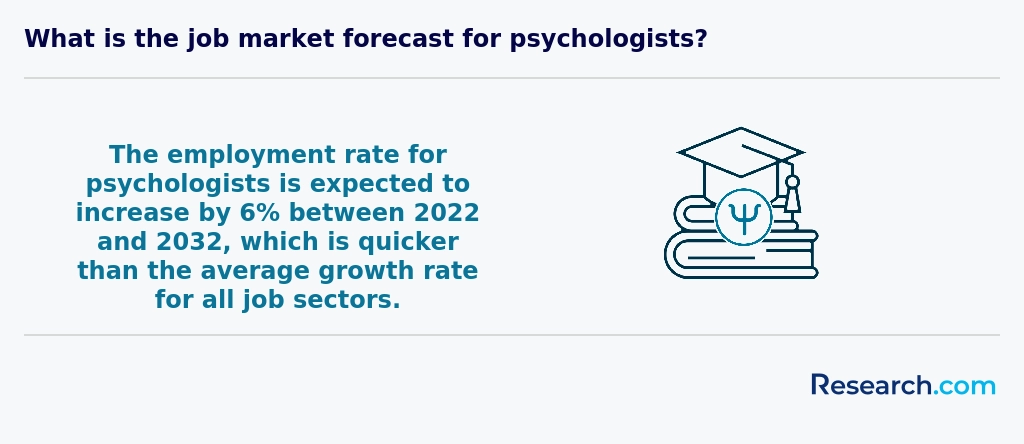
In Albany, students pursuing psychology degrees benefit from programs aligned with international standards, preparing them for diverse workplaces. The U.S. Bureau of Labor Statistics projects a 8% growth in psychologist jobs from 2022 to 2032, reflecting global recognition of psychology's importance.
Internationally, psychologists often engage in cross-cultural research and practice, requiring understanding of diverse populations. Albany's proximity to research institutions fosters collaboration that enhances graduate readiness for global challenges in psychology.
Gaining practical experience while studying for a psychology degree in Albany is essential for building skills and improving job prospects. Many local colleges and universities encourage students to participate in internships or practicum placements in mental health clinics, hospitals, or community agencies. For example, the University at Albany offers fieldwork opportunities through partnerships with organizations like the Albany County Department of Mental Health.
Additionally, students can join research projects led by faculty, gaining hands-on experience in data collection and analysis. According to the National Center for Education Statistics, about 40% of psychology undergraduates engage in research activities during their studies. Volunteering with local nonprofits or counseling centers also helps develop applied skills while networking within the Albany psychological community.
Choosing the right concentration within a psychology degree program in Albany depends on your career goals and interests. Psychology programs often offer tracks such as clinical, cognitive, developmental, or industrial-organizational psychology. Each concentration prepares students for different career paths, so it is essential to understand local demand and employment trends.
Data from the U.S. Bureau of Labor Statistics indicates that Albany's healthcare and social assistance sectors, which employ many clinical psychologists, are growing steadily. Meanwhile, industrial-organizational psychology is increasingly valued in Albany's corporate and governmental organizations.
When selecting a concentration, consider speaking with academic advisors at Albany institutions and reviewing program curriculums. Look for accredited programs offering internships or partnerships with local facilities to gain practical experience tailored to your concentration.
- 2027 Most Affordable Psychology Degree Programs Ranking in Amherst
- 2027 Most Affordable Psychology Degree Programs Ranking in Springfield
- 2027 Most Affordable Psychology Degree Programs Ranking in New Haven
- 2027 Most Affordable Psychology Degree Programs Ranking in Worcester
- 2027 Most Affordable Psychology Degree Programs Ranking in New York
- 2027 Most Affordable Psychology Degree Programs Ranking in Cambridge
- 2027 Most Affordable Psychology Degree Programs Ranking in Boston
- 2027 Most Affordable Psychology Degree Programs Ranking in Rochester
- 2027 Most Affordable Psychology Degree Programs Ranking in Buffalo
- 2027 Most Affordable Psychology Degree Programs Ranking in Baltimore
See What Experts Have To Say About Studying Psychology
Read our interview with Psychology experts

Elizabeth L. Jeglic Ph.D.
Psychology Expert
Professor of Psychology
City University of New York

Robin M. Kowalski. Ph.D.
Psychology Expert
Professor of Psychology
Clemson University

Joann Farrell Quinn, Ph.D., MBA
Psychology Expert
Director at the College of Medicine Department of Medical Education
Morsani College of Medicine

- Ontario Psychological Association - Networking and Community Resources https://www.psych.on.ca/become-a-member-(1)/member-services/networking-and-community-resources
- Study Psychology Abroad https://astarfuture.co.uk/study_psychology_abroad.html
- Mental Health Challenges Faced by Psychology Students | The Healthcare Guys https://healthcareguys.com/2023/11/23/mental-health-challenges-faced-by-psychology-students/
- Department of Psychology https://www.albany.edu/psychology
- Community Psychology in Global Perspective http://siba-ese.unisalento.it/index.php/cpgp
- Best Types Of Online Psychology Degrees 2025 https://www.psychology.org/degrees/
- Sample letters in psychology https://www.mystudies.com/en-in/human-and-social-sciences/psychology/letter-model/
- Know more about thesis vs non- thesis: what is the difference? https://studyfans.com/en/blogs/816
- Alumni Perspectives - Meet Our FPN Alumni https://www.aanmelder.nl/alumni-perspectives-june-2023
- Psychology - SWPS University https://english.swps.pl/academics/warsaw/ba-programs/psychology


