2027 Most Affordable Psychology Degree Programs Ranking in Cambridge

Co-Founder and Chief Data Scientist
Choosing the right psychology degree program in Cambridge can feel overwhelming. To help, the Research.com team of data scientists has created the 2027 Most Affordable Psychology Degree Programs Ranking in Cambridge. This ranking highlights affordable and quality options, making it easier for you to find a program that fits both your goals and budget.
Reading this article will guide you through valuable information, inspiring confidence in your decision. Pursuing a psychology degree opens doors to rewarding careers and personal growth, and we're here to support your journey every step of the way.
Key benefits of getting psychology degree in Cambridge
- Psychology graduates in Cambridge can expect competitive salaries, such as Human Resources Specialists earning around $76,060 annually and Marketing Research Analysts about $83,190, showing strong financial potential.
- Career paths are diverse, including roles like Clinical Research Associate or Survey Researcher, allowing graduates from Cambridge's colleges to explore exciting fields in mental health, research, and organizational behavior.
- Completing a psychology degree online offers flexible learning and work balance, as shown by graduates from Cambridge's online programs who successfully advance their careers without pausing their current jobs.
- 2027 Most Affordable Psychology Degree Programs Ranking in Cambridge
- What can I expect from psychology degree in Cambridge?
- Where can I work with psychology degree in Cambridge?
What can I expect from psychology degree in Cambridge?
The average cost of earning a psychology degree in Cambridge can feel daunting at first, especially when you look at prestigious institutions like Harvard, where tuition exceeds $54,000 annually. Many psychology students from Harvard often share how the investment reflects the access to world-class research facilities and personalized mentorship they receive, fueling their passion and deepening their expertise. However, Cambridge also offers public universities with more affordable tuition rates that still deliver strong academic programs and valuable research opportunities, making it possible to pursue your dream career without overwhelming debt.
Graduates often remind new students that scholarships, grants, and financial aid are crucial allies, transforming the financial challenge into an achievable journey. Imagine yourself working alongside clinical researchers at renowned hospitals or engaging with cutting-edge studies in cognitive science - these priceless experiences justify the cost and open doors to meaningful careers. Approaching expenses with a strategic plan helps you stay focused on the enriching education Cambridge provides.
Where can I work with psychology degree in Cambridge?
Graduates from psychology programs at prestigious Cambridge institutions like Harvard and MIT often find themselves stepping into dynamic roles within the city's vibrant healthcare sector. Imagine working as a behavioral health technician in a bustling mental health clinic or supporting therapists in rehabilitation centers-these are common paths where your knowledge truly makes an impact. Many alumni share how hands-on experiences during their studies prepared them to thrive in these settings, especially as the demand for mental health services continues to rise locally.
Others pursue research careers right in Cambridge's world-renowned academic environment. Serving as lab coordinators or research analysts on cutting-edge projects in cognitive science or neuropsychology offers a rewarding way to contribute to groundbreaking discoveries. The collaboration and energy on campuses like MIT inspire many graduates to advance their scientific careers.
Beyond research and healthcare, Cambridge's tech and biotech firms eagerly hire psychology graduates to enhance user experience design and organizational development. Graduates often reflect on how internships secured through university connections opened these doors, allowing them to blend psychology expertise with innovative business roles in the city.
With a psychology degree in Cambridge, graduates often discover rewarding financial opportunities. Many who studied at prestigious institutions like Harvard or MIT have stepped into roles such as Human Resources Specialists, earning a mean annual wage of about $76,060. This reliable salary gives a strong foundation while building experience in organizational settings.
Some graduates pursue careers as Marketing Research Analysts, leveraging their understanding of human behavior and data interpretation. In Cambridge's dynamic market, these analysts earn around $83,190 annually, blending analytical skills with psychology knowledge to add real business value.
Others venture into research, securing positions like Clinical Research Associates or Survey Researchers, each with a mean annual wage near $62,370. For those passionate about contributing to important studies, this path provides both intellectual fulfillment and steady income in Cambridge's academic hub.
These figures demonstrate that a psychology degree from Cambridge-area universities opens doors to diverse, well-paying roles. Graduates feel inspired knowing their education not only develops their insight into human minds but also supports their financial growth in competitive local industries.
- Tuition for psychology degrees in Cambridge ranges from $10,000 to $45,000 per year depending on the type of institution and residency status.
- Additional costs like textbooks, supplies, and living expenses can add several thousand dollars annually.
- Starting salaries for psychology graduates in Cambridge are typically between $45,000 and $55,000 per year.
- Experienced professionals in psychology can expect salaries around $70,000 to $90,000 annually.
- The job market for psychology graduates in Cambridge is growing at about 8% over the next decade, matching the national average.
- Some psychology roles, especially clinical positions, require graduate education or certification.
Completing a psychology degree in Cambridge typically takes about four years for undergraduates, mirroring many US programs with around 120 to 130 credit hours. Imagine yourself walking through the historic halls of the University of Cambridge or Anglia Ruskin University, diving into foundational courses during your first two years, then advancing to stimulating research projects and specialized topics. Many graduates reflect on this journey as both challenging and deeply rewarding, appreciating how the structured timeline keeps them motivated and focused.
For those pursuing graduate studies in psychology, the timeline broadens. Master's programs usually require one to two years, offering flexibility for part-time learners balancing research or assistantships. Doctoral degrees, such as a PhD, often demand four to seven years, filled with intense research and clinical work. Graduates often describe this period as a transformative experience that blends rigorous study with real-world application, perfectly suited to Cambridge's vibrant academic community.
Choosing an APA-accredited or regionally accredited psychology program is essential for ensuring your degree meets professional standards and state licensure requirements. In Cambridge, MA, prospective students should verify that their institution holds accreditation from the New England Commission of Higher Education (NECHE) and, for graduate training, from the American Psychological Association (APA) or the Council for Accreditation of Counseling and Related Educational Programs (CACREP). Accreditation not only validates the rigor of your coursework-covering core areas like abnormal, developmental, and cognitive psychology-but also guarantees eligibility for internships, supervised clinical hours, and licensure exams such as the Examination for Professional Practice in Psychology (EPPP). Beyond accreditation, understanding state licensure pathways in Massachusetts will streamline your transition from student to practicing professional. After earning your degree, you will typically complete a supervised practicum of 1,500 to 2,000 hours, followed by successful passage of the EPPP and any state-specific jurisprudence exams. Maintaining licensure requires continuing education credits-often 25 to 30 hours every two years-which are offered through professional associations and local universities. For students balancing affordability and accreditation, exploring online bachelor’s programs can be a smart strategy. For instance, you may find cost-effective pathways in our Low Cost Online Bachelor's in Psychology Degree Programs Ranking in Pennsylvania, which highlights regionally accredited options with strong academic support and licensure preparation resources. By prioritizing accredited programs, you safeguard your investment and position yourself for a successful, state-approved psychology career.
Choosing between an online and on-campus psychology degree in Cambridge hinges on your lifestyle and learning preferences. Graduates from nearby institutions like Harvard Extension or Lesley University often highlight how on-campus programs immerse you in vibrant lab sessions and face-to-face discussions, creating an inspiring environment where instant feedback and research collaboration flourish.
Imagine attending a workshop at Harvard's campus, engaging with peers and professors alike-that hands-on experience deeply enriches clinical skills. Conversely, online learners praise the freedom to balance work or family commitments while accessing comparable courses. A graduate from the University of Massachusetts Global recalls juggling her career alongside studies, appreciating the flexibility of virtual lectures and forums without sacrificing academic rigor.
Both paths carry accreditation that ensures respect in the job market, yet on-campus students tend to benefit from stronger local internship networks within Cambridge and Massachusetts, easing the transition into professional roles. Think about what excites you more: living the collegiate vibe fully, or the adaptable rhythm of online learning-both journeys can lead you to success with the right mindset.
For many aspiring psychologists, advancing to a graduate level can significantly expand both knowledge and career opportunities. Pursuing an online master’s degree in psychology not only builds on foundational skills but also offers specialized training in areas such as clinical, counseling, or industrial-organizational psychology. This pathway provides flexibility for working professionals and students who seek to balance their studies with personal commitments. Furthermore, advanced studies open doors to higher-level roles and enhanced earning potential. Many professionals have discovered that obtaining a master’s degree paves the way to career paths with online masters degree in psychology that lead to positions in research, therapy, and management. Investing in an online master’s program allows for a comprehensive curriculum that combines theoretical knowledge with practical applications, from in-depth research projects to real-world case studies. Emphasizing skills such as statistical analysis, critical thinking, and effective communication, these programs prepare graduates to tackle complex challenges in diverse work environments. As the field of psychology continues to evolve, advanced studies remain a vital asset, ensuring that graduates can adapt to emerging trends and technologies while making a lasting impact on their communities.
The average cost of a psychology degree in Cambridge hovers around $48,356, reflecting both tuition and associated fees. For many students embarking on this journey, such as those attending notable universities in the area, this figure represents an investment in a future filled with discovery and meaningful impact. Understanding the average cost of psychology degree in Cambridge helps you plan realistically, balancing this with personal ambitions and available resources.
Graduates from Cambridge colleges often share how managing tuition alongside living expenses, like housing and transportation, becomes a practical lesson beyond the classroom. While tuition forms the bulk of expenses, additional costs for materials, labs, and mandatory health insurance further shape overall budgets. Many find that scholarship opportunities and financial aid can ease these burdens-exploring options specifically designed for psychology students is essential.
Choosing to study psychology in Cambridge positions you in a vibrant academic community where passion meets opportunity. Universities here offer a spectrum of programs blending rigorous academics with supportive environments. If affordability is a prime concern, researching the cheapest psychology schools in massachusetts helps identify pathways that fit diverse budgets.
Ultimately, the psychology degree tuition and fees Cambridge students face may feel daunting at first, but numerous success stories show how dedication, planning, and resourcefulness turn these costs into the foundation for rewarding careers in psychology and mental health.
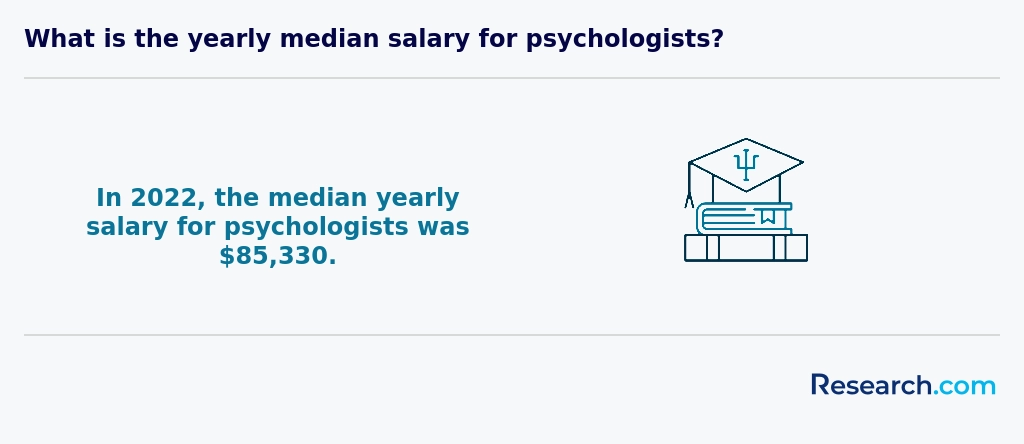
To find the most affordable psychology degree programs, students should consider factors such as tuition costs, financial aid availability, and potential return on investment. For instance, exploring options like cheapest psychology schools in massachusetts can provide valuable insights into affordable education. Many institutions in Cambridge, MA, offer competitive pricing without compromising the quality of education, making it essential for prospective students to research and compare different programs. By doing so, they can make informed decisions that balance their financial constraints with their academic and career aspirations, ultimately leading to a successful and fulfilling career in psychology.
When pursuing a psychology degree in Cambridge, many students find relief through various financial aid options that make their academic journey more manageable. Graduates from universities like Harvard and MIT often share how scholarships and grants were game-changers-they don't have to be repaid, allowing students to focus fully on their studies and research without the looming pressure of debt.
Completing the FAFSA is a critical step to unlock federal resources such as Pell Grants, which can provide up to $7,395 annually. These grants truly ease the burden of tuition and living costs, empowering students to pursue their passions with confidence. Many psychology students also tap into federal Direct Subsidized Loans, where interest is covered while they study, demonstrating how smart borrowing can complement scholarships and grants.
Work-study programs offer practical part-time jobs right on campus, making it easier to gain experience and earn money simultaneously. Plus, veterans in Cambridge can access GI Bill benefits, which cover tuition and living expenses, providing vital support for those who've served.
By combining these aids, students at institutions focused on psychology turn financial stress into opportunity, fueling their dreams of contributing to the field.
Accreditation ensures that psychology programs in Cambridge, MA, meet rigorous academic and professional standards, preparing graduates for licensure and career success. In the United States, the American Psychological Association (APA) is the primary accrediting body for doctoral programs in clinical, counseling, and school psychology. Attending an APA-accredited institution not only guarantees a curriculum aligned with best practices in research and clinical training but also fulfills one of the key prerequisites for state licensure. In Massachusetts, licensure as a psychologist requires:
- A doctoral degree from an APA-accredited program or one deemed equivalent by the Board of Registration of Psychologists.
- Completion of at least 1,750 hours of supervised professional experience, including pre-doctoral and post-doctoral practica.
- Passing the Examination for Professional Practice in Psychology (EPPP).
- Submission of an application, official transcripts, supervisor evaluations, and a jurisprudence exam on Massachusetts law. Students interested in advanced doctoral training may also consider online doctoral programs psychology accredited by the APA, which offer flexibility for working professionals and often include virtual practica and residencies that satisfy state supervision requirements. Key SEO considerations:
- Include “APA-accredited psychology programs” and “Massachusetts psychology licensure” to match search intent.
- Mention “supervised professional experience” and “EPPP examination” as frequently queried terms.
- Use internal links naturally to improve site navigation and dwell time. By choosing an accredited program and understanding licensure steps early, prospective students can streamline their path from enrollment to licensed psychologist in Cambridge, MA.
To secure a spot in a psychology degree program in Cambridge, you'll want to demonstrate strong academic performance, especially in biology, mathematics, and English. Graduates from Cambridge colleges often share how their solid foundation, typically a GPA above 3.5, gave them the confidence to thrive in rigorous coursework. Remember, although no single "psychology" course is mandatory, showing familiarity with social or natural sciences can make your application stand out.
Beyond grades, Cambridge admissions officers value thoughtful personal statements that reveal your passion for psychology and clarity about your goals. Many successful applicants describe how crafting essays about their experiences-like volunteering in mental health programs or assisting in research labs-helped admission staff see their dedication in action.
Standardized tests like the SAT or ACT may still appear, but with many Cambridge institutions moving to test-optional, your enthusiasm and practical experience often weigh heavily. Letters of recommendation highlighting your academic abilities and character complete the picture, presenting you as a motivated student ready for the challenges and rewards of studying psychology in this vibrant city.

- Maximize transfer credits by submitting AP, IB or community college coursework before enrollment.
- Apply early for departmental scholarships and private grants specific to psychology majors.
- Secure paid research or teaching assistantships to offset tuition and build experience.
- Share housing and split living expenses by forming study-group roommates near campus.
- Consider an accelerated psychology degree online to reduce overall tuition and living costs.
If you're embarking on a psychology degree in Cambridge, expect a curriculum that masterfully blends theory with real-world application. Graduates from renowned institutions such as the University of Cambridge often speak highly of their foundational courses like General Psychology, where they first uncovered the fascinating principles behind human thought and behavior. These initial classes build a strong base, setting you up for more advanced topics.
Courses typically include in-depth studies in areas like Cognitive Psychology, which helps you understand memory and perception through engaging experiments, and Developmental Psychology, where you explore human growth stages-from infancy to adulthood-with vivid case studies.
Many students appreciate courses on Biological Psychology, tying brain functions to behavior, often enhanced by hands-on lab sessions at colleges around Cambridge. Social and abnormal psychology classes encourage you to analyze everyday interactions and mental health challenges, making the material relatable and impactful.
Several alumni mention how research methods and statistics courses gave them the confidence to conduct their own studies, essential for both academic and professional success in Cambridge's vibrant psychology community.
When exploring a psychology degree, the specializations in Cambridge provide a rich landscape tailored to diverse interests. Graduates from renowned colleges there often recall their engagement with Clinical Psychology, where they gained hands-on experience in diagnosing and supporting mental health challenges-an empowering path for those driven by helping others. Cognitive Psychology captivates students fascinated by memory and perception, frequently involving practical work with cutting-edge brain imaging technology, which truly brings learning to life.
Many students appreciate Developmental Psychology, studying the complex changes from infancy to later life stages, a journey that offers meaningful insights into human growth. Social Psychology in Cambridge encourages deep reflection on how group dynamics shape behavior, a favorite for those eager to understand social influence. Others gravitate toward Neuropsychology, blending neuroscience and psychology with clinical applications, a specialization boosted by Cambridge's access to advanced research labs.
Industrial-Organizational Psychology draws those interested in enhancing workplace well-being and efficiency, often through real-world internships. For US students aiming to navigate career options, Cambridge programs consistently align with global trends in psychology degree specializations Cambridge, similar to top US institutions. If you want to explore further about your future opportunities, consider the career paths with online masters degree in psychology to complement your academic journey.
Choosing the best psychology degree in Cambridge starts with understanding what truly excites you about the field. Graduates from top universities in Cambridge often emphasize how selecting a program accredited by reputable bodies ensures quality education and strong career support. Many recall how engaging with faculty actively involved in research made their studies feel alive and relevant, whether in clinical or cognitive psychology.
It's essential to weigh the cost alongside your academic goals. For those seeking best affordable psychology degrees Cambridge, comparing tuition fees, scholarships, and living expenses becomes crucial. Several students benefit from programs with flexible curricula that balance research methods and applied psychology, helping them stay motivated and focused.
For those dreaming of advanced practice, integrated degree pathways ease the transition into graduate studies. Exploring opportunities like internships or counseling offered by Cambridge colleges can open doors to licensure and rewarding careers. Additionally, if you're interested in online doctoral programs psychology, some Cambridge institutions provide hybrid options that combine flexibility with top-tier instruction.
Embracing these factors will help you find top psychology programs cost Cambridge students trust, aligning your passion with practical choices that foster success.
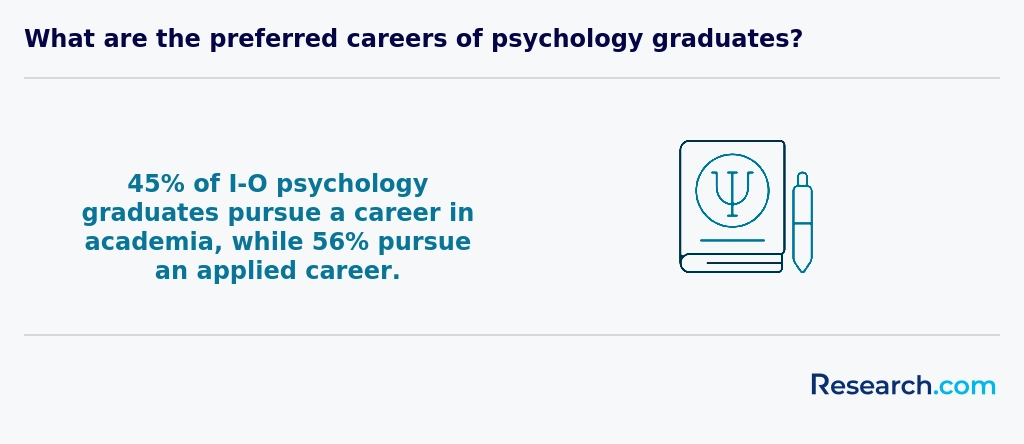
Graduates who pursue a psychology degree in Cambridge discover a wealth of career opportunities with psychology degree in Cambridge that extend far beyond the classroom. Many find themselves drawn to clinical psychology, where they passionately diagnose and treat mental health disorders after further postgraduate study. Graduates from renowned institutions like Harvard and MIT in Cambridge often describe the fulfillment they experience helping individuals overcome challenges, illustrating the impact this path offers.
Others explore counseling roles such as licensed professional counselor or marriage and family therapist, working closely with diverse populations in schools or community health agencies. This real-world engagement allows graduates to apply their skills meaningfully while continuing to grow professionally. Many successful alumni also pursue research or academia, unlocking new insights into human behavior through rigorous study tied to Cambridge's vibrant academic environment.
For students interested in transitioning to the business world, psychology informs human resources, organizational development, and marketing roles, highlighting how behavior analysis enhances workplace success. Understanding the range of options helps you align your passion with practical goals while considering costs. To navigate this, explore resources like the Low Cost Online Bachelor's in Psychology Degree Programs Ranking in Pennsylvania for affordable study routes that support your ambitions and ease financial challenges.
Looking ahead, psychology job prospects in Cambridge 2027 remain promising, spanning forensic, school, and health psychology, each rewarding in their unique ways. Graduates often reflect on the rewarding combination of science and compassion their careers embody, inspiring future students to envision their own journey starting right here in Cambridge.
The job market for psychology degree graduates in Cambridge is vibrant yet demanding, shaped by the city's rich academic and healthcare landscape. Graduates from renowned institutions like Harvard and MIT often find themselves drawn to roles in healthcare hospitals or prestigious research labs. Many share stories of securing positions at Massachusetts General Hospital or collaborating with biotech firms, where their skills in human behavior and neuroscience are deeply valued. This reflects the strong local demand for trained professionals, particularly in specialized fields such as clinical psychology, UX research, and organizational psychology, which aligns well with the broader Cambridge psychology graduate employment outlook.
However, these opportunities frequently require advanced degrees, making graduate study crucial. Early career experiences, such as research assistantships or case management roles, help build a solid foundation in this competitive environment. Students considering their next steps often explore a range of educational paths, including more affordable or accelerated options like best 6 month courses that pay well, to enhance their practical skills and job prospects.
2027 Most Affordable Psychology Degree Programs Ranking in Cambridge
Investing in your education is a significant decision that can shape your future, and the Research.com team understands the importance of making informed choices. To assist prospective students seeking affordable psychology degree programs in Cambridge, we have meticulously crafted the "2027 Most Affordable Psychology Degree Programs Ranking in Cambridge." Our commitment to quality, credibility, and accuracy is reflected in the extensive research and analysis conducted to compile this ranking.
We utilized the following reputable data sources to ensure a comprehensive evaluation of psychology programs:
By exploring this ranking, readers will gain valuable insights into the most affordable psychology degree options in Cambridge, empowering them to make well-informed decisions about their education and financial investment. For more details on our methodology, please visit our Research.com methodology page.


Frequently Asked Questions About psychology
Psychology degree students in Cambridge can enhance their learning experience by engaging actively with research opportunities. According to the American Psychological Association, students who participate in hands-on projects tend to develop stronger critical thinking and analytical skills. Cambridge offers several research centers where students can assist faculty with ongoing studies, providing practical experience beyond traditional coursework.
Networking is equally important. Joining psychology-related clubs or associations can help students build professional connections early. Attending local conferences or workshops focused on psychology topics further broadens knowledge and exposes students to the latest findings and career paths.
Additionally, many Cambridge institutions encourage internships in clinical, educational, or organizational psychology settings, offering real-world application of classroom theories. Utilizing campus resources like writing centers and tutoring services can also improve academic performance in challenging subjects.
The psychology field is rapidly evolving, with several emerging niches gaining attention in recent years. One notable area is neuropsychology, which explores the relationship between brain function and behavior. This niche is growing due to advances in brain imaging technology.
Another expanding field is health psychology, focusing on how mental health affects physical well-being. Given the rise of chronic illnesses, professionals trained in this niche are increasingly in demand.
Additionally, industrial-organizational psychology, which applies psychological principles to workplace settings, is becoming crucial as companies prioritize employee well-being and productivity.
According to the American Psychological Association, demand for these specialties in the US is projected to grow by 10% to 15% over the next decade.
After completing a psychology degree in Cambridge, preparing for the US job market involves targeted steps to enhance employability. Graduates should seek internship opportunities during their studies to gain practical experience, as 85% of psychology employers value hands-on work. Networking through professional organizations like the American Psychological Association can provide access to job listings and mentorship. Additionally, obtaining certification or pursuing further education, such as a master's or doctorate, significantly increases job prospects in clinical or counseling psychology. Cambridge students should leverage career services and attend local job fairs, which in 2023 saw a 20% increase in psychology-related opportunities. Staying current with industry trends and tailoring resumes to highlight research and applied skills is essential.
Employers in Cambridge seek psychology graduates with strong analytical and critical thinking skills. These abilities are essential for interpreting complex research data and applying psychological theories to real-world problems. According to the American Psychological Association, nearly 70% of employers prioritize communication skills, highlighting the importance of clearly conveying findings and collaborating effectively.
Additionally, proficiency in statistical software and research methods is highly valued, as many psychology roles require designing experiments and analyzing results. Emotional intelligence and ethical judgment also rank high, especially in clinical or counseling contexts.
These competencies equip graduates to meet the demands of diverse psychology careers in Cambridge's competitive job market.
Finding internships in Cambridge relevant to a psychology degree involves leveraging multiple local and university resources. Many psychology students in the U.S. look for internships through their college career centers, which often have partnerships with nearby hospitals, research labs, and mental health organizations.
In Cambridge specifically, students benefit from proximity to institutions such as Harvard Medical School and Massachusetts General Hospital, which frequently offer psychology-related internship opportunities. According to the National Association of Colleges and Employers, 60% of psychology graduates complete internships before graduating, significantly boosting their employment prospects.
Additionally, joining professional organizations like the American Psychological Association can provide networking opportunities and internship listings tailored to psychology students. Volunteering with community mental health programs or research studies conducted at local universities is another effective approach.
A psychology degree in Cambridge can significantly enhance career mobility and advancement within the US job market. Graduates often benefit from the proximity to leading research institutions and a growing local mental health sector, which fosters numerous internship and networking opportunities. According to the American Psychological Association (APA), individuals with a Bachelor's or Master's degree in psychology have access to wider career options, including roles in counseling, social services, and human resources.
Cambridge's strong academic environment encourages skill development in research and critical thinking, skills highly valued by employers across industries. A survey by the National Center for Education Statistics (NCES) shows that psychology graduates achieve higher rates of employment within two years compared to many other social science disciplines. Consequently, holding a psychology degree from a Cambridge institution may provide a competitive advantage for career growth and transitions in related fields.
Studying for a psychology degree in Cambridge offers a strong foundation for interdisciplinary roles, emphasizing science, social science, and practical skills. Programs often integrate psychology with fields such as neuroscience, education, and health sciences, reflecting trends in U.S. higher education where interdisciplinary knowledge is highly valued.
Cambridge's curriculum typically includes research methods, cognitive psychology, and biological psychology, preparing students to collaborate across disciplines. The American Psychological Association highlights that such broad training enhances employability in areas like public health, technology, and counseling.
Additionally, students gain experience in data analysis and critical thinking, both essential in multidisciplinary teams. This approach aligns with the growing demand for versatile psychologists in diverse fields.
When choosing between a thesis and a non-thesis psychology degree program in Cambridge, consider your career goals. A thesis option requires conducting original research and writing a substantial paper, which can be valuable if you plan to pursue doctoral studies or research careers. Non-thesis programs typically focus more on coursework and practical skills, appealing to students targeting professional practice or immediate employment after graduation.
Data from the American Psychological Association shows that about 40% of psychology graduate students in the US complete a thesis, reflecting its importance for research roles. Cambridge universities often offer both paths, allowing flexibility based on student needs. Cost and time commitments may also differ; thesis programs usually take longer and require more resources.
Students based in Cambridge who wish to study psychology abroad, specifically in the United States, have several options. Many US universities offer exchange or study abroad programs that enable Cambridge students to immerse themselves in American psychology curricula. Popular destinations include institutions known for strong psychology departments such as Stanford, UC Berkeley, and the University of Michigan. According to the Institute of International Education, over 15,000 US students studied abroad in the 2022-2023 academic year, many in psychology-related fields.
These programs often provide credits transferable to the home institution, helping students progress toward their degrees efficiently. Application requirements typically include transcripts, letters of recommendation, and proof of English proficiency.
Financial aid options and scholarships specifically for study abroad in psychology are available through many US colleges, frequently covering tuition or living expenses. The American Psychological Association encourages students to utilize these programs to gain diverse perspectives within psychological research and practice.
Students pursuing psychology degrees in Cambridge have access to various part-time job opportunities that can enhance their academic learning. Many choose to work as research assistants in psychology labs at local universities, gaining hands-on experience in data collection and analysis. According to the American Psychological Association, research assistantships significantly improve understanding of experimental methods.
Other popular roles include mental health support workers, where students assist licensed professionals, helping develop interpersonal skills crucial for psychology careers. Campus counseling centers sometimes offer part-time internships with flexible hours.
Additionally, tutoring psychology undergraduates or volunteering for organizations like NAMI (National Alliance on Mental Illness) can build practical skills and professional networks in Cambridge's psychology community.
Psychology students in Cambridge benefit from diverse networking opportunities due to the city's vibrant academic and professional communities. Universities such as Harvard and MIT, located nearby, regularly host psychology seminars, workshops, and conferences that students can attend to connect with experts and peers.
Local organizations, including the Cambridge Psychology Association, offer student memberships, which provide access to events, mentoring programs, and job boards specific to psychology careers.
Additionally, students can join research labs or participate in community outreach projects, fostering relationships with faculty and local professionals. Networking through internships at nearby hospitals and clinics also helps students build valuable contacts for future employment.
Alumni networks play a significant role in supporting psychology degree students in Cambridge. These networks provide access to professional connections, offering mentorship and career advice tailored to the psychology field. According to a 2023 report by the Cambridge Education Consortium, nearly 70% of psychology graduates in Cambridge found their first job through alumni referrals. This demonstrates the value of networking early in academic programs.
Moreover, alumni often host workshops and guest lectures, giving current students insight into industry trends and emerging research areas. Participation in alumni events also enhances students' resumes by showing involvement in professional communities. These networks create a bridge between academic learning and real-world applications in psychology careers.
Customizing a psychology degree program in Cambridge allows students to align their studies with specific career goals. Most universities in Cambridge offer elective courses in areas like cognitive psychology, clinical psychology, and behavioral neuroscience. Selecting these electives based on career interests can enhance job readiness.
Internships and research opportunities play a critical role. Cambridge's strong ties with local healthcare and research institutions provide hands-on experience, essential for fields such as counseling or neuropsychology. According to a 2023 report by the American Psychological Association, practical experience improves employment prospects by 40%.
Additionally, choosing between a Bachelor of Arts or Bachelor of Science degree can influence career pathways; the BA often emphasizes social and developmental psychology, while the BS focuses on experimental and biological approaches.
Psychology students in Cambridge often face significant academic pressures due to rigorous coursework and demanding research expectations. Courses typically include complex statistical analysis and experimental design, which can be challenging for students without a strong background in math. According to the American Psychological Association, around 60% of undergraduates report stress related to balancing research projects and classwork.
Another common challenge is securing internships and practical experience, essential for future employment or graduate studies. The competitive environment in Cambridge means students must proactively seek out opportunities early on.
Additionally, mental health concerns are notable among psychology students, with many experiencing anxiety and burnout during their studies. Universities increasingly emphasize support services, yet stigma and workload remain barriers for some students.
With a psychology degree, graduates in Cambridge can pursue several professional certifications that enhance career prospects. Common certifications include the Certified Alcohol and Drug Counselor (CADC) and Licensed Professional Counselor (LPC), which are highly valued in clinical settings. The American Psychological Association (APA) also recognizes Board Certification in specialties like Clinical Psychology for advanced practitioners.
Additionally, certification as a Behavior Analyst (BCBA) is popular for those focusing on applied behavior analysis. According to the National Board for Certified Counselors, individuals with psychology degrees who achieve these certifications often see improved job opportunities and average salaries increasing by up to 20% over non-certified peers.
These certifications require graduate study and supervised experience, aligning well with psychology programs offered in Cambridge universities. Prospective students should consult state-specific licensing boards for detailed requirements.
Writing a winning application for a psychology program in Cambridge requires attention to detail and a strong academic record. Applicants should highlight relevant coursework in psychology, biology, and statistics, demonstrating a solid foundation. Cambridge values research experience, so including any internships or projects involving experimental methods strengthens the application.
Clear, concise personal statements that articulate your passion for psychology and future goals are essential. According to the University of Cambridge admissions office, students with top 10% GPA scores and strong letters of recommendation stand out. Additionally, showcasing critical thinking and analytical skills through standardized test scores or writing samples helps.
Meeting all deadlines and following application instructions precisely is crucial to avoid disqualification or delays.
A psychology career offers diverse opportunities worldwide, including in the United States and Cambridge. In the US, psychology professionals often work in clinical, counseling, and research settings, reflecting an expanding need for mental health services. According to the Bureau of Labor Statistics, employment for psychologists in the US is projected to grow 8% from 2022 to 2032, faster than average for all occupations.
Globally, psychology is recognized as vital for addressing mental health challenges. In Cambridge, programs often emphasize research and applied psychology, reflecting both local and international trends. Understanding these global perspectives helps students prepare for versatile career paths in psychology.
Gaining practical experience during a psychology degree in Cambridge is crucial for building skills and enhancing career prospects. Many programs in Cambridge emphasize internships and volunteer opportunities at local hospitals, clinics, and research centers. For example, students often secure placements through partnerships with the Cambridge Health Alliance, gaining exposure to clinical settings.
Research assistant roles are also common, allowing students to work alongside faculty on active projects. According to the American Psychological Association, students with hands-on research experience are 30% more likely to succeed in graduate programs. Additionally, psychology students in Cambridge can participate in community outreach programs addressing mental health, providing valuable real-world experience.
Choosing the right concentration within a psychology degree program in Cambridge involves understanding your interests and career goals. Psychology offers diverse fields such as clinical, cognitive, developmental, and social psychology. Each area focuses on different aspects, from mental health treatment to brain function or behavior in groups.
Research local Cambridge universities' course offerings and faculty expertise. According to the American Psychological Association, nearly 55% of psychology undergraduates shift their concentration at least once, highlighting the importance of exploring before deciding.
Consider the availability of internships and research opportunities, as Cambridge has partnerships with various hospitals and research centers, enhancing practical experience.
Finally, reflect on your long-term aspirations, whether in research, counseling, or applied psychology, to guide your concentration choice effectively.
- 2027 Most Affordable Psychology Degree Programs Ranking in Boston
- 2027 Most Affordable Psychology Degree Programs Ranking in Worcester
- 2027 Most Affordable Psychology Degree Programs Ranking in Amherst
- 2027 Most Affordable Psychology Degree Programs Ranking in Springfield
- 2027 Most Affordable Psychology Degree Programs Ranking in New Haven
- 2027 Most Affordable Psychology Degree Programs Ranking in Albany
- 2027 Most Affordable Psychology Degree Programs Ranking in New York
- 2027 Most Affordable Psychology Degree Programs Ranking in Rochester
- 2027 Most Affordable Psychology Degree Programs Ranking in Baltimore
- 2027 Most Affordable Psychology Degree Programs Ranking in Washington
See What Experts Have To Say About Studying Psychology
Read our interview with Psychology experts

Joann Farrell Quinn, Ph.D., MBA
Psychology Expert
Director at the College of Medicine Department of Medical Education
Morsani College of Medicine

Catherine Caldwell-Harris, Ph.D.
Psychology Expert
Associate Professor of Psychology
Boston University

Robin M. Kowalski. Ph.D.
Psychology Expert
Professor of Psychology
Clemson University

- Oxford, Cambridge & the Human Mind: Psychology Unlocked - Oxbridge Summer Courses Guide https://oxfordsummerschools.com/blog/oxford-cambridge-the-human-mind-psychology-unlocked
- Psychology Degree Entry Requirements: UK Guide | MyRevisionAgent https://myrevisionagent.com/guides/psychology-entry-requirements
- What can I do with a psychology degree? https://www.hull.ac.uk/study/undergraduate/courses/psychology-bsc-hons/what-can-i-do-with-a-psychology-degree
- Why Get a Psychology Degree Online? | University of Bridgeport https://www.bridgeport.edu/news/reasons-to-get-your-psychology-degree-online/
- Study Psychology in the UK: Courses & Fees https://gyanberry.com/blog/study-psychology-in-the-uk-courses-fees/
- Psychology Online Degree Pathway https://www.learndirect.com/course/psychology-online-degree
- How to help students cope with mental health challenges https://www.eaie.org/resource/help-students-cope-mental-health-challenges.html
- Find Your Perfect UK Psychology Degree https://gcrdhub.com/find-your-perfect-uk-psychology-degree-your-step-by-step-guide-to-applying/
- Psychology Placement Opportunities for Year 12 Students https://studymind.co.uk/ucas-guide/year-12-guide-to-gaining-psychology-work-experience/
- Ontario Psychological Association - Networking and Community Resources https://www.psych.on.ca/become-a-member-(1)/member-services/networking-and-community-resources