2027 Most Affordable Psychology Degree Programs Ranking in Baltimore

Co-Founder and Chief Data Scientist
Choosing the right psychology degree program is an exciting step toward a rewarding career. For students in Baltimore, finding an affordable option that fits your goals can feel overwhelming.
This article introduces the 2027 Most Affordable Psychology Degree Programs Ranking in Baltimore, created by the Research.com team of data scientists. Their careful analysis helps you discover quality programs without breaking the bank.
Reading this guide will empower you to make informed decisions and confidently pursue a psychology degree that opens doors to meaningful opportunities.
Key benefits of getting psychology degree in Baltimore
- Psychology degree graduates in Baltimore can pursue well-paying roles such as Human Resources Specialist with an average yearly salary of $76,060 or Marketing Research Analyst earning about $83,190, offering strong financial stability.
- Graduates from local universities often explore diverse career paths, including Clinical Research Associate or Survey Researcher positions, blending science and human behavior to make meaningful impacts in health and social services.
- Choosing an online psychology degree in Baltimore provides flexibility to balance studies with personal life while still opening doors to rewarding careers, just like graduates from popular online programs who gain practical skills for today's workforce.
- 2027 Most Affordable Psychology Degree Programs Ranking in Baltimore
- What can I expect from psychology degree in Baltimore?
- Where can I work with psychology degree in Baltimore?
What can I expect from psychology degree in Baltimore?
The average cost of a psychology degree in Baltimore varies significantly depending on the institution and degree level. For example, graduates from Johns Hopkins University often report higher tuition fees, reflecting its status as a prestigious research university with extensive resources in clinical and neuropsychology. Conversely, those attending the University of Maryland, Baltimore County (UMBC) generally experience more affordable tuition, making it a popular choice for local students seeking quality education without excessive financial burden.
Students frequently mention balancing tuition costs with practical benefits such as access to internships and research opportunities. One graduate shared that the cost felt justified due to the program's strong connections with local mental health facilities, which provided invaluable hands-on experience.
It is important to weigh tuition against potential outcomes, including career prospects and program reputation. While some students express concern over rising costs, many appreciate the investment for the career flexibility a Baltimore psychology degree offers in the region's expanding healthcare and research sectors.
Where can I work with psychology degree in Baltimore?
Graduates with psychology degrees from institutions like Johns Hopkins University or the University of Maryland, Baltimore County often find themselves employed in diverse settings across Baltimore. Many begin their careers in healthcare environments such as hospitals or mental health clinics, where they contribute as clinical psychologists, counselors, or behavioral therapists. For instance, joining teams at places like the Kennedy Krieger Institute offers direct community impact and personal fulfillment through supporting patients' mental health.
Others choose paths in educational settings, working within Baltimore City Public Schools or Baltimore County Public Schools as school psychologists or counselors. This work often involves hands-on support for students facing academic or emotional challenges, creating rewarding daily interactions for graduates. Some find these roles emotionally enriching, highlighting the importance of their training.
Psychology graduates also enter nonprofit organizations and government sectors, where roles in case management or organizational analysis emphasize applied psychology in real-world social issues. Employment growth in industrial-organizational psychology reflects opportunities in Baltimore's corporate landscape, especially for graduates interested in human resources or market research. Research positions at UMBC or local research centers provide yet another avenue, allowing graduates to engage deeply with cognitive and behavioral science projects.
Graduates with a psychology degree in Baltimore can anticipate diverse salary outcomes depending on their chosen career path and education level. For example, those entering roles like Clinical Research Associate or Survey Researcher-common entry points for psychology majors-earn around $62,370 annually, as reflected in recent U.S. Bureau of Labor Statistics data. This aligns with experiences of Baltimore-area graduates who found positions supporting clinical studies or behavioral research after completing programs at institutions such as Johns Hopkins University and Towson University.
Other psychology-related roles, including Human Resources Specialist and Marketing Research Analyst, offer mean salaries of approximately $76,060 and $83,190 respectively in Baltimore. Graduates often appreciate how these positions leverage their understanding of human behavior while providing stable income and room for growth.
These salaries illustrate tangible outcomes from local academic investments. Yet, earnings also vary by factors like specialization, experience, and work setting. Graduates pursuing advanced degrees or certifications often report higher compensation-highlighting that continuing education in Baltimore's strong academic landscape can meaningfully impact earning potential.
- Tuition for psychology degrees in Baltimore ranges from $10,000 to $25,000 per year at public schools and can exceed $30,000 at private colleges.
- Psychologist employment in the Baltimore metropolitan area is expected to grow slightly faster than the national average over the next decade.
- Starting salaries for entry-level psychology graduates in Baltimore typically range from $40,000 to $50,000 annually.
- Experienced psychologists or those in leadership roles can earn more than $90,000 per year locally.
- Accreditation of the psychology program is critical for licensure and certification to practice professionally in Maryland.
- Baltimore's large healthcare and research institutions offer valuable internship and job opportunities for psychology students.
Completing a psychology degree in Baltimore typically aligns with national averages but varies notably by program and student circumstances. Graduates from Johns Hopkins University often describe the standard four-year path for a Bachelor of Arts or Science degree as both challenging and rewarding, with a balanced mix of foundational courses and electives.
For those pursuing advanced degrees, many students at the University of Maryland, Baltimore County share that a master's degree usually adds about two years, involving specialized research or practicum work that can extend the timeline depending on individual pace.
Doctoral candidates, whether in PhD or PsyD tracks, experience a more extensive journey, spanning five to seven years post-bachelor's, often shaped by clinical training demands and dissertation progress. Part-time enrollment, internships, or combined degree options add layers of flexibility but also complexity to these time frames.
Understanding these factors helps prospective students anticipate the commitment needed, balancing optimism with realistic planning in Baltimore's diverse academic landscape.
Accelerated programs help you complete your psychology degree faster, reducing both tuition and living expenses. By taking heavier course loads, enrolling in summer sessions, or transferring eligible credits, you can streamline your path to graduation.
- Shorter program length (often 3 years instead of 4)
- Intensive semester schedules and summer courses
- Credit transfers from AP, IB, or community college classes
- Flexible online or hybrid formats to balance work and study
Consider exploring an accelerated psychology degree for tailored timelines and cost savings. Before enrolling, confirm accreditation and credit requirements to ensure a smooth academic transition.
Choosing between online and on-campus psychology degrees in Baltimore hinges on different learning environments and lifestyles. On-campus students at places like Johns Hopkins University enjoy rich face-to-face interactions with professors and peers, access to campus labs, and hands-on experiences such as clinical internships. Graduates often describe the excitement of lively campus events fostering strong mentorships and professional connections, which can feel deeply motivating.
In contrast, online psychology programs appeal to those balancing work or family commitments, offering flexibility through virtual lectures and discussion boards. For example, graduates from the University of Maryland, Baltimore County, who studied online recall appreciating the freedom to manage their schedules without sacrificing academic rigor. Though some worry about missing campus energy, many find online networking services effective for career support.
Cost considerations also shape the experience-on-campus programs typically have higher tuition plus commuting or housing costs, while online degrees may lower these expenses but vary widely in price depending on the institution's prestige. Ultimately, psychology students in Baltimore must weigh flexibility, cost, and the type of community that best supports their learning style and goals.
Pursuing an advanced degree in psychology, particularly through online master’s programs, can be a game-changer for professionals looking to elevate their careers and increase earning potential. Many graduates find that supplementing their undergraduate education with a specialized master’s degree not only deepens their expertise but also opens doors to leadership and specialized roles in clinical, counseling, and organizational settings. An online master’s degree offers flexibility in balancing education with work and personal commitments, while also providing access to cutting-edge research resources and industry connections. This path is especially valuable for those seeking the benefits of practical insights and networking opportunities that can lead to transformative roles, such as the highest paying jobs with online masters in psychology. Moreover, employers increasingly value the advanced critical thinking and problem-solving skills cultivated through these programs, ensuring that graduates are well-prepared to meet the evolving demands of the mental health and business sectors. By investing in an advanced degree, students and professionals can secure a competitive edge in the dynamic field of psychology, ultimately paving the way for greater career satisfaction and long-term financial success.
The average cost of obtaining a psychology degree in Baltimore varies significantly based on factors such as residency, degree level, and type of institution. Data shows a median total cost of around $50,921 for out-of-state students, while in-state students often experience a much lower median cost near $13,256. This wide disparity reflects differences between public universities, like the University of Maryland, Baltimore County (UMBC), and private institutions such as Johns Hopkins University.
Graduates from UMBC frequently mention the relief of more affordable tuition, which enables them to focus on enriching academic experiences rather than financial stress. In contrast, students attending private universities often weigh the investment against the university's strong reputation and extensive research opportunities, acknowledging that tuition can exceed $60,000 annually for undergraduate programs.
Estimating the average cost of a psychology degree in Baltimore is complex because additional expenses-such as textbooks, housing, and transportation-can add thousands of dollars annually. Many find exploring financial aid and scholarships tailored to psychology students a crucial strategy to manage these costs effectively. Those interested in flexible options may also consider online or hybrid formats to potentially reduce both tuition and living expenses.
Prospective students eager to discover more about affordable psychology degree programs Baltimore can explore specific options by consulting the most affordable psychology programs in Maryland, which provide valuable insights tailored to local needs.

Graduates aiming to practice professionally in Maryland must follow a clear licensure pathway that includes specific education, supervised experience, and examination requirements. First, most aspiring counselors and psychologists complete a master’s degree in psychology or a related field; for example, those evaluating online options can consult the Affordable Online Master’s in Psychology Degree Programs Ranking in the West for accredited, budget-friendly programs. After earning their degree from an APA-accredited institution, candidates must accrue supervised clinical hours-typically 3,000 for Licensed Clinical Professional Counselors (LCPC) and 4,000 for Licensed Psychologists (Psychologist Doctor). Next, applicants submit proof of education and supervised experience to the Maryland Board of Examiners of Psychologists or the Board of Professional Counselors and Therapists, along with transcripts and application fees. They then sit for the Examination for Professional Practice in Psychology (EPPP) or the National Counselor Examination (NCE). Passing scores on these exams certify that candidates have met the national standard of competency. Finally, new licensees must complete continuing education (CE) every two years-36 hours for psychologists and 20 hours for counselors-including ethics and diversity training. By understanding and fulfilling these requirements, Baltimore graduates can confidently transition from academic study to licensed practice, ensuring both compliance with state regulations and the high professional standards valued in psychological care.
Psychology students in Baltimore often rely on a mix of federal, state, and institutional financial aid to manage their education expenses. Many graduates from Towson University recall how Pell Grants and Federal Direct Loans formed a crucial part of their funding, allowing them to focus more on studies instead of immediate financial pressures. These federal aids are especially vital given Maryland's undergraduate psychology costs range widely from about $10,000 to $24,000 annually depending on the institution.
State grants like the Educational Assistance Grant (EAG), offered by the Maryland Higher Education Commission, also play a significant role for residents attending public colleges such as the University of Maryland, Baltimore County (UMBC). A graduate from UMBC shared how this grant helped bridge the gap between tuition and other expenses, providing a sense of stability.
Beyond federal and state support, institutional scholarships tailored to psychology students frequently reward academic merit or financial need. Many Baltimore-based psychology majors have reported applying for departmental scholarships at their universities, which, paired with work-study programs in local clinics or research centers, make continuing education feel achievable and rewarding.
Ensuring your psychology degree program in Baltimore, MD, holds proper accreditation is crucial for both educational quality and eligibility for state licensure. Accreditation by the American Psychological Association (APA) or regional bodies such as the Middle States Commission on Higher Education confirms that a program meets rigorous academic standards and prepares graduates for professional practice. Many graduate students opt for doctoral pathways to become licensed psychologists; if you’re considering advanced credentials, explore our fully online psyd programs to find APA-accredited options that accommodate working professionals. Completing an APA-accredited curriculum is often a prerequisite for licensure in Maryland and allows for smoother reciprocity if you relocate. After graduation, Maryland requires aspiring psychologists to:
- Complete a supervised internship totaling at least 1,750 hours under a licensed psychologist.
- Pass the Examination for Professional Practice in Psychology (EPPP).
- Submit verification of supervised work and exam scores to the Maryland Board of Examiners of Psychologists. Maintaining licensure also involves continuing education-Maryland licensees must earn 40 hours of approved credits every two years, including specific coursework in ethics. Understanding these accreditation and licensure pathways before enrolling ensures you select a program that aligns with your career goals and state requirements.
Enrolling in psychology degree programs in Baltimore involves clear yet varied prerequisites, reflecting both academic standards and the flexibility of local institutions. For instance, many students aiming for undergraduate studies at venues like the University of Maryland Baltimore County (UMBC) have shared that fulfilling basic criteria-such as holding a high school diploma or a GED-feels like a straightforward first step. These programs usually expect completion of core subjects like English, math, and science, supporting the analytical mindset essential to psychology.
Many Baltimore colleges set a minimum GPA around 2.5 to 3.0, guiding applicants toward demonstrating consistent academic performance. Graduates often recount that submitting personal statements and letters of recommendation helped convey their genuine interest in psychology beyond grades, a part of the process that many find empowering and reflective.
Graduate applicants face more stringent demands, such as holding a bachelor's degree and possibly providing GRE scores. Towson University alumni frequently note that clinical or research experience not only strengthens applications but also builds confidence, offering hands-on insights before fully committing to advanced study.
When exploring psychology programs in Baltimore, MD, it's essential to consider various factors, including affordability, academic rigor, and career opportunities. Prospective students can find a range of options, from traditional on-campus programs to flexible online degrees, such as the most affordable psychology programs in Maryland, which can offer a more accessible pathway to a psychology degree. By weighing these factors and exploring different programs, students can make informed decisions that align with their academic and professional goals, ultimately leading to a fulfilling career in psychology.
Psychology degrees in Baltimore typically cover a broad spectrum of courses that blend theory with practical skills. Graduates from popular institutions like the University of Maryland, Baltimore County often describe their introduction to psychology as an eye-opening journey through fundamental theories and research methods, laying a solid groundwork for advanced topics.
Core coursework usually includes abnormal psychology, where students confront real-world mental health issues, and developmental psychology, exploring human growth from infancy to old age. These classes often resonate personally, as students relate concepts to their own experiences or community observations in Baltimore.
Many students highlight research methods and statistics as challenging yet rewarding, especially at UMBC, known for training in statistical software. This hands-on experience in data analysis prepares graduates for diverse careers, from clinical settings to research labs.
Electives like forensic or health psychology allow students to tailor their studies, adding excitement and relevance to their academic path. Internships and lab work frequently enhance students' confidence by bridging classroom theory with practical situations encountered in Baltimore's communities.
Psychology degree specializations in Baltimore reflect a broad spectrum of interests and career aspirations, with academic institutions like Johns Hopkins University and UMBC offering diverse options. Graduates often remark on the value of Clinical Psychology, which equips them to diagnose and treat mental health issues, making their work deeply impactful in hospitals or private practice. Other students find Counseling Psychology rewarding, focusing on interpersonal challenges and community mental health, which is especially relevant given Baltimore's diverse population.
Developmental Psychology appeals to those intrigued by human growth and lifespan changes, connecting theory with real-world applications like working with children or seniors. Industrial-Organizational Psychology stands out for students interested in workplace dynamics, helping businesses improve productivity and employee wellness. Neuropsychology attracts those eager to bridge biology and behavior, benefiting from Baltimore's strong medical research environment. Health Psychology emphasizes prevention and wellbeing, often collaborating with public health institutions locally. The variety of Baltimore psychology degree program concentrations ensures students can tailor their studies to their passions and future paths, supported by robust internships and practical training.
Some graduates also explore the highest paying jobs with online masters in psychology, demonstrating how specializations can directly influence career opportunities.
Choosing the best psychology degree in Baltimore involves weighing factors beyond just reputation or cost. Graduates from popular schools like UMBC often highlight how accessible faculty research projects added real depth to their studies, making the effort more rewarding emotionally and intellectually. Yet, some find that programs near clinical hubs like Johns Hopkins offer richer hands-on experiences, crucial if you aim for applied psychology careers.
A key question is what specialization suits your career goals. For example, an affordable psychology degree program Baltimore offers might emphasize urban mental health, reflecting local community needs, which resonates strongly with some students' personal values. However, others prioritize the prestige of an APA-accredited program to ensure licensure prospects.
Practical considerations such as tuition, financial aid, and proximity to internship sites in Baltimore also shape decisions. For those balancing work and study, exploring fully online psyd programs may provide flexibility without sacrificing quality. Ultimately, aligning your choice with both your academic interests and life circumstances leads to greater satisfaction in your psychology path.

Graduates with a psychology degree in Baltimore often find diverse career paths shaped by the city's unique landscape. For those studying at institutions like the University of Maryland, Baltimore County, clinical and counseling psychology remains a popular avenue, with graduates working in hospitals or private practices addressing mental health needs. This aligns with Baltimore's demand for licensed therapists amid expanding healthcare services. Others, drawn to research, benefit from proximity to major centers such as Johns Hopkins, gaining roles as research assistants or pursuing academia. However, some graduates recognize that research careers may require further studies, adding time and cost considerations.
Another significant path includes industrial-organizational psychology, where Baltimore's businesses seek professionals to enhance workplace dynamics, appealing to students interested in applied psychology outside traditional clinical settings. Social services roles also attract graduates eager to contribute locally in government or non-profits, addressing public health challenges-a career choice that often brings personal fulfillment beyond financial incentives.
For those weighing options, understanding Baltimore psychology degree job prospects involves balancing these paths with individual goals. Prospective students might also explore opportunities highlighted in the Affordable Online Master's in Psychology Degree Programs Ranking in the West to complement local options.
Psychology degree job opportunities Baltimore graduates encounter are diverse, spanning hospitals, schools, and government agencies. Graduates from popular local universities often share how clinical and counseling roles provide meaningful work helping communities manage mental health challenges. However, while bachelor's degree holders frequently find entry-level positions as assistants or in support roles, those investing in graduate degrees tend to access broader career paths and higher salaries, reflecting the 8% projected job growth through 2031.
Baltimore psychology degree career outlook also includes opportunities in human resources and behavioral analysis, sectors bolstered by the city's expanding healthcare and educational networks. Graduates commonly recount positive experiences balancing practical internships with academic study, which helps them navigate this competitive market. Cost is a frequent consideration; thus, many explore affordable in-state programs that offer solid education without excessive debt.
For those seeking to accelerate their qualifications alongside work commitments, Baltimore offers quickest online undergraduate degrees for working adults, providing flexibility and a stepping stone toward licensed clinical roles. Such programs help students remain motivated while gaining practical experience in the city's mental health field.
2027 Most Affordable Psychology Degree Programs Ranking in Baltimore
Investing in your education is a significant decision that can shape your future, and the Research.com team understands the importance of making informed choices. To assist prospective students in Baltimore, we have carefully developed the "2027 Most Affordable Psychology Degree Programs Ranking in Baltimore." Our dedication to quality, credibility, and accuracy is demonstrated through extensive research and rigorous analysis to create this trusted ranking.
We utilized the following reputable data sources to ensure a comprehensive evaluation of psychology programs:
By exploring this ranking, readers will gain valuable insights into affordable and quality psychology degree options in Baltimore, empowering them to make well-informed educational decisions. For more information on our methodology, please visit our Research.com methodology page.

# 3 position
Women's Institute of Torah Seminary and College
Bachelor of Arts in Psychology



Frequently Asked Questions About psychology
Psychology degree students in Baltimore can maximize their learning by engaging in both coursework and practical experience. Baltimore is home to several universities offering strong psychology programs, such as Johns Hopkins University and the University of Maryland, Baltimore County. Students should seek internships at local mental health clinics or research centers to apply theoretical knowledge in real-world settings. According to the Maryland Higher Education Commission, internships significantly improve job prospects for psychology graduates in the state. Additionally, joining psychology clubs or attending local conferences can enhance networking opportunities. Utilizing Baltimore's diverse population allows students to study various psychological phenomena firsthand.
The psychology field is expanding with new niches that reflect evolving societal needs and technological advances. In Baltimore, emerging specialties such as neuropsychology and forensic psychology are gaining attention, supported by institutions like Johns Hopkins University and the University of Maryland, which offer focused research opportunities and graduate programs.
Another growing area is health psychology, addressing mental well-being in medical settings, an essential field amid increased awareness of mental health. Additionally, industrial-organizational psychology, which applies psychological principles to workplace productivity, is expanding due to Baltimore's diverse business environment.
These niches present promising career paths for students pursuing psychology degrees, offering practical and impactful roles aligned with current trends in the US workforce.
After completing a psychology degree in Baltimore, preparing for the job market involves strategic steps to enhance employability. Gaining practical experience through internships or volunteer positions in local hospitals, schools, or community programs can provide valuable skills and networking opportunities. According to the Maryland Department of Labor, the demand for psychology-related roles, including mental health counselors and social workers, is expected to grow by nearly 10% through 2030 in the Baltimore region.
Obtaining relevant certifications, such as those from the National Board for Certified Counselors, can further strengthen your credentials. Additionally, consider joining professional organizations like the Maryland Psychological Association to access job listings and professional development resources.
Building a strong resume and practicing interview skills tailored to psychology roles will improve your chances of success in Baltimore's competitive job market.
Employers in Baltimore highly value psychology graduates who demonstrate strong critical thinking and analytical skills. These abilities enable professionals to assess complex behavioral data and design effective intervention strategies. According to the Maryland Department of Labor, communication skills are also essential, as psychologists often work closely with clients and multidisciplinary teams.
Another key asset is cultural competence. Baltimore's diverse population requires psychologists to be sensitive to varied backgrounds and experiences. Practical experience, such as internships or research participation, can enhance employability by showcasing applied knowledge.
Overall, skills in data analysis, ethics, and problem-solving contribute significantly to the readiness of psychology graduates entering Baltimore's job market.
Finding internships in Baltimore relevant to a psychology degree involves leveraging local resources and institutions. Baltimore is home to several hospitals, mental health clinics, and research centers that offer internship opportunities for psychology students. For example, Johns Hopkins Medicine and the University of Maryland Medical Center both provide clinical and research internships tailored to psychology majors.
Students should begin by visiting their college's career services office, which often maintains partnerships with Baltimore-based organizations. Networking through local psychology associations, such as the Maryland Psychological Association, can also uncover internship openings.
Online platforms like Handshake and the National Institute of Mental Health's internship listings are helpful for finding Baltimore-specific roles. Securing internships early in the academic year increases chances of placement, as many programs have limited spots and competitive applications.
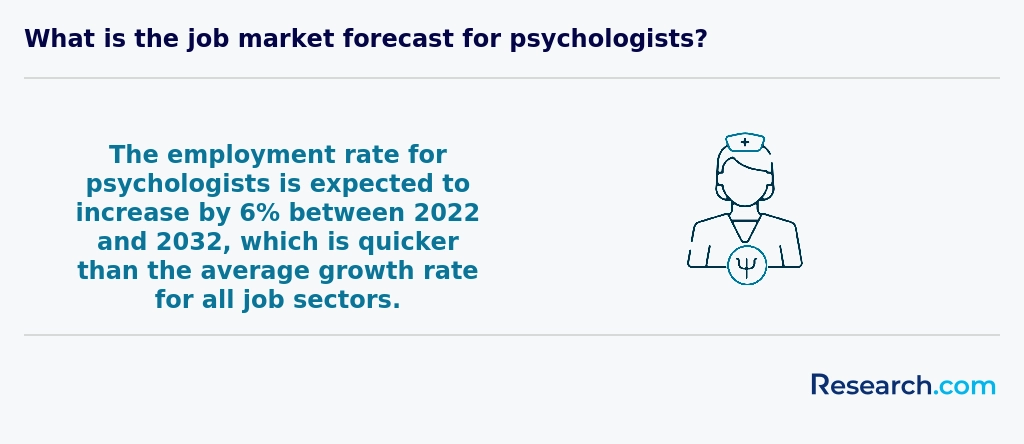
A psychology degree in Baltimore can significantly enhance career mobility and advancement opportunities. The city's diverse healthcare, education, and social service sectors value professionals with strong psychological knowledge. According to the U.S. Bureau of Labor Statistics, the Baltimore metropolitan area projects a 10% growth in psychologist jobs from 2022 to 2032, reflecting steady demand.
Graduates often find roles ranging from clinical positions to human resources and counseling, benefiting from Baltimore's network of hospitals and community organizations. Advanced degrees, such as a master's or doctorate, typically lead to higher salaries and leadership roles. Local licensure requirements also shape career paths, underscoring the importance of accredited psychology programs in the region.
Studying for a psychology degree in Baltimore offers strong preparation for interdisciplinary roles through diverse academic approaches. Local programs often emphasize collaboration with fields like social work, education, and healthcare, reflecting Baltimore's complex community needs. For example, Johns Hopkins University's psychology curriculum integrates research with public health initiatives, fostering skills applicable beyond traditional psychology careers.
Additionally, Baltimore's status as a hub for medical research and social services provides students with practical opportunities. Internships and cross-disciplinary projects enhance understanding of how psychology intersects with neuroscience, policy, and community health.
Data from the Maryland Higher Education Commission shows that students in these programs develop competencies valued in multiple sectors, including counseling, human resources, and criminal justice, making their expertise adaptable and in demand.
When choosing between a thesis and a non-thesis psychology degree program in Baltimore, consider your career goals and learning preferences. A thesis program involves conducting original research and writing a detailed report, which is ideal for students planning to pursue a PhD or research-based careers. These programs typically take longer, often requiring an additional 6 to 12 months.
Non-thesis programs focus more on coursework and practical skills, making them suitable for students aiming to enter the workforce quickly, such as counseling or applied psychology roles. Baltimore's higher education institutions, including Johns Hopkins and University of Maryland Baltimore, offer both tracks with varying tuition rates, often reflected in affordability rankings by the Maryland Higher Education Commission (MHEC).
Consider also faculty expertise, available resources, and your readiness for research. Data from the APA indicates that thesis programs can lead to higher publication rates post-graduation. Ultimately, weighing these factors helps Baltimore students make informed decisions aligned with their professional aspirations.
Students based in Baltimore who wish to study psychology abroad have multiple pathways available through their home institutions. Many universities in Baltimore, such as Johns Hopkins University and the University of Maryland, Baltimore County (UMBC), offer study abroad programs or partnerships with foreign universities. These opportunities allow students to gain international experience while earning credits toward their psychology degrees.
Additionally, programs like the Benjamin A. Gilman International Scholarship support U.S. students studying abroad, helping reduce financial barriers. According to the Institute of International Education, psychology is among the popular fields for study abroad, with students often choosing destinations in Europe and Asia for research and cultural exposure.
Students should also consider exchange programs or international internships facilitated by their psychology departments, which often focus on cross-cultural psychology or mental health practices in diverse communities. Consulting academic advisors is crucial to align these experiences with degree requirements.
Part-time job opportunities in Baltimore can significantly enhance the educational experience for psychology students. Many local healthcare facilities, such as Johns Hopkins Hospital and the University of Maryland Medical Center, offer part-time roles like patient care assistant or behavioral health technician. These positions provide practical experience in clinical settings, aligning well with psychology coursework.
Additionally, Baltimore's numerous social service organizations employ part-time case aides or program assistants, allowing students to observe applied psychology in community contexts. According to the Bureau of Labor Statistics, such roles can build essential skills in communication and client support.
Research assistant positions at institutions like the University of Maryland, Baltimore, also offer valuable exposure to psychological research methods and data collection.
Psychology students in Baltimore benefit from a variety of networking opportunities that can enhance their educational experience and career prospects. Several universities, such as Johns Hopkins University and Towson University, host psychology clubs and honor societies that offer events for connecting with peers and faculty. Additionally, Baltimore's proximity to numerous mental health organizations and hospitals provides students with internships and volunteering options, allowing them to build professional relationships.
Local chapters of national professional organizations, like the Maryland Psychological Association, frequently organize conferences and workshops in the city. These events offer direct access to practicing psychologists and researchers, crucial for mentorship and job opportunities.
According to the Bureau of Labor Statistics, the Baltimore metropolitan area employs over 2,000 psychologists, making it a vibrant community for networking and professional growth. Students are encouraged to leverage career services at their institutions and attend citywide seminars to expand their professional circles.
Alumni networks offer significant advantages to psychology degree students in Baltimore. Graduates from local universities often connect through these networks to share job leads, internships, and research opportunities. According to the National Association of Colleges and Employers, alumni connections increase chances of employment by nearly 30% in many fields, including psychology.
In Baltimore, such networks can be especially valuable due to the city's growing healthcare and mental health sectors. Local alumni often mentor current students, providing guidance tailored to Maryland's licensing requirements and professional demands.
This support helps students build professional relationships early, improving career prospects after graduation.
Customizing a psychology degree in Baltimore involves selecting courses and experiences aligned with your career goals. Many local institutions, including Johns Hopkins University and Towson University, offer specialized tracks in clinical, counseling, or industrial-organizational psychology. You can enhance your program by choosing electives, internships, or research opportunities related to your interests. For example, internships at Baltimore-area mental health clinics or hospitals provide hands-on experience. Additionally, joining student organizations or attending conferences in Baltimore helps build professional networks. According to the Maryland Higher Education Commission, over 70% of psychology students in the state participate in applied learning, reflecting a practical approach to customizing degrees.
Psychology students in Baltimore often face several challenges that can impact their academic progress and mental well-being. One common difficulty is balancing rigorous coursework with practicum and internship requirements, which are essential for licensure but demanding on time. According to the Maryland Higher Education Commission, many students report stress related to managing these concurrent obligations alongside part-time jobs or family commitments.
Access to affordable mental health services remains a concern, despite the proximity to renowned medical centers like Johns Hopkins. Financial strain is another challenge; the average undergraduate tuition for psychology programs in Baltimore exceeds $12,000 per year, which is significant for many students without substantial financial aid.
Additionally, navigating state-specific licensure requirements can be complex. The Maryland Board of Professional Counselors and Therapists outlines stringent practicum hour requirements, which may extend the time needed to graduate. Adapting to these challenges requires solid support systems and clear academic advising tailored to psychology students.
With a psychology degree in Baltimore, graduates can pursue various professional certifications to enhance their career prospects. Common certifications include becoming a Licensed Professional Counselor (LPC), which allows for therapeutic practice and requires passing a state exam and supervised hours. Another option is the Certified Alcohol and Drug Counselor (CADC), relevant for those focusing on substance abuse treatment. For those interested in organizational psychology, certifications like the Professional in Human Resources (PHR) may complement a psychology background.
Baltimore's demand for mental health professionals aligns with Maryland's licensure regulations, making these certifications valuable for local employment. According to the Maryland Board of Professional Counselors and Therapists, LPC is one of the most pursued credentials in the region with over 3,000 active licensees. Graduates should also consider certification exam preparation programs available through Baltimore-area institutions to increase their chances of success.
To write a winning application for a psychology program in Baltimore, start by highlighting your academic achievements, particularly in psychology and related sciences. Strong GPA and relevant coursework demonstrate your preparedness. Programs in Baltimore value applicants with practical experience; include internships, research projects, or volunteer work that show your commitment to the field.
Personal statements should clearly outline your career goals and interest in psychology, connecting these to opportunities offered by Baltimore institutions. For example, Johns Hopkins University emphasizes research, so mentioning specific faculty or labs can strengthen your application.
Letters of recommendation should come from professors or professionals familiar with your abilities and motivation. Finally, meet all deadlines and carefully follow application instructions to avoid disqualification.
Psychology careers in the U.S. are influenced by global trends emphasizing mental health awareness and research advancements. Graduates from Baltimore's psychology programs join a field valued worldwide for its role in education, healthcare, and corporate sectors. According to the American Psychological Association, demand for psychologists is expected to grow 8% nationwide from 2021 to 2031, reflecting similar growth in global markets.
International collaboration in psychology research is common, with many U.S. professionals participating in cross-cultural studies. Baltimore's diverse population offers valuable practical experience in multicultural settings, aligning with global perspectives that stress cultural competence in psychological practice.
Additionally, degrees from Baltimore institutions follow U.S. standards accredited by the APA, recognized globally for quality. This facilitates international career mobility and opportunities in global organizations focusing on mental health.
Gaining practical experience while studying for a psychology degree in Baltimore is essential for career readiness. Many local universities, such as Johns Hopkins and Towson University, offer internship opportunities that connect students with community mental health centers, hospitals, and research labs. These experiences allow students to apply classroom knowledge in real-world settings.
Additionally, Baltimore hosts numerous non-profit organizations and government agencies providing volunteer roles relevant to psychology. According to the Maryland Higher Education Commission, over 60% of psychology students in the state participate in internships before graduation.
Students can also engage in research assistant positions alongside faculty, gaining valuable skills in data collection and analysis. This practical training strengthens resumes and graduate school applications.
Choosing the right concentration within a psychology degree program in Baltimore requires careful consideration of personal interests and career goals. Psychology offers diverse fields such as clinical, counseling, developmental, and industrial-organizational psychology. Each concentration prepares students for different roles, from therapy to research or human resources.
Research from the American Psychological Association highlights that clinical psychology is one of the most popular and lucrative paths, especially in urban areas like Baltimore, where demand for mental health professionals is growing rapidly.
Students should also review local job market data; the Maryland Department of Labor reports steady growth in psychology-related jobs in Baltimore, particularly in health services and education sectors.
Additionally, consider program accreditation and faculty expertise at Baltimore institutions to ensure quality training aligned with licensing requirements.
- 2027 Most Affordable Psychology Degree Programs Ranking in Washington
- 2027 Most Affordable Psychology Degree Programs Ranking in New York
- 2027 Most Affordable Psychology Degree Programs Ranking in New Haven
- 2027 Most Affordable Psychology Degree Programs Ranking in Rochester
- 2027 Most Affordable Psychology Degree Programs Ranking in Buffalo
- 2027 Most Affordable Psychology Degree Programs Ranking in Albany
- 2027 Most Affordable Psychology Degree Programs Ranking in Springfield
- 2027 Most Affordable Psychology Degree Programs Ranking in Amherst
- 2027 Most Affordable Psychology Degree Programs Ranking in Worcester
- 2027 Most Affordable Psychology Degree Programs Ranking in Cambridge
See What Experts Have To Say About Studying Psychology
Read our interview with Psychology experts

Catherine Caldwell-Harris, Ph.D.
Psychology Expert
Associate Professor of Psychology
Boston University

Joann Farrell Quinn, Ph.D., MBA
Psychology Expert
Director at the College of Medicine Department of Medical Education
Morsani College of Medicine

Robin M. Kowalski. Ph.D.
Psychology Expert
Professor of Psychology
Clemson University

- Psychology Major https://www.towson.edu/cla/departments/psychology/undergrad/psychology.html
- Alumni Perspectives - Meet Our FPN Alumni https://www.aanmelder.nl/alumni-perspectives-june-2023
- How Psychology Students Can Get Clinical Experience Before Graduating | The Playful Psychologist https://www.theplayfulpsychologist.com/post/students-experience-how-to-get-the-experience-you-need-before-you-graduate
- Sample letters in psychology https://www.mystudies.com/en-in/human-and-social-sciences/psychology/letter-model/
- Tuition and Fees | University of Baltimore https://www.ubalt.edu/admission-and-aid/tuition-and-fees/index.cfm
- Study Psychology Abroad https://astarfuture.co.uk/study_psychology_abroad.html
- Explore Psychology Degrees Online | Psychology.org https://www.psychology.org/online-degrees/
- Community Psychology in Global Perspective http://siba-ese.unisalento.it/index.php/cpgp
- Society for the Teaching of Psychology https://teachpsych.org/page-1784686/8675326
- Study Psychology Abroad | Go Overseas https://www.gooverseas.com/study-abroad/psychology