2027 Best Psychology Degree Programs Ranking in the USA

Co-Founder and Chief Data Scientist
Choosing the right psychology degree program is a big step toward an exciting and rewarding career. This article introduces the 2027 Best Psychology Degree Programs Ranking in the USA, created by the Research.com team of data scientists. It's designed to help you explore your options with clear, reliable information.
By reading this ranking, you'll discover programs that stand out for quality and value, making it easier to find one that fits your goals. A degree in psychology opens the door to understanding human behavior and making a real difference in lives.
Key benefits of getting psychology degree in America
- Psychology graduates in America often find rewarding jobs like Human Resources Specialists earning around $76,060 annually or Marketing Research Analysts making about $83,190, offering strong financial stability in these fulfilling careers.
- A graduate from a well-known university might explore diverse roles such as Clinical Research Associate or Survey Researcher, enjoying a range of meaningful paths that impact health and society positively.
- Choosing an online psychology degree, like from a popular university, provides flexibility and convenience, empowering busy students to advance their education without sacrificing personal or work commitments.
- 2027 Best Psychology Degree Programs Ranking in the USA
- What can I expect from psychology degree in America?
- Where can I work with psychology degree in America?
What can I expect from psychology degree in America?
The average cost of earning a psychology degree in America varies significantly depending on the type of institution and residency status. Graduates from public universities like the University of Michigan often benefit from lower in-state tuition around $10,000 to $12,000 per year, making the overall investment more manageable. Private institutions such as Stanford University or New York University, however, can charge upwards of $35,000 to $40,000 annually, reflecting their extensive resources and networking opportunities.
Many students recall balancing scholarships and part-time work to make their education affordable, especially those attending prestigious schools where costs can feel daunting initially. Despite the expense, they frequently describe a strong sense of fulfillment from immersive research projects and internships integrated into the curriculum.
Looking ahead, some campuses are exploring innovative funding models and online course offerings to reduce costs while maintaining high academic standards. This is particularly promising for students eager to pursue psychology without overwhelming debt, spanning traditional campuses to emerging digital platforms.
Where can I work with psychology degree in America?
Graduates from psychology programs at leading institutions like the University of California, Berkeley or New York University often find themselves in diverse roles that stretch far beyond traditional therapy. For example, entry-level positions such as psychiatric technicians or research assistants provide valuable hands-on experience, setting the stage for more advanced roles. Many alumni recall how starting as case managers in community health centers gave them a real sense of impact and connection with clients.
With master's degrees, psychology students frequently transition into licensed counseling roles, marriage and family therapy, or behavioral health specialties. Picture a graduate from the University of Michigan working in a school system, offering vital emotional support to children-a role growing in demand nationwide. The future looks promising as mental health awareness expands.
Doctoral graduates often pursue careers in clinical psychology or cutting-edge research, joining hospitals, universities, or private practice. Some apply their expertise in workplaces, improving employee well-being and organizational culture, a path taken by those from top psychology departments like UCLA. These careers not only offer competitive salaries but also profound personal fulfillment through helping others and advancing scientific knowledge.
The evolving landscape includes opportunities in human resources, marketing, and criminal justice, illustrating how a psychology degree in America unlocks many doors for those eager to make a difference across multiple sectors.
Graduates from well-regarded American universities with a psychology degree can typically expect a strong start in careers like human resources or marketing research. For example, a graduate from a university in California pursuing human resources might see a mean annual wage of around $76,060, while those entering marketing research could earn approximately $83,190 per year.
Many graduates who engage in clinical research or survey work find positions paying about $62,370 annually, showcasing the solid earning potential across diverse psychology-related roles. These figures align well with the experiences of recent graduates from popular psychology programs, who often report excitement when landing jobs with competitive salaries early in their careers.
As psychological research grows increasingly data-driven, students equipped with strong analytical skills from schools like New York University or the University of Michigan may find new opportunities in research analysis and consulting emerging rapidly. This trend suggests that the future holds promising financial rewards for psychology graduates who continue to adapt and specialize.
Higher salaries are frequently seen in metropolitan areas where living costs and demand for licensed professionals push wages upward, encouraging graduates to explore licensure and advanced degrees to maximize their earning potential and career fulfillment.
- Over 120,000 Bachelor's degrees in psychology are awarded annually in the U.S., making it a popular major.
- Public universities charge $10,000 to $25,000 per year for in-state psychology students, while private colleges can cost over $40,000 annually.
- Bachelor's degree holders in psychology typically earn $35,000 to $45,000 per year, with Master's graduates earning $50,000 to $60,000.
- Doctoral-level psychologists have a median annual salary of around $82,000, often required for clinical practice and licensure.
- The job market for psychologists is growing at about 6% from 2021 to 2031, with opportunities in hospitals, schools, private practice, and corporations.
Completing a psychology degree in America most often takes about four years at schools like the University of Michigan or UCLA, where undergraduate students eagerly dive into a mix of general education and specialized psychology courses. Many graduates recall balancing vibrant campus life with research projects, making the experience both challenging and rewarding.
The journey extends for those pursuing advanced degrees. A Master's typically requires around two years post-bachelor's, as seen at institutions like Boston University, where students appreciate the blend of coursework and hands-on thesis work. Doctoral pathways at universities such as Stanford or Columbia might stretch from 5 to 7 years, incorporating intense research, clinical training, and dissertation work-often described by graduates as transformative and deeply fulfilling despite the time investment.
Emerging trends like hybrid programs and part-time options offer hopeful flexibility, allowing students balancing work or family commitments across America to progress at their own pace. This adaptability often enhances motivation and personal growth, making the pursuit of psychology degrees feel more achievable than ever before.
When pursuing a psychology degree in America, students build a strong foundation through a sequence of core and elective courses designed to cover both theoretical concepts and practical skills. Core courses often include:
- Introduction to Psychology: A survey of fundamental theories, research methods, and key figures in the history of psychology.
- Research Methods and Statistics: Training in experimental design, data analysis, and the use of statistical software to interpret findings.
- Developmental Psychology: Exploration of human growth and behavioral changes from infancy through adulthood, highlighting cognitive and social milestones.
- Abnormal Psychology: Examination of psychological disorders, diagnostic criteria, and evidence-based treatment approaches.
- Social Psychology: Analysis of how individuals’ thoughts, feelings, and behaviors are influenced by social contexts and group dynamics.
- Cognitive Neuroscience: Insight into the biological bases of cognition, emotion, and behavior, often with lab components or virtual simulations. Beyond core requirements, students can tailor their studies with electives such as Health Psychology, Industrial-Organizational Psychology, or Forensic Psychology, allowing for deeper specialization. Many programs also integrate practicum or internship credits, where undergraduates support research projects or gain hands-on clinical experience in community settings. For students seeking flexibility without compromising on rigorous coursework, you can also get a psychology degree online through accelerated programs that blend video lectures, interactive assignments, and virtual labs. These options ensure that whether you attend on-campus or online, you’ll graduate with the comprehensive skills needed for graduate study or entry-level professional roles.
Online and on-campus psychology degrees in America differ primarily in their delivery and engagement methods, shaping unique student experiences. Graduates from on-campus programs at universities like UCLA or the University of Michigan often recall the energizing campus atmosphere, direct access to research labs, and spontaneous discussions with professors and peers. These in-person interactions foster strong networks and hands-on skills, especially through local internships or practicums integral to clinical training.
Conversely, graduates of online programs appreciate the flexible scheduling and the ability to balance studies with work or family, a common theme for students at institutions such as Arizona State University's online campus. While online learners might miss some face-to-face networking, many embrace virtual simulations and local practicum options, creating adaptive learning environments that suit contemporary lifestyles.
Looking ahead, the blending of immersive technologies and hybrid models could transform online psychology education, narrowing gaps in experiential learning while maintaining the convenience valued in digital programs.
Securing state licensure is essential for many psychology careers. General steps include:
- Completing an APA-accredited master’s or doctoral program.
- Accumulating supervised practicum and internship hours (typically 1,500–4,000, depending on state requirements).
- Passing the Examination for Professional Practice in Psychology (EPPP).
- Submitting official transcripts, exam results, and fees to the state licensing board.
Many aspiring professionals streamline this process by enrolling in an accelerated psychology programs online that integrate coursework with exam preparation. Ongoing continuing education hours ensure your license remains active and your practice aligns with the latest industry standards.
The average cost of a psychology degree in America varies widely but recent median data suggests an overall total around $44,334, with in-state students typically paying closer to $18,161. This range highlights the significant impact residency status has on psychology degree tuition and fees 2027 and beyond. Graduates from public universities in states like California or Texas often share stories of balancing affordable tuition with quality instruction, making their investment feel worthwhile as they advance toward careers in clinical or counseling psychology.
Conversely, students attending private universities with prestigious psychology departments report higher costs but emphasize the value of access to cutting-edge research and personalized mentorship. These experiences color the perception of value beyond raw numbers, making the financial commitment more meaningful. For many, the real cost includes ancillary expenses like textbooks, lab fees, and living costs, all factors embedded into the average cost of psychology degree USA calculations. Yet, these pragmatic challenges are often balanced by the excitement of engaging in impactful psychological research or community-focused internships.
Exploring options such as assistantships and scholarships can alter this financial landscape dramatically. Many universities actively promote these opportunities, especially in psychology, easing cost burdens for motivated students. For those seeking affordable pathways, consulting resources showcasing the cheapest psychology programs can unveil new possibilities at institutions where cost and quality converge.
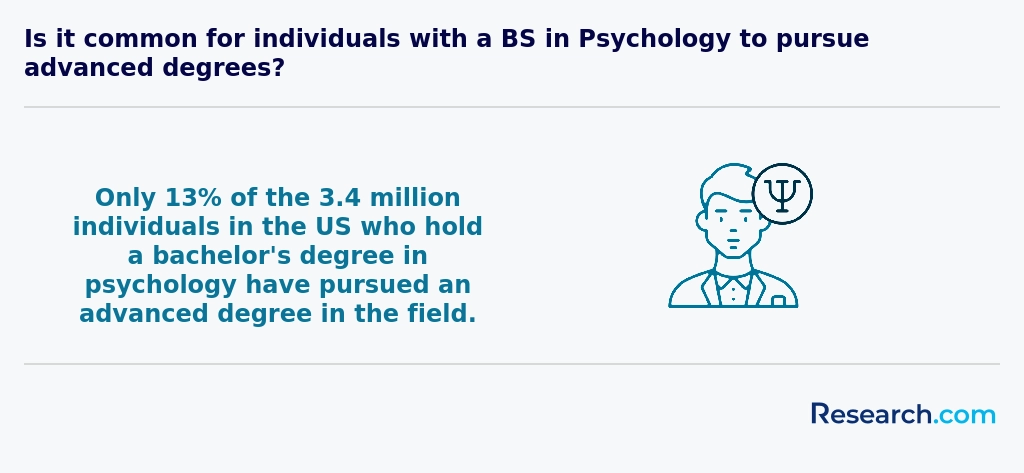
Earning a psychology degree is only the first step toward professional practice; navigating licensure and certification requirements ensures you can legally offer assessment, therapy, or consultation services. In the United States, each state board establishes its own criteria, but most share these core components: • Accredited Degree: Completion of an APA- or regionally accredited bachelor’s, master’s, or doctoral program is mandatory. Accreditation confirms your coursework meets national standards. • Supervised Experience: Graduate-level candidates typically log 1,500–3,000 supervised clinical hours under a licensed psychologist. These practicum and internship placements teach applied skills in assessment, intervention, and ethical decision-making. • Examinations: Applicants must pass the Examination for Professional Practice in Psychology (EPPP), covering topics from biological bases of behavior to ethics. Some states also require a state jurisprudence or oral exam focusing on local regulations. • Application and Fees: Licensure applications involve background checks, official transcripts, exam score submissions, and fees ranging from $200 to $500. Plan for recurring renewal costs and continuing education mandates (often 20–30 hours biennially). • Certification Specialties: Beyond general licensure, you can pursue board certification in areas like clinical neuropsychology or school psychology through the American Board of Professional Psychology (ABPP). These credentials enhance your credibility and may unlock higher-paying roles. When comparing programs, factor in both academic quality and licensure preparation support-such as exam prep workshops and practicum placement services. If affordability is a priority, explore the Most Affordable Psychology Degree Programs Ranking in Kansas City, MO to find accredited paths that align with your budget and licensure goals.
Psychology students in America increasingly find financial aid shaping their educational journeys in meaningful ways. Graduates from universities like UCLA or the University of Michigan often share how federal aid, accessed through FAFSA, made a tangible difference-covering tuition with Federal Pell Grants up to $7,395 or easing pressure through low-interest Direct Subsidized Loans. These supports allow students to focus on research and internships without overwhelming debt.
Many report excitement when receiving merit-based scholarships tailored to psychology majors. For instance, students at institutions such as Boston University find these awards recognize academic effort and research ambitions, creating a motivated learning environment. Cutting-edge psychology departments are beginning to collaborate with state programs offering loan forgiveness for graduates working in underserved communities, which feels like a win-win investment in future mental health professionals.
Private scholarships from mental health and professional organizations are also gaining popularity. A psychology major at the University of Texas, for example, describes applying for foundation awards that helped cover research expenses, sparking enthusiasm for hands-on experience. The evolving landscape of financial aid in psychology encourages students to envision their studies as both achievable and worthwhile.
When selecting a psychology program, affordability is a crucial factor to consider, as it can significantly impact one's financial stability and career choices. Exploring options that balance quality education with financial feasibility is essential. For instance, students can look into cheapest psychology programs that offer a high-quality education without the hefty price tag. By doing so, prospective students can make informed decisions that align with their budget and career aspirations, ultimately leading to a more fulfilling and successful career in psychology.
Enrolling in psychology degree programs across America increasingly demands not just solid academic credentials but also a proactive approach to learning and experience. Undergraduate aspirants at universities like UCLA or the University of Michigan often share how maintaining a strong high school GPA around 3.0, combined with coursework in biology and social sciences, created confidence when stepping into rigorous college classes. Many highlight the relief and motivation felt when test-optional policies removed the pressure of submitting SAT or ACT scores, allowing them to focus on passion-driven activities instead.
Graduate psychology students at institutions such as NYU or the University of Chicago reflect on how completing a bachelor's degree in psychology or a related field with at least a 3.0 GPA opened doors for them. They emphasize the value of research experience and recommendation letters, which conveyed their genuine commitment and set them apart in competitive admissions. Some recall the positive challenge of foundational courses in statistics and abnormal psychology preparing them for advanced study, reinforcing their enthusiasm for the field's future possibilities.
As these students navigate application processes, they often find that demonstrating a dedication to psychology beyond grades-through volunteer work or clinical exposure-resonates with admissions committees. This hands-on involvement nurtures excitement about contributing meaningful insights to mental health, making prerequisites feel less like hurdles and more like stepping stones toward a meaningful career.

One of the most important aspects to consider when choosing a psychology degree program is understanding the curriculum and the variety of courses you will be offered. Most programs blend foundational classes with specialized electives to provide a well-rounded education that equips students with both theoretical knowledge and practical skills. For example, introductory courses often cover topics such as psychological theories, research methods, and statistics, which lay the groundwork for more advanced classes like cognitive psychology, abnormal psychology, and developmental psychology. Many programs also incorporate labs, field work, or internships that allow students to apply their learning in real-world environments, preparing them to navigate complex human behaviors and societal challenges. Curriculum components may vary based on program focus and learning format. Traditional on-campus programs might offer extensive hands-on experiences, while online courses could integrate interactive multimedia tools and virtual simulations. For those evaluating distance learning options, exploring the best online psychology degree texas can provide insights into how digital platforms are leveraged to deliver high-quality, flexible education. In summary, a well-structured curriculum not only covers essential theoretical frameworks but also emphasizes practical application and continuous feedback, ensuring that graduates are both knowledgeable and job-ready as they transition into their careers in psychology.
Psychology degrees in America typically include core courses like Introduction to Psychology, Research Methods, Biopsychology, Cognitive Psychology, and Developmental Psychology, all designed to build a solid scientific foundation. Graduates from universities such as UCLA and Boston University often recall how Research Methods and Statistics transformed their approach to understanding human behavior through hands-on experiments and data analysis.
Social Psychology and Abnormal Psychology courses encourage students to dive into real-world social dynamics and mental health challenges, fostering empathy and critical thinking. Many students find themselves energized by the concrete examples shared in classes, such as case studies involving group behavior or therapeutic techniques.
Emerging trends suggest future psychology programs may integrate more technology-driven subjects, like neuroinformatics and AI applications in mental health, reflecting advances seen at institutions like Stanford. Electives in specialized areas, including clinical or industrial-organizational psychology, give students the flexibility to explore career paths that resonate personally, making their learning journey both meaningful and motivating.
Psychology degree specializations in USA are evolving to include both traditional and emerging fields that cater to diverse career paths. Graduates from universities like UCLA and the University of Michigan often share enthusiasm about specializing in areas such as clinical psychology, where they learn techniques to diagnose and treat mental illnesses, or counseling psychology, which focuses on supporting individuals through life's challenges. Others find themselves drawn to industrial-organizational psychology, applying workplace research to improve employee satisfaction and productivity-an increasingly important field as work environments change.
Future students considering the best psychology majors in America frequently hear about specializations like forensic psychology, which blends psychology with the legal system, and neuropsychology, exploring brain-behavior relationships. Such tracks prepare graduates for impactful careers. Many current students reflect on how programs offering electives and hands-on practicums help them connect classroom theory with real-world applications, making their studies deeply rewarding. For those aiming at flexible learning options, those exploring the best online psychology degree texas programs find exciting pathways to tailor education without sacrificing quality or career readiness.
Choosing the best psychology degree in America means reflecting on future career paths and evolving educational landscapes. Graduates from top universities often emphasize the importance of selecting programs that offer strong faculty connections and hands-on research opportunities, especially those accredited by the American Psychological Association. These aspects ensure the degree holds weight in clinical or counseling careers, while regional accreditation supports broader psychology fields.
Cost remains a major factor, but affordable psychology degrees in America can be found by comparing various institutions, scholarships, and assistantship options. Many students at well-known colleges find that immersive internships and practicum placements enrich their experience, preparing them for a growing job market forecasted to expand by 8% through 2031.
Flexibility is another emerging trend; students balancing work appreciate online or hybrid formats. If you are exploring flexible options, you can get a psychology degree online to fit diverse schedules. Considering these factors will help you adapt to the future of psychology education and career opportunities.
When researching best psychology degree programs USA, envision yourself thriving in dynamic environments, supported by expert faculty and relevant curriculum aligned with your aspirations.
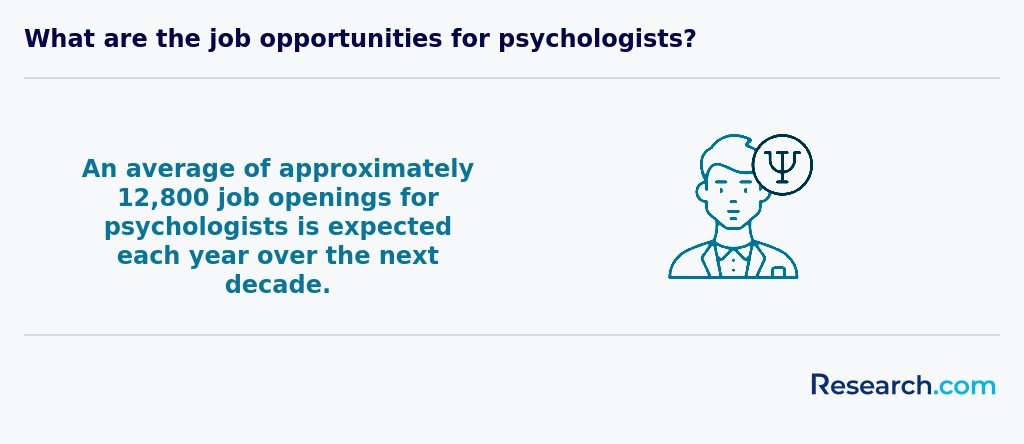
Graduates with a psychology degree in America find themselves stepping into a variety of dynamic career paths that reflect both tradition and innovation. Many pursue clinical or counseling roles, gaining fulfillment from helping individuals manage mental health challenges. Others venture into industrial-organizational psychology, boosting workplace productivity and leadership, a field with a promising future given evolving corporate cultures. For instance, psychology alumni from universities like UCLA or the University of Michigan report engaging experiences working in business settings that value their expertise in human behavior.
Career paths with psychology degree in America also include exciting opportunities in research and academia, where graduates contribute to groundbreaking studies in cognitive and social psychology at institutions such as Johns Hopkins or Stanford. These roles often spark a sense of purpose, shaping future policies and therapies. Additionally, psychology degrees open doors in education, marketing, and social services, proving versatile in adapting to new trends. Students curious about costs and options might explore the Most Affordable Psychology Degree Programs Ranking in Kansas City, MO for practical guidance.
The psychology degree job outlook USA presents a landscape of steady growth fueled by increasing awareness of mental health and expanding roles across industries. Graduates from respected institutions like the University of Michigan or UCLA often find themselves energized by opportunities in clinical, counseling, and industrial-organizational psychology, where advanced degrees open doors to higher-paying positions. Many experience firsthand how a master's or doctoral degree, combined with state licensure, substantially improves employment opportunities, especially in clinical roles.
Employment opportunities for psychology graduates America-wide are evolving, with new fields such as neuropsychology and health psychology gaining traction. Those who start with a bachelor's degree often move into meaningful support roles in rehabilitation or research, gradually building experience. Some graduates from Pennsylvania State University describe how pursuing easy two year degrees before advancing helped them enter the workforce quickly while charting a clear educational path to advanced psychology careers.
Salary expectations reflect this progression, with metropolitan areas offering elevated wages that reward specialization and experience. For students passionate about psychology, the future job market offers a dynamic and hopeful environment rooted in growing mental health priorities and diversified career paths.
2027 Best Psychology Degree Programs Ranking in the USA
Investing in your education is a significant decision that can shape your future, and the Research.com team understands the importance of making informed choices. To assist prospective students, we have meticulously crafted the "2027 Best Psychology Degree Programs Ranking in the USA." Our commitment to quality, credibility, and accuracy is reflected in the extensive research and analysis conducted to compile this ranking.
We utilized the following reputable data sources to ensure a comprehensive evaluation of psychology degree programs:
By exploring this ranking, readers will gain valuable insights into the top psychology degree programs available across the USA, empowering them to make informed and confident decisions about their educational paths. For more details on how this ranking was created, please visit our Research.com methodology page.


# 14 position
Columbia University in the City of New York
Master of Arts in Psychology in Education (Clinical Psychology)


Frequently Asked Questions About psychology
Psychology degree students in America can maximize their learning by engaging deeply in both theoretical and practical experiences. Participating in research projects, often offered through university labs, enhances critical thinking and familiarity with scientific methods. According to the American Psychological Association (APA), nearly 70% of undergraduate psychology programs encourage or require research involvement.
Internships and volunteer opportunities provide real-world exposure, helping students apply classroom knowledge to clinical or organizational settings. Networking with faculty and professionals can open doors to mentorship and job prospects. Additionally, students should take advantage of workshops and conferences to stay updated on current trends.
Finally, balancing coursework with extracurricular activities focused on psychology fosters a well-rounded skill set, preparing students for graduate studies or career entry.
The field of psychology in the United States is expanding rapidly, with several emerging niches gaining attention. One such area is neuropsychology, which focuses on the relationship between brain function and behavior. According to the American Psychological Association (APA), demand for neuropsychologists is expected to grow faster than average through 2030 due to aging populations and brain injury cases.
Another growing niche is health psychology, addressing how psychological factors impact physical health and chronic illness management. Behavioral health coaching, specializing in lifestyle changes to improve mental well-being, also sees rising interest among patients and providers.
Lastly, technology-driven fields like cyberpsychology and virtual reality therapy are gaining ground, blending psychology with digital advancements to treat anxiety and PTSD effectively.
Preparing for the job market after earning a psychology degree in America involves several strategic steps. First, gaining practical experience through internships or research assistant positions is crucial. According to the American Psychological Association (APA), nearly 40% of entry-level psychology jobs prefer candidates with hands-on experience.
Networking is also essential; attending professional conferences and joining groups like the APA Student Affiliates can connect graduates to potential employers.
Graduates should consider licensure if they seek clinical roles, which typically requires a doctoral degree and supervised hours.
Finally, developing skills in data analysis and software like SPSS enhances employability in research and applied settings.
Employers in the United States highly value psychology graduates who demonstrate strong communication skills. These skills enable graduates to explain complex concepts clearly to clients or colleagues. According to the American Psychological Association, critical thinking and analytical abilities are also essential for interpreting research data effectively.
Interpersonal skills rank prominently as well, since psychologists often work in team settings or with diverse populations. Adaptability and proficiency with technology, including data analysis software, are increasingly important given the evolving digital landscape in psychological research and practice.
Finally, ethical judgment and cultural competence remain foundational, reflecting industry standards and licensing requirements across the US.
Finding internships in America relevant to a psychology degree typically begins with utilizing university resources. Most accredited psychology programs partner with local clinics, hospitals, and counseling centers to offer students practical experience. According to the American Psychological Association, nearly 80% of psychology undergraduates complete an internship before graduation.
The National Association of Colleges and Employers (NACE) recommends actively searching internship databases like Handshake or Indeed, filtering for psychology-related roles. Students should also connect with faculty mentors who often have established professional networks.
Volunteering at nonprofits or research labs can enhance experience and improve chances of placement. Additionally, state licensing boards or psychology associations sometimes list approved internship opportunities.
A psychology degree in America offers significant potential for career mobility and advancement. Graduates can pursue roles in various fields such as healthcare, education, human resources, and marketing. According to the U.S. Bureau of Labor Statistics (BLS), employment of psychologists is projected to grow 8% from 2022 to 2032, faster than the average for all occupations, which indicates strong job security and openness to advancement.
Holding at least a bachelor's degree in psychology is often a stepping stone for entry-level positions, while advanced degrees like a master's or doctorate can unlock leadership, clinical, or research roles. Furthermore, skills developed through psychological study, such as data analysis and communication, are valued across industries, enhancing adaptability. This versatility makes psychology graduates competitive candidates for promotions and career shifts in America's evolving job market.
Studying for a psychology degree in America equips students with knowledge and skills applicable across many fields. American programs emphasize research methods, statistics, and scientific thinking, which are essential for interdisciplinary collaboration. For example, psychology students often engage with fields like neuroscience, education, healthcare, and business. According to the American Psychological Association, nearly 60% of psychology graduates in the U.S. apply their skills in related areas such as social work, human resources, and marketing.
Many universities also offer interdisciplinary courses and practicum opportunities that involve teamwork across specialties. This prepares graduates to adapt in diverse professional environments, bridging psychology with technology, policy, or medicine.
Choosing between a thesis and a non-thesis psychology degree program in America depends on your career goals and learning preferences. Thesis programs typically require original research, culminating in a written dissertation. This path suits students aiming for research careers or doctoral studies. According to the American Psychological Association, about 60% of psychology master's graduates pursue thesis tracks for these reasons.
Non-thesis programs focus more on coursework and practical experience, often including internships. These are ideal if you want to enter the workforce directly after graduation, especially in applied psychology roles. The U.S. Department of Education reports that non-thesis options tend to have shorter completion times, usually 1.5 to 2 years compared to thesis programs lasting up to 3 years.
Evaluating faculty expertise, program flexibility, and your long-term plans can guide your decision effectively.
American students interested in studying psychology abroad have several viable options. Many U.S. universities offer study abroad programs through partnerships with institutions in countries like the United Kingdom, Canada, Australia, and Germany, where psychology curricula often align with U.S. accreditation standards. According to the Institute of International Education, over 6% of U.S. students studying abroad in 2022 focused on social sciences, including psychology. These programs typically last a semester or a full academic year and often include experiential learning opportunities.
Additionally, some students choose international joint degree programs, earning credits both abroad and at their home institutions, enhancing cross-cultural competence vital in psychology careers. However, it is important to verify that foreign coursework will transfer back to the U.S. institution, especially for those planning to pursue licensure in psychology.
Part-time jobs that complement psychology degree education in America often involve roles related to research, mental health, and social services. Common positions include research assistantships in university psychology departments, where students gain hands-on experience in data collection and analysis. According to the American Psychological Association, such roles help build essential skills in experimental design and statistical methods.
Other opportunities include working as behavioral health technicians or mental health aides in clinics or community centers. These roles enable students to observe clinical practice and patient interactions first-hand. Additionally, tutoring psychology courses or assisting in campus counseling centers can reinforce academic knowledge. These jobs not only provide relevant experience but also enhance students' resumes for graduate programs or future careers in psychology.
Psychology students in America benefit from a wide range of networking opportunities essential to their academic and professional growth. Many universities host chapter meetings for organizations such as the American Psychological Association (APA) and Psi Chi, the International Honor Society in Psychology. These platforms connect students with peers, faculty, and professionals across various psychology fields.
Internships and research assistant positions at universities and healthcare institutions offer practical experience and valuable contacts. Regional and national psychology conferences offer students chances to present research and meet leading experts. According to the APA, over 121,000 members participate annually, enhancing networking possibilities.
Alumni networks play a crucial role in supporting psychology degree students in America by providing access to experienced professionals and career opportunities. According to the American Psychological Association, strong alumni connections can improve job placement rates for graduates, with some universities reporting up to 85% employment within six months of graduation. These networks offer mentorship, internships, and research collaborations, which are essential in a field where practical experience is as valuable as academic credentials.
Engagement in alumni events and platforms helps students stay informed about industry trends and licensure requirements, which vary by state. This connection fosters professional growth and broadens career prospects for aspiring psychologists across diverse settings.
Customizing a psychology degree program in America allows students to align their education with specific career goals. Many universities offer concentrations such as clinical psychology, counseling, forensic psychology, or industrial-organizational psychology. Selecting these specializations helps tailor coursework and practical experiences.
Students can also engage in research projects, internships, or fieldwork to gain hands-on experience in their area of interest. According to the American Psychological Association, nearly 80% of psychology programs provide opportunities for applied learning, which enhances career readiness.
Additionally, elective courses outside the psychology department, such as business or education, can expand skill sets relevant to diverse professions within the field.
Psychology students in America often face several common challenges during their academic journey. One major hurdle is managing the heavy workload, as courses typically require studying complex theories, conducting research, and completing practical assignments. According to the American Psychological Association, about 60% of psychology undergraduates report stress related to balancing academics and personal life.
Another challenge is the competitive nature of graduate program admissions. Many bachelor's degree holders find it difficult to secure spots in master's or doctoral programs, which often require high GPAs and relevant research experience. Additionally, obtaining internships and research opportunities can be demanding but are essential for career advancement.
Financial strain is also notable, with tuition costs rising steadily nationwide, leading many students to accumulate debt while pursuing their degrees. Support services and mentorship can help, but availability varies widely across institutions.
With a psychology degree in America, several professional certifications are available, enhancing career opportunities. For example, becoming a Licensed Professional Counselor (LPC) often requires a master's degree in psychology and additional supervised hours, followed by passing a state exam. Another common certification is the Certified Alcohol and Drug Counselor (CADC), suitable for those focusing on substance abuse treatment.
The American Board of Professional Psychology (ABPP) offers board certification in various specialties, such as clinical or counseling psychology, after completing a doctoral degree and supervised experience. Additionally, the National Certified Counselor (NCC) credential through the National Board for Certified Counselors recognizes professional competence and requires continuing education. These certifications help psychology graduates meet state and national practice standards, increasing employability and professional recognition.
Writing a winning application for a psychology program in America requires careful preparation and clear presentation. Start by researching programs accredited by the American Psychological Association (APA), as these are highly regarded by employers and graduate schools. Highlight your academic achievements, especially in biology, statistics, and psychology courses, since a strong GPA in these subjects is crucial-many top programs expect at least a 3.5 GPA.
Include relevant experience such as internships, research projects, or volunteer work in mental health settings. According to the American Psychological Association, hands-on experience can significantly boost your chances.
A well-crafted personal statement should explain your motivation for studying psychology, your career goals, and how the program aligns with your interests. Use clear, concise language and avoid jargon. Letters of recommendation from professors or professionals familiar with your work add credibility.
Finally, some programs may require GRE scores, so check requirements carefully. Nationwide, about 70% of applicants to psychology graduate programs submit these scores, though some schools are moving away from hard cutoffs according to recent trends reported by Peterson's.
The field of psychology is recognized globally as a dynamic and evolving profession, with strong links to various cultural and societal needs. In the United States, psychology careers are often influenced by both domestic demand and international trends in mental health awareness and research. According to the U.S. Bureau of Labor Statistics, employment for clinical, counseling, and school psychologists is projected to grow 8% from 2021 to 2031, reflecting increasing awareness worldwide.
American psychology programs emphasize empirical research and evidence-based practice, qualities highly regarded in many countries. Graduates may find opportunities not only in the U.S. but also internationally, where mental health services continue expanding. The global focus on mental wellness and the destigmatization of psychological disorders further underline psychology's relevance across borders.
Additionally, many U.S. universities attract international students and faculty, fostering diverse perspectives that enrich psychology education and practice. Collaboration in cross-cultural research is increasing, reflecting the profession's global interconnectedness. For American students, this means that a degree in psychology can open doors to a variety of international career paths.
Gaining practical experience during a psychology degree in America is crucial for career readiness. Many universities encourage students to participate in internships, which often take place at hospitals, schools, or mental health clinics. According to the American Psychological Association (APA), over 80% of psychology programs integrate supervised internships or practicum work as part of their curriculum.
Additionally, students can engage in research projects with faculty members. Participating in such research provides hands-on experience in data collection, analysis, and scientific writing. The National Center for Education Statistics reports that research opportunities correlate positively with graduation rates in psychology programs.
Volunteer work related to mental health, community outreach, or crisis intervention is another way to build skills. Depending on the state, these experiences may count towards licensing requirements later. It is advisable to consult program advisors early to align practical work with career goals.
Choosing the right concentration within a psychology degree program in America starts with understanding your career goals and interests. Psychology offers diverse specialties, such as clinical, counseling, forensic, industrial-organizational, and developmental psychology. Each concentration prepares students for specific roles; for example, clinical psychology often requires advanced degrees and licensing for therapy, while industrial-organizational psychology may focus on workplace behavior and human resources.
Research indicates that about 200,000 bachelor's degrees in psychology are awarded annually in the US, according to the American Psychological Association (APA). To make an informed choice, review program curricula and consider internship opportunities that align with your goals. Understanding licensure requirements and employment projections from the Bureau of Labor Statistics can also guide your decision.
See What Experts Have To Say About Studying Psychology
Read our interview with Psychology experts

Catherine Caldwell-Harris, Ph.D.
Psychology Expert
Associate Professor of Psychology
Boston University

Robin M. Kowalski. Ph.D.
Psychology Expert
Professor of Psychology
Clemson University

Joann Farrell Quinn, Ph.D., MBA
Psychology Expert
Director at the College of Medicine Department of Medical Education
Morsani College of Medicine

- Study Psychology Abroad https://astarfuture.co.uk/study_psychology_abroad.html
- What Certifications Can I Get With A Bachelor's In Psychology? https://www.psychology.org/resources/certification-skills-for-psychology-major-resumes/
- Community Psychology in Global Perspective http://siba-ese.unisalento.it/index.php/cpgp
- Ontario Psychological Association - Networking and Community Resources https://www.psych.on.ca/become-a-member-(1)/member-services/networking-and-community-resources
- Your Guide to Psychology Degree Entry Requirements https://www.stonebridge.uk.com/blog/distance-learning/entry-requirements-psychology-degree-or/
- Browse Specializations https://mastersinpsychologyguide.com/specializations/
- Psychology Placement Opportunities for Year 12 Students https://studymind.co.uk/ucas-guide/year-12-guide-to-gaining-psychology-work-experience/
- Sample letters in psychology https://www.mystudies.com/en-in/human-and-social-sciences/psychology/letter-model/
- Psychology Online Degree Pathway https://www.learndirect.com/course/psychology-online-degree
- Psychology Degree Requirements | University of Bridgeport https://www.bridgeport.edu/news/psychology-education-requirements/