
2027 Best Online Master's in Psychology Degree Programs Ranking in the USA

Co-Founder and Chief Data Scientist
Choosing the right online master's program in psychology can shape your future career and personal growth. This article presents the 2027 Best Online Master's in Psychology Degree Programs Ranking in the USA, carefully created by the Research.com team of data scientists to guide you in finding quality programs worth considering.
Exploring these top programs can help you make an informed decision with confidence. Earning a psychology degree opens doors to meaningful work and new opportunities, making this journey both exciting and rewarding.
Key benefits of getting online psychology degree in America
- Psychology graduates can pursue rewarding careers with strong earning potential, such as Industrial-Organizational Psychologists earning around $154,380 annually or School Psychologists with mean salaries near $91,990, showing promising financial benefits.
- Career paths for psychology degree holders are diverse, ranging from Mental Health Counselor roles, which pay about $60,080, to Marriage/Family Therapist positions, offering $68,730, illustrating flexible opportunities to match various interests.
- Obtaining a psychology degree online from a respected university offers convenience and flexibility, enabling graduates to balance work and study while earning credentials comparable to traditional degrees, resulting in greater accessibility and satisfaction.
- 2027 Best Online Master's in Psychology Degree Programs Ranking in the USA
- What can I expect from online psychology degree in America?
- Where can I work with online psychology degree in America?
What can I expect from online psychology degree in America?
The price tag for an online psychology degree in America often hovers around $15,000 to $45,000 for the entire program, depending on the university's prestige and program length. Graduates from well-known institutions like Arizona State University or the University of Florida frequently mention balancing tuition costs with scholarships and employer tuition assistance, easing the financial load while diving deep into human behavior.
Imagine logging into a virtual lecture from your favorite coffee spot, discussing cognitive theories with peers scattered across time zones-while knowing the investment you've made keeps pace with top-tier education. Many students emphasize how competitive online fees feel compared to traditional on-campus costs, making the dream of mastering psychology more accessible without sacrificing quality.
Financial aid options often sparkle as a beacon during the journey-grants, federal aid, and institutional scholarships help soften tuition, allowing you to focus on absorbing developmental psychology, behavioral science, and real-world applications that prep you for licensure or doctoral studies.
Where can I work with online psychology degree in America?
Graduates holding an online psychology degree from schools like Arizona State University or University of Florida often find themselves stepping into dynamic roles that blend science with human connection. Imagine a recent graduate working as a behavioral health technician in a bustling hospital, where their understanding of mental health becomes a lifeline for patients navigating tough times. Others may thrive as case managers or rehabilitation specialists, weaving compassion and strategy together in outpatient care centers or residential facilities.
Many alumni tap into educational institutions-perhaps at community colleges or public school districts-offering counseling or supporting special education initiatives, turning theory into transformative student support. In states that grant LPC or LCMHC licenses, grads feel the empowering thrill of opening their own private practice or joining vibrant community centers.
Some psychology grads pivot toward corporate worlds, driving innovation in human resources or market research, where insights into behavior craft employee satisfaction or marketing magic. The versatility of an online degree from a top American program fuels careers spanning healthcare, education, nonprofits, and beyond, making every workday a meaningful chapter in their evolving professional story.
Graduates from online psychology programs at popular American institutions often find their career paths turning into rewarding financial journeys. Picture a school psychologist in New York City earning a mean annual wage of $91,990, supporting students while enjoying a comfortable urban lifestyle. Meanwhile, a mental health counselor, perhaps from a graduate of Pennsylvania State University's online program, pockets around $60,080 yearly, blending empathetic care with a steady income.
Those drawn to organizational dynamics may pursue industrial-organizational psychology, where mean earnings soar to $154,380-imagine advising Fortune 500 companies on boosting employee morale and productivity while cashing in handsomely. On the other end, a rehabilitation counselor might make $48,430, helping individuals regain independence with a fulfilling yet modest paycheck. Marriage and family therapists balance passion with practicality, earning about $68,730. These figures spark optimism, proving that online psychology degrees in America translate into tangible, positive futures that combine heartfelt work with attractive salaries.
- Many accredited universities in the US offer fully online psychology degrees from bachelor's to doctoral levels, with accreditation from the APA or regional agencies important for licensure.
- Tuition varies widely: bachelor's programs cost between $7,000 and $40,000 per year depending on public or private status, while master's programs average $15,000 to $30,000 annually.
- Employment for psychologists is projected to grow 8% from 2022 to 2032, with starting salaries ranging from $35,000 to $75,000 depending on degree level and specialization.
- Experienced psychologists in specialized fields can earn over $90,000 annually, with jobs available in healthcare, education, research, social services, and corporate sectors.
- Licensure requires an APA-accredited degree, supervised clinical hours, and passing the EPPP exam; online programs must meet these criteria to qualify graduates for licensure.
Imagine a psychology student at Arizona State University diving into an online bachelor's degree, pacing through nearly four years of discovery-much like their on-campus peers but with the flexibility to juggle work or family life. For those daring souls hungry for speed, some accelerated programs slice this journey down to three years, a thrilling sprint that transforms curiosity into knowledge faster than ever.
Graduate students venturing into master's territory at the University of Florida often savor the freedom of flexible pacing; some sail through in just about two years, while others stretch the experience over four, weaving coursework seamlessly into busy lives. This adaptability often paints a warm picture of progress, balancing ambition and real-world demands.
The doctoral path, whether at Johns Hopkins or the University of Michigan, is a marathon of 4 to 7 years-rich with research digging, internships, and dissertation milestones. Online options may blend remote learning with in-person residencies, crafting a robust mix that feels both challenging and deeply rewarding for future psychologists shaping their careers.
When considering an online psychology degree, one of the most crucial factors to think about is the cost. Understanding the financial implications and available resources can significantly impact a student's decision and ability to complete their degree. Prospective students should research not only the tuition fees but also any supplementary costs associated with the program, such as textbooks, software, and potential travel expenses for in-person components. For those looking to minimize costs, exploring affordable psychology colleges can be a strategic move. It's also important to look into financial aid options, including scholarships, grants, and federal loans, which can help alleviate some of the financial burdens. Many universities offer financial assistance specifically for psychology students, and there are also external organizations that provide funding for students pursuing careers in mental health and related fields. By carefully planning and considering these cost factors, students can make informed decisions about their educational paths and set themselves up for success in their future careers.
Picture two psychology students: one navigating the bustling corridors of UCLA, exchanging ideas face-to-face with classmates during lively lab sessions; the other logging in after a late shift at home, streaming lectures from University of Florida's online platform while sipping coffee in pajamas. This encapsulates the core difference-on-campus is tactile immersion, the hum of conversation and immediate feedback, while online is a dance of digital independence tailored to your rhythm.
Graduates often gush about the vibrant networking they built on campus, where hallway chats spark research ideas. Yet, online peers celebrate the freedom to learn between work and family life, appreciating the asynchronous coursework that bends around their schedules rather than the other way around. In the U.S., especially with schools like Arizona State embracing virtual classrooms, this flexibility has fueled a 20% surge in online graduate enrollments.
Of course, hands-on training remains sacrosanct both ways; those coveted internships and practicums require boots on the ground, ensuring every graduate from Harvard or Michigan masters the real-world skills needed to thrive.
Understanding state licensure and certification requirements is essential for graduates of online psychology programs who wish to practice professionally. While coursework builds foundational knowledge, meeting regulatory standards involves several key steps: 1. Supervised Clinical Experience: Most states require 1,500–2,000 hours of supervised practicum or internship work under a licensed psychologist. Confirm that your chosen program offers practicum placements in your state. 2. Examination for Professional Practice: Candidates must pass the Examination for Professional Practice in Psychology (EPPP), administered by the Association of State and Provincial Psychology Boards. Adequate preparation through review courses and practice exams enhances success rates. 3. State Jurisprudence Exams: In addition to the EPPP, many licensing boards mandate a jurisprudence or ethics exam specific to state laws and regulations governing psychological practice. 4. Continuing Education: After initial licensure, psychologists must complete ongoing continuing education units (CEUs) to maintain licensure. Online programs often partner with CEU providers or offer alumni discounts on workshops. 5. Specialized Credentials: For those pursuing advanced or niche roles, additional certification may be required. For example, graduates interested in behavior analysis can meet coursework prerequisites through bcba certificate programs, which streamline the path to Board Certified Behavior Analyst status. By mapping out these requirements early-verifying state board guidelines, tracking clinical hours during your program, and preparing strategically for exams-you ensure a seamless transition from graduate student to licensed professional.
Thinking about the average cost of an online psychology degree in America invites you into a world of numbers that reflect real dreams and ambitions. Imagine a graduate from a well-regarded state university, who paid roughly $15,774 for their in-state online psychology program-an investment that felt like planting seeds for a flourishing career. Meanwhile, others from private or out-of-state institutions often find their total expenses nudging closer to $22,392, a cost that can feel more daunting but often comes with access to extensive resources, networking opportunities, and specialized coursework.
The total expenses for online psychology master's programs USA typically settle around $23,400, a median figure that gives hopeful students a practical idea of what to expect. Graduates from popular colleges or universities in America often speak about how the balance of tuition against financial aid, scholarships, and even part-time work made these dreaming pathways possible. These vivid experiences create a mosaic of challenge and triumph.
While surfing through options, it's wise to check out affordable psychology colleges that align with your budget and career goals - many report that costs drop significantly for in-state online learners. Resources provided by the American Psychological Association offer bright spots of financial relief, softening the financial journey without dimming hopes.

Pursuing an online psychology degree can be immensely rewarding, yet many students face challenges when navigating the balance between rigorous coursework, personal responsibilities, and technical demands. One common hurdle is time management-students often juggle studies with work, family, and other commitments. Establishing a disciplined schedule and setting clear priorities can significantly enhance productivity and reduce stress. Many programs also provide resources such as virtual study groups, online tutoring, and dedicated academic advisors to support learners in managing their time effectively. Another frequent challenge is the financial strain associated with tuition and supplementary costs. Prospective students should explore various financial aids and affordable options, such as cheap online masters in psychology opportunities, to ensure that education remains accessible. Researching scholarships, grants, and flexible payment plans can also alleviate some of the financial pressures. Additionally, adapting to the digital learning environment is essential. Technical issues, from unreliable internet connections to unfamiliar learning management platforms, can disrupt the educational experience. Many institutions offer robust tech support and step-by-step guides to help every student become comfortable with the online interface. Engaging in online forums and networking with peers can further provide practical tips on overcoming common technical challenges. By proactively addressing these obstacles, students can not only succeed academically but also develop the resilience and problem-solving skills that are crucial for a thriving career in psychology.
Imagine a psychology graduate from the University of Florida, juggling late-night study sessions and work, relieved by federal loans that soften the financial blow. In America, many online psychology students tap into the sturdy backbone of federal aid-Direct Unsubsidized Loans and Grad PLUS Loans-offering manageable interest and repayment as they navigate their careers. Meanwhile, a student enrolled at Arizona State University finds joy when a state grant knocks down in-state tuition costs, making dreams more affordable.
Others draw strength from scholarships rooted in merit or mental health experience, like those offered by institutions known for psychology excellence-think University of Washington or Boston University. Employers too become unexpected allies; a social worker advancing her education might watch tuition reimbursements lighten the load, blending career and classroom fluidly.
Filing FAFSA early is the secret handshake to unlocking these opportunities. Plus, tapping into professional bodies such as the APA opens doors to fellowships that recognize the unique passion of psychology students nationwide.
When budgeting for an online master’s in psychology, understanding tuition ranges and identifying the most affordable institutions can make a significant difference. Public universities often offer lower in-state tuition-sometimes as little as $7,000 per year-while private institutions may exceed $30,000 annually. To find programs that balance quality and cost, prospective students should: 1. Compare Regional Tuition Rates: Some states cap graduate tuition for residents, making in-state programs substantially cheaper. 2. Leverage Employer Tuition Reimbursement: Many healthcare and social service organizations subsidize advanced degrees for employees, reducing out-of-pocket expenses. 3. Explore Accelerated or Competency-Based Options: Programs that allow students to test out of foundational courses or complete coursework at a faster pace can lower total credit requirements. 4. Seek Institutional Scholarships and Waivers: Universities often award merit-based or need-based grants specifically for psychology students. Applying early and maintaining strong academic records increases scholarship eligibility. For a curated list of budget-friendly programs, see our Inexpensive Psychology Degree Programs Ranking in Vermont, which highlights top-quality online master’s offerings with below-market tuition. By strategically selecting accredited, affordable programs and combining financial aid with employer support, students can minimize debt while earning a respected credential in psychology.
To dive into an online psychology degree in America, you first unlock the door with a high school diploma or its equivalent-a simple yet essential key that most universities like Arizona State or University of Florida require. Imagine a student juggling work and family, armed with just that diploma and a solid GPA around 2.5 to 3.0, stepping into a lively virtual classroom for the first time.
Graduate hopefuls often carry a bachelor's degree, sometimes from a non-psychology field, but they bridge gaps through courses in general psychology, research methods, and statistics. At places like the University of Southern California's online program, graduates recall submitting personal statements and recommendations that turned their digital applications into compelling stories.
GRE scores once lurked as hurdles, but many programs have dropped them, a welcomed relief for busy learners balancing life's chaos. Reliable internet and video interviews become the new handshake, setting the stage for students to flourish in remote lectures and spirited discussions across the digital campus.
Ensuring your online master’s in psychology is properly accredited is the cornerstone of both academic quality and professional licensure. Accreditation by a recognized body-most notably the American Psychological Association (APA) for clinical programs-guarantees that curricula meet rigorous standards in research methods, ethics, and clinical practice. Students should confirm that their institution holds regional accreditation as well as programmatic accreditation (e.g., APA, CACREP for counseling psychology) to maximize eligibility for federal aid, credit transfer, and state licensure. The APA’s Commission on Accreditation evaluates programs on faculty credentials, practicum requirements, and outcome metrics such as licensure exam pass‐rates. Graduates of APA-accredited programs are typically eligible to sit for the Examination for Professional Practice in Psychology (EPPP) in all U.S. jurisdictions. Non-APA-accredited degrees may still lead to licensure in some states, but often require additional qualifying coursework or supervised hours, prolonging the path to becoming a licensed psychologist. State licensure boards set diverse requirements for master’s-level practitioners (e.g., LPC, LMFT, or LPCC). Prospective students should consult their target state’s board early in the application process to verify required credit hours, supervised clinical experience, and post‐degree exam requirements. For example, some states mandate 3,000 supervised hours for a Licensed Professional Counselor, while others require as few as 1,500. Understanding these nuances can prevent delays and unexpected expenses down the line. To identify affordable, accredited options in your region, explore the Inexpensive Psychology Degree Programs Ranking in Vermont. Additionally, verify accreditation by:
- Visiting your institution’s website and locating its accreditation certificates.
- Checking the U.S. Department of Education’s Database of Accredited Postsecondary Institutions and Programs (DAPIP).
- Reviewing APR (Accreditation Report) summaries on the APA website for detailed compliance information. By prioritizing both regional and programmatic accreditation-and aligning your studies with state licensure requirements-you’ll streamline your journey from cap and gown to practicing psychologist with confidence and clarity.
Diving into an online psychology degree in America feels like unlocking a treasure chest of the mind's mysteries. Graduates from well-known institutions like Arizona State University or Penn State often recall their first course, Introduction to Psychology, where the brain's secrets and human quirks first unfolded on their screens. This foundational class sets the stage with stories of experiments that changed how we understand behavior.
Next, courses like Statistics and Research Methods transform confusion into clarity-imagine deciphering a real-world puzzle, using data to reveal hidden patterns in human emotions and actions. Then, there's Biopsychology, where many feel awe studying how neurons fire during moments of joy or stress, often visualized through interactive virtual labs offered by universities like the University of Florida.
Online students also explore Cognitive Psychology by unraveling how memory tricks the mind or how we solve problems in daily life. Graduates treasure Developmental and Social Psychology for teaching them to see the world through shifting human perspectives-from childhood to elderhood, and from isolated thoughts to the swirling dynamics of social groups.
Specialized electives, such as Clinical or Forensic Psychology, often ignite passion as learners envision themselves helping people heal or understanding the mind behind criminal behavior. These courses don't just teach facts; they invite students into vibrant mental landscapes that energize their purpose and career ambitions.
Others gravitate toward the pulse of organizations, mastering Industrial-Organizational Psychology, weaving behavior science into corporate success stories. The electrifying momentum of this field echoes through fast-growing job markets, promising those graduates a dynamic career landscape.
Then there's the subtle art of Counseling Psychology-graduates emerging with a heart tuned to human emotion, supporting individuals in schools and communities across America, crafting hopeful tomorrows. Behavioral Psychology enthusiasts delve into shaping actions, guided by certification goals like BCBA, affecting educational and healthcare fields alike.
Many embrace interdisciplinary thrills: Forensic Psychology intertwines law and psyche, while Health Psychology bridges mind and body wellness. Students at leading universities discover affordable pathways by exploring cheap online masters in psychology, tailoring studies to passions and ambitions with confidence.
Choosing the best online psychology degree in America is like designing your own mental toolkit-start by ensuring your program carries respected accreditation, such as those recognized by employers and licensing boards in states across the country. Graduates from schools like those in the Midwest or East Coast often share stories of how accreditation made transferring credits or landing internships smoother, reaffirming the value of solid credentials.
Imagine mapping your career path through programs that tailor curriculum toward clinical, counseling, or research psychology-the spectrum is broad, and your choice shapes your future practice. Those pursuing affordable online psychology master's degrees America-wide often find gold in institutions offering in-state tuition rates and robust financial aid, making dream careers more accessible without drowning in debt.
Flexibility also reigns supreme. Many students juggling family and work thrive in asynchronous courses paired with rich virtual discussions, turning isolation into inspiration. For those eyeing licensure, programs known for strong exam pass rates empower confidence. And if you're interested in specialized credentials, don't overlook bcba certificate programs that complement your psychology degree.
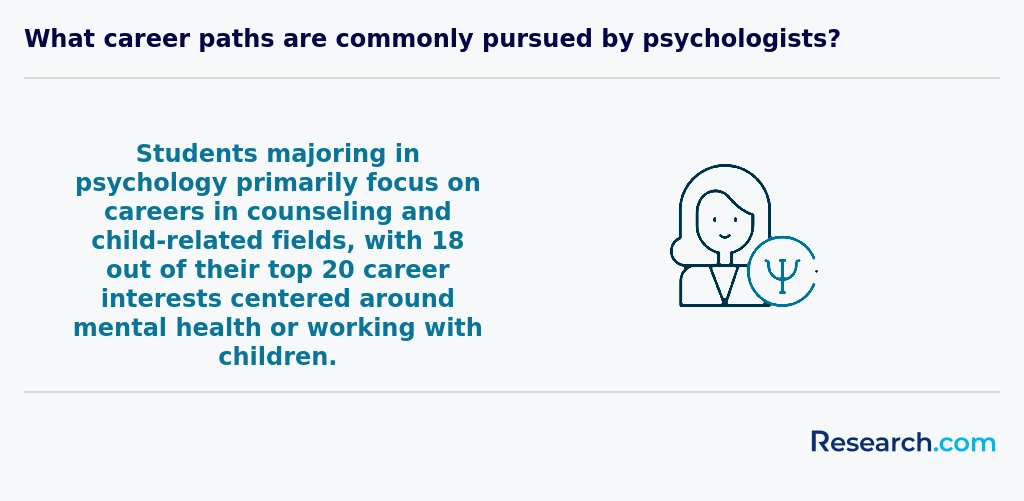
Graduates armed with an online psychology degree in America often find themselves at the crossroads of fascinating and impactful career paths. Imagine a graduate from a well-known program like those at the University of Florida or Arizona State University, stepping into roles as clinical psychologists who heal trauma or behavioral analysts fine-tuning human behavior in corporations. These paths aren't just jobs-they're dynamic journeys that shape minds and societies. The spectrum stretches from mental health counselors guiding individuals through turbulent emotional seas to industrial-organizational psychologists transforming workplace cultures across Fortune 500 companies.
Some graduates discover fulfillment as school psychologists enhancing student well-being, while others dive into research assistantships, pushing the boundaries of behavioral science at institutions such as UCLA or Penn State. If you're curious about the spectrum of psychology job opportunities in America and seeking accessible study options, exploring programs like the Inexpensive Psychology Degree Programs Ranking in Vermont can be a valuable start.
Many alumni reflect on how acquiring a master's degree online opened doors to careers as human resources specialists and health educators, all driven by the desire to improve communities and workplaces. These career paths echo the versatility and promise this field offers today.
The online psychology degree job market USA is blooming, fueled by a surge in mental health awareness and telehealth innovations. Graduates from universities like Arizona State or University of Florida often share stories of landing counseling or social work roles soon after finishing their flexible online programs. The 8% growth forecast by the U.S. Bureau of Labor Statistics means fresh psychologists can expect doors to open in bustling hubs such as New York and California, where mental health services are in high demand.
Employment outlook for psychology graduates America is particularly bright for those who embrace diverse paths: from clinical psychologists in hospitals to school psychologists shaping student futures. Graduates frequently highlight the balance of earning a reputable degree remotely while gaining hands-on experience through local internships. Starting salaries between $40,000 and $55,000 grow as skills deepen and licensure is attained.
Choosing an what's the easiest bachelor's degree as a stepping stone can also pave a joyful, manageable route into this thriving field, smoothing the transition to advanced certifications. Online psychology studies blend convenience with promising careers, empowering students across America to transform passion into purpose.
2027 Best Online Master's in Psychology Degree Programs Ranking in the USA
Investing in your education is a significant decision that can profoundly impact your career and personal growth. The Research.com team is keenly aware of this responsibility and has dedicated extensive efforts to ensure the quality, credibility, and accuracy of the "2027 Best Online Master's in Psychology Degree Programs Ranking in the USA." Our comprehensive approach draws from multiple authoritative sources to provide a trustworthy guide for prospective students. We utilized the following reputable data sources to compile this ranking:
By consulting this ranking, readers will gain valuable insights into the top online psychology programs in the USA, enabling them to make well-informed decisions that align with their academic and professional goals. For a detailed explanation of our ranking methodology, please visit our Research.com methodology page.


# 3 position
University of Wisconsin-Madison
Master of Educational Psychology: Professional Educators


# 7 position
Kansas State University
Master of Psychology with an emphasis in Industrial and Organizational Psychology

# 8 position
Amridge University
Master of Professional Counseling

# 9 position
Augustana University
M.Ed. SPED-ABA Master of Education in Special Education-Applied Behavior Analysis


# 13 position
Penn State University Park
Master of Psychology of Leadership


# 15 position
Missouri University of Science and Technology
Master of Industrial-Organizational Psychology


# 18 position
University of the Incarnate Word
Master of Administration, Industrial and Organizational Psychology


# 20 position
Bob Jones University
Master of Biblical Counseling

Frequently Asked Questions About psychology
Online psychology degree students in America can maximize their learning by actively engaging with course materials and peers. Research shows that students who participate in discussion forums and group projects perform better academically (National Center for Education Statistics, 2023). Setting a consistent study schedule helps balance coursework with personal responsibilities, a critical factor since nearly 40% of online learners in the US juggle work and education.
Utilizing campus resources such as virtual libraries and academic tutoring improves understanding and retention. The American Psychological Association also recommends seeking mentorship from faculty to gain practical insights.
Finally, gaining hands-on experience through internships or research projects, often available virtually, strengthens practical skills vital for future careers in psychology.
The psychology field is expanding into several emerging niches that offer promising career opportunities for online degree students in the US. One rapidly growing area is neuropsychology, which focuses on brain-behavior relationships and cognitive functioning. According to the U.S. Bureau of Labor Statistics (BLS), demand for neuropsychologists is increasing as our population ages and brain health gains attention.
Another niche is forensic psychology, where professionals apply psychology to criminal investigations and legal proceedings. The BLS projects 8% growth in related roles through 2031. Additionally, health psychology is gaining traction, addressing how psychological factors affect physical health and chronic disease management.
These specialized fields reflect evolving societal needs and advances in science, making them attractive for students seeking focused expertise.
After completing an online psychology degree in America, preparing for the job market requires a strategic approach. Start by gaining hands-on experience through internships, research projects, or volunteer work to enhance your resume and build professional skills.
Licensure is crucial for many psychology careers; requirements vary by state but typically include supervised clinical hours and passing the Examination for Professional Practice in Psychology (EPPP). The American Psychological Association provides guidance on licensure pathways.
Networking is essential-join professional organizations like the American Psychological Association or regional psychology groups to access job postings and mentorship. According to the U.S. Bureau of Labor Statistics, psychology employment is projected to grow 9% from 2022 to 2032, highlighting demand for qualified professionals.
Continuing education or earning specialized certifications can also enhance job prospects, particularly in areas like clinical, counseling, or school psychology.
Employers in America highly value certain skills in psychology degree graduates. Critical thinking and analytical abilities top the list, enabling graduates to interpret research data effectively. According to the American Psychological Association, strong communication skills-both written and verbal-are essential for collaboration and client interaction.
Additionally, proficiency in statistical software and research methods is important, as these underpin evidence-based practice. Employers also look for empathy and cultural competence, reflecting the diversity of American populations. Time management and ethical judgment play key roles, especially for those working in clinical or counseling settings where confidentiality and professionalism matter. These skills prepare graduates to succeed in various psychology careers.
Finding psychology internships in America requires proactive research and networking. Many universities offering online psychology degrees, including accredited institutions, provide resources such as internship databases and faculty connections to help students. The American Psychological Association (APA) offers guidelines and listings for accredited internship programs nationwide.
Students should consider applying to hospitals, community mental health centers, schools, and research labs, where psychology internships are commonly available. According to the APA, over 75% of psychology internships occur in clinical or counseling settings.
It is essential to prepare a strong resume and obtain letters of recommendation from professors. Additionally, joining professional organizations like the APA's student division can expand internship opportunities through conferences and networking events.
An online psychology degree in America can significantly enhance career mobility and advancement opportunities. According to the U.S. Bureau of Labor Statistics (BLS), careers in psychology and related fields are expected to grow by 8% from 2020 to 2030, faster than the average for all occupations. Earning an advanced degree online provides flexibility, enabling students to balance work and study while gaining recognized credentials.
Graduates with online psychology master's degrees often qualify for higher-paying roles, including counseling, human resources, and social services management. The American Psychological Association (APA) highlights that candidates with graduate degrees tend to have better chances at leadership positions. Additionally, online programs accredited by recognized bodies like APA or regional accreditors ensure the degree's credibility, which employers value highly in competitive markets.
Studying for a psychology degree in America prepares students for interdisciplinary roles by offering a broad curriculum that integrates knowledge from fields such as biology, sociology, and education. American psychology programs often highlight cognitive science, behavioral health, and research methodology, skills valuable across healthcare, business, and social services.
According to the American Psychological Association, about 65% of psychologists work in settings requiring collaboration with other professionals, including medical doctors and social workers. Online programs further enhance this by using virtual labs and group projects to simulate real-world interdisciplinary teamwork.
This broad and applied training equips graduates to engage effectively in diverse fields that demand psychological expertise combined with other disciplinary perspectives.
Choosing between a thesis and a non-thesis psychology degree program in America depends on your career goals and learning preferences. Thesis programs emphasize research skills and require students to design, conduct, and write about original studies. This path suits those aiming for doctoral studies or research positions. Non-thesis options focus more on coursework and practical knowledge, often appealing to professionals planning to enter clinical practice or psychology-related jobs directly.
According to the American Psychological Association, about 40% of psychology master's students in the US choose thesis tracks to prepare for PhD programs. Many online programs in the US now offer both options to provide flexibility.
Students based in America seeking to study psychology abroad have several avenues to consider, especially through online programs offered by foreign universities. Many international institutions provide accredited online psychology degrees, allowing US students to access diverse curricula while maintaining residency in the States. According to the American Psychological Association, these programs must meet rigorous academic standards to ensure transferability and licensure eligibility within the US.
Collaborative degree programs and exchange opportunities are less common for fully online psychology studies but can be found with universities in Canada, the UK, and Australia, where English-taught courses are prevalent. Students should verify regional accreditation recognized by US licensing boards before enrolling.
Additionally, professional licensure in psychology within the US typically requires completion of a program accredited by the American Psychological Association or equivalent regional entities, so international options may require careful evaluation of state-specific licensure rules. Resources like the National Register of Health Service Psychologists provide guidance on foreign degree recognition in American psychology practice.
Students pursuing online psychology degrees in America often seek part-time jobs that complement their education and enhance practical skills. Popular roles include behavioral health technicians, where individuals assist patients under supervision, offering valuable clinical exposure. According to the U.S. Bureau of Labor Statistics, these positions typically require a high school diploma and provide a starting salary around $30,000 annually.
Research assistant positions at universities or healthcare facilities also offer hands-on experience with data collection and analysis, crucial for psychology students. These roles can support graduate study applications by developing research skills and familiarity with statistical software.
Additionally, tutoring in psychology or related subjects helps reinforce knowledge while earning income. Customer service and case management jobs in social service agencies enable students to apply communication and organizational skills relevant to psychology careers.
Online psychology students in America have several networking opportunities that support their academic and professional growth. Many accredited programs provide access to virtual networking events, guest lectures, and discussion forums where students can connect with faculty and peers nationwide.
Students often join professional organizations such as the American Psychological Association (APA), which offers student memberships, webinars, and conferences, facilitating interaction with experienced psychologists and researchers.
Internships and practicum placements arranged by online programs also enhance networking by enabling real-world experience and professional contacts. According to the APA, nearly 30% of psychology graduate students participate in such activities.
Social media groups and LinkedIn communities dedicated to psychology students further broaden networking possibilities beyond the classroom.
Alumni networks play a significant role in supporting students of online psychology degrees in America. These networks connect graduates with peers and professionals who share their academic background and career interests. According to the American Psychological Association, networking can improve job placement opportunities, which is crucial as the psychology field is expected to grow by 8% from 2021 to 2031.
Through alumni events, webinars, and online groups, students gain access to mentorship, internships, and firsthand career advice. Many alumni also collaborate on research or clinical practice, which is essential for building practical skills.
Such networks can provide guidance on licensure requirements and continuing education, helping graduates navigate professional standards in various states.
Customizing your online psychology degree in America allows you to align your studies with specific career goals, whether clinical, counseling, or industrial-organizational psychology. Many programs offer elective courses and specialization tracks, enabling you to focus on areas like cognitive psychology, forensic psychology, or mental health counseling.
Additionally, some institutions provide options for research projects or internships, which are essential for practical experience. Accreditation by the American Psychological Association (APA) is crucial if you aim for licensure or clinical practice.
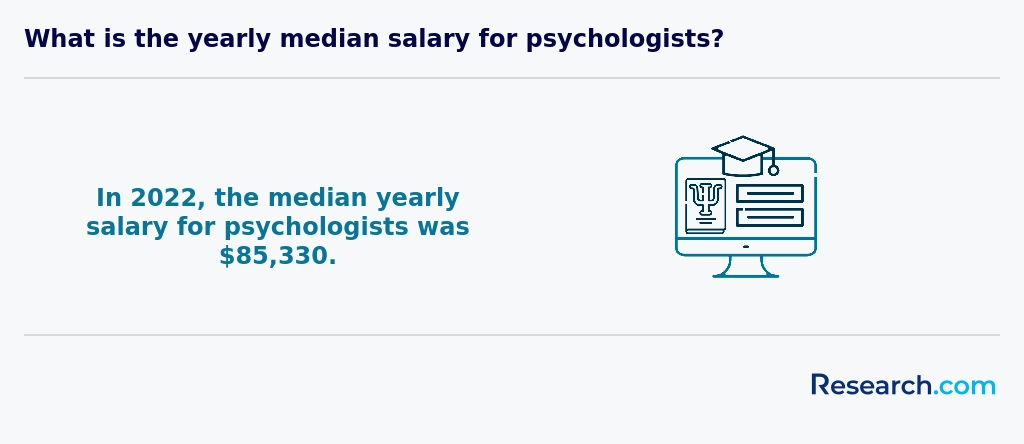
According to the Bureau of Labor Statistics, industrial-organizational psychologists can earn a median annual wage of $105,310 as of 2022, reflecting the value of tailored expertise in this field.
Online psychology students in America often face challenges related to balancing coursework with personal and professional responsibilities. According to the National Center for Education Statistics, over 75% of online learners juggle work alongside their studies, which can intensify stress and limit study time.
Another common obstacle is limited access to hands-on experiences. Psychology programs frequently require internships or practicum hours, which can be harder to arrange remotely compared to on-campus settings.
Technical difficulties and varying levels of digital literacy can also affect learning outcomes. Reliable internet and familiarity with online platforms are essential but not always guaranteed.
Finally, some students encounter feelings of isolation, as online formats lack real-time peer interaction, which is crucial for collaborative skills in psychology fields.
With an online psychology degree in the United States, graduates can pursue various professional certifications to enhance their careers. One common certification is the Licensed Professional Counselor (LPC), which requires a master's degree, supervised clinical experience, and passing a state exam. Another option is the Certified Alcohol and Drug Counselor (CADC), focusing on addiction treatment. For those interested in school settings, the National Certified School Psychologist (NCSP) credential is available, granted by the National Association of School Psychologists.
Some roles, like Licensed Clinical Psychologist, demand a doctoral degree and state licensure. Certification requirements vary by state, so researching state-specific rules through organizations such as the American Psychological Association is essential.
To write a winning application for an online psychology program in America, begin by clearly demonstrating your passion for the field. Highlight any relevant academic background or experience, such as undergraduate psychology coursework or related volunteer work. Most programs require a statement of purpose; use this to explain your career goals and how the program aligns with them. According to the American Psychological Association, clear communication and a strong research interest improve admission chances.
Include any relevant test scores like the GRE if required, and secure recommendation letters from professors or professionals familiar with your potential. Proofread carefully to avoid errors and present a professional, polished application.
Psychology careers in the United States are influenced by a growing emphasis on global mental health issues and cross-cultural research. The U.S. Bureau of Labor Statistics projects a 10% growth for psychologists from 2021 to 2031, reflecting expanding demand worldwide. Professionals often collaborate internationally to address diverse psychological needs and share best practices.
American psychology programs increasingly incorporate global perspectives, preparing students to work with multicultural populations both domestically and abroad. This approach aligns with international efforts promoted by organizations like the American Psychological Association, which supports global training standards.
Understanding cultural differences and integrating global research enhances practitioners' relevance in various settings and improves care for diverse communities, reflecting psychology's evolving role on the world stage.
Gaining practical experience while studying for an online psychology degree in America is essential for developing professional skills. Many programs encourage students to complete internships or practicum placements, often coordinated with local healthcare facilities, schools, or counseling centers. According to the American Psychological Association (APA), practicum hours are a standard requirement for licensure, typically ranging from 500 to 1,000 hours depending on the state.
Students can also seek volunteer opportunities or research assistant positions to apply theoretical knowledge. Some universities offer virtual labs or case simulations to enhance clinical skills remotely. Networking with faculty and joining psychology organizations, such as the APA, can provide access to mentorship and job opportunities.
Choosing the right concentration in an online psychology degree program in America begins with understanding your career goals. Popular concentrations include clinical, counseling, industrial-organizational, and forensic psychology. According to the U.S. Bureau of Labor Statistics, clinical psychologists are among the fastest-growing professions, with a 9% job growth projected between 2022 and 2032.
Evaluate each concentration's curriculum carefully to ensure it aligns with your interests and desired skills. Some programs offer licensure preparation, which is crucial if you want to become a licensed psychologist. Verify if the program is accredited by the American Psychological Association (APA), as this affects eligibility for many professional roles.
Consider the research opportunities and internships available remotely, as hands-on experience is vital. Reviewing job market data from sources like the APA can help gauge which specialization best fits your future employment prospects.
See What Experts Have To Say About Studying Psychology
Read our interview with Psychology experts

Catherine Caldwell-Harris, Ph.D.
Psychology Expert
Associate Professor of Psychology
Boston University

Joann Farrell Quinn, Ph.D., MBA
Psychology Expert
Director at the College of Medicine Department of Medical Education
Morsani College of Medicine

Robin M. Kowalski. Ph.D.
Psychology Expert
Professor of Psychology
Clemson University

- 10 High-Paying Jobs with a BS in Psychology | University of Bridgeport https://www.bridgeport.edu/news/high-paying-jobs-with-a-bachelors-in-psychology-degree/
- Study Psychology Abroad | Go Overseas https://www.gooverseas.com/study-abroad/psychology
- Financial Aid For Psychology Students | Psychology.org https://www.psychology.org/resources/financial-aid/
- Study Psychology Abroad https://astarfuture.co.uk/study_psychology_abroad.html
- Know more about thesis vs non- thesis: what is the difference? https://studyfans.com/en/blogs/816
- Ontario Psychological Association - Networking and Community Resources https://www.psych.on.ca/become-a-member-(1)/member-services/networking-and-community-resources
- How to Pay for Your Psychology Education in California - Psychology California https://psychologyca.org/how-to-pay/
- Mental Health Challenges Faced by Psychology Students | The Healthcare Guys https://healthcareguys.com/2023/11/23/mental-health-challenges-faced-by-psychology-students/
- 5 Terrific Ways to Finance your Masters in Psychology Degree https://mastersinpsychologyguide.com/articles/5-terrific-ways-to-finance-your-masters-in-psychology-degree/
- A Guide to Psychology Internships | Psychology Degree Guide https://psychologydegreeguide.org/resources/internships/


