
2027 Most Affordable Psychology Degree Programs Ranking in Vermont

Co-Founder and Chief Data Scientist
Choosing the right psychology degree program in Vermont can feel overwhelming. To help, this article presents the 2027 Most Affordable Psychology Degree Programs Ranking in Vermont, carefully developed by the Research.com team of data scientists.
By exploring this ranking, you'll gain clear insights into cost-effective options tailored for Vermont students. Pursuing a psychology degree opens doors to meaningful careers and personal growth. This guide empowers you to make confident, informed decisions on your educational journey toward a fulfilling future in psychology.
Key benefits of getting psychology degree in Vermont
- Psychology graduates in Vermont can expect promising salaries, such as Human Resources Specialists earning a mean annual wage of $76,060 and Marketing Research Analysts around $83,190, reflecting valuable earning potential.
- A psychology degree opens doors to diverse careers like Clinical Research Associate and Survey Researcher, with opportunities to impact health, business, and social services, inspired by successful Vermont college alumni.
- Online psychology degrees from Vermont's top schools offer flexibility and convenience, allowing graduates to balance studies with life, making it easier to achieve goals without sacrificing income or family time.
- 2027 Most Affordable Psychology Degree Programs Ranking in Vermont
- What can I expect from psychology degree in Vermont?
- Where can I work with psychology degree in Vermont?
What can I expect from psychology degree in Vermont?
The average cost of earning a psychology degree in Vermont is unexpectedly friendly to students seeking both quality and affordability. At public universities like the University of Vermont (UVM), eager psychology majors find their in-state tuition hovering between $15,000 and $17,000 per year-a price that opens doors rather than closing them. Graduates often recall the balance between rigorous academics and manageable expenses, which allowed them to dive deep into research without overwhelming financial worries.
Imagine yourself exploring cognitive psychology theories in UVM's vibrant labs or engaging with community mental health initiatives at Champlain College, all while keeping tuition costs reasonable compared to national averages. This affordability encourages students to embrace hands-on opportunities and clinical experiences without constantly stressing about debt. For many who have walked this path, the accessible tuition combined with strong program support creates a positive, motivating backdrop for their academic adventures in Vermont's supportive educational landscape.
Where can I work with psychology degree in Vermont?
Graduates with a psychology degree in Vermont can dive into a world of exciting career possibilities that truly make a difference. Many find rewarding roles in mental health and social services, working at hospitals or community centers, helping people navigate challenges like mental illness or substance abuse. Imagine collaborating with passionate teams at nonprofit organizations, making a real impact on local lives.
Others embark on academic adventures at institutions like the University of Vermont, engaging in research or supporting students as counselors and advisors. Picture yourself shaping young minds or uncovering new insights into human behavior right where you studied.
Business sectors here are also embracing psychology graduates in roles like human resources or organizational development. It's thrilling to apply your behavioral analysis skills to boost workplace happiness and productivity in innovative Vermont companies.
Plus, state and local government opportunities abound, with agencies like the Vermont Agency of Human Services calling for experts to design health programs. Psychology graduates often find this work fulfilling, contributing to community well-being on a larger scale.
Graduates holding a psychology degree in Vermont often discover rewarding salary paths that reflect their unique journey through academia and the local job market. For example, those stepping into roles like Human Resources Specialist can expect a mean annual wage around $76,060, while Marketing Research Analysts earn a bit more, averaging $83,190 per year. Imagine a recent graduate from the University of Vermont who channels their psychology background into marketing research, combining curiosity about human behavior with analytical skills to earn a solid income.
Others might find themselves drawn to research-intensive roles like Clinical Research Associate or Survey Researcher, both offering typical annual salaries near $62,370. Picture a graduate from Champlain College diving into clinical studies, energized by the chance to impact mental health practices and earning a respectable wage at the same time. Whether working in bustling Burlington or more rural Vermont settings, these roles showcase exciting career possibilities ripe for exploration.
Picture starting in supportive roles that relate to psychology but lean more on service, like Childcare Worker positions, with yearly earnings near $32,070. While entry-level salaries might seem modest, these experiences often serve as valuable stepping stones toward advanced degrees and higher-paying opportunities throughout Vermont's diverse psychological and social service sectors.
- Annual tuition for psychology bachelor's degrees in Vermont ranges from $13,000 to $18,000 at public schools and can exceed $40,000 at private colleges.
- Entry-level psychology jobs in Vermont typically pay between $40,000 and $45,000 per year.
- Experienced psychologists with advanced degrees can earn between $70,000 and $85,000 annually in Vermont.
- Job growth is strong in mental health, counseling, and community support positions across hospitals, schools, and nonprofits.
- Licensure for clinical psychologists and counselors in Vermont requires education, supervised experience, and passing state exams.
In Vermont, diving into a psychology degree is an exciting journey where time really depends on your chosen path. At the University of Vermont, for instance, many enthusiastic undergraduates find themselves immersed for about four years, juggling around 120 credit hours filled with intriguing psychology theories and hands-on general education. Imagine being part of that vibrant campus life, gradually building a strong foundation in understanding human behavior.
Graduates chasing a master's degree often share how their two-year adventure challenges them with 30 to 60 credit hours and the rewarding task of completing a thesis or exams. Some from Champlain College describe the experience as a perfect balance between rigorous study and discovering their specialized interests, like clinical or educational psychology.
For those ready to commit to a deeper dive, doctoral programs at Vermont's colleges-think PhD or PsyD paths-typically stretch between four to seven years. Many recall the thrill and intensity of combining research, internships, and dissertations, feeling truly prepared to make a real impact in psychology fields.
Flexibility is key too! Some students cherish part-time or online options that fit their lifestyles, while others treasure practical internships essential for licensure, all shaping unique and personal timelines in their psychological explorations.
Navigating the path to professional practice in psychology requires understanding Vermont’s specific licensure and certification requirements. Graduates must ensure their program meets state standards and aligns with national accreditation bodies such as the American Psychological Association (APA). Degree Accreditation Programs should be APA-accredited for doctoral candidates or regionally accredited for master’s and bachelor’s level licensure pathways. Accreditation ensures eligibility for exams like the Examination for Professional Practice in Psychology (EPPP) and state jurisprudence assessments. Supervised Experience • Pre-Doctoral Internship: 1,750–2,000 hours of supervised clinical practice under an approved supervisor. • Post-Doctoral Supervision: An additional 1,500–2,000 hours required for Licensed Psychologist applicants. • Master’s-Level Counselors: 3,000 hours of supervised experience for Licensed Clinical Mental Health Counselors (LCMHC). Examinations and Fees • EPPP: National exam covering biological bases, cognitive–affective bases, assessment, intervention, and ethics. • Vermont Jurisprudence Exam: State-specific regulations and ethical standards. • Application Fees: Approximately $275 for psychologists; fees vary for LCMHC, School Psychologist, and other credentials. Continuing Education Licensed professionals must complete 40 hours of continuing education every two years, including ethics, cultural competence, and evidence-based practice. For students comparing licensure timelines and program affordability in other regions, explore our Low Cost Psychology Degree Programs Ranking in Baton Rouge, LA to gain additional insights into cost-effective pathways.
Choosing between online and on-campus psychology degrees in Vermont opens up a world of possibilities tailored to your lifestyle. Imagine balancing a job or family while diving into your studies-online programs offer a flexible rhythm that many Vermont students appreciate. Graduates from such paths often share how learning at their own pace via digital platforms gave them freedom without sacrificing quality.
Meanwhile, those pursuing on-campus degrees at places like the University of Vermont treasure the vibrant campus life. Picture engaging face-to-face with professors, experimenting in labs, or joining study groups where spontaneous ideas spark during library sessions. This hands-on approach cultivates strong connections and practical skills in ways online courses sometimes can't match.
Costs also reflect these differences. While online programs may save money on housing and commuting, traditional students often enjoy rich campus resources. Both paths require careful checking of accreditation and Vermont's licensure rules, ensuring your degree propels your career forward with confidence and excitement.
When considering a psychology degree, one of the most critical decisions is choosing the right location for your studies. Vermont, with its unique blend of academic rigor, scenic beauty, and supportive community, stands out as an attractive option for prospective psychology students. For those interested in pursuing a best psychology degree in Vermont, the state offers a range of programs that cater to diverse interests and career aspirations. From the prestigious University of Vermont to smaller, intimate settings like Middlebury College, Vermont's institutions provide a rich educational environment that fosters personal growth, professional development, and a deep understanding of psychological principles. The state's emphasis on community, mental health, and educational support creates a fertile ground for psychology students to explore various specializations, including clinical psychology, counseling psychology, and school psychology, among others. By pursuing a psychology degree in Vermont, students not only gain a comprehensive education but also become part of a vibrant community that values empathy, research, and the application of psychological knowledge to real-world problems. This unique blend of academic excellence and community engagement makes Vermont an ideal choice for those seeking a fulfilling and impactful career in psychology.
The average cost of obtaining a psychology degree in Vermont offers a unique glimpse into the balance between quality education and affordability. For residents, the median in-state total cost stands at around $47,850, a figure that feels tangible when imagining yourself walking the halls of the University of Vermont or Saint Michael's College. Graduates from these programs often share stories of manageable tuition combined with enriching experiences, where their education felt like a valuable investment in their future. Out-of-state students encounter a higher median total cost, roughly $64,644, reflecting the premium placed on enrolling from beyond Vermont's borders.
Exploring affordable psychology degree programs Vermont has to offer can lead hopeful students to consider financial aid opportunities and scholarships widely available at local institutions. Many psychology graduates emphasize how these supports made pursuing advanced degrees less daunting. Picture yourself diving into studies, energized rather than overwhelmed by cost, focusing on clinical psychology or research as part of your academic journey.
Vermont's blend of public and private schools ensures there are options tailored to different budgets and educational goals. For those curious about where to find the best psychology degree in Vermont, researching each school's offerings alongside their costs can open doors to both academic and financial possibilities.

After completing a psychology degree in Vermont, understanding the licensing and certification process is essential for transforming your academic achievements into a rewarding professional practice. In Vermont, licensure requirements for psychologists typically include a combination of supervised clinical hours, passing licensure examinations, and sometimes additional postgraduate education. Prospective candidates are encouraged to start planning early by engaging in internships and volunteer work, which not only fulfill clinical experience requirements but also establish valuable professional networks. Students should familiarize themselves with the specific directives set by the Vermont Board of Examiners in Psychology, which governs the licensure process. Additionally, many graduates find it beneficial to pursue certifications in specialized areas such as school psychology, clinical mental health, or neuropsychology, as these credentials enhance both competence and marketability. For those considering alternative career paths or complementary roles within the mental health field, exploring diverse options can be a strategic move. For example, insights on how to become a marriage counselor without a degree may provide practical guidance for expanding your career horizons without the traditional academic route. Establishing a clear career development plan-a combination of credentialing, ongoing education, and professional networking-can significantly improve long-term job prospects and salary potential in the competitive field of psychology.
Imagine starting your psychology journey at the University of Vermont, thrilled by the prospect but mindful of tuition costs that can edge toward $20,000 annually. Many psychology students here and at Champlain College discover that federal financial aid is their first treasure map. Completing the FAFSA opens doors to Pell Grants of up to $7,395 and subsidized loans with manageable interest, easing the financial burden while diving into studies of the human mind.
Beyond federal aid, Vermont's own VSAC glimmers with opportunity. Psychology students focusing on mental health report how VSAC grants, scholarships, and personalized counseling made navigating funding feel less like a maze and more like guided adventure. At Middlebury College, graduate students often boost their experience and finances through assistantships, combining research thrills with tuition waivers and stipends-turning passion for psychology into both learning and livelihood.
- Federal Pell Grants and subsidized loans through FAFSA
- Vermont Student Assistance Corporation grants and scholarships
- Institutional scholarships, assistantships, and work-study opportunities
- Private scholarships targeting psychology students or Vermont residents
This mix of support molds a landscape where your psychology degree journey in Vermont becomes not just achievable but exhilarating-fueling dreams with real financial pathways and stories of peers who've been there before you.
Earning a psychology degree is just the first step toward professional practice; in Vermont, graduates must navigate specific licensure pathways to become a practicing psychologist, school psychologist, or psychological associate. Candidates for a licensed psychologist credential must hold a doctoral degree in psychology from an APA-accredited program, complete at least 1,500 hours of supervised post‐doctoral experience approved by the Vermont Office of Professional Regulation, and pass the Examination for Professional Practice in Psychology (EPPP). Those pursuing school psychology licensure typically require a specialist‐level degree (e.g., Ed.S.) plus a minimum of 1,200 hours of supervised internship in a school setting and must satisfy the Vermont Standards Board for Professional Educators’ exam requirements. Master’s‐level graduates may qualify as licensed psychological associates by completing 2,000 hours of supervised clinical work post‐degree and obtaining passing scores on both the EPPP and state jurisprudence exam. All licensees in Vermont are subject to biennial renewal and must accrue 30 hours of continuing education credits, covering ethics, cultural competency, and the latest evidence-based practices. Maintaining licensure also involves adhering to the Vermont Code of Ethical Conduct and reporting any disciplinary actions or changes in professional status. Understanding these requirements early can streamline the transition from student to licensed professional. For comparisons on cost‐effective programs in other regions, see our Low Cost Psychology Degree Programs Ranking in Baton Rouge, LA.
Undergraduate hopefuls might face tests like the SAT or ACT, though some colleges now welcome applicants without them, focusing more on your passion and achievements. Graduate students, on the other hand, step into a more specialized journey. Holding a bachelor's degree with psychology-related courses such as research methods or developmental psychology often sets the stage for success.
For many, the GRE adds an extra challenge, but some programs in Vermont have made it optional. Letters of recommendation and personal statements become your chance to show that spark of curiosity and commitment. A graduate from Champlain College fondly remembers how their research experience helped shape their application, turning their love for understanding human behavior into a tangible asset.
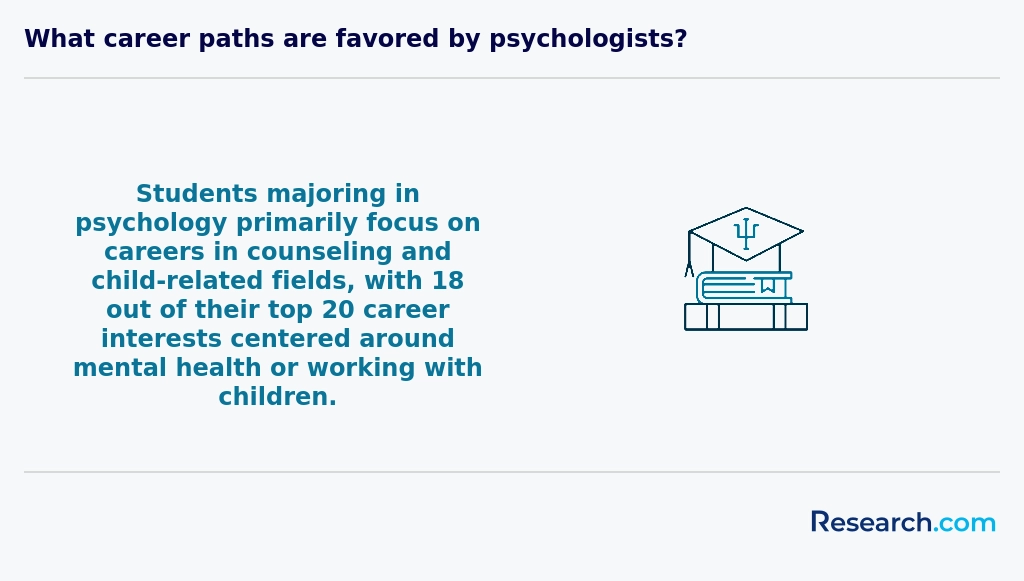
Graduates seeking to practice in Vermont must meet state licensure requirements, which ensure practitioners possess the necessary education, supervised experience, and examination successes. Key steps include:
- Education: A minimum of a master’s degree is required for licensure as a Licensed Clinical Mental Health Counselor (LCMHC), while a doctoral degree is mandatory for full psychologist licensure. To explore detailed tuition and program costs, see our guide on how much is a master’s degree in psychology.
- Supervised Experience: • LCMHC candidates must complete at least 3,000 hours of supervised clinical practice over a minimum of 24 months. • Doctoral candidates require 1,500 post-doctoral supervision hours in addition to pre-doctoral practicum and internship experiences.
- Examinations: • The Examination for Professional Practice in Psychology (EPPP) is required for both master’s- and doctoral-level practitioners. • Vermont administers a jurisprudence exam covering state laws and ethical standards.
- Application Process: • Submit official transcripts, verification of supervised hours, and exam scores through the Vermont Board of Allied Mental Health Practitioners. • Complete a background check and pay associated fees (typically $200–$300).
- Continuing Education: After initial licensure, professionals must complete 40 hours of approved continuing education every two years, with at least 6 hours focused on ethics or law. Understanding these requirements early can streamline the path to practice, prevent licensing delays, and ensure compliance with Vermont’s high standards for mental health care.
Diving into a psychology degree in Vermont means embarking on an exciting journey through the mind's many layers. Graduates from popular schools like the University of Vermont share how their courses brought concepts to life-imagine analyzing decision-making in Cognitive Psychology or exploring social influences in a bustling Burlington community setting.
Core classes typically start with an introduction to psychology, laying the groundwork with major perspectives that spark curiosity about human behavior. As students progress, they tackle research methods and statistics, learning to design experiments and interpret data, skills that empower them to become confident, critical thinkers.
- Biopsychology reveals how brain activity shapes emotions and actions, making the invisible workings of the mind tangible.
- Developmental psychology tracks growth across a lifetime, helping students relate theories to friends, family, or even themselves.
- Social psychology offers eye-opening insights into group dynamics that feel relevant during vibrant campus life in Vermont's close-knit communities.
Abnormal and personality psychology courses encourage students to unravel the complexities of mental health and individual identity, often inspiring empathy and deeper self-awareness. Whether analyzing theories in a cozy study group or applying knowledge during internships, psychology students in Vermont experience learning as both practical and profoundly human.
Diving into psychology degree specializations in Vermont reveals an exciting array of paths. Graduates from popular colleges here often recount the thrill of exploring clinical and counseling psychology, where hands-on work with patients in community agencies or hospitals triggers a strong sense of purpose. Meanwhile, developmental psychology enthusiasts enjoy tracking human growth stages-imagine studying child development or aging right within Vermont's diverse communities! This specialization attracts many who dream of impactful careers in education or social services.
Vermont psychology program concentration options also include cognitive psychology, famed for its focus on memory, perception, and problem-solving. Some grads find joy in research projects at Vermont's universities that push the boundaries of human understanding, especially in areas like artificial intelligence. Others cherish the vibrant discussions in social psychology classes, fueled by real-world dilemmas related to diversity and social justice.
Exploring industrial-organizational psychology offers a practical avenue too, especially given Vermont's nurturing environment for small businesses and nonprofits. For those curious about alternative paths, students sometimes consider options like how to become a marriage counselor without a degree, which blends well with psychology interests. Choosing a specialization in Vermont often feels like embarking on a personal adventure tailored uniquely to the state's community and economy.
Choosing the best psychology degree in Vermont means diving into what truly excites you about the human mind and behavior. Imagine starting your journey at the University of Vermont, where graduates often recall hands-on experiences in clinical settings that helped shape their future careers. Or picture yourself at Champlain College, discovering how small class sizes and personalized faculty guidance turn challenging concepts into empowering knowledge. To truly embrace your adventure, consider programs that match not only your career goals but also your life rhythm-whether it's on-campus energy in Burlington or flexible online formats.
Affordability plays a big role too, and finding affordable psychology degree programs in Vermont can feel like uncovering a hidden treasure. Graduates often mention balancing coursework with part-time jobs while tapping into scholarships and financial aid resources. If you wonder how much is a master's degree in psychology, that practical insight can be invaluable.
As you explore, focus on programs offering concentrations that spark your curiosity-like clinical psychology or research-driven studies-since these shape your path after graduation. Vermont's best psychology colleges in Vermont don't just prepare students academically; they open doors to internships and meaningful community partnerships that bring classroom lessons to life.
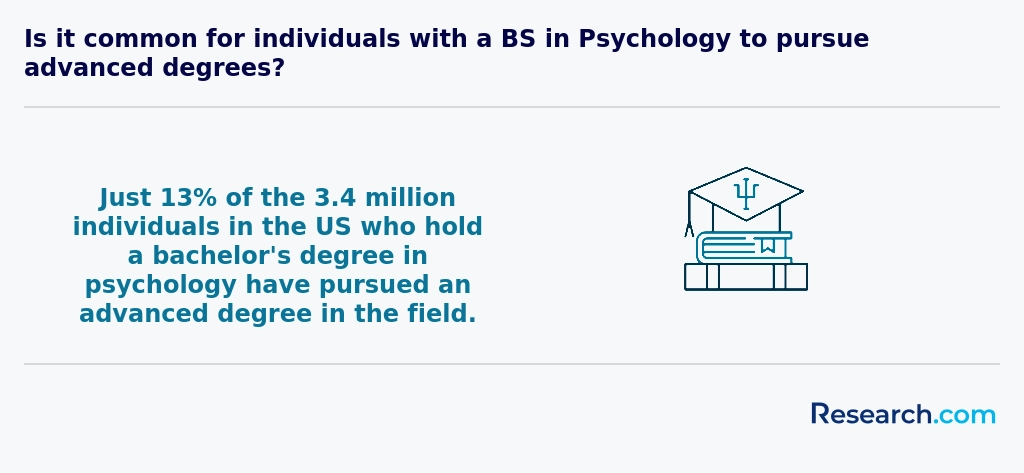
Graduates with a psychology degree in Vermont embark on vibrant journeys into careers like licensed psychologists or clinical social workers, especially after gaining supervised experience as required by Vermont's licensure rules. Imagine joining the ranks of roughly 300 licensed psychologists serving a community of around 650,000-an encouraging sign of steady demand in clinical and counseling settings. For those attracted to mental health counseling or school counseling, Vermont's commitment through the Department of Mental Health means community-based roles are thriving, making jobs with psychology degree Vermont a hopeful prospect.
Other adventurous paths open up in human resources, organizational development, or marketing analysis within Vermont's diverse economy. Graduates from institutions like the University of Vermont often find themselves involved in research or social services, contributing hands-on to studies or working with vulnerable groups. Exploring these options reveals a tapestry of opportunities. For the curious learner weighing costs, Vermont's public universities offer appealing options-discovering more in the Low Cost Psychology Degree Programs Ranking in Baton Rouge, LA helps highlight affordability alongside vibrant career paths.
The psychology degree job outlook Vermont offers is surprisingly vibrant despite the state's small population. Graduates from popular institutions in Vermont often share stories of landing roles in community mental health centers or school counseling programs, where they feel their work deeply impacts lives. Entry-level wages in these roles generally range from $45,000 to $60,000, reflecting a balanced start compared to other states.
Employment opportunities for psychology graduates in Vermont span healthcare facilities, educational settings, and nonprofit organizations. Many find themselves drawn to the state's emphasis on personalized, community-based care-a refreshing change from more impersonal urban environments. Those with advanced licensure enjoy the freedom to open private practices or join multidisciplinary teams, unlocking diverse career paths.
For students weighing their options, Vermont's public universities offer psychology programs with tuition typically between $12,000 and $18,000 annually for in-state learners. Some graduates describe how exploring 6 month online programs that pay well helped them quickly boost qualifications and job prospects, adding excitement to their career journey.
2027 Most Affordable Psychology Degree Programs Ranking in Vermont
Investing in your education is a significant decision that can shape your future, and the Research.com team understands the importance of making informed choices. To assist prospective students in Vermont, we have meticulously crafted the "2027 Most Affordable Psychology Degree Programs Ranking in Vermont." Our commitment to quality, credibility, and accuracy is reflected in the extensive research and analysis conducted to compile this ranking.
We utilized the following reputable data sources to ensure a comprehensive evaluation of psychology programs:
By exploring this ranking, readers will gain valuable insights into the most affordable psychology degree programs in Vermont, empowering them to make well-informed decisions about their educational paths. For more information on how this ranking was created, please visit our Research.com methodology page.


Frequently Asked Questions About psychology
Psychology degree students in Vermont can maximize their learning experience by actively engaging in both academic and practical opportunities. Vermont hosts several institutions offering accredited psychology programs, such as the University of Vermont and Norwich University, where students can benefit from small class sizes and personalized instruction. Taking advantage of internships and research assistant positions is crucial; these roles provide hands-on experience and improve employment prospects. According to the American Psychological Association, practical experience is linked to higher job placement rates post-graduation.
Networking with professionals through Vermont Psychological Association events can also deepen understanding of local mental health challenges. Utilizing campus resources, like tutoring and career counseling, further supports academic success. Students should prioritize courses in statistics and research methods, as these skills are highly valued in psychology careers. Vermont's robust community mental health services offer additional venues for applied learning and volunteer work.
The psychology field is expanding to include several emerging niches that show promise for students in Vermont. One growing area is telepsychology, which leverages technology to provide mental health services remotely. This trend has accelerated due to increased demand for accessible care, especially in rural parts of Vermont.
Another niche is neuropsychology, focusing on the relationship between brain function and behavior. Vermont's institutions often emphasize hands-on research in this area, reflecting nationwide growth in neurological studies.
Additionally, health psychology is gaining traction, exploring how psychological factors affect physical health. The state's aging population increases the need for professionals skilled in managing chronic illnesses through behavioral interventions.
According to the Bureau of Labor Statistics, demand for clinical, counseling, and school psychologists is projected to grow 8% nationally by 2031, with Vermont reflecting similar trends.
After earning a psychology degree in Vermont, preparing for the job market involves strategic steps to enhance employability. Gaining practical experience through internships or volunteer work in local mental health clinics or nonprofit organizations is highly beneficial. Vermont's Department of Labor reports growth in mental health services jobs, with a 7% projected increase by 2028.
Networking is essential; joining professional groups like the Vermont Psychological Association provides connections and job leads. Additionally, earning state licensure is required for clinical roles, which demands supervised hours post-degree and passing the Examination for Professional Practice in Psychology (EPPP).
Developing specialized skills in research, counseling, or data analysis can also improve job prospects.
Employers in Vermont highly value psychology degree graduates with strong analytical and critical thinking skills. These abilities enable graduates to evaluate research data and apply evidence-based practices effectively.
Communication skills are also essential. Graduates must clearly explain complex psychological concepts to clients and colleagues, both verbally and in writing.
Interpersonal skills are particularly important in Vermont's mental health and social service sectors, allowing professionals to build trust and work collaboratively.
According to the Bureau of Labor Statistics, related roles emphasize problem-solving and ethical judgment, reflecting Vermont's commitment to responsible care.
Familiarity with statistical software and research methods is another sought-after skill, as many psychology jobs involve evaluating data trends.
To find psychology internships in Vermont, students should start by exploring local universities with psychology departments, such as the University of Vermont, which often posts internship opportunities on their career services pages. Networking through professors and campus psychology clubs can also open doors to placements. Vermont offers a variety of internship sites, including hospitals, community mental health centers, and schools, where practical experience is valued. The Vermont Psychological Association provides resources and contacts to assist students seeking internships. According to the Bureau of Labor Statistics, psychology-related roles in Vermont are projected to grow, making internships critical for career entry.
A psychology degree in Vermont can significantly enhance career mobility and advancement opportunities. According to the U.S. Bureau of Labor Statistics, psychology-related jobs in Vermont are projected to grow by 8% from 2022 to 2032, slightly above the national average. This growth is driven by increased demand for mental health services across healthcare, education, and social services sectors.
Graduates holding a bachelor's degree can enter roles such as behavioral health technicians or case managers, while advanced degrees unlock licenses for clinical practice or academic positions.
Employers in Vermont often value local degrees combined with certifications, which can boost salary potential and facilitate movement into supervisory roles. Institutions like the University of Vermont provide recognized credentials that support professional growth within the state's job market.
Studying for a psychology degree in Vermont offers strong preparation for interdisciplinary roles by emphasizing collaborative skills across diverse fields. Vermont's psychology programs often integrate coursework in biology, sociology, and education, reflecting the real-world need to understand human behavior from multiple perspectives. According to the Vermont Psychological Association, many institutions support internships and research opportunities in healthcare, social services, and education sectors, fostering practical experience in teamwork settings.
Additionally, the state's emphasis on community-oriented psychology encourages students to work alongside professionals in social work and health care. This training equips graduates to contribute effectively in interdisciplinary environments common in mental health and wellness industries.
When choosing between a thesis and a non-thesis psychology degree program in Vermont, students should consider their career goals and learning preferences. Thesis options typically appeal to those interested in research or academic careers, as they provide experience designing and conducting original studies. Non-thesis programs often focus more on coursework and practical skills, suiting students aiming for clinical or applied psychology roles.
In Vermont, universities like the University of Vermont offer both tracks in psychology graduate programs. According to the National Center for Education Statistics, about 40% of psychology master's students nationwide opt for thesis programs, reflecting the value of research experience. Cost and time are also factors: non-thesis programs may be shorter and less costly, but thesis research can lead to stronger job prospects in some fields.
Students based in Vermont interested in studying psychology abroad have several pathways to consider. While Vermont itself does not host extensive direct exchange programs specific to psychology, many institutions encourage participation in U.S. study abroad programs through partnerships coordinated by the Vermont State Colleges system or individual universities like the University of Vermont.
These programs often allow Vermont students to take psychology courses overseas while earning credits that transfer back to their home institution. Popular destinations include European countries known for strong psychology research traditions, such as the United Kingdom and the Netherlands.
Additionally, Vermont students can explore accredited online psychology degree options offered by foreign universities, which provide global perspectives without the need to relocate. Access to federal financial aid generally continues for approved study abroad programs, making these options more viable.
According to the Institute of International Education's latest Open Doors Report, participation in study abroad by psychology majors remains strong nationally, offering Vermont students opportunities to enhance their educational experience by engaging with diverse psychological theories and practices worldwide.
In Vermont, several part-time job opportunities can enhance the education of psychology students by providing practical experience. Many students find roles as behavioral health technicians, assisting in hospitals or community health centers, which aligns closely with psychology coursework. According to the Vermont Department of Labor, these roles often pay between $14 and $18 per hour, giving students both income and relevant exposure.
Additionally, research assistant positions at institutions like the University of Vermont allow students to engage in psychology studies, data collection, and analysis. These positions often offer flexible hours suited for part-time work.
Other common roles include peer mentors or counseling aides in campus wellness centers. These jobs help develop communication and counseling skills important in psychology careers.
Psychology students in Vermont benefit from various networking opportunities that support academic and career growth. Universities such as the University of Vermont often host psychology clubs and seminars where students connect with faculty and visiting professionals. These events foster mentorship and collaboration, essential for career development.
Moreover, the Vermont Psychological Association provides student memberships, giving access to statewide conferences and workshops focused on current research and clinical practices. This organization helps students build professional contacts within the state's mental health community.
Internships and research assistant positions at local hospitals and clinics also offer practical networking, helping students gain experience and relationships valuable for future employment.
Alumni networks play a significant role for psychology degree students in Vermont by offering valuable connections within the local mental health field. Graduates from Vermont institutions often find that these networks provide access to internship opportunities and job openings not widely advertised.
Such networks enable students to engage with experienced professionals who can offer mentorship, guidance on licensure, and advice about specializing in areas like clinical or counseling psychology. According to the Vermont Psychological Association, strong alumni ties increase job placement rates by up to 20% in regional settings.
Furthermore, alumni groups frequently organize workshops and events, helping students stay informed on state licensing requirements and continuing education trends.
Customizing a psychology degree program in Vermont allows students to tailor their education to meet specific career goals. Many Vermont colleges offer elective courses or concentrations in areas like clinical psychology, counseling, or industrial-organizational psychology. Students can select internships or research projects aligned with their interests, providing practical experience that enhances job readiness.
Vermont also supports cooperative education and field placements, which help students connect academics with professional environments. According to the Vermont State Colleges System, approximately 40% of psychology undergraduates engage in applied learning before graduation.
Additionally, some programs provide options for graduate-level coursework or certifications, enabling a more specialized skill set. This flexibility helps students prepare for licensure and diverse career paths within psychology.
Psychology students in Vermont often face challenges related to the state's limited number of higher education institutions offering psychology programs. This can mean fewer course options and less diversity in specializations compared to larger states. According to the National Center for Education Statistics, Vermont has just a handful of colleges with psychology degrees, which may impact availability of internships and research opportunities.
Additionally, Vermont's rural character can pose difficulties in accessing mental health facilities for practical experience. Students may need to travel significant distances for fieldwork or clinical placements.
The cost of education and living expenses in Vermont, while generally moderate, remains a concern. Financial aid options, specific to psychology students, are somewhat limited, requiring careful planning. Lastly, balancing rigorous coursework with gaining real-world experience is a common challenge reported by current students in the state.
With a psychology degree in Vermont, graduates can pursue several professional certifications to enhance their careers. One common path is obtaining licensure as a Licensed Clinical Mental Health Counselor (LCMHC), which allows practice in therapy and counseling. To qualify, candidates typically need a master's degree, supervised clinical hours, and must pass Vermont's state exam.
Another option is the Board Certified Behavior Analyst (BCBA) certification, especially valuable for working with individuals with developmental disabilities. Candidates must complete specific coursework and supervised experience before sitting for the BCBA exam.
For those interested in school settings, becoming a Licensed School Psychologist requires meeting Vermont's standards and passing appropriate exams. These certifications improve job prospects across the state's mental health and education fields.
Applying to a psychology program in Vermont requires careful planning and attention to detail. Start by researching the specific admission criteria of Vermont colleges offering psychology degrees, such as the University of Vermont or Champlain College.
Strong academic records are essential; most programs expect a minimum GPA around 3.0. Highlight relevant coursework in psychology, biology, or statistics to demonstrate preparedness.
Personal statements should clearly explain your motivation for studying psychology and how you plan to contribute to the field. Vermont schools value community involvement and research experience, so mention internships or volunteer work related to mental health.
Letters of recommendation should come from professors or professionals familiar with your academic and personal qualities. Lastly, meet all application deadlines, typically between December and February, to increase your chances of acceptance.
Psychology careers in Vermont reflect broader global trends emphasizing mental health's growing importance. Worldwide, the field is expanding, driven by increased awareness of psychological well-being. In the U.S., including Vermont, the Bureau of Labor Statistics projects a 9% growth in clinical, counseling, and school psychologist jobs from 2022 to 2032, faster than average. This growth is linked to rising demand for mental health services across diverse populations.
Global perspectives highlight psychology's versatility, with professionals working in health, education, organizational development, and research. Vermont's unique demographic, including rural communities, creates a need for culturally competent psychologists with skills in telehealth and community outreach. According to the Vermont Department of Labor, demand is growing in these areas, reflecting international shifts toward integrated care models.
Gaining practical experience while studying psychology in Vermont is essential for building skills and enhancing career prospects. Many Vermont colleges, such as the University of Vermont, offer internship programs that connect students with local mental health clinics, schools, and social service agencies. These internships allow students to work under licensed professionals, providing hands-on experience in assessment, counseling, and research.
Additionally, psychology programs often incorporate practica or fieldwork opportunities that must be completed for graduation. According to the Vermont Psychological Association, nearly 60% of psychology students engage in supervised internships before earning their degrees. Volunteer positions and research assistant roles on campus are other valuable ways to gain experience and contribute to ongoing studies.
Choosing the right concentration within a psychology degree program in Vermont involves evaluating your career goals and interests in the field. Common concentrations include clinical, counseling, developmental, and industrial-organizational psychology, each leading to different professional paths.
Consider Vermont's job market trends; for example, the Vermont Department of Labor reports a growing demand for mental health counselors and behavioral specialists. Researching programs at institutions like the University of Vermont or Champlain College can help you identify concentrations that align with local employment opportunities.
Additionally, verify whether the concentration meets licensing requirements for your intended career, as this varies by psychology specialization.
- 2027 Most Affordable Psychology Degree Programs Ranking in New Hampshire
- 2027 Most Affordable Psychology Degree Programs Ranking in New York
- 2027 Most Affordable Psychology Degree Programs Ranking in Rhode Island
- 2027 Most Affordable Psychology Degree Programs Ranking in New Jersey
- 2027 Most Affordable Psychology Degree Programs Ranking in Pennsylvania
- 2027 Most Affordable Psychology Degree Programs Ranking in Virginia
- 2027 Most Affordable Psychology Degree Programs Ranking in West Virginia
- 2027 Most Affordable Psychology Degree Programs Ranking in North Carolina
- 2027 Most Affordable Psychology Degree Programs Ranking in South Carolina
- 2027 Most Affordable Psychology Degree Programs Ranking in Tennessee
See What Experts Have To Say About Studying Psychology
Read our interview with Psychology experts

Elizabeth L. Jeglic Ph.D.
Psychology Expert
Professor of Psychology
City University of New York

Robin M. Kowalski. Ph.D.
Psychology Expert
Professor of Psychology
Clemson University

Joann Farrell Quinn, Ph.D., MBA
Psychology Expert
Director at the College of Medicine Department of Medical Education
Morsani College of Medicine

- Psychological Science, B.A. https://vermontstate.edu/academic-programs/psychological-science-ba/
- Professional Networking For Psychologists | Psychology.org https://www.psychology.org/resources/professional-networking/
- Psychology Online Degree Pathway https://www.learndirect.com/course/psychology-online-degree
- Know more about thesis vs non- thesis: what is the difference? https://studyfans.com/en/blogs/816
- Funding for Job Training https://www.vsac.org/workforce-development-funding
- Sample letters in psychology https://www.mystudies.com/en-in/human-and-social-sciences/psychology/letter-model/
- Best Online and Campus Psychology Schools in Vermont https://www.psychologydegree411.com/schools/vermont/
- Vermont Online Psychology Degree Program https://www.onlinepsychologydegrees.com/states/vermont/
- Psychology Jobs - Vermont Psychological Association https://careers.vermontpsych.org/
- Ontario Psychological Association - Networking and Community Resources https://www.psych.on.ca/become-a-member-(1)/member-services/networking-and-community-resources


