2027 Best Psychology Degree Programs Ranking in Boulder

Co-Founder and Chief Data Scientist
Choosing the right psychology degree program in Boulder can feel overwhelming. That's why this article introduces the 2027 Best Psychology Degree Programs Ranking in Boulder, created by the Research.com team of data scientists. It's designed to help you make an informed decision based on solid data and thoughtful analysis.
Reading this guide will give you clear insights into programs that support your goals and passions. Pursuing a psychology degree opens doors to meaningful careers, personal growth, and a deeper understanding of human behavior. Explore your options confidently and find the path that fits you best.
Key benefits of getting psychology degree in Boulder
- Salary for psychology degree graduates: Graduates can expect competitive salaries such as $62,370 yearly for Clinical Research Associates and Survey Researchers, or up to $83,190 for Marketing Research Analysts, reflecting rewarding financial prospects.
- Career paths: A psychology graduate from a Boulder-based university often explores diverse fields like human resources, research roles, or clinical support, unlocking exciting opportunities for growth and impact.
- Online degree benefits: Earning a psychology degree online from a Boulder institution offers flexibility and convenience, allowing graduates to balance work and study while accessing the same quality education.
- 2027 Best Psychology Degree Programs Ranking in Boulder
- What can I expect from psychology degree in Boulder?
- Where can I work with psychology degree in Boulder?
What can I expect from psychology degree in Boulder?
When diving into a psychology degree in Boulder, one exciting number to keep in mind is the average tuition cost. At CU Boulder, the flagship campus for psychology studies, in-state undergraduates typically pay around $12,500 per year. Imagine a student exploring the intricate workings of the mind, balancing courses with hands-on research in labs that buzz with curiosity-all while managing this investment in their future. Graduate tuition varies, but many psychology master's and doctoral students find scholarships or financial aid that ease the journey.
Graduates often recall the value in combining affordable tuition with rich practicum placements in Boulder's thriving mental health community. It's not just about cost; it's about the adventure of blending rigorous academics with real-world experiences without breaking the bank. This mix of accessible pricing and deep learning opportunities makes Boulder uniquely inviting for budding psychologists ready to explore their passion.
Where can I work with psychology degree in Boulder?
Graduates with a psychology degree in Boulder find themselves stepping into a rich landscape of possibilities. Imagine working in local hospitals like Boulder Community Health, where you help patients navigate mental health challenges or support recovery in rehabilitation centers. Many students from the University of Colorado Boulder share stories of starting their careers as behavioral therapists or case managers, truly making a difference in people's lives.
Others dive into educational roles, supporting mental health programs right on campus or in nearby schools. The hands-on experience gained through these positions often sparks deep connections and personal growth. For those with an adventurous spirit, Boulder's vibrant entrepreneurial scene opens doors to careers in organizational development or human resources, shaping healthier, more motivated workplaces.
Nonprofits and social service organizations also play a vital role, offering chances to advocate for substance abuse recovery or family support-work that graduates describe as both challenging and rewarding. Plus, research roles at places like NIST invite curious minds to explore cognition and human behavior, combining rigorous science with real-world impact.
Imagine graduating from a psychology program at the University of Colorado Boulder, ready to step into the vibrant Colorado job market. As a Human Resources Specialist, you could be earning a mean annual salary of about $76,060, or approximately $36.57 per hour, blending psychology knowledge with people skills in engaging work environments.
For those drawn to data and behavior patterns, working as a Marketing Research Analyst could feel like an exciting adventure, with a mean wage nearing $83,190 annually. Many Boulder graduates find themselves analyzing trends for tech companies, using their psychology degree to uncover insights that drive business success.
Graduates stepping into roles such as Clinical Research Associates or Survey Researchers make around $62,370 yearly, applying their understanding of human behavior in hands-on research settings, often collaborating with local institutions or nonprofits.
Psychology students exploring Boulder's dynamic community often share how their education opens doors to meaningful careers with starting salaries that reflect both their expertise and the region's active job market, making the city's mix of academia and industry feel like a launchpad for future success.
- Boulder offers psychology degrees at various levels, including Bachelor of Arts, Bachelor of Science, Master's, and PhD programs.
- In-state tuition for a bachelor's degree ranges from $11,000 to $13,000 per year, while out-of-state tuition can be $35,000 to $40,000 annually.
- Master's programs generally cost between $25,000 and $35,000 per year, with additional expenses for books and living costs.
- Starting salaries for bachelor's degree holders average around $50,000 annually, while those with advanced degrees can earn between $70,000 and $90,000.
- Experienced psychologists in Boulder may earn over $100,000, working in healthcare, education, social services, or private practice settings.
If you're imagining yourself diving into psychology in Boulder, expect about four years to earn a bachelor's degree when studying full-time, especially if you join the University of Colorado Boulder's vibrant campus. Many graduates describe those years as a blend of thrilling discoveries and personal growth, fitting the classic college timeline yet leaving room for exploration beyond the classroom.
For those craving deeper knowledge, master's programs extend the adventure by two to three years. Some Boulder students find this period perfect for balancing intense study with internships or part-time work, savoring each step of their journey. Doctoral candidates, on the other hand, embrace an even longer path-four to seven years-immersed in research, hands-on experiences, and the rewarding challenge of crafting a dissertation.
Many graduates appreciate Boulder's flexible options, including accelerated tracks and part-time enrollment, which turn this scholarly pursuit into a tailored expedition, fitting diverse lifestyles without sacrificing the thrill of academic achievement.
Building on a solid Psychology degree foundation in Boulder, CO, many graduates choose to enhance their career prospects through targeted certifications and advanced credentials. Common pathways include pursuing licensure as a Licensed Professional Counselor (LPC), Nationally Certified School Psychologist (NCSP), or Certified Alcohol and Drug Counselor (CADC). These credentials not only deepen clinical expertise but also command higher salaries and greater professional autonomy. For instance, LPCs in Colorado report a mean annual wage of $61,000, reflecting the value of state licensure and supervised practice hours. Specialized certifications can also open doors to in-demand fields like behavior analysis. As the need for evidence-based interventions grows, completing a Board Certified Behavior Analyst (BCBA) program positions graduates to work with individuals across the lifespan in clinical, educational, and community settings. Many programs offer flexible formats to accommodate working professionals; you can become a bcba online through accredited institutions that combine rigorous coursework with supervised fieldwork. Beyond certification, continuing education units (CEUs) and professional memberships-such as the American Psychological Association (APA) or the Association for Behavior Analysis International (ABAI)-ensure graduates stay current with best practices and ethical standards. Investing in these credentials reinforces expertise, boosts marketability in Boulder’s competitive job market, and prepares psychology professionals for leadership roles in healthcare, education, and organizational consulting.
Choosing between online and on-campus psychology degrees in Boulder sparks a unique adventure for each student. On-campus learners at the University of Colorado Boulder often describe the buzz of walking into lively classrooms, diving into lab experiments, and exchanging ideas face-to-face with professors and peers. This immersive environment fuels hands-on experiences like clinical practicums and research assistant roles, creating memories alongside invaluable learning.
Meanwhile, online students celebrate the freedom to study anywhere-from cozy coffee shops to sunlit patios-balancing coursework with jobs or family life. They engage with interactive digital platforms, joining virtual discussions and accessing resources without the daily commute. These flexible setups often open doors for those who might not relocate but still crave a credible Boulder-based degree.
Both paths reflect the vibrant education culture of Boulder, but the choice gently nudges students to reflect on how they want their psychology journey to feel-whether bustling campus energy or adaptable independence.
For prospective students, one of the critical factors in choosing a psychology program is affordability. The cost of tuition, fees, and living expenses can vary significantly between institutions. Students looking for affordable options may want to explore the cheapest psychology programs in Colorado, which can provide a high-quality education at a lower cost. Understanding the financial implications and exploring available funding options, such as scholarships, grants, and assistantships, can help make a psychology degree more accessible. By considering these factors, students can make informed decisions about their educational investments and pursue their career aspirations in psychology without undue financial burden.
Exploring the average cost of psychology degree in Boulder reveals a fascinating balance between investment and opportunity. At CU Boulder, many graduates recall the excitement of starting their journey with tuition fees around $15,666 for in-state students, striking a reasonable chord when compared to other options. Out-of-state students, however, often prepare for a higher total cost, approximately $63,902, reflecting their adventurous leap into a new academic environment. These figures capture the essence of the local experience, where rigorous learning meets the vibrant community life in Boulder.
Imagine a psychology student navigating the campus at CU Boulder, energized by engaging classes yet mindful of costs. That blend of challenge and achievement makes the investment feel worthwhile, especially when compared to the broader national landscape. For those curious about the psychology degree tuition fees Boulder 2027 might bring, these current numbers help set a forward-looking expectation tied to both public and private program trends.
The journey feels even more tangible when hearing from graduates who appreciated how financial aid and scholarships softened the economic demands. Living in Boulder means embracing both inspiring mountain views and a slightly higher cost of living, a trade-off enriching the overall college experience. For those targeting affordable routes, checking out the cheapest psychology programs in Colorado could be a game changer.
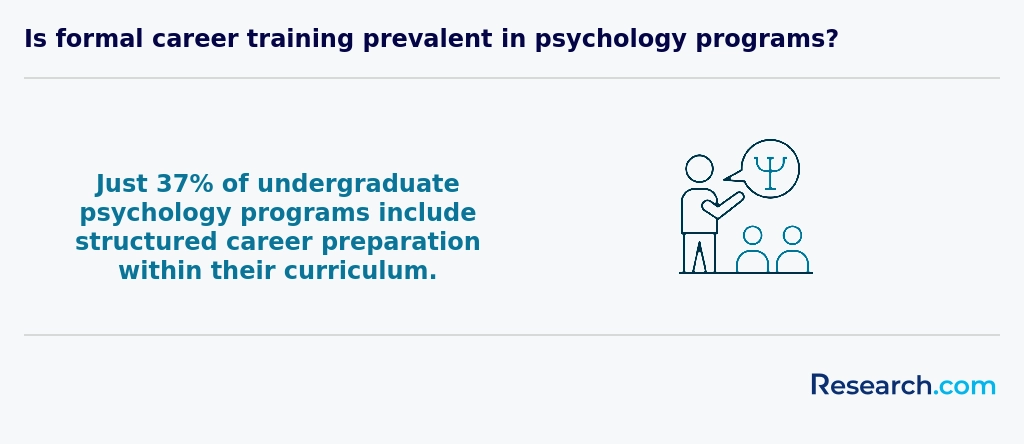
As the field of psychology continues to evolve, emerging trends are reshaping both educational models and career opportunities for graduates. Advancements in technology are driving the integration of virtual labs, telepsychology, and digital assessments into traditional curricula, enabling students to gain experience in innovative, real-world settings. Institutions are increasingly offering flexible pathways, such as accelerated programs and blended learning models, to meet the growing demand for professionals who can navigate a dynamic work environment. For example, many programs now provide pathways that allow learners to balance education with professional commitments, and those interested in specialized tracks can explore an master in psychology online to fast-track their careers while accessing cutting-edge resources. Faculty and industry leaders are collaborating to ensure that course content reflects current research trends, including the rise of mental health apps, virtual counseling sessions, and interdisciplinary methods that combine psychological principles with fields like data analytics and neuroscience. As these developments continue to impact the job market, graduates with the latest skills and knowledge will be well-equipped to take on leadership roles in clinical, educational, and corporate settings.
Imagine stepping onto the University of Colorado Boulder campus, excitement buzzing as you uncover federal financial aid options like Pell Grants that can cover up to $7,395 for eligible psychology students-relieving much of the tuition pressure. Many graduates recall how completing the FAFSA unlocked access to low-interest federal student loans, offering flexible repayment plans that made pursuing their passion in psychology feel achievable without overwhelming debt.
Boulder's colleges also shine with tailored scholarships. Psychology majors have eagerly shared stories of merit-based awards boosting their finances, sometimes covering thousands of dollars thanks to strong academic records. These opportunities sparked hope and motivation, making the dream of studying closer to home even sweeter.
For those eager to connect beyond their universities, the American Psychological Association offers scholarships and fellowships that alumni have found both inspiring and supportive. Plus, diving into Colorado's state aid, such as the Colorado Student Grant, which can provide up to $3,220 annually, often feels like discovering a hidden treasure chest for Boulder students pursuing psychology.
Graduates aiming to practice psychology in Colorado must meet specific licensure and certification standards set by the Colorado Department of Regulatory Agencies (DORA). First, candidates typically need a doctoral degree in psychology from an accredited institution, with programs recognized by the American Psychological Association (APA) or the National Register of Health Service Psychologists. After completing the degree, aspiring psychologists must accumulate at least 3,000 hours of supervised professional experience-divided between predoctoral and postdoctoral training-under the guidance of a licensed psychologist. Next, applicants must pass the Examination for Professional Practice in Psychology (EPPP), administered by the Association of State and Provincial Psychology Boards (ASPPB). Colorado also requires a state jurisprudence exam covering ethical and legal standards. Those pursuing licensure as Licensed Professional Counselors (LPC) or Licensed Clinical Social Workers (LCSW) follow a similar pathway: completing a master’s degree in counseling or social work, fulfilling supervised clinical hours (typically 2,000–3,000), and passing relevant national exams (NCMHCE for LPCs, ASWB for LCSWs). Maintaining licensure demands ongoing professional development. Licensees must complete 40 hours of continuing education (CE) every two years, including ethics and multicultural competency topics. Structured workshops, online courses, and regional conferences in Boulder provide accessible CE opportunities. For students comparing program affordability and licensure outcomes, exploring our Inexpensive Psychology Degree Programs Ranking in Louisiana offers insights into cost-effective options that also meet rigorous accreditation and licensure preparation standards.
Diving into a psychology degree in Boulder means gearing up with some key prerequisites that open doors to exciting academic adventures. At places like the University of Colorado Boulder, grads often share how meeting the basic requirement of a high school diploma or equivalent was just the start of their journey. Achieving a competitive GPA around 3.0 feels rewarding, reflecting the effort invested in academic growth amidst Colorado's vibrant environment.
Many find that having solid standardized test scores, or benefiting from test-optional policies, eases the path. For those aiming higher, enrolling in Boulder's graduate psychology programs means showcasing a bachelor's in psychology or related fields-imagine the thrill of deepening your knowledge with foundational courses like research methods or abnormal psychology. Graduates speak fondly of how gaining research experience and building strong letters of recommendation truly shaped their opportunities.
Volunteer work or internships in mental health settings around Boulder add a rich, hands-on flavor to studies, making the prerequisites feel like stepping stones to a passionate, fulfilling career.
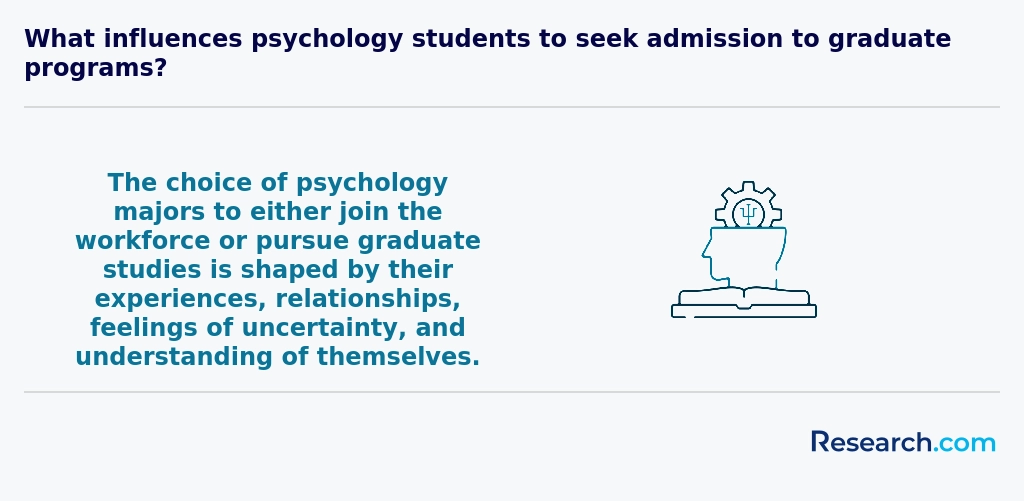
Choosing a psychology program with recognized accreditation is essential for both academic quality and eligibility to pursue licensure. In Boulder, CO, prospective students should verify that their institution holds regional accreditation (e.g., by the Higher Learning Commission) and, for clinical and counseling tracks, American Psychological Association (APA) accreditation. APA-accredited doctoral programs ensure curricula meet rigorous standards in ethics, research, and clinical training, which state licensure boards often require. Without proper accreditation, graduates may face barriers when applying for internship placements or state licensure exams. Colorado’s licensure process typically involves completing an APA-accredited doctoral degree (or equivalent coursework for master’s-level licensure), accruing 2,000–4,000 supervised clinical hours, and passing the Examination for Professional Practice in Psychology (EPPP). Candidates must also satisfy any state-specific jurisprudence exam or background-check requirements. For those pursuing school psychology licensure, programs should align with National Association of School Psychologists (NASP) standards, covering both academic and practicum components. To confirm a program’s accreditation status and licensure alignment, students can consult the APA’s Graduate Study Programs database and the Colorado State Board of Licensed Psychologists. Additionally, participation in National Council for State Authorization Reciprocity Agreements (NC-SARA) can streamline online program approvals if considering hybrid or remote coursework. Ensuring clear pathways to licensure not only safeguards your investment but also enhances employability upon graduation. For comparative insights on program affordability and accreditation benchmarks in other regions, see our Inexpensive Psychology Degree Programs Ranking in Louisiana, which highlights accredited options and their cost structures.
If you dive into a psychology degree in Boulder, you'll quickly find yourself exploring core courses like introduction to psychology, where graduates often recall that "aha" moment understanding what drives human behavior. At the University of Colorado Boulder, students eagerly engage with research methods and statistics, mastering hands-on skills in experimental design and data analysis that turn abstract concepts into exciting investigations.
Imagine walking through a bustling campus, discussing biological psychology and uncovering how the brain shapes every decision and emotion. Cognitive psychology classes spark curiosity about memory tricks and perception puzzles, while developmental psychology invites you to track human growth stages-something many Boulder grads describe as eye-opening and deeply relatable.
Electives like environmental and cultural psychology connect students with Boulder's unique vibe, blending sustainability and community diversity. Clinical and counseling psychology courses stand out too, often featuring real-world internships that empower students to confidently step into mental health careers.
Exploring psychology degree specializations Boulder students often dive into reveals a vibrant spectrum of intriguing paths. Many graduates from popular universities relish clinical psychology, where hands-on experiences in assessing and treating mental health issues spark both challenge and reward. Meanwhile, those drawn to counseling psychology enjoy the heartening work of helping people navigate everyday struggles, creating meaningful connections along the way.
Boulder psychology graduate program options also include cognitive neuroscience, a thrilling specialization buzzing with opportunities for research in cutting-edge labs. Graduates thrill in uncovering how brain function shapes behavior, benefiting from Boulder's dynamic scientific community. Industrial-organizational psychology, another exciting route, attracts students eager to revolutionize workplaces, boosting employee satisfaction and productivity amid Boulder's entrepreneurial buzz.
Other popular choices involve developmental and social psychology, where students explore human growth and interpersonal influences. For those wishing to accelerate their journey, many turn to online alternatives like the master in psychology online, blending flexibility with robust specialization options.
Choosing the best psychology degree programs Boulder offers means diving deep into what truly lights your academic fire. Graduates from the University of Colorado Boulder often share how the mix of rigorous coursework and vibrant research labs sparked their passion for fields like behavioral health and neuroscience, making complex theories come alive through hands-on experience. Picture yourself exploring diverse specialization options that shape your future, weaving together clinical insights with real-world internships found throughout Boulder's rich academic community.
Many students emphasize the importance of affordable psychology degrees in Boulder, especially considering tuition costs that align closely with state averages around $11,000 for in-state learners. This balance of quality and affordability helps fuel their confidence to pursue ambitious goals. Others, eager to grow professionally, seek programs with strong job placement records, knowing these open doors to rewarding careers. If your journey involves certification pathways, consider how to become a bcba online while studying locally or remotely-an adventure in flexibility and growth.
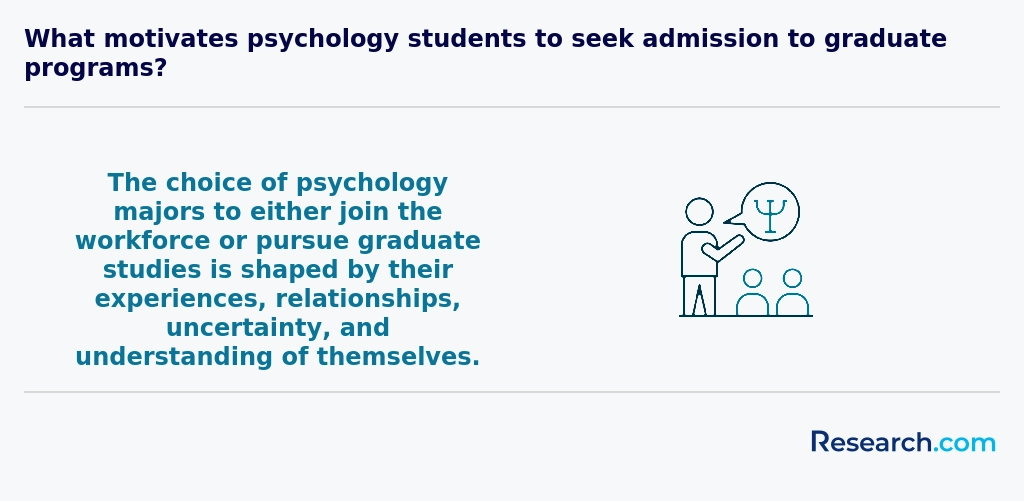
Graduates with a psychology degree in Boulder often find themselves stepping into diverse and dynamic career paths that truly reflect the city's vibrant community and academic environment. Many alumni of the University of Colorado Boulder report exciting opportunities in mental health services, working as licensed counselors or therapists, where they can directly impact individual lives and community wellness. This is one of the most rewarding job opportunities with psychology degree Boulder, as the city's demand for mental health support is rapidly growing.
Others dive into research roles anchored at Boulder's renowned institutions, engaging in areas like cognitive science or behavioral neuroscience. These careers often start with assistant positions and can grow into in-depth exploration of human behavior. Graduates have shared how thrilling it is to contribute to innovative projects in applied psychology within these academic settings.
For those drawn to business or education, Boulder offers paths in organizational psychology and human resources. Imagine helping local nonprofits improve team dynamics or developing employee wellness programs - this is where foundational knowledge turns into practical community impact. Prospective students weighing costs might also explore options featured in the Inexpensive Psychology Degree Programs Ranking in Louisiana, balancing expenses with promising career returns.
Exploring psychology degree job opportunities in Boulder reveals a vibrant scene fueled by the city's focus on mental health and wellness. Graduates from local institutions like the University of Colorado Boulder often find themselves stepping into roles within counseling centers or behavioral health organizations that emphasize holistic care. One graduate shared how hands-on experience through internships in Boulder's progressive health clinics helped them land a coveted counseling position quickly, reflecting the city's dynamic blend of education and employment.
For those considering Boulder psychology graduate employment outlook, the city's competitive yet rewarding environment is shaped by strong demand for licensed clinical psychologists, school counselors, and research professionals. Graduates benefit from networking opportunities in the community and partnerships between local universities and healthcare providers, often gaining positions that integrate telehealth services. Curious students might also explore the highest paying certificates to expand their credentials and stand out even more in Boulder's expanding market.
2027 Best Psychology Degree Programs Ranking in Boulder
Investing in your education is a significant decision that can shape your future, and the Research.com team understands the importance of making informed choices. To assist prospective students in Boulder, we have meticulously crafted the "2027 Best Psychology Degree Programs Ranking in Boulder." Our commitment to quality, credibility, and accuracy is reflected in the extensive research and analysis conducted to compile this ranking.
We utilized the following reputable data sources to ensure a comprehensive evaluation of psychology programs:
By exploring this ranking, readers will gain valuable insights into the top psychology degree programs available in Boulder, empowering them to make well-informed decisions about their educational futures. For more details on our methodology, please visit our Research.com methodology page.


Frequently Asked Questions About psychology
Psychology degree students in Boulder can maximize their learning by engaging actively with both academic and practical experiences. The University of Colorado Boulder, a leading institution in the area, offers research opportunities in cognitive science and clinical psychology, which students should pursue to deepen their knowledge.
Joining student psychology associations and attending local conferences can expand professional networks and expose students to current trends. Boulder's growing mental health sector provides internships and volunteer roles, giving essential hands-on experience.
Additionally, leveraging campus resources such as tutoring centers and faculty office hours strengthens understanding. According to the National Center for Education Statistics, experiential learning significantly improves student outcomes in psychology programs nationwide.
Emerging niches within the psychology field reflect evolving societal needs and advances in research. In Boulder, specializations like neuropsychology are growing, driven by local institutions such as the University of Colorado Boulder, which invests in brain research. Another expanding area is environmental psychology, examining how natural and urban spaces impact mental health, aligning with Boulder's eco-conscious community.
Additionally, industrial-organizational psychology is gaining prominence as Boulder's tech and business sectors seek to improve workplace wellbeing. Health psychology, focusing on chronic disease management and behavioral health, also shows growth, supported by Colorado health data emphasizing mental well-being. These niches offer promising career paths for psychology degree students in Boulder.
Preparing for the job market after earning a psychology degree in Boulder involves several strategic steps. Graduates should seek internships or practicum experiences during their studies, which local organizations such as the Boulder Community Health and the University of Colorado Boulder's counseling centers often offer. These opportunities help build practical skills and professional networks.
Networking is essential; students should attend psychology-related events and join professional groups like the Colorado Psychological Association to connect with potential employers. According to the Bureau of Labor Statistics, psychology jobs in Colorado are projected to grow 12% from 2020 to 2030, highlighting emerging opportunities.
Additionally, certification and licensure, such as becoming a Licensed Professional Counselor (LPC), enhance employment prospects in Boulder's competitive market.
Employers in Boulder seek psychology graduates with strong critical thinking and analytical skills. These abilities are essential for interpreting behavioral data and developing evidence-based interventions. According to the U.S. Bureau of Labor Statistics, effective communication, both written and verbal, ranks highly among desired skills for psychology professionals nationwide.
In Boulder's growing mental health sector, proficiency in ethical decision-making and cultural competence is increasingly valued. Employers expect graduates to navigate diverse client backgrounds sensitively. The Colorado Department of Higher Education highlights that teamwork and collaboration skills are crucial, as many psychology roles involve multidisciplinary environments.
Familiarity with research methods and statistical software is also important. This skill set supports rigorous data analysis and enhances employability in academic or clinical settings. Overall, Boulder employers prioritize adaptable, well-rounded candidates who combine technical knowledge with interpersonal strengths.
Finding internships in Boulder relevant to a psychology degree involves leveraging local resources and university programs. The University of Colorado Boulder's psychology department often facilitates connections with community agencies, hospitals, and research labs providing valuable internship placements. Students can explore opportunities at Boulder County Public Health and local counseling centers, which offer practical experience in clinical and applied psychology settings.
The city's emphasis on mental health services creates various internship options in nonprofit organizations and private practices. According to the Colorado Department of Higher Education, internships are critical for developing professional skills and improving employability after graduation. Networking events and career fairs hosted by CU Boulder are excellent starting points to identify such roles. Additionally, exploring Boulder's numerous behavioral health startups can open doors to innovative research internships.
A psychology degree in Boulder offers notable advantages for career mobility and advancement within the region. Boulder is home to a cluster of mental health organizations and research institutes, creating diverse job opportunities for graduates. According to the U.S. Bureau of Labor Statistics, psychology professionals in the Boulder area can expect a growth rate of about 6% through 2030, slightly above the national average.
Graduates with advanced degrees, such as master's or doctorates from Boulder-based institutions, often find easier access to specialized roles in clinical, counseling, or educational psychology. Networking within Boulder's academic and healthcare sectors further supports career development.
Local employers value practical experience and internships, which many Boulder programs integrate. This real-world exposure enhances employability and promotions.
Studying for a psychology degree in Boulder offers strong preparation for interdisciplinary roles by integrating diverse academic fields. Programs emphasize collaboration across psychology, neuroscience, education, and health sciences, reflecting the area's vibrant research environment.
The University of Colorado Boulder, for example, ranks highly for its interdisciplinary research, combining psychology with biology and computer science. Students gain skills in statistics, research methods, and applied psychology-all vital for diverse professional settings.
This multifaceted training prepares graduates to work in areas such as mental health, education, and technology, meeting the growing demand for versatile professionals. According to Boulder's local education reports, nearly 35% of psychology graduates pursue interdisciplinary careers within five years of graduation.
When choosing between a thesis and a non-thesis psychology degree in Boulder, consider your career goals first. Thesis programs emphasize research and preparation for doctoral studies or research careers. Non-thesis options typically focus more on practical skills and coursework for immediate entry into professional roles.
The University of Colorado Boulder, for example, offers both tracks with the thesis route requiring original research and a defense. Data from the National Center for Education Statistics shows about 40% of psychology graduates nationwide pursue thesis options, reflecting their interest in academia or research.
Additionally, thesis programs may take longer and demand more independent work, while non-thesis degrees often allow quicker completion and flexibility. Reflect on your plans and speak with advisors at Boulder institutions to align your choice with your career path.
Students based in Boulder who wish to study psychology abroad have several options through exchange programs and study abroad opportunities offered by University of Colorado Boulder (CU Boulder). CU Boulder partners with universities worldwide, allowing psychology majors to complete coursework in diverse cultural contexts while earning credit toward their degree.
Popular destinations include European and Asian institutions with strong psychology departments. Such programs often last a semester or full academic year, giving students hands-on experience in global psychology perspectives and research methods.
Financial aid and scholarships specifically for study abroad are available, easing the cost burden. According to CU Boulder's Office of International Education, approximately 5% of psychology students took part in abroad programs during the 2022-2023 academic year, reflecting growing interest.
Additionally, students can engage in summer research internships abroad or attend international psychology conferences, further enriching their education and professional networks beyond Boulder.
In Boulder, students pursuing psychology degrees can find various part-time job opportunities that enhance their academic learning and professional development. Working as a research assistant at the University of Colorado Boulder allows students to gain firsthand experience in psychological research methods and data analysis. Local mental health clinics often hire part-time behavioral health technicians or counselors' aides, offering practical exposure to therapeutic environments.
Additionally, roles in community outreach programs, such as those run by Boulder County Public Health, provide experience in public health psychology and education. These positions support networking and skill-building relevant to future psychology careers in Colorado.
Boulder offers psychology students extensive networking opportunities through its strong academic and professional community. The University of Colorado Boulder (CU Boulder), a leading institution in the area, hosts various psychology-related events, including seminars, workshops, and guest lectures featuring prominent researchers and clinicians.
Students can join the Psychological Science Student Advisory Board or Psi Chi, the international honor society in psychology, which fosters connections among peers and professionals. Additionally, the Boulder area benefits from proximity to several research institutes and mental health organizations, providing internship and volunteer options that enhance practical experience and professional networking.
The Boulder Chamber of Commerce and local psychology associations frequently organize professional meetups, allowing students to engage with practicing psychologists and potential employers. According to CU Boulder's Career Services, over 70% of psychology students secure internships linked directly to local industry connections, highlighting the city's supportive environment for building lasting professional relationships in psychology.
Alumni networks play a significant role in supporting psychology degree students in Boulder by providing valuable connections and career opportunities. Graduates from Boulder's psychology programs often stay actively involved in university-affiliated groups, which can lead to mentorship and internship openings for current students. According to a 2023 report by the University of Colorado Boulder, over 65% of psychology undergraduates found their first job through alumni referrals.
These networks also facilitate access to professional workshops and local conferences, helping students build practical skills and expand their professional circles. Such engagement is crucial in a competitive job market where interpersonal relationships often influence hiring decisions. Moreover, alumni frequently contribute to scholarship funds and research initiatives, directly benefiting students financially and academically.
Customizing a psychology degree in Boulder to align with specific career goals is feasible through electives, specialized tracks, and research opportunities. Local institutions often offer concentrations such as clinical psychology, cognitive neuroscience, or counseling psychology, allowing students to focus on areas that match their ambitions. For example, the University of Colorado Boulder provides options to engage in community psychology projects or aging studies, relevant for careers in mental health or gerontology.
Students can enhance their credentials by participating in internships and practicum placements within Boulder's diverse healthcare and social service sectors. This practical experience is crucial for applying classroom knowledge and developing professional skills.
Moreover, many programs encourage research collaborations with faculty, which can help tailor academic pursuits toward careers in academia or applied psychology. Staying updated with the Colorado Psychological Association can also guide students on licensure requirements and emerging job market trends in the Boulder area.
Psychology students in Boulder commonly face several challenges related to academic workload and financial pressures. Programs often demand a rigorous balance between coursework, research, and internships, which can be overwhelming for many students. According to the University of Colorado Boulder's counseling center, about 40% of psychology students report experiencing stress linked to maintaining high academic performance.
Financially, the cost of tuition and living in Boulder is a notable concern. Boulder's cost of living ranks among the highest in Colorado, affecting students who must manage part-time work alongside their studies. Access to internships and research positions may also be competitive, requiring students to actively network and seek opportunities early in their programs.
Additionally, psychology students must navigate complex ethical and methodological training that requires strong critical thinking and interpersonal skills. These academic challenges demand consistent effort and resilience, making support services and peer collaboration vital for success.
A psychology degree in Boulder opens doors to various professional certifications that enhance career opportunities. Graduates commonly pursue licensure as a Licensed Professional Counselor (LPC) or Licensed Clinical Social Worker (LCSW), both requiring supervised experience and passing state exams.
Additionally, certifications such as Certified Alcohol and Drug Counselor (CADC) are popular, especially in Boulder's growing mental health community. Those interested in school settings may seek National School Psychology Certification (NCSP), which supports work in educational environments.
Data from the Colorado Department of Regulatory Agencies highlights increasing demand for licensed mental health professionals in Boulder County, reflecting strong local job growth for certified practitioners.
To write a winning application for a psychology program in Boulder, start by highlighting relevant academic achievements, including strong performance in biology, statistics, and social sciences. Most Boulder programs, such as those at the University of Colorado Boulder, look for applicants with a GPA of at least 3.0. Including research experience or internships in mental health settings can significantly strengthen your profile.
Be sure to craft a clear personal statement that explains your motivation for studying psychology and how you plan to contribute to the local community. Admissions committees appreciate well-written essays that reflect understanding of psychological principles and career goals.
Letters of recommendation from professors familiar with your academic work also carry weight. Finally, meet all application deadlines and consider contacting program advisors to tailor your application effectively.
Psychology careers today are increasingly influenced by global trends, especially in the US higher education system. Students in Boulder pursuing psychology degrees enter a field that is closely connected to worldwide research and clinical practices. According to the American Psychological Association, about 65% of psychology graduates in the US find employment in health services, education, and research sectors that engage with international standards.
Globalization has expanded opportunities for psychologists in Boulder to collaborate on multicultural studies and cross-border mental health initiatives. Boulder's universities emphasize these perspectives, preparing students for diverse roles. Additionally, the Bureau of Labor Statistics projects a 8% growth rate in psychology jobs nationwide, reflecting ongoing demand worldwide.
Gaining practical experience during a psychology degree in Boulder is crucial for career readiness. Many local universities, including the University of Colorado Boulder, offer internship opportunities through partnerships with community mental health centers, hospitals, and schools. These internships provide hands-on experience in clinical assessment, counseling, and research methods.
Students can also engage in on-campus research labs where faculty-led projects allow participation in data collection and analysis. According to the American Psychological Association, practical training significantly improves job prospects after graduation.
Volunteering with Boulder-based organizations focusing on mental health can further enrich skills while building professional networks.
Choosing the right concentration within a psychology degree program in Boulder involves considering your career goals and interests. Boulder offers specializations such as clinical, cognitive, developmental, and social psychology, each aligning with different professional paths. According to the University of Colorado Boulder, clinical psychology focuses on assessment and treatment, while cognitive psychology explores mental processes. Research from the Colorado Department of Higher Education highlights that Boulder's psychology graduates often find employment in health services, education, or research. Prospective students should also evaluate faculty expertise, internship opportunities, and alignment with licensure requirements in Colorado to ensure the chosen concentration supports long-term objectives.
- 2027 Best Psychology Degree Programs Ranking in Denver
- 2027 Best Psychology Degree Programs Ranking in Lincoln
- 2027 Best Psychology Degree Programs Ranking in Wichita
- 2027 Best Psychology Degree Programs Ranking in Kansas City
- 2027 Best Psychology Degree Programs Ranking in Phoenix
- 2027 Best Psychology Degree Programs Ranking in Springfield
- 2027 Best Psychology Degree Programs Ranking in Minneapolis
- 2027 Best Psychology Degree Programs Ranking in Saint Paul
- 2027 Best Psychology Degree Programs Ranking in Riverside
- 2027 Best Psychology Degree Programs Ranking in Claremont
See What Experts Have To Say About Studying Psychology
Read our interview with Psychology experts

Catherine Caldwell-Harris, Ph.D.
Psychology Expert
Associate Professor of Psychology
Boston University

Joann Farrell Quinn, Ph.D., MBA
Psychology Expert
Director at the College of Medicine Department of Medical Education
Morsani College of Medicine

Robin M. Kowalski. Ph.D.
Psychology Expert
Professor of Psychology
Clemson University

- Colorado Psychology Schools | Psychology Degree Guide https://psychologydegreeguide.org/state/colorado/
- Best Types Of Online Psychology Degrees 2025 https://www.psychology.org/degrees/
- Study Psychology Abroad | Go Overseas https://www.gooverseas.com/study-abroad/psychology
- Why Get a Psychology Degree Online? | University of Bridgeport https://www.bridgeport.edu/news/reasons-to-get-your-psychology-degree-online/
- Sample letters in psychology https://www.mystudies.com/en-in/human-and-social-sciences/psychology/letter-model/
- Know more about thesis vs non- thesis: what is the difference? https://studyfans.com/en/blogs/816
- What can I do with a psychology degree? https://www.hull.ac.uk/study/undergraduate/courses/psychology-bsc-hons/what-can-i-do-with-a-psychology-degree
- Ontario Psychological Association - Preparing for Graduate School in Psychology: What You Need to Know https://www.psych.on.ca/Public/Blog/2024/Preparing-for-Graduate-School-in-Psychology-What-Y
- Psychology Placement Opportunities for Year 12 Students https://studymind.co.uk/ucas-guide/year-12-guide-to-gaining-psychology-work-experience/
- Study Psychology Abroad https://astarfuture.co.uk/study_psychology_abroad.html