
2027 Most Affordable Psychology Degree Programs Ranking in Durham

Co-Founder and Chief Data Scientist
Are you thinking about pursuing a psychology degree in Durham without breaking the bank? This article introduces the 2027 Most Affordable Psychology Degree Programs Ranking in Durham, created by the Research.com team of data scientists. It's designed to help you make an informed choice about which programs truly offer value.
Choosing the right program can shape your future, opening doors to rewarding careers. Reading this guide will give you confidence and clarity as you take an important step toward a fulfilling education and career in psychology.
Key benefits of getting psychology degree in Durham
- Salary for psychology degree graduates: Graduates in Durham can expect competitive salaries such as $76,060 annually for Human Resources Specialists and $83,190 for Marketing Research Analysts, reflecting strong earning potential in psychology-related roles.
- Career paths: A psychology graduate from Durham University often finds diverse opportunities in research, clinical roles, or counseling, allowing for personal growth and meaningful impact on communities.
- Online degree benefits: Earning a psychology degree online in Durham offers flexibility and helps balance work or family, making education accessible and convenient without sacrificing quality.
- 2027 Most Affordable Psychology Degree Programs Ranking in Durham
- What can I expect from psychology degree in Durham?
- Where can I work with psychology degree in Durham?
What can I expect from psychology degree in Durham?
The average cost of completing a psychology degree in Durham typically ranges between $4,000 and $6,000 per year for in-state students attending public institutions like Durham Technical Community College. This affordability often surprises those who expect higher expenses tied to specialized fields like psychology. Graduates frequently share how this manageable cost allowed them to focus more on learning and gaining practical experience rather than worrying about overwhelming debt.
Students from Durham's programs often highlight the balance of theoretical study and hands-on opportunities, such as internships at local healthcare facilities, as a key factor in their enriching experience. One graduate recalls how affordable tuition enabled them to dedicate summer breaks to valuable research projects without financial strain. These elements transform education into both a personal and professional growth journey.
Exploring cognitive, social, and developmental psychology while keeping financial barriers low encourages many Durham students to pursue higher degrees or careers in counseling. The cost-accessible environment supports passionate learners eager to make an impact without sacrificing financial stability early in their academic path.
Where can I work with psychology degree in Durham?
Graduates with a psychology degree in Durham find themselves stepping into varied and dynamic roles that defy simple categorization. Mental health careers here often mean working closely with community members at places like Duke University Health System, where many alumni thrive as behavioral health specialists or rehabilitation counselors, making real-time impacts on people's lives. The vibrancy of Durham's healthcare landscape isn't just professional-it fosters a deep sense of purpose and connection for those drawn to psychological care.
Others discover meaningful work in the education sector, serving as school counselors or academic advisors within Durham Public Schools or local universities. These roles go beyond traditional teaching, enabling graduates to support students' emotional growth and resilience, which many find incredibly rewarding and transformative.
Surprisingly, psychology degrees in Durham also unlock doors in the bustling business scene at Research Triangle Park. Graduates contribute to shaping workplace culture and consumer insights, blending science with creativity in human resources and marketing-an exciting surprise for those who expected purely clinical paths.
Meanwhile, Durham's robust research institutions offer psychology graduates opportunities to dive into behavioral science projects, allowing them to influence groundbreaking studies and innovation firsthand. Many find this blend of academia and applied science both challenging and exhilarating.
Graduates from Durham's well-regarded psychology programs often enter the workforce with diverse opportunities that challenge the notion of a fixed salary range. For example, those starting as clinical research associates, a common role for recent graduates, earn an average of about $62,370 annually, reflecting a solid entry point into research-driven careers. Others choosing a path in human resources can expect a mean annual wage near $76,060, bridging psychology with organizational success in dynamic work environments local to Durham.
Marketing research analyst roles, often pursued by psychology grads fascinated by human behavior and data, offer even more lucrative prospects, with mean annual wages around $83,190. These figures encourage students to think beyond traditional therapy roles and embrace varied career paths that psychology training unlocks.
Some graduates find rewarding but humbler earnings initially, such as childcare workers making approximately $32,070 annually-a stepping stone job that provides invaluable experience.
Durham's combination of rigorous academic training and a thriving job market means psychology graduates repeatedly report a mix of excitement and optimism as they transform their knowledge into impactful careers locally and beyond.
- Tuition for in-state students at public universities in Durham ranges from $9,000 to $12,000 per year, while private schools like Duke University charge over $60,000 annually.
- Additional yearly costs for housing, books, and supplies are between $15,000 and $20,000 depending on lifestyle choices.
- Starting salaries for psychology graduates in Durham typically fall between $45,000 and $55,000 within the first five years after graduation.
- Experienced psychology professionals can earn between $70,000 and $90,000 or more, especially with advanced degrees or certifications.
- Job opportunities exist in clinical psychology, counseling, research, and human services, with growing fields in neuropsychology and occupational psychology.
- Licensing for clinical practice requires a doctoral degree and completion of supervised hours, which are important steps for becoming a licensed psychologist.
Completing a psychology degree in Durham often takes about four years for undergraduates attending traditional universities such as Durham University. Graduates frequently describe their journey as a blend of rigorous coursework and exciting exploration into human behavior, typically encompassing 120 to 130 credit hours. However, this timeline is not set in stone-several students find themselves graduating sooner or later depending on part-time study choices or accelerated programs available locally.
For example, some undergraduates juggling jobs or family commitments at well-known Durham institutions take a bit longer, turning what might be a four-year plan into five or more vibrant years of learning and growth. On the other hand, graduates who embraced full-time, focused study often cherish the momentum gained through intensive, immersive semesters.
Graduate psychology degrees in Durham reveal an even wider temporal range. Master's programs add roughly 1.5 to 2 years for deeper specialization and research, while doctoral candidates embark on a transformative 4 to 7 year path filled with profound clinical practice. The variability in duration truly reflects each student's personal dedication and life circumstances, making the experience uniquely rewarding.
Below is a breakdown of the top five most affordable psychology degree programs in Durham, NC, ranked by average annual tuition and key features to help you make an informed choice: 1. Durham Technical Community College – Associate in Arts in Psychology • Average Annual In-State Tuition: $4,200 • Format: On-campus, with guaranteed transfer agreements • Highlights: Small class sizes, hands-on internships at local mental health clinics 2. North Carolina Central University – Bachelor of Science in Psychology • Average Annual In-State Tuition: $8,350 • Format: Hybrid (day and evening courses) • Highlights: Faculty-led research projects, peer mentorship programs 3. Duke University – Bachelor of Arts in Psychology • Average Annual Net Cost (after scholarships): $16,000 • Format: On-campus, with laboratory and fieldwork components • Highlights: Access to world-class faculty, cutting-edge cognitive neuroscience labs 4. Durham Tech & NCCU Cooperative Pathway – Dual Enrollment Program • Combined Average Annual Tuition: $6,500 • Format: Blended on-campus/hybrid, seamless transfer to NCCU’s BS program • Highlights: Accelerated timeline, cohort-based support network 5. University of North Carolina at Chapel Hill – Bachelor of Arts in Psychology • Average Annual In-State Tuition: $7,513 • Format: On-campus with optional summer online modules • Highlights: Clinical practicum placements, interdisciplinary research opportunities Each program offers a unique combination of affordability, academic rigor, and experiential learning. For those aiming to pursue advanced doctoral training without compromising accreditation standards, consider exploring our curated list of psyd online programs apa accredited to chart a clear path toward licensure and professional excellence.
Choosing between online and on-campus psychology degrees in Durham often comes down to more than just convenience or cost. Graduates from Durham University recall that attending classes in person meant lively debates in halls like the Palatine Centre, immediate feedback from professors, and spontaneous study groups that sparked fresh insights. This immersive environment energized their learning and built lasting connections.
Conversely, alumni of online programs at institutions serving Durham students remember the freedom to balance work and family commitments without sacrificing progress. They describe late-night study sessions at home, where the comfort of familiar surroundings enhanced focus and reduced stress. This flexibility often made the difference for those pursuing psychology careers amid busy lives.
Financially, on-campus students at Durham might face higher tuition and living expenses but gain direct access to campus resources-libraries, counseling centers, and local internships crucial for hands-on training. Online learners typically save on these costs, benefitting from virtual alternatives, though sometimes with less immediacy or depth.
Ultimately, both pathways in Durham aim to equip students with APA-accredited knowledge, yet each experience crafts distinct professional and personal growth journeys shaped by learning style, lifestyle, and ambition.
To navigate the financial aspects of pursuing a psychology degree in Durham, NC, it is essential to explore affordable options and understand the potential return on investment. Many students find that the key to managing costs lies in researching institutions that offer a balance of academic quality and financial feasibility. For instance, exploring cheapest psychology programs in north carolina can provide valuable insights into affordable education pathways. By considering factors such as tuition fees, scholarship opportunities, and potential career salaries, prospective students can make informed decisions about their educational investments. Furthermore, understanding the job market and growth opportunities in the field of psychology can help in assessing the long-term financial implications of their degree choice.
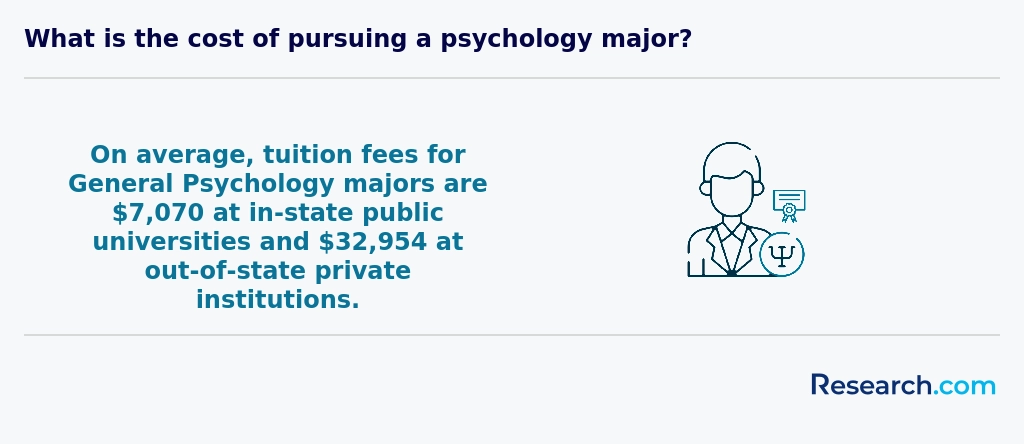
The average cost of a psychology degree in Durham reveals a striking contrast between public and private institutions, challenging many students' expectations about what education might realistically cost. Public universities offer more accessible pricing for in-state residents, with median total costs around $32,448, reflecting a valuable opportunity for those domiciled in North Carolina. Graduates of schools like North Carolina Central University often find themselves relieved by the manageable tuition, allowing them to focus on enriching experiences inside and outside the classroom rather than worrying excessively about debt.
However, private universities in Durham, renowned for their prestigious psychology programs, paint a different financial picture. Here, the median in-state total cost can climb as high as $68,758, a steep investment that many students consider carefully against potential career returns and personal aspirations. For some psychology students at these institutions, the journey feels like a worthwhile personal and professional transformation despite the financial weight, with ample opportunities for research and networking that are simply unmatched.
Choosing an affordable psychology degree programs in Durham requires reflection beyond tuition figures. One graduate recalls balancing expenses with part-time work and scholarships, emphasizing how these financial decisions shape personal growth. Considering the full picture of costs-including living expenses and books-provides clarity for prospective students. For those seeking further guidance on budgeting and options, exploring the cheapest psychology programs in north carolina can illuminate practical pathways to a degree without overwhelming debt.
Choosing an accredited psychology program is essential for graduate school admission and professional licensure. Look for these key markers:
- Regional accreditation (e.g., SACSCOC) ensures overall academic quality and credit transferability
- APA accreditation for doctoral-level clinical and counseling programs, required for many state licenses
- State board approval that aligns coursework with licensure requirements in North Carolina
Before applying, verify each program’s status on the CHEA database and confirm credits meet graduate school prerequisites. If you’re exploring accelerated psychology programs, ensure they hold the proper accreditation to support your licensure goals.
Many psychology students at Durham's universities discover that federal aid, especially through FAFSA, acts as a financial lifeline. Imagine a student at a popular local college receiving a Pell Grant covering up to $7,395 annually, easing the pressure of not only tuition but also daily living expenses. Such support turns the daunting cost of education into a more manageable pursuit.
Others benefit from federal Direct Subsidized and Unsubsidized Loans, which, despite requiring repayment, provide flexible terms that recent graduates often find reassuring as they transition into their careers. At Duke University or North Carolina Central University, psychology students share stories of how institutional scholarships-both merit- and need-based-have made advanced study attainable and even inspiring.
Work-study programs weave practical experience into finances, placing students in roles like research assistants or campus counseling centers. This contributes not only to bank accounts but also builds confidence and skills, enriching both their resumes and self-worth.
Beyond campuses, regional psychology associations and community foundations in Guilford County quietly empower ambitious students with fellowships, fostering hope and fueling dreams in ways typical financial aid might not fully capture.
Planning your application well in advance is key to securing a spot in Durham’s most affordable psychology programs. Most universities in Durham, NC, offer both Fall and Spring admission cycles:
- Fall Cycle: Applications typically open in August and close between December 1 and January 15. Early-decision or priority deadlines may fall in November, especially at Duke University and UNC–Chapel Hill.
- Spring Cycle: Deadlines usually range from September 15 to October 31, with decisions released in November. Critical steps and dates to track: 1. Request official transcripts at least six weeks before your deadline to ensure on-time delivery. 2. Submit SAT/ACT scores by the testing agency’s last reporting date-often six weeks prior to the application cutoff. 3. Complete supplemental essays, letters of recommendation, and the FAFSA no later than December 1 for maximum financial aid consideration. 4. Confirm enrollment by submitting your enrollment deposit (commonly due by April 15 for Fall admits and December 1 for Spring admits). Pro tip: Set up a personalized calendar with reminders for each component-testing, transcripts, essays, and scholarship applications-to avoid last-minute stress. For students comparing affordable options in other regions, explore our Cheapest Psychology Degree Programs Ranking in Buffalo, NY to expand your search beyond Durham.
To enter a psychology program in Durham, the journey begins long before campus visits or classes. Graduates from local colleges like Duke University and North Carolina Central University often recall how high school performance was crucial - a GPA around 2.5 to 3.0 opened doors, but dedication to core subjects like biology and social sciences truly laid the groundwork. It's not just about numbers; these courses translate into understanding real people's behaviors, making the learning meaningful from day one.
Many students remember submitting personal statements that conveyed their genuine passion for psychology, making their applications resonate beyond grades. For some, taking the SAT or ACT was nerve-wracking, yet ultimately, it became a step toward their dream in Durham's supportive academic communities.
Those moving to graduate studies face even higher standards: a bachelor's degree with a solid psychology focus and a GPA near 3.5. Research experiences and internships, such as volunteering at behavioral health clinics, create vivid, hands-on foundations that graduates treasure. Here in Durham, these prerequisites aren't barriers but doorways to deeply fulfilling careers in psychology.

Prospective students seeking to deepen their expertise in psychology may benefit from exploring advanced degree pathways and flexible online learning formats. In today's competitive job market, obtaining a master’s degree not only enhances specialized knowledge but also strengthens professional credentials in a field that continuously evolves. Many institutions now offer technologically advanced online courses designed to mimic the rigorous in-person experience, providing both academic depth and the convenience of remote study. For example, candidates interested in combining flexibility with quality education can consider our masters in psychology online program, which integrates interactive coursework, expert-led seminars, and real-time feedback from experienced faculty. This blend of immersive digital learning and academic excellence helps students balance other life responsibilities while pursuing their career ambitions. Additionally, advanced programs often include specialized modules, research opportunities, and hands-on projects that equip students with practical skills directly applicable to dynamic psychological practices in diverse professional settings.
Psychology degree programs in Durham, such as those at Duke University or North Carolina Central University, typically include courses that immerse students in both foundational theory and hands-on practice. Graduates often reflect on how General Psychology opened their eyes to the diverse aspects of human behavior, while courses like Developmental Psychology helped them connect academic concepts to everyday experiences, such as observing family dynamics or childhood growth in their communities.
Many students find Cognitive Psychology especially engaging, as it breaks down how memory and problem-solving work-skills they later noticed influencing their own decision-making processes. The emphasis on Research Methods and Statistics equips Durham psychology students to confidently design studies or interpret data, a crucial skill highlighted by the American Psychological Association's standards. This practical learning often takes place alongside internships within local healthcare settings, further grounding abstract theories in real human stories.
Courses on Biological Psychology or Neuroscience fascinate graduates who become curious about brain-behavior links, while Social Psychology classes reveal how peer groups and cultural contexts shape perspectives. The introduction to Abnormal and Clinical Psychology leaves many feeling both inspired and prepared to address mental health challenges in their future careers, showing how Durham's programs are as much about empathy as they are about science.
In Durham, psychology degree specializations are far from one-size-fits-all. Graduates from Duke University often recount how diving into clinical psychology transformed their understanding of mental health beyond textbooks, allowing them to meaningfully support those struggling with emotional challenges. Meanwhile, those studying at Durham Technical Community College find cognitive and behavioral psychology fascinating, as it unravels the mysteries of learning and brain function, sparking excitement about research possibilities and applied practices in everyday human behavior.
Social psychology offers a compelling lens on group dynamics and societal influences, a specialization some students pursue to prepare for careers in marketing or community work. These pathways highlight how local institutions bring theories to life through realistic scenarios and internships, enriching student experiences. In exploring the diverse tracks available, one can also encounter forensic or neuropsychology, which push students into advanced inquiry, offering a challenging yet rewarding trajectory few anticipate.
Choosing these options is easier when considering Durham affordable psychology program options, especially given the tuition balance between public and private institutions. For those looking for flexibility, a masters in psychology online program might complement on-campus offerings, broadening the scope of specialization with convenience and depth.
Choosing the best psychology degree in Durham isn't just about finding the cheapest or most prestigious program; it's about identifying what truly aligns with your ambitions and values. Graduates from Duke University often highlight the value of rigorous research opportunities housed within its renowned labs, which shaped their confidence and practical skills. Meanwhile, students at North Carolina Central University appreciate the accessibility and community-focused internships that feel immediately relevant, showing that affordable psychology degree programs in Durham can still offer rich experiences.
Digging deeper beyond curriculum, consider how each program connects students to real-world applications. If you crave clinical practice, ensure the program holds proper accreditation and prepares you for licensure. Many Durham students advise exploring combined theory and hands-on learning, which eases the leap from classroom to career. For those looking at graduate pursuits, investigating psyd online programs apa accredited can open doors to advanced options compatible with busy schedules.
Lastly, reflect on your financial and emotional investment. Best psychology colleges in Durham for cost might surprise you with scholarship opportunities or transfer pathways that keep debt manageable without sacrificing educational quality. These choices influence not only your bank account but the wholehearted enthusiasm you carry into your future.
Graduates from Durham's well-regarded universities often find that a psychology degree offers far more than the expected clinical roles. Many begin with entry-level positions like mental health technicians or research assistants, gaining firsthand experience that deeply shapes their understanding of human behavior. These roles reflect the expanding psychology career opportunities in Durham, blending practical service with academic inquiry.
For those who advance to graduate studies, job prospects with psychology degree Durham seriously widen. Graduates often specialize in clinical or school psychology, propelled by Durham's proximity to leading hospitals and research institutions. This environment nurtures professionals who thrive by applying psychological insights in healthcare, education, and even business settings. One graduate described working as a case manager at a community health center as a transformative experience that connected their academic knowledge to real-world impact.
Understanding local education costs is also crucial as students plan their futures. For detailed options and funding insights, check the Cheapest Psychology Degree Programs Ranking in Buffalo, NY to consider different pathways to affordable quality education.
The job market for psychology degree graduates in Durham reflects a nuanced reality. While the local demand for mental health professionals and researchers is buoyed by institutions like Duke University and other academic centers, many graduates quickly learn that entry-level roles often require starting as research assistants or case managers, positions that offer essential experience but modest salaries. This calls for strategic planning, especially since higher-paying clinical or licensed roles demand advanced degrees and certifications.
Graduates from Durham's popular colleges frequently share stories of balancing part-time study with gaining hands-on clinical exposure in hospitals or private clinics to stand out in this competitive landscape. The Durham psychology graduate employment outlook is shaped by these realities, with median wages ranging roughly between $65,000 and $95,000, emphasizing the payoff for persistence and specialization. For those concerned about education costs, pursuing a fast degree can shorten pathways to career advancement, making it easier to capitalize on the region's growing needs for mental health services.
2027 Most Affordable Psychology Degree Programs Ranking in Durham
Investing in your education is a significant decision that can shape your future, and the Research.com team understands the importance of making informed choices. To assist prospective students in Durham, we have meticulously developed the "2027 Most Affordable Psychology Degree Programs Ranking in Durham." Our commitment to quality, credibility, and accuracy is reflected in the thorough research and analysis undertaken to create this ranking.
We utilized the following reputable data sources to ensure a comprehensive evaluation of psychology programs:
By exploring this ranking, readers will gain valuable insights into the most affordable psychology degree options in Durham, empowering them to make well-informed decisions about their educational journey. For more details on our methodology, please visit our Research.com methodology page.


Frequently Asked Questions About psychology
Psychology degree students in Durham can maximize their learning experience by actively engaging with local research opportunities and internships. Durham is home to several universities with strong psychology departments that frequently collaborate with nearby hospitals and mental health clinics. According to the National Center for Education Statistics, hands-on experiences significantly improve students' understanding of psychological theories and applications.
Students should also participate in research groups, which are abundant in Durham's academic institutions, fostering skills in experimental design and data analysis. Joining student psychology organizations provides networking and professional development chances. Utilizing resources such as Durham County Public Library's access to scholarly databases further enriches study efforts.
The field of psychology is rapidly evolving, and several emerging niches are gaining traction among students in Durham. One notable area is neuropsychology, which explores brain-behavior relationships and is increasingly important due to advances in brain imaging technology. Clinical health psychology is also growing, focusing on how psychological factors affect chronic illness management, reflecting wider healthcare trends in the U.S.
Another expanding niche is forensic psychology, with Durham's proximity to legal and correctional facilities providing practical training opportunities. Additionally, digital psychology, examining the impact of technology on mental health, aligns with the rising use of telehealth and online therapies nationwide. These specialties reflect Durham's connection to broader national developments in psychological practice.
After completing a psychology degree in Durham, preparing for the job market involves building practical experience and professional connections. Many Durham graduates benefit from internships or research assistant roles during their studies, which enhance employability. According to the U.S. Bureau of Labor Statistics, applied psychology fields grow at about 8% annually.
Networking is crucial; joining local groups like the North Carolina Psychological Association helps graduates meet professionals and find job leads. Additionally, considering certification or graduate education can increase competitive advantage, especially for clinical or counseling psychology roles.
Durham's proximity to Research Triangle Park offers unique opportunities in industrial-organizational psychology and neuroscience sectors.
Employers in Durham highly value psychology degree graduates who demonstrate strong critical thinking and research skills. These skills are essential for analyzing data and applying psychological theories effectively in real-world settings. According to the American Psychological Association, graduates with proficiency in statistical analysis and experimental design have a competitive edge.
Communication skills are also crucial. Employers seek individuals who can clearly present complex information both verbally and in writing, as this aids collaboration in multidisciplinary teams. Additionally, ethical judgment and cultural competence are increasingly important given Durham's diverse population and healthcare environment.
Practical experience, such as internships or research projects, significantly boosts employability. Local healthcare providers and research institutions in the Durham area often look for graduates with hands-on experience in clinical or counseling psychology settings.
Finding psychology-related internships in Durham involves leveraging local resources and university career services. Duke University, located in Durham, offers a dedicated internship portal where students can find placements within clinical, research, and counseling settings. According to the National Association of Colleges and Employers, about 60% of psychology students nationally secure an internship before graduating, which improves job prospects significantly.
Beyond university services, students should explore opportunities in Durham's healthcare facilities like Duke University Hospital and outpatient clinics, which often offer internships for psychology majors. Networking through local professional groups such as the North Carolina Psychological Association also helps.
Online platforms like Handshake and internships.com list Durham-based internships specifically for psychology students, providing a practical starting point. Applying early and tailoring applications to reflect academic interests enhances chances of success.
Obtaining a psychology degree in Durham can significantly impact career mobility and advancement. Durham's proximity to research institutions like Duke University and a growing healthcare sector creates diverse job opportunities for graduates.
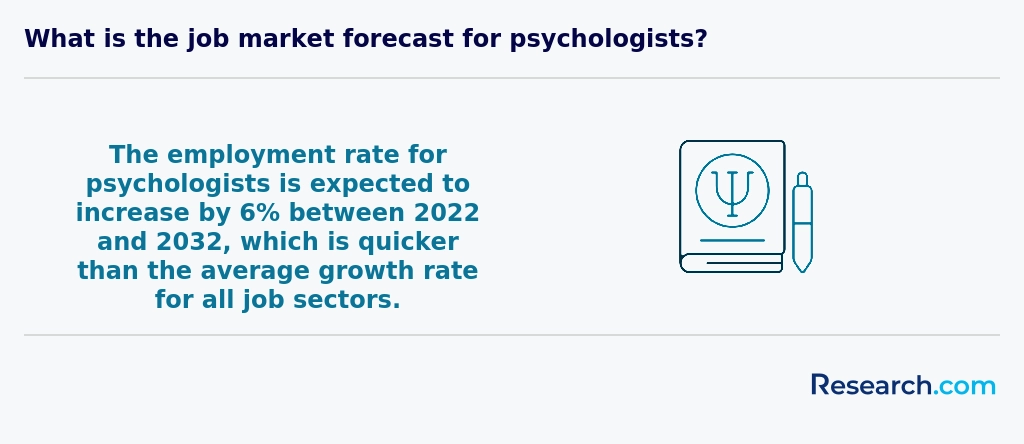
According to the U.S. Bureau of Labor Statistics, careers in psychology and related fields are expected to grow by 8% nationally from 2022 to 2032, faster than the average for all occupations. This trend applies locally, where clinical and counseling psychology roles are in demand due to expanding mental health services.
Graduates with a psychology degree often find entry points in social services, education, or healthcare, with potential to advance into specialized roles or management. Earning advanced degrees or certifications further enhances promotion prospects. Durham region employers highly value the analytical and interpersonal skills psychology graduates bring to interdisciplinary teams.
Studying for a psychology degree in Durham equips students with skills highly relevant to interdisciplinary roles, particularly in healthcare, education, and social services. Psychology programs here often emphasize research methods, critical thinking, and applied knowledge, which are essential for collaborating across various fields.
Durham's universities incorporate coursework that links psychology with biology, sociology, and public health, helping students understand human behavior in broader contexts. According to data from the National Center for Education Statistics, psychology graduates in Durham show strong employment rates within multidisciplinary teams, especially in hospitals and community organizations.
This multidisciplinary training prepares students to work effectively alongside professionals in medicine, education, and counseling, fostering versatile career opportunities.
When choosing between a thesis and a non-thesis psychology degree program in Durham, it is important to consider your career goals and learning preferences. A thesis program involves conducting original research and writing a detailed paper, which is beneficial if you plan to pursue a doctoral degree or research-oriented positions. According to the National Center for Education Statistics, about 40% of psychology master's students in the US opt for thesis tracks.
Non-thesis programs emphasize coursework and practical experience, suitable for those seeking applied roles in counseling or human services. Duke University and North Carolina Central University, both in Durham, offer these options with varying requirements. Cost, duration, and faculty expertise may also influence your decision.
Students based in Durham interested in studying psychology abroad have several options through exchange programs and international partnerships. Many universities in Durham participate in U.S.-approved study abroad programs that allow psychology majors to spend a semester or a year overseas, gaining exposure to different cultural perspectives in mental health. According to NAFSA: Association of International Educators, approximately 15% of U.S. psychology undergraduates participate in study abroad during their degree.
Popular destinations include European countries with strong psychology research traditions, such as the United Kingdom, Germany, and the Netherlands. Programs often include courses in social, clinical, and cognitive psychology, ensuring credits transfer toward degree completion.
Financial aid and scholarships, such as those offered by the Benjamin A. Gilman International Scholarship, can help offset costs for Durham students pursuing psychology studies abroad.
Durham offers several part-time job opportunities that can enhance the education of psychology students. Positions such as research assistants at local universities provide hands-on experience with psychological studies, allowing students to develop valuable analytical skills. According to Duke University's Career Center, psychology students frequently find roles supporting faculty research projects, which helps in understanding experimental design and data interpretation.
Additionally, part-time roles in counseling centers or community mental health organizations in Durham allow students to observe and assist licensed professionals, deepening their practical knowledge. Opportunities in local schools or nonprofit organizations engaging in youth support programs are also relevant, as they help students apply developmental and social psychology theories.
Psychology students in Durham have access to diverse networking opportunities that support their academic and professional growth. Durham is home to several higher education institutions, including Duke University and North Carolina Central University, both offering psychology programs with active student organizations. These groups host events, workshops, and guest lectures featuring local psychologists and researchers.
Additionally, students can connect with professionals through the Durham Psychological Association and the North Carolina Psychological Association, which offer networking events and mentorship programs. Internships in Durham's healthcare and community service sectors provide practical experience and professional contacts, essential for psychology careers.
Alumni networks provide valuable support for psychology degree students in Durham by offering mentorship and career connections. Graduates often share job leads and internship opportunities within local mental health clinics and research labs, which can be crucial for securing practical experience. According to the National Association of Colleges and Employers, 70% of jobs are found through networking, highlighting the importance of these connections.
Durham's psychology alumni often gather for events, helping current students build professional relationships early. This network can guide students navigating licensure and graduate study options specific to North Carolina's requirements. Such support enhances students' chances of successful careers in clinical, counseling, or research psychology fields.
In Durham, psychology degree programs offer flexibility to tailor your studies according to career objectives. Many institutions provide elective courses, allowing students to focus on specialties like clinical, cognitive, or industrial-organizational psychology. For example, selecting research methods or counseling electives can prepare you for specific roles.
Internships and practicum opportunities are often integrated, enabling hands-on experience in local healthcare facilities or community programs. This real-world exposure is valuable for career readiness.
Additionally, some programs support independent research projects or thesis work aligned with your professional interests. Faculty advisors typically help customize these components to enhance your skills and employability.
According to the National Center for Education Statistics, Durham hosts multiple AACSB-accredited psychology programs with customizable curricula, ensuring quality education tailored to student goals.
Psychology students in Durham often face several challenges typical of rigorous academic programs in the United States. One key difficulty is managing the heavy workload, as courses frequently involve extensive reading, research projects, and statistical analysis. Many students report stress balancing coursework with part-time jobs or internships, which are common in Durham's competitive academic environment.
Access to adequate mental health support is crucial, yet some students find campus services limited during peak periods. According to a 2023 survey by the National College Health Assessment, about 40% of psychology students nationwide experience moderate to severe anxiety, a figure likely reflected locally. Additionally, mastering complex topics such as neuropsychology and experimental methods presents significant academic hurdles for many students.
With a psychology degree in Durham, you can pursue several professional certifications that enhance your career opportunities. Common certifications include becoming a Licensed Professional Counselor (LPC) or Licensed Clinical Social Worker (LCSW), both requiring additional supervised practice and passing state exams.
The National Board for Certified Counselors (NBCC) offers the National Certified Counselor (NCC) credential, widely recognized across the US. For those interested in industrial-organizational psychology, the Society for Human Resource Management (SHRM) provides certifications relevant to workplace psychology.
Durham's proximity to research institutions also supports certifications in behavior analysis, such as the Board Certified Behavior Analyst (BCBA) credential, requiring graduate coursework and supervised fieldwork.
Writing a winning application for a psychology program in Durham requires clear focus and preparation. Start by researching the specific psychology departments at local institutions, noting admission prerequisites and focus areas. Highlight your academic achievements, especially in psychology-related courses, as these demonstrate readiness for advanced study.
Strong personal statements matter; explain your motivation for studying psychology and how you plan to contribute to the field. According to the National Center for Education Statistics, psychology applications tend to emphasize research experience, so include any internships or projects you have completed. Additionally, secure recommendation letters that reflect your commitment and aptitude. Finally, meet all deadlines and submit complete materials to avoid disqualification.
The global perspective on a psychology career increasingly emphasizes versatility and cultural competence. In the United States, including Durham, psychology graduates often explore diverse opportunities such as clinical practice, research, and organizational roles. According to the American Psychological Association, the demand for psychologists is expected to grow 8% from 2020 to 2030, reflecting a strong career outlook.
Durham benefits from its proximity to major research institutions like Duke University and the Research Triangle Park, which foster international collaboration and innovative studies. This environment prepares students to work in varied cultural contexts, essential for global career prospects.
Moreover, psychology professionals with global experience can engage in international health programs, cross-cultural research, and multinational corporations, highlighting the importance of broad skills beyond local practice.
Students pursuing psychology degrees in Durham can gain valuable practical experience through various opportunities integrated into their academic programs. Many local universities offer supervised internships at nearby clinics, schools, or community organizations. These internships typically provide 100-300 hours of hands-on experience, essential for future licensure.
Research assistant positions are also common, allowing students to work alongside faculty on psychological studies. Durham's rich network of mental health facilities offers part-time roles or volunteer positions focused on counseling and support services.
Additionally, students can attend workshops and training sessions hosted by the North Carolina Psychological Association to develop applied skills relevant to the field.
Choosing the right concentration within a psychology degree program in Durham involves several key factors. First, consider your career goals; concentrations like clinical psychology prepare students for counseling roles, while research-focused tracks emphasize data analysis and experimental work. Durham's institutions often offer concentrations in developmental, social, or neuropsychology, reflecting national trends in psychology education.
Next, review course availability and faculty expertise. Programs affiliated with Duke University or Durham Technical Community College provide diverse options shaped by local research strengths. According to the American Psychological Association, specialized training in a concentration increases job prospects by 20% on average nationwide, a relevant statistic for Durham students.
Lastly, explore internship opportunities in Durham's healthcare and research facilities. Practical experience complements academic learning, aiding specialization choice. Speak with academic advisors to align your interests, resources, and Durham's local industry demands for a well-informed decision.
- 2027 Most Affordable Psychology Degree Programs Ranking in Washington
- 2027 Most Affordable Psychology Degree Programs Ranking in Baltimore
- 2027 Most Affordable Psychology Degree Programs Ranking in Macon
- 2027 Most Affordable Psychology Degree Programs Ranking in Atlanta
- 2027 Most Affordable Psychology Degree Programs Ranking in Louisville
- 2027 Most Affordable Psychology Degree Programs Ranking in New York
- 2027 Most Affordable Psychology Degree Programs Ranking in Indianapolis
- 2027 Most Affordable Psychology Degree Programs Ranking in Buffalo
- 2027 Most Affordable Psychology Degree Programs Ranking in Birmingham
- 2027 Most Affordable Psychology Degree Programs Ranking in Daytona Beach
See What Experts Have To Say About Studying Psychology
Read our interview with Psychology experts

Robin M. Kowalski. Ph.D.
Psychology Expert
Professor of Psychology
Clemson University

Joann Farrell Quinn, Ph.D., MBA
Psychology Expert
Director at the College of Medicine Department of Medical Education
Morsani College of Medicine

Elizabeth L. Jeglic Ph.D.
Psychology Expert
Professor of Psychology
City University of New York

- Bachelor Of Psychology | Durham University , | E-Square Consultancy https://www.e-square.com.my/showproducts/productid/6636693/bachelor-of-psychology-durham-university/
- Assistant Psychologist - Durham County Council - North East Jobs https://www.northeastjobs.org.uk/job/Assistant_Psychologist/281261
- Psychology Placement Opportunities for Year 12 Students https://studymind.co.uk/ucas-guide/year-12-guide-to-gaining-psychology-work-experience/
- What’s it like studying Psychology? https://durham-student.org/whats-it-like-studying-psychology/
- Mental Health Challenges Faced by Psychology Students | The Healthcare Guys https://healthcareguys.com/2023/11/23/mental-health-challenges-faced-by-psychology-students/
- Professional Networking For Psychologists | Psychology.org https://www.psychology.org/resources/professional-networking/
- Ontario Psychological Association - Networking and Community Resources https://www.psych.on.ca/become-a-member-(1)/member-services/networking-and-community-resources
- Why Study Psychology? | Durham University ISC https://www.durhamisc.com/blog/why-study-psychology
- Society for the Teaching of Psychology https://teachpsych.org/page-1784686/8675326
- Community Psychology in Global Perspective http://siba-ese.unisalento.it/index.php/cpgp


