2027 Most Affordable Psychology Degree Programs Ranking in Dubuque

Co-Founder and Chief Data Scientist
Choosing the right psychology degree program in Dubuque can be overwhelming, but it's an exciting step toward a rewarding career. Our 2027 Most Affordable Psychology Degree Programs Ranking in Dubuque was carefully crafted by the Research.com team of data scientists to guide you in making an informed decision.
This article highlights programs that offer great value without sacrificing quality, helping you find opportunities that fit your budget and goals. Pursuing a psychology degree opens doors to meaningful work and personal growth, making this guide a helpful starting point for your journey.
Key benefits of getting psychology degree in Dubuque
- Psychology degree graduates in Dubuque can earn competitive salaries, such as a Human Resources Specialist with a mean annual wage of $76,060 or a Marketing Research Analyst earning about $83,190 per year, offering financial stability and growth.
- Graduates have diverse career paths, including roles like Clinical Research Associate or Survey Researcher, allowing flexibility to work in healthcare, business, or research fields based on personal interests and skills.
- Online psychology degrees provide convenience and adaptability, enabling students in Dubuque to balance studies with work or family, while still accessing quality education comparable to traditional programs.
- 2027 Most Affordable Psychology Degree Programs Ranking in Dubuque
- What can I expect from psychology degree in Dubuque?
- Where can I work with psychology degree in Dubuque?
What can I expect from psychology degree in Dubuque?
The average cost of pursuing a psychology degree in Dubuque typically ranges between $30,000 and $34,000 per year. For example, undergraduate students at the University of Dubuque generally experience tuition fees around $30,000 annually, while those attending Loras College encounter costs closer to $34,000 each year. Graduates often recall feeling supported by robust financial aid and scholarship programs tailored to psychology majors, which alleviate the financial burden and make advanced education more attainable.
Many students appreciate how the investment in Dubuque's psychology programs translates into meaningful, hands-on learning opportunities. Small class sizes enable personalized attention from experienced faculty, enriching both academic understanding and practical skill development. Graduates frequently highlight the value of internships and community collaborations, where they apply psychological theories in real-world settings like local counseling centers or health clinics, reinforcing the worth of their education despite its cost.
The cost structure remains competitive compared to national averages, while offering a comprehensive curriculum aligned with APA standards. This balance fosters confidence among students that their financial commitment corresponds directly to career-preparing experiences within Dubuque's supportive academic environment.
Where can I work with psychology degree in Dubuque?
Psychology graduates in Dubuque find rewarding opportunities across healthcare, education, social services, and business. Many secure roles at facilities like UnityPoint Health, where they provide essential mental health support as counselors or behavioral specialists. Graduates from local institutions such as the University of Dubuque and Loras College often speak positively about their practical experiences in these settings, highlighting the sense of fulfillment gained from helping individuals manage psychological challenges.
In the education sector, the Dubuque Community School District employs school psychologists to assess and support students with emotional and learning difficulties. This path appeals to graduates passionate about working with children and adolescents and offers stable career options backed by specialized certification.
Community organizations like Hillcrest Family Services also attract psychology degree holders, where they use their expertise as case managers or program coordinators. Additionally, Dubuque's businesses value graduates who apply psychological principles to enhance organizational development and employee well-being, opening diverse career pathways beyond traditional clinical roles.
Psychology graduates in Dubuque can expect varied earnings depending on their career paths. For example, those entering human resources can anticipate a mean annual wage near $76,060, reflecting stable demand and valuable interpersonal skills. Marketing research analysts, a growing field for psychology majors skilled in data interpretation, earn roughly $83,190 annually, making it a lucrative option close to home.
Graduates pursuing roles as clinical research associates or survey researchers typically earn about $62,370 per year. These positions often appeal to those from local programs at institutions like Loras College, where students gain hands-on experience that enhances employability. Meanwhile, roles such as childcare workers earn approximately $32,070 annually, which might suit graduates focused on early development support within the community.
Recent graduates describe feeling encouraged by the regional salary ranges, noting that Dubuque's cost of living combined with these wages offers a comfortable lifestyle. Many appreciate how earning potential grows with experience and additional certifications acquired after graduation from popular programs in Dubuque, reinforcing their decision to study psychology locally.
- Psychology degree programs in Dubuque are mainly undergraduate, lasting about four years and offered at schools like Loras College and the University of Dubuque.
- Tuition varies widely, from $30,000 to $35,000 per year at private colleges to $8,000 to $12,000 at public universities for in-state students.
- Total annual costs including living expenses typically range from $15,000 to $40,000.
- Starting salaries for entry-level psychology or related jobs range from $35,000 to $45,000, increasing to $60,000 or more with advanced degrees.
- The median salary for psychologists in Dubuque is approximately $75,000, covering clinical, counseling, and school psychology roles.
- Licensure in Iowa requires completing an accredited degree, supervised clinical hours, and passing state exams.
Completing a psychology degree in Dubuque generally aligns with national standards, with a bachelor's degree requiring about four years of full-time study at institutions like the University of Dubuque or Loras College. Graduates often describe their experience as demanding yet rewarding, balancing coursework with internships that enhance practical skills. Those pursuing a master's degree typically invest an additional two years, often engaging deeply in research projects or thesis work that fosters a strong sense of professional growth.
Doctoral programs, including PhDs and PsyDs, take between four to seven years, a timeframe that graduates recall as an intense but fulfilling journey marked by dissertation development and hands-on practica. Many students appreciate the flexible options available in Dubuque, such as accelerated or part-time studies, enabling them to progress at a pace that suits personal and work commitments. Transfer credits and availability of online classes may also shorten completion time, helping students feel supported while navigating their academic path.
Selecting a program with the right accreditation is essential for meeting Iowa licensure standards and ensuring your degree qualifies you for professional practice. Key considerations include:
- Regional accreditation from the Higher Learning Commission (HLC) to guarantee credit transferability and financial aid eligibility
- APA accreditation for doctoral psychology programs to satisfy educational requirements for psychologist licensure
- CACREP accreditation for counseling master’s degrees; explore cheapest cacrep-accredited programs online that meet national standards
- Iowa Board of Psychology requirements such as 3,000 hours of supervised experience and passage of the EPPP exam
- National Counselor Examination (NCE) and state-specific exams for counseling licensure, typically completed after coursework and practicum hours
Online and on-campus psychology degree programs in Dubuque differ primarily in their delivery and student experience. Graduates from local institutions such as Loras College and the University of Dubuque often praise on-campus programs for providing direct access to professors and collaborative peer environments. These in-person settings support structured schedules and hands-on learning through labs and practicums, which can be especially valuable for clinical training. Students share that engaging face-to-face encourages motivation and strengthens professional networks.
Conversely, online psychology degrees offer flexibility, allowing students balancing work or family to continue studies without commuting. Dubuque residents appreciate that accredited online programs maintain rigorous academic standards while enabling access to coursework anytime. Graduates report a strong sense of self-discipline and appreciate the opportunity to arrange local internships independently, even though finding placements requires greater initiative.
- On-campus programs deliver immersive, structured learning with campus resources and seamless fieldwork connections.
- Online programs emphasize convenience and autonomy, suitable for self-motivated learners managing diverse commitments.
- Both options accredited regionally hold equal value for licensure and career advancement.
Pursuing advanced degrees is a natural next step for many psychology graduates looking to enhance their expertise and professional standing. After earning a bachelor's or master's degree in psychology, many students consider further specialization through doctoral programs, such as a PsyD or PhD, which can open doors to clinical practice, research, and higher-level consultancy roles. In particular, obtaining a PsyD not only deepens clinical skills but also aligns with rigorous accreditation standards. Aspiring candidates should explore accredited doctoral programs to ensure they meet the educational and licensing requirements needed for practice. For instance, interested applicants might consider the best rated psyd program apa accredited as a benchmark for quality education. In addition to rigorous academic training, advanced programs typically offer comprehensive insights into state-specific licensing processes, ethical guidelines, and professional networking opportunities. These elements are critical for establishing long-term credibility and success in the psychology field. Prospective students are encouraged to research local licensing boards, engage with mentorship programs, and attend workshops that bridge academic learning with real-world practice. By carefully evaluating advanced degree options and their subsequent routes to certification, graduates can strategically plan their careers and continue contributing to the field with authority and expertise.
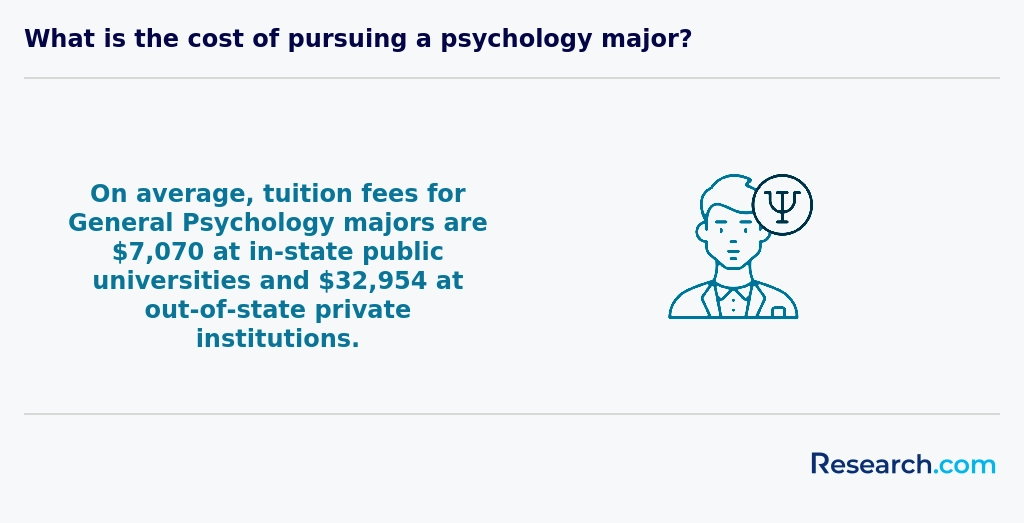
The average cost of a psychology degree in Dubuque varies depending on residency status, with the median total cost for in-state students around $40,367 and for out-of-state students approximately $51,424. These figures encapsulate tuition, fees, and other related expenses typically required to complete an undergraduate or graduate psychology program at well-regarded institutions such as the University of Dubuque and Loras College. Graduates often reflect positively on their investment, noting that despite the expense, the comprehensive education and vibrant campus experiences greatly contributed to their personal and professional growth.
Students pursuing an affordable psychology degree program in Dubuque frequently highlight public universities' balance of quality and cost-effectiveness. These affordable options still offer robust curricula, allowing learners to gain valuable insights into psychology without excessive financial burden. Many students appreciate the smaller class sizes and close faculty attention, which enhance their engagement and deepen their understanding. Moreover, the availability of scholarships and financial aid at private colleges like Loras College provides meaningful relief from the higher sticker prices.
Practical costs often extend beyond tuition. Graduates recall managing additional expenses such as textbooks, lab materials, and student services, which can add up to $1,000-$2,000 annually. Online and hybrid program options also attract those seeking flexible schedules or slightly lower tuition. For many, Dubuque's comparatively lower living expenses soften the overall cost, making it feasible for a diverse range of students to pursue their psychology degrees. Prospective students can explore further financial details at the cheapest psychology school in Iowa to find the best fit for their goals.
After earning a psychology degree, graduates must meet Iowa’s state licensure standards to practice professionally. Understanding these steps ensures a clear path to careers in counseling, therapy, or clinical research.
- Degree accreditation: Graduate from a regionally accredited institution with a psychology major or counseling specialization.
- Supervised experience: Complete at least 3,000 hours of supervised clinical practice (typically 2–3 years under a licensed supervisor).
- Examination: Pass the Examination for Professional Practice in Psychology (EPPP) and any Iowa jurisprudence exams.
- State application: Submit an application to the Iowa Board of Psychology, including transcripts, supervision verification, and exam scores.
- Continuing education: Maintain licensure through ongoing professional development credits as required by Iowa regulations.
Prospective counseling students may explore accredited online counseling programs to fulfill educational prerequisites efficiently and align with licensure requirements.
Psychology students in Dubuque benefit from a variety of financial aid options that make pursuing their degree more attainable. Federal Pell Grants, which offer up to $7,395 in 2024, are a key resource for many, providing need-based funds that do not require repayment. Graduates from Loras College often recall how these grants helped reduce their tuition costs significantly during their studies.
The Iowa College Student Aid Commission supplements this support with state scholarships and grants available to residents, helping those enrolled at institutions like the University of Dubuque. These programs effectively ease financial stress, allowing students to focus on academic achievement.
Many local colleges also offer merit-based scholarships specifically for psychology majors, rewarding dedication and involvement in the field. Work-study jobs connected to psychology departments create opportunities to gain practical experience while earning income. Additionally, federal Stafford loans provide flexible repayment plans with fixed interest, preferred by students seeking manageable debt.
Professional organizations such as the American Psychological Association further enhance aid prospects with specialized scholarships, often cited by recent graduates as pivotal in their educational journey.
If you’re considering how Dubuque compares to other regions in terms of affordability, our state-by-state analyses can help you broaden your search. For example, our Cheapest Psychology Degree Programs Ranking in Alaska offers an in-depth look at tuition costs, financial aid opportunities, and return on investment for psychology degrees in the Last Frontier. Exploring multiple rankings allows you to identify patterns-such as which regions consistently offer low in-state tuition or generous institutional scholarships-and may uncover hidden gems that align with your budget and career goals.
Enrolling in a psychology degree program in Dubuque typically requires a high school diploma or equivalent, such as a GED, with a solid academic background particularly in science and mathematics. Graduates from Loras College and the University of Dubuque often recall that strong foundational courses like biology, statistics, and social studies significantly enhanced their readiness and confidence for upper-level psychology classes.
Standardized test scores such as ACT or SAT remain relevant for many programs, though several local schools have adopted test-optional policies to better accommodate diverse applicants. For example, some students found the flexibility in testing requirements empowering, allowing them to focus on showcasing their personal motivations through essays and statements of purpose.
Personal statements provide an opportunity for applicants to vividly express their passion for psychology and articulate their academic aspirations, a practice students consistently highlight as a moment to stand out and connect with admissions committees in Dubuque's psychology departments.
For those pursuing graduate programs in the area, a bachelor's degree in psychology or a related field, solid research experience, strong letters of recommendation, and a minimum GPA around 3.0 are essential prerequisites, enabling students to thrive in competitive and demanding environments.
When considering the various psychology degree programs available in Dubuque, IA, one crucial factor to consider is affordability. Given the rising costs of tuition and the potential for significant student debt, finding a program that offers quality education at a reasonable cost is essential. For students looking to minimize their expenses, researching the cheapest psychology school in Iowa can be a strategic first step. This involves not only comparing tuition fees but also considering other costs such as textbooks, living expenses, and any additional fees associated with the program. By prioritizing affordability without compromising on the quality of education, students can set themselves up for success both during their studies and in their future careers.
Psychology degree programs in Dubuque typically include foundational courses such as Introduction to Psychology, Research Methods in Psychology, Statistics for Behavioral Sciences, and Biopsychology. Graduates from popular institutions in Dubuque often recall how these classes provided essential tools in understanding human behavior and scientific analysis, boosting their confidence in approaching complex psychological concepts.
As students progress, they encounter specialized courses like Developmental Psychology, Social Psychology, Abnormal Psychology, and Cognitive Psychology. These classes allow learners to explore real-world applications, such as observing developmental stages in childcare settings or analyzing social dynamics during community projects, creating an engaging and meaningful educational experience.
Ethics in Psychology, Psychological Testing and Measurement, and Counseling Techniques are also emphasized, equipping students for practical challenges in clinical or research environments. Those attending top Dubuque colleges appreciate how these subjects prepare them to navigate professional scenarios thoughtfully and ethically, further fueling their passion for psychology.
Psychology degree specializations in Dubuque typically include Clinical Psychology, where students learn to assess and treat mental health disorders through courses in abnormal psychology and counseling techniques. Graduates from Clarke University and the University of Dubuque often describe their training in this field as both demanding and deeply rewarding, empowering them to support individuals facing complex emotional challenges.
Counseling Psychology is another popular focus, emphasizing therapy and emotional support for everyday challenges. Many students find this specialization fulfilling as it equips them with practical skills to foster personal development and resilience in diverse populations.
Developmental Psychology attracts students interested in tracking human growth and changes across the lifespan. It aligns perfectly with careers in education and gerontology, providing vivid insights into cognitive and social transformations from infancy to old age.
Industrial-Organizational Psychology, increasingly sought after in Dubuque, applies psychological principles to workplace motivation and productivity, a field that appeals to those aiming to enhance organizational well-being.
Other options include Social, Forensic, and Health Psychology, expanding career pathways. Many students planning advanced study explore the best rated psyd program apa accredited nationally to further specialize.
Choosing the best psychology degree in Dubuque involves assessing degree levels-associate, bachelor's, and graduate-to match your career ambitions. Graduates from popular colleges in Dubuque often highlight the value of bachelor's programs for foundational knowledge, while those pursuing clinical roles emphasize graduate degrees with hands-on training. Accreditation is vital; many local programs maintain regional or APA accreditation, ensuring the quality and recognition prospective employers require. Cost considerations are significant; students report that navigating financial aid and in-state tuition helps manage expenses, especially given that private institutions can be much pricier in Dubuque. Those seeking affordable psychology degree programs in Dubuque should review scholarships and aid available locally or consult resources like the Cheapest Psychology Degree Programs Ranking in Alaska as a benchmark for comparing costs. Alumni commonly stress the importance of curriculum focus-whether clinical, counseling, or research psychology-and the benefits of internships linked with nearby mental health services for experiential growth.
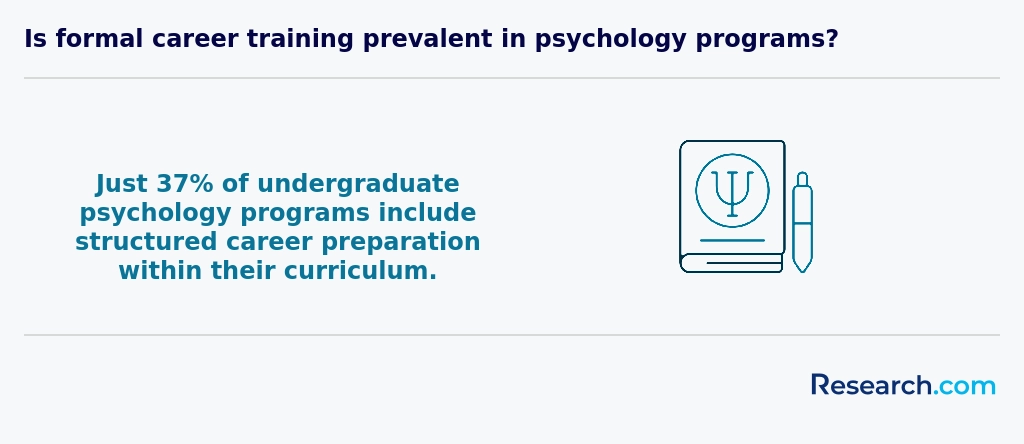
Psychology graduates in Dubuque can pursue diverse career paths in healthcare, education, and social services. Jobs with psychology degree in Dubuque often include roles such as behavioral health technician, case manager, school psychologist, and licensed clinical psychologist. Graduates from local institutions experience rewarding work environments, from providing direct mental health support in clinical settings to collaborating in school systems to enhance student well-being. Many find fulfillment in careers that actively improve lives and community health.
At universities popular for psychology studies in Dubuque, graduates share how applied learning and internships prepare them for demands of these roles, fostering confidence and practical skills. For those seeking advancement, graduate degrees lead to licensure as psychologists or counselors, expanding opportunities in private practice or hospital settings.
Prospective students should also explore the easiest master degree online options to balance educational goals with career ambitions. Understanding psychology career opportunities in Dubuque helps students align their studies with the city's growing demand for qualified mental health professionals.
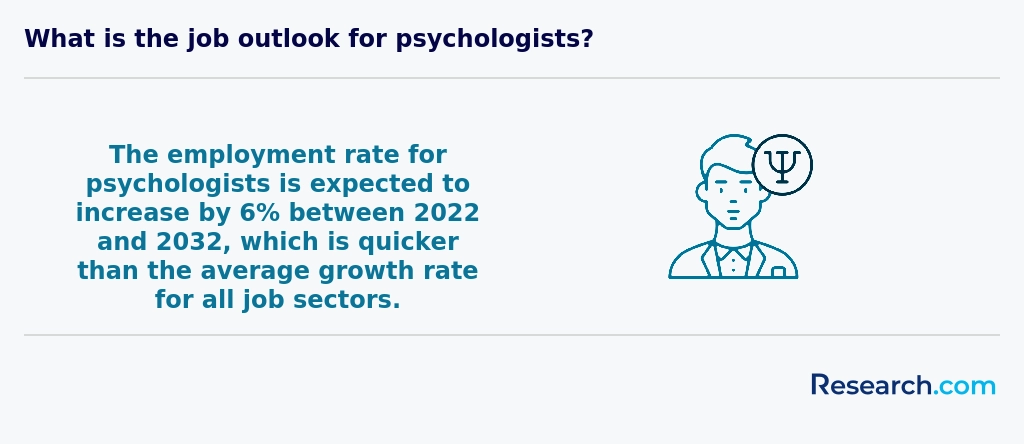
The psychology degree job outlook Dubuque graduates face is promising, especially in applied fields such as mental health counseling, education, and social services. Local colleges and universities known for their psychology programs provide students with practical experiences through internships in Dubuque's clinics and school districts, where graduates often secure positions as behavioral health specialists or school counselors. These real-life roles allow them to make meaningful impacts on community well-being while building valuable skills.
Employment opportunities for psychology graduates in Dubuque are shaped by steady regional demand. Entry-level roles typically require a bachelor's degree, while advanced clinical positions need doctoral credentials and licensure. Graduates from Dubuque institutions appreciate how the local healthcare providers and nonprofit organizations actively recruit well-trained psychologists to support community mental health initiatives.
Students also find financial advantages studying locally, as the average tuition ranges from $8,000 to $12,000 annually-significantly more affordable than many regions. This accessibility combined with robust career prospects makes Dubuque a compelling choice for those pursuing psychology. For students weighing costs and career outcomes, exploring the best paying 4 year degrees can inform strategic planning for their education and future employment.
2027 Most Affordable Psychology Degree Programs Ranking in Dubuque
Investing in your education is a significant decision that can shape your future, and the Research.com team understands the importance of making informed choices. To assist prospective students in Dubuque, we have meticulously crafted the "2027 Most Affordable Psychology Degree Programs Ranking in Dubuque." Our commitment to quality, credibility, and accuracy is reflected in the extensive research and analysis conducted to compile this ranking.
We utilized the following reputable data sources to ensure a comprehensive evaluation of psychology degree programs:
By exploring this ranking, readers will gain valuable insights into the most affordable psychology degree programs available in Dubuque, empowering them to make well-informed decisions about their educational journeys. For more details on our methodology, please visit our Research.com methodology page.


Frequently Asked Questions About psychology
Psychology degree students in Dubuque can maximize their learning experience by actively engaging with local academic resources and community opportunities. Enrolling in accredited programs, such as those offered by the University of Dubuque, ensures access to qualified faculty and up-to-date curriculum aligned with American Psychological Association (APA) guidelines.
Internships and practicum placements within Dubuque's mental health facilities or educational institutions provide vital practical experience. According to the Bureau of Labor Statistics, hands-on experience increases post-graduate employment prospects by nearly 20% in psychology-related fields.
Students should also participate in research projects and local psychology organizations to deepen their understanding and expand professional networks.
Emerging niches within the psychology field reflect evolving societal needs and technological advancements. In Dubuque, which offers access to both traditional colleges and online programs, specialties like health psychology and neuropsychology are gaining traction. The U.S. Bureau of Labor Statistics projects a 14% growth in clinical, counseling, and school psychology jobs through 2032, driven in part by increased awareness of mental health issues.
Another expanding area is forensic psychology, involving the interface of psychology and the legal system, especially relevant as Midwestern states invest more in criminal justice reform. Additionally, industrial-organizational psychology is becoming prominent, focusing on workplace behavior and employee well-being, vital for Dubuque's growing business sector.
Overall, students pursuing psychology degrees in Dubuque can anticipate opportunities in diverse, specialized fields responding to both local and national trends.
Preparing for the job market after completing a psychology degree in Dubuque involves several key steps. Graduates should consider gaining practical experience through internships or volunteer work at local mental health clinics, such as those affiliated with Genesis Health System. This hands-on training enhances resumes and skill sets.
Networking is vital. Joining organizations like the Iowa Psychological Association connects students with professionals and local job opportunities. Continuing education, including certifications in specialized areas like counseling or behavioral analysis, can improve employability.
The U.S. Bureau of Labor Statistics (BLS) projects a 8% growth in psychology-related jobs nationally through 2031, reflecting steady demand. Staying informed on local job trends in Dubuque's healthcare and educational sectors will help graduates target promising roles.
Employers in Dubuque highly value psychology graduates who demonstrate strong critical thinking and analytical skills. These abilities enable graduates to evaluate research data effectively and apply psychological principles in real-world settings.
Communication skills are equally important. Graduates must clearly present findings and work collaboratively with clients and colleagues. According to the U.S. Bureau of Labor Statistics (BLS), effective interpersonal skills improve job prospects in mental health and social service fields, which are growing steadily in the Dubuque area.
Additionally, ethical judgment and cultural competence are essential. Employers expect graduates to respect confidentiality and adapt to diverse populations common in Iowa's workforce.
Finding internships relevant to a psychology degree in Dubuque involves leveraging local educational institutions and community organizations. Loras College and Clarke University, both offering psychology programs, often have dedicated career services that connect students with internships in counseling centers, hospitals, and social service agencies.
Local health providers, such as UnityPoint Health, frequently offer internships or volunteer positions that provide hands-on experience. Additionally, the Dubuque Family YMCA and the Multicultural Family Center occasionally seek psychology interns for community-related programs.
Students should also explore listings on Iowa's state internship portals and reach out to faculty advisors for guidance. Early application and networking within Dubuque's professional psychology community enhance chances of securing valuable placements.
A psychology degree in Dubuque can significantly enhance career mobility and advancement within the local job market. Graduates often qualify for diverse roles in education, healthcare, social services, and business sectors, reflecting the city's demand for mental health professionals and counselors. According to the U.S. Bureau of Labor Statistics (2023), Iowa is expected to see a 10% growth in employment for psychologists through 2030, supporting opportunities in Dubuque.
Local employers such as UnityPoint Health and regional school districts value candidates with psychology degrees for leadership, research, and clinical positions. Having this degree may also increase earning potential and open pathways to specialized certifications and graduate studies.
Studying for a psychology degree in Dubuque offers strong preparation for interdisciplinary roles by integrating diverse fields such as healthcare, education, and social services. Local programs often emphasize collaboration skills, reflecting the growing demand for professionals who can work across disciplines.
For example, the University of Dubuque highlights coursework in research methods, statistics, and cognitive science, which are transferable to fields like business analytics or counseling. According to the U.S. Bureau of Labor Statistics, psychology-related jobs in Dubuque are projected to grow by 6% through 2030, largely in interdisciplinary settings.
Students learn to apply psychological principles within various contexts, equipping them for careers in human resources, marketing, or public health. This versatile education aligns with Dubuque's expanding employment sectors that value multifaceted expertise.
When choosing between a thesis and a non-thesis psychology degree program in Dubuque, consider your career goals and learning preferences. A thesis option involves conducting original research and writing a formal paper, which is ideal for students aiming for doctoral studies or research careers.
In contrast, non-thesis programs focus more on coursework and practical experience, suitable for those pursuing professional roles in counseling or applied psychology. According to the American Psychological Association, thesis options may take longer to complete but provide valuable skills in research methodology.
Local institutions like Loras College offer both paths, allowing flexibility depending on student priorities.
Students based in Dubuque who are interested in studying psychology abroad have various pathways through U.S. higher education partnerships. While Dubuque itself does not host extensive study abroad programs focused exclusively on psychology, many nearby institutions, such as the University of Iowa and the University of Northern Iowa, offer psychology students opportunities to study overseas through exchange agreements.
These programs often include destinations in Europe, Asia, and Australia, allowing students to gain global perspectives on psychological theories and practices. According to the American Psychological Association, international study can enhance cultural competence, an important skill in psychology careers.
Financial aid and scholarships specific to psychology majors pursuing international study are also available but require early application. Students should consult their home institution's study abroad office for up-to-date options in 2027.
Students pursuing psychology degrees in Dubuque can find several part-time job opportunities that enhance their academic experience. Local healthcare facilities, such as UnityPoint Health, often hire psychology interns or aides to assist with patient interaction and administrative tasks. This experience provides practical insight into clinical psychology settings.
Educational institutions in Dubuque, including local schools and tutoring centers, offer roles as teaching assistants or behavioral aides, which help develop skills in child psychology and learning behaviors. According to the Iowa Workforce Development, behavioral health jobs in Dubuque are projected to grow by 8% over the next decade, indicating increasing opportunities for psychology students.
Nonprofit organizations focusing on mental health and community outreach also provide roles in counseling support or program coordination. These positions help build valuable interpersonal and organizational skills relevant to psychology careers.
Psychology students in Dubuque benefit from a variety of networking opportunities that support academic growth and career development. Local colleges such as University of Dubuque and Loras College host psychology clubs and professional organizations, fostering student connections with faculty and alumni. Additionally, regional events sponsored by the Iowa Psychological Association provide access to conferences and workshops, where students can meet licensed professionals and researchers.
Internship placements in nearby healthcare facilities and community agencies also enable practical experience and relationship building. According to recent data from the National Center for Education Statistics, hands-on networking significantly improves job prospects for psychology graduates nationwide.
Alumni networks play a crucial role for psychology degree students in Dubuque by offering valuable connections within the local and regional mental health community. Graduates can access mentorship opportunities, helping them learn from experienced professionals who understand the specific job market in Iowa. According to the National Association of Colleges and Employers, 85% of jobs are filled through networking, highlighting the practical benefit of these ties.
Many psychology alumni also provide internship placements and research collaboration opportunities, important for licensure and career advancement in psychology. In Dubuque, strong alumni engagement helps students navigate licensing requirements governed by the Iowa Board of Psychology.
This connected community fosters professional development and job placement, increasing students' chances of success after graduation.
Customizing a psychology degree program in Dubuque involves selecting electives and specializations that align with your career goals. Many institutions in Dubuque offer concentrations in clinical, counseling, or industrial-organizational psychology, allowing students to focus on areas that best suit their interests. For example, Loras College provides opportunities to engage in community-based internships, which can enhance practical experience in mental health settings.
Students can also pursue research projects or independent studies tailored to topics relevant to their intended careers. According to the U.S. Bureau of Labor Statistics, careers in psychology often require focused training, so choosing courses that match workforce demands in Dubuque's health and social services sectors is advisable.
Psychology students in Dubuque often face challenges common across many US programs, including balancing rigorous coursework with personal and work commitments. According to the National Center for Education Statistics, psychology requires extensive reading, research, and writing, which can lead to time management difficulties.
In Dubuque, access to diverse clinical internship placements can be limited due to the city's smaller size compared to metropolitan areas. This restricts students' exposure to varied populations and mental health settings, potentially impacting practical experience.
Financial strain is another issue, as students navigate tuition costs and limited financial aid options specific to local institutions. Counseling and academic support services exist but may be stretched thin, affecting student success.
With a psychology degree in Dubuque, graduates can pursue several professional certifications that enhance career opportunities. Common certifications include Licensed Psychological Associate (LPA) and Licensed Psychologist, requiring graduate-level education and supervised experience. The Iowa Board of Psychology oversees licensure in Dubuque and the state, ensuring local standards.
Other certifications, such as Certified Alcohol and Drug Counselor (CADC) or Certified Mental Health Counselor (CMHC), are accessible with additional training, expanding roles in counseling and therapy. According to the Iowa Department of Public Health, demand for certified counselors in Dubuque has grown 5% annually over recent years.
Certifications like the Board Certified Behavior Analyst (BCBA) also appeal to psychology graduates interested in applied behavior analysis. These credentials typically require post-degree coursework and clinical hours beyond a bachelor's degree.
Applying to psychology programs in Dubuque requires careful preparation to highlight your academic strengths and genuine interest in the field. Admissions committees typically expect a strong GPA, ideally above 3.0, with relevant coursework in psychology, biology, or social sciences. Including hands-on experience such as volunteering or internships in mental health settings can significantly boost your application.
Personal statements should clearly express your motivation for studying psychology, career goals, and how the unique offerings of Dubuque institutions align with your ambitions. Schools like Loras College report acceptance rates around 70%, emphasizing well-rounded applicants.
Letters of recommendation from professors or professionals familiar with your abilities are also crucial. Lastly, ensure all documents are submitted before deadlines, typically between January and March.
Global perspectives on a psychology career emphasize the growing importance of mental health across diverse cultures. In the United States, including Dubuque, psychology professionals are increasingly valued for their role in addressing mental health challenges. According to the U.S. Bureau of Labor Statistics, employment of psychologists is projected to grow 8% from 2022 to 2032, highlighting steady demand.
Internationally, psychology careers often focus on culturally sensitive practices, which is crucial as psychologists work with diverse populations. For Dubuque students, understanding this global outlook can broaden career opportunities beyond local settings.
Moreover, the integration of technology and telehealth services is expanding the reach of psychology careers worldwide, including in smaller communities like Dubuque.
Gaining practical experience while studying psychology in Dubuque is essential for building relevant skills and improving job prospects. Many local institutions, including the University of Dubuque and Loras College, offer internship opportunities with healthcare providers, schools, and community organizations. These internships often provide hands-on exposure to clinical and counseling settings.
Students can also participate in research projects under faculty supervision, which is valuable for understanding experimental methods and data analysis. According to the American Psychological Association, about 70% of psychology undergraduates engage in some form of applied experience before graduation.
Additionally, volunteering at mental health clinics or social service agencies in Dubuque expands practical knowledge and networking options. Combining coursework with real-world experience is recognized as a critical step toward licensure and career readiness in psychology.
Choosing the right concentration within a psychology degree program in Dubuque requires understanding your career goals and interests. Psychology offers diverse fields such as clinical, counseling, developmental, and industrial-organizational psychology. Each concentration leads to different career paths and licensing requirements. For example, clinical psychology often requires further graduate training for licensure. Local Dubuque institutions like Loras College and University of Dubuque offer specialized tracks that align with regional employment opportunities, such as mental health services and education.
Research from the Bureau of Labor Statistics shows that clinical psychologists in Iowa earn a median annual wage of around $79,000, highlighting local demand for these professionals. Evaluating degree options alongside job prospects can guide your choice effectively.
- 2027 Most Affordable Psychology Degree Programs Ranking in Chicago
- 2027 Most Affordable Psychology Degree Programs Ranking in Saint Paul
- 2027 Most Affordable Psychology Degree Programs Ranking in Minneapolis
- 2027 Most Affordable Psychology Degree Programs Ranking in Notre Dame
- 2027 Most Affordable Psychology Degree Programs Ranking in Saint Louis
- 2027 Most Affordable Psychology Degree Programs Ranking in Indianapolis
- 2027 Most Affordable Psychology Degree Programs Ranking in Fort Wayne
- 2027 Most Affordable Psychology Degree Programs Ranking in Kansas City
- 2027 Most Affordable Psychology Degree Programs Ranking in Lincoln
- 2027 Most Affordable Psychology Degree Programs Ranking in Detroit
See What Experts Have To Say About Studying Psychology
Read our interview with Psychology experts

Robin M. Kowalski. Ph.D.
Psychology Expert
Professor of Psychology
Clemson University

Joann Farrell Quinn, Ph.D., MBA
Psychology Expert
Director at the College of Medicine Department of Medical Education
Morsani College of Medicine

Catherine Caldwell-Harris, Ph.D.
Psychology Expert
Associate Professor of Psychology
Boston University

- Financial Aid For Psychology Students | Psychology.org https://www.psychology.org/resources/financial-aid/
- Study Psychology Abroad | Go Overseas https://www.gooverseas.com/study-abroad/psychology
- CLINICAL PSYCHOLOGY (THESIS / NON-THESIS) - Lisansüstü Eğitim Enstitüsü https://lee.nisantasi.edu.tr/en/clinical-psychology-thesis-non-thesis/
- Psychology Online Degree Pathway https://www.learndirect.com/course/psychology-online-degree
- The Role of Psychology in Career Development and Planning https://psyvanta.com/the-role-of-psychology-in-career-development-and-planning/
- Skills of a Psychology Major - Psychology Department https://wagner.edu/psychology/skills/
- Psychology - SWPS University https://english.swps.pl/academics/warsaw/ba-programs/psychology
- Curriculum https://www.dbq.edu/Academics/UndergraduatePrograms/Psychology/BAPsychology/Curriculum/
- Ontario Psychological Association - Networking and Community Resources https://www.psych.on.ca/become-a-member-(1)/member-services/networking-and-community-resources
- Why Get a Psychology Degree Online? | University of Bridgeport https://www.bridgeport.edu/news/reasons-to-get-your-psychology-degree-online/