
2027 Best Psychology Degree Programs Ranking in Berkeley

Co-Founder and Chief Data Scientist
Choosing the right psychology degree program in Berkeley can shape your future and open doors to exciting career paths. This article introduces the 2027 Best Psychology Degree Programs Ranking in Berkeley, created by the Research.com team of data scientists. It's designed to help you make a well-informed decision about which programs truly stand out.
Reading this guide will give you clarity and confidence as you explore your options. A psychology degree offers rewarding opportunities to understand human behavior and make a meaningful impact. Let's discover the best programs together to support your educational journey.
Key benefits of getting psychology degree in Berkeley
- Salary for psychology degree graduates: Graduates can expect competitive salaries such as $76,060 annually for Human Resources Specialists and $83,190 for Marketing Research Analysts, highlighting strong earning potential in diverse roles.
- Career paths: A psychology graduate from Berkeley often explores fields like clinical research, childcare, or marketing research, offering flexible options based on personal interests and strengths.
- Online degree benefits: Completing a psychology degree online offers flexibility and accessibility, allowing graduates to balance work and study while gaining valuable skills recognized by employers.
- 2027 Best Psychology Degree Programs Ranking in Berkeley
- What can I expect from psychology degree in Berkeley?
- Where can I work with psychology degree in Berkeley?
What can I expect from psychology degree in Berkeley?
The average cost of pursuing a psychology degree at UC Berkeley is about $14,000 per year for in-state students as of 2023. Out-of-state students, however, face significantly higher tuition fees, which can exceed twice that amount, making financial planning crucial for many. Graduates often describe managing these expenses through a combination of scholarships, financial aid, and teaching assistantships, which provide both financial relief and valuable experience within the department.
For many psychology students at Berkeley, this financial investment also offers access to exceptional research opportunities and faculty mentorships that enhance learning. For example, students participating in faculty-led projects cite a strong sense of accomplishment and engagement as they apply statistical analysis and experimental methods to real-world problems. The blend of rigorous academics and hands-on research creates an environment where students feel both challenged and supported.
Many graduates highlight the benefit of Berkeley's location, including diverse clinical internships in hospitals or community centers, which are often funded or subsidized. This makes the overall cost of the degree feel worthwhile given the career prospects in the Bay Area's expanding psychologist job market.
Where can I work with psychology degree in Berkeley?
Graduates with psychology degrees in Berkeley benefit from diverse employment options across clinical, academic, community, and business sectors. Many find entry-level roles in hospitals, clinics, and private practices as behavioral health technicians or psychological assistants, often before pursuing further graduate education to become licensed clinicians. The California Board of Psychology highlights strong regional demand, driven by increased mental health awareness.
Research positions at UC Berkeley and other local colleges offer practical experience, with over 30% of undergraduates actively involved in psychology research projects. Graduates working in university labs gain skills valuable for research or advanced studies, often describing their roles as intellectually fulfilling and career-defining.
Community agencies and non-profits seek psychology graduates to coordinate programs addressing issues like homelessness and substance abuse, roles praised by workers for their meaningful impact in vulnerable populations.
Additionally, Berkeley's proximity to Silicon Valley opens opportunities in human resources and behavioral data analysis, where graduates apply psychology in tech-driven environments such as user experience testing, blending science with innovation to enhance workplace solutions.
Graduates holding psychology degrees from Berkeley institutions such as UC Berkeley typically find entry-level positions in roles like clinical research associates or survey researchers, where the mean annual wage is about $62,370 according to the U.S. Bureau of Labor Statistics. This salary range reflects emerging professionals conducting meaningful research studies, often collaborating with faculty and local research institutions, offering both practical experience and financial stability.
For those pursuing careers in related fields such as marketing research analysis, the mean annual salary increases to $83,190. Berkeley graduates leveraging their psychological insight in marketing roles report rewarding experiences applying behavioral analysis skills to consumer trends in the vibrant Bay Area economy.
Human resources specialists with a psychology background commonly earn around $76,060 annually. Graduates often engage with tech firms and startups near Berkeley, finding satisfaction in improving workplace culture and employee wellbeing while benefiting from competitive salaries.
While entry-level positions offer solid pay, many Berkeley psychology graduates see salary growth aligning with further specialization or experience. The diverse job market around Berkeley supports continuous professional development, contributing to both career fulfillment and financial progress.
- Annual tuition for in-state students at public universities in Berkeley ranges from $14,000 to $17,000, while out-of-state tuition can exceed $45,000.
- Total yearly costs, including living expenses and supplies, may reach about $30,000 for in-state and over $60,000 for out-of-state students.
- Entry-level salaries for psychology graduates typically start between $50,000 and $60,000, with clinical and counseling roles earning mid-$50,000s initially.
- Experienced professionals with advanced degrees can earn between $75,000 and $100,000, especially in specialized fields like neuropsychology and industrial-organizational psychology.
- Job opportunities in Berkeley are available in hospitals, schools, government, and private practices due to steady demand and funding for mental health services.
Completing a psychology degree in Berkeley typically requires about four years for undergraduates pursuing a Bachelor of Arts or Science in Psychology at UC Berkeley. This timeline suits most students engaged in full-time study, encompassing 120 to 130 semester units. Graduates often describe the experience as both challenging and rewarding, appreciating the rigorous curriculum that covers diverse topics like cognitive processes and social behavior.
For graduate students, the commitment extends significantly. Master's degrees usually take around two years post-bachelor's, while PhD programs demand five to seven years, including research and dissertation phases. Many find this journey stimulating and deeply fulfilling, especially when participating in hands-on research or honors projects that occasionally lengthen their time on campus but enrich their expertise.
Factors such as full-time enrollment, selection of research-intensive tracks, and personal obligations influence duration. Reports show that about 85% of psychology undergraduates at comparable public universities finish within six years, a statistic that resonates with the experiences of many Berkeley students balancing studies and work.
Graduating with a psychology degree in Berkeley, CA, is just the first step toward a clinical or counseling career; most professional roles require state licensure or certification. In California, the Board of Psychology oversees licensing for psychologists, while the Board of Behavioral Sciences regulates counselors and social workers. Key requirements include:
- Education and Degree: • Psychologist (PhD or PsyD): Completion of an APA-accredited doctoral program in psychology. • Licensed Professional Clinical Counselor (LPCC) or Marriage and Family Therapist (LMFT): Master’s degree in counseling or marriage and family therapy. • Licensed Clinical Social Worker (LCSW): Master’s in Social Work from a CSWE-accredited program.
- Supervised Experience: • Psychologists must accrue at least 3,000 hours of supervised professional experience, including a minimum of 1,500 post-doctoral hours. • LPCC/LMFT candidates require 3,000 hours of supervised clinical practice under a qualified supervisor. • LCSWs must complete 3,200 hours of supervised post-master’s clinical work.
- Examinations: • Examination for Professional Practice in Psychology (EPPP) plus the California Psychology Law and Ethics Exam (CPLEE). • National Clinical Mental Health Counseling Examination (NCMHCE) or California Law and Ethics Exam for LPCC/LMFT. • Association of Social Work Boards (ASWB) Clinical Exam for LCSWs.
- Continuing Education and Renewal: All licenses in California require renewal every two years, with 36 hours of approved continuing education (CE) credits, including ethics courses. For aspiring clinicians, understanding each stage-from academic prerequisites to supervised hours and exams-is crucial. For additional tips on becoming a therapist, including state-specific pathways and exam prep resources, consult our specialized guide.
Online psychology degrees in Berkeley offer flexibility ideal for working professionals or those balancing family commitments. Graduates often appreciate studying at their own pace, accessing coursework on cognitive and developmental psychology from anywhere. However, fewer in-person interactions with professors and peers can limit networking opportunities.
In contrast, on-campus programs at universities like UC Berkeley provide immersive experiences through hands-on lab work, internships, and research assistantships. Graduates highlight the value of collaborating directly with renowned faculty and engaging in cutting-edge research facilities, which enhances practical skills and builds strong professional connections.
Cost differences vary; online graduate programs in Berkeley range from $15,000 to $25,000 annually, comparable to on-campus tuition. Savings occur mainly from reduced commuting and housing expenses. Importantly, accreditation matters: students aiming for licensure prefer APA-accredited programs, with more traditional formats widely recognized, though some online options meet these rigorous standards.
This balance between flexibility and experiential learning shapes the choice for Berkeley students pursuing psychology careers aligned with their personal and professional goals.
After graduating, aspiring psychology professionals must secure state licensure to practice clinically. Choosing a program that aligns with these standards-while remaining budget-friendly-can simplify your journey; explore cheap psychology masters programs.
- Degree Accreditation: Earn a master’s (for LPCC/MFT) or doctoral degree accredited by the APA or CACREP.
- Supervised Experience: Complete 3,000–4,000 hours of supervised clinical practice under a licensed supervisor.
- Examinations: Pass the national Examination for Professional Practice in Psychology (EPPP) and the California Law and Ethics Exam.
- Board Application: Submit transcripts, supervised-hour verification, and exam results to the California Board of Psychology or Board of Behavioral Sciences.
- Continuing Education: Complete 36 hours of approved continuing education every two years to renew and maintain an active license.
The average cost of a psychology degree in Berkeley varies significantly based on residency and institution type. Median total expenses for completing the degree are approximately $70,399 for both in-state and out-of-state students. However, in-state students attending the University of California, Berkeley, typically incur lower costs, closer to $16,347 total, reflecting reduced tuition rates and fees. Graduates often share that while the tuition at UC Berkeley is more affordable for residents, the overall expenses increase when considering housing and daily living, a common experience among psychology students here.
Students pursuing psychology degrees at private colleges in Berkeley generally face higher tuition, exceeding $40,000 annually. This aligns with many graduates' experiences reporting a steeper financial commitment compared to public institutions. When factoring in housing, utilities, books, and personal expenses, the Berkeley psychology degree total expenses can notably surpass tuition alone, sometimes doubling the expected cost. Real-life scenarios reveal that students relocating here need a well-planned budget to manage these additional costs effectively.
Financial aid plays a crucial role in alleviating some of the financial burden. Scholarships, grants, and work-study opportunities at UC Berkeley and other local entities are commonly utilized by students to reduce their out-of-pocket expenses. Prospective students interested in combining psychology with related health fields might also explore the top-rated genetic counseling master's programs available nearby to maximize their academic investment.

Accreditation is a foundational element that ensures your psychology degree meets rigorous academic and professional standards. In California, aspiring psychologists should prioritize programs accredited by the American Psychological Association (APA), as this credential is often required for licensure and acceptance into competitive graduate schools. Graduates of APA-accredited programs benefit from comprehensive curricula, supervised practicum experiences, and access to faculty mentors who guide research and clinical training. To become a licensed psychologist in California, you must:
- Earn a doctoral degree (PhD or PsyD) from an APA-accredited institution or a regionally accredited school with equivalent standards.
- Complete a minimum of 3,000 supervised post-doctoral hours, overseen by a licensed psychologist, which typically involves assessments, therapy sessions, and ethical case management.
- Pass the Examination for Professional Practice in Psychology (EPPP), a standardized test that evaluates knowledge of core psychological principles, ethics, and California laws.
- Submit proof of internship completion and supervised experience to the California Board of Psychology, along with official transcripts and a licensure application fee. For students exploring cost-effective, accredited options in other regions, see our Affordable Psychology Degree Programs Ranking in Notre Dame, IN. Whether you pursue on-campus or online coursework, verify that internships, supervised practicums, and exam preparation meet state requirements. Meeting these accreditation and licensure standards not only safeguards your professional credibility but also enhances your competitiveness in the job market, ensuring your degree leads to a successful psychology career.
Psychology students at UC Berkeley benefit from multiple financial aid sources that ease educational expenses. Federal aid, accessed via the FAFSA, is crucial, with many students securing Pell Grants up to $7,395 annually-meaning a substantial reduction from the average $14,000 tuition and fees. Graduates often recall how this grant diminished financial stress, allowing greater focus on their studies and research.
State aid is also impactful. California residents frequently qualify for Cal Grants, which reward academic achievement and financial need. At UC Berkeley, recipients find these grants can cover much of their tuition, relieving the pressure to take on excessive loans. Institutional scholarships and fellowships offer additional support, especially for graduate psychology students engaging in research or teaching; many report feeling valued and motivated by this direct university investment.
Many students complement aid with Federal Work-Study or internships, gaining income and experience simultaneously. Graduates reflect on these opportunities as vital for professional growth and meeting daily expenses without compromising academic commitments.
As the fields of psychology and athletics increasingly intersect, many students are exploring niche specializations that go beyond traditional career paths. One rapidly growing area is sports psychology-a discipline dedicated to enhancing athletic performance through mental training, stress management, and motivational techniques. This emerging field not only offers unique career opportunities but also addresses the rising awareness of mental health in competitive sports environments. In sports psychology, graduates may work with professional athletes, collegiate teams, or community sports organizations, providing expert guidance that helps individuals cope with performance pressure and achieve peak results. Understanding the nuances of this specialty often involves mastering specific sports psychology requirements that blend core psychological principles with applied sports science. By keeping pace with evolving trends and technological advancements, such as virtual reality training tools and data-driven performance analysis, aspiring sports psychologists can position themselves at the forefront of innovative mental health practices within the athletic realm. This niche is not only rewarding in its ability to merge passion with profession but also serves as a catalyst for personal and professional growth, ultimately enhancing the overall landscape of psychology careers in Berkeley, CA.
To enroll in a psychology degree program in Berkeley, applicants generally need a strong academic background, reflected by a high GPA-often above 3.8 on a 4.0 scale, based on recent admissions data from UC Berkeley. Graduates recall how excelling in core subjects like English, mathematics, and science paved the way for their acceptance, highlighting the competitiveness of the process at this renowned institution.
Undergraduates benefit greatly from completing foundational courses such as biology and introductory psychology before enrollment. Familiarity with statistics and research methods is also highly valued, as students frequently engage with data analysis throughout their studies.
For graduate psychology programs, a completed bachelor's degree with relevant coursework is mandatory. Many successful applicants mention submitting GRE scores, letters of recommendation, and personal statements that clearly outline their research interests and career goals, which reflect thoughtful preparation and commitment.
Experience through internships, volunteer work, or research roles often distinguishes candidates. Graduates emphasize how hands-on involvement in psychology projects at popular Berkeley colleges added both practical skills and confidence, fueling their passion for the field.

When considering a psychology degree in Berkeley, CA, one of the crucial factors is affordability. Prospective students often find themselves balancing the desire for quality education with the need to manage costs. For those seeking the most affordable options, researching institutions that offer competitive pricing without compromising on educational quality is essential. The cheapest psychology school in California can provide students with an excellent starting point, allowing them to explore programs that fit their budget. By prioritizing affordability, students can ensure that their educational journey is both fulfilling and financially sustainable, enabling them to focus on their studies and career aspirations without the undue burden of excessive debt.
Psychology degree programs in Berkeley typically include a diverse range of core courses that equip students with both theoretical understanding and practical skills. Graduates often recall gaining strong foundations in subjects such as Introduction to Psychology, which offers a broad overview of major principles, and Research Methods and Statistics, essential for designing studies and analyzing data effectively.
Students from well-known institutions in Berkeley highlight engaging courses in Biopsychology or Behavioral Neuroscience, where they explore how biological processes influence behavior, and Cognitive Psychology, focused on mental processes like memory and decision-making. Developmental and Social Psychology classes immerse learners in real-world contexts, such as observing social interactions or tracking human growth across the lifespan, fostering meaningful connections to daily experience.
Many programs emphasize hands-on learning through Psychological Assessment and specialized electives like clinical or health psychology. Graduates often express enthusiasm about applying lab work and internships that prepare them for career paths or graduate study, aligning with Berkeley's reputation for robust research and practical training opportunities.
Psychology degree specializations in Berkeley cover a broad spectrum aimed at meeting diverse academic and career interests. Students at UC Berkeley and other local institutions often select concentrations like Cognitive Psychology, which delves into mental processes such as memory and problem-solving, or Clinical Psychology, where hands-on training in counseling and psychopathology prepares graduates for therapeutic roles. Developmental Psychology is also popular, focusing on psychological growth across the lifespan, while Social Psychology analyzes behavior influenced by social dynamics. Neuroscience and Behavioral Biology address the biological underpinnings of behavior, appealing to those interested in brain function. Health Psychology highlights the psychological factors impacting physical health, offering a path to interdisciplinary study.
Graduates from Berkeley commend the integration of research and theory, with many benefiting from a curriculum noted for its rigor and applicability. These Berkeley psychology degree concentration options align well with the region's competitive job market, especially when paired with insights from fields like education and public health. For those targeting professional counseling roles, resources related to washington state lpc jobs provide valuable career guidance.
Choosing the best psychology degree in Berkeley requires careful evaluation of program reputation and cost. For example, graduates from the University of California, Berkeley highlight the value of its Psychology Department's research strengths in areas like cognitive and clinical psychology, which enrich practical learning and career prospects. Considering affordable psychology colleges Berkeley CA, tuition differs significantly between in-state and out-of-state students, with annual fees around $14,000 for residents compared to over $44,000 for non-residents. This cost factor plays a major role in decision-making.
Prospective students should focus on program specializations and faculty expertise, as these directly affect hands-on research opportunities. Graduate students often find funding options that reduce personal expense, enhancing their educational experience. Additionally, access to Bay Area internships and networking amplifies career outcomes, as reported by recent graduates thriving in local clinical and research roles.
Exploring program rankings and financial aid options, and reviewing campus resources helps refine choices further. For comprehensive insights and verification of quality, students can consult psychology degree accreditation California, ensuring alignment with their academic and professional goals.
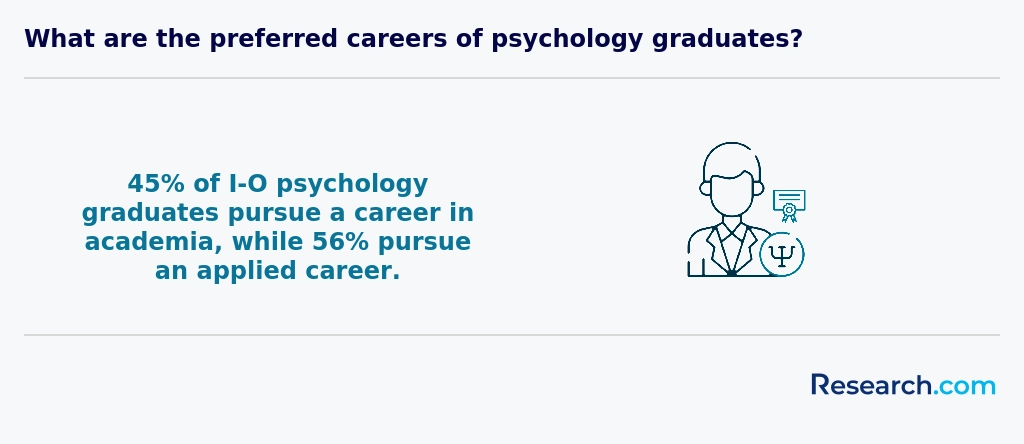
Graduates holding a psychology degree in Berkeley have access to diverse career opportunities reflecting both the city's academic strengths and its proximity to dynamic industries. Many alumni from well-regarded institutions like the University of California, Berkeley, find rewarding roles in clinical and counseling psychology, serving as licensed therapists or clinical psychologists who provide essential mental health support in the Bay Area. This path requires advanced degrees and licensing, aligning with the expected 22% employment growth for psychologists nationally by 2030.
Berkeley psychology degree job prospects also include extensive research roles. Graduates frequently collaborate on cognitive science and neuroscience projects at local universities or private research institutes, leveraging the region's rich intellectual ecosystem. Organizational psychology presents another avenue, with alumni enhancing workforce productivity and well-being at startups and established companies nearby. In addition, some choose specialized areas such as school or forensic psychology, often supported by targeted internships and coursework.
Students interested in academic advancement can explore educational psychology degree requirements to align their skills with specific career goals, ensuring versatile options across various psychology disciplines.
The psychology degree job outlook Berkeley offers is robust, driven by the Bay Area's expanding healthcare and research sectors. Graduates from institutions like the University of California, Berkeley find employment across clinical settings, educational roles, and tech companies focusing on human behavior. Entry-level salaries typically range from $50,000 to $60,000, with advanced degree holders and licensed practitioners often earning above $90,000, reflecting local economic conditions.
Berkeley psychology graduate employment opportunities also extend to academic and research roles within renowned local universities and private centers specializing in neuroscience and cognitive science. Graduates frequently report securing positions where they apply psychological science to real-world challenges, fostering a sense of purpose and impact. Furthermore, those exploring social work paths may benefit from researching options such as Texas MSW programs online to complement their career plans.
2027 Best Psychology Degree Programs Ranking in Berkeley
Investing in your education is a significant decision that can shape your future, and the Research.com team understands the importance of making informed choices. To assist prospective students in Berkeley, we have meticulously crafted the "2027 Best Psychology Degree Programs Ranking in Berkeley." Our commitment to quality, credibility, and accuracy is reflected in the extensive research and analysis conducted to compile this ranking.
We utilized the following reputable data sources to ensure a comprehensive evaluation of psychology programs:
By exploring this ranking, readers will gain valuable insights into the top psychology degree programs available in Berkeley, empowering them to make well-informed decisions about their educational and career paths. For more details on our methodology, please visit our Research.com methodology page.

# 3 position
The Wright Institute
Master of Arts in Counseling Psychology

Frequently Asked Questions About psychology
Students pursuing psychology degrees in Berkeley can enhance their learning by actively engaging in research opportunities offered by local institutions like the University of California, Berkeley. According to the university's 2023 academic report, over 60% of psychology undergraduates participate in faculty-led research, gaining hands-on experience that deepens their understanding.
Joining student organizations related to psychology provides networking chances and exposure to field developments. Attending seminars and workshops hosted by Berkeley's Psychology Department also connects students with renowned experts and current studies.
Internships in nearby clinics or community centers further develop practical skills, complementing academic theory with real-world application. Utilizing campus resources such as writing centers and counseling services supports academic success and well-being throughout their studies.
Emerging niches within the psychology field reflect shifting societal needs and technological advances. In Berkeley, students pursuing psychology degrees are increasingly drawn to areas like neuropsychology, which studies brain-behavior relationships, and health psychology, focusing on how mental states affect physical health.
Another growing area is forensic psychology, where experts work with law enforcement and the legal system. With Berkeley's proximity to tech innovation hubs, cyberpsychology-examining human interaction with technology-has gained interest, addressing issues like online behavior and digital addiction.
These specialties align well with broader employment trends in California, where demand for clinical and counseling psychologists is projected to grow 17% between 2020 and 2030, according to the U.S. Bureau of Labor Statistics.
Graduates with a psychology degree from Berkeley are encouraged to develop practical skills to enhance employability. Gaining experience through internships or research assistant positions at local institutions like the Berkeley Institute for Data Science improves job prospects. Networking within the Berkeley psychology community and attending career fairs hosted by the university provide valuable connections.
Many employers look for candidates familiar with statistical software such as SPSS or R, so acquiring these competencies is beneficial. According to the U.S. Bureau of Labor Statistics, demand for psychology-related jobs in California is expected to grow by 10% through 2030, reflecting strong market potential.
Graduates should also consider certification programs or advanced degrees for specialized roles in clinical or counseling psychology, which are in high demand in the Bay Area.
Employers hiring psychology graduates in Berkeley prioritize a combination of technical and interpersonal skills. Strong research abilities are essential, as graduates often engage in data collection and analysis to support evidence-based practices. According to the Bureau of Labor Statistics, 70% of psychology roles require proficiency in statistical software and experimental design.
Communication skills are also critical. Graduates must clearly explain psychological concepts and findings to diverse audiences, from clients to interdisciplinary teams. Additionally, critical thinking enables graduates to evaluate complex problems and develop effective interventions.
Interpersonal skills, such as empathy and active listening, are highly valued in clinical and counseling settings prevalent in Berkeley's healthcare sector. Familiarity with ethical guidelines and cultural competence further enhances employability, reflecting the city's diverse population and regulatory environment.
Finding internships in Berkeley relevant to a psychology degree involves leveraging both university resources and community connections. Many Berkeley psychology programs encourage students to utilize the campus career center, which often lists local internship opportunities with research labs, mental health clinics, and nonprofit organizations.
Students should also explore partnerships that institutions like the University of California, Berkeley maintain with local hospitals and research centers. According to recent data from the Berkeley Career Center, approximately 40% of psychology undergraduates secure internships through such affiliations before graduation.
Volunteer work and networking in Berkeley's diverse community organizations can also lead to valuable psychology-related internships. Checking online platforms focused on the San Francisco Bay Area may help identify openings in nearby counseling centers, social services, or cognitive research projects.
A psychology degree in Berkeley can significantly enhance career mobility and advancement opportunities within the local job market and beyond. Graduates often find roles in healthcare, education, social services, and business sectors, fields experiencing steady growth in California. According to the U.S. Bureau of Labor Statistics, employment for psychologists is projected to grow 8% from 2022 to 2032, faster than average.
Berkeley's proximity to leading research institutions and diverse organizations allows psychology graduates to access internships and networking, essential for career growth. Many employers value the critical thinking, research, and interpersonal skills developed in psychology programs.
Higher-level roles often require advanced degrees, and Berkeley offers pathways for continuing education, which can further boost upward mobility and salary potential.
Studying for a psychology degree in Berkeley offers a strong foundation for interdisciplinary roles by integrating diverse fields such as neuroscience, cognitive science, and social sciences. The University of California, Berkeley, provides access to cutting-edge research centers that foster collaboration across disciplines, enhancing analytical and research skills essential for complex problem-solving.
Students benefit from coursework that links psychology with data science, public health, and education, preparing them for roles that require multifaceted approaches. According to UC Berkeley's undergraduate program data, over 70% of psychology students participate in cross-departmental research projects, highlighting the program's interdisciplinary focus.
Choosing between a thesis and a non-thesis psychology degree program in Berkeley depends on your academic and career goals. Thesis programs emphasize original research and are ideal if you plan to pursue a PhD or work in research-heavy roles. The University of California, Berkeley, for example, offers graduate students the opportunity to contribute to groundbreaking psychology research, often requiring a thesis. Non-thesis programs typically focus on coursework and practical application, suiting those seeking licensure or professional roles without extensive research demands.
Thesis students often spend an additional semester or more conducting research, which can develop critical thinking and analytical skills valued in academia and clinical settings. Non-thesis students may complete internships or projects instead, gaining applied experience. According to the American Psychological Association, about 40% of psychology graduate students in California opt for thesis routes to enhance research credentials.
Ultimately, consider your long-term plans, available resources, and the specific offerings at Berkeley-area institutions when deciding.
Students based in Berkeley who wish to study psychology abroad have several options through established exchange programs and partnerships. The University of California, Berkeley, for example, offers study abroad opportunities in collaboration with European and Asian universities where psychology courses are available. Programs often last a semester or a full academic year.
Many of these programs allow credits to transfer back to Berkeley, maintaining progress toward degree completion. According to UC Berkeley's Study Abroad office, psychology is among the popular majors for participants, reflecting the global interest in behavioral sciences.
Students can access scholarships and financial aid designed specifically for study abroad, reducing the cost burden.
Additionally, some local private institutions in Berkeley offer joint degree or summer research programs with international universities, broadening practical psychology experience in diverse cultural settings.
Students pursuing psychology degrees in Berkeley can benefit from several part-time job opportunities that align well with their academic goals. Many find roles as research assistants at the University of California, Berkeley, where involvement in studies can deepen understanding of psychological theories and methods. These positions often pay between $15 and $20 per hour, according to the university's student employment office.
Other common jobs include working as behavioral health technicians or peer counselors within local clinics and campus health centers. These roles offer practical experience in mental health support and patient interaction, skills highly valued in psychology careers. Additionally, tutoring psychology courses remains a popular option for students seeking to reinforce their own knowledge while earning income.
Overall, Berkeley's rich academic and community resources create diverse opportunities for psychology students to gain relevant experience alongside their studies.
Psychology students in Berkeley benefit from a variety of networking opportunities crucial for academic and professional growth. The University of California, Berkeley, hosts numerous psychology-related events, including seminars, workshops, and conferences, where students can meet faculty, researchers, and peers. These events often feature leading psychologists, providing valuable connections for internships and research collaborations.
Student organizations, such as the Berkeley Psychology Society, offer regular meetings and guest lectures that foster peer networking and mentorship. Additionally, the university's proximity to Bay Area research institutes and tech companies creates opportunities for students to engage with professionals outside academia.
According to the UC Berkeley Career Center, about 65% of psychology undergraduates participate in internships during their studies, leveraging campus resources and local partnerships to build professional networks early.
Alumni networks offer valuable resources for psychology degree students in Berkeley by connecting them with experienced professionals. These networks provide mentorship opportunities that help students navigate academic challenges and career decisions. According to the University of California, Berkeley Career Center, over 70% of psychology graduates found employment through alumni referrals or networking events.
Students gain access to workshops, internships, and job placements tailored to the psychology field. Collaborations within the Berkeley alumni community also support research opportunities and professional development. Engaging with alumni helps students build relationships that can lead to long-term career support and growth in competitive job markets.
Customizing a psychology degree program in Berkeley typically begins with selecting specialized coursework aligned with your career goals. Many programs, including those at the University of California, Berkeley, allow students to focus on areas such as clinical psychology, cognitive science, or developmental psychology. This approach helps tailor education toward research, counseling, or academic careers.
Additionally, students can engage in research projects or internships, gaining hands-on experience that enhances job readiness. According to the UC Berkeley Psychology Department, about 70% of undergraduates participate in research, providing valuable practical skills.
Electives in related fields like neuroscience or education can further personalize the degree. These options help students develop unique expertise to fit diverse psychology careers.
Psychology students in Berkeley often face significant academic pressure due to the rigorous curriculum and high competition. The University of California, Berkeley, is known for its challenging courses that demand strong critical thinking and research skills. According to UC Berkeley's Office of Institutional Research, the psychology undergraduate program boasts a graduation rate of around 85%, indicating challenges with workload and course difficulty.
Another common challenge is securing research opportunities. Many students compete for limited spots in labs, essential for gaining practical experience. Funding constraints and high demand can prolong the time to graduate or limit hands-on learning.
Additionally, balancing internships, coursework, and personal life is difficult in Berkeley's fast-paced environment, contributing to stress and mental health concerns among students. Resources like the Berkeley Student Mental Health Center are vital in offering support but may face high demand.
With a psychology degree from Berkeley, graduates can pursue several professional certifications that enhance career opportunities. Common certifications include the Licensed Professional Clinical Counselor (LPCC) and Licensed Marriage and Family Therapist (LMFT), both requiring post-graduate supervised experience and passing state exams. Additionally, one can become a Board Certified Behavior Analyst (BCBA), especially relevant for those focusing on applied behavior analysis.
Some professionals also seek certification as a Certified Rehabilitation Counselor (CRC), which involves specialized training in vocational rehabilitation. These certifications follow state and national guidelines, ensuring practitioners meet high standards.
Sources such as the California Board of Psychology and the Behavior Analyst Certification Board provide updated requirements suited for local Berkeley graduates.
Applying to a psychology program in Berkeley requires careful preparation and a strong academic profile. Prospective students should maintain a competitive GPA, ideally above 3.5, reflecting solid performance in psychology and related courses. The University of California, Berkeley, values applicants who demonstrate analytical thinking and research skills, so including detailed research experience or internships in your application is essential.
Writing a compelling personal statement is crucial. Highlight your motivation for studying psychology and specific interests, such as cognitive or social psychology. Berkeley often looks for diverse perspectives and commitment to community impact.
Strong letters of recommendation from faculty familiar with your academic abilities enhance your application. Additionally, submitting GRE scores is optional but can support your candidacy if they are high.
Consult official UC Berkeley psychology department guidelines to ensure your application meets all requirements and deadlines. According to the National Center for Education Statistics, Berkeley's psychology program ranks among the top 10 nationally, indicating high standards and competition.
Psychology careers hold strong global appeal, with demand rising due to increasing awareness of mental health issues. In the United States, including Berkeley, psychology is among the fastest-growing fields. According to the Bureau of Labor Statistics, employment for psychologists is projected to grow 8% from 2020 to 2030, faster than average for all occupations.
Graduates with psychology degrees often find opportunities not only as clinical practitioners but also in research, education, and human resources worldwide. Berkeley's proximity to Bay Area research institutions enhances access to innovative work and international collaboration.
Global perspectives emphasize cultural competence and interdisciplinary approaches, reflecting today's interconnected world. Students trained in Berkeley benefit from exposure to diverse populations and advanced scientific methods, preparing them for various international contexts.
Students pursuing a psychology degree in Berkeley have multiple opportunities to gain practical experience alongside their studies. The University of California, Berkeley, offers research assistant positions in numerous psychology labs, allowing students to engage directly with experimental design and data analysis. According to the UC Berkeley Psychology Department, nearly 70% of undergraduates participate in these hands-on roles.
Additionally, internships with local hospitals, mental health clinics, and community organizations provide exposure to clinical and counseling practices. Berkeley's proximity to diverse healthcare facilities enhances access to supervised practical training.
Volunteer work in programs serving at-risk populations also helps develop applied skills and community understanding while fulfilling degree requirements.
Choosing the right concentration within a psychology degree program in Berkeley begins with understanding your career goals and interests. Berkeley's institutions, such as the University of California, offer diverse specializations including clinical, cognitive, developmental, and social psychology. According to data from the Berkeley Graduate Guide, clinical psychology is the most sought after, with nearly 40% of students selecting this path due to strong local demand for mental health professionals.
Consider the research facilities and faculty expertise available; Berkeley programs are known for their emphasis on experimental psychology and neuroscience. Also, review course offerings and internship opportunities in Bay Area clinics or research labs. Consult academic advisors early to align your concentration with post-graduate plans and licensure requirements in California.
- 2027 Best Psychology Degree Programs Ranking in San Francisco
- 2027 Best Psychology Degree Programs Ranking in Santa Barbara
- 2027 Best Psychology Degree Programs Ranking in Pasadena
- 2027 Best Psychology Degree Programs Ranking in Los Angeles
- 2027 Best Psychology Degree Programs Ranking in Claremont
- 2027 Best Psychology Degree Programs Ranking in Irvine
- 2027 Best Psychology Degree Programs Ranking in La Jolla
- 2027 Best Psychology Degree Programs Ranking in Riverside
- 2027 Best Psychology Degree Programs Ranking in San Diego
- 2027 Best Psychology Degree Programs Ranking in Phoenix
See What Experts Have To Say About Studying Psychology
Read our interview with Psychology experts

Joann Farrell Quinn, Ph.D., MBA
Psychology Expert
Director at the College of Medicine Department of Medical Education
Morsani College of Medicine

Elizabeth L. Jeglic Ph.D.
Psychology Expert
Professor of Psychology
City University of New York

Catherine Caldwell-Harris, Ph.D.
Psychology Expert
Associate Professor of Psychology
Boston University

- What Certifications Can I Get With A Bachelor's In Psychology? https://www.psychology.org/resources/certification-skills-for-psychology-major-resumes/
- Alumni Perspectives - Meet Our FPN Alumni https://www.aanmelder.nl/alumni-perspectives-june-2023
- Society for the Teaching of Psychology https://teachpsych.org/page-1784686/8675326
- Why Get a Psychology Degree Online? | University of Bridgeport https://www.bridgeport.edu/news/reasons-to-get-your-psychology-degree-online/
- Study Psychology Abroad https://astarfuture.co.uk/study_psychology_abroad.html
- The Best Universities to Receive Your Psychology Degree https://www.odysseycenter.com/best-psychology-degree/
- Psychology Online Degree Pathway https://www.learndirect.com/course/psychology-online-degree
- Psychology Transfer Pathway https://admission.universityofcalifornia.edu/admission-requirements/transfer-requirements/uc-transfer-programs/transfer-pathways/psychology.html
- Ontario Psychological Association - Networking and Community Resources https://www.psych.on.ca/become-a-member-(1)/member-services/networking-and-community-resources
- Study Psychology Abroad | Go Overseas https://www.gooverseas.com/study-abroad/psychology


