
2027 Best Psychology Degree Programs Ranking in Tennessee

Co-Founder and Chief Data Scientist
Choosing the right psychology degree program in Tennessee can be overwhelming. Our article presents the 2027 Best Psychology Degree Programs Ranking in Tennessee, developed by the Research.com team of data scientists to help you navigate your options with confidence.
Reading this guide will empower you to make informed decisions about your education and future career. A psychology degree opens doors to meaningful work, personal growth, and the chance to positively impact lives.
Explore the programs worth considering and take a confident step toward your goals.
Key benefits of getting psychology degree in Tennessee
- Salary opportunities for psychology graduates in Tennessee are promising, with roles like Human Resources Specialists earning a mean annual wage of $76,060 and Marketing Research Analysts earning about $83,190. These competitive salaries reflect the valuable skills gained through a psychology degree.
- Career paths include diverse options such as Clinical Research Associate or Survey Researcher, both offering mean annual wages around $62,370, showing psychology's versatility in health and research fields. Graduates from Tennessee universities often find fulfilling roles in counseling, business, or education.
- Online psychology degrees from Tennessee schools provide flexibility to balance studies with life responsibilities, often resulting in quicker graduation and practical experience. This flexibility makes earning a degree more accessible and enjoyable for many students, helping them progress confidently.
- 2027 Best Psychology Degree Programs Ranking in Tennessee
- What can I expect from psychology degree in Tennessee?
- Where can I work with psychology degree in Tennessee?
What can I expect from psychology degree in Tennessee?
If you're thinking about a psychology degree in Tennessee, the cost can really depend on where you study. For instance, public universities like the University of Tennessee or Middle Tennessee State University usually offer more wallet-friendly tuition for in-state students. Many graduates mention feeling relieved that they could keep their expenses down while still getting solid hands-on experience through internships and research projects.
On the flip side, private schools such as Vanderbilt University tend to have higher tuition, but students often say the smaller class sizes and extra mentoring made it worth the investment. Scholarships and financial aid really help, too, especially for psychology majors focused on mental health or social services.
Overall, you're looking at a broad range, with public in-state tuition generally coming in much lower than private options. It's pretty common to hear that balancing cost with quality and opportunities is key, and Tennessee's mix of schools makes that doable for lots of folks.
Where can I work with psychology degree in Tennessee?
If you're studying psychology in Tennessee, you've got a bunch of cool places where your degree can take you. Graduates from schools like the University of Tennessee or Belmont College often find themselves stepping into healthcare roles, such as becoming licensed counselors or working in mental health clinics. Many of them talk about how rewarding it feels to support patients in hospitals or rehab centers around Nashville or Memphis.
Others find their groove in education, working as school psychologists or program coordinators in local schools and universities. Imagine helping kids tackle behavioral challenges or advising students on campus-that hands-on impact is something many grads really cherish.
If government work is more your style, there's plenty of opportunities in juvenile justice or social services departments, where psychology grads can make a real difference in community health and support systems.
And don't forget the business world! Many grads enjoy the fast-paced vibe of HR or marketing firms in Tennessee's big cities, using their insights into human behavior to shape hiring or consumer research. It's a career path that's both creative and practical-all while sticking close to home.
If you're thinking about what kind of paycheck you can expect with a psychology degree in Tennessee, the numbers can actually be pretty encouraging. Graduates from schools like the University of Tennessee or Belmont University often find roles like Human Resources Specialists, where the average annual wage is around $76,000. That's a solid starting point for anyone fresh out of college.
Some grads take a slightly different path into Marketing Research Analyst roles, bringing in about $83,000 a year on average. That's a great example of how a psychology degree can flex into different industries.
Entry-level roles like Clinical Research Associates or Survey Researchers typically pull in around $62,000 annually. It's not bad if you're starting out and want to build experience before going for higher licenses or advanced degrees.
Even Childcare Workers with a psychology background make roughly $32,000 a year in Tennessee, which is a good foot in the door for those passionate about working directly with kids. Many recent graduates talk about how their time at local schools gave them both confidence and a clear idea of what salary to expect right after graduation.
- Public universities in Tennessee charge $9,000 to $13,000 per year for in-state undergraduate psychology programs, while private colleges often exceed $25,000 annually.
- Community colleges offer more affordable associate degrees in psychology, typically costing under $5,000 per year.
- Starting salaries for psychology graduates in Tennessee range from $43,000 to $50,000 per year, depending on the specific psychology field.
- Experienced psychologists with advanced degrees can earn over $80,000 annually in Tennessee.
- The job market in Tennessee for psychology professionals is expected to grow 8-10% over the next decade, especially in Nashville, Memphis, and Knoxville.
- Licensure in Tennessee generally requires a doctoral degree, supervised hours, and passing the Examination for Professional Practice in Psychology (EPPP).
If you're thinking about earning a psychology degree in Tennessee, here's the lowdown on how long it usually takes. For many students at places like the University of Tennessee or Belmont University, finishing a bachelor's degree in psychology takes about four years of full-time study. This fits right in with the typical U.S. timeline and means you're looking at roughly 120 credit hours to cross that finish line.
Now, if you're aiming higher with a master's degree, it generally bumps up to around two extra years. Graduates from programs in Tennessee often mention how specialized tracks - whether clinical counseling or something else - can slightly change the timeline depending on practice hours or thesis work.
For those heading into doctoral programs, like a Ph.D. or Psy.D., it's a bigger time commitment. Most folks at schools like Vanderbilt find it takes 5 to 7 years to wrap everything up, juggling coursework, research, and clinical practice. But the payoff? A deep expertise that feels totally worth every long night of study.
As the field of psychology continues to evolve, Tennessee’s programs are increasingly integrating cutting-edge research, technology, and innovative teaching methods to prepare graduates for emerging career paths. One notable trend is the growth of telehealth and remote counseling services, which is transforming traditional clinical roles and expanding access to mental health resources statewide. Additionally, advancements in neuropsychology and digital data analysis are creating unique opportunities for graduates interested in bridging psychology with technology. Institutions are also boosting interdisciplinary studies, encouraging students to explore connections between psychology and areas such as artificial intelligence, behavioral economics, and social media research. Students looking to accelerate their expertise can consider programs that offer a hybrid learning model; for example, pursuing an online master's degree in psychology can provide swift access to advanced knowledge while maintaining flexibility. These innovations not only enhance learning outcomes but also ensure that graduates are well-equipped to navigate the demands of an evolving job market. By staying abreast of these trends and embracing multidisciplinary approaches, future psychologists in Tennessee can look forward to dynamic roles that extend far beyond conventional practice, making meaningful contributions to both local communities and the broader field of mental health.
Choosing between an online and an on-campus psychology degree in Tennessee really comes down to your vibe and lifestyle. If you're juggling work or family, going online through schools like Middle Tennessee State University lets you study anytime, anywhere - total flexibility. Graduates often recall how that freedom helped them balance real-life stuff with classes.
On the flip side, if you're all about that face-to-face energy and hands-on experience, on-campus programs at places like East Tennessee State University deliver just that. Students love the chance to dive into labs, join clubs, and network in person, which makes projects and internships feel more real and immediate.
Cost-wise, both options hover between $7,000 and $15,000 annually for in-state students, but online classes sometimes trim extra fees since you aren't using campus resources as much. Plus, some online programs pace themselves faster if you're a go-getter.
Bottom line: Whether you thrive on campus buzz or VIP access to flexible learning, Tennessee offers solid psychology paths that fit your style.
Graduates who wish to practice as licensed psychologists in Tennessee must navigate a structured certification process overseen by the Tennessee Board of Examiners in Psychology. To ensure compliance and accelerate your career entry, familiarize yourself with these key requirements: • Educational Requirements: – Hold a doctoral degree (PhD or PsyD) in Psychology from an APA- or CPA-accredited program. – Coursework must include supervised practicum and internships. • Supervised Experience: – Complete at least 3,000 hours of supervised professional experience, with a minimum of 1,500 post-doctoral hours under a licensed psychologist. – Document clinical, assessment, and intervention hours in a board-approved log. • Examinations: – Pass the Examination for Professional Practice in Psychology (EPPP) administered by the Association of State and Provincial Psychology Boards. – Complete the Tennessee jurisprudence exam covering state laws, ethical standards, and regulations. • Application and Fees: – Submit a licensure application, official transcripts, verification of supervision, and exam scores. – Pay application and annual renewal fees as specified by the Board. • Continuing Education: – Complete 40 hours of continuing education every two years, including at least 3 hours in ethics and 3 hours in risk management. By understanding these steps early, students can tailor their doctoral training and internships to meet licensure prerequisites. To explore affordable graduate options that still meet rigorous accreditation standards, consider comparing out-of-state tuition rates via the Cheapest Psychology Degree Programs Ranking in Massachusetts, which may offer insights into cost-saving strategies and scholarship opportunities.
When you're thinking about the average cost of a psychology degree in Tennessee, it's good to know that the median total cost lands around $41,000. In-state students usually pay significantly less, with median costs closer to $25,620, making it a more affordable option if you live in Tennessee. For example, students at Middle Tennessee State University or the University of Tennessee Knoxville often find that tuition fits comfortably within their budgets, especially when combined with scholarships or financial aid.
Many graduates from these schools share that despite the costs, investing in their psychology degree felt totally worth it. They enjoyed access to quality faculty and hands-on research opportunities without the sky-high fees found elsewhere. That's pretty encouraging when you're considering your options and wondering if it's really affordable to pursue your passion in psychology.
Of course, the Tennessee psychology degree tuition and fees can vary depending on whether you attend a public or private university. Private schools like Vanderbilt charge higher tuition, but public universities offer a strong program with reasonable costs. Keeping an eye on additional expenses like lab fees or housing will also give you a clearer picture of the total investment.
For those wanting to explore affordable choices, the Tennessee Higher Education Commission provides valuable info, and you can check out a handy list of affordable psychology programs in Tennessee to pinpoint schools that match your financial and academic goals.

When evaluating the best psychology degree programs in Tennessee, affordability is a crucial factor to consider. Prospective students should research the average tuition fees for in-state and out-of-state programs, as well as explore available financial aid options, such as scholarships and grants. For those looking for affordable options, considering programs that offer competitive pricing without compromising on quality is essential. By exploring affordable psychology programs in Tennessee, students can make informed decisions that align with their financial situation and career aspirations, ultimately leading to a successful and fulfilling career in psychology.
If you're studying psychology in Tennessee, you'll find plenty of financial aid options to help ease the cost. Many grads from schools like the University of Tennessee or Belmont University talk about how federal aid, especially Pell Grants from FAFSA, really helped them cover a big chunk of tuition-sometimes up to $7,395 a year, which feels like a huge relief.
Then there's state aid through programs like the HOPE Scholarship and Tennessee Promise, which many psychology students say are game-changers. The HOPE Scholarship rewards good grades, while Tennessee Promise can cover leftover tuition after other scholarships kick in-perfect for community college students or folks transferring to state universities.
Plus, a bunch of campuses offer psychology-specific scholarships based on academics or research, so it's always worth chatting with your department. Some grads even snag private awards from groups like the American Psychological Association, helping with everything from tuition to living expenses. It really makes the dream of earning a psychology degree more doable without drowning in debt.
Investing in a psychology degree in Tennessee requires balancing tuition costs, potential student debt, and post‐graduation earnings. On average, in‐state students pay approximately $23,158 per year at public universities, while private institutions can exceed $33,467 annually. When compared to the mean annual wage of $73,080 for Human Resources Specialists and $57,760 for Clinical Research Associates, graduates can expect a payback period of three to five years, depending on their chosen career path and financial aid packages. Key factors influencing ROI:
- Tuition vs. Earnings: A bachelor’s degree from a public Tennessee university typically costs around $38,000 in total, translating to a payback period of roughly 4–5 years at entry‐level salaries. Graduates who pursue advanced degrees often see a 20–30% increase in starting salaries, reducing their repayment timeline.
- Debt Load: With federal student loans capped at $31,000 for dependent undergraduates, the average psychology graduate in Tennessee leaves school with under $25,000 in debt, compared to the national average of $30,000. Strategic use of scholarships and state programs like the HOPE Lottery Scholarship can further lower this burden.
- Career Services Impact: Programs offering robust internship placements and alumni networking report job placement rates above 85% within six months of graduation, accelerating ROI. For students comparing affordability across states, our Cheapest Psychology Degree Programs Ranking in Massachusetts offers a helpful benchmark to gauge tuition differentials and optimize long‐term returns.
If you're thinking about diving into a psychology degree in Tennessee, you'll want to know what kind of stuff you need before you start. For bachelor's programs, most schools want to see that you've got a high school diploma and did well in classes like English and math. A solid GPA around 2.5 to 3.0 usually helps, and some places still ask for SAT or ACT scores, though a lot have gotten more flexible lately. It's pretty common to hear from grads at big universities like the University of Tennessee that having those basics down made their application stand out and eased their transition into college life.
When it comes to grad programs-master's or PhDs-the game changes a bit. You'll need a bachelor's, ideally with some psychology classes and research experience. Many schools, like Belmont or Vanderbilt, expect you to know stats and research methods pretty well. Some even ask for GRE scores or letters from professors who can vouch for your passion and work ethic. Previous grads often say nailing these prerequisites gave them confidence and set them up for success.
Graduates of a psychology degree in Tennessee must obtain state licensure to practice clinically or offer psychological services. The Tennessee Board of Examiners in Psychology requires applicants to hold a doctoral degree in psychology from an APA-accredited program or the equivalent, complete a minimum of 3,500 supervised hours (including at least 1,750 post-doctoral), and pass the Examination for Professional Practice in Psychology (EPPP). Additionally, candidates must pass the Tennessee Jurisprudence Examination, which assesses knowledge of state laws and ethical standards governing psychological practice. To initiate licensure, applicants submit official transcripts, verification of supervised experience from approved supervisors, and examination scores through the Board’s online portal. Application fees currently total $400, with renewal every two years subject to a $275 fee. Licensed psychologists must complete 40 hours of continuing education (CE) biennially, including six hours in ethics and four hours in child abuse recognition. CE requirements can be met through workshops offered by APA-approved sponsors, local university extension programs, or specialized courses such as bcba training online that expand competencies in behavioral assessment and intervention-valuable for multidisciplinary practice. For those pursuing related credentials, Tennessee also licenses Licensed Psychological Examiners (LPEs) with a master’s degree and 2,000 supervised hours, and Licensed Professional Counselors (LPCs) requiring 60 graduate semester hours and 1,500 supervised hours. Each designation has tailored exam requirements and CE mandates. By understanding and fulfilling these licensing pathways, psychology graduates can ensure compliance with state regulations and enhance their professional credibility.
If you're diving into a psychology degree here in Tennessee, you'll quickly find yourself exploring some pretty fascinating courses. At popular schools like the University of Tennessee or Belmont University, students usually start with General Psychology, which feels like opening a door to understanding why people act the way they do. It's all about development, cognition, and behavior-stuff you actually see in everyday life.
Hands-on stuff like Research Methods and Statistics comes next, which might sound challenging, but grads say it's the part that gives you real confidence in scientific thinking and data crunching. Then, courses like Biopsychology show you how your brain's magic works behind the scenes, which is always a wow moment.
You'll also get into Developmental and Social Psychology, helping you relate to people across ages and understand what makes groups tick-super helpful if you're aiming to work in counseling or schools. Electives let you specialize, whether it's clinical psychology or organizational stuff, with plenty of chances for internships that bring those textbook lessons to life.
When you dive into a psychology degree in Tennessee, you'll find plenty of exciting specializations to choose from that really match what's going on in the state. A lot of grads from popular schools around here talk about how clinical psychology is a rewarding path, especially since it focuses on helping with mental health struggles-something Tennessee is putting a lot of energy into right now.
Counseling psychology is another favorite, with students appreciating its focus on real-life skills like therapy in group or family settings. For those interested in the business world, industrial-organizational psychology is growing fast thanks to Tennessee's booming companies, where grads get to connect psychology with workplace success.
This mix of options captures why psychology degree specializations in Tennessee are so flexible. Plus, many students have fun exploring areas like child and adolescent psychology, neuropsychology, and forensic psychology, often linking their studies to hands-on experiences at local universities.
If you want to speed things up, plenty of folks also check out an online master's degree in psychology to dive deeper without putting life on hold.
Picking the best affordable psychology degree Tennessee offers means thinking about what fits you personally and professionally. Graduates from places like the University of Tennessee often mention how important it was to choose a program with solid accreditation and a curriculum that matched their goals, whether that was clinical work or research. Location matters too-being near Nashville or Memphis not only spices up your college life but opens doors for internships that feel like hands-on training in real-world settings.
Cost can feel overwhelming, but comparing tuition fees and looking for scholarships makes a huge difference. Private schools might be pricier, but the investment often pays off because of faculty expertise and specialized courses. Students from Vanderbilt rave about how their professors' research inspired them every day.
Don't forget to explore programs that connect you to community centers and hospitals; these experiences really boost your resume. Also, if you're interested in specific career paths like behavior analysis, checking out programs for bcba training online can be a smart move.
If you're thinking about a psychology degree in Tennessee, there are plenty of career paths to explore. Many grads from popular campuses like the University of Tennessee find themselves working as licensed clinical psychologists or counselors, providing real help to people struggling with mental health issues. These roles usually need advanced degrees and licensure, but they come with rewarding paychecks and the chance to make a difference every day. When it comes to psychology career options in Tennessee, industrial-organizational psychology is also gaining traction. Graduates jump into jobs that boost employee happiness and productivity in companies statewide, often landing pretty solid salaries.
Jobs with psychology degree Tennessee don't stop there. A lot of grads from schools around Nashville and Memphis go into school psychology or academic counseling, supporting students' social-emotional health while earning a steady income. Research gigs at universities are another option for those who love digging into data and discovery, although many of those require a master's degree. If you're budgeting your education, check out the Cheapest Psychology Degree Programs Ranking in Massachusetts for an idea of affordable options too.
The job market for a psychology degree in Tennessee is looking pretty solid, especially if you're planning to study at well-known schools like the University of Tennessee or Vanderbilt. Graduates often share how their degrees open doors to various roles, from clinical psychology to counseling and even school psychology. Employment opportunities for psychology graduates Tennessee-wide show steady growth, particularly in cities like Nashville and Memphis where healthcare jobs are more concentrated. Many graduates highlight how earning a master's or doctoral degree helped them qualify for licensing, which is crucial since licensed psychologists in Tennessee earned a median salary around $84,000 last year. That's encouraging news if you're considering your career path after college. Plus, tuition costs at Tennessee public universities are pretty reasonable-averaging about $10,000 a year for in-state students-which helps ease the financial stress while you pursue licensure.highest-paying college majors are a great goal, and psychology definitely fits that vibe here.
Another thing that grads appreciate is the rise of telehealth, which keeps expanding job options outside traditional clinics. This flexibility makes the field even more appealing.
2027 Best Psychology Degree Programs Ranking in Tennessee
Investing in your education is a significant decision that can shape your future, and the Research.com team understands the importance of making informed choices. To assist prospective students in Tennessee, we have meticulously crafted the "2027 Best Psychology Degree Programs Ranking in Tennessee." Our commitment to quality, credibility, and accuracy is reflected in the extensive research and analysis conducted to compile this ranking.
We utilized the following reputable data sources to ensure a comprehensive evaluation of psychology programs:
By exploring this ranking, readers will gain valuable insights into the best psychology degree programs available in Tennessee, helping them make informed decisions about their educational paths. For more details on our methodology, please visit our Research.com methodology page.


Frequently Asked Questions About psychology
Psychology degree students in Tennessee can maximize their learning experience by actively engaging in both academic and practical opportunities. Tennessee is home to several accredited institutions offering psychology programs, including the University of Tennessee and Belmont University, known for strong faculty expertise. Students should seek internships or research assistantships, which are often available through campus partnerships with local clinics and mental health organizations.
Participation in student psychology associations, such as the Tennessee Psychological Association, can enhance networking and professional development. According to the Bureau of Labor Statistics, Tennessee projected a 10% growth in psychology-related jobs by 2030, highlighting the value of gaining hands-on experience early. Additionally, leveraging state licensure resources and continuing education workshops ensures students align their skills with Tennessee's professional standards.
Emerging niches within the psychology field in Tennessee reflect national trends emphasizing technology and diverse population needs. One fast-growing area is telepsychology, which expanded significantly after 2020 and continues to offer remote mental health services to rural Tennesseans. This field addresses access challenges faced in many parts of the state, according to the Tennessee Department of Mental Health.
Another emerging niche is neuropsychology, focusing on brain-behavior relationships. Tennessee's aging population increases demand for specialists who evaluate and treat cognitive disorders, supported by research at universities such as Vanderbilt.
Industrial-organizational psychology is also gaining ground as local industries seek experts to improve workplace well-being and productivity.
After completing a psychology degree in Tennessee, preparing for the job market involves several key steps. Graduates should consider gaining practical experience through internships or volunteer work, which many Tennessee universities encourage during studies. According to the Tennessee Department of Labor, applied skills and hands-on experience improve employability in clinical, counseling, and research roles.
Networking is essential; joining state psychology associations such as the Tennessee Psychological Association can connect graduates with local professionals and job openings. Additionally, obtaining relevant certifications or licenses, like becoming a Licensed Psychological Associate, is often required for clinical positions in Tennessee and can enhance job prospects.
Building strong resumes and practicing interview skills tailored to psychology careers will also benefit graduates entering the competitive Tennessee job market.
Employers in Tennessee seek psychology graduates with strong analytical skills to interpret complex data from research and clinical settings. Critical thinking is essential for assessing patient behaviors and designing effective interventions. Communication skills are highly valued, as professionals must clearly convey findings to clients and multidisciplinary teams.
Additionally, Tennessee employers appreciate graduates with an understanding of ethical standards in psychological practice, reflecting adherence to the American Psychological Association's guidelines. Practical experience, such as internships or research assistant roles, enhances job prospects in the state's healthcare and educational sectors.
According to the Tennessee Higher Education Commission, psychology-related jobs in the region continue to grow annually, emphasizing teamwork and adaptability as key employability factors.
Finding internships in Tennessee relevant to a psychology degree involves several strategic steps. Start by exploring partnerships between universities and local organizations. Many Tennessee colleges, such as the University of Tennessee and Belmont University, offer internship placement programs that connect students with clinical, research, and counseling sites.
The Tennessee Psychological Association provides a resourceful platform listing internship opportunities and networking events tailored to aspiring psychologists. Additionally, searching hospital systems, mental health clinics, and nonprofit agencies in metropolitan areas like Nashville and Memphis can uncover valuable hands-on experience.
Students should also utilize their university career centers, which often maintain updated listings of internships specifically for psychology majors and provide guidance on application processes, including required licensure or background checks.
According to the U.S. Bureau of Labor Statistics, psychology internships in Tennessee typically focus on developmental, clinical, and educational psychology, reflecting regional workforce demands.
A psychology degree in Tennessee significantly enhances career mobility and advancement opportunities across various fields. Graduates with a bachelor's or higher degree in psychology can pursue roles in healthcare, education, social services, and business sectors. According to the U.S. Bureau of Labor Statistics, Tennessee's demand for psychologists and mental health counselors is growing faster than the national average, with a projected 12% increase in jobs by 2030.
Advanced degrees, such as a master's or doctorate, often lead to higher earning potential and leadership roles in clinical, research, or organizational settings. Licensing requirements in Tennessee, including supervised experience and exams, further validate professional status and open doors to specialized positions.
Networking within local professional organizations, like the Tennessee Psychological Association, also supports career development and advancement. Overall, a psychology degree equips students with versatile skills valued across Tennessee's evolving job market.
Studying for a psychology degree in Tennessee equips students with skills applicable across multiple disciplines. Many universities in the state emphasize a curriculum combining psychological theory with practical applications in healthcare, education, and social services. This approach reflects the growing demand in Tennessee for professionals who can work collaboratively in interdisciplinary teams.
For example, the Tennessee Higher Education Commission highlights that psychology graduates often find roles involving collaboration with medical professionals, social workers, and educators. Courses in research methods and statistics also prepare students to analyze data relevant to fields like business and public policy, fostering versatile problem-solving abilities.
Additionally, internships and community partnerships supported by Tennessee schools provide hands-on experience, strengthening communication and teamwork skills vital for interdisciplinary roles. This comprehensive training helps graduates adapt to diverse work environments, meeting the evolving needs of the state's workforce and employers.
Choosing between a thesis and a non-thesis psychology degree program in Tennessee depends on your career goals and learning preferences. Thesis programs focus on research, requiring students to conduct original studies and write detailed reports, which is ideal if you aim for doctoral studies or research-based roles. Non-thesis options typically emphasize coursework and practical experience, suitable for those targeting professional practice or immediate employment after graduation.
In Tennessee, universities like the University of Tennessee offer both pathways, with approximately 40% of psychology graduates pursuing thesis tracks according to recent state education reports. Considering the program's time commitment and your interest in research can guide your decision.
Students in Tennessee who wish to study psychology abroad have several practical options to consider. Many universities in Tennessee, including the University of Tennessee and Vanderbilt University, offer study abroad programs with partner institutions worldwide. These programs often include psychology courses that count toward degree requirements, allowing students to gain international experience without delaying graduation.
Additionally, Tennessee students can explore exchange programs through organizations like IES Abroad or SIT, which provide psychology-focused opportunities in countries known for research excellence. Participation in such programs helps students understand cultural influences on mental health, an important aspect of psychology training.
According to the Institute of International Education, about 2% of U.S. psychology students engage in study abroad programs, reflecting growing interest. Tennessee students should consult their college's study abroad office and psychology department early to identify cost-effective and academically relevant options.
Part-time job opportunities in Tennessee that complement a psychology degree often involve roles centered on human behavior and mental health support. Many students find positions as behavioral health technicians or mental health aides, assisting licensed professionals in clinics or community centers. According to the Tennessee Department of Labor, these roles typically require basic certifications and provide valuable hands-on experience.
Other common options include research assistantships at universities such as the University of Tennessee, where students contribute to psychology studies and data collection. Jobs in social services or school counseling support roles also align well with psychology training, offering practical exposure to developmental and educational psychology.
These work experiences can improve practical skills, enhance resumes, and foster professional networks within Tennessee's growing mental health sector.
Psychology students in Tennessee benefit from a variety of networking opportunities through universities and professional organizations. Many institutions host events such as seminars, workshops, and career fairs that connect students with industry professionals and alumni.
The Tennessee Psychological Association (TPA) is a key resource, offering student memberships and regional meetings that facilitate networking with licensed psychologists and practitioners across the state. Additionally, psychology clubs and honor societies like Psi Chi provide local chapter activities promoting peer collaboration and professional growth.
Clinical internships, often arranged through university partnerships with healthcare providers, also serve as vital networking platforms. According to the Bureau of Labor Statistics, Tennessee's demand for psychologists is growing, making these connections important for future employment.
Alumni networks play a crucial role for psychology degree students in Tennessee by providing valuable professional connections. Graduates often gain access to mentorship opportunities from experienced professionals who understand the local job market and credentialing processes in the state. According to the Tennessee Higher Education Commission, nearly 60% of psychology graduates find employment within six months, partly due to strong alumni referral systems.
These networks also offer students chances to attend workshops, seminars, and internships specifically tailored to the psychology field. Institutions like the University of Tennessee actively encourage alumni involvement, fostering a supportive community that aids in career development. For psychology students, this means guidance on licensure requirements unique to Tennessee, enhancing their transition from study to practice.
Customizing a psychology degree program in Tennessee involves selecting courses and concentrations that align with your career goals. Many Tennessee universities offer specializations such as clinical, counseling, developmental, or industrial-organizational psychology. For example, the University of Tennessee allows students to choose electives tailored to specific interests. Additionally, internships and research projects provide hands-on experience in areas like mental health or neuropsychology.
Students should also consider certification and licensure requirements for careers in counseling or therapy, as these often require specific coursework and supervised hours. The Tennessee Board of Examiners in Psychology is a key resource for understanding these professional standards.
Psychology students in Tennessee often face several challenges during their studies. One common issue is balancing rigorous coursework with practical experience. Many programs require internships or supervised clinical hours, which can be difficult to coordinate alongside classes. Additionally, the competitive nature of graduate psychology programs in Tennessee means students must maintain high GPAs and strong research portfolios.
Financial concerns also affect students, as tuition and living expenses in cities like Nashville and Memphis can be high. According to the Tennessee Higher Education Commission, average annual tuition ranges from $9,000 to $12,000 for in-state students.
Finally, navigating licensure requirements after graduation can be complex, as Tennessee mandates specific supervised hours and exams before practicing as a psychologist.
With a psychology degree in Tennessee, graduates can pursue several professional certifications to advance their careers. One common credential is the Licensed Psychological Associate (LPA), allowing practice under supervision. For full independent practice, Tennessee offers the Licensed Psychologist (LP) license, which requires a doctorate and passing the Examination for Professional Practice in Psychology (EPPP).
Other certifications include Licensed Professional Counselor (LPC) and Licensed Clinical Social Worker (LCSW), often pursued by psychology graduates seeking counseling roles. According to the Tennessee Department of Health, these licenses require supervised hours and state exams.
Certification as a Certified Addiction Counselor (CAC) is also available for those focused on substance abuse treatment, a significant need in Tennessee.
Writing a winning application for a psychology program in Tennessee requires careful preparation and attention to detail. Start by researching the specific requirements of your chosen schools, as many Tennessee universities, such as the University of Tennessee and Middle Tennessee State University, emphasize a strong academic record in psychology-related courses.
Highlight relevant experience, including internships or volunteer work in mental health settings, to demonstrate your practical commitment to the field. Many programs value well-rounded candidates who combine academic achievement with hands-on skills.
Strong letters of recommendation from professors or professionals familiar with your abilities are essential. Additionally, a clear, insightful personal statement explaining your interest in psychology and career goals can set your application apart.
According to the Tennessee Higher Education Commission, successful applicants typically have a GPA above 3.0 and relevant experience, so prepare to meet or exceed these benchmarks.
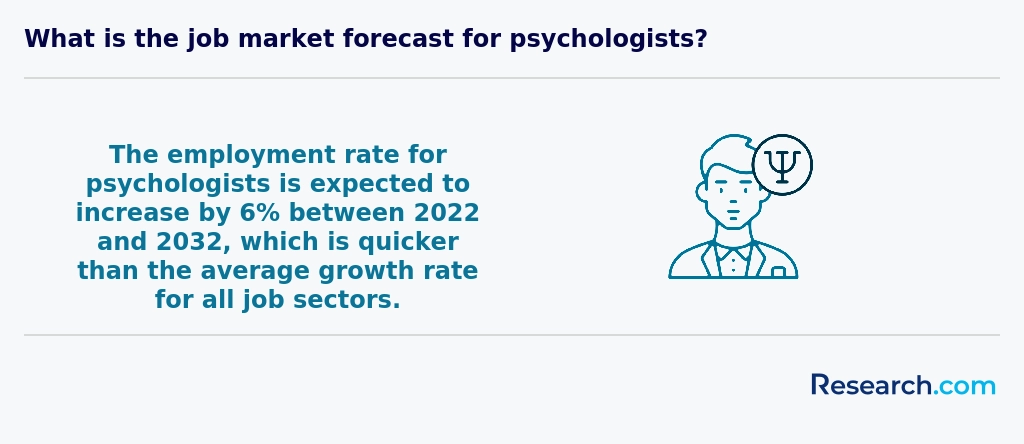
Psychology careers today are highly valued worldwide for their focus on mental health, human behavior, and well-being. In the United States, including Tennessee, psychology professionals face growing opportunities. According to the U.S. Bureau of Labor Statistics, employment for psychologists is projected to grow 6% from 2021 to 2031, reflecting increased awareness of mental health needs.
Globally, psychology integrates diverse cultural perspectives, but the U.S. system often leads in research, clinical practice, and education standards. Tennessee, home to respected institutions like Vanderbilt University, contributes significantly to advancing psychological science and professional training.
The state emphasizes applied psychology in healthcare, education, and criminal justice, aligning with global trends prioritizing practical impact and interdisciplinary approaches.
Gaining practical experience while studying psychology in Tennessee is crucial for career readiness. Many universities in the state offer internship opportunities through partnerships with local hospitals, mental health clinics, and community organizations. For example, students can complete supervised practicum placements as part of their coursework, which help develop real-world skills.
Additionally, Tennessee hosts several research centers where undergraduates and graduates may assist faculty members, gaining hands-on experience in psychological studies. According to the Tennessee Higher Education Commission, nearly 60% of psychology students engage in internships or research roles before graduation.
Volunteering with social service agencies is another way to build relevant experience alongside academic training.
Choosing the right concentration within a psychology degree program in Tennessee begins with understanding your career goals. Psychology offers various specializations such as clinical, counseling, developmental, or industrial-organizational psychology. Each concentration aligns with different job roles and licensing requirements. For example, clinical psychology in Tennessee often requires further graduate study and state licensure to practice.
It is important to review program offerings at Tennessee institutions, considering concentrations with strong faculty expertise and internship opportunities. The Tennessee Higher Education Commission provides data showing a growing demand for mental health professionals, highlighting clinical and counseling tracks as popular options.
Additionally, consider your interest in research versus applied practice. Programs focused on research may prepare you for doctoral studies, while applied concentrations emphasize hands-on experience. Exploring current Tennessee labor market trends through the Bureau of Labor Statistics can also guide your decision by identifying which psychology roles have the highest growth locally.
- 2027 Best Psychology Degree Programs Ranking in Alabama
- 2027 Best Psychology Degree Programs Ranking in Georgia
- 2027 Best Psychology Degree Programs Ranking in Illinois
- 2027 Best Psychology Degree Programs Ranking in Florida
- 2027 Best Psychology Degree Programs Ranking in Louisiana
- 2027 Best Psychology Degree Programs Ranking in Maryland
- 2027 Best Psychology Degree Programs Ranking in Delaware
- 2027 Best Psychology Degree Programs Ranking in Iowa
- 2027 Best Psychology Degree Programs Ranking in Kansas
- 2027 Best Psychology Degree Programs Ranking in Connecticut
See What Experts Have To Say About Studying Psychology
Read our interview with Psychology experts

Robin M. Kowalski. Ph.D.
Psychology Expert
Professor of Psychology
Clemson University

Catherine Caldwell-Harris, Ph.D.
Psychology Expert
Associate Professor of Psychology
Boston University

Joann Farrell Quinn, Ph.D., MBA
Psychology Expert
Director at the College of Medicine Department of Medical Education
Morsani College of Medicine

- Sample letters in psychology https://www.mystudies.com/en-in/human-and-social-sciences/psychology/letter-model/
- What Certifications Can I Get With A Bachelor's In Psychology? https://www.psychology.org/resources/certification-skills-for-psychology-major-resumes/
- Society for the Teaching of Psychology https://teachpsych.org/page-1784686/8675326
- How to help students cope with mental health challenges https://www.eaie.org/resource/help-students-cope-mental-health-challenges.html
- Tennessee Psychology Schools | Psychology Degree Guide https://psychologydegreeguide.org/state/tennessee/
- Why Get a Psychology Degree Online? | University of Bridgeport https://www.bridgeport.edu/news/reasons-to-get-your-psychology-degree-online/
- Study Psychology Abroad | Go Overseas https://www.gooverseas.com/study-abroad/psychology
- Psychology Online Degree Pathway https://www.learndirect.com/course/psychology-online-degree
- Study Psychology Abroad https://astarfuture.co.uk/study_psychology_abroad.html
- Psychology - SWPS University https://english.swps.pl/academics/warsaw/ba-programs/psychology


