
2027 Best Psychology Degree Programs Ranking in Oklahoma

Co-Founder and Chief Data Scientist
Choosing the right psychology degree program in Oklahoma can be overwhelming. This article offers a clear guide to help you navigate your options with confidence.
The 2027 Best Psychology Degree Programs Ranking in Oklahoma was developed by the Research.com team of data scientists to provide reliable and data-driven insights. By exploring this ranking, you'll discover programs that balance quality education and practical experience.
Whether you're passionate about helping others or advancing mental health knowledge, earning a psychology degree can open rewarding paths. Let this article inspire your journey and support informed decisions about your future.
Key benefits of getting psychology degree in Oklahoma
- Psychology graduates in Oklahoma can earn competitive salaries, such as $62,370 annually for Clinical Research Associates and Survey Researchers, or up to $83,190 for Marketing Research Analysts, offering strong financial rewards in various fields.
- Career paths for psychology degree holders include roles in research, counseling, and human resources, with graduates from Oklahoma State University often finding diverse opportunities that match their interests and skills.
- Online psychology degrees from institutions like the University of Oklahoma provide flexibility and convenience, allowing students to balance work and study effectively while gaining the same valuable knowledge as traditional programs.
- 2027 Best Psychology Degree Programs Ranking in Oklahoma
- What can I expect from psychology degree in Oklahoma?
- Where can I work with psychology degree in Oklahoma?
What can I expect from psychology degree in Oklahoma?
The average cost of pursuing a psychology degree in Oklahoma typically ranges from $8,000 to $12,000 per year at public universities like The University of Oklahoma or Oklahoma State University. Graduates often recall balancing tuition with internships and practicum placements, which add priceless real-world experience but sometimes bring unexpected expenses for travel or materials. Many find that scholarships and research funding offered by these institutions ease financial stresses, transforming what could feel like a heavy burden into a motivating challenge.
One graduate described the experience as an investment that extended beyond classroom lessons-practical exposure in clinics and community centers solidified their passion and confidence for licensure paths. This tangible connection between cost and career readiness often surprises incoming students, who expect theory alone to dominate. Instead, the degree cost reflects not just education but preparation matched closely to Oklahoma's licensure requirements and mental health demands.
In this light, the expense is less a price and more a gateway, empowering students to navigate dynamic roles in psychology across the state.
Where can I work with psychology degree in Oklahoma?
Graduates with psychology degrees in Oklahoma quickly discover that opportunities extend far beyond the expected clinical roles. Many who studied at the University of Oklahoma or Oklahoma State University find fulfilling careers in healthcare settings such as hospitals and mental health clinics, where licensed psychologists and counselors provide vital support. Imagine supporting patients through recovery in a Tulsa rehabilitation center or offering hope in a small private practice in Norman.
Others gravitate toward education, working as school psychologists or counselors in both urban and rural districts, helping students overcome learning barriers and emotional challenges. This real-world impact, reported by graduates from institutions like the University of Central Oklahoma, often brings a profound sense of purpose.
The business world surprises many psychology alumni with its demand for industrial-organizational expertise to boost employee satisfaction and productivity in Oklahoma City companies. Even nonprofit and government agencies like the Oklahoma Department of Mental Health offer roles that blend research with community impact, proving that psychology careers here are as diverse as they are rewarding.
Psychology graduates in Oklahoma find their earnings vary widely, influenced by their chosen career paths and education levels. For example, graduates working as Human Resources Specialists, a common role for bachelor's degree holders, earn a mean annual wage of about $76,060. This offers a solid middle ground right after finishing their studies at institutions like the University of Oklahoma or Oklahoma State University.
Those diving into research often become Clinical Research Associates or Survey Researchers, with annual wages near $62,370. Imagine a recent graduate navigating the vibrant research ecosystem in Tulsa, engaging in projects that not only pay the bills but also fuel passion for advancing psychological science.
Even roles considered supportive, such as Childcare Workers, bring starting salaries around $32,070, reminding students that every step in psychology's ladder has value. Graduates from Oklahoma City University have shared how stepping into these roles builds real-world skills that lead to greater opportunities.
Such figures challenge the notion that psychology degrees lack lucrative prospects in Oklahoma. Instead, they reveal a nuanced landscape where strategic choices and local opportunities blend, shaping rewarding careers.
- Oklahoma offers psychology degrees at associate, bachelor's, master's, and doctoral levels from public and private institutions.
- The cost for a bachelor's degree ranges from $20,000 to $40,000 for in-state public university students, with private schools typically charging over $40,000.
- Graduate tuition usually costs between $8,000 and $15,000 per year for in-state master's and doctoral students.
- Entry-level psychology positions with a bachelor's degree earn around $40,000 annually, while licensed clinical psychologists can earn median salaries near $75,000.
- Psychology jobs in Oklahoma are expected to grow by about 8% over the next decade, driven by demand in healthcare, education, and social services.
- Licensure for psychologists requires completing a doctoral program, supervised experience, and passing the EPPP exam; master's degree holders seeking counseling roles must also meet state licensure standards.
Completing a psychology degree in Oklahoma often fits neatly into national timelines, yet the lived experience of students at institutions like the University of Oklahoma and Oklahoma State University reveals more nuance. Many full-time undergraduates proudly graduate in four years, balancing coursework and campus life with a tangible sense of accomplishment. But for some, part-time enrollment extends this journey, reflecting real-world demands such as work or family commitments.
Graduate students at the University of Central Oklahoma and Northeastern State University often find their Master's programs take two to three years, a period rich with personal growth and skill-building that shapes future careers.
Doctoral candidates at the University of Tulsa navigate a demanding four to seven-year path, deeply engaged in research and clinical practice. These years may feel lengthy, yet graduates reflect on how this intensive experience cultivates resilience and expertise, far beyond mere academic completion.
Such timelines, anchored in Oklahoma's academic culture, encourage prospective students to envision not just a degree, but a transformative journey tailored to their aspirations and realities.
For students seeking to pursue a psychology degree in Oklahoma without accumulating significant debt, exploring the most affordable options is crucial. Many institutions in Oklahoma offer competitive pricing for their psychology programs, making it possible for students to attain a high-quality education at a lower cost. When considering affordability, it's essential to look beyond tuition fees and factor in living costs, scholarship opportunities, and potential financial aid. Students can find detailed information on affordable programs by visiting websites such as most affordable psychology programs in Oklahoma, which provide rankings and insights into the cost-effectiveness of various psychology degree programs across the state. By opting for one of these affordable paths, students can set themselves up for success, both academically and financially, as they embark on their journey to become psychology professionals in Oklahoma.
Choosing between an online and an on-campus psychology degree in Oklahoma often surprises students who assume both paths offer identical experiences. Graduates from the University of Oklahoma online program frequently describe the freedom to study late at night after work, balancing family demands without missing crucial content. This flexibility transforms education from a rigid schedule into a personalized journey.
Meanwhile, students on campus at Oklahoma State University emphasize the energy of walking through halls, joining spontaneous study groups, and engaging directly with professors during office hours. They share stories of hands-on lab work and rich face-to-face debates that build confidence beyond textbook knowledge-moments difficult to replicate online.
Cost-wise, the difference is less dramatic than many expect. Tuition hovers around $4,350 yearly for in-state students, whether online or on campus, but those attending virtually save commuting time and housing expenses, offset by smaller fees like tech or proctored exam costs.
Both formats culminate in internships or fieldwork at local clinics or hospitals, grounding theory in real-world practice. This shared foundation ensures that regardless of delivery mode, Oklahoma psychology students step into their careers prepared and connected to their communities.
Prospective students should consider not only the upfront tuition but also long-term earning potential when evaluating psychology programs in Oklahoma. On average, in-state tuition at public universities in Oklahoma totals approximately $28,280 over four years, while out-of-state and private school costs can exceed $120,000. By comparing these figures with median starting salaries-around $53,830 for bachelor’s degree holders and $73,080 for human resources specialists-students can estimate their payback period and debt-to-income ratio. Many graduates find that programs offering integrated internships or co-op placements yield faster returns by reducing the need for additional certification courses post-graduation. For example: • A University of Oklahoma graduate who completed a paid research assistantship reported paying off undergraduate loans within five years due to early career advancement. • An Oklahoma State University alum leveraged subsidized on-campus counseling internships to offset tuition costs while gaining licensure-required hours. To further explore budget-friendly alternatives in neighboring regions, students may review our Cheapest Psychology Degree Programs Ranking in Springfield, MA, which highlights institutions with tuition rates 20–30% below national averages. Ultimately, a robust ROI analysis combines estimated debt service with projected salary growth-especially for those pursuing master’s or doctoral credentials-ensuring that investment in a psychology degree aligns with both financial goals and career ambitions.
Understanding the average cost of a psychology degree in Oklahoma reveals surprising insights beyond simple tuition fees. Graduates from prominent public universities often report total expenses close to $9,398 for in-state students when factoring in tuition, fees, and other essential costs. This median figure challenges the assumption that private institutions, known for tuition exceeding $20,000 annually, are the only costly option. While tuition at schools like the University of Oklahoma remains affordable around $3,530 per year for in-state undergraduates, students must also budget for living expenses, textbooks, and transportation, which can quickly add up.
Many psychology students in Oklahoma reflect on how these costs influence their personal and academic choices. For some, the financial challenge deepens commitment, motivating them to seek scholarships or part-time work. The reality of Oklahoma psychology degree tuition and fees means that prospective students should anticipate a full picture of expenses, not just headline tuition numbers. Graduate programs add another layer, with master's and doctoral degrees costing significantly more, sometimes reaching up to $18,000 annually, but offering advanced career pathways that justify the investment.
One recurring advice from those navigating these financial waters is to explore the most affordable psychology programs in Oklahoma. Choosing wisely can alleviate the burden without compromising quality. These reflections remind students that the path to a fulfilling psychology career is shaped not only by passion but also by prudent financial planning.
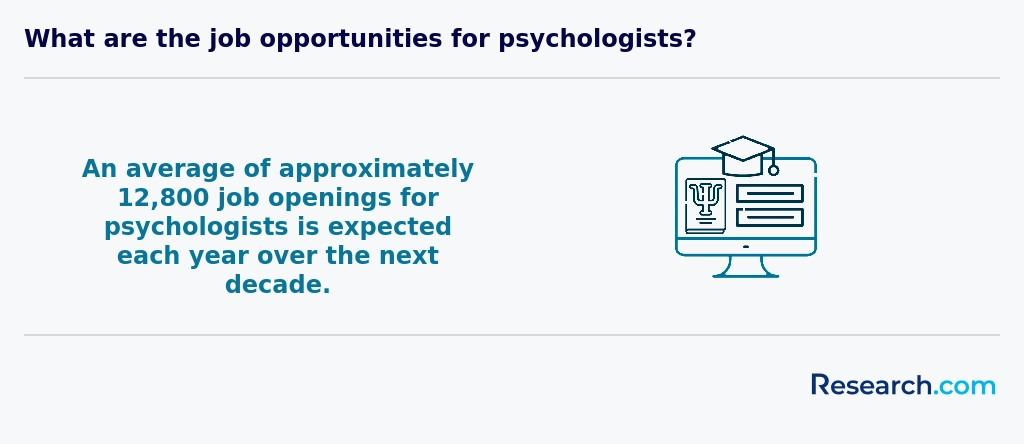
Pursuing a psychology degree in Oklahoma is only the first step toward becoming a practicing professional; understanding the state’s licensure requirements is crucial for ensuring a seamless transition from academia to clinical or counseling roles. To obtain a Licensed Psychologist credential through the Oklahoma Board of Behavioral Health Licensure, graduates must complete the following: 1. Supervised Experience • Accumulate a minimum of 3,000 supervised post‐doctoral hours under an approved supervisor, typically over two years. • Document experience in assessment, diagnosis, and intervention across diverse client populations. 2. Examinations • Pass the Examination for Professional Practice in Psychology (EPPP), administered by the Association of State and Provincial Psychology Boards (ASPPB). • Successfully complete Oklahoma’s jurisprudence exam, which tests knowledge of state laws and ethical standards governing psychological practice. 3. Application Process • Submit official transcripts verifying your doctoral or master’s degree from an APA-accredited program. • Provide supervisor evaluations and a detailed log of supervised hours. • Pay application and examination fees as listed on the Board’s website. In addition to the psychologist license, many graduates pursue specialized credentials such as the Licensed Professional Counselor (LPC) or Licensed Specialist Clinical Social Worker (LSCSW), each with its own supervised‐hours and exam requirements. Candidates should consult the specific board guidelines early in their program to ensure coursework and practicum experiences align with licensure prerequisites. For students exploring cost-effective psychology programs outside Oklahoma, consider the Cheapest Psychology Degree Programs Ranking in Springfield, MA, which offers insights into tuition, accreditation, and student outcomes at affordable institutions.
Psychology students in Oklahoma quickly learn that financial aid is more than just filling out the FAFSA-it's about opening doors they once thought closed. For many attending the University of Oklahoma or Oklahoma State University, federal aid like Pell Grants can mean the difference between skipping classes to work or focusing fully on studies. These grants, based on need, don't require repayment, providing a truly reassuring foundation.
Beyond federal sources, state aid plays a vital role. The Oklahoma Tuition Aid Grant (OTAG) offers up to $2,100 annually, easing anxiety about tuition bills for undergraduates demonstrating financial need. Several psychology graduates recall how OTAG helped them stay on track, reducing stress enough to engage deeply in leadership roles and research projects.
Institutional scholarships often reflect the unique passions of psychology students. Imagine receiving a merit-based award at Oklahoma State University that validates both your academic rigor and your commitment to behavioral sciences-that boost of confidence is priceless. Graduate students can tap into assistantships and fellowships, such as those from the NIH or APA, which bring not just financial relief but invaluable professional experience through research and teaching.
Finally, private scholarships and employer tuition programs provide unexpected lifelines, discovered through resources like Fastweb or APA scholarship lists. These combined avenues transform the daunting price tag of a psychology degree in Oklahoma into an achievable, inspiring journey.
Graduates pursuing a career in psychology in Oklahoma must navigate a multi-step licensure process to become a licensed psychologist or counselor. First, candidates must earn an accredited psychology degree-preferably from an APA-accredited institution-to satisfy the educational prerequisites set by the Oklahoma State Board of Examiners of Psychologists. Next, students complete a supervised professional experience, which typically involves 3,000 hours of practicum and internship work under the guidance of a licensed psychologist. Documentation of this supervised experience must adhere to the board’s guidelines, ensuring that competencies in assessment, diagnosis, and intervention are thoroughly demonstrated. Once academic and practicum requirements are fulfilled, applicants are eligible to sit for the Examination for Professional Practice in Psychology (EPPP). Achieving a passing score on the EPPP is mandatory for licensure; additional state jurisprudence exams may also be required to assess knowledge of Oklahoma’s specific ethical and legal standards. Upon passing these exams, candidates submit a licensure application, proof of supervised hours, and official transcripts to the state board. The board then reviews credentials and, once approved, issues a license to practice independently in Oklahoma. For those specializing in behavior analysis, Oklahoma offers certification through the Behavior Analyst Certification Board (BACB). Many psychology programs now integrate behavior-analytic coursework into their curricula, but students seeking flexibility can supplement their on-campus training with bcba coursework online. Completing approved coursework and accruing supervised fieldwork hours are essential steps before qualifying for the Board Certified Behavior Analyst (BCBA) exam. Once certified, professionals can provide behavior analysis services in schools, clinics, and private practice settings across the state. Maintaining licensure in Oklahoma requires ongoing continuing education. Licensed psychologists must complete at least 40 hours of approved continuing education every two years, including courses on ethics and professional standards. Staying current with the latest research and treatment modalities not only fulfills regulatory requirements but also enhances clinical competencies and career advancement opportunities in academia, healthcare, and private practice.
Enrolling in a psychology degree program in Oklahoma demands more than just checking boxes-it calls for a mindset ready to engage deeply with the discipline. At universities like the University of Oklahoma or Oklahoma State University, undergraduates typically enter with a high school diploma or GED, bolstered by solid performance in subjects like biology and math. One graduate recalls how meeting a 2.5 GPA requirement felt like an achievable hurdle but soon realized that genuine curiosity and dedication mattered far more for success than just transcripts.
For those aiming higher, master's and doctoral programs in Oklahoma require a bachelor's degree, often in psychology or related fields. Graduates frequently reflect on the value of hands-on experiences, like internships or volunteer work, which made abstract theories come alive. Completing prerequisite courses such as statistics and research methods became a turning point for many-a moment when the pieces truly started to fit together.
Admissions committees, especially at renowned Oklahoma institutions, look beyond grades: they seek passion, resilience, and a personal commitment to growth within psychology's complex world.

Beyond the academic curriculum, a crucial aspect of succeeding in psychology programs in Oklahoma is developing robust career development skills and professional networks. Many institutions now offer dedicated career services that guide students in maximizing internship opportunities, building industry connections, and preparing for post-graduation interviews. Students can benefit from resume workshops, mock interviews, and career fairs that not only highlight potential employment opportunities but also help in understanding the evolving workforce landscape in psychology. Moreover, many programs are integrating mentorship initiatives where experienced alumni share their insights and strategies for career success, making it easier for current students to navigate their professional paths confidently. Networking events, both virtual and on-campus, further allow students to develop relationships with professionals across various sectors of psychology, from mental health services to corporate training. For those considering flexible online options, exploring an online psychology degree masters can offer accelerated pathways and innovative career resources tailored to today’s competitive job market. Emphasizing career development alongside academic achievement ensures that graduates are well-prepared for the challenges and opportunities ahead.
In Oklahoma, psychology degree programs at universities like the University of Oklahoma and Oklahoma State University regularly immerse students in courses that break down human behavior layer by layer. Graduates often recall how the Introduction to Psychology course sparked their curiosity by connecting everyday experiences, like memory lapses or social interactions, to foundational theories.
Moving beyond basics, courses in Research Methods and statistics challenge students to think critically about data they encounter daily, turning skepticism into insight. Many find it rewarding when applying these skills during senior capstone projects, transforming abstract numbers into meaningful conclusions about mental health or behavior.
Core classes such as Developmental, Social, and Abnormal Psychology invite students to explore real-life dynamics-watching toddlers' growth, analyzing social pressures among peers, or understanding mental health disorders within local communities. Electives tailored to clinical or industrial-organizational psychology often give students a glimpse into career paths they hadn't imagined, linking classroom knowledge with heartfelt professional aspirations.
Psychology degree specializations in Oklahoma challenge the traditional one-size-fits-all approach. Graduates from popular universities report that choices like Clinical Psychology transform how they understand mental health practices, offering fulfilling paths beyond textbooks. Meanwhile, specializations such as Industrial-Organizational Psychology resonate deeply with students drawn to Oklahoma's expanding business landscape, turning human behavior theories into real workplace strategies.
Oklahoma psychology program concentration options offer unique blends, like Forensic Psychology, where students experience firsthand the intersection of legal systems and mental health. In schools famous for their supportive environments, those focusing on Developmental or School Psychology describe moments of genuine impact - guiding children and adolescents through challenges in education and growth. Health Psychology tracks, emerging across the state, blend science and empathy, reflecting the growing appreciation of mind-body connections.
For those exploring flexible study routes, graduates often recommend considering online psychology degree masters, which open doors for deeper specialization while balancing life. These varied options ensure students in Oklahoma can tailor their education to meaningful, career-defining experiences.
Choosing the best psychology degree programs Oklahoma requires more than just picking a school with a nice campus or low tuition. Graduates from the University of Oklahoma often speak about how the program's APA accreditation gave them a real advantage for licensure and clinical internships, making their early career path smoother. Meanwhile, those who attended Oklahoma State University appreciate the variety of research opportunities that shaped their ability to contribute meaningfully to experimental psychology, which is not always highlighted in standard program descriptions.
Financial concerns cannot be overlooked. Many students find affordable psychology degrees in Oklahoma appealing because they balance quality and cost effectively, with in-state tuition at public universities often ranging from $6,000 to $9,000 annually-significantly less than nationwide averages. This frees students to focus on deep learning rather than stressing over debt. Others value flexible options like online courses or part-time study, which some programs in Oklahoma are increasingly offering to accommodate working adults, even integrating bcba coursework online for specialized skill-building.
Ultimately, reflecting on your long-term goals-whether clinical practice, research, or counseling-and seeking programs aligned with those passions, especially at schools recognized statewide, is essential. The right psychology degree in Oklahoma is the one that not only fits your budget and schedule but also ignites your enthusiasm for the field in tangible ways.
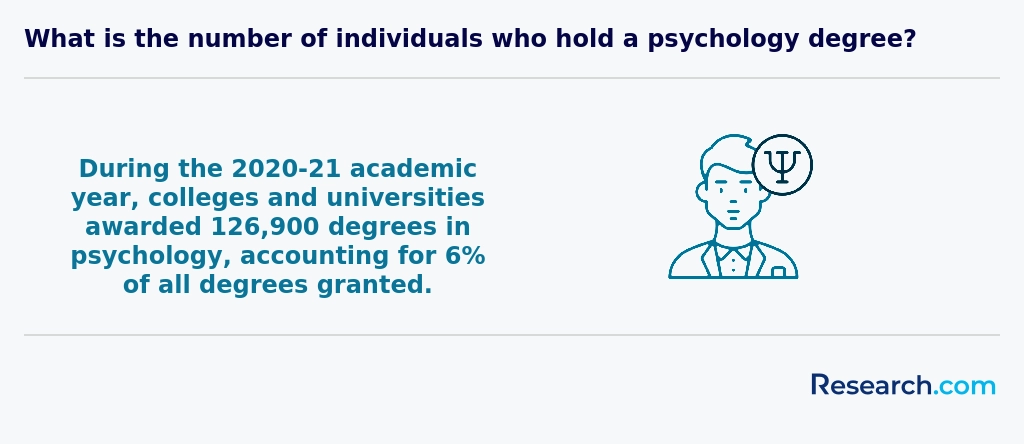
Graduates from popular Oklahoma universities with psychology degrees often find themselves at a crossroads filled with diverse psychology career opportunities in Oklahoma. Clinical psychology remains a go-to for many, providing the chance to diagnose and treat mental health issues in real-world settings after obtaining licensure. Experienced graduates from institutions like the University of Oklahoma describe the fulfillment that comes from seeing direct positive changes in clients' lives, even if the average salary here is a bit below national figures.
Others pursue counseling roles, becoming licensed professional counselors or marriage and family therapists, particularly in Tulsa or Norman. These jobs not only offer stable income but also bring emotional rewards from supporting families and individuals through challenging times, making the work deeply meaningful. For those drawn to education, roles as school psychologists or behavioral specialists in Oklahoma's school systems open paths to impact young lives daily.
Industrial-organizational psychology grabs the attention of graduates eager to influence workplace culture and productivity within Oklahoma's business hubs. Beyond the traditional routes, many recent psychology graduates debate the value of research careers. Universities here encourage exploration, and for students weighing costs and benefits, the Cheapest Psychology Degree Programs Ranking in Springfield, MA offers a useful perspective on affordability.
The psychology degree employment opportunities Oklahoma graduates face reveal a nuanced landscape shaped by local demand and cost of education. Graduates from universities like the University of Oklahoma or Oklahoma State University often find promising roles in urban centers such as Oklahoma City and Tulsa, where healthcare and educational institutions actively seek their expertise. These graduates often share how the affordable tuition, notably below the national average, made pursuing advanced degrees feasible, opening doors to positions that require licensing and specialized skills.
However, the job outlook for psychology graduates Oklahoma reflects more than wages-it challenges students to consider how licensing requirements can extend their career timelines, prompting many to pursue additional qualifications. Experiencing firsthand the growing need for mental health professionals, particularly in substance abuse and social services, graduates describe rewarding opportunities that combine service with sustained demand.
Some graduates explore alternatives through online masters 1 year programs to accelerate entry into the workforce, a strategy that underscores the evolving pathways psychology students use to navigate Oklahoma's job market while maintaining competitive edges.
2027 Best Psychology Degree Programs Ranking in Oklahoma
Investing in your education is a significant decision that can shape your future, and the Research.com team fully recognizes the importance of making well-informed choices. To support prospective students exploring psychology programs in Oklahoma, we have carefully developed the "2027 Best Psychology Degree Programs Ranking in Oklahoma." Our dedication to quality, credibility, and accuracy is demonstrated through comprehensive research and rigorous analysis.
We utilized the following reputable data sources to ensure a thorough evaluation of psychology degree programs:
By consulting this ranking, readers will gain valuable insights into the top psychology degree programs in Oklahoma, enabling them to make informed educational decisions with confidence. For more information about how this ranking was compiled, please visit our Research.com methodology page.


Frequently Asked Questions About psychology
Psychology degree students in Oklahoma can maximize their learning experience by engaging in hands-on opportunities such as internships and research projects. Many universities in Oklahoma, including the University of Oklahoma and Oklahoma State University, offer access to research labs and community partnerships that allow students to apply psychological theories in real-world settings.
Students benefit from participating in the Oklahoma Psychological Association's events and networking, which provides connections with practicing professionals and up-to-date industry knowledge.
Additionally, taking advantage of Oklahoma's growing mental health initiatives can help students stay informed about local behavioral health trends. According to the Bureau of Labor Statistics, Oklahoma has a projected 14% growth in psychology-related jobs through 2030, reflecting the importance of practical experience.
Finally, balancing coursework with extracurricular activities such as psychology clubs enhances comprehension and professional development.
Emerging niches within the psychology field in Oklahoma reflect broader national trends emphasizing innovation and community needs. One growing area is telepsychology, boosted by increased access to digital technology and rural service expansion. According to the Oklahoma Board of Licensed Professional Counselors, the demand for licensed telehealth psychologists has risen notably since 2020.
Another expanding niche is neuropsychology, focused on brain-behavior relationships. With Oklahoma's veteran population and aging residents, neuropsychologists are increasingly sought after for assessment and rehabilitation services.
Industrial-organizational psychology also gains attention as Oklahoma businesses prioritize employee well-being and productivity. The U.S. Bureau of Labor Statistics projects a nationwide 10% job growth in this specialty from 2022 to 2032, relevant to Oklahoma's evolving economy.
After earning a psychology degree in Oklahoma, preparing for the job market involves strategic steps. Oklahoma's unemployment rate for psychology graduates aligns closely with the national average, highlighting a moderately competitive field. Networking is vital; joining the Oklahoma Psychological Association offers valuable contacts and internship information. Gaining relevant experience through local internships or research assistantships can strengthen resumes. Licensing is crucial for clinical roles-candidates should plan for supervised hours and the Examination for Professional Practice in Psychology (EPPP). Additionally, developing skills in data analysis and counseling techniques increases employability. Staying informed about state-specific job openings via resources like the Oklahoma Department of Commerce is beneficial.
Employers in Oklahoma highly value psychology graduates who possess strong critical thinking and communication skills. These abilities enable graduates to analyze complex data and effectively interact with clients or teams. According to the Oklahoma State Department of Education, interpersonal skills are among the top attributes sought in mental health positions statewide.
Additionally, proficiency in research methods and statistical analysis is essential. Many organizations require staff who can design studies or interpret behavioral data accurately. The U.S. Bureau of Labor Statistics notes that psychology roles involving research are growing by 6% through 2032, reinforcing the demand for such expertise.
Ethical judgment and cultural competence are also crucial, especially given Oklahoma's diverse populations. Graduates familiar with state licensing requirements and ethical standards have a competitive advantage.
Finding internships in Oklahoma relevant to a psychology degree involves several practical steps. Start by checking with your university's psychology department or career services, as many schools in Oklahoma maintain partnerships with local clinics, hospitals, and counseling centers offering internship opportunities.
Additionally, the Oklahoma Psychological Association (OPA) provides resources and listings for internships and training sites within the state. According to the Bureau of Labor Statistics, Oklahoma has a growing demand for mental health professionals, particularly in urban centers like Oklahoma City and Tulsa, increasing internship availability.
Networking through professional events and volunteering at community organizations can also uncover valuable placements. Finally, use online platforms focused on psychology internships in Oklahoma to expand your search efficiently.
A psychology degree in Oklahoma can significantly enhance career mobility and advancement. According to the U.S. Bureau of Labor Statistics (2023), Oklahoma's employment for psychologists is projected to grow by 8% over the next decade, faster than the average for all occupations. This growth creates new opportunities for graduates in clinical, counseling, and school psychology roles.
The degree also opens pathways into related fields like social work, human resources, and education. Many employers in Oklahoma value candidates with psychology training for their understanding of human behavior and research skills.
Higher degrees such as a master's or doctorate often lead to leadership positions and higher salaries. For example, the Oklahoma State Department of Education notes that psychology graduates can advance to administrative roles within school districts.
Studying for a psychology degree in Oklahoma equips students with interdisciplinary skills critical for diverse career paths. Oklahoma's psychology programs often emphasize collaboration across fields like health care, education, and social work, reflecting the growing demand for integrated approaches to mental health.
Curricula commonly include courses in biology, sociology, and communication, fostering a broad understanding essential for roles that intersect with other disciplines. According to the Oklahoma State Regents for Higher Education, many psychology graduates work in settings requiring knowledge beyond psychology alone, such as schools and hospitals.
Practical training, including internships and research projects, further enhances students' ability to apply psychological principles in varied professional environments.
Choosing between a thesis and a non-thesis psychology degree program in Oklahoma depends largely on your career goals and academic interests. Thesis programs typically require conducting original research, which is ideal if you plan to pursue a PhD or work in research-focused roles.
Non-thesis programs often emphasize coursework and practical applications, better suited for students aiming for professional practice or immediate entry into the workforce. According to the Oklahoma State Regents for Higher Education, about 40% of local psychology programs offer optional thesis tracks, giving flexibility.
Consider your interest in research, time commitment, and future ambitions carefully before deciding. Programs with a thesis usually take longer but provide valuable experience in critical thinking and data analysis.
Students based in Oklahoma who wish to study psychology abroad have several pathways to consider. Many Oklahoma universities with psychology programs, such as the University of Oklahoma and Oklahoma State University, offer study abroad partnerships with institutions in Europe, Asia, and Australia. These collaborations allow students to earn credits toward their psychology degree while experiencing diverse cultural perspectives on mental health.
Additionally, programs like Education Abroad OK provide centralized resources to help psychology students navigate exchange programs and internships globally. According to the Bureau of Labor Statistics, studying abroad can enhance cultural competence, a valuable skill for psychologists working in diverse communities.
Financial aid and scholarships specific to study abroad in psychology are also available through some Oklahoma institutions, making international education more accessible.
In Oklahoma, psychology students can benefit from several part-time job opportunities that align with their academic goals. Common roles include behavioral health technician positions at local clinics or hospitals, where students assist in patient care and data collection. These jobs provide practical experience crucial for understanding clinical environments.
Universities in Oklahoma often employ psychology students as research assistants, supporting professors in data analysis and study coordination. According to the U.S. Bureau of Labor Statistics, research assistant roles can enhance skills valuable for graduate studies.
Additionally, tutoring psychology or related subjects for undergraduates is a viable option, helping deepen students' own knowledge. Job availability varies by campus and region, but these positions offer both flexibility and relevant exposure.
Psychology students in Oklahoma have access to a range of networking opportunities that can support their academic and professional growth. Many universities, such as the University of Oklahoma and Oklahoma State University, host psychology clubs and honor societies like Psi Chi, where students connect with peers and faculty. These organizations often invite guest speakers, hold research presentations, and facilitate mentorship programs.
Additionally, psychology students can attend regional conferences like the Oklahoma Psychological Association Annual Meeting. This event gathers professionals, researchers, and students, providing valuable chances to learn and network. According to the Oklahoma Psychological Association, over 500 psychology practitioners participate annually.
Internships and community partnerships throughout the state further enable students to build relationships with local mental health agencies and clinics, essential for real-world experience and professional connections.
Alumni networks play a significant role for psychology degree students in Oklahoma by providing valuable professional connections. Graduates from universities such as the University of Oklahoma and Oklahoma State University often join these networks to access job leads, internships, and mentorship opportunities. According to the Oklahoma State Regents for Higher Education, strong alumni ties can improve employment prospects in the state's mental health and social services sectors, which are growing fields in Oklahoma.
These networks also offer students chances to attend workshops and conferences, enhancing both knowledge and practical skills. Engaging with alumni helps students understand local industry demands and licensure requirements specific to Oklahoma psychology careers. This support system contributes to higher graduation and employment rates among psychology students statewide.
Customizing a psychology degree program in Oklahoma allows students to align their education with specific career goals. Many Oklahoma universities offer elective courses and concentrations in areas such as clinical, counseling, or industrial-organizational psychology. This flexibility helps students gain relevant skills for careers ranging from therapy to human resources. Additionally, students can choose to participate in internships or research projects within local agencies or universities, providing practical experience and professional networking opportunities.
Oklahoma's higher education institutions often encourage interdisciplinary studies, enabling students to combine psychology with education, business, or health sciences. According to the Oklahoma State Regents for Higher Education, tailoring your program can improve job readiness in a competitive market.
Psychology students in Oklahoma often face several challenges during their academic journey. One significant obstacle is the competitive nature of graduate program admissions, especially for the state's limited number of APA-accredited programs. According to the Oklahoma State Regents for Higher Education, the demand for psychology graduate slots exceeds availability, making acceptance rates quite low.
Another challenge is accessing quality clinical practicum placements. Rural areas in Oklahoma have fewer mental health facilities, which complicates acquiring hands-on experience required for licensure. This can increase travel costs and time commitments for students.
Additionally, the cost of tuition and related fees has been rising steadily. For instance, data from the National Center for Education Statistics shows average undergraduate psychology tuition in Oklahoma increased by over 10% in five years, impacting students' financial planning.
With a psychology degree in Oklahoma, graduates can pursue several professional certifications to enhance their career prospects. One common path is becoming a Licensed Professional Counselor (LPC), which requires a master's degree in psychology or a related field, supervised clinical hours, and passing a state exam. The Oklahoma State Board of Behavioral Health Licensure oversees this process.
Another notable certification is Licensed Psychological Associate (LPA), allowing individuals with a master's in psychology to provide psychological services under supervision. To become a Licensed Psychologist, a doctoral degree, supervised experience, and successful completion of the Examination for Professional Practice in Psychology (EPPP) are required.
Certifications such as Certified Alcohol and Drug Counselor (CADC) also are popular among psychology graduates interested in substance abuse counseling in Oklahoma. These roles typically involve additional training and examinations.
Crafting a winning application for a psychology program in Oklahoma begins with thorough research of the specific schools you are interested in. Oklahoma is home to notable universities like the University of Oklahoma and Oklahoma State University, both offering respected psychology degrees. Admissions committees value applicants who demonstrate academic excellence, so maintain a strong GPA-typically above 3.0-and score well on the GRE if required.
Including relevant experience is crucial. Volunteer work or internships in mental health settings can distinguish your application. Personal statements should reflect clear goals in psychology and how the program aligns with your ambitions. According to the American Psychological Association, showcasing research experience or familiarity with psychological methodologies strengthens your candidacy.
Letters of recommendation from professors or professionals familiar with your skills and character are also essential. Finally, tailor each application to Oklahoma's educational environment, emphasizing your commitment to contributing locally.
Psychology careers in Oklahoma align with growing national and international demand. According to the U.S. Bureau of Labor Statistics (BLS), the employment of psychologists in the U.S. is expected to grow 8% from 2021 to 2031, faster than average. Oklahoma benefits from expanding mental health services, reflecting a global recognition of psychology's importance. Graduates with psychology degrees often pursue licensure to become clinical psychologists, counselors, or researchers, roles highly valued worldwide.
Globally, psychology emphasizes diverse cultural contexts and multidisciplinary approaches. In Oklahoma, institutions like the University of Oklahoma prepare students with skills relevant both locally and internationally. The American Psychological Association acknowledges the value of cross-cultural competence, essential in a connected world. Such global perspectives enhance career prospects beyond state borders.
Gaining practical experience while studying psychology in Oklahoma is essential for success in this field. Many universities encourage students to participate in internships at local mental health clinics, hospitals, and social service agencies. These opportunities offer valuable hands-on experience with diverse populations.
Additionally, Oklahoma's universities often have on-campus research programs where students can assist faculty members. This involvement helps develop skills in data collection and analysis.
The Oklahoma Board of Behavioral Health Licensure also supports supervised clinical hours, which are required for licensure as a psychologist or counselor in the state.
Networking through professional organizations, like the Oklahoma Psychological Association, provides further guidance and experience opportunities for students.
Choosing the right concentration within a psychology degree program in Oklahoma involves understanding your career goals and interests. Common concentrations include clinical, counseling, forensic, and school psychology. According to the Oklahoma Board of Behavioral Health Licensure, clinical psychology remains one of the fastest-growing fields in the state, reflecting a local demand for mental health services.
Researching specific program offerings is essential. Some Oklahoma universities emphasize practical training, while others focus on research or theory. For example, the University of Oklahoma offers specializations that align with state licensure requirements, which is vital if you plan to become a licensed psychologist.
Additionally, consider internship and practicum opportunities available within Oklahoma's healthcare and education systems. These hands-on experiences provide valuable insights and enhance employability in local job markets.
- 2027 Best Psychology Degree Programs Ranking in Kansas
- 2027 Best Psychology Degree Programs Ranking in Colorado
- 2027 Best Psychology Degree Programs Ranking in Louisiana
- 2027 Best Psychology Degree Programs Ranking in Iowa
- 2027 Best Psychology Degree Programs Ranking in Alabama
- 2027 Best Psychology Degree Programs Ranking in Illinois
- 2027 Best Psychology Degree Programs Ranking in Georgia
- 2027 Best Psychology Degree Programs Ranking in Florida
- 2027 Best Psychology Degree Programs Ranking in Arizona
- 2027 Best Psychology Degree Programs Ranking in Idaho
See What Experts Have To Say About Studying Psychology
Read our interview with Psychology experts

Catherine Caldwell-Harris, Ph.D.
Psychology Expert
Associate Professor of Psychology
Boston University

Elizabeth L. Jeglic Ph.D.
Psychology Expert
Professor of Psychology
City University of New York

Joann Farrell Quinn, Ph.D., MBA
Psychology Expert
Director at the College of Medicine Department of Medical Education
Morsani College of Medicine

- How to help students cope with mental health challenges https://www.eaie.org/resource/help-students-cope-mental-health-challenges.html
- Know more about thesis vs non- thesis: what is the difference? https://studyfans.com/en/blogs/816
- A Guide to Psychology Internships | Psychology Degree Guide https://psychologydegreeguide.org/resources/internships/
- Mental Health Challenges Faced by Psychology Students | The Healthcare Guys https://healthcareguys.com/2023/11/23/mental-health-challenges-faced-by-psychology-students/
- Ontario Psychological Association - Networking and Community Resources https://www.psych.on.ca/become-a-member-(1)/member-services/networking-and-community-resources
- Licensure Requirements For Psychologists In Oklahoma https://www.psychology.org/online-degrees/oklahoma/
- Sample letters in psychology https://www.mystudies.com/en-in/human-and-social-sciences/psychology/letter-model/
- Study Psychology Abroad | Go Overseas https://www.gooverseas.com/study-abroad/psychology
- Alumni Network - https://efpsa.org/alumni-network/
- Community Psychology in Global Perspective http://siba-ese.unisalento.it/index.php/cpgp





