2027 Easiest Online Bachelor's in Psychology Degree Programs Ranking in the West

Co-Founder and Chief Data Scientist
Choosing the right psychology degree can feel overwhelming, especially when studying online. This article introduces the 2027 Easiest Online Bachelor's in Psychology Degree Programs Ranking in the West, created by the Research.com team of data scientists to guide you in making an informed decision.
Discover programs designed for accessibility and success, helping you balance education with life's demands. Earning a psychology degree opens doors to understanding human behavior and pursuing meaningful careers.
Explore the ranking to find a program that fits your goals and sets you up for a rewarding future.
Key benefits of getting online psychology degree in the West
- Psychology degree graduates can enjoy competitive salaries; for example, Human Resources Specialists earn a mean annual wage of $76,060, while Marketing Research Analysts make around $83,190.
- A graduate from a popular Western university might explore diverse career paths like Clinical Research Associate or Survey Researcher, offering engaging roles in health and social sciences.
- Completing a psychology degree online from a well-known institution provides flexibility and accessibility, allowing students to balance studies with work or family commitments seamlessly.
- 2027 Easiest Online Bachelor's in Psychology Degree Programs Ranking in the West
- What can I expect from online psychology degree in the West?
- Where can I work with online psychology degree in the West?
What can I expect from online psychology degree in the West?
The average cost of pursuing an online psychology degree in the Western United States often surprises prospective students who assume higher expenses due to the flexibility of remote learning. Graduates from well-regarded institutions in California and Washington frequently share how in-state tuition at public universities hovers around $9,000 annually, a figure that feels approachable when balanced against the convenience of studying from home. Contrastingly, those who enroll in private colleges report costs exceeding $30,000 per year, a steep investment that many justify by the specialized resources and personalized attention they receive.
Imagine a student managing full-time work while attending an online psychology program at a well-known Western institution-it's motivating to realize that many have navigated these costs successfully, leveraging scholarships or financial aid tied to accreditation standards like those from WASC. The financial picture here isn't just numbers; it's the freedom to pursue passion without relocating, to engage deeply with interactive coursework, and ultimately to enter a growing field with confidence.
Where can I work with online psychology degree in the West?
Graduates holding online psychology degrees from respected institutions like the University of California or Arizona State University often find themselves stepping into dynamic roles far beyond traditional therapy offices. Many begin as behavioral health technicians or psychological assistants in bustling mental health clinics of California, where the demand for empathetic support staff is rapidly growing. Imagine working alongside licensed professionals, gaining hands-on experience while helping individuals navigate complex emotional challenges-this real-world exposure often sparks a profound sense of purpose.
Others discover fulfilling careers in educational settings, such as community colleges in Oregon, where they coordinate programs that support student mental health and wellness. These roles frequently arise from the region's expanding focus on comprehensive school-based mental health services, offering graduates a tangible way to impact youth development.
Moreover, in metropolitan hubs like Seattle and San Francisco, psychology graduates thrive in corporate wellness programs and human resources departments. There, they use their understanding of human behavior to foster healthier workplace environments, blending science with business insight in roles that are as emotionally rewarding as they are professionally stimulating.
Nonprofits and government agencies in the West also actively recruit these graduates for community outreach and rehabilitation services. Seeing the direct benefits of one's efforts in these vibrant social service sectors builds a profound connection to the community and true job satisfaction.
While a bachelor's degree opens many doors, graduates often find that further certifications amplify their ability to serve in specialized roles. The journey from studying online to stepping confidently into these diverse career paths reflects not only academic achievement but a personal commitment to making a meaningful difference across the Western United States.
Earning potential with an online psychology degree in the Western United States varies widely but offers promising opportunities. Graduates working as Human Resources Specialists can expect a mean annual wage of about $76,060, reflecting the blend of psychology and business skills valued in companies around the Bay Area or Seattle. Those entering roles like Clinical Research Associates or Survey Researchers typically see salaries near $62,370, which aligns with the growing demand for evidence-based practice roles in academic hubs like the University of Washington or Stanford's online programs.
Many graduates find themselves motivated by the direct impact their work has, such as helping improve workplace culture or contributing to important clinical trials. Starting salaries near $32,070 for Childcare Workers showcase the entry-level possibilities as graduates build experience in community settings.
Considering these figures, students often reflect on how their degree choice from respected West Coast institutions opens doors beyond traditional psychology roles, blending human behavior expertise with practical career paths that offer both satisfaction and financial stability.
- Tuition for online bachelor's psychology programs in the Western US ranges from $7,500 to $15,000 per year at public universities for in-state students and often exceeds $20,000 at private institutions.
- Online learning reduces extra costs like commuting and housing, making it more affordable for many students.
- Employment for psychologists in Western states is expected to grow about 10% from 2021 to 2031, matching the national average.
- Starting salaries for psychology bachelor's graduates in the West range between $35,000 and $45,000 annually, depending on location and role.
- Advanced degrees and state licensure are often required for clinical or counseling careers, but a bachelor's degree can lead to jobs in human services, research assistance, case management, and education support.
Completing an online psychology degree in the West often challenges the assumption that a bachelor's must take a strict four years. At universities like the University of Washington or Arizona State, many graduates recall starting full-time but shifting gears to part-time study when balancing jobs or family. This flexibility can stretch the timeline to five or six years without diminishing the vibrant learning experience.
Others, motivated by career goals or personal drive, use accelerated programs or year-round courses to finish in three years, embracing an intense but rewarding pace. The variety in structure-full-time, part-time, accelerated-creates a unique timeline for each student, shaped by their life circumstances and ambitions.
Graduate psychology degrees in the West add complexity. Master's students from institutions such as Pepperdine often reflect on 1.5 to 3 years of deepening expertise. Doctoral paths, while less accessible fully online, generally demand 4 to 7 years, tying coursework to practicum and research that can't be rushed.
This unfolding journey mirrors real-life challenges and triumphs, proving that time to degree is truly a personal roadmap rather than a fixed schedule.
An online bachelor’s degree in psychology can be a useful first step toward doctoral study, but it does not by itself qualify graduates to become licensed psychologists. Students who plan to pursue a PsyD should use the bachelor’s years to build a competitive academic and experiential profile.
APA-accredited PsyD programs typically expect applicants to show strong preparation in psychology, research, writing, ethics, and human services. Because admission can be selective, students should plan early rather than waiting until senior year.
Typical preparation for PsyD applicants
- A minimum 3.0 GPA in undergraduate psychology coursework.
- Research or practicum experience, often gained through internships, faculty projects, community agencies, or campus partnerships.
- Letters of recommendation from faculty or supervisors who can evaluate academic ability, professionalism, and clinical potential.
- A personal statement that explains career objectives, relevant experience, and fit with doctoral training.
How to evaluate PsyD pathways
Students should compare PsyD programs by curriculum focus, such as clinical psychology versus counseling psychology, as well as internship placements, licensure exam pass rates, faculty interests, cohort size, mentorship, and practicum settings. APA accreditation is especially important for students pursuing psychologist licensure because many states and employers give preference to or require accredited doctoral training.
Students comparing doctoral options can review Research.com’s guide to top ranked PsyD programs. A strong undergraduate plan should include psychology research methods, statistics, abnormal psychology, developmental psychology, ethics, and supervised experience with people or organizations.
Imagine a psychology student at a well-known Western university juggling a full-time job and family responsibilities. The flexibility of an online psychology degree allows them to watch lectures late at night and submit assignments between shifts, a freedom that on-campus programs rarely offer. Meanwhile, another graduate from a top California college reflects on the irreplaceable value of face-to-face discussions and spontaneous study groups, which foster deeper connections and immediate feedback in ways virtual classrooms struggle to replicate.
Tuition costs in the West add another layer to this choice. While public universities might charge between $6,000 and $12,000 annually for in-state students, private colleges can demand $25,000 to $40,000. Some online programs mirror these prices, but reduced expenses for commuting and housing often tip the scales financially. Graduates often highlight how online courses require more personal discipline yet reward with unmatched convenience, whereas on-campus experiences bring vibrant community ties and direct access to labs and internships.
Both paths share accredited curricula, but hands-on opportunities tend to be more accessible in person, challenging students to proactively seek local internships when studying online. These nuances invite prospective Western students to look beyond tradition and consider what truly aligns with their lifestyle and career ambitions.
Admission requirements for online psychology programs in the West vary by institution, degree level, and applicant type. For a bachelor’s degree in psychology from an online university such as Arizona State University or the University of Florida, applicants are commonly expected to have a high school diploma or equivalent. Many programs also look for a minimum GPA of 2.5 or higher, although some schools review applicants more holistically.
Students should confirm requirements directly with each university before applying. Online programs may use the same admissions standards as campus-based programs, while others offer broader access for transfer students, adult learners, or applicants with military, professional, or prior college experience.
Common admission materials
- Official high school transcripts, GED records, or college transcripts for transfer applicants.
- SAT or ACT scores, if required by the institution or applicant category.
- A completed application and application fee, which can range from $50 to $100.
- A personal statement or essay explaining interest in psychology, academic goals, and career plans.
- Letters of recommendation from teachers, advisors, supervisors, or other mentors who can speak to the applicant’s readiness.
What to expect during the process
The admissions process usually begins with an online application, followed by transcript submission and review. Transfer students should also request a credit evaluation early because accepted credits can shorten the degree timeline and reduce cost. Some online psychology programs in the West can be competitive, with acceptance rates ranging from 20% to 50%, depending on the institution and the degree level.
To strengthen an application, students should show readiness for college-level writing, statistics, research methods, and social science coursework. Applicants who have already completed psychology, biology, sociology, or composition courses may be able to demonstrate academic fit, especially if they earned strong grades.
The average cost of earning an online psychology degree in the West hovers around $58,800, yet this figure conceals the broad financial spectrum a student might encounter. Graduates from public institutions like California State University often share stories of manageable in-state tuition costs, roughly $41,833, which made pursuing their passion in psychology more accessible. However, out-of-state students at these same schools face median costs near $100,320, a steep hike that forces many to carefully weigh whether to relocate or pay higher fees.
It's common for students chasing an affordable online bachelor's in psychology in the Western US to strategize their schooling based on residency and credit costs. Universities may charge $300 to $700 per credit hour, and since psychology programs typically require about 120 credits, the cumulative tuition can quickly mount. However, that challenge doesn't deter many. They recall the meaningful connections formed during online practicums or internships that felt deeply rewarding despite additional expenses.
These financial realities invite prospective students to rethink traditional notions of cost versus value. Beyond tuition, technology fees and course materials add layers to the total expense, yet financial aid and scholarships frequently lighten this load. For those excited about practical specialization, exploring a list of the best forensic psychology masters programs online can also reveal focused paths that align with career ambitions. Understanding these complexities empowers students to make choices aligning with both wallet and personal growth.

Student support can determine whether an online psychology student stays on track or struggles alone. A strong online program should provide more than recorded lectures. It should offer clear advising, accessible faculty, research tools, career preparation, technical help, and wellness support.
Support services to compare
- Academic advising and coaching: Advisors help students choose courses, understand prerequisites, evaluate transfer credits, and plan for graduation or graduate school. Coaching can also support time management, study habits, and online learning routines.
- Library and research access: Psychology students need access to peer-reviewed journals, e-books, citation tools, databases, and interlibrary loan services for literature reviews, research assignments, and capstone projects.
- Technical support: Reliable help desks, orientation modules, and learning platform tutorials are important for students who depend on video lectures, discussion boards, exams, and virtual meetings.
- Career services: Resume reviews, interview preparation, virtual career fairs, and employer connections can help students pursue roles in human resources, clinical research, nonprofit work, social services, and related fields.
- Mental health and wellness resources: Online counseling, peer support, mindfulness tools, and teletherapy options can help students manage stress while balancing work, family, and coursework.
- Disability services and accessibility: Students should look for ADA-compliant support such as captioned videos, screen-reader compatibility, extended testing accommodations, and individualized accessibility plans.
Students interested in future specialization can also review this guide to forensic psychology master’s programs online to understand how undergraduate support systems can prepare them for graduate-level study.
Students pursuing online psychology degrees in the West often discover that financial aid is more accessible than they initially believed. Graduates from institutions like the University of Washington or Arizona State University frequently remark on how federal aid, especially Pell Grants up to $7,395, played a crucial role in easing their tuition burden. Many find that state programs, such as California's Cal Grant offering up to $12,570 annually, can transform the daunting expenses into manageable commitments, especially for in-state students.
Beyond federal and state assistance, graduates recall the value of targeted scholarships from organizations like the American Psychological Association or Psi Chi, which can make a significant difference when balancing work life and study. Universities themselves often extend merit- or need-based support to online learners, recognizing the unique challenges they face.
Some students share how employer tuition reimbursement became a game changer, allowing them to pursue degrees without sacrificing financial stability. These real-life solutions demonstrate that combining various aid resources is not only possible but essential for thriving in psychology programs across the Western U.S.
Transfer credits and accelerated course options can shorten the time and cost required to complete an online psychology bachelor’s degree. These pathways are especially useful for students who have prior college coursework, AP or IB credit, military training, professional learning, or dual-enrollment classes.
Ways to move faster through the degree
- Review all eligible credits from AP, IB or dual-enrollment coursework before applying.
- Select programs that accept high transfer caps, often up to 90 credits, to avoid repeating completed coursework.
- Consider accelerated 8-week sessions or year-round terms if you can manage a heavier academic pace.
- Explore credit-by-exam options such as CLEP and DSST, as well as portfolio assessments for prior learning where available.
- Use summer and winter intersessions strategically to stay on track or move ahead.
Before choosing an accelerated pathway, confirm that shorter courses still meet prerequisites for upper-division psychology classes and graduate school preparation. Fast completion is helpful only if the program still gives you time to build strong grades, faculty relationships, research skills, and practical experience.
Students planning doctoral study after graduation can also explore best online PsyD programs to understand potential next steps.
Securing a spot in an online psychology degree program in the Western United States involves more than just submitting an application. Graduates from well-known Western institutions often recall how essential their high school diploma and a respectable GPA-typically between 2.5 and 3.0-were in unlocking access to coursework that requires strong analytical and research skills.
Many students note they initially underestimated the importance of foundational courses like general psychology or biology before full enrollment. For example, learners at prominent universities in California frequently emphasize how completing these prerequisites heightened their confidence and readiness for deeper psychological theories and methodologies.
In addition, English proficiency, as demonstrated through exams like the TOEFL, becomes a pivotal requirement for many non-native speakers aiming to study remotely from leafy campuses in Oregon or bustling urban colleges in Washington. Reliable internet and basic computer literacy also emerge as non-negotiable, allowing students to stay connected and engaged with fast-paced, interactive modules.
Personal statements and recommendation letters often spark pride among applicants who recall the thrill of articulating their passion for psychology or receiving encouragement from mentors, especially at selective Western colleges known for fostering student success. These prerequisites are not barriers; they are stepping stones that frame the exciting journey of studying psychology online in the West.
Online psychology programs in the West should offer a support structure that helps students complete courses, prepare for employment, and plan for graduate education. Support quality is especially important for students who are working full time, raising families, transferring credits, or returning to college after time away.
Academic and technical support
Most Western institutions provide academic advising for course planning, transfer credit review, and graduate school preparation. Tutoring centers and writing labs can be particularly useful in psychology programs because students often complete statistics assignments, research papers, case analyses, and literature reviews.
Technical requirements typically include a reliable internet connection, a webcam-enabled device, and access to a learning management system. Strong programs offer 24/7 IT help, clear platform tutorials, and orientation resources before classes begin.
Research, career, and community resources
Psychology students should have access to digital library collections, including peer-reviewed journals, e-books, and streaming academic content. Librarians familiar with psychology can help students search databases, format citations, and evaluate sources.
Career services may include virtual workshops on resumes, interviews, networking, and job searches in psychology-adjacent fields. Some universities also connect students with online internships, local practicum experiences, or regional employers in healthcare, human resources, education, social services, and research settings. Student clubs, online communities, peer mentoring, and guest lectures can reduce isolation and help online learners build professional connections.
Students comparing affordability across regions can also review the Low Cost Psychology Degree Programs Ranking in New York for a broader view of budget-conscious psychology options.
Online psychology degrees in the West typically begin with foundational courses like Introduction to Psychology, which many graduates describe as eye-opening-helping them grasp the basics of human behavior and mental processes as they juggle life's demands. This core understanding establishes a solid base for more specialized classes.
Progressing further, students at prominent Western institutions dive into courses such as Developmental Psychology, where they connect childhood experiences to adult behavior, or Biopsychology, exploring how brain activity shapes emotions. Graduates often reflect on how these topics transform their view of everyday interactions.
More nuanced courses like Social Psychology reveal why people act differently in group settings, sparking insights that have helped graduates navigate complex social dynamics in their communities or workplaces. Meanwhile, Research Methods and Statistics challenge students to think critically about data-not just consuming information but questioning its meaning.
Applied subjects such as Counseling Techniques prepare students for real-world impact, encouraging empathy and practical skills. Western programs emphasize cultural competence and ethics, which graduates value deeply when confronting diverse populations. These courses collectively foster both intellectual growth and personal fulfillment.
Online psychology degree specializations West students often encounter go beyond mere theory, diving into real-world applications that resonate deeply with their lived experiences. Many graduates from recognized institutions in the region appreciate how clinical psychology programs, for instance, prepare them to support mental health in diverse urban populations, reflecting the dynamic communities found in cities like Seattle and San Francisco. These specializations cultivate a profound sense of purpose, especially when students witness the tangible impacts of therapy and psychological testing in their internships or community work.
Less conventional yet equally impactful are fields like industrial-organizational psychology, where students from colleges across the West engage with local businesses to boost employee well-being and productivity. Such programs challenge traditional psychology career paths Western states tend to emphasize, opening doors to roles that blend psychology with corporate culture-and create meaningful change in workplace environments.
Graduates pursuing counseling psychology express fulfillment in addressing daily life stresses that are highly relevant to Western lifestyles. Others are drawn to specialized tracks like forensic psychology or child and adolescent psychology, fields that the West's evolving demographic diversity increasingly demands. For those wondering how to select the ideal focus, it's worth exploring top ranked psyd programs that embrace these nuanced career goals.
Choosing the best online psychology degree in the West demands more than just scanning headlines or tuition lists. Graduates from renowned Western institutions often recall how accreditation by WASC ensured their degree held value, especially when seeking licensure or employment. This recognition is not just a bureaucratic stamp-it shapes real futures in clinical or counseling careers. Affordability also plays a nuanced role; while tuition ranges from $7,000 to $12,000 yearly, those balancing jobs or families emphasize programs that minimize hidden costs and offer asynchronous learning, enabling them to engage deeply without sacrificing other responsibilities.
Flexibility isn't a buzzword-it's a lifeline. Students at popular colleges in the West share how varied schedules and specialization options, including tracks like forensic psychology, enriched their academic journey. Practicality intersects with passion when programs incorporate practicum experiences close to home, reinforcing theoretical knowledge.
For those seeking affordable online psychology bachelor's degrees West, exploring rankings like Low Cost Psychology Degree Programs Ranking in New York can illuminate options beyond local borders while respecting regional standards.
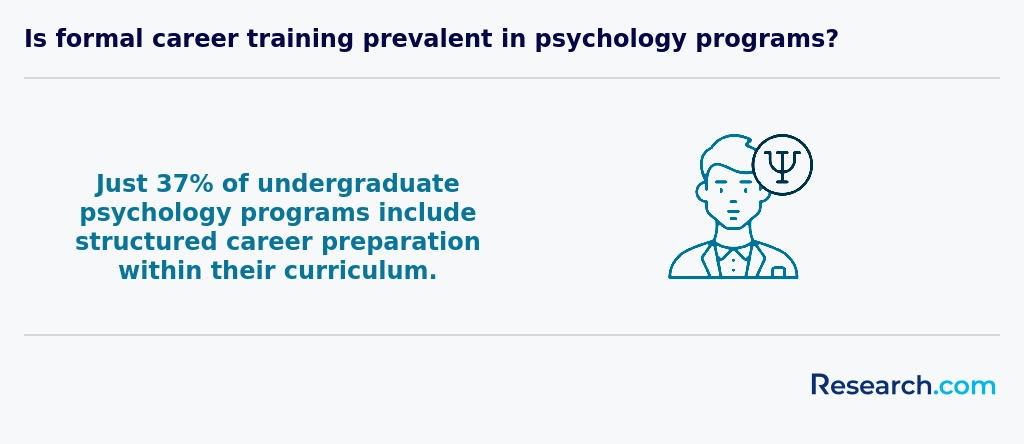
Graduates holding an online psychology degree in the West often navigate career paths that defy simple categorization. Take, for example, those from popular Western universities who pivot into licensed counseling or therapy roles. Though requiring advanced degrees and licensure, their rewarding work impacts mental health across urban centers like Los Angeles and Seattle. Others channel their degree into social work or case management, addressing complex community needs with a compassion shaped by firsthand academic and field experiences.
The diversity of psychology job opportunities in Western states extends to business spheres. Many graduates thrive in human resources, marketing, or user experience design, applying behavioral insights to improve workplace culture or consumer engagement. Alumni at schools such as the University of Washington or University of California campuses often share how their education fuels these dynamic careers, making psychology not just theory but action.
For those driven by research, roles as assistants or technicians provide hands-on opportunities to contribute to behavioral science. These paths often become launching points for graduate study, with some considering the shortest masters programs to accelerate their career trajectory.
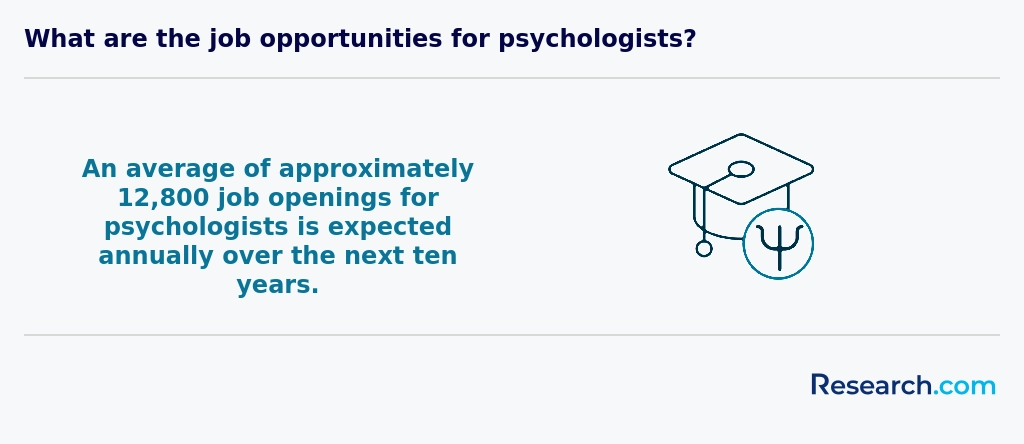
The job outlook for online psychology degrees in the West reflects a nuanced reality-graduates from universities like the University of Washington or California State's online programs often find entry points into roles such as case managers or mental health aides. These positions provide meaningful work but also reveal the competitive nature of the market. A graduate who recently completed an online bachelor's degree in psychology at a popular public institution shared how starting as a human resources specialist led to opportunities in employee wellness programs, highlighting a pathway within the evolving regional job scene.
Employment opportunities for psychology graduates in Western states tend to cluster around supportive roles, yet many find these positions fulfilling as they contribute directly to community health. Schools like Portland State University offer online tracks that help students prepare for these niches, encouraging learners to combine their degrees with practical experience. Some explore accelerated paths, benefiting from accelerated bachelor's programs to enter the workforce sooner while keeping long-term goals in mind.
2027 Easiest Online Bachelor's in Psychology Degree Programs Ranking in the West
Investing in your education is a significant decision that can shape your future, and the Research.com team understands the importance of making informed choices. To assist prospective students in the Western United States, we have carefully developed the "2027 Easiest Online Bachelor's in Psychology Degree Programs Ranking in the West." Our dedication to quality, credibility, and accuracy is demonstrated by the thorough research and evaluation processes behind this ranking.
We utilized the following reputable data sources to ensure a comprehensive assessment of online psychology programs:
By consulting this ranking, readers will obtain valuable insights into accessible and high-quality online psychology degree options in the West, empowering them to make informed educational decisions. For more information on how this ranking was created, please visit our Research.com methodology page.





# 9 position
Aspen University
Bachelor of Psychology and Addiction Studies


# 11 position
Colorado Christian University
Bachelor of Applied Psychology


# 16 position
University of Hawaii-West Oahu
Bachelor of Social Sciences with a concentration in Psychology

# 17 position
University of Massachusetts Global
Bachelor of Psychology


# 19 position
Colorado Technical University-Colorado Springs
Bachelor of Psychology - Organizational Behavior


Frequently Asked Questions About psychology
Online psychology degree students in the West can maximize their learning by actively engaging with course materials and participating in virtual discussions. Research from the American Psychological Association highlights that interaction improves retention and critical thinking. Time management is crucial; setting a consistent study schedule helps students stay on track with assignments and exam preparation. Utilizing campus resources, such as online tutoring and library databases, can deepen understanding of complex topics. Additionally, seeking internships or volunteer opportunities in local clinics or research centers enhances practical skills. Finally, connecting with peers through study groups offers valuable support and motivation throughout the program.
The field of psychology is expanding rapidly with several emerging niches gaining attention in the Western United States. One growing area is health psychology, which focuses on how psychological factors affect physical health and illness. According to the American Psychological Association (APA), demand for health psychologists is expected to grow by 14% between 2020 and 2030.
Another promising niche is neuropsychology, where professionals study brain-behavior relationships, often contributing to rehabilitation after injuries. Additionally, forensic psychology is seeing increased interest as mental health evaluations become critical in legal settings. Online programs increasingly offer specialized courses in these areas, catering to student interest and workforce needs in the West.
After earning an online psychology degree in the Western US, preparing for the job market involves several key steps. First, securing relevant internships or practicum experiences is essential; many programs require these to build practical skills. According to the Bureau of Labor Statistics, employment of psychologists is expected to grow 8% from 2021 to 2031, indicating steady demand.
Graduates should also consider obtaining licensure depending on their career path, as clinical psychologist roles require state licensure. Networking through professional associations like the American Psychological Association in the West can provide valuable connections and job leads.
Continuing education and graduate studies often enhance competitiveness, especially for specialized positions.
Employers in the Western US seek several key skills when hiring psychology degree graduates. Critical thinking and strong analytical abilities top the list, as these enable graduates to assess complex behavioral data effectively. Communication skills, both written and oral, are essential for explaining findings clearly to clients and colleagues.
Research skills, including proficiency in data collection and statistical analysis, are highly valued. According to the American Psychological Association, over 70% of psychology-related jobs require competency in research methods.
Additionally, employers emphasize ethical judgment and cultural competence, reflecting the region's diverse populations. These skills ensure psychology graduates can provide respectful and inclusive care or analysis in various settings.
Finding psychology internships in the Western United States often begins with leveraging university and college career centers. Many online psychology programs in the West partner with local clinics, hospitals, and counseling centers to offer placement opportunities. Students should also explore the American Psychological Association (APA) internship database, which lists accredited psychology internships nationwide, including those in Western states.
Networking is crucial. Joining state psychology associations such as the California Psychological Association can provide access to internship listings and professional connections. Additionally, LinkedIn and Handshake platforms often feature regional internship openings.
Most psychology internships in the West are competitive; according to APA data, about 60% of applicants secure placement annually. Early application and strong academic performance increase chances significantly.
Obtaining an online psychology degree significantly enhances career mobility and advancement opportunities in the Western United States. According to the U.S. Bureau of Labor Statistics, employment in psychology-related fields in the West is projected to grow by 8% from 2022 to 2032, slightly above the national average. This growth is fueled by increasing demand for mental health services.
Online degrees offer flexibility for working professionals seeking promotions or career changes, allowing them to balance education with current job responsibilities. Additionally, many employers in the region recognize accredited online psychology degrees, which can qualify graduates for roles in counseling, social services, or human resources.
Research from the American Psychological Association highlights that psychology graduates holding bachelor's degrees in Western states report improved salary prospects and job satisfaction when leveraging their credentials.
Studying for an online psychology degree in the Western US equips students with skills that extend beyond traditional psychology roles. Programs often emphasize interdisciplinary learning, integrating knowledge from biology, sociology, and neuroscience. According to the American Psychological Association, nearly 60% of psychology graduates in the US pursue careers that blend psychology with healthcare, education, or social services.
Western institutions incorporate practical training and collaborative projects, preparing students to work in diverse settings. The region's focus on innovation encourages students to apply psychological principles in technology, business, and community health sectors. This broad approach makes graduates versatile for interdisciplinary roles.
In the Western US, choosing between a thesis and a non-thesis psychology degree depends on your career goals and learning preferences. A thesis program typically involves conducting original research, which prepares students for graduate studies or research-oriented roles. According to the American Psychological Association, thesis options can enhance critical thinking and research skills, valued in academia and clinical settings.
Non-thesis programs focus more on coursework and practical skills, ideal for students seeking entry-level psychology jobs or certifications, such as behavior analysis. They usually require fewer credits, allowing faster degree completion.
Consider whether you want to immerse yourself in research or prioritize flexible, practice-based learning.
Students based in the Western United States interested in studying psychology abroad often explore online degree programs offered by universities within the US and in Western countries. Online programs accredited by recognized bodies such as the American Psychological Association (APA) ensure quality and eligibility for licensure. According to the National Center for Education Statistics, psychology is among the most popular online degree choices in the West, with over 10,000 students enrolled annually.
Many universities in Canada and Europe provide online options that meet US standards, enabling easier credit transfer and recognition. Additionally, Western students benefit from flexible scheduling designed for working professionals. Research from the APA highlights that online psychology programs increasingly incorporate practical training through virtual internships, which is crucial for licensure preparation.
Part-time job opportunities that complement online psychology degrees in the Western US include roles such as behavioral health technicians, research assistants, and mental health aides. According to the U.S. Bureau of Labor Statistics, behavioral health technicians in states like California and Washington earn an average hourly wage of $16 to $20, offering practical experience in clinical settings.
Research assistant positions at universities help students engage with experimental methods and data analysis, which are key in psychology education. These roles often pay between $15 and $18 per hour.
Additionally, roles in community outreach or social services allow students to develop essential interpersonal skills relevant to psychology careers and licensure requirements in states such as Oregon and Colorado.
Online psychology students in the West benefit from various networking opportunities despite the virtual format. Many programs partner with local professional organizations such as the California Psychological Association or the Washington State Psychological Association, providing access to regional events and conferences. According to the American Psychological Association, about 70% of online psychology students engage in virtual networking forums or peer study groups facilitated by their institutions.
Students can also participate in internships or supervised field experiences arranged through their schools within their states, allowing in-person networking with professionals. Additionally, statewide psychology societies often offer discounted memberships to students, enabling connections with licensed practitioners in their area. These options help bridge the gap between online learning and professional community involvement in the Western US.
Alumni networks offer significant advantages for online psychology degree students in the Western United States. These networks provide access to a broad community of graduates working in diverse psychology fields, enhancing professional connections and mentorship opportunities. According to the National Association of Colleges and Employers (NACE), 85% of job openings are filled through networking, highlighting its importance.
Through alumni events and online platforms, students can find internships, research collaborations, or job referrals tailored to psychology roles in the West. Many programs employ exclusive alumni job boards, increasing student visibility with potential employers in regional clinics, schools, and counseling centers.
Such connections also support continuing education, as fellow graduates often share insights about certifications or licensure requirements unique to states like California, Washington, or Oregon. By tapping into alumni expertise, online psychology students strengthen their career paths while benefiting from localized professional guidance and community support.
Many online psychology degree programs in the Western US allow students to tailor their studies by choosing concentrations such as clinical psychology, counseling, or industrial-organizational psychology. This flexibility helps align coursework with specific career goals. For example, a student interested in therapy might focus on courses in mental health and counseling techniques, while one aiming for business roles may select classes in organizational behavior.
Advising services at accredited schools, including those recognized by the American Psychological Association, support personalized degree planning. According to a 2023 report from the Western Interstate Commission for Higher Education, over 60% of psychology programs in the West offer elective tracks to match diverse career paths.
Additionally, some programs incorporate internships or practicums that reflect local workforce demands, improving practical experience and employability for graduates in Western states.
Online psychology students in the West often face several challenges related to the structure and demands of remote learning. A key difficulty is managing motivation and time effectively, as online programs require high self-discipline without the physical presence of instructors or peers. According to the National Center for Education Statistics, approximately 30% of online students report feeling isolated, which can impact engagement and retention.
Technical issues also pose barriers, especially for students in rural parts of Western states where internet access may be unreliable. Clinical practica, essential for psychology degrees, can be harder to arrange remotely, making hands-on experience more challenging to obtain.
Finally, students must navigate accreditation and transfer credit issues carefully to ensure their degree is recognized for licensure and employment in Western states.
With an online psychology degree in the Western US, graduates can pursue several respected professional certifications. Common certifications include the Certified Alcohol and Drug Counselor (CADC) and the Registered Behavior Technician (RBT), which are often accessible with a bachelor's degree and relevant experience. Graduates aiming for clinical roles typically pursue a Licensed Professional Counselor (LPC) or Licensed Clinical Social Worker (LCSW) license, requiring further graduate study and supervised hours. The American Psychological Association reports that LPC licensure demands about 3,000 supervised hours post-degree. These certifications help enhance job prospects and validate specialized skills in the competitive psychology field.
Writing a winning application for an online psychology program in the West requires clear focus and preparation. Start by highlighting your academic background, especially any coursework in psychology, biology, or statistics, since these are foundational to the discipline. Admissions committees value a minimum GPA of 3.0, with competitive programs often expecting higher.
Demonstrate your motivation with a well-crafted personal statement. Explain why you want to study psychology, your career goals, and how the online format fits your lifestyle. According to the APA, clear communication of your commitment can boost admission chances.
Include relevant experience, such as volunteering or working in mental health settings. Providing documentation like letters of recommendation that reflect your passion and readiness is also beneficial.
The field of psychology is growing worldwide, but the Western perspective, especially in the US, significantly influences global trends. According to the Bureau of Labor Statistics, employment for psychologists in the US is projected to grow 8% from 2021 to 2031, faster than average for all occupations. This growth reflects increasing mental health awareness and demand for services.
Online psychology degrees offer flexible pathways to join this expanding field. Western countries often lead in research and innovations in psychological science, shaping global standards. Graduates with US-based degrees are generally well-regarded internationally due to accredited programs and rigorous training.
Global opportunities exist but often require additional licensure or certification depending on the country. The US system's emphasis on evidence-based practice and ethics provides a strong foundation for international work.
Gaining practical experience while studying for an online psychology degree in the West is essential for career readiness. Many accredited programs incorporate practicum or internship components that students can complete locally. According to the American Psychological Association (APA), about 75% of online psychology programs offer supervised fieldwork opportunities tied to regional agencies or clinics.
Students can also seek volunteer roles or part-time positions in community mental health centers, hospitals, or counseling services. These experiences allow application of theoretical knowledge in real-world settings.
Additionally, virtual lab simulations and research assistantships are increasingly used to enhance hands-on learning remotely.
Choosing the right concentration within an online psychology degree program in the West begins with understanding your career goals. Popular concentrations include clinical, counseling, developmental, and industrial-organizational psychology, each leading to different job roles.
Consider labor market data from the U.S. Bureau of Labor Statistics, which shows that clinical and counseling psychologists are expected to see a 10% job growth from 2022 to 2032, faster than average. Industrial-organizational psychology is also growing steadily, especially in urban Western markets like California and Washington.
Next, evaluate how each concentration fits with your interests and skills. For example, clinical psychology demands strong interpersonal skills and interest in mental health treatment.
Finally, review courses offered by the program to ensure they match your desired concentration, as curricula can vary significantly among Western schools.
See What Experts Have To Say About Studying Psychology
Read our interview with Psychology experts

Catherine Caldwell-Harris, Ph.D.
Psychology Expert
Associate Professor of Psychology
Boston University

Robin M. Kowalski. Ph.D.
Psychology Expert
Professor of Psychology
Clemson University

Elizabeth L. Jeglic Ph.D.
Psychology Expert
Professor of Psychology
City University of New York

- online-ms-psychology-degree-job-roles-and-career- ... https://wsu.university/media/blog/online-ms-psychology-degree-job-roles-and-career-opportunities/67d913c853aef998b2cec2ff
- Online Psychology Degrees https://www.phoenix.edu/online-psychology-degrees.html
- BA in Psychology | Online | $2500-$7500 Per Year https://www.eastern.edu/academics/online-undergraduate-programs/ba-psychology-online
- Financial Aid for Psychology Students https://www.onlinepsychologydegrees.com/financial-aid/
- Online Psychology Degree Salary by Career Path https://www.collegetransitions.com/blog/online-psychology-degree-salary-by-career-path/
- Bachelor's Degree in Psychology https://www.cwu.edu.tr/bachelors-degree-in-psychology/
- Benefits of Studying Psychology Abroad https://www.semesteratsea.org/psychology-study-abroad/
- Best Online Psychology Degrees 2026 https://www.onlineu.com/degrees/psychology
- Scholarships For Psychology Majors (2026) https://www.psychology.org/scholarships/
- What jobs can you get with a psychology degree bachelor https://www.bridgeport.edu/news/high-paying-jobs-with-a-bachelors-in-psychology-degree/