
2027 Most Valuable Psychology Degree Programs Ranking in Detroit

Co-Founder and Chief Data Scientist
Choosing the right psychology degree program in Detroit can feel overwhelming, but this article is here to help. The 2027 Most Valuable Psychology Degree Programs Ranking in Detroit was developed by the Research.com team of data scientists to guide you toward informed decisions.
By exploring this ranking, you'll discover programs that offer great value, preparing you for a fulfilling career in psychology. Pursuing a degree in this field can open doors to meaningful work and personal growth, making it a rewarding choice for your future.
Key benefits of getting psychology degree in Detroit
- Psychology degree graduates in Detroit can pursue roles like Marketing Research Analyst with a mean annual wage of $83,190 or Human Resources Specialist earning about $76,060 yearly, offering rewarding financial opportunities.
- A psychology graduate from a well-known Detroit university often explores diverse careers, from clinical research to survey research, enabling flexibility and growth in various exciting fields.
- Online psychology degrees provide great flexibility, allowing students from Detroit to balance work and study while gaining the same valuable knowledge and credentials as traditional programs.
- 2027 Most Valuable Psychology Degree Programs Ranking in Detroit
- What can I expect from psychology degree in Detroit?
- Where can I work with psychology degree in Detroit?
What can I expect from psychology degree in Detroit?
The average cost of pursuing a psychology degree in Detroit varies, but practical budgeting starts by focusing on public universities like Wayne State University, where in-state tuition is more affordable compared to private institutions. Many psychology students find that tuition for bachelor's programs typically ranges from $10,000 to $15,000 per year at public schools, while graduate studies might cost more depending on the program length and specialization.
Graduates often share that applying for assistantships or scholarships available through their psychology departments significantly eased their financial burden. For example, students at Detroit-area schools frequently secure research assistant roles that not only reduce tuition costs but also provide valuable, hands-on experience in clinical or community mental health settings.
In real-life terms, budgeting for additional expenses like textbooks, commuting, or materials is essential. Some psychology students recount how taking advantage of campus resources and local internships helped them stay financially afloat while gaining practical skills tailored to Detroit's urban environment and diverse population.
Where can I work with psychology degree in Detroit?
Graduates with a psychology degree in Detroit often find rewarding roles in healthcare institutions like Detroit Medical Center or Henry Ford Health System, where they serve as clinical psychologists or mental health counselors. Many recall how internships at Wayne State University opened doors to these opportunities, providing real-world experience that employers value.
Others pursue careers in education, joining Detroit Public Schools Community District as school psychologists. Their work directly supports students' mental health and academic success, offering daily fulfillment and community impact. Corporate settings in Detroit's auto and tech industries also provide paths in human resources and organizational psychology, ideal for those interested in enhancing workplace culture.
Additionally, the justice system welcomes psychology graduates as forensic psychologists or correctional counselors, collaborating with local agencies to aid rehabilitation. Non-profits focused on mental health frequently value Detroit-trained graduates for their relevant practical skills and understanding of local needs, reflecting the city's blend of academic training and community connection.
Graduates holding a psychology degree from Detroit-based schools, such as Wayne State University, can expect varied earnings depending on their career path. For instance, human resources specialists-a common role for psychology graduates-earn a mean annual wage of about $76,060 in Detroit. This reflects a solid income for entry to mid-level positions in local companies.
Marketing research analyst roles, another popular choice, offer even higher salaries with a mean annual wage near $83,190. Graduates stepping into these positions benefit from combining psychology knowledge with data interpretation skills, often enjoyed by those from universities with strong research programs.
Clinical research associate positions, which align well with psychology graduates leaning toward healthcare or medical research, provide an average wage of approximately $62,370 per year. This role is ideal for graduates seeking hands-on involvement in study design and patient impact.
For those who enjoy community and youth work, becoming a childcare worker results in a mean wage of $32,070 annually. While this pays less initially, many Detroit graduates appreciate the meaningful engagement and local impact this career offers.
Survey researchers earn about $62,370 a year and are essential in market and social studies within Michigan's growing research sector. Graduates from Detroit colleges often find these roles satisfying, balancing analytical work with social understanding.
Planning your career path around these figures can help you make informed decisions while studying psychology in Detroit. Real-life examples from local graduates show that with focused skills and relevant internships, these salary ranges are not only realistic but attainable.
- Psychology degrees in Detroit range from associate to doctoral levels, with many accredited undergraduate programs available.
- In-state tuition at public universities averages around $12,000 per year, while private schools charge between $18,000 and $25,000 annually.
- Entry-level salaries for psychology graduates typically range from $40,000 to $48,000 per year, increasing with experience and advanced degrees.
- Mid-career psychologists in Detroit earn between $65,000 and $80,000 annually, with higher pay for doctoral-level practitioners.
- Licensure requires a doctoral degree and supervised experience for psychologists, while counselors and social workers have different credential paths.
Completing a psychology degree in Detroit generally follows a clear timeline depending on the level of study. Most undergraduates at places like Wayne State University can expect to finish their bachelor's degree in about four years by attending full-time and following a structured plan. Graduates often share how staying on track with coursework and research deadlines made this timeline realistic and rewarding.
If you pursue a master's degree at institutions such as the University of Detroit Mercy, plan for an additional two years beyond your bachelor's. These programs combine classes and practicums, so pacing yourself and balancing responsibilities becomes key-many graduates found that managing part-time work helped them gain experience while keeping on schedule.
For doctoral degrees (Psy.D. or Ph.D.), expect four to seven years due to the depth of research and clinical training involved. Doctoral candidates commonly highlight that consistent progress on dissertations and internships at local clinics played a huge part in finishing within this range. Overall, disciplined planning around Detroit's universities sets you up for timely success in psychology.
To make an informed decision about pursuing a psychology degree in Detroit, MI, it's essential to consider the value that a reputable psychology school in Michigan can offer. By attending a highly regarded institution, students can benefit from a rigorous academic curriculum, cutting-edge research opportunities, and a strong network of alumni and professionals in the field. For instance, students interested in exploring the best options for their education can visit valuable psychology school in Michigan to discover programs that align with their academic and career goals. This not only enhances their educational experience but also opens doors to a variety of career paths, from clinical psychology to industrial-organizational psychology, allowing graduates to make a meaningful impact in their communities.
When choosing between online and on-campus psychology degrees in Detroit, consider how each format fits your lifestyle. On-campus programs at places like Wayne State University give you face-to-face access to professors and hands-on experiences like internships and lab work. Graduates often highlight the value of in-person study groups and real-time feedback, which build confidence and networking connections.
Online programs offer flexibility, ideal if you juggle work or family. Detroit colleges provide accredited online psychology courses that let you learn at your own pace. Students appreciate being able to study evenings or weekends, though some miss the immediate interaction found on campus. It's worth noting some online programs match in-person tuition costs, but you save on commuting and housing.
Both require proper accreditation, especially if you aim for licensure. From a practical standpoint, weigh how much you value live interaction versus flexibility, then choose the path that lets you thrive while balancing your commitments in Detroit's vibrant academic community.
Accreditation is a key marker of quality and eligibility for licensure in psychology. Regional accreditation from bodies like the Higher Learning Commission ensures institutions meet high academic standards, while programmatic accreditation validates specialized training.
- Regional accreditation (e.g., HLC) for institutional quality
- American Psychological Association (APA) accreditation for doctoral programs
- Council for Accreditation of Counseling and Related Educational Programs (CACREP) for counseling tracks
Once you graduate from an accredited program, Michigan licensure generally requires:
- Completing 1,500–6,000 hours of supervised clinical experience
- Passing the Examination for Professional Practice in Psychology (EPPP)
- Submitting an application and fees to the Michigan Board of Psychology
For flexible, cost-effective options that meet these standards, explore our most affordable accredited online psychology degrees.
The average cost of a psychology degree in Detroit varies significantly depending on whether you attend a public or private institution, but overall median expenses provide a useful benchmark for planning. For in-state students, the median total cost to earn a psychology degree is about $24,068, making public universities like Wayne State a practical choice for many local students focused on minimizing debt.
Graduates often recall balancing coursework with part-time jobs or assistantships to manage these tuition and fees. These hands-on approaches help offset the typical additional expenses-usually around $1,200 to $1,500 yearly for textbooks and materials-commonly factored into the average cost of psychology degree in Detroit. Out-of-state students should prepare for a significantly higher median total cost, which can rise to $47,309, sometimes doubling the financial commitment of local residents.
Psychology degree tuition and fees Detroit students encounter reflect this split between public and private education costs. Private schools in the area, such as Madonna University, generally have higher tuition, with undergraduate fees around $20,000 to $25,000 per year. Knowing these figures early helps students tailor their financial aid applications and scholarship searches effectively, increasing confidence through informed budgeting.
Many Detroit-area schools offer helpful resources, including scholarships and grants, to make psychology degrees accessible. Students interested in comparing costs and benefits can explore details at the valuable psychology school in Michigan to discover programs combining value and quality education tailored to Detroit's unique academic environment.

Graduates seeking to practice as licensed psychologists in Michigan must navigate a series of state-mandated steps to ensure compliance and professional credibility. First, aspiring clinicians must complete a minimum of 2,000 hours of supervised work under a qualified psychologist, typically spread over one to two years. This supervised experience is crucial for hands-on training in clinical assessment, diagnosis, and intervention. Next, candidates must pass the Examination for Professional Practice in Psychology (EPPP), administered by the Association of State and Provincial Psychology Boards. Michigan also requires the Michigan Jurisprudence Examination, which tests knowledge of state laws and ethical standards. Successful completion of both exams qualifies graduates to apply for licensure through the Michigan Board of Psychology. For those aiming to accelerate their path to independent practice, advanced doctoral training can offer both additional supervised hours and specialized coursework. Prospective students may consider flexible options like online psyd psychology programs that combine rigorous academic curricula with virtual practicum placements, allowing them to accumulate supervised experience while balancing personal and professional commitments. Once licensed, psychologists must fulfill 30 continuing education hours every two years, including ethics and cultural competency modules, to maintain active status. By understanding and adhering to these requirements, Detroit’s psychology graduates can confidently transition from degree holders to licensed practitioners, ready to serve diverse communities across Michigan.
Students pursuing psychology degrees in Detroit can access multiple financial aid options to reduce the cost of their education. Public universities in Detroit typically charge between $10,000 and $18,000 annually, so applying for federal aid through FAFSA is essential. Many graduates recall how Pell Grants-offering up to $7,395 yearly-helped them focus more on studying and less on finances.
State programs like the Michigan Competitive Scholarship and the Tuition Incentive Program provide additional assistance to eligible residents. Psychology students attending well-known Detroit institutions such as Wayne State University often receive merit-based scholarships and departmental awards, which past students found crucial to managing tuition without excessive loans.
Beyond institutional aid, external scholarships from groups like the American Psychological Association offer relief nationally, including to Detroit students. Many psychology graduates recommend exploring paid research assistantships or work-study roles within their departments for experience and income. Federal student loans remain an option with reasonable interest rates, but careful borrowing is key to avoiding burden after graduation.
For many students and professionals eager to reach the pinnacle of academic and clinical expertise, pursuing a doctoral degree represents a natural and rewarding progression. Doctoral programs offer advanced research opportunities, specialized clinical training, and the chance to contribute original insights to the field of psychology. With the increasing emphasis on accessible, high-quality education, many institutions now provide flexible, online pathways for earning a PhD. These programs are designed to accommodate working professionals, enabling them to balance career demands with their study requirements. If you’re interested in further elevating your career, consider exploring accredited online clinical psychology phd programs that blend rigorous coursework with practical research experience, positioning you for leadership roles and innovative contributions in the field.
To enroll in a psychology degree program in Detroit, you first need a high school diploma or its equivalent. Graduates who successfully entered programs like those at Wayne State University shared how maintaining at least a 3.0 GPA was crucial. Many found that meeting this benchmark helped them confidently apply, knowing their academic record matched typical expectations.
Students recalled that submitting official transcripts was a straightforward but essential step. While some Detroit schools have made SAT or ACT scores optional, many still consider these results when deciding admissions. For example, freshmen admitted to Wayne State reported SAT scores between 1000 and 1200, showing that solid test results can strengthen your application.
Preparing with high school courses in biology, statistics, and social sciences helped many Detroit students grasp psychology basics early. Those applying for graduate studies emphasized the importance of holding a bachelor's degree with a good GPA, letters of recommendation, and relevant experience. These clear prerequisites helped them approach the application process without surprises.
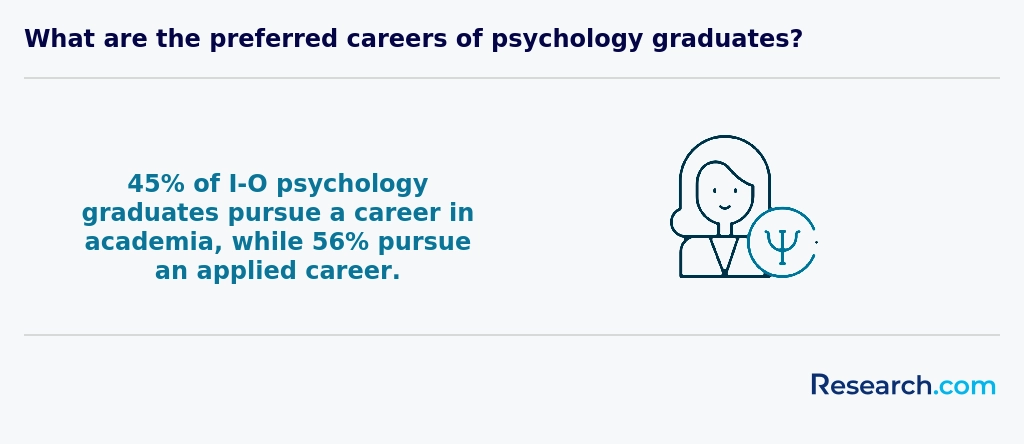
Psychology programs in Detroit, MI, place a strong emphasis on hands-on training through clinical practicums and internships, ensuring graduates are workforce-ready. Students typically complete placements in community mental health centers, hospitals, schools, and corporate settings, where they apply theoretical knowledge to real-world cases under licensed supervision. For instance, Wayne State University partners with Detroit-area clinics to offer year-long practicums in trauma counseling, while the University of Detroit Mercy connects students with counseling internships at public schools, addressing childhood behavioral issues. Key benefits of these practical experiences include:
- Skill Development: Refining assessment, diagnostic, and intervention techniques in supervised environments.
- Professional Networking: Building relationships with licensed psychologists, social workers, and HR professionals who often become future employers or mentors.
- Licensure Preparation: Meeting supervised hours requirements for Michigan’s professional licensing board, crucial for Clinical Social Worker (CSW) or Licensed Professional Counselor (LPC) credentials.
- Research Integration: Many internships offer opportunities to assist with ongoing studies on topics such as substance abuse recovery and neuropsychological assessment, strengthening both analytical and ethical competencies. To maximize placement opportunities, students should begin securing internships by sophomore year, leveraging university career centers and attending annual Detroit Psychologists Association job fairs. Additionally, exploring cost-effective programs in neighboring states can broaden practical training options; for a curated list of affordable out-of-state programs, check out our Low Cost Psychology Degree Programs Ranking in South Dakota. By intentionally selecting practicum sites aligned with career goals-whether in forensic assessment, school psychology, or organizational development-students enhance their resumes and ensure a seamless transition into licensed practice.
If you're pursuing a psychology degree in Detroit, expect to start with foundational courses that cover essential concepts like Introduction to Psychology, where you'll explore human behavior basics. Graduates from Wayne State University recall how Research Methods in Psychology helped them confidently design experiments and analyze real data - skills crucial for both academic projects and future careers.
Core classes also include Biopsychology, which links brain functions directly to behavior, making abstract ideas tangible through lab work or interactive simulations. Cognitive Psychology dives into memory and problem-solving - graduates often mention how these lessons sharpened their critical thinking in everyday situations.
Courses like Developmental Psychology and Social Psychology bring theories to life by examining people's growth and social influence within Detroit's diverse communities. Programs emphasize applied learning; for instance, Wayne State offers practicum experiences where students engage with local clinics, bridging classroom knowledge with community impact.
Abnormal Psychology and Psychological Assessment equip students with tools to understand mental disorders and evaluate psychological health, laying a strong foundation for clinical or counseling roles.
Psychology degree specializations Detroit students encounter often focus on practical, career-ready fields tailored to the city's environment. Graduates from popular institutions like Wayne State University and University of Detroit Mercy frequently highlight specializations such as Clinical Psychology, where hands-on practicum in local hospitals builds strong diagnostic skills. Counseling Psychology offers immersive internships within Detroit's social service agencies, allowing students to help individuals and groups navigate real-life challenges.
Industrial-Organizational Psychology is especially valued here, thanks to Detroit's automotive and manufacturing industries, helping students formulate strategies to boost workplace morale and productivity. Developmental Psychology students benefit from collaborations with children's hospitals and eldercare centers, gaining direct research and observation opportunities. Many who choose Forensic Psychology find rewarding proximity to law enforcement and legal institutions for applied experience. Health Psychology also thrives due to partnerships with health systems, blending mental health with physical recovery in a clinical setting.
For those considering advanced degrees, exploring accredited online clinical psychology phd programs offers flexible options that align with Detroit's needs. Tackling these types of psychology programs in Detroit equips students to address urban mental health dynamics effectively.
Start by confirming the accreditation of the Detroit institutions you're considering, like those regionally accredited by the Higher Learning Commission, since graduates often mention how this recognition helped their degrees hold weight with local employers. Next, think about what type of psychology degree fits your goals-bachelor's, master's, or doctoral-with popular Detroit colleges offering diverse specializations like clinical or industrial-organizational psychology. Many students find that identifying their focus early reduces confusion and streamlines their path.
Affordability is key for many, so look into affordable psychology schools Detroit offers. Graduates often share how budgeting for tuition, fees, and living expenses was easier when they researched local costs thoroughly. Flexibility also matters; schools with part-time or evening classes help working students balance life and study effectively.
Don't overlook research chances and internships in Detroit healthcare or community settings, which provide the practical experience graduates treasure. For exploring advanced options, check out online psyd psychology programs as recommended by several peers.

Graduates from Detroit universities like Wayne State often find psychology career opportunities in Detroit spanning healthcare, education, and criminal justice sectors. Many step directly into clinical roles such as licensed counselors or therapists within large health systems like Henry Ford Health System, where practical experience from internships can fast-track licensure. Others move into organizational psychology, helping Detroit businesses improve employee wellbeing, starting in human resources or training roles that welcome bachelor's degree holders.
Research and academia also offer viable paths-graduates often assist in psychology projects or teach at local colleges, gaining valuable skills that can lead to full-time university positions. Importantly, forensic psychology is another growing option, with roles supporting law enforcement agencies as consultants or victim advocates requiring advanced certification. These diverse roles illustrate the scope of jobs with psychology degree in Detroit, grounded in local demand and educational pathways.
To manage education costs while maximizing opportunity, students can consult resources like the Low Cost Psychology Degree Programs Ranking in South Dakota to find affordable degree options and practical career routes.
The psychology degree job outlook Detroit offers is shaped by steady demand in healthcare and social services. Graduates from local universities often find opportunities as mental health counselors, school psychologists, or substance abuse counselors within Detroit's healthcare systems and community organizations. Many graduates share that hands-on experience gained through internships or supervised clinical hours during their studies at popular institutions is crucial when competing for these roles.
Detroit psychology career opportunities improve significantly with advanced degrees and proper licensure, required for many clinical and counseling positions. Median salaries around $78,000 reflect a competitive market, especially given Michigan's projected 6% employment growth for psychology professionals. Graduates pursuing master's or doctorate programs in Detroit report positive outcomes, often landing jobs in social and community service management or behavioral therapy.
Cost-conscious students should explore public universities' tuition rates near $12,000 to $16,000 per year or consider funding options. Those seeking faster entry routes may review accelerated associate degrees as viable pathways to gain credentials efficiently for entry-level roles.
2027 Most Valuable Psychology Degree Programs Ranking in Detroit
Investing in your education is a significant decision that can shape your future, and the Research.com team understands the importance of making informed choices. To assist prospective students in Detroit, we have meticulously crafted the "2027 Most Valuable Psychology Degree Programs Ranking in Detroit." Our commitment to quality, credibility, and accuracy is reflected in the extensive research and analysis conducted to compile this ranking.
We utilized the following reputable data sources to ensure a comprehensive evaluation of psychology programs:
By exploring this ranking, readers will gain valuable insights into the most valuable psychology degree programs available in Detroit, helping them make informed decisions about their educational paths. For more details on our methodology, please visit our Research.com methodology page.


Frequently Asked Questions About psychology
Psychology degree students in Detroit can maximize their learning by engaging with local university resources and community opportunities. Institutions like Wayne State University offer access to research labs and counseling centers, where students gain practical experience. According to the American Psychological Association, hands-on involvement improves retention and skill development. Networking with Detroit-based mental health professionals through internships enhances career readiness in a city with rising demand for psychological services.
Additionally, students should explore Detroit's rich cultural diversity to better understand varied psychological perspectives and client needs. Utilizing online databases and attending regional conferences can supplement classroom learning with current industry trends and research findings.
The field of psychology is rapidly evolving, with several emerging niches gaining attention among both scholars and practitioners. One notable area is neuropsychology, which focuses on understanding brain-behavior relationships and is particularly relevant given increasing interest in neurological disorders. In Detroit, institutions often emphasize this specialty due to the region's healthcare needs.
Another growing niche is health psychology, addressing how psychological factors influence physical health. This area is expanding as awareness of mental health's impact on chronic diseases rises nationally.
Additionally, industrial-organizational psychology is becoming valuable, especially in Detroit's recovering economy where businesses seek expert guidance on workplace well-being and productivity.
Finally, forensic psychology sees rising demand for expertise in legal contexts, a trend noted by local law enforcement agencies collaborating with nearby universities.
After earning a psychology degree in Detroit, preparing for the job market involves targeted steps. Start by gaining hands-on experience through internships or volunteer roles with local organizations like the Detroit Wayne Mental Health Authority. Practical experience enhances your resume and professional network.
Consider specialized certifications or graduate studies to increase your competitiveness, as advanced degrees often lead to higher-paying roles. According to the Bureau of Labor Statistics, Detroit's healthcare and social assistance sectors are expected to grow by over 10% through 2030, creating opportunities for psychology graduates.
Networking through Detroit area psychology associations can also connect you to job openings and mentorship. Tailor your resume to highlight relevant skills, such as counseling or research, and prepare for interviews by understanding local community needs and employer expectations.
Employers in Detroit seeking psychology degree graduates prioritize strong communication skills. Effective verbal and written communication is essential for working with diverse populations and interdisciplinary teams. According to the Bureau of Labor Statistics, psychology roles often require explaining complex concepts clearly.
Critical thinking is another key skill. Graduates must analyze data, assess behaviors, and develop evidence-based interventions specific to Detroit's urban context. A survey by the Michigan Department of Labor highlights that 70% of local employers value problem-solving capabilities highly.
Additionally, cultural competence is vital due to Detroit's diverse demographics. Employers look for graduates who understand and respect cultural differences, improving client outcomes and workplace collaboration.
Finding psychology internships in Detroit involves connecting with local universities, healthcare facilities, and mental health organizations. Wayne State University and University of Detroit Mercy offer resources and partnerships that help students secure placements. According to Michigan Works! reports, Detroit has over 40 clinics and counseling centers actively seeking interns yearly.
Students should utilize career services, attend local job fairs, and network with professionals through organizations such as the Michigan Psychological Association. Additionally, applying early and tailoring applications to Detroit's prominent areas like community mental health and school psychology increases chances. Online platforms like Handshake often list Detroit-specific internships for psychology students.
In Detroit, obtaining a psychology degree significantly enhances career mobility and advancement opportunities. According to the U.S. Bureau of Labor Statistics, Detroit's mental health sector is growing faster than the national average, projecting a 14% increase in demand for psychologists and counselors by 2030. Graduates with psychology degrees can access diverse roles in healthcare, social services, and education, where advanced qualifications often lead to leadership positions.
Local employers, including hospitals and community organizations, value practical experience combined with academic credentials. Earning a master's or doctoral degree in psychology can improve salary prospects and open paths to licensed clinical roles, which are essential for career growth in Detroit's competitive job market.
Studying psychology in Detroit offers unique preparation for interdisciplinary roles through its integration with diverse fields such as social work, healthcare, and education. Many universities in the city emphasize collaborative projects and internships that connect psychology with public health, criminal justice, and urban development.
Detroit's psychology programs often include coursework in statistics, neuroscience, and counseling, equipping students with versatile skills. According to the National Center for Education Statistics, over 30% of psychology graduates nationwide pursue careers blending multiple disciplines, reflecting trends relevant to Detroit's workforce.
Local partnerships with hospitals and community organizations further enable practical experience in varied settings, fostering adaptability and cross-sector communication crucial for interdisciplinary careers.
Choosing between a thesis and a non-thesis psychology degree in Detroit depends largely on your career goals and learning preferences. A thesis program emphasizes original research, preparing students for doctoral studies or research roles. According to the American Psychological Association, students pursuing clinical or academic careers often prefer this path.
In contrast, non-thesis programs usually focus on applied skills and coursework, suiting those aiming for professional practice or immediate employment in mental health services. Detroit universities offering psychology degrees often reflect this distinction in curriculum design. For example, Wayne State University's Master's programs provide both options tailored to diverse student needs.
Consider also time commitment-thesis tracks require extensive research, while non-thesis paths typically finish sooner. Reviewing program specifics and consulting academic advisors can aid your decision.
Students in Detroit interested in studying psychology abroad have several pathways to consider through U.S. higher education partnerships and exchange programs. Many Detroit-based universities, such as Wayne State University, participate in study abroad programs allowing psychology students to gain international experience while earning credits transferable to their degrees. According to the Institute of International Education, nearly 10% of U.S. psychology students engage in some form of study abroad during their undergraduate years.
Popular destinations often include European countries with strong psychological research communities, which provide access to unique cultural perspectives and methodologies. Additionally, U.S. universities may offer dual-degree or joint programs in psychology in collaboration with foreign institutions. Financing options, including federal aid and scholarships, frequently support these opportunities. This international exposure can enhance a student's academic profile and career prospects within psychology.
Detroit offers a variety of part-time job opportunities that complement psychology degree education. Many students find roles as behavioral health technicians or rehabilitation aides in local clinics and hospitals, gaining hands-on experience with patients. According to the Bureau of Labor Statistics, Detroit's healthcare sector is growing steadily, supporting these part-time roles.
Other suitable positions include research assistants at Wayne State University, where students can engage in psychological studies and data analysis. Nonprofit organizations in Detroit also hire interns or support staff, allowing students to develop skills in counseling and community outreach.
These roles provide practical experience while enabling students to manage their academic schedules effectively.
Psychology students in Detroit have access to diverse networking opportunities through local universities, professional organizations, and events. Wayne State University, one of the city's largest institutions, hosts psychology-related seminars and career fairs where students can connect with faculty and local professionals. The Detroit Psychological Association offers membership to students, providing access to conferences, workshops, and mentorship programs tailored to emerging psychologists.
Additionally, Detroit's health systems and research centers frequently collaborate with psychology programs, allowing students to gain practical experience and build professional relationships. These connections are crucial in a city where employment growth for psychologists is projected to rise by 12% over the next decade, according to the U.S. Bureau of Labor Statistics.
Alumni networks provide valuable support to psychology degree students in Detroit by offering professional connections and mentorship opportunities. Graduates from Detroit-area universities often participate in these networks, helping current students navigate the local job market.
According to a 2023 Detroit Regional Workforce Report, nearly 60% of psychology students found internships or job placements through alumni referrals. Such connections can be crucial in Detroit's competitive mental health sector.
Additionally, alumni can offer guidance on licensure processes, which vary by state and are essential for clinical psychologists practicing in Michigan. Networking events and workshops facilitated by alumni groups often enhance students' understanding of these requirements.
Customizing your psychology degree program in Detroit involves selecting courses and experiences aligned with your career ambitions. Many local institutions offer specialized tracks such as clinical, counseling, or industrial-organizational psychology. Adding internships or research projects within Detroit's diverse community agencies can provide practical skills and networking opportunities.
According to the National Center for Education Statistics, about 60% of psychology students in Michigan choose elective courses to deepen expertise in areas like forensic or health psychology. Detroit universities often allow flexible credit transfers and online classes to fit working students' schedules. Engaging with faculty research can also tailor your learning toward specific interests, enhancing your marketability in Detroit's competitive job market.
Psychology students in Detroit often face several distinct challenges during their studies. One major difficulty is balancing academic demands with financial pressures. Detroit's average annual tuition for public institutions hovers around $12,000, which can strain students, especially considering the city's 14.6% poverty rate reported by the U.S. Census Bureau in 2022.
Additionally, practical experience is crucial for psychology degrees, but access to local internship and research opportunities can be limited. Many students compete for placements in facilities such as Wayne State University's Psychology department or community mental health centers.
Lastly, students sometimes struggle with the rigorous coursework, particularly in areas like research methods and statistics, which are fundamental yet challenging components of psychology education nationwide.
With a psychology degree in Detroit, graduates can pursue several professional certifications to enhance their career opportunities. One common path is obtaining licensure as a Licensed Professional Counselor (LPC), which requires completing supervised clinical hours and passing a state exam regulated by the Michigan Board of Counseling. Another certification is becoming a Certified Clinical Mental Health Counselor (CCMHC), a national credential that boosts credibility in counseling roles.
For those interested in school settings, certification as a School Psychologist through the Michigan Department of Education is also available. Additionally, certification in substance abuse counseling, such as Certified Alcohol and Drug Counselor (CADC), may be pursued to address local community needs. These certifications often lead to higher salaries and job growth in the Detroit area, where mental health services are in demand.
To write a winning application for a psychology program in Detroit, start by highlighting your academic background in psychology or related fields. Detroit hosts several universities with competitive psychology programs, such as Wayne State University, where admission rates for graduate psychology programs range around 40% (NCES data).
Personal statements should clearly convey your motivation for studying psychology and include relevant experiences, such as internships or research projects. Emphasize understanding of mental health issues common in Detroit communities, showing local awareness.
Strong letters of recommendation from professors or professionals familiar with your skills and goals are essential. Additionally, preparing well for the GRE Psychology Subject Test, if required, can bolster your application.
Finally, ensure all materials are error-free and submitted by deadlines, as timely and polished applications reflect professionalism highly valued by Detroit's institutions.
Global perspectives on a psychology career increasingly emphasize cross-cultural competence and diversity in research and practice. In the United States, including Detroit, the demand for psychologists is growing due to greater awareness of mental health issues. According to the U.S. Bureau of Labor Statistics, employment for psychologists is projected to grow 8% from 2021 to 2031, faster than average for all occupations.
In Detroit, psychology professionals often engage with diverse populations, reflecting the city's multicultural environment. American Psychological Association data highlights a push toward integrating global mental health approaches in curricula to prepare graduates for international work.
Studying psychology locally can provide a foundation to contribute both domestically and abroad, as global mental health needs continue to expand.
Gaining practical experience while studying psychology in Detroit is essential for building skills and enhancing employability. Many universities in Detroit partner with local hospitals, mental health clinics, and community agencies to offer internships and practicums. For example, Wayne State University's psychology programs frequently connect students with Detroit-area organizations for hands-on training.
Students can also pursue volunteer positions at local nonprofits or participate in research projects under faculty supervision. According to the American Psychological Association, about 60% of psychology undergraduates complete internships before graduation, which improves job prospects.
Additionally, Detroit's growing healthcare sector provides diverse opportunities to apply classroom knowledge in real-world settings.
Choosing the right concentration within a psychology degree program in Detroit depends on your career goals and interests. Psychology offers diverse fields, such as clinical, counseling, industrial-organizational, or forensic psychology. Research local job trends: For example, Detroit's growing healthcare sector often requires clinical psychologists, while its expanding business environment may favor industrial-organizational specialists.
Consider programs accredited by the American Psychological Association (APA), ensuring quality education and better licensure prospects. According to the Michigan Department of Labor, mental health professions in Detroit are projected to grow by 12% through 2028. Understanding these trends can guide your concentration choice. Also, review faculty expertise and available internships in Detroit to align learning with practical experience.
- 2027 Most Valuable Psychology Degree Programs Ranking in Cleveland
- 2027 Most Valuable Psychology Degree Programs Ranking in Columbus
- 2027 Most Valuable Psychology Degree Programs Ranking in Pittsburgh
- 2027 Most Valuable Psychology Degree Programs Ranking in Buffalo
- 2027 Most Valuable Psychology Degree Programs Ranking in Cincinnati
- 2027 Most Valuable Psychology Degree Programs Ranking in Rochester
- 2027 Most Valuable Psychology Degree Programs Ranking in Philadelphia
- 2027 Most Valuable Psychology Degree Programs Ranking in Saint Louis
- 2027 Most Valuable Psychology Degree Programs Ranking in Greensboro
- 2027 Most Valuable Psychology Degree Programs Ranking in Albany
See What Experts Have To Say About Studying Psychology
Read our interview with Psychology experts

Robin M. Kowalski. Ph.D.
Psychology Expert
Professor of Psychology
Clemson University

Joann Farrell Quinn, Ph.D., MBA
Psychology Expert
Director at the College of Medicine Department of Medical Education
Morsani College of Medicine

Elizabeth L. Jeglic Ph.D.
Psychology Expert
Professor of Psychology
City University of New York

- Society for the Teaching of Psychology https://teachpsych.org/page-1784686/8675326
- The Michigan School of Psychology (MSP) - Graduate Education in Farmington Hills https://msp.edu/
- How to help students cope with mental health challenges https://www.eaie.org/resource/help-students-cope-mental-health-challenges.html
- Psychology Schools in Michigan | Psychology Degree Guide https://psychologydegreeguide.org/state/michigan/
- Psychology Online Degree Pathway https://www.learndirect.com/course/psychology-online-degree
- Best Michigan Psychology Degrees Updated for 2025, Online Included https://www.psychologydegrees.org/state/michigan
- M State to offer business, psychology programs with zero textbook costs for students https://www.dl-online.com/news/local/m-state-to-offer-business-psychology-programs-with-zero-textbook-costs-for-students
- Study Psychology Abroad https://astarfuture.co.uk/study_psychology_abroad.html
- Know more about thesis vs non- thesis: what is the difference? https://studyfans.com/en/blogs/816
- Best Types Of Online Psychology Degrees 2025 https://www.psychology.org/degrees/


