
2027 Most Popular Psychology Degree Programs Ranking in Raleigh

Co-Founder and Chief Data Scientist
If you're considering a future in psychology, choosing the right degree program in Raleigh can feel overwhelming. This article introduces the 2027 Most Popular Psychology Degree Programs Ranking in Raleigh, developed by the Research.com team of data scientists to guide you through your options.
By exploring this ranking, you'll gain valuable insights to help make an informed decision about which programs offer the best opportunities. Pursuing a psychology degree opens doors to meaningful careers, personal growth, and the chance to make a positive impact. Let this guide support your journey toward a fulfilling academic path.
Key benefits of getting psychology degree in Raleigh
- Salary for psychology degree graduates: Graduates in Raleigh can expect rewarding salaries, like a Clinical Research Associate earning around $62,370 annually or a Marketing Research Analyst making approximately $83,190 per year, reflecting strong financial prospects.
- Career paths: Psychology graduates from local universities often pursue diverse roles such as Human Resources Specialists or Survey Researchers, providing opportunities to work in business, healthcare, or social services with meaningful impact.
- Online degree benefits: Obtaining a psychology degree online from Raleigh institutions offers flexibility and convenience, allowing students to balance work or family commitments while gaining valuable skills and credentials without commuting.
- 2027 Most Popular Psychology Degree Programs Ranking in Raleigh
- What can I expect from psychology degree in Raleigh?
- Where can I work with psychology degree in Raleigh?
What can I expect from psychology degree in Raleigh?
The average cost of earning a psychology degree in Raleigh varies notably between institutions, yet many students find it manageable, especially at public universities. Graduates from state schools often recall appreciating the affordable in-state tuition, which can significantly reduce financial strain and allow them to focus more on their studies and practical experiences rather than worrying about debt.
For instance, those who studied at well-known Raleigh universities often mention how scholarships and financial aid targeted specifically at psychology majors helped them cover costs beyond tuition, such as textbooks and lab fees. Private colleges may present higher costs, but many graduates highlight the value they gained from smaller class sizes and personalized mentorship, often supported by assistantships or internship stipends.
Students typically budget around the standard rate for U.S. undergraduate programs, about 120 credit hours, where financial planning is essential. Graduates advise prospective students to research both public and private options in Raleigh carefully and to take advantage of community connections through internships that may offer both experience and financial relief.
Where can I work with psychology degree in Raleigh?
Graduates with a psychology degree in Raleigh often discover rewarding career paths across healthcare, education, and business sectors. Many find fulfilling roles in local hospitals like Duke Raleigh and UNC REX Healthcare, where they apply their clinical knowledge in therapy and rehabilitation. Those who studied at North Carolina State University often share how their research experience prepared them to contribute meaningfully to behavioral science or neuroscience projects in the area's vibrant research community.
School psychologists are especially sought after in the Wake County Public School System, where graduates support student mental health and learning needs. This practical work resonates deeply with many alumni, who witness firsthand the positive impact they make on children's lives daily.
Meanwhile, others leverage their training in industrial-organizational psychology to help companies in Research Triangle Park boost employee satisfaction and productivity. Graduates appreciate knowing their efforts promote healthier, more efficient workplaces.
Beyond these paths, psychology graduates often find rewarding roles in government agencies and nonprofits, connecting their skills to community health and social services. The diversity of options in Raleigh encourages graduates to follow careers that align closely with their passions and values.
Graduates from psychology programs at Raleigh's popular universities often find their earnings shaped by their chosen career paths. For example, those beginning as clinical research associates can anticipate a mean annual wage around $62,370, reflecting entry to mid-level positions where hands-on research skills are valued.
Others who move into roles such as marketing research analysts-leveraging their understanding of human behavior in business contexts-enjoy higher salaries, with mean wages near $83,190 annually. This path highlights the versatility of a psychology degree beyond traditional therapy roles.
Behavioral graduates working as human resources specialists in Raleigh can also expect solid earnings, with an average annual wage around $76,060. Many find the combination of people skills and analytical thinking learned through their studies opens doors to fulfilling jobs.
Some alumni start in foundational roles like childcare workers earning roughly $32,070 per year, a common stepping stone that, while modest, offers rewarding daily experiences and insight into developmental psychology in real-life settings.
Understanding these realities helps prospective students envision their own futures in Raleigh's growing psychology job market-knowing how local demand and degree specialization impact earnings encourages thoughtful educational choices.
- Raleigh offers accredited undergraduate and graduate psychology programs through multiple institutions in the Research Triangle.
- Annual tuition ranges from $9,000 to $15,000 for public universities and $20,000 to $35,000 for private schools, excluding additional costs.
- Starting salaries for psychology graduates average between $45,000 and $50,000 per year in Raleigh.
- Mid-career psychologists earn approximately $75,000 to $90,000 annually, with variations based on specialization.
- The Raleigh job market in psychology is growing faster than the national average, supported by healthcare, hospitals, schools, and private practices.
Completing a psychology degree in Raleigh typically unfolds over a series of thoughtful steps, beginning with about four years spent at institutions like North Carolina State University or Meredith College. Graduates often reflect on this time as a period of meaningful growth, where classroom insights blended deeply with local experiences shape their passion for human behavior. Many appreciate the balance of rigorous study and the vibrant campus life that these universities offer.
For those advancing to a master's degree, a further two years is commonly needed. Students pursuing clinical or counseling psychology often find this time both challenging and rewarding, with hands-on opportunities that bring theory to life. Part-time enrollment can extend this timeline, allowing for a more manageable rhythm alongside work or family commitments, which graduates say fosters balanced progress without burnout.
Doctoral candidates recognize that earning a PhD or PsyD in psychology in Raleigh or nearby areas is a long-term commitment, usually lasting four to seven years. Their experiences frequently highlight the blend of rigorous research and practical internships that deepen expertise and confidence, making every year feel worthwhile despite the demanding journey.
Understanding accreditation and licensure pathways is essential when choosing a psychology program in Raleigh, NC. Accredited programs ensure your degree meets national standards and qualifies you for licensure exams, while unaccredited programs may limit your career options. Key considerations include: • Regional Accreditation: Verify that your institution is accredited by a regional agency such as the Southern Association of Colleges and Schools Commission on Colleges (SACSCOC). Regional accreditation validates the overall quality of the program and is required for federal financial aid. • APA and CACREP Accreditation: For clinical, counseling, and school psychology tracks, look for American Psychological Association (APA) or Council for Accreditation of Counseling and Related Educational Programs (CACREP) approval. These accreditations demonstrate that the curriculum meets the rigorous standards necessary for professional practice and licensure. • State Licensure Requirements: After graduation, you’ll typically complete supervised clinical hours (ranging from 1,500 to 3,000) before sitting for the Examination for Professional Practice in Psychology (EPPP). North Carolina also mandates jurisprudence exams and continuing education credits to maintain your license. • Graduate-Level Pathways: Master’s programs often serve as a stepping stone to doctoral study; confirm that credits earned will transfer toward an advanced degree. Budget-conscious students may also explore our Inexpensive Online Master's in Psychology Degree Programs Ranking in the South for accredited, affordable graduate options. By prioritizing accreditation and understanding licensure prerequisites upfront, you’ll ensure your investment in education paves the way to a successful, legally recognized career in psychology.
Graduates from North Carolina State University often reflect on the immersive campus environment as a defining aspect of their psychology education. Attending in-person classes allowed them to engage deeply with professors and peers, benefiting from spontaneous discussions and hands-on lab experiences. This face-to-face interaction not only enriched their learning but also fostered lasting professional connections.
In contrast, many who chose online psychology programs appreciate the flexibility to study around their busy lives, whether juggling work or family. Online students from Raleigh enjoy access to similar curricula without the daily commute, often feeling empowered by the ability to set their own pace. However, some practical elements, like internships or lab sessions at institutions such as Meredith College, still require on-site participation, blending convenience with necessary in-person engagement.
Ultimately, these differences influence not just the daily experience but also opportunities after graduation, as certain employers and licensure boards in the Raleigh area value direct clinical exposure typically offered by on-campus programs.
For students and professionals interested in exploring options beyond the traditional psychology degree, alternative career pathways offer a promising avenue for success. Many individuals who are passionate about the field of mental health choose to pursue certifications, specialized training, or even industry-specific programs that complement or substitute for a full psychology degree. These non-traditional routes can be particularly appealing for those seeking faster entry into the workforce or aiming to combine psychological expertise with skills from other disciplines such as business, education, or healthcare. For example, some professionals opt to gain hands-on experience through internships, community outreach programs, or entry-level roles that emphasize practical application of psychological principles. Moreover, alternative certifications and targeted workshops can equip aspiring therapists with the necessary skills to thrive in their careers. If you are considering a career change or looking for a more flexible educational path, learning how to become a therapist without psychology degree might be an excellent starting point. These routes not only provide practical skill sets but also enhance employability by diversifying your professional portfolio, ultimately opening doors to various sectors within the broader mental health industry.
Understanding the average cost of psychology degree in Raleigh is essential for anyone planning their educational journey here. Graduates from well-known institutions like North Carolina State University often recall balancing the in-state tuition of around $17,538 total with other necessary expenses, which helped them stay within manageable budgets. On the other hand, those attending private colleges or out-of-state public universities experienced a higher financial commitment, reflecting the broader range in psychology degree tuition and fees Raleigh NC.
Many students remember the excitement of accessing rigorous programs while carefully budgeting for books, housing, and additional fees. For example, psychology students frequently estimate around $1,200 to $1,500 annually for essential books, with campus housing and meal plans adding $8,000 to $12,000 per year. These factors paint a clearer picture beyond tuition alone, emphasizing the importance of thorough financial planning.
Exploring popular psychology programs in Raleigh often reveals options with varying tuition structures. Some graduate students shared that pay-per-credit models made it easier to tailor costs to their unique situations. This flexibility can make pursuing a psychology degree feel more attainable despite the initial sticker price.
Ultimately, researching the average cost of psychology degree in Raleigh means looking beyond numbers to understand how an investment in education aligns with long-term personal and professional goals.

After earning a psychology degree in Raleigh, NC, most professional roles-especially clinical, counseling, and school psychology-require state licensure or certification. Understanding these requirements early ensures a smooth transition from academia to practice. 1. Accredited Degree Program • Graduate from a regionally accredited institution with a psychology program approved by the North Carolina Psychology Board. • For those seeking affordable graduate study options, see our Inexpensive Online Master’s in Psychology Degree Programs Ranking in the South. 2. Supervised Clinical Experience • Complete at least 3,000 hours of supervised experience: typically 1,750 pre-doctoral and 1,500 post-doctoral under a licensed psychologist. • Document clinical hours, supervision logs, and client contact details in the Board’s eLicensing system. 3. Examinations • Pass the Examination for Professional Practice in Psychology (EPPP) administered by the Association of State and Provincial Psychology Boards. • Succeed on the North Carolina jurisprudence and ethics exam covering state laws and ethical standards. 4. State Application and Fees • Submit an application to the North Carolina Psychology Board with verification of education, supervised hours, and exam scores. • Pay processing and license issuance fees (currently $100–$200). 5. Maintaining Licensure • Complete 24 hours of continuing education every two years, including 4 hours in ethics. • Renew licenses biennially and report any disciplinary actions. Meeting these licensure benchmarks not only validates clinical competence but also enhances employment prospects in hospitals, schools, private practice, and community agencies across Raleigh.
Financial aid for psychology students in Raleigh often comes as a lifeline, easing both the practical and emotional weight of funding a degree. Graduates from North Carolina State University recall relying on Pell Grants, which, with a maximum of $7,395, significantly defrayed tuition costs. These grants, along with the Federal Supplemental Educational Opportunity Grant, proved invaluable for those demonstrating considerable financial need.
State-specific programs like the North Carolina Need-Based Scholarship and the More at Four Scholarship also make a meaningful difference for many attending universities around Raleigh. Psychology students at Shaw University, for example, have shared how these scholarships reduced their financial stress, allowing them to focus wholeheartedly on their studies.
Work-study opportunities linked directly to on-campus research or counseling centers not only offered employment but exposure to real-world psychological practices, a benefit echoed by several recent graduates. Though student loans remain an option, those who accessed federal loans appreciated their lower rates and manageable repayment plans, helping make education in psychology an achievable dream in Raleigh.
Graduates of psychology programs in Raleigh, NC who wish to practice clinically or in school settings must obtain licensure through the North Carolina Psychology Board or related credentialing bodies. Earning a license ensures adherence to state standards for education, supervised experience, and ethics. Key steps include: 1. Education: Completion of an APA-accredited doctoral program (PhD or PsyD) is required for Licensed Psychologists, while Licensed Psychological Associates need a master’s degree from a regionally accredited institution. Prospective students should factor in tuition and explore masters in psychology cost when budgeting for advanced study. 2. Supervised Experience: Licensed Psychologists must complete a minimum of 3,000 hours of supervised practicum and internship, with at least 2,000 post-doctoral hours under a licensed supervisor. Licensed Psychological Associates complete 1,500 supervised hours. 3. Examinations: Applicants for psychologist licensure must pass the Examination for Professional Practice in Psychology (EPPP) and the North Carolina Psychology Law and Ethics Examination. Associates rely on the EPPP at the master’s level. 4. Application and Fees: Submit transcripts, supervisor evaluations, and exam scores to the North Carolina Psychology Board. Application fees range from $50 to $200 depending on the credential. Additional certifications, such as the National Certified Counselor (NCC) or School Psychology credentials through the North Carolina Department of Public Instruction, may be required for counseling or educational roles. Maintaining licensure involves completing at least 40 hours of continuing education every two years, including ethics and diversity training. Awareness of these requirements empowers students to plan their academic path, align with professional standards, and embark on a successful psychology career in Raleigh.
To enroll in a psychology degree in Raleigh, one must first secure a high school diploma or an equivalent like a GED. Graduates from local universities often recall how this fundamental step paved the way for their academic journeys. At institutions such as North Carolina State University or Meredith College, maintaining a solid GPA-typically between 2.5 and 3.0-is a common expectation, reflecting a student's consistent effort and readiness for rigorous study.
Many psychology programs emphasize strong skills in English and math, especially reading comprehension and algebra, since these are crucial for understanding research methods and statistics. Students I've spoken with describe how early mastery of these subjects made challenging courses more manageable, helping them stay motivated in complex classes.
While standardized tests like the SAT or ACT can still play a role, Raleigh schools increasingly adopt test-optional policies, focusing instead on holistic evaluations. This shift has encouraged diverse applicants to pursue psychology without the added stress of test scores.
Transfer students or those with associate degrees often complete introductory psychology or related social science courses to demonstrate preparedness. Graduates reflect that this prior coursework not only eased transitions but also deepened their passion for the field.

To further enhance one's understanding of the psychology field and its various applications, it's essential to explore the different psychology degree programs available, such as popular psychology programs, and the career opportunities they lead to. This exploration can help individuals make informed decisions about their educational pursuits and future career paths. By examining the curriculum, specializations, and research opportunities offered by different programs, prospective students can identify which ones align best with their interests and career aspirations. Moreover, understanding the job market and the demand for psychology professionals in Raleigh, NC, can provide valuable insights into the potential career trajectories and growth opportunities available in the field.
Students pursuing psychology degrees in Raleigh typically dive into a carefully structured curriculum that builds both theoretical understanding and practical skills. At well-known institutions like North Carolina State University and Meredith College, foundational courses such as an introduction to psychology, research methods, and statistics are crucial. Graduates often recall how these classes taught them to critically analyze human behavior by designing experiments and interpreting data, experiences that sparked their enthusiasm for the scientific study of the mind.
More specialized courses like developmental, cognitive, and social psychology introduce students to the diverse ways humans think, grow, and relate to one another. Many describe feeling inspired by learning about psychological disorders and human resilience, deepening their empathy and respect for mental health challenges.
Practical training in clinical psychology and counseling techniques offers hands-on learning, preparing students to support real people in Raleigh's communities. Ethics classes, too, leave a lasting impression, emphasizing the importance of integrity and responsibility in future careers.
Psychology degree specializations in Raleigh offer a rich array of paths that reflect both classic and modern dimensions of the field. Graduates from well-known Raleigh universities often speak fondly of Clinical Psychology, where they engage deeply with real cases involving mental health diagnosis and therapy, gaining valuable skills that prepare them for licensure. Others find Counseling Psychology appealing, appreciating its focus on emotional support within schools and communities, which creates rewarding, empathetic connections.
Many students pursuing Raleigh psychology program concentration options choose Experimental Psychology. These graduates enjoy hands-on research tackling cognitive and behavioral studies, often collaborating with nearby research institutions, which adds excitement and purpose to their academic journey. Industrial-Organizational Psychology also appeals to those aiming to impact workplace culture, a specialization bolstered by Raleigh's vibrant tech and business sectors.
Not to be overlooked, fields like Developmental, Health, Forensic, and School Psychology enrich the offerings, each with practical applications that graduates find deeply meaningful. Those uncertain about career entry often turn to resources on how to become a therapist without psychology degree for guidance tailored to their aspirations.
Choosing the best psychology degree in Raleigh starts with defining your personal and professional goals, as graduates often reflect on how this clarity shaped their success. Many found that understanding whether to pursue an associate, bachelor's, master's, or doctoral program helped them align with Raleigh's diverse offerings at popular universities. Accreditation, especially for doctoral degrees, is crucial; graduates from APA-accredited programs felt confident in meeting North Carolina's licensure requirements.
Cost is another significant factor, with some students balancing tuition costs against financial aid availability. Those exploring affordable psychology colleges Raleigh NC often shared that comparing public and private institutions in the area made their decisions easier. Additionally, curriculum relevance and faculty expertise at Raleigh schools influenced satisfaction, as students appreciated programs with strong clinical and research components.
Internships available through Raleigh's healthcare and business sectors deepened practical experience for many, boosting their career readiness. For insight into financial planning, graduates recommend reviewing masters in psychology cost, which can clarify budgeting for advanced study.
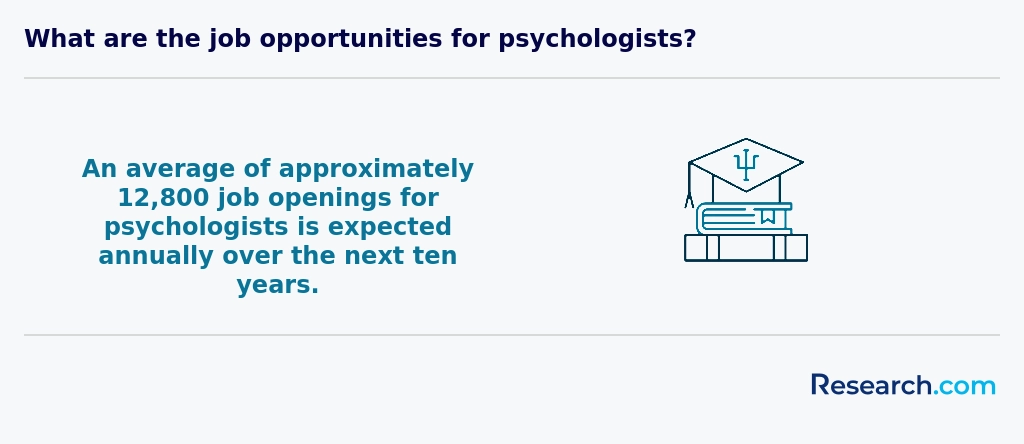
Graduates with a psychology degree in Raleigh find themselves well-positioned for a variety of fulfilling career paths that uniquely reflect the city's vibrant health, education, and business sectors. Many pursue clinical roles, providing essential counseling and support within hospitals, private practices, or community health agencies, where their work profoundly impacts individuals facing mental health challenges. Another rewarding direction lies in industrial-organizational psychology, where graduates apply psychological principles to enhance workplace productivity and employee well-being within Raleigh's expanding tech and corporate environments.
Educational psychology also attracts many graduates, who collaborate with schools and special education programs to support student development-an especially meaningful pursuit given Raleigh's growing emphasis on inclusive education. For those drawn to research, local universities and institutions offer opportunities to study cognition and mental health, helping shape evidence-based approaches. Exploring jobs for psychology graduates in Raleigh, many recall how their education at popular colleges inspired a deep sense of purpose and adaptability.
Financially mindful students often explore options highlighted in the Inexpensive Online Master's in Psychology Degree Programs Ranking in the South, blending affordability with quality. This practical outlook complements the positive, hopeful anticipation many graduates express about the diverse, impactful roles available in the field.
The psychology degree job opportunities Raleigh presents are encouraging, especially for graduates from well-known institutions like North Carolina State University or Duke University. Many graduates recall starting as research assistants or mental health technicians before advancing into rewarding roles within local hospitals or community mental health centers. This gradual progression is common, supported by Raleigh's flourishing healthcare and education sectors, which continue to expand their need for psychology professionals.
Those pursuing the Raleigh psychology career outlook 2027 can expect steady growth, with local businesses increasingly valuing expertise in organizational psychology to enhance employee wellness, thereby opening intriguing corporate roles. Graduates often highlight the balance between earning potential and cost of living as a key reason they choose to stay and work in the area. It's also worth noting that students often carefully weigh tuition fees against future earnings, sometimes consulting resources like the Inexpensive Online Master's in Psychology Degree Programs Ranking in the South to plan their education smartly.
2027 Most Popular Psychology Degree Programs Ranking in Raleigh
Investing in your education is a significant decision that can shape your future, and the Research.com team understands the importance of making informed choices. To assist prospective students in Raleigh, we have meticulously crafted the "2027 Most Popular Psychology Degree Programs Ranking in Raleigh." Our commitment to quality, credibility, and accuracy is reflected in the extensive research and analysis conducted to compile this ranking.
We utilized the following reputable data sources to ensure a comprehensive evaluation of psychology programs:
By exploring this ranking, readers will gain valuable insights into the most popular and well-regarded psychology degree programs in Raleigh, enabling them to make informed decisions about their educational paths. For more details on our methodology, please visit our Research.com methodology page.


Frequently Asked Questions About psychology
Psychology degree students in Raleigh can maximize their learning by engaging actively with both academic and practical experiences. Raleigh is home to reputable institutions like North Carolina State University and Shaw University, which offer strong psychology programs featuring research opportunities and internships. Participating in research projects helps deepen understanding of psychological theories and methods.
Students should also seek internships in local healthcare facilities or community organizations to gain hands-on experience. Networking through university career centers and psychology clubs can open doors to mentorship and job opportunities. According to the National Center for Education Statistics, internship participation significantly improves graduate employment rates.
Utilizing Raleigh's resources, such as libraries and professional events hosted by the North Carolina Psychological Association, further supports student growth in this field.
The psychology field continues to evolve with new areas gaining importance, especially in regions like Raleigh. Emerging niches include neuropsychology, which focuses on brain-behavior relationships and is seeing increased demand due to advances in brain imaging technology. Another growing area is health psychology, addressing how mental and physical health interact, crucial in managing chronic illnesses.
Industrial-organizational psychology is also expanding, helping Raleigh's growing corporate sector improve workplace productivity and employee well-being. Additionally, forensic psychology is becoming more prominent, assisting legal systems with mental health assessments. According to the Bureau of Labor Statistics, Raleigh shows above-average job growth for psychologists, reflecting these expanding specialties.
Preparing for the job market after completing a psychology degree in Raleigh involves several strategic steps. First, gaining practical experience through internships or volunteer work within local healthcare settings or research institutions strengthens your résumé. Raleigh's growing healthcare sector, including employers like Duke Health and UNC Health, offers numerous opportunities for hands-on learning.
Networking is essential; attending events hosted by the North Carolina Psychological Association or local career fairs helps connect with professionals. Additionally, obtaining relevant certifications such as Licensed Psychological Associate (LPA) or pursuing graduate studies can enhance job prospects.
Understanding regional salary trends is useful: the average entry-level psychology position in the Raleigh area offers around $50,000 annually, according to the U.S. Bureau of Labor Statistics.
Employers in Raleigh highly value psychology graduates who demonstrate strong communication skills. Effective presentation of research findings and the ability to interact empathetically with clients are essential. Analytical thinking is another critical skill, as it enables graduates to interpret complex data and draw meaningful conclusions.
Additionally, proficiency in research methods and statistics remains vital due to the region's emphasis on evidence-based practices. According to the U.S. Bureau of Labor Statistics, Raleigh's growing healthcare and social services sectors require professionals who can apply psychological principles to solve real-world problems.
Teamwork and ethical awareness also stand out, given the collaborative nature of psychology roles in this community. These skills prepare graduates for success across clinical, counseling, and organizational psychology fields locally.
Finding internships in Raleigh relevant to a psychology degree involves several strategic steps. Many local universities, such as North Carolina State University and Meredith College, have career centers offering placement support tailored to psychology students. Additionally, Raleigh hosts numerous healthcare facilities and nonprofit organizations, such as Duke Raleigh Hospital and the North Carolina Psychological Association, which provide internship opportunities.
Online platforms like Handshake and the National Association of Psychology Clinics also list internships specific to this region. Networking through faculty and attending local psychology conferences can increase access to internships. According to the U.S. Bureau of Labor Statistics, psychology internships contribute significantly to employment prospects post-graduation in North Carolina.
A psychology degree in Raleigh significantly enhances career mobility and advancement prospects. According to the U.S. Bureau of Labor Statistics, employment for psychologists is projected to grow 8% nationally through 2031, with North Carolina following similar trends. In Raleigh, earning a degree opens doors to diverse fields such as clinical psychology, counseling, human resources, and educational services.
Many local employers, including healthcare providers and educational institutions, prefer candidates with formal psychology training for leadership and specialized roles. Additionally, advanced degrees increase eligibility for licensed positions, which demand higher salaries and managerial responsibilities.
Institutions like North Carolina State University and nearby universities offer pathways to graduate study, improving long-term career development in the Raleigh job market.
Studying for a psychology degree in Raleigh equips students with skills that extend beyond traditional psychology roles. Many local universities emphasize interdisciplinary learning, blending psychology with fields such as social work, health sciences, and education. This approach reflects the growing demand for professionals who can collaborate across sectors.
Raleigh's proximity to the Research Triangle Park encourages partnerships between academic programs and industries like healthcare, technology, and counseling. According to the NC Department of Commerce, over 20% of psychology graduates in the region find employment in interdisciplinary settings within two years of graduation.
Courses often integrate research methods and applied practice, fostering critical thinking essential for diverse career paths.
When choosing between a thesis and a non-thesis psychology degree program in Raleigh, consider your career goals carefully. Thesis programs typically suit students interested in research or pursuing a doctorate. These programs involve conducting original research and writing a detailed thesis, which can provide an advantage for academic or scientific careers.
Non-thesis options often focus on coursework and practical skills, appealing to students aiming for professional work in clinical, counseling, or applied psychology fields. These programs usually allow faster completion, which suits those wanting to enter the workforce sooner.
Local institutions like North Carolina State University and University of North Carolina at Chapel Hill offer both options, with varying emphasis on research and applied practice, according to their 2023 program descriptions.
Additionally, consider available faculty expertise, internship opportunities, and program flexibility. The decision should align with whether you prefer in-depth research or hands-on experience.
Students based in Raleigh interested in studying psychology abroad have several pathways through US higher education institutions. Many universities in North Carolina, including those near Raleigh, participate in exchange programs with international universities, allowing psychology majors to study overseas for a semester or year while earning credits toward their degree. Such programs typically require coordination with the home institution's psychology department and study abroad office.
Moreover, students can pursue dual-degree programs or international internships related to psychology. According to NAFSA, approximately 10% of US study abroad students engage in social sciences, including psychology, highlighting growing interest in global perspectives within the field.
For Raleigh students, leveraging partnerships maintained by local universities, such as North Carolina State University, can open opportunities in Europe, Asia, and Latin America for hands-on psychology research and cultural immersion.
Part-time job opportunities in Raleigh that complement psychology degree education are varied and beneficial for practical experience. Positions such as research assistants at local universities offer hands-on exposure to psychological studies and data analysis. For example, North Carolina State University frequently hires students for such roles, which enhance academic knowledge.
Counseling centers and mental health clinics in Raleigh also offer part-time roles like behavioral health technicians or peer support specialists. These jobs provide experience in client interaction and therapeutic environments, important for psychology students planning clinical careers.
Additionally, tutoring jobs focused on psychology courses help strengthen understanding while developing communication skills. According to the U.S. Bureau of Labor Statistics, the Raleigh area has a growing demand for behavioral health jobs, supporting access to relevant part-time positions.
Psychology students in Raleigh benefit from numerous networking opportunities that enhance their academic and professional growth. Local universities such as North Carolina State University and William Peace University provide access to psychology clubs and honor societies where students can connect with peers and faculty.
Additionally, Raleigh hosts chapters of prominent organizations like the American Psychological Association, which organize regular events, workshops, and conferences for students.
Students can also participate in internships and research collaborations with nearby healthcare facilities, including the Duke Raleigh Hospital and local mental health clinics.
These experiences help psychology students build valuable professional relationships early in their careers.
Alumni networks provide valuable support for psychology degree students in Raleigh by creating connections that aid in career development. These networks often consist of graduates working in clinical, counseling, or research roles across North Carolina and beyond. According to the National Association of Colleges and Employers, networking is among the top five ways students find jobs after graduation.
In Raleigh, where psychology graduates compete in a growing mental health job market, alumni connections offer access to internships and job openings that might not be publicly advertised. They also provide mentorship, helping students navigate licensure requirements overseen by the North Carolina Psychology Board.
Many alumni stay involved through university events and online platforms, making it easier for current students to access professional advice and local insights. This support can be particularly crucial in a field where gaining practical experience is essential before pursuing advanced degrees or certifications.
Students pursuing psychology degrees in Raleigh can customize their programs by selecting from various concentrations and electives that align with their career goals. Many local universities, such as North Carolina State University and Meredith College, offer options in clinical, developmental, or industrial-organizational psychology. Choosing relevant internships and research projects in Raleigh's health and business sectors also helps tailor practical experience.
Advisors play a critical role in guiding course selection to meet licensure requirements and specialized certifications. According to the U.S. Bureau of Labor Statistics, tailoring your degree to high-demand psychology fields in North Carolina, like counseling and behavioral analysis, can improve job prospects. Raleigh's growing healthcare industry provides diverse settings for hands-on training, enhancing professional readiness.
Psychology students in Raleigh commonly face challenges balancing rigorous coursework with practical experience requirements. Many programs, including those at local universities like North Carolina State, demand extensive research projects and internships. Time management becomes critical as students juggle classes, lab work, and field placements.
Access to quality internships can be competitive due to the growing number of psychology majors in the region. According to the North Carolina Psychology Association, approximately 15% of psychology students report difficulty securing relevant placements, which are vital for licensure and employment.
Financial strain is another obstacle, as tuition and related costs have steadily increased. Students often seek scholarships or part-time jobs to support their education.
Lastly, navigating licensure requirements post-graduation adds complexity, with many students finding the process lengthy and demanding.
With a psychology degree in Raleigh, graduates have several professional certification options to enhance their careers. Many students pursue licensure as a Licensed Psychological Associate (LPA) or Licensed Professional Counselor (LPC) in North Carolina, which require supervision hours and passing state exams. Certified Alcohol and Drug Counselor (CADC) is another popular certification, reflecting growing demand in substance abuse treatment.
The North Carolina Board of Licensed Clinical Mental Health Counselors regulates many of these licenses. National certifications, such as Certified School Psychologist (CSP), can also be pursued through organizations like the National Association of School Psychologists. These credentials improve job prospects in Raleigh's expanding mental health sector.
Writing a winning application for a psychology program in Raleigh begins with a clear, focused personal statement. Highlight your passion for psychology and any local experiences, such as internships or volunteer work in Raleigh's mental health organizations. Admissions committees in the area value demonstrated commitment to community engagement.
Strong academic performance is critical. Most psychology programs in Raleigh require a minimum GPA of around 3.0, but competitive applicants often exceed this. Including relevant coursework and research experience from undergraduate studies enhances your profile.
Securing letters of recommendation from professors familiar with your academic and interpersonal skills strengthens your application. Tailor each letter to reflect your suitability for psychology studies.
Lastly, prepare for any required standardized tests, such as the GRE, and submit all materials before deadlines. According to data from the National Center for Education Statistics, Raleigh-area programs reported rising applications, emphasizing the need to stand out early.
Psychology careers in the United States, including Raleigh, are influenced by global trends emphasizing mental health awareness and research collaboration. According to the American Psychological Association, job growth for psychologists is expected to be about 8% from 2021 to 2031, driven by increased demand in clinical, counseling, and school psychology roles.
Internationally, psychology integrates diverse cultural perspectives, informing better treatment methods and research approaches in U.S. programs. Raleigh's universities often incorporate global psychology concepts, preparing students to understand mental health within varied social contexts.
Students pursuing psychology degrees in Raleigh benefit from this global outlook while accessing U.S.-specific licensure pathways and employment opportunities.
Gaining practical experience while studying for a psychology degree in Raleigh is essential to prepare for a professional career. Many institutions in the area offer internship programs connected to local hospitals, mental health clinics, and social service agencies. For example, UNC Chapel Hill and nearby universities have partnerships that allow students to work directly with clients under supervision.
Volunteering opportunities are also widely available through organizations like the Raleigh Youth Services Bureau. Additionally, students often engage in research assistant roles, contributing to studies that explore mental health trends in North Carolina. According to the NC Department of Public Instruction, about 60% of psychology undergraduates participate in internships before graduating.
These hands-on experiences enhance learning and improve job prospects in clinical or counseling psychology fields.
Choosing the right concentration in a psychology degree program in Raleigh involves understanding your career goals and interests. Popular concentrations include clinical, counseling, developmental, and industrial-organizational psychology. Each has unique applications, from mental health treatment to workplace behavior analysis.
It's important to review program offerings at Raleigh institutions such as North Carolina State University and Meredith College. Consider faculty expertise and available internships or research opportunities, as hands-on experience is crucial.
According to the Bureau of Labor Statistics, industrial-organizational psychology is growing faster than average in North Carolina, making it an appealing concentration for job seekers.
Assess your strengths and seek guidance from academic advisors to align your choices with future employment trends and licensure requirements.
- 2027 Most Popular Psychology Degree Programs Ranking in Durham
- 2027 Most Popular Psychology Degree Programs Ranking in Greensboro
- 2027 Most Popular Psychology Degree Programs Ranking in Charlotte
- 2027 Most Popular Psychology Degree Programs Ranking in Atlanta
- 2027 Most Popular Psychology Degree Programs Ranking in Columbus
- 2027 Most Popular Psychology Degree Programs Ranking in Cincinnati
- 2027 Most Popular Psychology Degree Programs Ranking in New York
- 2027 Most Popular Psychology Degree Programs Ranking in Queens
- 2027 Most Popular Psychology Degree Programs Ranking in Cleveland
- 2027 Most Popular Psychology Degree Programs Ranking in Bronx
See What Experts Have To Say About Studying Psychology
Read our interview with Psychology experts

Joann Farrell Quinn, Ph.D., MBA
Psychology Expert
Director at the College of Medicine Department of Medical Education
Morsani College of Medicine

Elizabeth L. Jeglic Ph.D.
Psychology Expert
Professor of Psychology
City University of New York

Catherine Caldwell-Harris, Ph.D.
Psychology Expert
Associate Professor of Psychology
Boston University

- How Psychology Students Can Get Clinical Experience Before Graduating | The Playful Psychologist https://www.theplayfulpsychologist.com/post/students-experience-how-to-get-the-experience-you-need-before-you-graduate
- Skills of a Psychology Major - Psychology Department https://wagner.edu/psychology/skills/
- Financial Aid For Psychology Students | Psychology.org https://www.psychology.org/resources/financial-aid/
- Why Get a Psychology Degree Online? | University of Bridgeport https://www.bridgeport.edu/news/reasons-to-get-your-psychology-degree-online/
- All Employment Opportunities - Raleigh Psychology https://www.raleighpsychology.org/employment-opportunities
- 2026 Psychology Entry-level Jobs in Raleigh, NC | WayUp https://www.wayup.com/s/entry-level-jobs/psychology/raleigh-nc/
- Study Psychology Abroad https://astarfuture.co.uk/study_psychology_abroad.html
- Best North Carolina Psychology Degrees Updated for 2025, Online Included https://www.psychologydegrees.org/state/north-carolina
- Have You Found a Niche? https://www.apaservices.org/practice/business/marketing/building/niche
- Becoming a School Psychologist in NC https://www.dpi.nc.gov/districts-schools/classroom-resources/office-teaching-and-learning/programs-and-initiatives/nc-healthy-schools/school-psychology/becoming-school-psychologist-nc


