
2027 Most Popular Psychology Degree Programs Ranking in Durham

Co-Founder and Chief Data Scientist
Choosing the right psychology degree program in Durham can feel overwhelming. That's why our article presents the 2027 Most Popular Psychology Degree Programs Ranking in Durham, developed by the Research.com team of data scientists to support your decision-making.
By exploring this carefully crafted ranking, you'll discover programs that align with your goals and interests. A psychology degree opens doors to rewarding careers helping others and understanding human behavior.
We're here to guide you toward options that inspire confidence and excitement for your future.
Key benefits of getting psychology degree in Durham
- Psychology degree graduates in Durham can look forward to promising salaries, such as a Clinical Research Associate earning around $62,370 annually and a Marketing Research Analyst making about $83,190 per year.
- Career paths for psychology graduates include roles in research, healthcare, and human resources, offering diverse opportunities to apply skills gained during studies at local universities like Durham University.
- Completing a psychology degree online provides flexible learning schedules and accessibility, allowing students to balance work and study effectively, as demonstrated by graduates from popular online programs in the area.
- 2027 Most Popular Psychology Degree Programs Ranking in Durham
- What can I expect from psychology degree in Durham?
- Where can I work with psychology degree in Durham?
What can I expect from psychology degree in Durham?
The average cost of a psychology degree in Durham varies depending on the institution, but students often find that investing in programs at schools like Duke University offers excellent value for the opportunities they receive. Graduates from Durham's top psychology programs have shared how the tuition, which typically ranges from around $50,000 to $60,000 per year at private universities, covers access to expert faculty, research labs, and hands-on internships that can transform their understanding of psychological science.
Public colleges and universities in the area provide more affordable options, with in-state tuition often falling between $7,000 and $15,000 annually, making psychology degrees more accessible while still maintaining strong ties to Durham's vibrant research community.
Many students highlight how their practical experiences during internships and assistantships helped justify their investment, as these opportunities opened doors to careers in clinical psychology and counseling. The sense of being supported and connected to Durham's healthcare network makes the cost feel like an investment in a fulfilling future.
Where can I work with psychology degree in Durham?
With a psychology degree from Durham's respected universities, you open doors to many exciting career paths right in your community. Graduates often find fulfilling roles in healthcare settings like Duke University Hospital or the Durham VA Medical Center, where they apply skills in mental health support and behavioral therapy. Imagine working closely with patients, helping them navigate challenges-this hands-on impact creates a rewarding daily experience.
Others choose to support local schools, joining Durham Public Schools or nearby colleges as educational psychologists who design interventions that truly change student lives. This growing demand reflects the community's increasing focus on youth mental health, giving your work a meaningful purpose.
Many psychology graduates also thrive in research environments around Duke and Research Triangle Park, contributing to groundbreaking studies on human behavior and neuroscience. Picture being part of teams pushing scientific boundaries-this intellectual adventure fuels personal and professional growth.
More practically, your knowledge can lead you into business roles in human resources or marketing, where understanding people is a superpower. Durham's dynamic economy offers roles as market analysts or wellness coordinators, allowing you to shape healthier, more effective workplaces.
Graduates from psychology programs in Durham, such as those at Duke University or Durham Technical Community College, often find rewarding entry-level roles that reflect their passion and studies. For example, many start as clinical research associates or survey researchers, where the average annual wage is around $62,370, a solid beginning while gaining valuable experience.
Others have pursued careers as human resources specialists, leveraging their understanding of human behavior in corporate settings, earning a mean annual wage near $76,060. This path opens doors to growth and leadership within organizations.
Marketing research analyst roles also attract psychology graduates who enjoy analyzing consumer behavior and trends; in Durham, these positions offer mean salaries close to $83,190. Graduates often share how these roles turn classroom theories into real-world strategies, fueling their enthusiasm for the field.
Even positions like childcare workers, linked to developmental psychology studies, offer a starting salary near $32,070, enabling graduates to make meaningful community impacts while building experience. With determination and ongoing education, Durham's psychology graduates are well-positioned to boost their earnings and impact.
- Psychology degrees in Durham combine theoretical coursework with clinical training and research opportunities.
- Annual tuition at public universities ranges from $9,000 to $12,000 for residents, while private schools may charge over $30,000.
- Early-career salaries for psychology graduates start around $40,000 per year, with mid-career earnings between $70,000 and $85,000.
- Job growth is strong in applied psychology fields like clinical, counseling, and industrial-organizational psychology.
- Durham's status as a research and medical hub offers students internships and career opportunities after graduation.
Completing a psychology degree in Durham usually takes about four years if you're enrolled full-time, just like at Duke University or North Carolina Central University. Many graduates recall that staying on track with core courses and exciting electives helped keep their momentum, making the journey feel manageable and rewarding. Imagine working on your capstone project, applying theories from class to real-world situations-it's that practical experience that makes the process come alive.
If you decide to continue with a master's degree in psychology, expect to add roughly two more years. Graduates often share how specializing in areas like clinical or counseling psychology deepened their passion and opened doors professionally. For those driven to reach the highest levels, doctoral programs typically take five to seven years. This timeframe includes engaging in meaningful research, internships, and dissertation work, challenges that many find fulfilling despite the effort.
Remember, part-time study or balancing internships can stretch your timeline but also enrich your learning experience. The path in Durham is flexible and tailored to your goals, making it an exciting and achievable adventure.
Choosing between online and on-campus psychology degrees in Durham means weighing flexibility against hands-on experience. Graduates from Duke University often recall vibrant classroom interactions, lab experiments, and direct mentorship that shaped their clinical skills and research insights. These on-campus moments foster deep connections and spark spontaneous discussions that enrich learning in ways a screen can't replicate.
On the other hand, graduates from North Carolina Central University appreciate how online programs offered them the freedom to balance studies with demanding jobs or family life. With video lectures and virtual forums, they accessed core lessons flexibly, though missing occasional face-to-face energy was a trade-off. Still, both paths ensure valuable knowledge if the program maintains strong accreditation.
It's inspiring to see how Durham students navigate their unique journeys-whether thriving in campus community settings or mastering time management online. Your choice shapes more than logistics; it influences how you experience psychology, so reflect on what learning environment will ignite your passion and fit your life best.
to make an informed decision, it's essential to consider several factors, including accreditation, degree levels offered, specializations, hands-on experience, cost, and financial aid. When evaluating the best psychology programs, such as those offered by a popular psychology school, look for programs that are accredited by recognized accrediting agencies, as this ensures that the program meets certain standards of quality. Additionally, consider the degree levels offered, such as bachelor's, master's, or doctoral degrees, and whether they align with your career goals. Specializations, such as clinical psychology, school psychology, or neuropsychology, can also play a significant role in shaping your career path. Hands-on experience, including internships or clinical placements, can provide valuable practical skills and make you a more competitive candidate in the job market. Finally, consider the cost of the program and the financial aid options available, as well as the support services offered by the institution, such as academic advising and career counseling.
Understanding the average cost of a psychology degree in Durham is crucial for making smart educational choices. Typically, the median total cost hovers around $32,448, with the median in-state cost nearly doubling that to $68,758. This reflects the varying fees between public and private institutions. Graduates from local universities often share how managing these expenses required careful planning and leveraging financial aid, which can make even prestigious programs more attainable.
Many Durham students pursuing psychology find that tuition isn't the only cost to consider. Beyond fees, textbooks and living expenses add up, but Durham's moderate cost of living helps ease the financial burden compared to larger cities. For instance, students at well-known schools like North Carolina Central University and Duke experience this balance firsthand, with Duke's higher tuition offset by generous aid packages.
When exploring your options, consider how residency impacts your psychology degree tuition fees Durham residents face considerably lower rates. It's also helpful to see how others navigated the process, including graduates who chose programs that matched their financial situation without sacrificing quality.
To explore the array of available programs in your area, you can check the popular psychology school listings, providing insight into the best institutions for psychology studies in North Carolina and how costs might align with your goals.
For prospective graduate students in Durham, NC, pursuing a master’s in psychology online can offer both flexibility and significant cost savings compared to traditional on-campus programs. When evaluating online options, consider accreditation by the American Psychological Association (APA) or regional bodies to ensure your degree meets licensure requirements. Key factors to weigh include: • Curriculum Rigor and Specializations: Look for programs that offer concentrations in clinical psychology, organizational behavior, or child development, paired with robust practicum or internship components. • Technological Support and Platform Usability: A seamless online learning environment with 24/7 tech assistance can make or break your graduate experience, especially if you’re balancing work or family commitments. • Tuition and Fees Transparency: Some programs bundle all fees into a flat rate, while others charge per credit. To compare a curated list of budget-friendly options, explore our guide to master psychology programs online. • Student Services and Networking Opportunities: Access to virtual career counseling, mentorship programs, and alumni networks can significantly enhance your post-graduate prospects. By carefully assessing these criteria, you can enroll in an online master’s program that not only aligns with your career goals but also maximizes return on investment through affordable tuition and high-quality instruction.
Many psychology students in Durham find federal financial aid incredibly helpful. Programs like Pell Grants, which can offer up to $7,395 annually, provide crucial support without the stress of repayment. Graduates from Duke University and Durham University often highlight how these grants helped them focus more on their studies and less on financial worries.
Federal student loans are available but should be approached thoughtfully. With interest rates around 5%, many students benefit from income-driven repayment plans after graduation, which makes managing debt less daunting.
State grants and scholarships from North Carolina also make a difference, especially for residents attending local institutions. These awards often reward both merit and financial need, filling gaps for students pursuing psychology degrees.
Institution-specific scholarships at Durham-based universities vary widely-some target underrepresented groups, encouraging diversity in psychology. Many students have shared how assistantships and part-time campus jobs eased their living expenses while enhancing their academic experience.
Additionally, private scholarships from organizations like the American Psychological Association recognize commitment and passion, helping psychology students turn their aspirations into reality.
Not everyone who aspires to work as a therapist follows the traditional route of earning a psychology degree, and exploring alternative pathways can be both practical and rewarding. In today’s evolving educational landscape, several options enable individuals to transition into therapeutic roles through targeted certifications, diploma programs, and specialized training courses that focus on mental health counseling and holistic care. These programs often emphasize supervised practical experience, continuing education, and self-paced learning, making them an accessible choice for those already working in related fields or looking to make a mid-career change. For a comprehensive overview of the specific steps and qualifications involved, see what requirements are needed to become a therapist without a psychology degree. Embracing these alternative options not only broadens your career prospects but also aligns with current trends in the mental health industry, where interdisciplinary approaches and diverse professional experiences are increasingly valued.
To enroll in a psychology degree program in Durham, you'll first need a high school diploma or equivalent, which opens the door to this exciting journey. Graduates from Durham's prestigious institutions, such as Duke University, often share how important it was to have solid coursework in English, math, and especially science subjects like biology or social sciences before starting their studies.
A competitive GPA-typically above 3.0-is key, as admission committees look for strong academic performance that shows your readiness for rigorous study. Many students have found that submitting thoughtful letters of recommendation and a personal statement explaining their passion for psychology helps admissions teams see their dedication and potential beyond numbers.
In Durham, those who volunteer or work in mental health settings often feel more confident applying, having gained real-world insights. This practical experience not only enhances applications but sparks a deeper connection to the field, making the academic workload feel purposeful and inspiring.

Aspiring psychologists in Durham must meet state licensure standards set by the North Carolina Psychology Board, ensuring both quality care and professional credibility. First, you’ll need a minimum of a master’s degree in psychology from an accredited institution-many students opt for Inexpensive Online Master’s in Psychology Degree Programs to balance cost and flexibility. After graduation, you must accumulate at least 3,000 hours of supervised professional experience under a licensed psychologist, typically completed over two years. Next, candidates must pass the Examination for Professional Practice in Psychology (EPPP) and the North Carolina Psychology Law and Ethics exam. Detailed application materials, including official transcripts, verification of supervised experience, and character references, are submitted via the NC Psychology Board’s online portal. Once approved, you’ll receive a Licensed Psychological Associate (LPA) credential; to attain full Psychologist (PhD/PsyD) status, an additional 1,500 hours of post-master’s supervised practice and a second EPPP score may be required. Staying current with continuing education-20 credit hours every two years-is mandatory to maintain licensure. Early planning for these requirements ensures a smooth transition from student to practicing psychologist in Durham’s dynamic healthcare landscape.
If you're studying psychology in Durham, you'll quickly find that your courses are designed to build a solid foundation and spark your curiosity about the human mind. From the start, you'll dive into core classes like Introduction to Psychology and Research Methods in Psychology, where you learn not just theories but how to think critically like a scientist. Graduates from Durham's universities often recall how mastering Statistics for Behavioral Sciences was a turning point-it's challenging but essential for making sense of real-world data.
Courses such as Developmental Psychology and Social Psychology bring fascinating insights into everyday interactions and growth across the lifespan. Many students at Durham colleges mention how seeing these concepts reflected in real people around them made their learning feel alive and personally meaningful.
Advanced electives like Biopsychology and Cognitive Psychology push you to explore the brain's mysteries and mental processes in ways that inspire wonder. Hands-on lab work and practicum experiences embedded in these programs often transform abstract concepts into powerful moments of discovery, preparing you for a fulfilling career in clinical or research settings.
Psychology degree specializations in Durham offer a rich variety, allowing you to align your studies with your passion and career goals. Graduates from well-known institutions like Duke University often praise specializations such as Clinical Psychology, where you gain hands-on experience diagnosing and treating mental health disorders. Another compelling path is Cognitive Psychology, perfect for those curious about human thought processes and decision-making, opening doors to research or tech fields.
Many students in Durham choose Industrial-Organizational Psychology, applying psychology to workplace dynamics, where the demand and salaries are notably high. Developmental Psychology is favored by those drawn to education or healthcare, studying human growth through life stages. Health Psychology, increasingly popular here, integrates psychological insights with physical health, supported by Durham's research hospitals.
These options illustrate the comprehensive nature of Durham psychology programs with specialization options. If you wonder about what requirements are needed to become a therapist without a psychology degree, Durham's resources provide clarity and guidance for diverse career paths.
Choosing the best psychology degree in Durham means focusing on programs that align with your passions and career goals. Graduates from well-known universities like Duke often highlight how accredited programs with robust curricula helped them dive deep into areas like clinical psychology and cognitive science. When exploring top accredited psychology degrees Durham offers, look for institutions that integrate hands-on experiences such as internships and research projects, making your learning feel alive and relevant.
Many students find that the supportive faculty and strong research reputation in Durham enhance their confidence and open doors to exciting opportunities. Graduates appreciate programs that connect them with local mental health clinics and community organizations, creating meaningful real-world impact. Also, pay close attention to financial factors. While tuition at places like Duke can be high, exploring options among affordable psychology degree programs in Durham can make your education more accessible. You might also want to consider master psychology programs online that offer flexibility and cost savings without compromising quality.
Graduates holding psychology degrees from Durham's respected institutions, like Duke University or local colleges, discover a variety of fulfilling psychology careers in Durham that fit their passions. Many find themselves drawn to clinical psychology, gaining hands-on experience through internships at Duke University Hospital before pursuing licensure to work in hospitals or private practices. This practical exposure fuels their confidence and commitment to helping others heal.
Others embrace roles beyond clinical settings, thriving in human resources, shaping workplace culture, or diving into market research, where they analyze consumer behavior to help companies innovate. Social services appeal to graduates eager to make a tangible difference in their communities through nonprofit work-these diverse paths showcase the flexibility of jobs with psychology degree Durham offers.
For those inspired by academia, becoming research assistants or advancing to university teaching roles is a natural progression. Prospective students looking for affordable pathways should explore Inexpensive Online Master's in Psychology Degree Programs to continue shaping their futures with practical, attainable education.
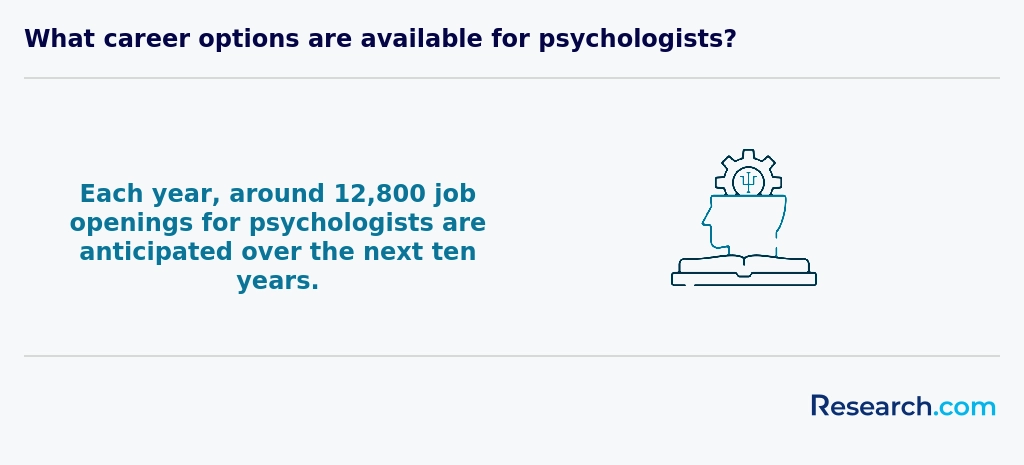
The psychology degree job outlook in Durham shows promising opportunities due to the city's dynamic employment sectors, including healthcare, academia, and business. Graduates from top institutions like Duke University often find themselves well-positioned for roles in clinical settings or research labs within the local healthcare system, such as Duke University Health System, where licensed psychologists and counselors are in demand.
Many graduates describe the excitement of entering Durham's growing corporate sector, where industrial-organizational psychologists contribute to employee wellness and productivity. This aligns perfectly with Durham psychology career opportunities 2027 projections, especially as organizations increasingly value expertise in workplace mental health.
To build a competitive edge, students frequently complement their degrees with advanced certifications or specialized internships. Those mindful of tuition often explore alternatives, such as Inexpensive Online Master's in Psychology Degree Programs, balancing costs with career ambitions.
2027 Most Popular Psychology Degree Programs Ranking in Durham
Investing in your education is a significant decision that can shape your future, and the Research.com team understands the importance of making informed choices. To assist prospective students in Durham, we have meticulously crafted the "2027 Most Popular Psychology Degree Programs Ranking in Durham." Our commitment to quality, credibility, and accuracy is reflected in the extensive research and analysis conducted to compile this ranking.
We utilized the following reputable data sources to ensure a comprehensive evaluation of psychology degree programs:
By exploring this ranking, readers will gain valuable insights into the most sought-after psychology degree programs in Durham, enabling them to make well-informed decisions about their educational journey. For more details on our methodology, please visit our Research.com methodology page.


Frequently Asked Questions About psychology
Psychology degree students in Durham can enhance their learning by actively engaging in both coursework and local research opportunities. Duke University, a leading institution in Durham, offers students access to cutting-edge labs and projects, encouraging hands-on experience. Participating in internships at nearby clinical centers or community organizations also bolsters practical skills and professional networks.
Forming study groups and attending departmental events can improve understanding through peer discussions and exposure to diverse perspectives. Additionally, students should utilize campus resources like counseling centers and academic workshops to support their academic development. According to the National Center for Education Statistics, students involved in experiential learning demonstrate higher retention and graduation rates.
The field of psychology is rapidly evolving, with several emerging niches gaining attention among students and professionals in Durham and beyond. One significant area is neuropsychology, focusing on brain-behavior relationships. This specialization is strengthening due to advances in neuroscience and imaging technologies.
Another growing niche is health psychology, which explores how psychological factors influence physical health and illness. Given the rising interest in holistic healthcare, this field is expanding in clinical and community settings.
Additionally, industrial-organizational psychology is increasingly relevant as businesses seek to improve employee well-being and productivity, reflecting Durham's expanding corporate sector. According to the Bureau of Labor Statistics, employment in psychology-related fields is projected to grow 8% from 2020 to 2030, signaling strong future demand.
Graduates with a psychology degree in Durham should focus on building relevant experience to improve their job prospects. Internships and volunteer work in local mental health clinics or research centers provide practical skills and networking opportunities. According to the Bureau of Labor Statistics, psychology-related jobs are expected to grow 8% nationally through 2031, emphasizing the need for hands-on experience.
Durham's strong research community, including institutions like Duke University, offers additional resources for psychology students seeking mentorship or research assistantships. Completing certifications in areas such as behavioral analysis can also enhance employability. Developing soft skills like communication and critical thinking is essential, as employers value these alongside academic credentials.
Employers in Durham highly value psychology degree graduates who demonstrate strong analytical skills. Being able to interpret data accurately and apply research methods is essential, as these skills underpin evidence-based practice. According to the Bureau of Labor Statistics, critical thinking and problem-solving abilities rank among the top qualities sought in psychology roles nationwide, including Durham.
Communication skills are also crucial. Graduates must effectively convey complex psychological concepts to diverse audiences, whether in clinical settings or organizational environments. The North Carolina Psychology Board emphasizes the importance of ethical communication in professional practice.
Additionally, adaptability and interpersonal skills are important. Employers look for graduates who can collaborate well and adjust to evolving workplace demands. The American Psychological Association highlights that teamwork and emotional intelligence are key predictors of career success in psychology.
Finding internships in Durham relevant to a psychology degree involves several strategic steps. Start by exploring opportunities at local institutions such as Duke University and North Carolina Central University, which have established psychology departments offering internship programs.
Many psychology students secure internships through university career centers that partner with community mental health clinics, research labs, and nonprofit organizations. According to the National Association of Colleges and Employers (NACE), 60% of psychology internships are found via campus resources.
Additionally, checking openings at Durham VA Medical Center and private counseling centers can provide valuable clinical experience. Professional networks and online platforms like Handshake also list internships targeted to psychology students in Durham.
A psychology degree in Durham significantly enhances career mobility and advancement opportunities. Graduates find diverse roles in healthcare, education, social services, and business sectors. According to the U.S. Bureau of Labor Statistics, psychology-related occupations in North Carolina, including Durham, are expected to grow by 14% through 2031, outpacing the national average. This growth opens avenues for roles such as clinical psychologists, counselors, and human resource specialists.
Durham's proximity to research institutions and healthcare facilities offers graduates access to internships and jobs that foster professional development. Additionally, earning advanced degrees, such as a master's or doctorate, often leads to higher earning potential and leadership positions in the region's expanding mental health and research sectors.
Studying for a psychology degree in Durham equips students with essential skills needed for interdisciplinary roles. Many programs emphasize collaboration with fields like neuroscience, social work, and education, which broadens students' perspectives beyond traditional psychology.
Durham's universities often incorporate research projects that involve data analysis, behavioral studies, and community engagement, fostering teamwork across disciplines. According to the Durham Higher Education Consortium (2023), over 60% of psychology graduates engage in internships combining psychology with other fields, enhancing their adaptability.
This cross-disciplinary training prepares students to address complex real-world problems by integrating psychological principles with diverse expertise, making them more competitive in varied career paths.
Choosing between a thesis and a non-thesis psychology degree program in Durham depends on your academic and career goals. Thesis programs typically require students to conduct original research, which suits those interested in pursuing doctoral studies or research careers. Non-thesis programs focus more on coursework and practical skills, appealing to students aiming for clinical or applied psychology roles.
Durham hosts several universities offering these options, with around 40% of psychology master's students choosing thesis tracks according to recent data from the National Center for Education Statistics. Funding and faculty mentorship availability may also influence your decision.
Consider your preferences for independent research versus coursework demands and your long-term objectives when making this choice.
Students based in Durham seeking to study psychology abroad have several well-established pathways, especially through U.S. university exchange programs and study abroad initiatives. Many institutions offer semester- or year-long placements in European, Australian, and Asian universities with strong psychology departments. These programs typically include psychology courses recognized for transfer credit, allowing students to continue their academic trajectory without delay.
The National Center for Education Statistics shows that approximately 15% of U.S. psychology undergraduates participate in some form of study abroad, reflecting growing international engagement. Durham students can also explore summer research internships and global fieldwork opportunities, which provide practical experience alongside academic credit.
Advising centers at local universities and national organizations like NAFSA provide up-to-date information on accredited psychology programs abroad. Selecting programs aligned with American Psychological Association (APA) standards ensures coursework meets U.S. graduate school expectations.
Durham offers several part-time job opportunities that can enhance the educational experience of psychology degree students. Many students find roles as research assistants at local universities such as Duke University, which is renowned for its psychology research programs. These positions provide hands-on experience in experimental design and data analysis, crucial skills for psychology majors.
Other valuable options include working as mental health support staff or behavioral intervention aides at nearby clinics or nonprofit organizations. These jobs allow students to apply psychological principles in real-world settings and develop interpersonal skills.
Furthermore, some students find roles in academic tutoring or teaching assistant positions, helping undergraduates with psychology coursework. According to the U.S. Bureau of Labor Statistics, gaining practical experience alongside studies increases graduate employability in psychology-related fields.
Psychology students in Durham benefit from varied networking opportunities that enhance their academic and professional growth. Local universities often host guest lectures, workshops, and seminars where students can engage directly with experienced psychologists and researchers.
The Duke University Department of Psychology, a leading institution in Durham, offers access to faculty-led research groups welcoming student participation. This involvement fosters valuable professional connections within the field.
Additionally, career services at Durham's colleges provide organized networking events with local mental health organizations, clinics, and community agencies. These events help students explore internships and job opportunities.
Students can also join professional associations such as the North Carolina Psychological Association, which frequently holds regional conferences and networking sessions relevant to Durham psychology students.
Alumni networks play a crucial role in supporting psychology degree students in Durham. These networks create connections between current students and graduates, providing valuable mentoring opportunities. According to the National Career Development Association, students involved in alumni programs are 30% more likely to secure internships and job placements.
In Durham, local psychology alumni often work in clinical, counseling, and research roles within healthcare and educational settings. Engaging with them helps students understand career pathways and industry expectations. Networking events and online platforms sponsored by Durham's universities also facilitate job leads and professional growth.
Overall, alumni networks enhance students' academic experience by bridging theoretical knowledge with real-world applications.
Students pursuing psychology degrees in Durham can tailor their studies to fit specific career objectives through elective courses and focused research opportunities. Many universities in the area offer specializations such as clinical, cognitive, or developmental psychology, allowing learners to deepen expertise in areas aligned with their goals. Practical experiences like internships and lab assistant positions are often available, providing hands-on skills that employers value. According to the National Center for Education Statistics, nearly 60% of psychology undergraduates nationwide select a concentration to enhance employability, a trend also reflected in Durham institutions. Academic advisors and career services in Durham regularly help customize academic plans to match evolving job market demands.
Psychology students in Durham commonly face academic pressure due to rigorous coursework and research demands. Balancing experimental studies, statistical analysis, and theory can be challenging, especially for those new to psychological research methods. According to the National Center for Education Statistics, nearly 30% of psychology undergraduates in U.S. institutions report stress related to coursework intensity.
Another significant challenge is securing quality internship placements. Durham's competitive clinical and counseling psychology field requires strong practical experience, but opportunities are limited, leading to student concerns about career readiness.
Financial strain also affects many students. The average debt for psychology graduates in the U.S. exceeds $30,000, impacting students at Durham universities similarly. Managing time, finances, and academic responsibilities remains a common hurdle for psychology majors.
With a psychology degree in Durham, you can pursue several professional certifications to enhance your career. Common certifications include becoming a Licensed Professional Counselor (LPC) or a Licensed Clinical Social Worker (LCSW), both requiring graduate education and supervised clinical experience. Additionally, the National Certified Counselor (NCC) credential is popular among psychology graduates seeking national recognition.
Durham's proximity to major research hospitals and universities offers unique opportunities for specialized certifications, such as neuropsychology or behavior analysis. According to the North Carolina Board of Licensed Clinical Mental Health Counselors, over 1,700 counselors hold LPC licenses statewide, including many in Durham.
Professional certifications often require passing standardized exams and ongoing education to maintain licensure, crucial steps for clinical practice or counseling roles in the region.
To write a winning application for a psychology program in Durham, focus on crafting a clear and compelling personal statement. Highlight your academic achievements, relevant experience, and passion for psychology. Durham-area universities often look for candidates who demonstrate strong research interests and community involvement, which can set you apart.
Include specific examples of any psychology-related coursework or volunteer work. According to U.S. News data, psychology programs favor students with a GPA above 3.5, so emphasize your academic strengths. Make sure your letters of recommendation, ideally from psychology professors or professionals, attest to your skills and dedication.
Lastly, tailor your application to the school's values and program focus by reviewing their website and faculty research areas to make your goals align clearly.
Psychology careers in the United States, including those pursued by students in Durham, reflect a growing global interest in mental health and human behavior. According to the U.S. Bureau of Labor Statistics, employment of psychologists is projected to grow 8% from 2022 to 2032, faster than the average for all occupations. This demand aligns with worldwide recognition of psychological services essential for addressing mental health challenges.
Globally, psychology professionals often face varied roles, from clinical practice to research and organizational consulting. U.S. degrees, such as those offered near Durham, prepare students with versatile skills valued internationally. Graduates frequently pursue licensure, enabling them to practice across states and sometimes abroad.
Many Durham institutions emphasize evidence-based training, which meets international standards. This focus helps graduates maintain competitive standing in global job markets, ensuring their ability to contribute meaningfully both domestically and internationally.
Gaining practical experience while studying for a psychology degree in Durham is essential for building skills and enhancing your resume. Many programs encourage internships in local hospitals, schools, or counseling centers, offering hands-on opportunities to apply theoretical knowledge. For example, Duke University's psychology department connects students with research labs where they can assist in ongoing studies, gaining valuable research experience.
Additionally, students can volunteer with community organizations in Durham focused on mental health, such as the Durham Crisis Response Center. Approximately 60% of psychology students in the region participate in experiential learning, according to the National Center for Education Statistics.
These opportunities help students develop critical skills for future careers.
When choosing the right concentration within a psychology degree in Durham, students should first consider their career goals. Psychology offers various focuses such as clinical, counseling, developmental, or industrial-organizational psychology. Research shows that clinical and counseling concentrations remain popular due to local demand in mental health services.
Next, look into faculty expertise and available resources. Durham's universities often highlight specialized programs supported by experienced professors active in research or local community work. The U.S. Bureau of Labor Statistics forecasts a 17% growth in psychology jobs through 2032, particularly in clinical settings, underscoring the importance of aligning your concentration with job market trends.
Lastly, consider internship opportunities in Durham's healthcare facilities or research centers. Practical experience can be essential for licensure and employment. Always review program curricula, speak with academic advisors, and evaluate how concentration options prepare you for licensure exams in your desired psychology field.
- 2027 Most Popular Psychology Degree Programs Ranking in Raleigh
- 2027 Most Popular Psychology Degree Programs Ranking in Greensboro
- 2027 Most Popular Psychology Degree Programs Ranking in Charlotte
- 2027 Most Popular Psychology Degree Programs Ranking in Atlanta
- 2027 Most Popular Psychology Degree Programs Ranking in Columbus
- 2027 Most Popular Psychology Degree Programs Ranking in Cincinnati
- 2027 Most Popular Psychology Degree Programs Ranking in Cleveland
- 2027 Most Popular Psychology Degree Programs Ranking in New York
- 2027 Most Popular Psychology Degree Programs Ranking in Queens
- 2027 Most Popular Psychology Degree Programs Ranking in Bronx
See What Experts Have To Say About Studying Psychology
Read our interview with Psychology experts

Elizabeth L. Jeglic Ph.D.
Psychology Expert
Professor of Psychology
City University of New York

Joann Farrell Quinn, Ph.D., MBA
Psychology Expert
Director at the College of Medicine Department of Medical Education
Morsani College of Medicine

Robin M. Kowalski. Ph.D.
Psychology Expert
Professor of Psychology
Clemson University

- What Certifications Can I Get With A Bachelor's In Psychology? https://www.psychology.org/resources/certification-skills-for-psychology-major-resumes/
- What can I do with a psychology degree? https://www.hull.ac.uk/study/undergraduate/courses/psychology-bsc-hons/what-can-i-do-with-a-psychology-degree
- Psychology https://www.durham.ac.uk/study/courses/psychology-c800/
- Have You Found a Niche? https://www.apaservices.org/practice/business/marketing/building/niche
- A Guide to Psychology Internships | Psychology Degree Guide https://psychologydegreeguide.org/resources/internships/
- Mental Health Challenges Faced by Psychology Students | The Healthcare Guys https://healthcareguys.com/2023/11/23/mental-health-challenges-faced-by-psychology-students/
- Bachelor Of Psychology | Durham University , | E-Square Consultancy https://www.e-square.com.my/showproducts/productid/6636693/bachelor-of-psychology-durham-university/
- Psychology Placement Opportunities for Year 12 Students https://studymind.co.uk/ucas-guide/year-12-guide-to-gaining-psychology-work-experience/
- Studying Psychology at Durham https://durham-student.org/studying-psychology-at-durham/
- Call for papers https://www.hogrefe.com/us/journal/international-perspectives-in-psychology-research-practice-consultation


