2027 Most Valuable Online Master's in Psychology Degree Programs Ranking in Pennsylvania

Co-Founder and Chief Data Scientist
If you're considering advancing your education in psychology, choosing the right online master's program is key. Our article presents the 2027 Most Valuable Online Master's in Psychology Degree Programs Ranking in Pennsylvania, created by the Research.com team of data scientists.
This ranking helps you make informed decisions based on thorough data and analysis. Earning a psychology degree can open doors to meaningful career opportunities and personal growth.
Explore this guide to find programs that align with your goals and start your journey toward a rewarding future.
Key benefits of getting online psychology degree in Pennsylvania
- Graduates with a psychology degree in Pennsylvania can earn competitive salaries, such as $91,990 annually for school psychologists and $154,380 for industrial-organizational psychologists, highlighting strong earning potential.
- Career paths are diverse, including roles like mental health counselor, marriage/family therapist, or rehabilitation counselor, offering opportunities to positively impact communities and individuals.
- Online psychology degrees provide flexible learning options for busy students, allowing graduates to balance work and study efficiently while gaining recognized qualifications from respected universities in Pennsylvania.
- 2027 Most Valuable Online Master's in Psychology Degree Programs Ranking in Pennsylvania
- What can I expect from online psychology degree in Pennsylvania?
- Where can I work with online psychology degree in Pennsylvania?
What can I expect from online psychology degree in Pennsylvania?
The average cost of an online psychology degree in Pennsylvania typically ranges from $15,000 to $40,000 for the entire program. Many students find this investment deeply worthwhile, especially when they consider the flexibility it offers. Graduates from well-known Pennsylvania institutions like Temple University or Penn State often share how balancing full-time careers while advancing their education online transformed both their personal and professional lives. They highlight the relief of tuition reimbursement programs and financial aid options that make these programs accessible without overwhelming debt.
Studying psychology online in Pennsylvania means engaging with rich, interactive coursework-blending video lectures, real-time discussions, and valuable practicum experiences that fit local schedules. This flexibility empowers students to continue growing financially and emotionally, gaining skills applicable in clinical, organizational, or counseling roles. These programs provide a practical pathway to licensure and a fulfilling career, lighting the way for many who aspire to make a meaningful difference in their communities.
Where can I work with online psychology degree in Pennsylvania?
Graduates with an online psychology degree in Pennsylvania find a wealth of career opportunities waiting for them across the state's vibrant job market. Whether from renowned schools like Penn State or Temple University, many graduates thrive in mental health services, where their skills are in high demand. Imagine working as a behavioral health specialist in a bustling Philadelphia hospital, supporting patients through challenging times and making a real difference every day.
Others discover fulfilling roles in schools or universities, advising students on mental wellness or contributing to groundbreaking research. These positions allow alumni to foster growth and resilience in the next generation, with growing demand reflecting Pennsylvania's commitment to student well-being.
Beyond clinical settings, graduates take pride in supporting employee wellness in business or nonprofit sectors, applying psychology to strengthen organizations and communities. With options like licensure for counselors or marriage and family therapists, the possibilities are endless, inspiring graduates to build meaningful, impactful careers close to home.
Graduates from online psychology programs in Pennsylvania, such as those offered by Penn State or Temple University, often find rewarding career paths with promising salaries. For instance, school psychologists in the state earn a mean annual wage of about $91,990, allowing many to make meaningful impacts in educational settings while enjoying financial stability.
Those pursuing mental health counseling roles can expect to earn around $60,080 annually, supporting communities as skilled therapists. Behavioral health counselors often share stories of job fulfillment and steady income that sustain their passion for helping others.
Industrial-organizational psychology graduates stand out with exceptional earning potential, frequently surpassing $154,000 per year in Pennsylvania. These professionals apply psychological principles to improve workplace dynamics, making a significant difference in business environments.
Marriage and family therapist roles offer a strong balance between personal satisfaction and a reliable salary near $68,730, helping graduates nurture relationships across diverse communities.
Rehabilitation counselors also enjoy stable earnings around $48,430 while empowering individuals to overcome challenges and thrive.
With a psychology degree from respected Pennsylvania institutions, the journey to a fulfilling, well-paid career is both achievable and inspiring.
- Tuition for online bachelor's degrees in psychology in Pennsylvania ranges from $15,000 to $30,000 total, while master's programs typically cost between $20,000 and $50,000.
- Accreditation from agencies like the Middle States Commission on Higher Education is important for degree recognition and licensure preparation.
- Starting salaries for psychology graduates in Pennsylvania average around $48,000 per year, with experienced professionals earning over $80,000 annually.
- The employment rate for psychology graduates in Pennsylvania is about 3% higher than the national average due to strong demand in healthcare, education, and government sectors.
- Licensure usually requires a doctoral degree and postdoctoral experience, but many counseling and behavioral analysis roles are accessible with an online master's degree.
Completing an online psychology degree in Pennsylvania is an achievable goal that many students embrace with enthusiasm and dedication. For those pursuing a bachelor's degree, programs at universities like Penn State World Campus or Temple University typically span about four years of full-time study. Graduates often share how the structured timeline helped them maintain steady progress while balancing work and family life.
Master's degree seekers enjoy even greater flexibility. Many programs, such as those at Drexel University or Arcadia University, offer part-time or accelerated options, allowing completion within 1.5 to 3 years. Graduates recall appreciating how these options fit their busy schedules without sacrificing educational quality.
Students find motivation knowing Pennsylvania's online psychology degrees are designed to accommodate diverse lifestyles. Whether transferring credits, studying part-time, or joining cohort-based classes, learners feel empowered to customize their journey and reach their goals with confidence.
Succeeding in an online psychology program requires more than just enrolling and attending lectures-it involves building strong study habits, seeking support when needed, and planning your career path early. To maximize your educational experience, start by creating a structured schedule that balances course work, assignments, and practical activities like internships or volunteer work. Engage actively in online discussion forums and peer groups to overcome the potential isolation of remote learning, which can enhance your understanding of complex psychological concepts. Establish a dedicated study space free from distractions, and leverage digital tools for time management and note-taking. It is also beneficial to reach out to academic advisors and faculty early on to better understand additional enrichment opportunities and career services available at your institution. For instance, if you’re interested in combining psychology with business insights, consider exploring programs that detail what can i do with a business psychology degree as part of their curriculum. Remember that consistent self-assessment and setting short-term, achievable goals not only boost your academic performance but also prepare you for the competitive job market upon graduation. By embracing these practices, you can navigate any challenges and make the most of your online learning experience in Pennsylvania.
Choosing between online and on-campus psychology degrees in Pennsylvania opens exciting paths tailored to your lifestyle. Graduates from Penn State's online program often share how the flexibility allowed them to balance family life and work while pursuing their passion for psychology. Imagine studying developmental psychology lectures asynchronously from home, without the hassle of commuting, yet still engaging with professors through virtual discussions.
Meanwhile, students at the University of Pennsylvania experience a vibrant campus life with hands-on opportunities, like participating in clinical practicums within Philadelphia's diverse community. This direct interaction deepens learning and creates lasting friendships and mentorships.
Both options meet rigorous APA accreditation, ensuring quality education and licensure eligibility. While online learners enjoy convenience and cost savings on housing, on-campus students thrive on immersive experiences, library access, and face-to-face collaboration. Pennsylvania's diverse universities offer each student a supportive environment to flourish according to their unique needs and dreams.
Selecting an American Psychological Association (APA)-accredited program is crucial for ensuring your online degree meets professional standards and qualifies you for licensure in Pennsylvania.
Before applying, confirm the following:
- Program Accreditation: Verify APA accreditation to guarantee eligibility for the EPPP exam and supervised practice hours.
- State Board Guidelines: Review the Pennsylvania State Board of Psychology requirements, including minimum supervised hours (typically 3,000+), coursework, and exam prerequisites.
- Internship and Practicum: Choose a program with integrated supervised internships that align with state licensure criteria.
- Exam Preparation: Look for programs that offer EPPP review resources and track pass rates to support your success.
- Cost Considerations: For affordable accredited options, explore our best online masters in psychology guide.
The average cost of an online psychology degree in Pennsylvania offers an accessible path for many aspiring students. Typically, the median total cost hovers around $23,565, blending affordability with quality education. In-state students benefit even more, with median costs near $15,480, making it financially feasible to pursue a fulfilling career in psychology without overwhelming debt.
Graduates from well-known institutions such as Penn State World Campus and Temple University often share positive experiences about managing tuition expenses while juggling work and family life. These programs provide flexible online courses that help balance commitments, illustrating how public universities in Pennsylvania make education approachable. This type of learning environment empowers students to focus on their growth and career goals.
When considering the average cost of online psychology degree Pennsylvania programs, it's encouraging to note that many schools offer per-credit pricing structures, often between $500 and $900 per credit. This modular cost model allows students to plan and budget effectively, aligning perfectly with their personal and financial situations.
Successful students emphasize that exploring options like scholarships, employer tuition reimbursement, and financial aid can greatly offset costs, transforming what seems like a large investment into an achievable dream. For those curious about career pathways and behavioral psychology degree requirements, detailed resources and guidance are readily available, making the journey clearer and more inspiring.
Finding the right program that matches your needs and budget can create a rewarding educational experience in Pennsylvania, where a psychology degree opens doors to impactful careers in mental health, counseling, and beyond.

Obtaining an online master’s in psychology is just the first step toward professional practice; graduates must also meet Pennsylvania’s licensing and certification standards before offering psychological services. First, candidates typically need a minimum of a master’s degree in psychology from a regionally accredited institution, followed by completion of supervised professional experience. In Pennsylvania, the State Board of Psychology mandates: • Supervised Experience: A minimum of 1,750 hours of post-master’s supervised clinical practice under a licensed psychologist, completed over at least two years. • Examination for Professional Practice in Psychology (EPPP): Must pass the Association of State and Provincial Psychology Boards (ASPPB) EPPP with a competitive score. • Jurisprudence Assessment: Completion of a state-specific jurisprudence examination covering Pennsylvania statutes and ethical guidelines. • Application and Fees: Submission of a formal application to the PA State Board, including official transcripts, verification of supervised hours, letters of reference, and payment of licensure fees. After initial licensure, psychologists must complete 30 hours of continuing education every two years, covering ethics, cultural competency, and evidence-based interventions. Those interested in school psychology or counseling roles should verify additional certification requirements through the Pennsylvania Department of Education. While navigating these requirements, prospective students may also compare program affordability and ROI across regions; for a broader perspective, see our Affordable Online Master's in Psychology Degree Programs Ranking in the Northeast. Understanding these licensure steps ensures that your online psychology degree in Pennsylvania leads seamlessly to a credentialed career.
Students pursuing online psychology degrees in Pennsylvania find a wealth of financial aid options designed to make their educational journey both affordable and achievable. Graduates from institutions like Penn State World Campus or Temple University often share how federal aid programs such as Pell Grants and Direct Loans eased their financial burden, allowing them to focus fully on their studies without overwhelming debt.
State-specific aid through the Pennsylvania State Grant Program also brightens the path for many by offering need-based assistance that directly reduces tuition costs. Scholarships from the Pennsylvania Psychological Foundation or university-specific awards bring additional relief, fueling motivation and celebrating academic commitment.
Many online learners benefit from graduate assistantships or research roles that provide not only valuable experience but tuition waivers and stipends. Others tap into employer tuition reimbursement programs, especially those working in healthcare or social services, turning their careers and education into a powerful synergy of growth and opportunity.
With resources like the Pennsylvania Higher Education Assistance Agency guiding them, students feel empowered, supported, and ready to succeed in their psychology careers.
When considering an online psychology degree in Pennsylvania, prospective students should weigh several crucial factors to ensure they select a program that aligns with their academic, career, and personal goals. A key aspect to consider is the cost and financial aid available, as this can significantly impact the affordability and accessibility of the program. For instance, students looking for most affordable psychology programs in Pennsylvania can explore options that offer competitive tuition rates and comprehensive financial aid packages. Additionally, the reputation of the institution, the program's accreditation, and the availability of support services such as academic advising and career counseling are essential considerations. By carefully evaluating these factors, prospective students can make an informed decision that sets them up for success in their educational and professional pursuits.
Enrolling in an online psychology degree in Pennsylvania often begins with holding a bachelor's degree from an accredited institution, which opens doors to exciting opportunities. Many graduates from top schools like Temple University or Penn State have found that having related coursework or experience truly strengthens their applications, fueling their confidence as they start this transformative journey.
A solid GPA, usually around 3.0, is a common expectation, but students with passionate dedication and relevant professional experience have successfully demonstrated their readiness, sometimes earning conditional acceptance. Imagine a working professional balancing a full schedule, submitting a heartfelt statement of purpose and strong letters of recommendation-these documents showcase commitment and a clear vision for a psychology career.
While GRE scores are sometimes requested, many Pennsylvania programs have recently waived this requirement, making the path more accessible. Prior psychology courses, like developmental psychology or statistics, enhance your foundation, and when needed, bridge courses help students catch up and thrive. This flexible, supportive approach reflects Pennsylvania's welcoming attitude toward future psychologists eager to make a difference.

One of the most critical factors distinguishing top-ranked online master’s in psychology programs in Pennsylvania is the caliber of faculty and the breadth of research opportunities they offer. Leading institutions feature faculty members who hold terminal degrees from renowned universities, maintain active research agendas, and publish regularly in high-impact journals. Their expertise spans cognitive neuroscience, developmental psychopathology, social behavior, and more, ensuring that students receive cutting-edge instruction grounded in the latest scientific advancements. These programs often host virtual research seminars, lab meetings, and collaborative projects, allowing online students to engage directly with faculty and doctoral candidates. For example, some Pennsylvania universities sponsor faculty-led studies on resilience and trauma, inviting master’s students to co-author papers and present findings at national conferences. Such experiences not only hone analytical and statistical skills but also strengthen résumés for future doctoral applications or research-oriented careers. Moreover, students can deepen their specialization through advanced elective offerings. Many programs now integrate neuropsychology courses online into their curriculum, providing an in-depth exploration of brain-behavior relationships, clinical assessment techniques, and rehabilitation strategies. These courses leverage virtual neuroimaging tours, case simulations, and supervised field placements in neuropsychology clinics, all facilitated by faculty experts who bridge theory and practice. By prioritizing faculty expertise and robust research infrastructures, these online master’s in psychology programs empower students to cultivate both scholarly rigor and practical proficiency. Engaging with accomplished professors and contributing to meaningful research projects bolsters students’ competitive edge in the job market and lays a solid foundation for advanced study or licensure.
Online psychology degree programs in Pennsylvania offer a vibrant mix of courses designed to ignite your passion for understanding the human mind. Graduates from popular schools like Penn State or Temple University often reflect on how courses such as Introduction to Psychology gave them a fascinating glimpse into the history and fundamentals of behavior, setting a solid foundation for their studies.
Many students find Research Methods and Statistics especially empowering, as these classes teach them how to design meaningful studies and analyze data-skills they later apply in internships or research projects. Courses like Developmental Psychology bring stories to life, helping learners connect theory to real-world growth and change they observe in families and communities across Pennsylvania.
Abnormal Psychology and Social Psychology encourage students to develop empathy and insight, exploring disorders and the powerful impact of social environments. Cognitive Psychology rounds out the experience by delving into how we think and solve problems every day.
These engaging courses, enriched with ethical and cultural perspectives unique to Pennsylvania's diverse population, inspire students to confidently pursue fulfilling careers or advanced education in psychology.
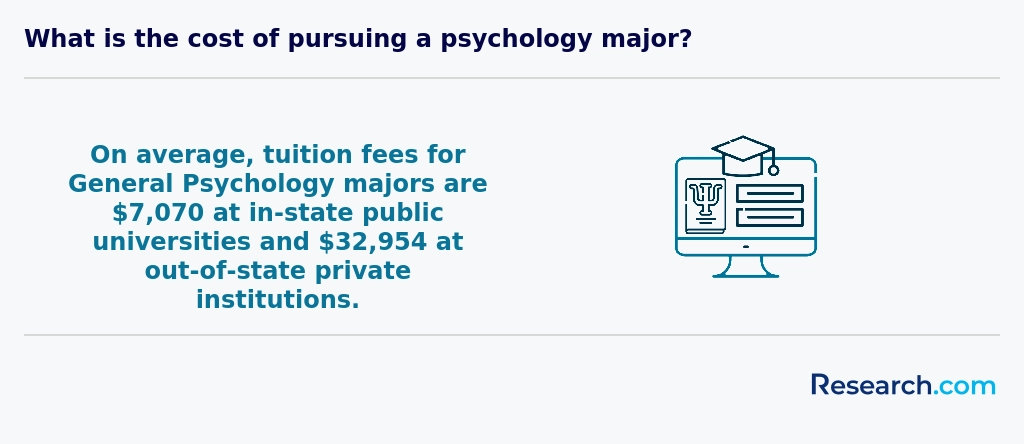
Pennsylvania's online psychology degree programs proudly offer a variety of specializations designed to inspire and empower students as they shape their careers. Graduates from popular universities in the state often share how Clinical Psychology allows them to make a real difference, helping individuals cope with mental health challenges through assessment and therapy. Others find fulfillment in Counseling Psychology, where the focus on emotional support and life guidance fuels their passion for human connection. The diversity in psychology degree focus areas Pennsylvania also includes Industrial-Organizational Psychology, perfect for those eager to improve workplace dynamics and boost employee well-being.
Students pursuing forensic or health psychology specializations often describe vivid experiences, from assisting in legal settings to promoting wellness initiatives, showing how these programs connect theory with meaningful impact. For many seeking to work with young people, Child and Adolescent Psychology offers a heartfelt path. Many of these students appreciate how practical online courses complement their busy lives while preparing for rewarding careers. Those interested in related fields might explore online bachelor's programs to expand their expertise.
Choosing the best online psychology programs Pennsylvania offers means focusing on accreditation and flexibility. Graduates from well-known institutions like Penn State and Temple University often share how accreditation from recognized bodies helped them confidently pursue licensure and feel assured their education meets high standards.
Affordability is vital-many students discover that affordable online psychology degrees Pennsylvania provides at state universities allow them to manage tuition alongside work and family commitments without sacrificing quality. They also highlight how programs with flexible schedules empower busy adults to balance life while advancing their careers.
Successful students recommend exploring curriculums that align with passions such as clinical, counseling, or organizational psychology. Programs that integrate real-world experiences, like internships or supervised fieldwork, prepare learners to excel. Many graduates from Pennsylvania universities find motivation by envisioning growth in clinical psychology private practice careers, fueling their academic journey.
Finally, look for strong faculty support and career services-these elements create an encouraging environment where students thrive and envision their future impact in the psychology field.
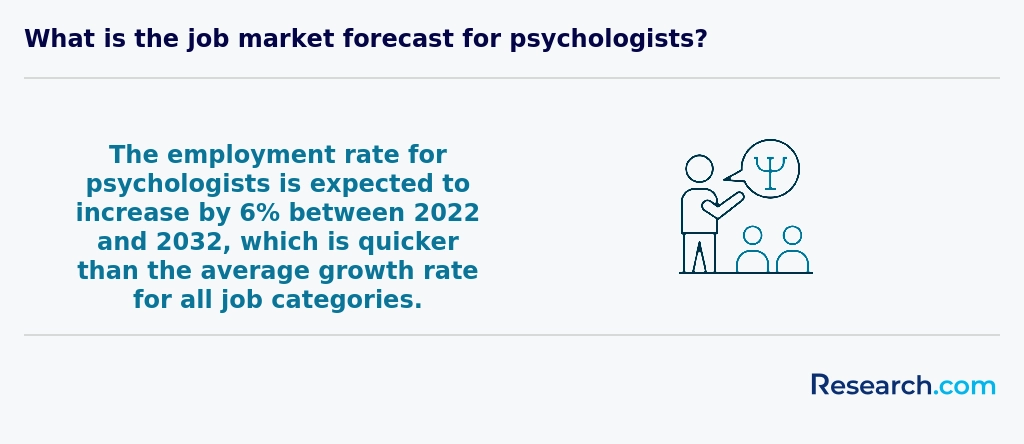
Graduates with an online psychology degree in Pennsylvania discover a wide array of fulfilling career paths that tap into their passion for helping others and understanding human behavior. Whether pursuing licensure to become clinical psychologists or therapists, many find rewarding roles in hospitals, private practices, or community centers after completing programs at popular universities like Penn State or Temple University. The journey is inspiring, as graduates apply their knowledge to positively impact lives every day.
Others embrace positions as counselors or social workers, supporting those facing challenges such as substance abuse or school adjustment. These roles often require a master's degree and certifications-where students benefit from Pennsylvania's strong educational resources. For those intrigued by business, industrial-organizational psychology careers in corporate or government settings provide exciting opportunities to improve workplace dynamics and productivity, reflecting the growing psychology degree job outlook Pennsylvania graduates enjoy.
Many graduates also contribute as research assistants at institutions known for mental health studies, fueling advancements in psychological science. Some pursue human services or educational support, using their skills to guide and empower communities. For those interested in counseling careers, exploring pathways like the Indiana licensed professional counselor can provide useful insights.

The job market for online psychology degree graduates in Pennsylvania offers encouraging opportunities, especially for those eager to make a meaningful impact in mental health and social services. Graduates from well-known institutions like Penn State and Temple University often find rewarding roles in behavioral health and counseling across vibrant cities such as Philadelphia and Pittsburgh. These urban centers boast established healthcare systems and universities that actively seek skilled psychology professionals.
Success stories highlight graduates who embraced Pennsylvania's evolving sectors, including school psychology and human factors, which continue to grow in demand. Many who earned online degrees have thrived by pursuing specialized areas, supported by the state's structure that links education to career advancement.
For those curious about costs, options like the most affordable psychology programs in Pennsylvania make this career path accessible. The positive job outlook and median wages near $80,000 make this a smart investment for students ready to build a fulfilling psychology career in Pennsylvania.
2027 Most Valuable Online Master's in Psychology Degree Programs Ranking in Pennsylvania
Investing in your education is a significant decision that can shape your future, and the Research.com team understands the importance of making informed choices. To assist prospective students in Pennsylvania, we have meticulously crafted the "2027 Most Valuable Online Master's in Psychology Degree Programs Ranking in Pennsylvania." Our commitment to quality, credibility, and accuracy is reflected in the extensive research and analysis conducted to compile this ranking.
We utilized the following reputable data sources to ensure a comprehensive evaluation of psychology programs:
By exploring this ranking, readers will gain valuable insights into the most valuable online master's psychology programs in Pennsylvania, aiding them in making well-informed decisions about their educational and career goals. For more details on our methodology, please visit our Research.com methodology page.
# 1 position
Penn State University Park
Master of Psychology of Leadership


Frequently Asked Questions About psychology
Students pursuing online psychology degrees in Pennsylvania can enhance their learning by actively engaging with course materials and participating in virtual discussions. Many Pennsylvania universities offer accredited programs that include interactive elements, such as live lectures and group projects, which help deepen understanding.
Utilizing local resources, like Pennsylvania Psychological Association events and networking opportunities, can also support practical learning. According to the Bureau of Labor Statistics, Pennsylvania has a growing demand for licensed psychologists, making clinical experience and state-specific licensure knowledge crucial.
Additionally, setting a consistent study schedule and seeking academic support services available online improves retention and success rates. Accessing research databases provided by Pennsylvania institutions further enriches students' research skills and academic growth.
The field of psychology continues to evolve, with several emerging niches gaining attention. In Pennsylvania, specialties like neuropsychology and forensic psychology are expanding due to growing demand in healthcare and criminal justice sectors. According to the Pennsylvania Department of Labor & Industry, employment in clinical and counseling psychology is projected to grow by 14% through 2030, signaling opportunities in mental health and behavioral analysis.
Another developing area is health psychology, which focuses on how behavior affects well-being. Online programs in Pennsylvania now often include coursework tailored to these specialties, reflecting workforce needs. Additionally, technology-driven fields such as cyberpsychology and telepsychology are becoming important as digital mental health services increase.
After completing an online psychology degree in Pennsylvania, it is essential to build practical experience to enhance employability. Many students pursue internships or volunteer roles in local clinics and mental health organizations, which Pennsylvania's Department of Human Services often supports through various workforce programs.
Networking is also critical; joining professional groups such as the Pennsylvania Psychological Association helps graduates connect with potential employers. Additionally, obtaining relevant certifications, like Licensed Professional Counselor (LPC) credentials, significantly improves job prospects.
According to the U.S. Bureau of Labor Statistics, Pennsylvania's employment of psychologists is projected to grow 12% from 2020 to 2030, indicating robust opportunities in various psychological services within the state.
Employers in Pennsylvania highly value psychology graduates who demonstrate strong analytical skills. These skills enable graduates to interpret data effectively, which is crucial in research and clinical settings. Communication proficiency is another top attribute, as clear interpersonal interaction supports patient care and teamwork.
Critical thinking and problem-solving abilities are essential, helping professionals develop treatment plans and adapt to complex cases. According to the Pennsylvania Department of Labor & Industry, employers also seek ethical awareness and cultural competence to serve the state's diverse population responsibly.
Familiarity with psychological assessment tools and digital record systems is increasingly important given evolving healthcare technologies.
Finding internships in Pennsylvania relevant to a psychology degree involves several strategic steps. Students should first utilize their university's career services and internship coordinators, as many Pennsylvania institutions have partnerships with local clinics, hospitals, and research facilities. For example, the Pennsylvania Psychological Association offers resources and listings tailored to aspiring psychology professionals.
Online platforms such as the Pennsylvania Department of Labor & Industry's apprenticeship and internship portal also provide valuable opportunities. Additionally, students should explore organizations like the Pennsylvania Mental Health Consumers' Association, which may offer applied experiences.
Networking through professional groups and attending state psychology conferences can increase access to hidden internships. According to recent state data, over 30% of psychology internships in Pennsylvania are found through direct university engagement or local health systems, highlighting the importance of institutional connections.
Obtaining an online psychology degree in Pennsylvania can significantly enhance career mobility and advancement opportunities. Pennsylvania's demand for psychology professionals is projected to grow by 10% from 2022 to 2032, according to the U.S. Bureau of Labor Statistics. Graduates with a master's or doctoral degree are often eligible for licensure, enabling work as licensed counselors, therapists, or psychologists within the state.
Online degrees provide flexibility for working professionals to gain credentials without relocating. This accessibility broadens prospects in hospitals, schools, and social service agencies, where Pennsylvania's psychology roles are concentrated.
Furthermore, specialized certifications combined with an online degree may increase salary potential and qualify graduates for leadership positions, advancing their careers.
Studying for an online psychology degree in Pennsylvania equips students with skills essential for interdisciplinary careers by emphasizing collaboration across various fields. Pennsylvania's higher education institutions often integrate courses in behavioral science, sociology, and health care, reflecting the state's focus on comprehensive mental health services. According to the Pennsylvania Department of Education, many programs align with workforce demands in social services, education, and healthcare sectors.
This interdisciplinary curriculum prepares students to work alongside professionals in medicine, education, and social work, fostering versatile problem-solving skills. Graduates are better positioned for roles that require understanding diverse human behaviors within different professional contexts, enhancing their employability across multiple industries. The state's growing emphasis on mental health underscores the value of such cross-sector knowledge.
When choosing between a thesis and a non-thesis online psychology degree program in Pennsylvania, consider your career goals first. Thesis options typically appeal to students aiming for research roles or doctoral studies, as they emphasize creating original research under faculty supervision.
Non-thesis programs focus more on practical skills and coursework, fitting students who want to advance professionally without pursuing a PhD. According to the Pennsylvania Department of Education, about 40% of psychology graduates in the state pursue research-driven paths, highlighting the value of thesis work in academia.
Additionally, thesis programs may require more time and self-discipline to complete extensive research projects. In contrast, non-thesis degrees usually offer flexibility and a quicker route to graduation.
Evaluate faculty expertise and course offerings at Pennsylvania institutions to ensure alignment with your interests. Reviewing program accreditation and licensure preparation support is also important, especially for clinical psychology careers within the state.
Students based in Pennsylvania who wish to study psychology abroad face unique challenges, especially when pursuing online degrees. Most U.S. institutions, including those in Pennsylvania, require that psychology programs meet accreditation standards set by bodies like the APA (American Psychological Association). When considering foreign programs, students should verify if these degrees are recognized or transferable within the U.S. system.
Currently, few international schools offer online psychology degrees fully accredited for U.S. licensure. Pennsylvania students often opt for local online programs or U.S.-based universities that incorporate global perspectives rather than enrolling directly in foreign degrees.
According to the Pennsylvania Department of Education, online psychology programs from accredited U.S. schools remain the most reliable pathway for licensure and career advancement in the state. Additionally, Pennsylvania psychology professionals benefit from strong local licensing boards that emphasize degrees from recognized U.S. institutions.
In Pennsylvania, part-time jobs that complement psychology degree education include roles such as behavioral health technician, psychiatric aide, and research assistant. These positions offer practical experience working with clients or in clinical research settings, which is valuable for psychology students. According to the Pennsylvania Department of Labor & Industry, behavioral health technician roles are expected to grow by 13% from 2021 to 2031, reflecting increasing demand.
Research assistant positions in university labs or healthcare institutions also provide hands-on exposure to psychological studies and data analysis. Moreover, part-time jobs in community support services help develop communication and intervention skills essential for psychology careers.
Online psychology students in Pennsylvania benefit from several networking opportunities that complement virtual learning. Many accredited Pennsylvania institutions offer access to professional organizations such as the Pennsylvania Psychological Association (PPA), which hosts events, workshops, and conferences. These gatherings provide valuable chances to connect with practicing psychologists and fellow students.
Additionally, Pennsylvania's strong healthcare and research sectors create internship and practicum openings. Online programs often collaborate with local sites to place students in real-world settings, fostering relationships and professional referrals. According to the Bureau of Labor Statistics, Pennsylvania employs over 8,500 psychologists, highlighting a vibrant local network for emerging professionals.
Online forums and alumni groups linked to Pennsylvania universities also serve as hubs for peer support and mentorship. These structures play a crucial role in building a career, especially when combined with statewide psychology events.
Alumni networks offer considerable benefits to online psychology degree students in Pennsylvania. These networks connect current students with graduates who have successfully entered the psychology field, providing valuable mentoring and career guidance. According to the Pennsylvania Psychological Association, networking can increase job placement rates by up to 30% for psychology graduates. Alumni often share insights on licensure requirements specific to Pennsylvania, which can be complex due to state regulations. Additionally, many networks offer access to job boards, internships, and continuing education opportunities. Such connections are especially important in online programs, helping students build professional relationships despite remote learning.
Customizing an online psychology degree in Pennsylvania involves selecting courses and specializations that align with your career goals. Many Pennsylvania institutions offer tailored tracks such as clinical psychology, counseling, or industrial-organizational psychology. This flexibility helps students develop relevant skills for their desired careers.
Additionally, students can often choose electives that focus on specific populations or treatment methods, enhancing their expertise. Pennsylvania's higher education system permits applying credits from prior coursework or professional experience, accelerating degree completion.
Licensure requirements in Pennsylvania, overseen by the State Board of Psychology, also influence program choices. Pursuing courses meeting these criteria ensures eligibility for professional certification or licenses in the state.
Research from the Pennsylvania Department of Education highlights that programs accredited by the American Psychological Association (APA) offer greater recognition, which can improve job prospects within the state.
Online psychology students in Pennsylvania often face challenges balancing coursework with personal and professional responsibilities. Many learners must manage jobs or family duties while keeping up with rigorous class assignments and exams. Connectivity issues and limited access to campus resources can also affect the quality of their learning experience. A 2023 report from the Pennsylvania Department of Education found that 38% of online students cited technology difficulties as a major barrier.
Additionally, psychology programs require hands-on training and internships, which can be harder to arrange remotely. Navigating the state's licensing requirements after graduation is another common concern, as these can vary and impact career plans.
With an online psychology degree in Pennsylvania, several professional certifications become accessible to graduates seeking to advance their careers. Common certifications include the Licensed Professional Counselor (LPC) and the Licensed Psychology Associate, both overseen by the Pennsylvania State Board of Psychology. These certifications require completion of a relevant degree, supervised experience, and passing state exams.
Additional options include credentials like Certified Addiction Counselor or Board Certified Behavior Analyst (BCBA), which often require specific coursework beyond a general psychology degree. According to the Pennsylvania Department of State, LPCs made up about 60% of psychology-related licenses in 2023, reflecting demand in mental health fields.
Graduates should verify licensure prerequisites carefully, as online degrees must meet state accreditation standards to qualify.
When applying to an online psychology program in Pennsylvania, start by carefully reviewing each school's admission requirements, as they can vary. Emphasize your academic background with a strong undergraduate GPA, especially in psychology-related courses. Include clear, concise personal statements explaining your motivation, career goals, and why you chose online study.
Highlight any relevant work or volunteer experience in mental health or research. Pennsylvania has over 100 licensed psychologists per 100,000 residents, indicating a competitive field-demonstrate how your experience sets you apart. Also, obtain convincing recommendation letters from professors or professionals familiar with your skills.
Ensure all transcripts and test scores are sent promptly, and follow application deadlines precisely. Use resources like the Pennsylvania Department of Education and APA's guidelines for additional advice.
Psychology careers in Pennsylvania align with broader trends seen across the United States. According to the U.S. Bureau of Labor Statistics, employment of psychologists is projected to grow 8% from 2022 to 2032, faster than the average for all occupations. This growth reflects increasing societal focus on mental health and wellness.
Globally, psychology is recognized as a versatile field that addresses diverse cultural and social issues. Within Pennsylvania, there is strong demand for clinical, counseling, and school psychologists, particularly in urban centers like Philadelphia and Pittsburgh, where behavioral health services continue to expand.
Online psychology degrees from accredited Pennsylvania institutions provide flexible pathways to enter this growing profession, meeting both local and international ethical and educational standards.
Students pursuing an online psychology degree in Pennsylvania can gain practical experience through approved internships and practicum placements required by many programs. These hands-on opportunities often occur at local hospitals, mental health clinics, or community agencies throughout the state. Universities partner with organizations to provide supervised fieldwork aligned with Pennsylvania's licensure requirements.
Additionally, some programs incorporate virtual simulations and case studies to prepare students for real-world scenarios. According to the Pennsylvania Psychological Association, over 75% of accredited psychology programs emphasize applied training to meet professional standards.
Engaging in research projects remotely with faculty members also builds practical skills relevant to psychology careers in Pennsylvania's diverse settings.
Choosing the right concentration within an online psychology degree program in Pennsylvania involves understanding both your career goals and the local job market. Pennsylvania offers diverse opportunities in clinical, counseling, industrial-organizational, and forensic psychology, each with unique requirements and outcomes. According to the Pennsylvania Department of Labor & Industry, healthcare and social assistance sectors-common fields for psychology graduates-are expected to grow by about 11% from 2020 to 2030.
Researching specific program accreditations and faculty expertise can also guide your decision. For example, concentrations that prepare students for licensure, such as clinical or counseling psychology, are popular due to strong demand. Consulting sources like the American Psychological Association and Bureau of Labor Statistics ensures you select a concentration aligned with state licensure standards and employment trends.
- 2027 Most Valuable Online Master's in Psychology Degree Programs Ranking in New York
- 2027 Most Valuable Online Master's in Psychology Degree Programs Ranking in Ohio
- 2027 Most Valuable Online Master's in Psychology Degree Programs Ranking in Virginia
- 2027 Most Valuable Online Master's in Psychology Degree Programs Ranking in Massachusetts
- 2027 Most Valuable Online Master's in Psychology Degree Programs Ranking in Indiana
- 2027 Most Valuable Online Master's in Psychology Degree Programs Ranking in Alabama
- 2027 Most Valuable Online Master's in Psychology Degree Programs Ranking in Florida
- 2027 Most Valuable Online Master's in Psychology Degree Programs Ranking in Missouri
- 2027 Most Valuable Online Master's in Psychology Degree Programs Ranking in Kansas
- 2027 Most Valuable Online Master's in Psychology Degree Programs Ranking in Texas
See What Experts Have To Say About Studying Psychology
Read our interview with Psychology experts

Joann Farrell Quinn, Ph.D., MBA
Psychology Expert
Director at the College of Medicine Department of Medical Education
Morsani College of Medicine

Robin M. Kowalski. Ph.D.
Psychology Expert
Professor of Psychology
Clemson University

Elizabeth L. Jeglic Ph.D.
Psychology Expert
Professor of Psychology
City University of New York

- Psychology (Online) https://www.claflin.edu/DivisionofAcademicAffairs/the-center-for-professional-and-continuing-studies/degrees/psychology-(online)
- A Guide to Psychology Internships | Psychology Degree Guide https://psychologydegreeguide.org/resources/internships/
- How Psychology Students Can Get Clinical Experience ... https://www.theplayfulpsychologist.com/post/students-experience-how-to-get-the-experience-you-need-before-you-graduate
- Scholarships For Psychology Majors (2025) https://www.psychology.org/scholarships/
- Psychology https://www.commonwealthu.edu/academics/programs/psychology-bs
- 2025 Most Popular Online Psychology Degrees in Pennsylvania https://www.onlineu.com/degrees/psychology/pennsylvania
- Unveiling the Potential: Advantages of an Online Psychology Degree https://www.calcoast.edu/news/unveiling-the-potential-advantages-of-an-online-psychology-degree
- Online Psychology Degrees in Pennsylvania: Compare Schools https://www.degreesforgood.org/online-degrees/psychology-programs/pennsylvania-pa/
- Community Psychology in Global Perspective http://siba-ese.unisalento.it/index.php/cpgp
- Best Online and Campus Psychology Schools in ... https://www.psychologydegree411.com/schools/pennsylvania/