
2027 Most Valuable Online Master's in Psychology Degree Programs Ranking in Indiana

Co-Founder and Chief Data Scientist
Choosing the right online master's in psychology program can feel overwhelming. That's why this article presents the 2027 Most Valuable Online Master's in Psychology Degree Programs Ranking in Indiana, created by the Research.com team of data scientists. It's designed to help Indiana students find programs that truly stand out.
By exploring this ranking, you'll gain insights into which degrees offer the best value for your time and investment. Pursuing a psychology degree opens doors to meaningful careers, personal growth, and the chance to make a difference in people's lives.
Key benefits of getting online psychology degree in Indiana
- Salary for psychology degree graduates: Graduates can expect strong earning potential with jobs like School Psychologist averaging $91,990 annually and Industrial-Organizational Psychologists earning about $154,380 per year.
- Career paths available: Psychology graduates in Indiana commonly pursue roles such as Mental Health Counselor or Marriage/Family Therapist, providing meaningful work helping others in their communities.
- Benefits of online degrees: Earning a psychology degree online offers flexibility and convenience, allowing students to balance work and life while studying at respected Indiana institutions from any location.
- 2027 Most Valuable Online Master's in Psychology Degree Programs Ranking in Indiana
- What can I expect from online psychology degree in Indiana?
- Where can I work with online psychology degree in Indiana?
What can I expect from online psychology degree in Indiana?
The average cost of pursuing an online psychology degree in Indiana typically ranges from $400 to $700 per credit hour, a figure that often surprises students familiar with higher rates elsewhere. For example, graduates from Indiana University-Bloomington reflect on how this affordability allowed them to balance family commitments without overwhelming financial stress, enabling a focused and optimistic approach to their studies. Meanwhile, candidates at Purdue University Northwest have praised the transparent tuition structure that supports budgeting for both in-state and out-of-state learners.
These costs are more than a price tag-they are an investment in flexible, accredited programs tailored to the distinct requirements of Indiana's licensure pathways. Many students appreciate the local coordination of practicum experiences, which aligns seamlessly with their online coursework and facilitates real-world engagement without relocation. This practical design, combined with financial aid opportunities, creates an accessible opportunity for advancing in the psychology field without sacrificing quality or financial peace of mind.
Where can I work with online psychology degree in Indiana?
Graduates with an online psychology degree in Indiana often unlock a variety of career paths that extend beyond the predictable clinical roles. Many find themselves thriving in mental health clinics, hospitals, or private practices, particularly if their program aligns with licensure requirements set by the Indiana Professional Licensing Agency. Imagine a graduate from a respected Indiana university stepping into a hospital counseling role, where they directly influence patient recovery and well-being-this tangible impact fuels a deep sense of purpose.
Others leverage their skills in dynamic urban centers like Indianapolis, enhancing workplace culture through organizational psychology in corporate or nonprofit settings. It's not uncommon for such graduates to report the rewarding challenge of shaping employee wellness programs, witnessing measurable improvements in morale and productivity firsthand.
Community mental health services also provide meaningful opportunities, especially for those passionate about behavioral health initiatives and substance abuse prevention. Some Indiana online degree holders land roles supporting state-funded projects, bridging gaps in care with a sense of community impact that inspires ongoing dedication.
Meanwhile, graduates from notable Indiana institutions often transition into academia or research support positions, engaging with cutting-edge studies while building their credentials. These diverse employment settings reveal that an online psychology degree in Indiana opens doors to careers that nourish both the intellect and the heart.
Graduates with an online psychology degree from well-regarded Indiana institutions like Indiana University or Purdue University often find themselves stepping into careers that offer varied but promising earnings. For instance, school psychologists here earn an average of about $91,990 annually, reflecting the crucial role they play in shaping young minds across the state's educational system.
Those pursuing counseling paths, such as mental health counselors, typically see mean wages near $60,080, while marriage and family therapists average around $68,730 annually. These figures resonate with many graduates who share how their online studies - balanced alongside real-life commitments - translate into impactful roles helping families and individuals.
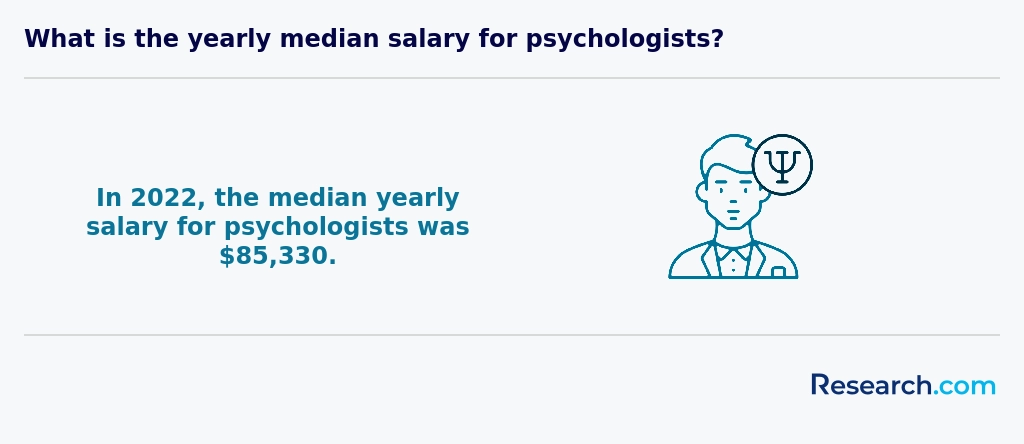
Indiana's dynamic industrial sector also offers inspiring opportunities; industrial-organizational psychologists earn an impressive $154,380 on average. This high earning potential invites students to envision themselves influencing workplace culture and efficiency in vibrant Hoosier businesses.
Rehabilitation counselors, with mean salaries around $48,430, reflect the diverse ways an Indiana online psychology degree can lead to meaningful and financially stable careers. For many, the blend of local demand and professional licensure requirements means a steady path to both personal satisfaction and economic reward.
- Bachelor's degrees in online psychology programs in Indiana cost around $9,000 to $12,000 per year at public institutions.
- Master's programs typically range from $12,000 to $20,000 in total tuition depending on length and curriculum.
- Entry-level psychologists in Indiana earn about $55,000 to $65,000 annually, with experienced professionals making over $85,000.
- Psychology-related jobs in Indiana are expected to grow by approximately 10% in the next decade.
- Licensure in Indiana requires an accredited psychology degree, supervised clinical experience, and passing national exams.
Completing an online psychology degree in Indiana typically ranges from about four years for full-time undergraduates to six or more years for part-time students balancing work and life. Graduates from popular schools like Indiana University or Purdue University often reflect on this timeline, sharing how the flexibility helped them manage family commitments while steadily progressing toward their goals.
For those pursuing a master's degree online in Indiana, the journey usually spans 1.5 to 3 years. Some graduates recall fitting accelerated programs into their busy schedules to move faster, while others chose part-time pacing to deepen their understanding without burnout. This variable rhythm allows students to tailor their path, often making the process feel less like a race and more like meaningful growth.
It's not just about credit hours; it's about how life integrates with study. Graduates appreciate how programs at institutions such as Ball State University offer practical capstones and practicum experiences that transform learning into real-world confidence. The typical timelines become personal stories of persistence, balance, and achievement within Indiana's evolving educational landscape.
When considering an online psychology degree in Indiana, affordability is a crucial factor for many students. Exploring the cheapest psychology programs in Indiana can help prospective students make informed decisions about their educational investments. By weighing the costs against the potential benefits, including career opportunities and personal growth, students can choose a program that aligns with their financial situation and long-term goals. This thoughtful approach to selecting an online psychology program ensures that students can pursue their passion for psychology without undue financial strain, setting them up for success in their future careers.
The distinction between online and on-campus psychology programs in Indiana goes beyond location; it reshapes the entire educational journey. Graduates from Ball State University's online psychology program often celebrate the unmatched flexibility that lets them balance coursework with family or a full-time job. They access lectures anytime, which makes learning feel personalized and self-paced, especially valuable for busy adults. In contrast, on-campus students at Indiana State University frequently describe the energizing atmosphere of face-to-face discussions and immediate faculty support, which deepens their engagement and networking opportunities.
Yet, both paths confront the same rigorous academic standards, which means an online learner in Indiana can earn a degree as respected as one obtained on campus. The challenge for online students lies in securing local internships or practicum experiences independently, an aspect that on-campus students often find seamlessly integrated through university partnerships.
Choosing between these modes isn't merely logistical; it's a reflection of personal learning style and life demands, making Indiana's diverse program formats a powerful way to align education with individual rhythms.
Choosing an accredited program is the first step toward a successful career in psychology. In Indiana, reputable online master’s programs should hold regional accreditation from bodies such as the Higher Learning Commission (HLC) and, for clinical tracks, programmatic accreditation from the American Psychological Association (APA). Accreditation ensures that your degree meets the rigorous academic standards required by state licensing boards and future employers. After graduation, aspiring counselors and psychologists must complete supervised clinical hours-typically 3,000 post-master’s hours for Licensed Mental Health Counselors (LMHC) or 1,500 for Licensed Psychological Associates (LPA). These hours must be logged under the supervision of an Indiana-licensed psychologist or counselor and approved by the Indiana Professional Licensing Agency (IPLA). Candidates then register for and pass the National Counselor Examination (NCE) or the Examination for Professional Practice in Psychology (EPPP), as applicable to their chosen license. Continuing education is another critical component: most licenses require 40 hours of approved CE credits every two years, including ethics and Indiana-specific law courses. Graduates should also verify that their online program provides support for licensure preparation, such as exam review workshops and supervised practicum placements. For students seeking cost-effective options or interested in transferring credits, consider exploring Affordable Psychology Degree Programs Ranking in North Carolina to compare program costs and accreditation statuses. By prioritizing accreditation, understanding supervised hour requirements, and preparing for licensure exams, Indiana graduates can confidently navigate the path from graduation to licensed practice, ensuring both compliance and competitive advantage in the job market.
The average cost of an online psychology degree in Indiana varies significantly depending on residency and institution type, yet the median total tuition and fees paint a clearer picture. For in-state students pursuing online psychology master's degrees, the median cost is around $13,530, much more affordable compared to out-of-state students who often face a median total cost of about $20,328. Graduates from Indiana University or Ball State University frequently share how this in-state benefit eased their financial journey, allowing them to focus more on their coursework and less on debt.
Such costs highlight the real challenge behind the average cost of online psychology degree in Indiana: balancing quality education with financial feasibility. Public universities remain a beacon for affordability, while private institutions generally command higher tuition that can reach upwards of $40,000 per year, placing a heavier burden on those without scholarships or aid. One common thread among students is the relief found in fixed tuition programs offered by some schools, ensuring predictable expenses over the degree timeline.
The total tuition and fees for online psychology master's Indiana students must also consider credit hour requirements, which typically fall between 30 and 45, and additional fees like technology costs. Many students find encouragement in financial aid opportunities and scholarships tailored specifically to psychology fields, affirming that financial assistance can transform the dream of earning a degree into a rewarding reality.
Indiana's online learners often navigate complex decisions, sometimes consulting resources on arkansas psychology license renewal requirements to better understand professional pathways post-degree. This broader awareness helps frame tuition as an investment, not merely a cost, contributing to career readiness and personal fulfillment.
Graduates aiming for professional licensure in Indiana must navigate state-specific steps:
- LMHC (Licensed Mental Health Counselor)
- Earn a master’s in counseling or psychology from an accredited program
- Complete 2,400 hours of supervised clinical experience post-degree
- Pass the National Counselor Examination (NCE) or National Clinical Mental Health Counseling Examination (NCMHCE)
- Apply through the Indiana Professional Licensing Agency (IPLA) and submit all verification forms
- Renew every two years with 40 hours of continuing education
- Licensed Psychologist
- Complete a doctoral (PhD/PsyD) in psychology from an APA-accredited institution
- Accrue 3,400 hours of supervised practice, including pre- and post-doctoral hours
- Pass the Examination for Professional Practice in Psychology (EPPP)
- Submit official transcripts, exam scores, and supervision logs to IPLA
- Maintain licensure with annual continuing education credits
Many students choose an accelerated online psychology degree to fulfill coursework more quickly before beginning supervised practice.
Financial aid for online psychology students in Indiana often extends beyond mere tuition help; it shapes the educational journey itself. Graduates from Indiana University and Ball State University recall how completing the FAFSA opened doors to federal grants like the Pell Grant, easing the burden for undergraduates. Though limited for graduate psychology students, federal loans remain a practical lifeline when paired with the Frank O'Bannon Grant-a state-funded opportunity that many Hoosier students rely on to bridge funding gaps and maintain momentum in their academic pursuits.
At institutions such as Purdue University Fort Wayne, tailored scholarships and assistantships not only relieve costs but also provide hands-on research and teaching experience, increasing confidence and career readiness. The feeling of securing an assistantship after a competitive application process is often described as empowering-offering both financial security and professional growth.
Psychology students also benefit from private scholarships offered by organizations like the Indiana Psychological Association, fueling ambitions with awards that recognize dedication and potential. These financial resources transform daunting expenses into manageable steps, allowing students to focus on their passion for mental health without constant financial anxiety.
Ensuring your online master’s in psychology program holds proper accreditation is critical for both academic quality and eligibility for licensure in Indiana. All reputable programs should be regionally accredited by bodies such as the Higher Learning Commission (HLC), while those focused on clinical practice may carry additional programmatic accreditation from the American Psychological Association (APA). Accreditation not only validates curriculum rigor but also impacts transferability of credits, qualification for federal financial aid, and acceptance by licensure boards nationwide. For students seeking an accelerated timeline, exploring a psychology degree accelerated can provide intensive coursework that meets accreditation standards and speeds up the path to practice. To become a licensed psychologist or counselor in Indiana, graduates must: • Earn a master’s (or doctoral) degree in psychology from a regionally and programmatically accredited institution • Complete a minimum of 1,500–2,000 supervised practicum and internship hours, as required by the Indiana Psychology Board • Pass the Examination for Professional Practice in Psychology (EPPP) with a score meeting or exceeding the board’s cutoff • Submit proof of education, supervised experience, and examination results along with required application fees to the Indiana Professional Licensing Agency After initial licensure, Indiana psychologists and counselors must satisfy continuing education requirements-typically 20 hours every two years-to maintain licensure. By choosing an accredited online program that aligns with Indiana’s statutes and the APA’s guidelines, you safeguard your investment and ensure a seamless transition from graduation to professional practice.
To enroll in an online psychology degree in Indiana, you must first hold a bachelor's degree, preferably from an accredited institution. Many graduates from Indiana University recount how having even a few foundational psychology or social science courses eased their transition into advanced topics. For example, completing prerequisites like statistics or research methods isn't just a box to check-it builds confidence for managing complex graduate coursework.
Most programs expect a solid academic record, often a minimum 3.0 GPA, which reflects your readiness to engage rigorously with the material. Some students found that submitting GRE scores, though sometimes optional, gave them an edge in competitive admissions. Supporting documents such as official transcripts, letters of recommendation, and a statement of purpose grounded in personal motivation are also vital.
Graduates from schools like Ball State University emphasize how these requirements prepare you to think critically and professionally, especially if you aim for licensure in Indiana's demanding clinical landscape. This blend of academic standards and personal reflection transforms applicants into capable, motivated psychologists ready to make an impact.
Prospective students can greatly enhance their chances of acceptance by preparing a strong application that highlights both academic achievements and personal growth. In addition to meeting the general prerequisites, consider these strategies: First, tailor your personal statement to reflect your passion for psychology and clearly articulate how each online program aligns with your career aspirations. Emphasize any research or volunteer experiences, and be sure to mention practical skills gained from internships or work that demonstrate your readiness for advanced studies. Next, secure compelling letters of recommendation from professionals or professors who can attest to your academic potential and commitment to the field. It can also be beneficial to review admission standards detailed in resources dedicated to advanced studies, such as best psychology phd programs, which offer insights into what top-tier programs look for in candidates. Finally, practice for any potential interviews and prepare to discuss how your experiences have shaped your interest in psychology. By following these admission tips, you can craft an application that not only meets but exceeds the expectations of competitive online psychology programs in Indiana.
Online psychology degrees in Indiana often immerse students in courses that balance foundational theory with real-world applications. Graduates from well-known institutions like Indiana University or Purdue University report that classes such as Introduction to Psychology and Research Methods and Statistics felt immediately relevant-whether analyzing research papers or conducting small studies themselves.
Courses like Biological and Cognitive Psychology challenge students to think beyond textbook learning, inviting them to explore how brain chemistry influences behavior or how memory shapes daily decision-making, often visualizing these concepts through case studies and hands-on virtual labs.
Social Psychology and Abnormal Psychology encourage empathy and self-reflection, helping students understand the complexities of human interaction and mental health. Former students often describe these classes as eye-opening, fostering a deeper compassion for diverse perspectives encountered in Indiana's communities.
Many also find specialized electives, like forensic or industrial-organizational psychology, instrumental in shaping their career path. Such courses at Indiana-based colleges help students connect theory with practice, fueling a sense of purpose as they prepare to impact the world beyond academics.
Indiana's online psychology degree specializations invite students to reconsider what it truly means to study human behavior. Graduates from institutions like Ball State University frequently share how diving into clinical psychology transformed their understanding of mental health beyond textbook definitions, allowing them to connect deeply with real-world challenges in healthcare. Others pursuing Indiana online master's psychology concentration options find themselves gravitating toward industrial-organizational psychology, where learning how to boost workplace morale becomes a passionate mission-far from mundane theories, it's about influencing everyday lives in offices across the state.
For many, the allure of forensic psychology lies in its rich intersection with the legal system, blending psychological insight with criminal justice, a strong local demand in Indiana. Developmental psychology, too, appeals to graduates aiming to impact social services, with coursework from Indiana State University opening doors to understanding growth across a lifespan. Students stepping into counseling psychology often feel energized by the increasing need-highlighted by local workforce trends-and explore career pathways with confidence, especially when considering lpc licensure reciprocity virginia, which broadens their horizons.
Embracing these specializations is not just about earning a degree; it's an invitation to engage deeply with the psychological fabric of Indiana's diverse communities, pushing beyond conventional learning into meaningful, tailored careers.
Choosing the best online psychology degree programs Indiana isn't just about finding convenient schedules or affordable tuition. Graduates from Purdue University Global often recall how accreditation by recognized agencies like the Higher Learning Commission shaped their confidence, ensuring their degrees commanded respect in the professional world. Imagine balancing family life while engaging in asynchronous courses-Indiana State University alumni highlight how flexibility in pacing sparked genuine enthusiasm rather than burnout.
Think beyond cost. While public schools offer lower tuition, the value lies in how programs connect you to Indiana's psychology community. Graduates credit strong internship pathways and career support as pivotal in securing meaningful jobs post-graduation. Consider areas of specialization that excite you: clinical psychology or counseling, for example, both align with growing local demands. Reflect on what feels fulfilling from a student's perspective rather than just what looks efficient.
Insights from out-of-state links such as psychology education California remind us that broadening your horizon can enrich your choice. In sum, choosing wisely means balancing dream, practicality, and tangible community ties within Indiana's evolving market.

Graduates with an online psychology degree in Indiana quickly discover diverse career paths that go beyond traditional therapy roles. Many find themselves drawn toward clinical or counseling psychology, pursuing licensure as mental health counselors or clinical social workers. Those who studied at respected institutions like Indiana University often share how hands-on experiences during their programs laid the foundation for meaningful work supporting individuals through complex mental health challenges.
Others explore roles as school psychologists, directly impacting K-12 students' educational and emotional well-being, reflecting Indiana's growing demand. Meanwhile, some graduates embrace industrial-organizational psychology, boosting workplace culture and productivity in regional companies. For those fascinated by research, universities such as Purdue offer opportunities to contribute to groundbreaking psychological studies, making academia a vibrant option.
Many graduates relate how bridging theory with practice through internships helped them realize the emotional rewards found in human services and case management roles. Navigating these possibilities requires understanding licensure paths, which Indiana's guidelines clarify. For example, those interested in therapy might consult resources like Vermont licensed counselor certification for comparative insights. These various avenues illustrate how an online psychology degree careers Indiana can be a transformative journey aligned with personal purpose.
The job market for online psychology degree graduates in Indiana is dynamic and promising, marked by steady growth in mental health services and expanding roles across healthcare and education. Graduates from well-known institutions in the state often share stories of entering positions as counselors or school psychologists shortly after completing their degrees, illustrating how the demand for mental health professionals positively affects career opportunities. This outlook challenges the notion that local markets might be oversaturated, especially when considering the shortage of licensed mental health professionals reported statewide. Those pursuing psychology career opportunities Indiana online graduates are advised to consider programs that emphasize practical experience and licensing preparation, as Indiana's varied licensing requirements and supervised experience demands can be pivotal to career success.
Financially, the cost-effectiveness of obtaining a psychology degree at Indiana's public universities appeals to many who seek quality education without the burden of excessive debt. Many students find that these programs, including the cheapest psychology programs in Indiana, allow them to balance study with personal commitments while accessing a vibrant job market. Graduates feel empowered entering a field where counseling, substance abuse therapy, and school psychology are expanding, fostering a sense of purpose amid career growth.
2027 Most Valuable Online Master's in Psychology Degree Programs Ranking in Indiana
Investing in your education is a significant decision that can shape your future, and the Research.com team understands the importance of making informed choices. To assist prospective students in Indiana, we have meticulously crafted the "2027 Most Valuable Online Master's in Psychology Degree Programs Ranking in Indiana." Our commitment to quality, credibility, and accuracy is reflected in the extensive research and analysis conducted to compile this ranking.
We utilized the following reputable data sources to ensure a comprehensive evaluation of psychology programs:
By exploring this ranking, readers will gain valuable insights into the most valuable online master's programs in psychology in Indiana, helping them make informed decisions about their educational and professional paths. For more details on our methodology, please visit our Research.com methodology page.


Frequently Asked Questions About psychology
Online psychology degree students in Indiana can maximize their learning by actively engaging with their coursework and peers. Many accredited Indiana institutions offer interactive platforms that facilitate discussion and real-time feedback, enhancing comprehension. Students should take advantage of virtual office hours and online tutoring.
Networking with local mental health professionals can provide valuable practical insights and career opportunities. The Indiana Psychological Association offers resources and events that can broaden understanding of regional challenges in psychology.
Additionally, students benefit from completing internships or practicum experiences within Indiana's diverse communities, ensuring applied knowledge relevant to state-specific psychological needs. Staying updated with research published by Indiana University's psychology department further enriches learning.
The psychology field is continuously evolving, with several emerging niches gaining momentum. In Indiana, growing areas include neuropsychology, which studies the brain-behavior relationship, and health psychology, focusing on how mental health affects physical well-being. Industrial-organizational psychology is also expanding, reflecting businesses' increased interest in employee well-being and productivity.
Additionally, forensic psychology is in demand due to collaborations between psychologists and legal systems. According to the U.S. Bureau of Labor Statistics, Indiana expects a 10% growth in psychologist employment by 2032, especially in these specialized fields. Online psychology degrees now often offer concentrations in these niches to meet workforce needs.
Graduates with an online psychology degree in Indiana should focus on developing practical experience and professional connections to enhance job prospects. Internships and volunteer work in mental health facilities or community organizations are valuable for gaining hands-on skills. According to the U.S. Bureau of Labor Statistics, Indiana's employment for psychologists is projected to grow by about 8% from 2020 to 2030, highlighting steady demand.
Licensure is essential for many psychology careers. Graduates must complete supervised hours and pass the Examination for Professional Practice in Psychology (EPPP). Networking through local groups like the Indiana Psychological Association provides access to job openings and ongoing education. Tailoring resumes to highlight research, clinical experience, or data analysis strengthens applications in diverse psychology-related fields.
Employers in Indiana seek psychology degree graduates who possess strong critical thinking and analytical skills. These abilities enable graduates to assess client needs and develop effective interventions. Communication skills are equally essential, as professionals often work closely with diverse populations.
Indiana employers also value proficiency in research methods and statistical analysis. The Bureau of Labor Statistics notes that the demand for data-driven psychological services is growing nationwide, making these technical skills crucial. Additionally, understanding ethical standards and maintaining confidentiality are required for licensure and professional credibility in Indiana.
Finally, adaptability and cultural competence are increasingly important. Indiana's growing population diversity calls for psychologists who can effectively serve varied communities while applying evidence-based practices.
Finding internships in Indiana related to a psychology degree involves exploring opportunities through multiple channels. Many universities with online psychology programs have partnerships with local hospitals, mental health clinics, and community service organizations in Indiana, which facilitate internship placements for students.
The Indiana Psychological Association and the Indiana Division of Mental Health and Addiction offer listings and resources to connect students with relevant internships. Additionally, state licensure boards often require supervised hours completed through internships, making accredited programs a helpful guide for compliance.
Websites like the Indiana Career Connect provide updated postings for internships in psychology and behavioral health fields. Networking at professional events hosted by Indiana's Psychological Association can also lead to valuable contacts.
According to the Bureau of Labor Statistics, Indiana employed over 7,000 psychologists in 2022, indicating a steady demand for psychology professionals and internship opportunities. Leveraging university career services and joining local psychology organizations remain key strategies to secure placements.
Obtaining an online psychology degree in Indiana can significantly enhance career mobility and advancement opportunities within the state's growing mental health sector. Indiana's demand for mental health professionals is projected to grow by 14% from 2020 to 2030, according to the U.S. Bureau of Labor Statistics. An advanced degree expands eligibility for higher-level roles such as licensed professional counselor or clinical psychologist, which require a master's or doctoral degree. Online programs accredited by recognized bodies like the APA ensure graduates meet state licensure requirements, facilitating easier entry into established professional networks across Indiana.
Furthermore, online learning offers flexibility for working adults, allowing career advancement without sacrificing current employment. Indiana employers often value candidates with accredited degrees, boosting competitiveness in the job market. Ultimately, an online psychology degree supports both initial employment and progression to supervisory or specialized clinical roles within Indiana's healthcare, education, and social services sectors.
Studying for a psychology degree in Indiana offers strong preparation for interdisciplinary roles by emphasizing collaboration across various fields such as healthcare, education, and social services. Indiana universities integrate coursework in research methods, behavioral science, and ethics that align with diverse professional environments. According to the National Center for Education Statistics, Indiana awards over 1,200 psychology degrees annually, many focused on applied skills relevant to multiple sectors.
The state's online programs often include training in data analysis, communication, and problem-solving, essential for roles involving teamwork with medical professionals, educators, or counselors. This approach reflects workforce demands highlighted by the Indiana Commission for Higher Education.
Choosing between a thesis and a non-thesis psychology degree program in Indiana depends on your career goals and learning preferences. A thesis program involves conducting original research and writing a detailed paper, which is ideal if you plan to pursue a PhD or work in research-focused roles. Non-thesis programs often focus on practical skills and coursework, suiting students aiming for clinical or applied psychology positions.
Indiana universities follow guidelines by the American Psychological Association (APA), which emphasizes research competency for advanced psychology roles. According to the Indiana Commission for Higher Education, about 40% of graduate psychology students choose thesis tracks statewide.
Cost, time, and faculty availability also influence the decision. Thesis paths may require more time and faculty mentorship, while non-thesis paths can be completed faster. Consider your future plans and consult program advisors to align choices with your specific professional goals.
Students in Indiana seeking to study psychology abroad online have several pathways through US institutions with global partnerships. Many Indiana universities offering online psychology degrees facilitate study-abroad experiences via exchange programs or international internships, allowing credits earned overseas to count toward degree completion.
While no Indiana public university directly offers fully foreign online psychology degrees, programs accredited by the American Psychological Association (APA) ensure quality and transferability of credits internationally.
According to Indiana Commission for Higher Education reports (2023), about 12% of psychology students engage in study-abroad or international coursework facilitated by their home university, emphasizing experiential learning beyond borders.
Indiana students also often explore online degrees from universities that maintain global recognition, helping them meet both local licensure and international career goals.
Indiana offers several part-time job opportunities that can complement studies in an online psychology degree program. Positions such as behavioral health technician, mental health aide, or research assistant in local universities provide valuable hands-on experience related to psychology. According to the Indiana Department of Workforce Development, jobs in the mental health field are expected to grow by about 14% from 2022 to 2032, making these roles beneficial both academically and professionally.
Working as a case manager or crisis intervention specialist in community health organizations also allows students to apply psychological principles practically. These jobs often offer flexible hours suitable for part-time students.
Additionally, research assistant roles at Indiana University or Purdue University help develop skills in data collection and analysis relevant to psychology careers.
Online psychology students in Indiana have several networking opportunities despite studying remotely. Many Indiana universities offering online psychology degrees encourage virtual events, such as webinars, guest lectures, and discussion forums, which connect students with faculty and peers.
The Indiana Psychological Association (IPA) provides students with access to conferences, workshops, and a mentorship program, helping build professional relationships across the state.
Additionally, students can join national organizations like the American Psychological Association, which offer Indiana regional groups and local meetups. Engaging in internships or practicum placements in Indiana further expands networking potential by fostering connections with local professionals.
Alumni networks play an important role for online psychology degree students in Indiana by providing valuable professional connections. Graduates can access a community of peers and experienced professionals, which can lead to job opportunities in local mental health organizations or academic settings. According to the Indiana Commission for Higher Education, over 30% of psychology graduates find employment through networking within alumni groups. These networks also offer mentorship, helping students navigate licensure requirements specific to Indiana, such as those for Licensed Mental Health Counselors. Additionally, alumni events and online platforms foster knowledge sharing about emerging psychology practices in the state.
Indiana students interested in online psychology degrees can tailor their programs by selecting concentrations aligned with their career goals. Many Indiana universities offer specializations such as clinical psychology, counseling, educational psychology, or industrial-organizational psychology. Choosing specific electives allows students to gain skills relevant to roles in mental health services, education, or business settings.
Students should also consider programs with flexible internship or practicum options within Indiana. Gaining local experience helps build professional networks and meets state licensing requirements. According to the Indiana Professional Licensing Agency, practical experience is essential for many psychology careers in the state.
Additionally, online programs accredited by the American Psychological Association ensure rigorous curricula that support diverse career paths.
Online psychology students in Indiana often face challenges related to balancing coursework with personal and professional responsibilities. Many adult learners juggle jobs and families, which can limit time dedicated to study and research. Access to hands-on experiences such as internships or practicums is another hurdle, as these are vital for psychology training but harder to arrange remotely.
Technical issues, including reliable internet access and familiarity with digital platforms, can also disrupt learning, especially in rural areas of Indiana. According to the Indiana Commission for Higher Education, about 20% of the population lives in regions with limited broadband, complicating online participation.
Furthermore, online students may experience feelings of isolation and fewer networking opportunities compared to traditional settings, impacting motivation and professional growth.
With an online psychology degree in Indiana, graduates can pursue several professional certifications to advance their careers. One common path is becoming a Licensed Mental Health Counselor (LMHC), which requires a master's degree, supervised clinical hours, and passing the National Counselor Examination.
Another option is certification as a Certified Alcohol and Drug Counselor (CADC), helpful for those focusing on addiction counseling. The Indiana Behavioral Health and Human Services Licensing Board provides specific licensure details.
While an online degree is valuable, many certifications, like Licensed Psychologist, demand a doctoral degree and extensive supervised experience.
Additional credentials include the National Certified Counselor (NCC) offered through the National Board for Certified Counselors, widely respected across Indiana and the US.
When applying to an online psychology program in Indiana, your application should clearly demonstrate your passion and readiness for graduate-level study. Start by crafting a compelling personal statement that highlights your experience with psychology-related topics, relevant work, or volunteer activities.
Indiana's higher education institutions value applicants who show familiarity with regional psychological challenges or populations, such as those noted by the Indiana Department of Education or local mental health agencies. Including this knowledge signals your commitment to serving Indiana communities.
Strong letters of recommendation from professors or supervisors who can attest to your academic abilities and character also boost your application.
Additionally, maintain a competitive GPA-typically a minimum of 3.0-and prepare a polished resume that outlines your academic and practical experiences.
Some programs may require GRE scores, but many Indiana schools have moved away from this requirement or make it optional.
Psychology careers in the United States, including Indiana, are influenced by global trends emphasizing mental health awareness and cultural competence. The U.S. Bureau of Labor Statistics projects a 10% growth in psychologist jobs from 2022 to 2032, which aligns with rising worldwide demand. In Indiana, professionals are encouraged to develop skills relevant to diverse populations, reflecting global perspectives in psychology practice.
The American Psychological Association highlights the importance of understanding international research and ethical standards, which enhances career opportunities. Many online psychology programs in Indiana integrate global viewpoints to prepare students for challenges in a connected world.
Global perspectives also foster collaboration through cross-cultural research and telepsychology, increasingly common in Indiana's expanding healthcare landscape.
Gaining practical experience while pursuing an online psychology degree in Indiana is essential for career readiness. Many programs encourage students to complete internships or practicum placements at local clinics, hospitals, or community organizations. These experiences help develop clinical skills and apply psychological theories in real-world settings.
Indiana also offers opportunities through partnerships between universities and mental health agencies, allowing remote students to access supervised fieldwork. The Indiana Association of Psychology Boards provides resources to ensure internships meet licensure requirements.
Additionally, volunteering for research projects at universities or participating in virtual labs can enhance practical knowledge. According to the Indiana Commission for Higher Education, combining coursework with hands-on experience improves job prospects significantly.
Choosing the right concentration within an online psychology degree program in Indiana depends on your career goals and interests. Popular concentrations include clinical, counseling, industrial-organizational, and developmental psychology. Indiana's workforce data from the U.S. Bureau of Labor Statistics highlights a strong demand for clinical psychologists and counselors in the state, reflecting higher employment growth in healthcare and social assistance sectors.
Consider how each concentration aligns with Indiana's licensing requirements and job market. For example, clinical psychology roles often require additional supervised experience and state licensure. Reviewing specific programs' curricula may help pinpoint concentrations emphasizing research, therapy, or applied skills relevant to Indiana's population.
Online programs should also offer flexibility and faculty expertise suited to your learning style and career ambitions.
- 2027 Most Valuable Online Master's in Psychology Degree Programs Ranking in Ohio
- 2027 Most Valuable Online Master's in Psychology Degree Programs Ranking in Missouri
- 2027 Most Valuable Online Master's in Psychology Degree Programs Ranking in Pennsylvania
- 2027 Most Valuable Online Master's in Psychology Degree Programs Ranking in Alabama
- 2027 Most Valuable Online Master's in Psychology Degree Programs Ranking in Virginia
- 2027 Most Valuable Online Master's in Psychology Degree Programs Ranking in Florida
- 2027 Most Valuable Online Master's in Psychology Degree Programs Ranking in New York
- 2027 Most Valuable Online Master's in Psychology Degree Programs Ranking in Massachusetts
- 2027 Most Valuable Online Master's in Psychology Degree Programs Ranking in Kansas
- 2027 Most Valuable Online Master's in Psychology Degree Programs Ranking in Texas
See What Experts Have To Say About Studying Psychology
Read our interview with Psychology experts

Robin M. Kowalski. Ph.D.
Psychology Expert
Professor of Psychology
Clemson University

Catherine Caldwell-Harris, Ph.D.
Psychology Expert
Associate Professor of Psychology
Boston University

Joann Farrell Quinn, Ph.D., MBA
Psychology Expert
Director at the College of Medicine Department of Medical Education
Morsani College of Medicine

- Know more about thesis vs non- thesis: what is the difference? https://studyfans.com/en/blogs/816
- Psychology Online Degree Pathway https://www.learndirect.com/course/psychology-online-degree
- What Certifications Can I Get With A Bachelor's In Psychology? https://www.psychology.org/resources/certification-skills-for-psychology-major-resumes/
- Most Affordable Online Psychology Degree Programs: School Reviews https://www.degreesforgood.org/online-degrees/psychology-programs/most-affordable/
- Ontario Psychological Association - Networking and Community Resources https://www.psych.on.ca/become-a-member-(1)/member-services/networking-and-community-resources
- Alumni Perspectives - Meet Our FPN Alumni https://www.aanmelder.nl/alumni-perspectives-june-2023
- Study Psychology Abroad | Go Overseas https://www.gooverseas.com/study-abroad/psychology
- Most Popular Online Psychology Degrees in Indiana https://www.onlineu.com/degrees/psychology/indiana
- Bachelor of Psychology Online https://www.grace.edu/programs/psychology-online/
- Mental Health Challenges Faced by Psychology Students | The Healthcare Guys https://healthcareguys.com/2023/11/23/mental-health-challenges-faced-by-psychology-students/


