
2027 Best Online Bachelor's in Psychology Degree Programs Ranking in Texas

Co-Founder and Chief Data Scientist
Are you considering pursuing an online bachelor's degree in psychology in Texas? This article presents the 2027 Best Online Bachelor's in Psychology Degree Programs Ranking in Texas, created by the Research.com team of data scientists. It offers clear insights to help you choose the best program tailored to your goals.
Studying psychology opens doors to understanding human behavior and making a positive impact in many fields. Exploring this ranking can bring confidence and clarity as you embark on your educational journey toward a rewarding career.
Key benefits of getting online psychology degree in Texas
- Salary benefits: Graduates with a psychology degree in Texas can earn competitive salaries in various roles such as Human Resources Specialists, with a mean annual wage of $76,060, or Marketing Research Analysts, earning about $83,190 per year.
- Career paths: A psychology graduate from a major Texas university can find rewarding jobs in fields like Clinical Research Associate or Survey Researcher, both averaging around $62,370 annually, offering diverse opportunities to make a meaningful impact.
- Online degree advantages: Completing a psychology degree online in Texas allows flexibility to balance work and study, while still gaining quality education, which can boost confidence and career growth without commuting stress.
- 2027 Best Online Bachelor's in Psychology Degree Programs Ranking in Texas
- What can I expect from online psychology degree in Texas?
- Where can I work with online psychology degree in Texas?
What can I expect from online psychology degree in Texas?
Curious about the cost of diving into an online psychology degree in Texas? You'll find that in-state tuition at many public universities, like Texas A&M or the University of Texas system, typically hovers between $7,000 and $10,000 per year. Imagine managing your coursework from home while saving thousands compared to private schools-these affordable rates allow you to focus more on exploring fascinating subjects like developmental psychology and research methods without stressing over steep bills.
Graduates often share how the reasonable price made pursuing their passion feel within reach, especially balancing jobs or family commitments alongside studies. One graduate described the excitement of logging into asynchronous classes after work, soaking in lectures on abnormal psychology, then accessing virtual libraries late at night to dive deeper-all without the financial strain expected elsewhere. Texas truly offers a flexible and budget-friendly path for budding psychologists ready to embark on their journey through engaging online programs.
Where can I work with online psychology degree in Texas?
Graduates from online psychology programs in Texas often find themselves stepping into rewarding roles within hospitals, community centers, and nonprofit organizations. Imagine working in a bustling Houston hospital as a behavioral health technician, where your understanding of human behavior directly supports patients' recovery journeys. Or picture assisting special education teams in Austin's public schools, using your psychology knowledge to help children thrive in a supportive environment.
Many graduates from universities like the University of Texas or Texas A&M embrace positions as social services assistants or psychiatric technicians, gaining hands-on experience that deepens their enthusiasm for mental health care. Some even dive into research roles at Texas-based institutions, fueling a passion for discovery while shaping the future of psychology in the state.
Others unleash their skills in corporate worlds of Dallas or San Antonio, contributing to human resources or market research teams where understanding people boosts organizational success. The landscape is vast and vibrant, inviting curious minds to explore diverse paths while growing professionally across Texas.
Imagine graduating from a well-known Texas school like the University of Texas at Austin or Texas A&M, ready to step into a vibrant career landscape. If you gravitate toward human resources, psychology graduates often start around an annual mean wage of $76,060, blending people skills with business savvy in exciting ways.
Venturing into marketing research opens doors to dynamic roles earning roughly $83,190 per year. Graduates have shared how this salary supports their curiosity for consumer behavior and trends while living in bustling cities like Dallas or Houston.
Some graduates find joy working as clinical research associates or survey researchers, jobs with an average salary near $62,370. These positions offer hands-on involvement in meaningful studies, often connected with healthcare or academic institutions.
While childcare workers, earning about $32,070 yearly, may receive less, many find their work deeply rewarding and community-focused, perfect for those who value direct impact and flexible hours.
From metropolitan hubs to smaller college towns, Texas offers psychology grads chances to earn and explore new paths fueled by their degree and zest for discovery.
- Online psychology bachelor's degrees in Texas usually require 120 to 130 credit hours to complete.
- Tuition at public Texas universities for these programs ranges from $15,000 to $30,000 for in-state students, while private schools may charge over $40,000.
- Entry-level salaries for psychology graduates in Texas start around $45,000 annually, with experienced professionals earning $80,000 or more.
- Employment for psychology bachelor's degree holders in Texas is expected to grow by about 8% in the next decade.
- Many programs include courses in research methods, developmental psychology, and abnormal psychology and are accredited by regional agencies.
However, not everyone's path looks the same. Some travelers choose a part-time track, balancing family or work, stretching their studies to six years or more. Their stories are filled with triumph over multitasking challenges, bringing vibrant colors to their unique academic tapestry.
Others seize the opportunity of accelerated programs offered at universities like the University of North Texas, completing degrees in as little as three years by embracing year-round courses, including summer sessions. Imagine the rush of quickly stepping into the world of psychology, fueled by determination and smart planning!
From transfer credits earned at Texas community colleges that lower cost and time, to juggling life's twists and turns, the time it takes blooms from each student's ambitions and circumstances.
A bachelor’s degree in psychology is usually not enough for independent clinical practice in Texas. Students who want to diagnose, treat, counsel, or practice as licensed psychologists must plan for graduate education, supervised experience, exams, and state approval. Requirements can change, so students should verify current rules with the Texas Behavioral Health Executive Council (BHEC) before choosing courses or graduate programs.
Core requirements to understand
- Educational prerequisites: A minimum of a master’s degree in psychology from an accredited institution is required for some pathways, while doctoral degrees are required for licensed psychologists.
- Coursework expectations: Programs should meet Texas Behavioral Health Executive Council (BHEC) coursework criteria, including ethics, assessment, and diversity.
- Supervised experience: Graduates may need at least 3,000 hours of supervised practicum or internship under a licensed psychologist, of which 1,500 hours must be direct client contact.
- Examination requirements: Candidates may need to pass the Examination for Professional Practice in Psychology (EPPP), administered by the Association of State and Provincial Psychology Boards (ASPPB).
- EPPP score: A minimum score of 500 varies by state and is used to demonstrate competency in foundational and applied psychological knowledge.
- Texas Jurisprudence and Ethics Exam: Texas requires knowledge of state-specific laws, rules, and ethical standards.
- Continuing education: License renewal occurs every two years and requires a minimum of 40 hours of continuing education, including at least six hours in ethics.
For students comparing cost and quality beyond Texas, the Most Affordable Psychology Degree Programs Ranking in New Hampshire can provide another affordability benchmark. However, licensure requirements are state-specific, so always evaluate programs based on where you intend to practice.
Imagine balancing your busy life in Houston while diving into a psychology degree via the University of Texas at Austin's online program. The freedom to log in at midnight after work or during a weekend getaway offers a thrilling flexibility unmatched by the traditional classroom. Graduates often recall how online learning let them tailor their studies around family and jobs, a lifeline for many Texans living miles from major campuses.
On the flip side, attending Texas A&M University in College Station means waking up to the buzz of campus life, face-to-face debates in lecture halls, and hands-on lab experiences that online platforms struggle to replicate. Many students cherish these personal connections and spontaneous moments with professors and peers, feeling deeply immersed in their psychology journey.
Cost wise, online programs often save money-think closer to $10,000-$20,000 yearly for tuition versus $25,000+ at institutions like Baylor University. Yet, the need for supervised clinical hours in Texas encourages even online learners to seek local internships, blending digital convenience with real-world practice.
The choice between virtual flexibility and vibrant campus interaction shapes a uniquely Texan adventure in psychology studies.
An online bachelor’s in psychology can prepare students for many entry-level roles, but advanced degrees are often required for clinical, counseling, assessment, and independent practice positions. Students who want to become licensed psychologists, licensed professional counselors, or specialized behavioral health professionals should plan for graduate education early.
A master’s or doctoral program can deepen training in research methods, assessment, ethics, counseling techniques, clinical practice, and specialized fields such as industrial-organizational psychology or applied behavior analysis. Graduate school may also include supervised practicum, internship, or research requirements that are essential for licensure-related pathways.
When an advanced degree may be necessary
- Clinical or counseling practice: Usually requires graduate education, supervised experience, exams, and state licensure.
- Research or academic roles: Often require a master’s or doctoral degree, especially for independent research or teaching at higher levels.
- Behavior analysis, school psychology, or specialized assessment: May require specific graduate coursework, supervised hours, and credentialing.
- Leadership roles in human services or organizational settings: A graduate degree may improve competitiveness for higher-responsibility positions.
Working adults often compare flexible graduate options after completing the bachelor’s degree. Many review online masters programs psychology to identify programs that balance cost, reputation, and career advancement. Before enrolling, confirm whether a graduate program meets the licensing or certification requirements for the state where you plan to work.
Exploring the average cost of an online psychology degree in Texas reveals an encouraging range for many eager learners. The median total cost often sits around $71,400, with in-state students benefiting from significantly lower fees, typically around $54,675. This affordability opens doors for many Texans seeking online study options without overwhelming financial burdens.
Students diving into Texas online bachelor's psychology tuition fees often discover the balance between quality and cost at public universities like Texas A&M International University or the University of Texas of the Permian Basin. Graduates from these programs often share stories of managing their studies and finances effectively, enjoying a well-rounded education within a reasonable budget. Such firsthand experiences remind prospective students that savvy choices can lead to rewarding outcomes without excessive debt.
Beyond tuition, additional costs might include technology fees or course materials, but many find that financial aid options greatly soften these expenses. For those adventurous souls searching for the cheapest psychology school in Texas, careful research can uncover hidden gems that blend affordability with a strong academic environment, making the educational journey smoother and more exciting.
With the right preparation and information, embarking on an online psychology degree in Texas can feel like a thrilling new chapter-one where financial concerns don't overshadow the joy of learning about the human mind and behavior.
Accreditation is one of the most important quality checks for an online psychology degree. In Texas, many students look for institutions accredited by recognized regional accrediting bodies such as the Southern Association of Colleges and Schools Commission on Colleges (SACSCOC). Regional accreditation can affect credit transfer, graduate school admission, employer recognition, and eligibility for financial aid.
The APA does not accredit bachelor’s programs, so students should not expect an “APA-accredited bachelor’s in psychology.” Instead, they should look for a regionally accredited institution, a strong psychology curriculum, qualified faculty, research-methods training, and advising that supports graduate-school planning.
Accreditation and licensure points to verify
- Regional vs. national accreditation: Graduate programs and licensing boards generally place stronger weight on regionally accredited institutions. Confirm accreditation directly with the school and accreditor.
- APA-related planning: Although APA does not accredit bachelor’s programs, students planning for doctoral study should understand APA-accredited graduate program expectations.
- Texas Behavioral Health Executive Council (TBHEC): TBHEC oversees licensure for roles such as Licensed Professional Counselor (LPC) and Licensed Psychological Associate (LPA).
- Coursework alignment: Foundational coursework such as research methods, abnormal psychology, ethics, assessment, and statistics can help prepare students for graduate study and later supervised training.
Typical steps after a bachelor’s degree
- Complete a relevant graduate program, such as a master’s or doctoral program, that aligns with your intended Texas licensure pathway.
- Confirm whether internship, practicum, and supervised experience requirements meet TBHEC expectations.
- Complete required supervised clinical hours, typically 3,000–4,000 hours for LPCs.
- Pass the required exam, such as the National Counselor Examination (NCE) or Examination for Professional Practice in Psychology (EPPP), depending on the pathway.
- Submit transcripts, exam scores, supervised experience documentation, and other required materials to TBHEC.
Students comparing affordability and quality across regions may also review the Most Affordable Psychology Degree Programs Ranking in New Hampshire for additional context on budget-friendly accredited options.
When diving into an online psychology degree in Texas, financial aid options are like hidden treasures waiting to be uncovered. Imagine a graduate from a well-known Texas university who eased their journey by tapping into Federal Pell Grants, snagging up to $7,395 annually without the burden of repayment. This lifeline often sparks relief and hope, especially for those balancing work and study.
Other grads found Federal Direct Loans helpful-low-interest and flexible, these loans adapt as you progress through your studies. For hands-on experience and extra income, Federal Work-Study programs offer part-time roles on campus or with local organizations, letting you earn while you learn.
State-specific gems like the Texas Educational Opportunity Grant shine bright for residents attending public colleges in Texas, lightening tuition costs and inspiring persistence. Institutional scholarships at schools like Texas Tech and the University of Houston often reward merit or need, making dreams more affordable. The adventure of funding your education is totally within reach when you explore these varied financial paths.
An online psychology degree can be strengthened by targeted certificates, supervised experience, and professional development. These additions are especially useful for students who want to work in behavioral health support, human services, rehabilitation, education, research, or applied workplace settings while planning for future graduate study.
Some graduates explore credentials such as the Licensed Professional Counselor (LPC) license, Certified Rehabilitation Counselor (CRC) designation, or certifications connected to Applied Behavior Analysis. Students interested in behavior analysis often compare specialized training through a bcba school online to understand coursework and supervised experience expectations for the Board Certified Behavior Analyst credential.
Common professional development options
- Certificate programs: Topics may include trauma-informed care, geriatrics, school psychology, behavioral intervention, or nonprofit human services.
- Workshops and webinars: These can help students build applied knowledge in ethics, assessment tools, research, and intervention strategies.
- Professional associations: Organizations such as the Texas Counseling Association, National Association of School Psychologists, American Psychological Association (APA), and Association for Behavioral and Cognitive Therapies (ABCT) may offer student memberships, events, and networking.
- Career services: Online students should look for job boards, mentoring, resume reviews, interview preparation, and internship guidance.
Certificates typically range from 12 to 18 credit hours and can help students build practical skills, but they are not the same as state licensure. Always verify whether a credential is recognized by employers, licensing boards, or graduate programs in your intended field.
Diving into an online psychology degree in Texas means first securing a solid foundation: a high school diploma or GED. Imagine a recent graduate from a well-known Texas university who confidently submitted their official transcripts showcasing strong grades in English and math, easing their path into the program. Many schools require a GPA of 2.5 or higher, a benchmark that encourages students to bring their best academic selves forward.
Some brave explorers in this field find themselves wondering about tests like the SAT or ACT. Fortunately, many Texas institutions now offer test-optional paths, allowing students to highlight their unique stories and strengths instead. Picture a student crafting a heartfelt personal essay that paints their passion for psychology and eagerness to learn online-this often makes their application shine.
Letters of recommendation can add a personal touch, much like a trusted mentor vouching for your dedication. And if any academic gaps appear, a few Texas colleges extend helping hands through foundational courses online, perfect for balancing study with life's busy rhythms.

Affordability should be evaluated as a total cost decision, not just a tuition comparison. Online psychology students in Texas should review tuition, mandatory fees, transfer-credit policies, technology charges, books, proctoring fees, and any required in-person experiences. A program with a lower posted tuition may cost more if it accepts fewer transfer credits or requires additional fees each term.
Start by comparing public and private institutions, in-state and out-of-state tuition rules, and whether the online program charges a separate distance-learning rate. Texas students looking for lower-cost options can also review the cheapest psychology school in Texas to compare budget-conscious pathways.
Financial questions to ask before enrolling
- What is the total estimated cost to complete the bachelor’s degree, including fees and materials?
- How many prior credits can transfer, and how will they apply to psychology major requirements?
- Does the program offer scholarships, grants, payment plans, or employer tuition partnership options?
- Are online students eligible for the same financial aid as campus-based students?
- Will the degree support your next step, such as graduate school, certification, or entry-level employment?
Students should also complete the FAFSA early and contact each school’s financial aid office before committing. The most affordable program is not always the best fit if it lacks accreditation, advising, career support, or coursework aligned with your goals.
Diving into an online psychology degree in Texas feels like unlocking a treasure chest of knowledge that shapes your understanding of human minds. Texas universities known for their psychology programs offer courses that start with essentials like Introduction to Psychology, Statistics for Social Sciences, and Research Methods. Graduates often describe these classes as eye-opening, equipping them with skills to analyze behavior just like detectives piecing together clues.
As you journey deeper, you encounter fascinating courses such as Developmental Psychology, which traces changes from childhood to adulthood, and Social Psychology, where you learn why people act differently in groups. Imagine discussing personality quirks on a lively video call with peers from the University of Texas or Texas A&M-many find it thrilling to explore these human puzzles together.
Applied courses like Industrial-Organizational Psychology or Counseling Techniques add practical tools, making students feel ready to make a real impact in workplaces or communities. Hands-on internships and capstone projects often connect learners with local Texas organizations, bringing textbook concepts vividly to life.
Exploring online psychology degree specializations Texas offers is like stepping into a vibrant world of possibilities tailored to your passions. Graduates from popular institutions such as the University of Texas at Austin and Texas A&M share how choosing clinical psychology allowed them to deeply connect with mental health challenges, preparing them to diagnose and treat complex disorders. Meanwhile, others who embraced counseling psychology felt the rewarding excitement of helping people overcome stress and emotional hurdles in everyday life.
For those drawn to the dynamic workplace, industrial-organizational psychology in Texas programs stood out, inspiring graduates to apply psychology principles to boost employee well-being and productivity in bustling cities like Dallas and Houston. Developmental psychology enthusiasts enjoyed focusing on human growth stages, often working with children or elders within their communities. There's even forensic psychology, where grads thrill at the intersection of law and mental health, a growing niche given Texas's active criminal justice environment.
If curiosity drives you further, consider checking out the wide variety of options available through online programs, including online masters programs psychology that encourage exploration and career-focused study tailored to your journey in Texas.
Choosing the best online psychology degree programs Texas means diving into details like accreditation, curriculum, and cost, but with a twist of personal fit. Graduates from the University of Texas at Arlington often recall how the affordable tuition-around $10,000 per year for in-state students-made their ambitious dreams feel attainable without stretching finances too thin. Imagine studying developmental psychology and research methods while balancing family life, thanks to flexible, asynchronous classes designed to fit real-world schedules.
Texas schools often emphasize faculty expertise, inviting students to engage with professors actively involved in clinical practice and meaningful research. This interaction brings theory to life-one graduate described it as "a conversation rather than a lecture," deepening their understanding of complex topics.
If affordability tops your list, exploring options like the bcba school online can guide you toward programs that blend quality with reasonable pricing. Ultimately, it's about aligning your aspirations with programs that offer supportive resources, real-world applications, and the right Texas-based community to launch your psychology career.
Graduates with an online psychology degree in Texas often find themselves stepping into rewarding roles that tap into their curiosity about human behavior. From licensed psychologist paths that require graduate studies and supervised hours under the Texas Behavioral Health Executive Council to mental health counseling jobs accessible earlier with certifications, the possibilities are broad and vibrant. Many students from popular Texas colleges share stories of excitement when landing roles as substance abuse counselors or community outreach coordinators, driven by impactful day-to-day work.
Diverse options beyond traditional therapy also open up. Human resources positions at major Texas companies benefit from psychology grads' insights into employee engagement while market research roles challenge analytical skills with real consumer data. Education support roles, even at the bachelor's level, allow graduates to explore school counseling assistance, blending empathy with practical support for youth.
Those seeking affordable programs often explore options highlighted in the Most Affordable Psychology Degree Programs Ranking in New Hampshire, guiding their financial and educational journey. These expanding job opportunities embody the adventurous spirit of pursuing online psychology degree careers Texas truly offers.
The job market for graduates with an online psychology degree in Texas is vibrant and full of promise. Those who studied at popular institutions like the University of Texas at Austin or Texas A&M University often share stories of stepping confidently into roles as psychological assistants or behavioral therapists within local hospitals or school districts. The state's expanding healthcare sector means that many find rewarding careers in mental health and social services, blending clinical skills with heartfelt community impact.
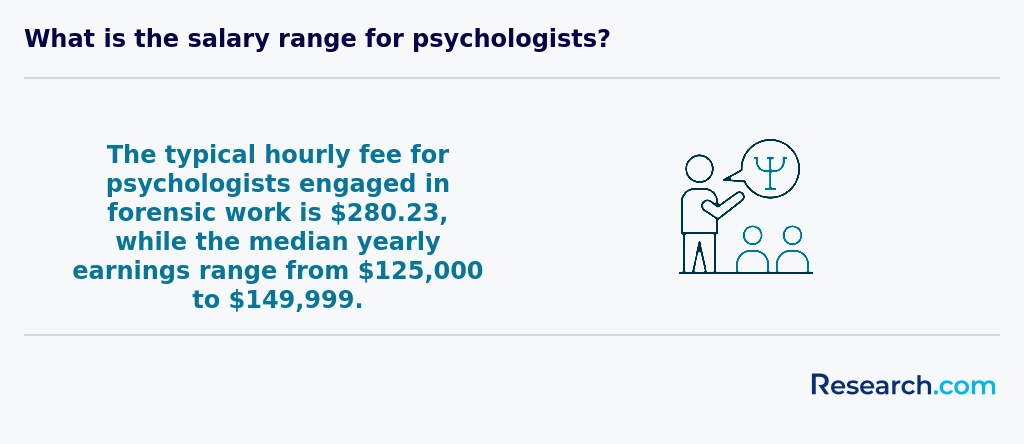
Thanks to Texas's diverse opportunities, graduates frequently encounter openings in government programs and nonprofits focused on crisis intervention, making every day a chance to make a meaningful difference. The employment outlook for psychology graduates in Texas reflects this dynamic energy, with salaries ranging from around $45,000 for entry-level positions to over $80,000 for licensed psychologists, keeping motivation high for continuing education and licensure.
Moreover, students exploring affordable education pathways often evaluate their options in tandem with understanding the online associates degree cost, helping them balance ambition with practicality in this exciting field.
2027 Best Online Bachelor's in Psychology Degree Programs Ranking in Texas
Investing in your education is a significant decision that can shape your future, and the Research.com team understands the importance of making informed choices. To assist prospective students in Texas, we have meticulously crafted the "2027 Best Online Bachelor's in Psychology Degree Programs Ranking in Texas." Our commitment to quality, credibility, and accuracy is reflected in the extensive research and analysis conducted to compile this ranking.
We utilized the following reputable data sources to ensure a comprehensive evaluation of psychology programs:
By exploring this ranking, readers will gain valuable insights into the best online bachelor's in psychology programs available in Texas, empowering them to make well-informed decisions about their educational paths. For more details on how this ranking was created, please visit our Research.com methodology page.





Frequently Asked Questions About psychology
Online psychology degree students in Texas can maximize their learning experience by engaging actively with course materials and faculty. Many Texas universities offer interactive platforms that encourage discussions, which help deepen understanding of complex concepts.
Students should also take advantage of virtual office hours and networking opportunities to connect with professors and peers. According to the Texas Higher Education Coordinating Board, students involved in active communication tend to have higher retention rates in online programs.
Additionally, practical experience through internships or volunteer work in Texas mental health organizations enhances theoretical knowledge. The Texas Workforce Commission reports a growing demand for psychology-related roles, emphasizing applied skills.
Time management and setting a regular study schedule are essential for success, as research shows disciplined online learners perform better academically.
The psychology field is evolving rapidly, with several emerging niches attracting growing interest among students in Texas. One of the fastest-growing areas is **health psychology**, which focuses on how mental, emotional, and social factors affect physical health. This niche aligns with Texas' increased investment in healthcare services and wellness programs.
Another promising area is **neuropsychology**, which studies brain-behavior relationships. Texas' expanding medical research facilities support growth in this field, offering students opportunities through online programs tied to local institutions.
**Forensic psychology** is also gaining prominence as the criminal justice system increasingly relies on psychological expertise. According to the Texas Workforce Commission, demand for such specialists is expected to rise by over 10% through 2030.
After completing an online psychology degree in Texas, preparing for the job market involves focused steps. First, gaining relevant experience through internships or volunteer work in local clinics or community centers enhances practical skills. According to the Texas Workforce Commission, demand for psychology-related jobs is growing by about 10% through 2030.
Networking with professionals via organizations like the Texas Psychological Association can open doors for job opportunities. Additionally, obtaining state licensure or certification is crucial for clinical roles, requiring further education and supervised experience.
Building a strong resume and practicing interview skills tailored to psychology positions help graduates stand out to employers.
Employers in Texas highly value strong communication skills in psychology graduates. Being able to clearly explain complex psychological concepts to clients and colleagues is essential. Critical thinking is another top skill, allowing graduates to analyze data and behavior effectively.
Additionally, practical knowledge of research methods and statistics is crucial, as Texas employers often expect graduates to interpret and apply evidence-based findings. Emotional intelligence also ranks high, helping professionals build trust and rapport in diverse communities across Texas.
According to the Texas Workforce Commission, demand for psychological services is growing, emphasizing adaptability and ethical judgment as key qualities in new graduates.
Finding psychology internships in Texas involves exploring various local resources that connect students with practical experiences. Many universities in Texas build partnerships with healthcare centers, schools, and mental health agencies, offering internship opportunities specifically designed for psychology majors.
The Texas Psychological Association and the Texas Counseling Association provide listings and networking events that are useful for finding internships. You can also search for positions through statewide platforms like Handshake or the Texas Workforce Commission, which list internships relevant to psychology fields.
According to the Bureau of Labor Statistics, Texas employs over 14,000 psychologists and related professionals, creating diverse internship settings across clinical, counseling, and industrial-organizational areas. Early networking, professional memberships, and academic advisors are key support sources in securing an internship.
Obtaining an online psychology degree in Texas can significantly enhance career mobility and advancement opportunities. Texas has a growing mental health sector, fueled by increasing demand for qualified professionals. According to the Texas Workforce Commission, employment for psychologists and related occupations in Texas is projected to grow by 15% from 2020 to 2030, faster than the national average.
An accredited online psychology degree offers flexibility to balance work and study, allowing professionals to upskill without leaving their current roles. This flexibility supports career progression, including eligibility for supervisory or specialist positions.
Additionally, Texas licensing boards recognize degrees from regionally accredited programs, including online ones, enabling graduates to pursue licensure as Licensed Psychological Associates or Licensed Professional Counselors, critical for advancement.
Studying for a psychology degree in Texas offers strong preparation for interdisciplinary roles, thanks to the state's diverse academic programs and workforce needs. Texas universities often include coursework that integrates psychology with fields like healthcare, education, and social services. This approach aligns with growing job markets where collaboration across disciplines is essential.
Many programs emphasize applied skills, such as research methods and data analysis, which are valuable across various sectors. According to the Texas Higher Education Coordinating Board, psychology graduates frequently find roles in multidisciplinary teams within mental health agencies, schools, and corporate settings.
Additionally, Texas' large healthcare industry, which accounts for over 1.7 million jobs statewide, benefits from psychology graduates who understand behavioral health in medical contexts. This makes these degrees relevant beyond traditional counseling or therapy roles.
When choosing between a thesis and a non-thesis psychology degree program in Texas, consider your career goals carefully. A thesis option typically involves conducting original research and writing a detailed paper, which benefits students planning to pursue graduate studies or research careers. According to the Texas Higher Education Coordinating Board, approximately 30% of online psychology bachelor's programs in Texas offer thesis options.
Non-thesis programs focus more on coursework and practical applications, ideal for students aiming directly for the workforce or professional roles in counseling or human services. These programs often require internships or capstone projects instead of a research thesis.
Evaluate your readiness for independent research and your long-term plans before deciding.
Students based in Texas who wish to study psychology abroad while enrolled in an online program have several options. Many accredited U.S. institutions offering online psychology degrees provide study abroad opportunities or international partnerships, allowing credits earned overseas to count toward the degree. These programs must align with Texas Higher Education Coordinating Board standards and regional accreditation requirements to ensure transferability.
Additionally, Texas students can enroll in fully online psychology degrees offered by universities with international campuses. This flexibility helps meet licensure requirements set by the Texas State Board of Examiners of Psychologists, which emphasizes accredited coursework regardless of location. The Bureau of Labor Statistics notes that Texas is among the top states for psychology employment, making these credentials valuable.
Part-time job opportunities in Texas that complement an online psychology degree often involve roles in mental health support and research assistance. Many students work as behavioral health technicians, supporting licensed professionals in clinics or community centers. According to the Texas Health and Human Services, demand for these roles is expected to grow as mental health awareness rises.
Research assistant positions at universities such as the University of Texas at Austin offer experience in data collection and analysis, valuable for psychology students. Additionally, jobs in crisis hotlines or youth mentoring programs allow direct interaction with diverse populations, building counseling skills.
These roles fit well with academic schedules and enhance practical knowledge aligned with career goals.
Online psychology students in Texas have several networking opportunities despite studying remotely. Many Texas universities offering online psychology degrees provide access to virtual career fairs, webinars, and professional workshops. These events connect students with faculty, alumni, and local psychology professionals. According to the Texas Psychological Association, participation in their conferences and special interest groups is open to students, offering valuable connections in the field.
Additionally, online students can join psychology clubs or honor societies such as Psi Chi, which promote networking through both virtual and regional events. Local internships and practicum placements in Texas also help students build relationships with practitioners and agencies.
Alumni networks provide valuable support to online psychology degree students in Texas by offering professional connections and career opportunities. Members often share job openings, internships, and mentorship, which is vital in a competitive field like psychology. According to the Texas Psychological Association, networking can significantly increase employment prospects in the state.
Alumni can also provide advice on licensure requirements, which vary across Texas and neighboring states. Since psychology careers often depend on practical experience, these networks help students find positions that satisfy Texas State Board of Examiners standards.
Furthermore, alumni events and platforms foster ongoing learning and collaboration, enhancing both academic and professional growth for online students.
Customizing an online psychology degree in Texas often begins with choosing elective courses or specializations aligned with your career goals. Many Texas universities allow students to focus on areas such as clinical psychology, counseling, or industrial-organizational psychology. This flexibility helps tailor your education to meet specific job market demands.
Additionally, some programs offer internship or practicum opportunities in local settings, providing practical experience essential for licensure or advanced study. According to the Texas Higher Education Coordinating Board, nearly 40% of psychology students select programs offering such hands-on components.
Beyond coursework, students can customize their studies by engaging in research projects or thesis work related to their interests. This approach supports entry into graduate programs or specialized careers.
Online psychology students in Texas often face challenges related to balancing coursework with personal and professional responsibilities. Many students juggle full-time jobs or family duties, which can complicate time management in a demanding academic environment.
Another common challenge is limited access to in-person practicum or internship opportunities, which are vital for psychology training. Texas requires supervised clinical hours for licensure, and arranging these remotely can be difficult for online learners.
Technical issues and varying levels of digital literacy also impact student success. Reliable internet and familiarity with learning platforms are essential for completing assignments and participating in discussions.
Additionally, students may experience feelings of isolation due to the lack of face-to-face interaction, which can affect motivation and engagement. Schools increasingly address this by offering virtual support services and peer networks.
With an online psychology degree in Texas, graduates can pursue several professional certifications that enhance career prospects. One common path is becoming a Licensed Psychological Associate (LPA), which requires a master's degree and supervised experience but builds on the foundational knowledge from a bachelor's degree.
For those interested in counseling, the Licensed Professional Counselor Associate (LPCA) license is an entry-level credential allowing supervised clinical work. Texas also offers certifications through the Texas Behavioral Health Executive Council, which oversees psychology-related credentials.
Additional options include certifications in behavioral analysis, such as the Board Certified Assistant Behavior Analyst (BCaBA), which supports work in applied behavior analysis-a field growing in Texas due to increased focus on developmental disabilities.
Overall, an online bachelor's in psychology provides a strong starting point for these certifications, often requiring further education and exam completion.
To write a winning application for an online psychology program in Texas, start by clearly demonstrating your passion for psychology and your career goals. Highlight any relevant experience, such as internships, volunteer work, or coursework. Texas institutions often value applicants who emphasize practical skills alongside academic achievements.
Be sure to maintain a strong GPA; competitive psychology programs in Texas typically expect at least a 3.0 GPA. Include well-crafted personal statements explaining why you chose online study, how it fits your lifestyle, and your commitment to completing the degree.
Strong letters of recommendation from professors or employers familiar with your abilities can significantly boost your application. Many Texas schools, such as the University of Texas at Austin, look for evidence of critical thinking and communication skills, so tailor your application materials to reflect these qualities.
The career outlook for psychology professionals is increasingly global, reflecting demand for skills in mental health, research, and human behavior analysis. In the United States, including Texas, the U.S. Bureau of Labor Statistics projects a 8% growth in psychologist jobs from 2022 to 2032, faster than average for all occupations. This trend aligns with rising awareness of mental health worldwide.
Internationally, countries emphasize culturally competent care and evidence-based practices, which U.S. psychology programs incorporate. Texas universities offering online psychology degrees often highlight global research and cross-cultural studies to prepare students for diverse populations.
The expanding telehealth industry also enables professionals trained in Texas to collaborate globally or serve international clients remotely, reflecting an increasingly interconnected psychology field supported by evolving technology.
Gaining practical experience while pursuing an online psychology degree in Texas is essential for career readiness. Many accredited programs require internships or practicum hours as part of the curriculum, allowing students to work directly with licensed professionals in clinical, counseling, or research settings. These placements often occur at hospitals, mental health clinics, schools, or community organizations throughout Texas.
Online students can also seek volunteer opportunities or part-time roles in local agencies to build relevant skills. The Texas Psychological Association and Texas Higher Education Coordinating Board provide resources and listings for approved internship sites. In 2023, approximately 60% of Texas psychology programs incorporated supervised fieldwork to meet state licensure requirements.
Choosing the right concentration within an online psychology degree in Texas depends on your career goals and interests. Popular areas include clinical psychology, counseling, industrial-organizational psychology, and developmental psychology. Each concentration aligns with different professions, such as therapy, human resources, or research.
Texas has a growing demand for mental health professionals, especially in clinical and counseling roles. According to the Texas Workforce Commission, jobs in psychology-related fields are projected to grow by over 10% through 2030. Exploring concentrations that match this demand can improve job prospects.
When deciding, consider the course content, internship opportunities, and how the concentration fits your desired licensing path. Some areas require additional certification beyond the bachelor's degree. Research accredited programs and check if Texas licensing boards recognize their curricula.
- 2027 Best Online Bachelor's in Psychology Degree Programs Ranking in Kansas
- 2027 Best Online Bachelor's in Psychology Degree Programs Ranking in Missouri
- 2027 Best Online Bachelor's in Psychology Degree Programs Ranking in Colorado
- 2027 Best Online Bachelor's in Psychology Degree Programs Ranking in Arizona
- 2027 Best Online Bachelor's in Psychology Degree Programs Ranking in Alabama
- 2027 Best Online Bachelor's in Psychology Degree Programs Ranking in Georgia
- 2027 Best Online Bachelor's in Psychology Degree Programs Ranking in Florida
- 2027 Best Online Bachelor's in Psychology Degree Programs Ranking in Iowa
- 2027 Best Online Bachelor's in Psychology Degree Programs Ranking in Illinois
- 2027 Best Online Bachelor's in Psychology Degree Programs Ranking in Virginia
See What Experts Have To Say About Studying Psychology
Read our interview with Psychology experts

Catherine Caldwell-Harris, Ph.D.
Psychology Expert
Associate Professor of Psychology
Boston University

Robin M. Kowalski. Ph.D.
Psychology Expert
Professor of Psychology
Clemson University

Joann Farrell Quinn, Ph.D., MBA
Psychology Expert
Director at the College of Medicine Department of Medical Education
Morsani College of Medicine

- Why Get a Psychology Degree Online? | University of Bridgeport https://www.bridgeport.edu/news/reasons-to-get-your-psychology-degree-online/
- Society for the Teaching of Psychology https://teachpsych.org/E-xcellence-in-Teaching-Blog/8727857
- Study Psychology Abroad | Go Overseas https://www.gooverseas.com/study-abroad/psychology
- Study Psychology Abroad https://astarfuture.co.uk/study_psychology_abroad.html
- Know more about thesis vs non- thesis: what is the difference? https://studyfans.com/en/blogs/816
- Scholarships For Psychology Majors (2025) https://www.psychology.org/scholarships/
- Uncovering Today’s Best Online Master’s in Psychology Programs in Texas (TX) https://www.onlinemastersdegrees.org/best-programs/psychology/texas-tx/
- Online Psychology Degrees | University of Phoenix https://www.phoenix.edu/online-psychology-degrees.html
- Sample letters in psychology https://www.mystudies.com/en-in/human-and-social-sciences/psychology/letter-model/
- 2025 Most Popular Online Psychology Degrees in Texas https://www.onlineu.com/degrees/psychology/texas


