2027 Most Valuable Psychology Degree Programs Ranking in River Forest

Co-Founder and Chief Data Scientist
Choosing the right psychology degree program in River Forest can shape your future in meaningful ways. This article introduces the 2027 Most Valuable Psychology Degree Programs Ranking in River Forest, developed by the Research.com team of data scientists. It's designed to guide students like you toward programs that offer strong career prospects and personal growth.
Explore valuable insights that can help you make confident decisions. Earning a psychology degree opens doors to understanding human behavior, making a positive impact, and pursuing fulfilling careers. Dive in to discover which programs stand out in 2027.
Key benefits of getting psychology degree in River Forest
- Psychology degree graduates in River Forest can pursue rewarding roles such as Human Resources Specialists, earning about $76,060 annually, or Marketing Research Analysts, with salaries around $83,190, offering strong financial stability and career growth.
- Graduates from local colleges often explore diverse fields like clinical research or childcare, enabling them to make meaningful impacts in healthcare, education, and community services.
- Online psychology degrees provide flexibility for busy students in River Forest, allowing them to balance work and study while accessing quality education and career opportunities without relocating.
- 2027 Most Valuable Psychology Degree Programs Ranking in River Forest
- What can I expect from psychology degree in River Forest?
- Where can I work with psychology degree in River Forest?
What can I expect from psychology degree in River Forest?
Imagine stepping into the world of psychology in River Forest, where your education wallet feels the beat of numbers dancing around $38,000 to $40,000 yearly. This is the rhythm set by places like Elmhurst University and Dominican University-neighborhood giants offering more than just textbooks and lectures. Graduates often recall the thrill of balancing academic dreams with the real-world hustle, knowing that each dollar spent is an investment in understanding the human mind. It's not just tuition; it's the gateway to internships weaving through Chicago's vibrant mental health scene.
One graduate's story echoes the excitement of finding scholarships that softened the financial load, making those hefty annual fees feel like stepping stones rather than hurdles. Another describes late nights in campus libraries charged with energy from passionate professors and peers, where the cost translates into priceless mentorship and life-changing connections.
So, when thinking about the average cost of a psychology degree here, picture it as a thoughtful trade-off: a sum that opens doors to both knowledge and opportunity right in the heart of this engaging River Forest community.
Where can I work with psychology degree in River Forest?
Graduates from popular River Forest colleges find themselves weaving their psychology degrees into the very fabric of the community. Picture a recent graduate stepping into River Forest High School District 200 as a school counselor, guiding teens through the maze of adolescence with empathy sharpened by classroom theories turned real-life tools.
Others dive into bustling outpatient mental health centers near Chicago, joining teams that unravel human minds and heal invisible wounds. One graduate recalls collaborating at Thresholds, a local agency, where each day brought stories of hope as they supported those battling substance use disorders and mental illness.
Some psychology degree holders harness their insights into human behavior to transform local businesses. Imagine working in a Chicago suburb company where you decode employee motivation or design marketing strategies that resonate emotionally, making every sale a thoughtful conversation.
Nearby universities feed this ecosystem, fueling careers that traverse the borders of traditional roles. Whether it's pioneering research in nonprofit organizations or shaping public health programs, psychology graduates in River Forest discover career paths vivid with purpose and connection.
Picture yourself graduating from a well-regarded college in River Forest, psychology diploma in hand, stepping into roles that blend human insight with practical impact. A fresh psychology graduate here, eyeing a job as a clinical research associate, can expect an average annual wage around $62,370. This figure resonates well with the city's pulse, nestled next to Chicago's bustling research hubs.
For those drawn to the fast-paced world of marketing research analysis, armed with sharp psychological acumen, the salary climbs to a rewarding $83,190 a year-enough to inspire dreams beyond the classroom walls of local universities. Or imagine carving out a career as a human resources specialist, where understanding human behavior pays off at a comfortable mean salary of $76,060 annually.
Even roles steeped in nurturing and growth, like childcare work, offer a solid start with an average of $32,070, reflecting a foundation that many River Forest graduates find both meaningful and financially viable. Each of these paths reflects the vibrant intersection of psychology education in River Forest and the city's diverse job market, bringing promising earnings within reach.
- Annual tuition for psychology undergraduate programs in River Forest ranges from $20,000 to $50,000, including both in-state and private school rates.
- Additional costs such as textbooks, supplies, and living expenses should be considered when planning the total cost of education.
- Starting salaries for psychology graduates in the area typically fall between $40,000 and $50,000 per year in entry-level positions.
- Mid-career psychologists nearby may earn $70,000 or more, depending on their specialization and employment sector.
- The job market is stable but competitive, with demand for licensed clinical psychologists, counselors, and school psychologists in local institutions.
- Licensure in Illinois requires a doctoral degree and supervised hours, extending education beyond the bachelor's level for clinical work.
Imagine stepping onto Dominican University's vibrant campus in River Forest, eager to unravel the mysteries of the mind. Most undergraduates find themselves wrapped in about four years' journey-120 credit hours weaving through core psychology theories, electives, and general studies. Graduates often recall balancing late-night study bursts with café chats, feeling that perfect blend of challenge and triumph.
For those daring to dive deeper, the master's path extends the adventure by two to three additional years, where focus sharpens on specialized areas and richer research experiences. Doctoral candidates embrace an even longer quest, spanning four to seven years, filled with immersive internships, dissertation breakthroughs, and moments when theory meets real-world insight.
River Forest's students sometimes sprint through accelerated programs, fueled by bursts of motivation and savvy scheduling, proving that with dedication, timelines can flex. Meanwhile, advisors at local colleges become trusted guides, helping each student craft a unique route through psychology's labyrinth, making the degree journey not just a requirement but a personal odyssey.
Exploring the intersection of psychology and business can offer unique pathways for graduates aspiring to combine human behavior expertise with organizational strategies. In today’s competitive job market, understanding how psychological principles apply to workplace dynamics is essential. Students can gain valuable insights into leadership, motivation, and team performance by studying business psychology-a field that integrates traditional psychological theories with modern business practices. This approach not only enhances problem-solving skills but also drives innovation in corporate settings. Moreover, many institutions now offer specialized tracks that focus on these skills, preparing graduates to take on roles in human resources, corporate training, and strategic development. For those curious about these innovative career paths, learning what is a business psychology degree can provide deeper context on how to effectively merge psychology with business acumen. Emphasizing such interdisciplinary expertise can significantly boost both employability and long-term career growth in a rapidly evolving market.
River Forest psychology students often describe on-campus programs as vibrant ecosystems where ideas buzz like neurons firing in real time. Imagine sitting in a Loyola University Chicago lecture hall, catching a professor's insight while exchanging knowing glances with peers about a psychological theory. These spaces foster spontaneous connections and hands-on learning through labs or practicums, especially vital for clinical psychology hopefuls needing those supervised hours.
Conversely, online psychology learning in River Forest feels more like crafting your own cerebral sanctuary. Graduates appreciate the freedom to dive into complex concepts at midnight or during lunch breaks, juggling family demands and jobs with coursework. Institutions here uphold the same standards, but the challenge-and thrill-lies in mastering self-discipline without the immediate buzz of campus life. Imagine accessing Dominican University's curriculum from a cozy nook, threading theory with personal reflection. The trade-off is fewer impromptu chats and networking moments, but more control over your unique learning rhythm.
To practice psychology professionally in Illinois, graduates must navigate state licensure and certification processes that ensure competence and public safety. Entry-level counselors typically pursue the Licensed Professional Counselor (LPC) credential, which requires a master’s degree in psychology or counseling, 48 semester hours of approved coursework, and 3,360 hours of supervised clinical experience. Candidates must also pass the National Counselor Examination (NCE) or the National Clinical Mental Health Counseling Examination (NCMHCE). For those aiming to provide diagnosis and treatment of mental health disorders, the Licensed Clinical Psychologist designation demands a doctoral degree (PhD or PsyD), completion of at least 1,500 post-doctoral supervised hours, and successful completion of the Examination for Professional Practice in Psychology (EPPP). Aspiring specialists in brain-behavior relationships should consider psyd in neuropsychology programs, which integrate rigorous clinical training and research in neuropsychological assessment. School psychologists follow a distinct pathway: earning certification through the Illinois State Board of Education (ISBE) after completing an approved specialist-level program and passing the Praxis School Psychologist exam. Additional credentials-such as Certified Addictions Counselor (CAC) or Board Certified Behavior Analyst (BCBA)-are available to those who complete specific coursework, practicum hours, and national certification exams. Key steps to licensure in Illinois:
- Verify program accreditation (APA for doctoral, CACREP for counseling).
- Document supervised practicum and internship hours.
- Submit official transcripts and exam scores to IDFPR (Illinois Department of Financial and Professional Regulation).
- Complete jurisprudence or ethics examinations, if required. Understanding these requirements early empowers graduates to plan education and supervised experience strategically, accelerating their path to independent practice and ensuring compliance with Illinois regulations.
When unraveling the average cost of a psychology degree in River Forest, envision a landscape where tuition hovers around $50,438 for most students, weaving together the expenses of private institutions revered for their psychology offerings. Graduates from popular local colleges often reflect on the investment with a warm smile, recalling how the immersive curriculum justified the price tag. Private suburban colleges here embody a unique blend of rich academic resources and community engagement, fueling enthusiastic ambitions despite the steep tuition.
One such graduate, after diving deep into developmental psychology courses and hands-on research labs, speaks passionately about balancing costs with opportunities. The median tuition mirrors a dedication to quality education, factoring in fees, textbooks, and lively campus life. Meanwhile, students eyeing a more budget-friendly path find relief starting at nearby community colleges before transferring for advanced courses, easing the river of expenses flowing from their pockets.
For those considering specialized graduate psychology degrees in River Forest, costs climb but so does prestige and potential career impact. The journey from undergraduate to doctorate here is a mosaic of financial planning and intellectual growth. Many tap into scholarships, work-study, or employer help navigating this financial puzzle. If your path involves professional licensure, getting familiar with the counselor licensing board Nevada might offer insights useful for broader career goals.
River Forest psychology degree tuition and fees reflect a balance between aspiration and affordability, blending local college culture with the wider currents of US higher education costs.
After earning your psychology degree in River Forest, IL, clinical practice requires official licensure. Requirements vary by specialization but generally include:
- Graduating from an accredited psychology program (bachelor’s for support roles, master’s or doctorate for clinical practice)
- Completing supervised experience (1,500-3,000 hours, depending on license)
- Passing the Examination for Professional Practice in Psychology (EPPP) and, if applicable, the Illinois jurisprudence exam
- Applying to the Illinois Department of Financial and Professional Regulation to obtain your license
Doctoral-level psychologists typically pursue the EPPP and require 2,000+ hours of supervision, while Licensed Professional Counselors (LPCs) complete a master’s plus 3,000 hours and the LPC exam. For those seeking flexibility, consider a masters in psychology online that fulfills licensure prerequisites.
Imagine a psychology student in River Forest juggling textbooks and dreams, buoyed by a financial lifeline called FAFSA. This federal gateway unlocks Pell Grants that can ease tuition burdens by up to $7,395 annually-no strings attached. Nearby universities, known for robust psychology programs, serve as fertile grounds where these grants spark hope and academic persistence.
At the state level, the Illinois Monetary Award Program (MAP) appears like a guardian angel, offering need-based grants up to $5,465 to in-state undergraduates. River Forest students often recount how this support transformed anxiety about costs into excitement for clinical internships or research projects.
Scholarships from community foundations and college departments bloom like unexpected wildflowers along the academic path. Graduates fondly remember snagging these awards-sometimes modest, sometimes substantial-as affirmations of their dedication and potential in mental health fields.
Work-study roles and assistantships provide more than income; they offer immersive experiences that shape future counselors and therapists. Some psychology majors describe these as powerful catalysts combining passion with paycheck.
For those returning workforce warriors seeking advanced degrees, employer tuition reimbursement programs in River Forest add an encouraging layer, knitting together career growth with scholarly ambition.
When evaluating psychology degree programs in River Forest, IL, it’s essential to consider program success metrics such as graduation rates, retention rates, and job placement percentages. Top institutions like Dominican University boast a 92% four‐year graduation rate and an 88% retention rate, reflecting strong academic support and student engagement. Concordia University Chicago reports an 85% first‐year retention rate and an 82% six‐month job placement rate for psychology graduates, indicating effective career services and internship partnerships. Graduation and retention data highlight a program’s ability to guide students from enrollment through degree completion, while job placement rates reveal how well a curriculum aligns with employer needs. Programs with above‐average placement rates-often exceeding 80%-tend to offer robust practicum experiences, dedicated career counseling, and alumni networks that facilitate professional connections. Prospective students should look for programs that publish annual success metrics, as transparency in these figures demonstrates institutional commitment to educational outcomes. Cost‐effectiveness is another key factor in program evaluation. Comparing tuition against career placement success can help prospective students estimate return on investment (ROI). For a broader perspective on affordable, high‐quality psychology programs, explore our Low Cost Psychology Degree Programs Ranking in Virginia, which showcases how program costs relate to graduate outcomes.
To step into a psychology degree in River Forest, imagine yourself as a curious explorer gearing up with the essentials: a high school diploma or its equivalent, strong grades-ideally a GPA between 2.5 and 3.0-ready to unlock the mysteries of the mind. Graduates from local colleges recall how excelling in biology and statistics felt like learning the secret languages behind human behavior. Some found that submitting their SAT or ACT scores was like offering a key, although many schools here now lean towards test-optional policies, making the journey more approachable.
Personal statements become your map and compass, letting your passion for psychology shine through stories of volunteering or psychology clubs. Letters of recommendation are like trusted guides, vouching for your dedication. For graduate hopefuls around River Forest's campuses, a bachelor's degree with a solid 3.0 GPA is your golden ticket, complemented by hands-on experiences-think internships or research-that transform theory into real-world insight.

To find the most valuable psychology program in River Forest, IL, prospective students should consider several factors, including accreditation, degree levels available, and specialization options. When researching psychology programs, it's essential to look for institutions that offer a valuable psychology school in illinois, providing students with a well-rounded education and preparing them for successful careers in psychology. By evaluating these factors and exploring different programs, students can make informed decisions about their educational paths and choose a psychology program that aligns with their career goals and interests.
Diving into a psychology degree in River Forest means immersing yourself in an academic adventure where courses feel alive with real-world impact. Picture a graduate from a local college describing their thrill when uncovering how biopsychology reveals the wired dance between neurons and behavior-transforming abstract brain maps into tangible stories about who we are.
Classes like social psychology invite you to decode everyday human interactions, from campus friendships to community networks, perfect for those who love watching life's subtle dramas unfold. Graduates recall lively debates on developmental psychology as they traced their own growth alongside theoretical models, making learning deeply personal.
At schools here, mastering research methods and statistics isn't dry-it's a chance to craft experiments that could shape local healthcare or counseling practices. Ethical challenges and professional development weave through the curriculum, nudging students to think deeply about their future roles amid River Forest's diverse culture.
Imagine stepping into a classroom in River Forest where the air buzzes with excitement about the mind's mysteries. Here, psychology degree specializations in River Forest unfold like chapters in a spellbinding novel: Clinical Psychology invites you to diagnose and heal emotional wounds, while Counseling Psychology equips you to be a comforting voice through life's storms. Graduates from local colleges often share how Developmental Psychology illuminated the fascinating arc of human growth, turning abstract theories into heartfelt connections with all ages.
Picture bustling campuses known for their River Forest psychology program concentration options where Industrial-Organizational Psychology students redesign office cultures to spark joy and productivity, and Forensic Psychology enthusiasts dive into crime scenes of the psyche, collaborating with law enforcement to make communities safer. Health Psychology students, meanwhile, unravel the subtle dance between mind and body, learning how to inspire lasting wellness in hospital settings.
Many students find themselves inspired by practical experiences outside textbooks, flowing from classrooms into real places-schools, hospitals, community centers-that bring psychology alive. For those interested in cross-disciplinary innovation, programs connected to the Iowa psychology program accreditation offer intriguing paths that mix neuroscience and education. This vibrant mix ensures that choosing a specialization here feels less like a decision and more like an adventure into understanding humanity's vast landscape.
To select the best psychology degree in River Forest, imagine walking into a vibrant classroom where theory merges with real-world practice just minutes from Chicago's bustling mental health clinics. Graduates from popular local colleges often recall how immersion in clinical settings turned textbook knowledge into empowering skills, forging their paths beyond graduation. Many say the secret lies in digging into program nuances-choosing between clinical, counseling, or research-focused tracks that resonate with personal curiosity and career dreams unlocks doors to fulfilling futures.
Affordability also paints a vivid picture. Affordable psychology degrees in River Forest are more than just budget-friendly options; they are gateways to scholarships and community support that ease financial tensions, letting students focus on passion rather than price tags. Learning from faculty who intertwine research breakthroughs with everyday challenges transforms ordinary lectures into adventures of discovery.
Some graduates reflect on the enriching flexibility offered by evening and online classes, harmonizing studies with jobs or family life. Others highlight internships shaped by collaborations with major hospitals or businesses, enhancing resumes with tangible experience. Explore programs thoughtfully and check out paths like educational psychology career prospects to find a degree that truly clicks with your ambitions.

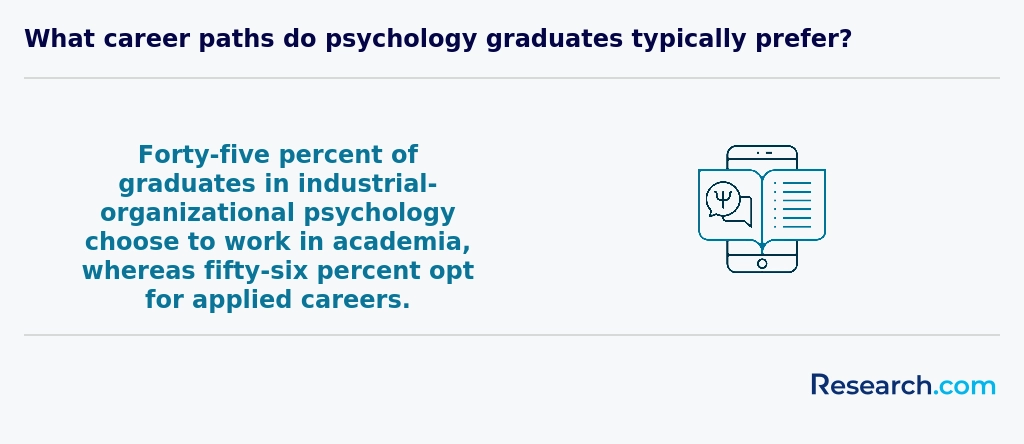
Graduates from River Forest's vibrant psychology programs often dive into diverse career paths, energizing local communities with their skills. Clinical psychology remains a popular route, with many becoming compassionate therapists or clinical psychologists serving nearby hospitals and private practices. Imagine walking the halls of a bustling River Forest clinic, where graduates turn challenging human emotions into healing journeys. Industrial-organizational psychology graduates thrive in Chicago's dynamic business scene, crafting healthier workplace environments-a real-world playground to apply the psychology degree in River Forest while boosting employee well-being.
For those drawn to minds and research, academic roles beckon, with graduates delving into university labs and lecture halls, pushing the boundaries of knowledge and inspiring future cohorts. Many from popular colleges around River Forest embrace these paths with enthusiasm, eager to impact psychological science at the highest levels. Additional exciting avenues include school psychology, forensic analysis, and health psychology, each offering unique rewards tied intimately to the region's needs.
Students passionate about melding sports and psychology might explore the sports psychology degree curriculum, opening yet another enriching door. Choosing from these psychology careers in River Forest means stepping into a future where knowledge meets meaningful impact, fitting perfectly with job opportunities with psychology degree River Forest students seek.

Graduates holding a psychology degree in River Forest find themselves stepping into a vibrant job market shaped by the city's unique position within the Chicago metro area. These new professionals often start their careers in roles like behavioral health technicians or case managers, weaving their passion for human well-being into tangible community impact. Those emerging from popular local universities experience firsthand how the psychology degree job opportunities in River Forest extend into hospitals, schools, and corporate settings, where the demand for mental health expertise continues to bloom.
Imagine a recent graduate navigating summer internships through Chicago's bustling healthcare clinics, gaining practical skills while building a network that will open doors long after graduation. The psychology career outlook River Forest area affirms that while entry-level salaries might start modestly, the climb to specialized counseling or clinical psychology roles comes with both personal fulfillment and a promising average salary near $90,000.
For those weighing costs and academic paths, this dynamic environment encourages exploring diverse degree options, including the best online psychology degree programs in california to complement in-person experiences and boost career prospects.
2027 Most Valuable Psychology Degree Programs Ranking in River Forest
Investing in your education is a significant decision that can shape your future, and the Research.com team understands the importance of making informed choices. To assist prospective students in River Forest, we have meticulously crafted the "2027 Most Valuable Psychology Degree Programs Ranking in River Forest." Our commitment to quality, credibility, and accuracy is reflected in the extensive research and analysis conducted to compile this ranking.
We utilized the following reputable data sources to ensure a comprehensive evaluation of psychology degree programs:
By exploring this ranking, readers will gain valuable insights into the most valuable psychology degree programs available in River Forest, empowering them to make confident and well-informed decisions about their educational paths. For more details on our methodology, please visit our Research.com methodology page.


Frequently Asked Questions About psychology
Psychology degree students in River Forest can maximize their learning experience by engaging actively with both academic and practical opportunities available locally. River Forest's proximity to Chicago offers access to internships at renowned hospitals and research centers, which enhances hands-on understanding beyond classroom theory.
Students should also take advantage of nearby university libraries and attend psychology-related workshops and seminars to stay current on research trends. According to the American Psychological Association, involvement in research labs can increase graduate school admission chances by up to 30%.
Joining local psychology clubs and networking with professionals in River Forest can provide mentorship and career guidance. Additionally, balancing coursework with community volunteer projects related to mental health helps build real-world skills and strengthens résumés.
Emerging niches within the psychology field offer new opportunities for students pursuing degrees in River Forest. One such area is neuropsychology, which focuses on how brain function affects behavior and cognition. According to the American Psychological Association, demand for neuropsychologists is expected to grow by 8% through 2030 nationally, reflecting a rise in aging populations and brain injury cases.
Another growing niche is health psychology, where professionals address how psychological factors influence physical health. This specialty aligns with increasing public attention on mental wellness and chronic illness management. Data from the Bureau of Labor Statistics indicates that health psychology roles will see steady growth as integrated healthcare models expand.
Additionally, forensic psychology is gaining traction, merging law and mental health. River Forest's proximity to Chicago allows students to benefit from internships in legal settings, enhancing practical experience. These niches demonstrate how psychology careers are diversifying to meet evolving societal needs.
To prepare for the job market after completing a psychology degree in River Forest, students should focus on gaining relevant experience through internships or volunteer work in local mental health clinics, schools, or social service agencies. The Illinois Department of Employment Security reports a steady demand for psychology technicians and counselors in the Chicago metro area, which includes nearby River Forest.
Networking is equally important; joining professional organizations such as the Illinois Psychological Association can provide connections and mentorship. Additionally, skills in research methods and data analysis improve employability, as many employers seek candidates comfortable with evidence-based practices.
Considering further credentials, like licensed clinical professional counselor (LCPC) certification, can significantly enhance job prospects in the region.
Employers in River Forest seek psychology graduates with strong communication skills, enabling clear explanations of complex psychological concepts. According to data from the Bureau of Labor Statistics and local employment reports, analytical thinking is crucial for interpreting research and evaluating patient behavior. Proficiency in statistical software and research methods ranks highly, as evidence-based practice is a key focus in the region's healthcare and education sectors.
Interpersonal skills also stand out, given the emphasis on counseling and community engagement in River Forest. Employers value adaptability and ethical judgment due to diverse workplace settings. These skills increase a graduate's chances of success in both clinical and organizational psychology roles locally.
Finding internships in River Forest related to a psychology degree involves targeted research and active networking. Many students begin by exploring opportunities through local institutions such as Elmhurst University, which is nearby and offers connections with community organizations. The Illinois Psychological Association also provides resources and a referral network ideal for students seeking internships.
Local hospitals, mental health clinics, and social service agencies are common internship sites. For example, places like Loyola University Medical Center frequently partner with colleges to offer psychology practicum experiences. Students should consult with their academic advisors and career services offices to access exclusive listings.
The U.S. Bureau of Labor Statistics reports that psychology internships improve hiring prospects by up to 20%. Early application is crucial as placements in River Forest and surrounding areas fill quickly, especially in specialty fields such as clinical or counseling psychology.
Obtaining a psychology degree in River Forest can significantly enhance career mobility and advancement opportunities. The U.S. Bureau of Labor Statistics (BLS) reports that jobs in psychology-related fields are expected to grow by 8% from 2021 to 2031, faster than the average for all occupations. This growth creates more openings for locally educated graduates.
In River Forest, a psychology degree can lead to entry into various roles such as counseling, social work, or human resources, each offering pathways to supervisory or specialist positions. Advanced degrees often result in higher salaries and leadership roles.
Furthermore, networking through local internships and partnerships with mental health clinics in nearby Chicago enhances professional opportunities.
Studying for a psychology degree in River Forest equips students with skills essential for interdisciplinary roles by emphasizing collaboration across fields such as healthcare, education, and social services. Many local programs integrate coursework in biology, sociology, and statistics, reflecting the need for versatile knowledge in today's job market.
River Forest institutions also often partner with nearby hospitals and community organizations, providing students practical experience in multidisciplinary teams. According to the National Center for Education Statistics, psychology graduates with interdisciplinary training have a 15% higher employment rate within the first year of graduation.
By fostering both theoretical understanding and applied skills, psychology programs in River Forest prepare graduates to contribute effectively in diverse professional environments.
When choosing between a thesis and a non-thesis psychology degree program in River Forest, consider your career goals first. A thesis track typically involves conducting original research and writing a detailed paper, which can be valuable for students aiming for doctoral studies or research roles.
Non-thesis programs often focus more on coursework and practical experience, making them suitable for those planning to enter clinical practice or applied psychology fields quickly. In River Forest, programs with thesis options often require 6 to 12 credit hours dedicated to research, while non-thesis tracks may require additional internships or practicum hours.
According to data from the National Center for Education Statistics, about 40% of psychology graduate students nationwide choose thesis paths, reflecting strong interest in academic careers. Local River Forest institutions often provide advisors to help students evaluate which option aligns better with their professional ambitions.
Students based in River Forest who wish to study psychology abroad have several pathways to consider within the U.S. higher education framework. Many colleges and universities in Illinois, including those near River Forest, offer established study-abroad programs in psychology. These programs often include partnerships with international institutions, allowing students to take psychology courses overseas while earning credits toward their degree.
According to the Institute of International Education, over 20% of U.S. study-abroad students in recent years pursued social sciences, including psychology. River Forest students can also explore exchange programs through local universities like Loyola University Chicago or DePaul University, which maintain robust global connections.
Additionally, accredited online psychology programs offer international perspectives without the need to relocate, supporting students seeking a global curriculum accessible from River Forest. This flexibility supports diverse learning goals while meeting U.S. degree requirements.
Students pursuing psychology degrees in River Forest have multiple part-time job options that complement their academic training. Local mental health clinics and counseling centers often seek assistants or interns, providing hands-on experience in client interactions and administrative tasks. Additionally, schools in the area may offer paraprofessional roles supporting special education or behavioral programs, which align with psychology coursework.
Retail and customer service positions, common in suburban communities like River Forest, can also enhance interpersonal skills critical to psychology careers. According to the Bureau of Labor Statistics, gaining direct experience in roles involving communication and empathy improves graduate school applications and employment prospects in psychology-related fields.
Psychology students in River Forest have access to diverse networking opportunities that can enhance their academic and professional growth. Local institutions like Dominican University foster connections through student organizations and psychology clubs, enabling interaction with peers and faculty.
Additionally, River Forest's proximity to Chicago expands networking possibilities. Students often attend conferences and workshops hosted by organizations such as the Illinois Psychological Association, which supports emerging professionals in the state.
Internship placements within local healthcare facilities and community centers also provide practical experience and professional contacts relevant to psychology careers.
Such opportunities are essential for building a professional network and gaining insights into the field.
Alumni networks play a crucial role in supporting psychology degree students in River Forest. These networks connect current students with graduates who have navigated the local job market, providing valuable mentorship and career advice. According to the National Association of Colleges and Employers, 85% of jobs are filled through networking, highlighting the importance of these connections. In River Forest, alumni often work in nearby hospitals, clinics, and schools, offering localized insights and internship opportunities. Access to experienced professionals through alumni events and platforms helps students build relationships that can lead to job placements and research collaborations.
Customizing your psychology degree program in River Forest involves selecting courses and experiences that align with your career goals. Many local institutions offer elective options in specialized areas such as clinical psychology, counseling, or industrial-organizational psychology. According to the U.S. Bureau of Labor Statistics, focusing on a specialty can improve job prospects and salary outcomes.
Additionally, students can often engage in internships or research projects with nearby healthcare facilities or community organizations. River Forest's proximity to Chicago provides access to diverse practical experiences, enhancing your resume. It is important to consult academic advisors early to tailor your curriculum effectively and meet licensure requirements if you aim for clinical practice.
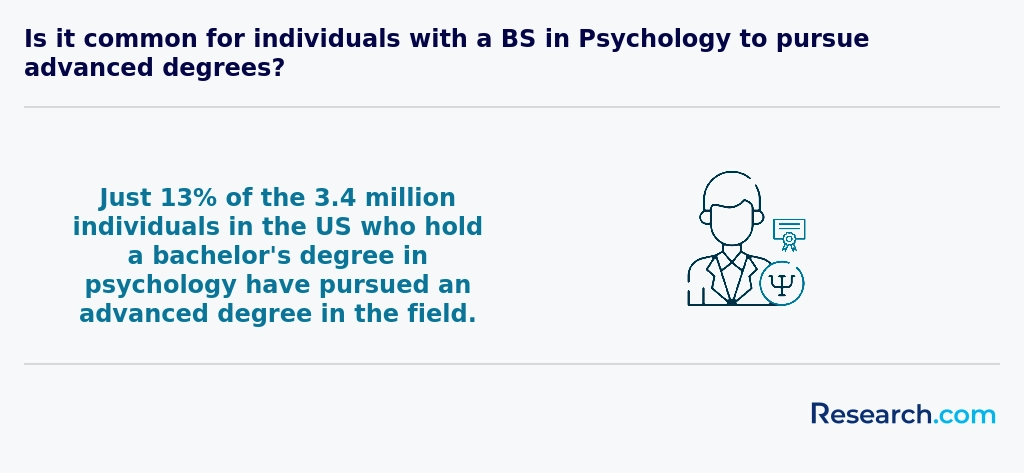
Psychology students in River Forest often face challenges common to many U.S. programs, such as balancing rigorous coursework with practical experience. The demand for research participation and internships can be intense, requiring strong time management skills. Additionally, the competitive nature of graduate school admission adds pressure, especially as only about 45% of psychology undergraduates nationwide pursue advanced degrees, according to the American Psychological Association.
Students may also struggle with mastering complex statistical methods, which are essential for data analysis in psychology. Many local institutions provide support, but students must proactively seek resources. Lastly, mental health concerns among students remain significant, reflecting nationwide trends reported by the National College Health Assessment (NCHA).
With a psychology degree from institutions near River Forest, you can pursue various professional certifications that enhance career prospects. Common certifications include becoming a Licensed Clinical Professional Counselor (LCPC) or Licensed Social Worker (LCSW), which require a master's degree and supervised clinical experience. Graduates aiming for therapy roles often seek licensure as a Licensed Psychologist, necessitating a doctoral degree and passing the Examination for Professional Practice in Psychology (EPPP).
Other certifications include Certified Addiction Counselor (CAC) and Certified School Psychologist, both recognized within Illinois, where River Forest is located. According to the Illinois Department of Financial and Professional Regulation, these certifications ensure professionals meet state standards for practice and ethics.
Writing a winning application for a psychology program in River Forest begins with thorough research on local institutions, such as Concordia University Chicago, known for its strong psychology curriculum. Highlight your academic achievements, especially in science and social science courses, as psychology programs often prioritize a solid foundation in these areas.
Personal statements should clearly express your passion for psychology and your career goals. Including any relevant volunteer or work experience in mental health settings in the Chicago metropolitan area can strengthen your application. According to the National Center for Education Statistics, psychology remains one of the most popular majors nationwide, so a distinctive, authentic application helps set you apart.
Strong letters of recommendation from teachers familiar with your interest in psychology are essential. Additionally, some programs may require standardized test scores like the SAT or ACT; ensure you check each school's requirements early. Finally, attention to detail and adherence to application deadlines in River Forest institutions can significantly improve your chances of acceptance.
A psychology career offers diverse opportunities influenced by global trends in mental health and research. In the United States, including River Forest, the demand for psychology professionals is expected to grow 8% from 2021 to 2031, according to the Bureau of Labor Statistics. This growth reflects worldwide awareness of mental wellness and expanding roles in counseling, therapy, and organizational psychology.
Internationally, psychology practices vary, but U.S. degrees are widely respected, opening doors for graduates globally. River Forest students benefit from access to local internships and research partnerships that prepare them for careers in diverse settings, both domestic and abroad. Understanding global perspectives enriches a graduate's adaptability and cultural competence, essential skills in psychology today.
Gaining practical experience is essential when studying for a psychology degree in River Forest. Many local institutions, including Elmhurst University just a few miles away, offer internships or volunteer opportunities within clinical and research settings. These experiences allow students to apply theoretical knowledge in real-world environments.
River Forest students can also seek placements in nearby hospitals, counseling centers, or community organizations, which often collaborate with universities to provide supervised training. Additionally, joining psychology clubs or research labs helps build skills and professional networks.
According to the Illinois Board of Higher Education, nearly 60% of psychology students in the region participate in internships before graduation, enhancing their job prospects.
Choosing the right concentration within a psychology degree program in River Forest involves aligning your interests with local opportunities. Popular concentrations include clinical, counseling, developmental, and industrial-organizational psychology. Exploring River Forest-based internships and practicum options can help you understand what fits your career goals. According to the Bureau of Labor Statistics, clinical and counseling psychology roles are among the fastest-growing in Illinois, including River Forest.
Consider your long-term plans: research-oriented tracks prepare students for graduate studies, while applied concentrations focus on direct client work. Reviewing the curriculum at nearby schools such as Concordia University Chicago and Elmhurst University can provide insight into which concentrations they emphasize.
- 2027 Most Valuable Psychology Degree Programs Ranking in Detroit
- 2027 Most Valuable Psychology Degree Programs Ranking in Saint Louis
- 2027 Most Valuable Psychology Degree Programs Ranking in Cincinnati
- 2027 Most Valuable Psychology Degree Programs Ranking in Columbus
- 2027 Most Valuable Psychology Degree Programs Ranking in Cleveland
- 2027 Most Valuable Psychology Degree Programs Ranking in Saint Paul
- 2027 Most Valuable Psychology Degree Programs Ranking in Minneapolis
- 2027 Most Valuable Psychology Degree Programs Ranking in Pittsburgh
- 2027 Most Valuable Psychology Degree Programs Ranking in Springfield
- 2027 Most Valuable Psychology Degree Programs Ranking in Buffalo
See What Experts Have To Say About Studying Psychology
Read our interview with Psychology experts

Elizabeth L. Jeglic Ph.D.
Psychology Expert
Professor of Psychology
City University of New York

Joann Farrell Quinn, Ph.D., MBA
Psychology Expert
Director at the College of Medicine Department of Medical Education
Morsani College of Medicine

Catherine Caldwell-Harris, Ph.D.
Psychology Expert
Associate Professor of Psychology
Boston University

- How To Choose A Psychology Program | Psychology.org https://www.psychology.org/resources/choosing-a-program/
- Study Psychology Abroad | Go Overseas https://www.gooverseas.com/study-abroad/psychology
- Psychology https://www.concordiacollege.edu/academics/programs-of-study/psychology/
- Illinois Psychology Schools | Psychology Degree Guide https://psychologydegreeguide.org/state/illinois/
- Psychology - SWPS University https://english.swps.pl/academics/warsaw/ba-programs/psychology
- Psychology Online Degree Pathway https://www.learndirect.com/course/psychology-online-degree
- Have You Found a Niche? https://www.apaservices.org/practice/business/marketing/building/niche
- Psychology https://crc.losrios.edu/academics/programs-majors/psychology
- Lecturer of Psychology | Academic Careers https://academiccareers.com/job/134572/lecturer-of-psychology/
- Study Psychology Abroad https://astarfuture.co.uk/study_psychology_abroad.html