
2027 Most Valuable Psychology Degree Programs Ranking in Saint Paul

Co-Founder and Chief Data Scientist
Choosing the right psychology degree program can shape your future in meaningful ways. If you're in Saint Paul and considering this path, this article is here to help.
We present the 2027 Most Valuable Psychology Degree Programs Ranking in Saint Paul, developed by the Research.com team of data scientists. This carefully crafted ranking aims to guide you toward programs that offer real value and opportunities.
Explore meaningful options and discover how a psychology degree can open doors to rewarding careers and personal growth.
Key benefits of getting psychology degree in Saint Paul
- Salary benefits: Psychology degree graduates in Saint Paul can earn competitive salaries, such as Human Resources Specialists making around $76,060 annually and Marketing Research Analysts earning about $83,190 per year.
- Career opportunities: Graduates from local colleges often find roles in research, mental health services, or business, showcasing the diverse paths a psychology degree can open in Saint Paul's vibrant job market.
- Online degree advantages: Earning a psychology degree online from a Saint Paul university offers flexibility, allowing students to balance work and life while gaining skills that employers value, enhancing career readiness.
- 2027 Most Valuable Psychology Degree Programs Ranking in Saint Paul
- What can I expect from psychology degree in Saint Paul?
- Where can I work with psychology degree in Saint Paul?
What can I expect from psychology degree in Saint Paul?
If you're curious about the cost of studying psychology in Saint Paul, it really depends on where you enroll. Public universities here tend to be more budget-friendly, especially if you're a Minnesota resident. Many local students mention feeling relieved when they find out tuition is noticeably lower compared to private colleges, which can get pricey. For example, at some well-known Saint Paul public universities, undergrad tuition feels manageable with the right financial aid package-something most grads say made a huge difference. Some even snag scholarships or federal grants, which lightened their financial load and allowed them to focus more on their studies and internships.
Graduates from Saint Paul colleges often recall juggling hands-on work in community clinics and research labs without stressing too much about breaking the bank. Of course, private colleges offer great specialized programs but often at a higher cost, so it's smart to weigh your options. Overall, if you're aiming for a psychology degree in Saint Paul, the financial side is approachable with a bit of planning and some help along the way.
Where can I work with psychology degree in Saint Paul?
If you're studying psychology in Saint Paul, you've got a lot of great spots to kick-start your career. Graduates from local schools like the University of Minnesota's Twin Cities campus often find themselves working in mental health clinics or hospitals, such as Regions Hospital, where they get hands-on experience helping real patients. It's pretty inspiring to hear how some grads land roles as counselors or behavioral health specialists right after studying.
School psychology jobs are also a solid path here. The Saint Paul Public Schools hire school psychologists to support kids dealing with everything from anxiety to learning challenges-perfect if you love working with young people and making a difference every day.
For those interested in research or community programs, Saint Paul's nonprofit sector and university-affiliated research centers offer cool chances to dive into behavioral studies or community health projects. Plus, many grads enjoy roles in human resources or as case managers, especially through the city's growing community health departments, where you can really feel the impact on local well-being.
Overall, studying psychology in Saint Paul opens doors to meaningful jobs where you can genuinely help people and be part of a supportive, thriving professional community.
If you're finishing up a psychology degree in Saint Paul, you might be curious about what kind of paycheck to expect. Graduates often find themselves in roles like human resources specialists, where the average annual wage is around $76,060. That's a solid start, especially if you landed a gig in one of the Twin Cities' bustling companies.
Other popular routes include marketing research analyst jobs, which pay about $83,190 a year on average. Imagine working with real data to help businesses understand their customers better-that's a common and rewarding path for psychology grads from local colleges.
Some grads begin their careers in support roles like clinical research associates or survey researchers, earning about $62,370 annually. It's a nice stepping stone, and many find this hands-on experience valuable as they figure out their next move.
And for those passionate about kids and community, childcare worker roles pay around $32,070. Even though it's on the lower end salary-wise, the personal fulfillment from these positions often makes up for it.
Many recent graduates from Saint Paul universities say the variety of jobs in the area means you can find a position that fits your interests and financial goals, making the city a great place to start your psychology career.
- The tuition for psychology degrees in Saint Paul ranges from $15,000 to $35,000 per year, with public schools offering lower rates for Minnesota residents.
- Entry-level jobs with a bachelor's degree in psychology offer salaries between $40,000 and $50,000 annually.
- Advanced degrees like master's or doctorates can increase annual earnings to between $70,000 and $90,000 or more after experience.
- Licensure in Minnesota requires completing a doctoral program and supervised clinical hours for practicing psychologists.
- Psychology programs emphasize research skills, critical thinking, and applied experience across various subfields such as clinical and industrial-organizational psychology.
If you're planning to study psychology in Saint Paul, expect to spend about four years finishing your bachelor's degree if you're attending full-time at places like the University of St. Thomas or Hamline University. Many grads say those years fly by, especially once you get involved in hands-on experiences like research projects or internships that make classes feel super real and exciting.
Thinking about going further? A master's degree usually takes around two to three years. Students often appreciate the time they spend diving deeper into special areas like clinical or counseling psychology, which really helps them get ready for the job world.
And if a doctorate is your goal, be ready for a longer ride-anywhere from four to seven years. Many Saint Paul programs include practical internships, which might feel challenging but end up being the highlight, giving you real confidence by the time you graduate.
While this article offers a comprehensive overview of psychology degree programs in Saint Paul, MN, it's equally important to consider the next step in professional growth through advanced degrees. Graduate-level education, particularly doctoral studies, plays a pivotal role in refining research skills, deepening clinical expertise, and expanding career opportunities in specialized areas of psychology. For instance, pursuing an online phd clinical psychology can provide the flexibility needed to balance current professional responsibilities with rigorous academic inquiry, ultimately enabling students to engage in groundbreaking research and elevate their practice in clinical settings. Advanced degree holders often emerge as leaders in research projects, policy-making, and mentoring the next generation of professionals, positioning themselves at the forefront of innovation in mental health care. Additionally, these credentials ensure higher competitiveness in a global job market and open doors to positions in academia, healthcare administration, and consultancy. For more information on how advanced online programs can boost your career trajectory, consider exploring options like an online phd clinical psychology. Embracing further education not only consolidates your expertise but also fosters long-term career success and personal fulfillment in the dynamic field of psychology.
If you're thinking about getting a psychology degree in Saint Paul, the biggest difference between online and on-campus programs comes down to how you experience the learning. Online classes give you the freedom to study anytime, anywhere, which is great if you're juggling work or family. Many students appreciate that flexibility, especially since programs like these can save you money-tuition in Saint Paul can range from $10,000 to $25,000, but online options often come in cheaper than on-campus ones.
On the flip side, going to a place like the University of St. Thomas or Hamline University means stepping right into an active campus life. Graduates often talk about how valuable it was to hang out in labs, connect face-to-face with professors, and jump on internship opportunities nearby. This hands-on vibe really helps if you're aiming for clinical work or licensing since you get direct support and networking that's a little trickier to grab online.
So, it's really about what fits your lifestyle and learning style-whether you prefer the buzz of campus life or the comfort and convenience of studying remotely at your own pace.
When evaluating the value of psychology programs in Saint Paul, MN, prospective students should consider several factors beyond mere cost and accreditation. A crucial aspect is the program's reputation and its alignment with the student's career goals. For instance, those interested in clinical psychology may prioritize programs with strong clinical training, while those leaning towards organizational psychology might focus on programs with a robust industrial-organizational curriculum. Additionally, the availability of resources such as internship opportunities, research facilities, and mentorship programs can significantly enhance the learning experience. To find the most valuable program, students can explore rankings and reviews, such as those provided by valuable psychology school in minnesota, which offer insights into the strengths and specializations of various psychology programs in the area. By carefully considering these factors, students can make informed decisions that set them up for success in their future careers.
Getting a psychology degree in Saint Paul typically costs around $50,729 if you're an in-state student. That's a figure that many graduates from popular local schools like the University of Minnesota, Twin Cities campus can relate to. They often share stories about balancing tuition fees with daily life expenses, but many agree it's worth it given the quality education and opportunities. Those graduates often mention that while the core tuition is the biggest chunk, there are extra costs like books, supplies, and occasionally some specialized materials for psychology classes. Something to keep in mind if you're budgeting for your degree.
Private colleges in Saint Paul, such as St. Catherine University, tend to have higher costs, which is why the average cost of psychology degree in Saint Paul varies so much. But don't worry-many students find that financial aid and scholarships make a big difference, especially when attending public universities. The local state programs offer helpful support that many students use to ease tuition expenses and focus on their studies without as much financial stress.
For those hunting for a valuable psychology school in minnesota, it helps to consider these costs alongside what each program offers. In the end, the balance between price and quality often shapes a fulfilling college experience for Saint Paul psychology students.
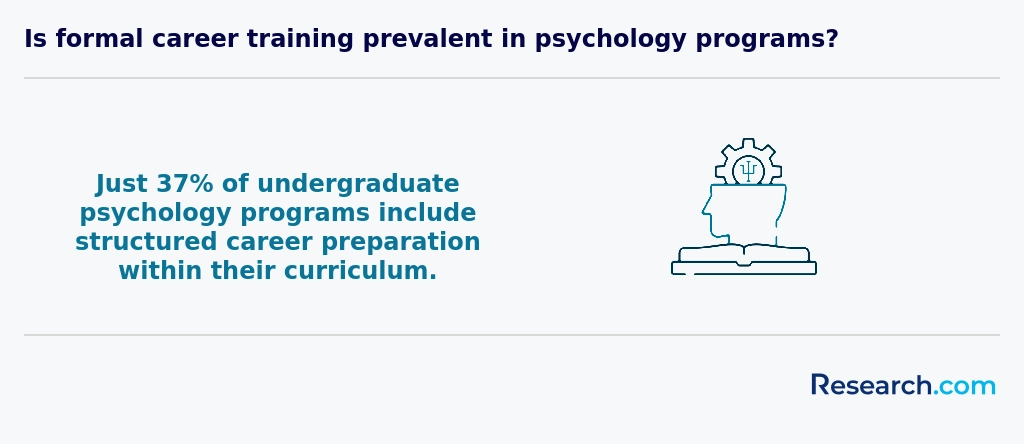
Accreditation ensures program quality and licensure eligibility for psychology graduates in Saint Paul. Look for degrees recognized by the American Psychological Association (APA) or regional accrediting bodies to satisfy Minnesota Board of Psychology standards.
Key licensure steps include:
- Completing an APA-accredited bachelor’s or graduate program
- Accumulating required supervised practicum and internship hours
- Passing the Examination for Professional Practice in Psychology (EPPP)
- Fulfilling postdoctoral supervised experience as specified by state regulations
For those balancing cost and accreditation, consider cheapest online psychology degree psychology programs that align with Minnesota licensure criteria.
If you're aiming for a psychology degree in Saint Paul, there's good news: plenty of financial aid options can ease the load. Many grads from local colleges like the University of St. Thomas or Hamline University talk about how federal Pell Grants, which can cover up to $7,395, made a huge difference in managing tuition costs. These grants don't need to be paid back, which feels like a breath of fresh air when you're juggling school and life.
State programs are a big help too. Minnesota residents can tap into the State Grant Program, stacking more funds on top of federal aid. Some have also found scholarships through their schools targeted specifically for psychology majors, which really sweetens the deal when bills come due.
Loans are there if you need them, but plenty of students recommend sticking to subsidized ones first to save on interest. Plus, work-study gigs and research assistant roles in psychology departments aren't just about money-they're great ways to build your resume while earning.
Graduates aiming for clinical practice in Saint Paul must navigate state licensure requirements overseen by the Minnesota Board of Psychology. First, candidates need a doctoral degree in psychology-either a PhD, PsyD, or EdD-from an APA-accredited institution. Many aspiring clinicians opt for an online doctoral track; for instance, some students choose a psyd psychology online program to fulfill both coursework and supervised practicum hours with flexibility. Next, applicants must complete at least 1,500 hours of supervised professional experience, including direct client contact and ethical consultation, before sitting for the Examination for Professional Practice in Psychology (EPPP). Passing the EPPP and Minnesota’s jurisprudence exam grants provisional licensure, allowing graduates to accumulate an additional 2,000 supervised hours under a licensed psychologist’s mentorship. Once provisional requirements are satisfied, candidates apply for the full license, which opens doors to private practice, hospital settings, and community agencies across Saint Paul. Psychologists must renew their license every two years, completing 40 hours of continuing education-20 in ethics and 20 in clinical practice-to stay current with best practices. Understanding these steps early helps students select programs with integrated practicum placements, robust supervision networks, and clear guidance on exam preparation. By planning ahead and aligning academic choices with Minnesota’s licensure milestones, psychology graduates can transition smoothly from classroom learning to professional practice.
If you're thinking about diving into a psychology degree in Saint Paul, you'll want to have some basics down first. Most undergrad programs here expect you to have finished high school or something similar like a GED, with a GPA around 2.5 to 3.0. Some graduates from Saint Paul schools like the University of St. Thomas share that having good grades really helped them feel confident when applying. A few places might want SAT or ACT scores, but many schools have gone test-optional, which takes a bit of pressure off.
It also helps to have taken classes in biology, English, or math. Imagine sitting in a lecture at Hamline University, understanding the science behind behavior because you took some bio in high school-it makes the whole study thing click. Grad programs here get tougher, usually asking for a bachelor's degree with solid psychology-related coursework and a GPA of at least 3.0. Some grads mention that writing personal statements and getting strong recommendation letters from mentors was key in their acceptance.
Overall, prepping ahead and knowing the local expectations can really boost your confidence to start your psychology journey in Saint Paul.
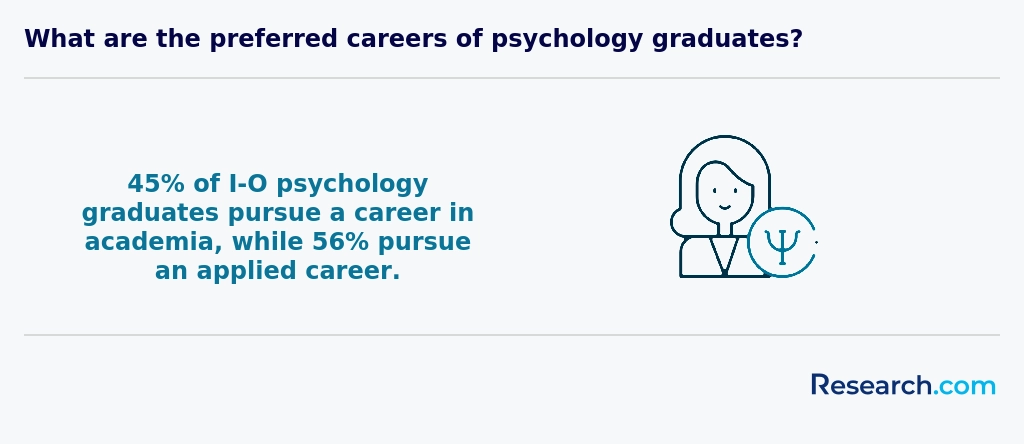
Investing in a psychology degree in Saint Paul often yields strong returns when measured by average graduate salaries versus total educational costs. On average, in-state tuition at public institutions runs about $7,070 per year, while private colleges may charge up to $32,954 annually. Assuming a four-year bachelor’s program, total tuition costs range from $28,280 to $131,816. Graduates entering roles like Human Resources Specialist (mean annual wage $73,080) or Clinical Research Associate ($57,760) can typically recoup their investment within 3–5 years, depending on living expenses and supplemental fees. Calculating ROI involves comparing cumulative earnings against cumulative costs. For example, a graduate earning $60,000 per year with a total tuition outlay of $40,000 breaks even in roughly 10 months of full-time work. Even graduates in entry-level positions such as Childcare Workers, with a mean wage of $29,570, can achieve payback within 2–3 years when factoring in grants and scholarships. Moreover, advanced degrees or certifications often accelerate ROI by unlocking higher-paying roles like Licensed Counselor or Clinical Psychologist, where annual salaries can exceed $90,000. Beyond Saint Paul, prospective students seeking lower-tuition programs might explore our Low Cost Psychology Degree Programs Ranking in New Jersey, which highlights institutions with some of the most competitive rates nationwide. Comparing out-of-state offerings can reveal opportunities to minimize debt while still accessing quality curricula and research opportunities. When assessing ROI, be sure to include non-tuition expenses-such as textbooks, technology fees, and living costs-which can add $13,000–$22,000 per year. Factoring in financial aid packages, assistantships, and federal grants further reduces net cost, often shortening the repayment timeline. Ultimately, the long-term value of a psychology degree in Saint Paul is determined by aligning program costs, expected salary trajectories, and available funding resources to ensure a sustainable and rewarding career path.
If you're diving into a psychology degree in Saint Paul, expect to get your hands on a mix of really interesting courses. Graduates from local schools often rave about starting with General Psychology, which lays out all the basics about how our minds work and where psychology came from. It's like getting the roadmap before the big journey.
Research Methods classes are a must too. Imagine learning how to design your own study or analyze real data-that's what makes many feel confident stepping into labs or internships around campus. Then there's Biological Psychology, which connects brain science to behavior, something students find surprisingly eye-opening, especially when discussing stuff like how stress impacts the mind.
Courses like Developmental and Social Psychology are also staples. Many students recall projects exploring real social influences or watching how kids grow and change right in their own communities. And don't forget Cognitive or Abnormal Psychology-these classes help you understand everything from memory tricks to mental health challenges, making you feel ready for real-world conversations. Electives like Clinical or Industrial-Organizational Psychology let you pick paths that fit your vibe and career goals in Saint Paul.
If you're checking out psychology degree specializations in Saint Paul, you'll find a bunch of interesting options that speak to different passions and career paths. For instance, clinical psychology is a popular choice, where students learn to diagnose and treat mental health issues-something many graduates rave about because it feels rewarding to make a real difference in people's lives. Counseling psychology is right there too, focusing on helping folks navigate life's ups and downs.
At colleges known for strong Saint Paul psychology program concentration options, like some big local universities, students often dive into developmental psychology, understanding how people grow and change over time. Others get drawn to industrial-organizational psychology, which is pretty cool if you're curious about workplace dynamics and improving employee motivation in the area's thriving business scene.
Another standout is forensic psychology, which links legal systems and psychology. Graduates love how chance to work near Saint Paul's courts really brings the subject to life. And if you're aiming high, you might check out an online phd clinical psychology program for advanced study and hands-on experience.
To pick the best psychology degree programs in Saint Paul, start by checking the program's accreditation-graduates from local colleges often say how important APA approval was for their career confidence. It's also smart to think about what areas of psychology excite you the most, whether that's clinical, counseling, or even forensic psychology. Many students at Saint Paul's top schools find that looking closely at the curriculum and internship opportunities made a huge difference in feeling prepared for real-world work.
Students looking for affordable psychology degrees Saint Paul MN can breathe easier knowing many universities offer scholarships and financial aid, helping lighten the load. Plus, course flexibility is a common topic among grads balancing work and life, with online or hybrid formats fitting neatly into busy schedules.
One tip from recent grads is to explore programs with strong community ties and research options-those hands-on experiences were game changers. If you want to dive deeper into advanced options, check out psyd psychology online choices suited for Saint Paul learners.
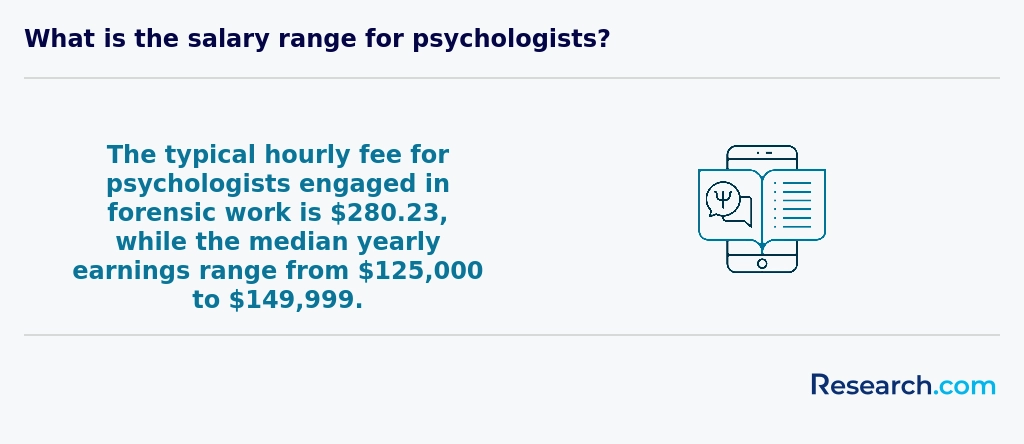
If you're looking into psychology career options in Saint Paul, there's a lot to get excited about. Graduates from popular colleges here often find themselves working as clinical psychologists, counselors, or even industrial-organizational psychologists helping local businesses boost employee morale. Many appreciate how their studies at Saint Paul institutions prepare them for real-world roles, whether it's providing therapy in a hospital or assisting students in schools.
Job opportunities with psychology degree Saint Paul are diverse - some grads jump into research roles at universities or healthcare centers, while others get hands-on experience as social workers supporting families. The community vibe here makes it easier to connect with employers and find meaningful work after graduation.
And if you're worried about cost, plenty of students explore options through Low Cost Psychology Degree Programs Ranking in New Jersey to help plan smart financially. All this makes studying psychology in Saint Paul a rewarding path with many doors waiting to open.
The job market for psychology degree job opportunities Saint Paul is pretty promising, especially if you're studying at local schools like the University of St. Thomas or Hamline University. Graduates often find themselves in hospitals, counseling centers, or schools around town, where the demand for mental health professionals is growing thanks to rising awareness. A lot of fellow grads share how having a master's or doctorate really boosts their chances, especially when aiming for specialized roles like licensed clinical psychologist.
Many psychology students also appreciate that starting salaries here are competitive, with median wages around $87,000 in Minnesota, which feels encouraging when they're thinking about paying off tuition. Speaking of tuition, those attending local public universities benefit from below-average costs, making it easier to focus on gaining real-world experience.
For those thinking about stepping up quickly, checking out the fast track career programs can be a smart move, helping graduates jump into the workforce sooner while still capturing plenty of internship and networking chances in Saint Paul's vibrant healthcare and social service sectors.
Overall, Saint Paul psychology graduate employment outlook looks bright, especially for those ready to combine their education with hands-on experience.
2027 Most Valuable Psychology Degree Programs Ranking in Saint Paul
Investing in your education is a significant decision that can shape your future, and the Research.com team understands the importance of making informed choices. To assist prospective students in Saint Paul, we have meticulously crafted the "2027 Most Valuable Psychology Degree Programs Ranking in Saint Paul." Our commitment to quality, credibility, and accuracy is demonstrated by the thorough research and analysis behind this ranking. We utilized the following reputable data sources to ensure a comprehensive evaluation of psychology programs:
By exploring this ranking, readers will gain valuable insights into the most valuable psychology degree programs available in Saint Paul, empowering them to make well-informed decisions about their educational paths. For more details on our methodology, please visit our Research.com methodology page.


Frequently Asked Questions About psychology
Psychology degree students in Saint Paul can enhance their learning by engaging actively in both coursework and community-based experiences. Many local universities, such as the University of St. Thomas, offer research opportunities and internships that connect theory with practical application. Participating in internships within Saint Paul's diverse mental health organizations can improve hands-on skills and professional networks.
Students should take advantage of seminars and workshops often hosted by psychology departments or nearby professional groups like the Minnesota Psychological Association. According to the National Center for Education Statistics, experiential learning significantly boosts retention and career readiness in psychology majors nationwide.
Additionally, collaborating with peers in study groups and seeking mentorship from faculty can deepen understanding and support academic success.
The psychology field is rapidly evolving, revealing several emerging niches that attract students in Saint Paul. One notable area is neuropsychology, focusing on brain-behavior relationships, with local clinics expanding services in this specialization. Another growing niche is health psychology, which addresses how psychological factors impact physical health, aligning with Minnesota's emphasis on integrated healthcare.
Additionally, forensic psychology is gaining traction due to increased demand for experts within the legal system in the region. Industrial-organizational psychology also shows promise, especially as Twin Cities companies seek professionals to enhance workplace productivity. According to the Minnesota Department of Employment and Economic Development, demand for these specialized roles is projected to grow by 10% by 2028.
After completing a psychology degree in Saint Paul, preparing for the job market involves gaining practical experience and networking within the local community. Internships or volunteer work at mental health clinics or social service agencies can enhance your resume and provide hands-on skills. According to the Minnesota Department of Employment and Economic Development, employment for psychologists in the region is expected to grow by 10% through 2030, signaling increasing opportunities.
Additionally, joining professional organizations like the Minnesota Psychological Association offers valuable connections and access to job listings. Pursuing relevant certifications or continuing education can further improve job prospects. Tailoring your resume to highlight research, communication, and analytical skills will also appeal to employers in Saint Paul's competitive market.
Employers in Saint Paul seek psychology degree graduates with strong critical thinking and analytical skills. These abilities help professionals assess complex behavioral data and design effective interventions. According to the Minnesota Department of Employment and Economic Development, communication skills are also essential, as psychologists must explain findings clearly to clients and colleagues.
Additionally, research proficiency is highly valued due to the emphasis on evidence-based practice in clinical and counseling settings. Technological literacy, including familiarity with data analysis software, is increasingly important. Understanding cultural diversity and ethical standards remains critical, given Saint Paul's diverse population and stringent professional codes.
Finding internships in Saint Paul related to a psychology degree involves utilizing multiple local resources. Many students begin by contacting university career centers, such as those at the University of St. Thomas or Hamline University, which maintain partnerships with local health facilities and social service agencies.
The Saint Paul area hosts several notable organizations offering relevant internships, including community mental health centers and government programs. According to the Minnesota Department of Employment and Economic Development, healthcare and social assistance sectors are among the fastest growing in the region, increasing internship opportunities.
Students can also explore listings on local job boards and professional associations like the Minnesota Psychological Association, which promotes internships and volunteer positions in psychology fields.
Networking with local professionals through events or informational interviews can further open doors to hands-on experience required for psychology career advancement.
Obtaining a psychology degree in Saint Paul significantly enhances career mobility and advancement opportunities. According to the U.S. Bureau of Labor Statistics (BLS), employment of psychologists in Minnesota is projected to grow 6% through 2031, aligning with national trends. This growth reflects increasing demand in healthcare, education, and business sectors.
Local employers in Saint Paul often seek candidates with formal psychology training for roles such as counseling, human resources, and social services. A degree provides essential skills in research, critical thinking, and interpersonal communication, which are highly valued in these fields.
Moreover, advanced degrees, including master's or doctoral levels obtained from accredited institutions in or around Saint Paul, enhance prospects for leadership roles and specialized positions. Licensing requirements in Minnesota further support career progression by validating professional competence.
Studying for a psychology degree in Saint Paul equips students with skills applicable across many fields. Local programs emphasize interdisciplinary learning, combining psychology with areas like social work, education, and health sciences. This approach reflects regional workforce demands, where employers seek professionals able to collaborate across sectors.
Saint Paul's universities often partner with healthcare facilities, schools, and nonprofits, offering practical experience that broadens students' understanding beyond traditional psychology roles. According to the Minnesota Department of Employment and Economic Development, careers intersecting psychology with allied fields are growing at a rate higher than the national average, highlighting strong local opportunities.
Through these programs, students develop competencies in research, communication, and cultural awareness. These abilities are essential in interdisciplinary teams addressing complex social and behavioral issues.
Choosing between a thesis and non-thesis psychology degree program in Saint Paul depends on your career goals and interests. Thesis programs typically involve original research, preparing students for doctoral studies or research-based careers. Non-thesis options focus more on coursework and practical skills, ideal for those aiming for immediate employment in clinical or counseling roles.
In Saint Paul, institutions like the University of St. Thomas offer both pathways, reflecting national trends where about 60% of psychology master's students opt for non-thesis tracks due to job market demands (APA, 2023).
Consider your time availability, research interest, and plans for further study when deciding.
Students in Saint Paul interested in studying psychology abroad have multiple pathways through U.S. higher education partnerships and exchange programs. Universities in Saint Paul, such as the University of St. Thomas, occasionally offer study abroad opportunities tied to their psychology programs, enabling students to gain international experience while earning credits.
The U.S. Department of Education and organizations like IIE report that nearly 10% of U.S. psychology undergraduates participate in study abroad experiences, often focusing on countries with advanced psychology research facilities.
Options include summer programs, semester exchanges, and research internships abroad, typically coordinated through home institutions with partner schools worldwide. These experiences enhance cultural competence and deepen understanding of global mental health perspectives.
Students pursuing psychology degrees in Saint Paul can benefit from various part-time job opportunities that complement their academic learning. Positions such as research assistants at local universities or psychology clinics provide practical experience in data collection and analysis. The University of Minnesota, located nearby, offers numerous openings for undergraduate and graduate research roles in behavioral science.
Additionally, roles as mental health aides or peer support specialists in community health centers allow students to engage directly with clients, enhancing interpersonal skills. Nonprofits and social service agencies in Saint Paul often seek interns or part-time workers, offering relevant exposure to counseling and case management.
According to the Minnesota Department of Employment and Economic Development, psychology-related roles are expected to grow by 12% over the next decade in this region, underscoring the value of integrating work experience with academic studies.
Psychology students in Saint Paul have a variety of networking opportunities through local universities and professional organizations. The University of St. Thomas, a prominent institution in the area, regularly hosts psychology seminars and career fairs that connect students with faculty and local professionals.
The Minnesota Psychological Association (MPA) offers student memberships, providing access to conferences, workshops, and mentoring programs specifically designed for psychology students in the Twin Cities area.
Students can also engage with Saint Paul's diverse healthcare institutions, including hospitals and counseling centers, which often provide internships and volunteer positions to build professional connections.
These resources help students expand their networks and increase job prospects after graduation.
Alumni networks play a significant role for psychology degree students in Saint Paul by creating valuable professional connections. These networks offer mentorship opportunities where experienced graduates provide guidance on career paths and academic challenges. According to the Saint Paul Chamber of Commerce, nearly 70% of recent psychology graduates find internships or jobs through alumni referrals.
Additionally, alumni groups often organize workshops, seminars, and networking events tailored to psychology students. This helps students stay updated on industry trends and graduate school opportunities. The ongoing support from former students can improve job placement rates and expand access to local mental health organizations and research institutions.
Students pursuing psychology degrees in Saint Paul can tailor their programs to align with specific career goals by choosing from various elective courses and specializations. Many local institutions offer tracks in clinical, counseling, or industrial-organizational psychology, allowing students to focus on areas most relevant to their interests. Internship and research opportunities within Saint Paul's healthcare and business sectors provide practical experience that enhances employability. According to the Minnesota Office of Higher Education, institutions in Saint Paul report a strong integration of applied learning options for psychology majors. Students can also engage with local professional organizations to network and identify emerging job market trends in psychology fields.
Psychology students in Saint Paul often face challenges related to balancing rigorous coursework and practical experience requirements. Programs typically demand strong research skills, which can be difficult for those without prior scientific training. According to the National Center for Education Statistics, students nationwide spend over 40% of their study time on research methodologies and data analysis, a trend reflected in Saint Paul's institutions.
Another common challenge is securing internships or practicum placements, crucial for gaining hands-on experience. Limited availability in local mental health facilities can lengthen the time needed to complete these requirements.
Students also navigate financial pressures, with the average annual cost for in-state psychology programs in Minnesota approaching $12,000, as reported by the College Board. These hardships require effective time management and resourcefulness for success in Saint Paul's competitive academic environment.
With a psychology degree in Saint Paul, graduates can pursue several professional certifications to enhance their careers. Common options include becoming a Licensed Psychologist, which requires a doctoral degree and passing the Examination for Professional Practice in Psychology. Additionally, certification as a Licensed Professional Clinical Counselor (LPCC) or Licensed Alcohol and Drug Counselor (LADC) is available for those focusing on mental health or substance abuse treatment.
Other certifications such as Certified School Psychologist or Behavioral Analyst are possible with additional specialized training. These credentials can increase job opportunities and salary potential in Saint Paul's growing healthcare sector, according to the Minnesota Board of Psychology and the Bureau of Labor Statistics.
To write a winning application for a psychology program in Saint Paul, start by thoroughly researching local universities such as the University of St. Thomas and Hamline University, which offer reputable psychology degrees. Highlight your academic achievements, especially in relevant coursework like biology and statistics. Admissions committees in Saint Paul value a strong personal statement demonstrating your passion for psychology and clear career goals.
Include any relevant experience such as internships, volunteer work, or research related to psychology. According to the Minnesota Office of Higher Education, emphasizing local community involvement can strengthen your application due to Saint Paul schools' focus on urban and social issues. Lastly, request compelling recommendations from professors who know your academic strengths well.
Psychology careers reflect a growing global demand for mental health professionals, with the United States ranking among the top countries for employment growth in this field. In Saint Paul, Minnesota, the Bureau of Labor Statistics (BLS) projects that psychologist roles will increase by 8% from 2021 to 2031, faster than the average for all occupations.
Internationally, psychologists address diverse challenges, including cultural, social, and economic factors that affect mental health. The global integration of psychological research enriches the knowledge base, benefiting U.S. practitioners and students.
For Saint Paul students, earning a psychology degree offers opportunities to engage with these worldwide trends while building local expertise, especially given the region's focus on community health initiatives and diversity awareness.
Gaining practical experience while studying psychology in Saint Paul is crucial for career development. Many local universities offer internships in mental health clinics, schools, and research centers. For example, the University of St. Thomas provides access to community partnerships where students can apply theoretical knowledge in real settings. According to the Minnesota Psychological Association, hands-on experience boosts both skills and employability.
Saint Paul also hosts various psychology research projects open to students, allowing participation in data collection and analysis. Volunteering at local nonprofits focused on mental wellness is another valuable option, helping build practical skills and professional networks.
Choosing the right concentration within a psychology degree program in Saint Paul involves assessing your career goals and personal interests. Common concentrations include clinical, counseling, developmental, and industrial-organizational psychology. Each focuses on different aspects of human behavior and professional applications.
In Saint Paul, programs often align with regional job market demands, where clinical and counseling psychology remain in high demand due to growing mental health services. According to the Bureau of Labor Statistics, the Minneapolis-Saint Paul metro area is expected to see a 14% growth in psychologist roles through 2030.
Students should also consider program accreditation and faculty expertise. Accredited programs ensure quality education essential for licensure, which is required for clinical practice in Minnesota. Visiting campuses and speaking with advisors or current students can provide useful insight into which concentration fits best.
- 2027 Most Valuable Psychology Degree Programs Ranking in Minneapolis
- 2027 Most Valuable Psychology Degree Programs Ranking in Lincoln
- 2027 Most Valuable Psychology Degree Programs Ranking in Saint Louis
- 2027 Most Valuable Psychology Degree Programs Ranking in Detroit
- 2027 Most Valuable Psychology Degree Programs Ranking in Springfield
- 2027 Most Valuable Psychology Degree Programs Ranking in Cincinnati
- 2027 Most Valuable Psychology Degree Programs Ranking in Columbus
- 2027 Most Valuable Psychology Degree Programs Ranking in Cleveland
- 2027 Most Valuable Psychology Degree Programs Ranking in Tulsa
- 2027 Most Valuable Psychology Degree Programs Ranking in Denver
See What Experts Have To Say About Studying Psychology
Read our interview with Psychology experts

Elizabeth L. Jeglic Ph.D.
Psychology Expert
Professor of Psychology
City University of New York

Catherine Caldwell-Harris, Ph.D.
Psychology Expert
Associate Professor of Psychology
Boston University

Robin M. Kowalski. Ph.D.
Psychology Expert
Professor of Psychology
Clemson University

- Study Psychology Abroad https://astarfuture.co.uk/study_psychology_abroad.html
- Psychology - SWPS University https://english.swps.pl/academics/warsaw/ba-programs/psychology
- Tuition and incidental fees - Saint Paul University https://ustpaul.ca/en/financial-services/tuition-and-incidental-fees-2/
- Best Types Of Online Psychology Degrees 2025 https://www.psychology.org/degrees/
- Have You Found a Niche? https://www.apaservices.org/practice/business/marketing/building/niche
- A Guide to Psychology Internships | Psychology Degree Guide https://psychologydegreeguide.org/resources/internships/
- Psychology… at Concordia University-Saint Paul | Vaia https://www.vaia.com/s/degree/concordia-university-saint-paul/psychology-general-bs/
- Study Psychology Abroad | Go Overseas https://www.gooverseas.com/study-abroad/psychology
- How to help students cope with mental health challenges https://www.eaie.org/resource/help-students-cope-mental-health-challenges.html
- Mental Health Challenges Faced by Psychology Students | The Healthcare Guys https://healthcareguys.com/2023/11/23/mental-health-challenges-faced-by-psychology-students/


![2027 Best Advanced Standing Online MSW Programs [CSWE Accredited] thumbnail](/uploads/Online_Advanced_Standing_MSW_301dbd5368.jpg)


